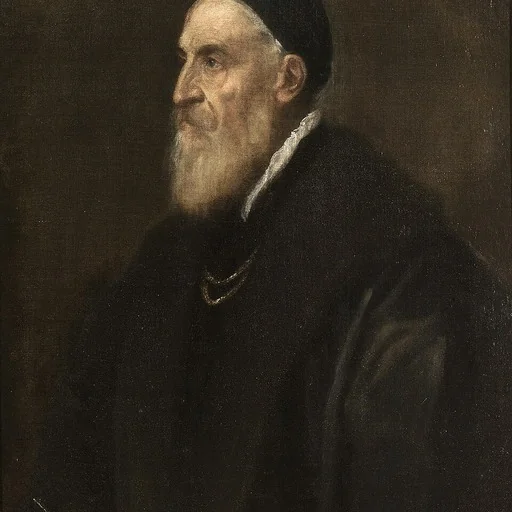
Subject
Navel
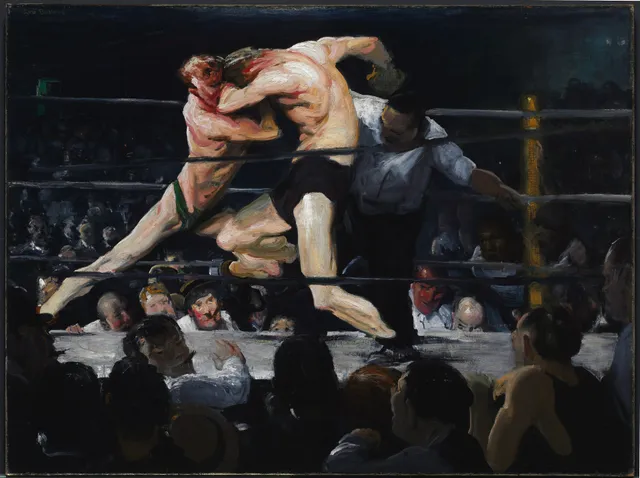
Navel is a subject in art. The gallery holds 99 works in this subject in art, including works by Titian, Paolo Veronese and Jean Baptiste Camille Corot.
Few anatomical details carry as much symbolic and theological weight as the navel, or umbilicus—the scar of birth that every human shares. In the ancient Mediterranean the word itself denoted a center: the Greeks called the sacred stone at Delphi the omphalos, the "navel of the world," and the Roman architect Vitruvius made the body's navel the literal hub of ideal proportion. In De architectura he observed that if a man lies on his back with limbs outstretched, a circle drawn from the navel will graze his fingertips and toes. That dictum, fused with the notion that arm-span equals height, generated the most famous diagram in Western art, Leonardo da Vinci's Vitruvian Man (c. 1490), in which the spread-eagled figure's navel sits at the precise center of the encircling ring.
The navel also provoked one of art's stranger controversies. Because Adam and Eve were not born of women, theologians debated whether the first couple could possess umbilici at all—a puzzle later codified as the "omphalos" argument and lent its name to Philip Henry Gosse's 1857 book reconciling Genesis with deep geological time. Renaissance painters frequently dodged the question with strategically placed foliage, hair, or forearms, but Michelangelo defiantly gave Adam a navel on the Sistine Chapel ceiling (1508–1512), drawing accusations of heresy.
In the idealized nude the navel became a quiet locus of beauty and naturalism. Venetian masters rendered it with sensuous precision: Titian's Venus with a Mirror, Paolo Veronese's Venus and Mars, and Lorenzo Lotto's Venus and Cupid all treat the soft abdomen as a site of warmth and life. Sandro Botticelli's Birth of Venus had earlier made the unclothed goddess respectable, while later painters such as Pierre-Auguste Cot (The Storm) and Jean-Baptiste-Camille Corot (Bacchante by the Sea) carried the motif into the nineteenth century. Even sacred imagery, as in Fra Bartolomeo's Madonna and Child, acknowledged the infant's recent birth.
Beyond Europe the navel held cosmic meaning: Hindu iconography depicts Vishnu as Padmanabha, a lotus bearing the creator Brahma rising from his navel—the source-point of the universe, echoing the omphalos idea that the body's center is also the world's.
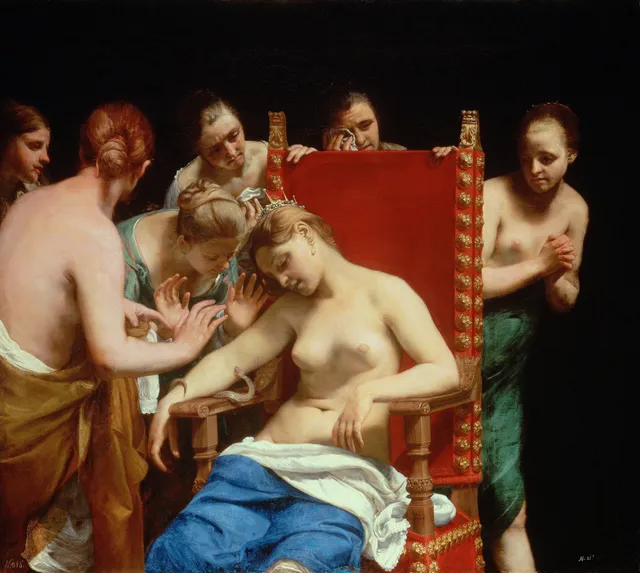
Key artists
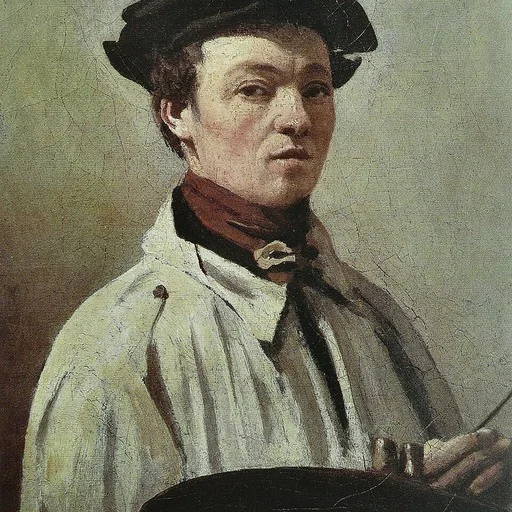
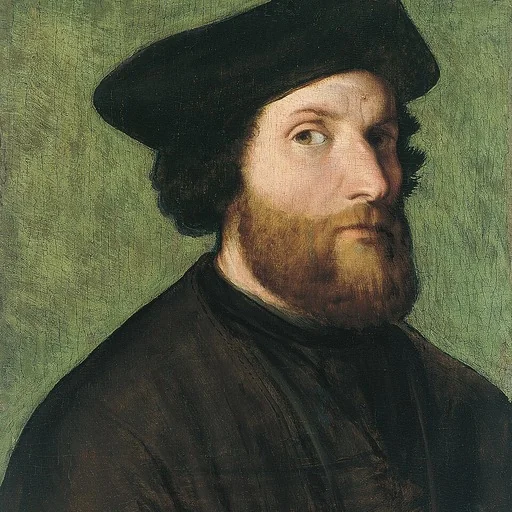
Overview
The navel, clinically termed the umbilicus and colloquially known as the belly button or tummy button, is a scar on the abdomen marking the attachment site of the umbilical cord. In art, it functions as a recurrent anatomical motif with deepened symbolic resonance, appearing across mythological, religious, and secular depictions of the human body. A single collection holds 101 works that depict the navel, ranging from Venus with a Mirror and Venus and Mars to The Storm and Madonna and Child with the Young Saint John the Baptist. The motif's persistence stems from its dual identity as a literal physiological feature and a culturally loaded symbol of origin, connection, and eroticism.
Iconography & meaning
The navel carries multivalent meanings across cultures and periods. In ancient Greek thought, the omphalos represented the center of the world, most famously at Delphi, where a stone marked the 'navel of the earth.' Hindu cosmology similarly positions creation at Vishnu's navel, from which Brahma emerges on a lotus. The navel thus symbolizes origin, life, and cosmic centrality. In Christian tradition, medieval theologians debated whether Adam and Eve possessed navels, since they were not born of mothers; this 'anomphalism' controversy led artists to strategically conceal the navel's location, as seen in paintings where fig leaves cover both genitalia and the navel area. The navel also acquired erotic connotations, particularly the female navel, which was subject to censorship under Hollywood's Hays Code until the mid-1970s. Japanese Jōmon culture exaggerated the navel's size on clay figurines, believing it symbolized life's beginning. Leonardo da Vinci placed the navel at the center of his Vitruvian Man, asserting its geometric and proportional significance.
Across movements & periods
The treatment of the navel has shifted with changing attitudes toward the body. In classical and Renaissance art, the navel typically appeared on mythological nudes as part of an idealized anatomical whole, integrated into harmonious proportions. Baroque and later works such as Venus and Mars Surprised by Vulcan exploited the navel's potential for narrative drama and erotic surprise. Nineteenth-century Orientalist and academic painting continued to expose the navel in exoticizing or aestheticizing contexts. The Hays Code's prohibition on female navel exposure in Hollywood until the mid-1970s demonstrates how modern Western culture could simultaneously display and censor the same body part. Meanwhile, Indian and Japanese traditions maintained more continuous acceptance of navel display in dress and art. Contemporary fashion, from crop tops to bikinis, has normalized what was once taboo, while male navel exposure has followed a separate trajectory of increasing acceptance, particularly through male crop tops and navel piercing.
Notable depictions
Canonical depictions of the navel include Leonardo da Vinci's Vitruvian Man, which positions the navel at the exact center of the inscribed circle and square, making it the geometric pivot of human proportion. In the collection, Titian's Venus with a Mirror presents the goddess's navel as part of a luxurious, sensuous physique. Botticelli's Venus and Mars (if the attributed work in the collection corresponds) or similar mythological pairings use the navel to mark the boundary between clothed and unclothed, vulnerable and powerful. The Storm, possibly by Giorgione, integrates the navel into an enigmatic pastoral narrative. Religious depictions such as Madonna and Child with the Young Saint John the Baptist place the navel on the infant Christ, a theological statement about full humanity. Vertumnus and Pomona and Joseph and Potiphar's Wife demonstrate how the navel operates across mythological and biblical storytelling, respectively.
Legacy
The navel's cultural afterlife extends beyond fine art into fashion, body modification, and popular culture. Navel piercing emerged as a widespread practice in Western industrial countries toward the end of the twentieth century, transforming the navel into a site of adornment and personal expression. The crop top, banned from revealing the navel on American television for decades, became unremarkable youth fashion. Literary works from Vladimir Nabokov's Lolita to Patrick Süskind's Perfume have lingered on the navel as an erotic or olfactory focus, extending its artistic life into narrative form. The omphalos as 'navel of the world' persists in geographic and cultural discourse, from Cuzco to Easter Island. In contemporary art and advertising, the navel remains a privileged signifier of youth, fitness, and sensuality, even as its once-transgressive exposure has become commonplace. The medieval theological debate about Adam's navel, meanwhile, survives as a curiosity of premodern epistemology, a reminder of how intensely a simple scar could become freighted with cosmological significance.
Works
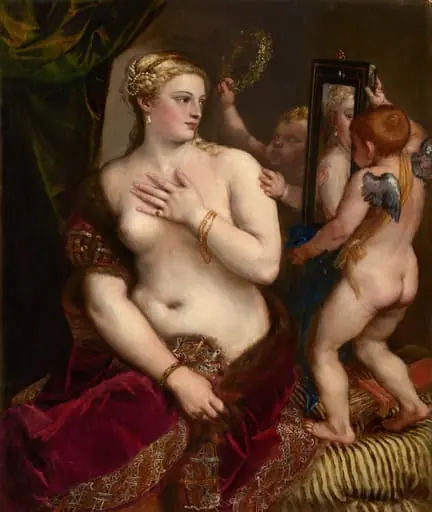 Venus with a Mirror
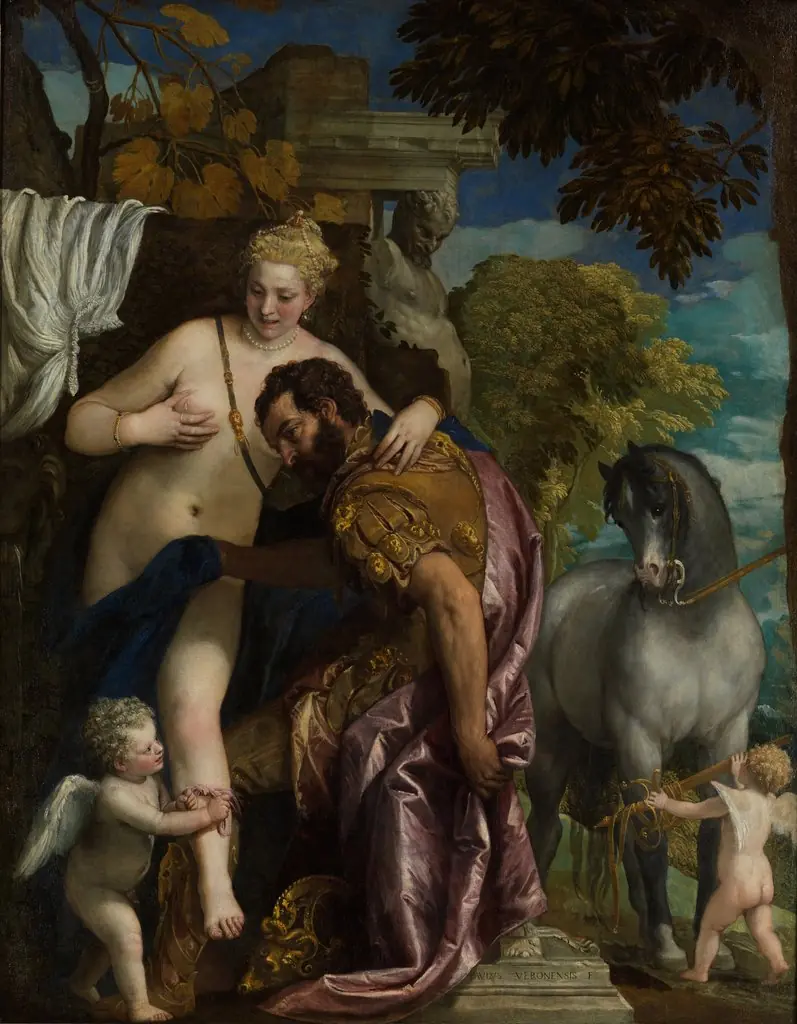 Venus and Mars
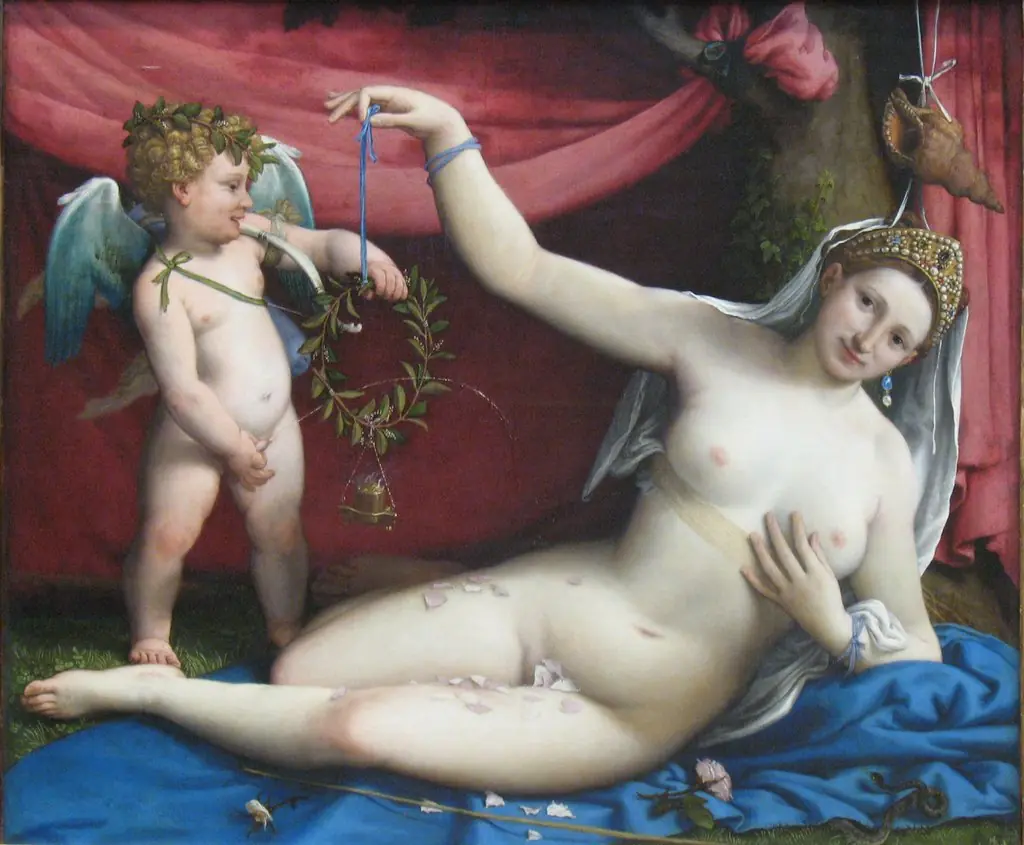 Venus and Cupid
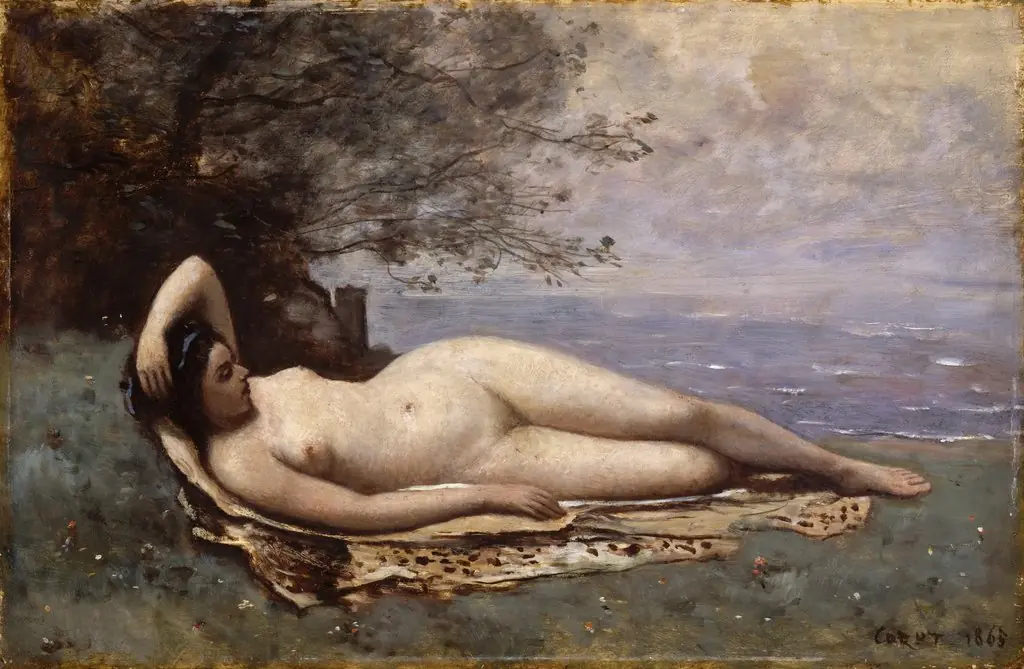 Bacchante by the Sea
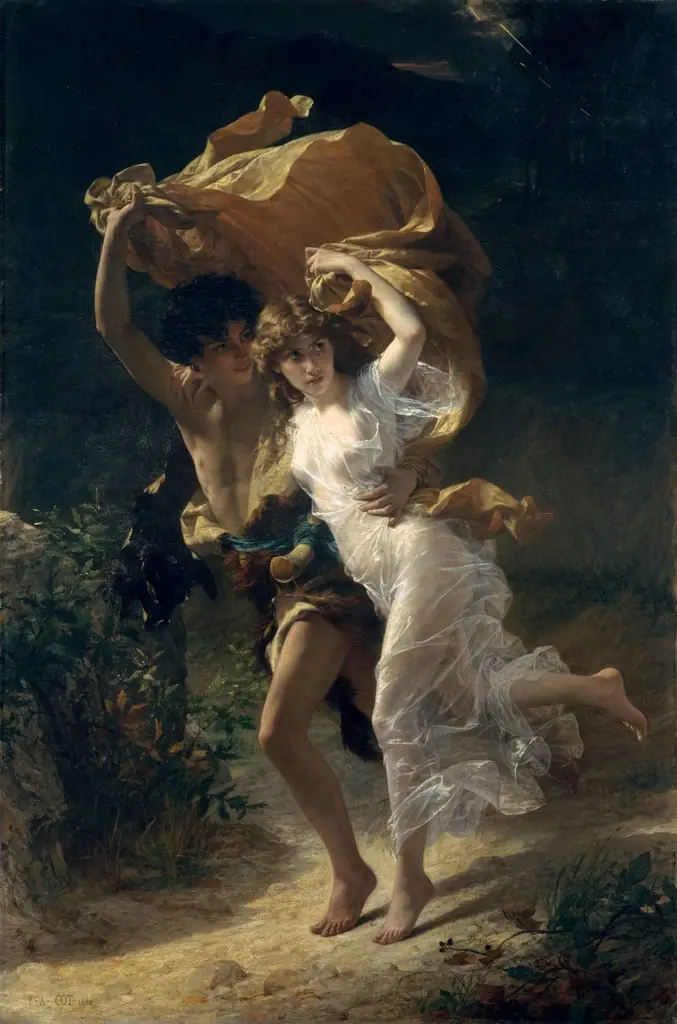 The Storm
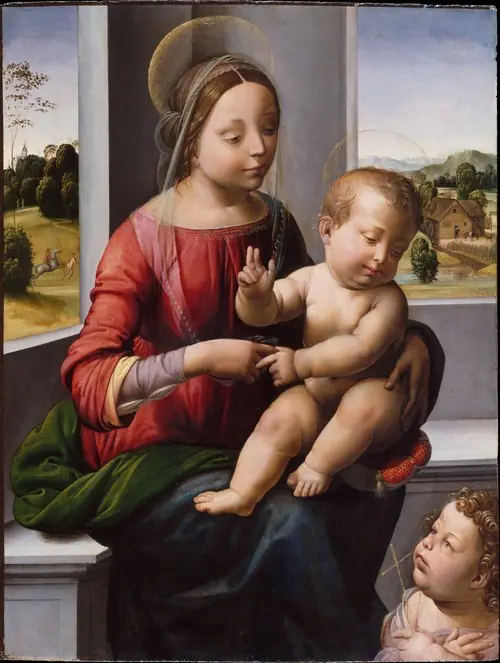 Madonna and Child with the Young Saint John the Baptist
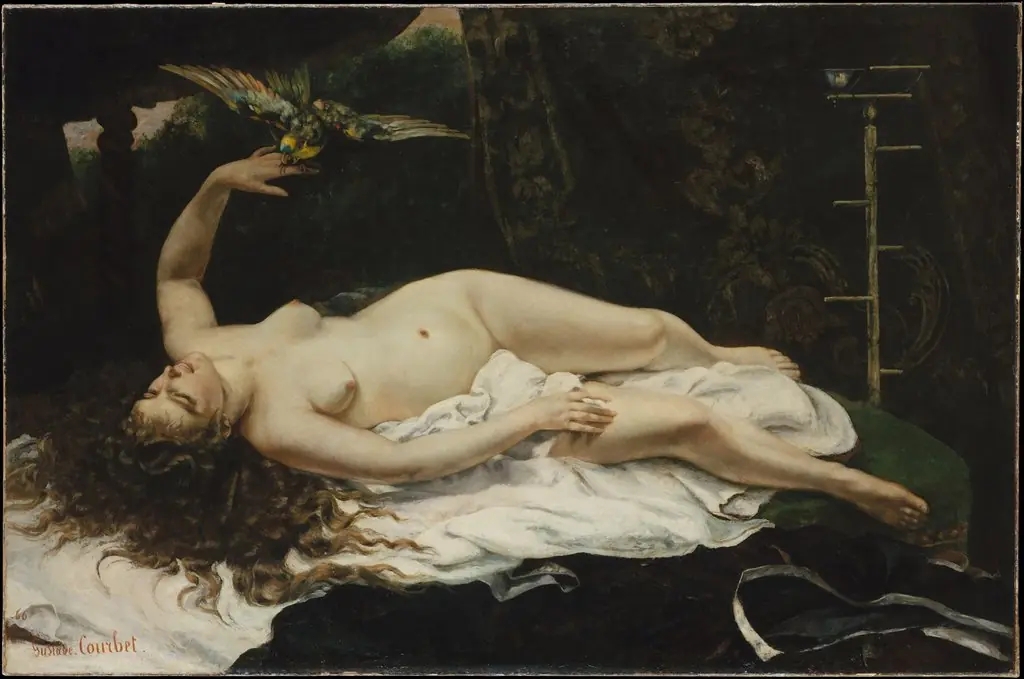 Woman with a Parrot
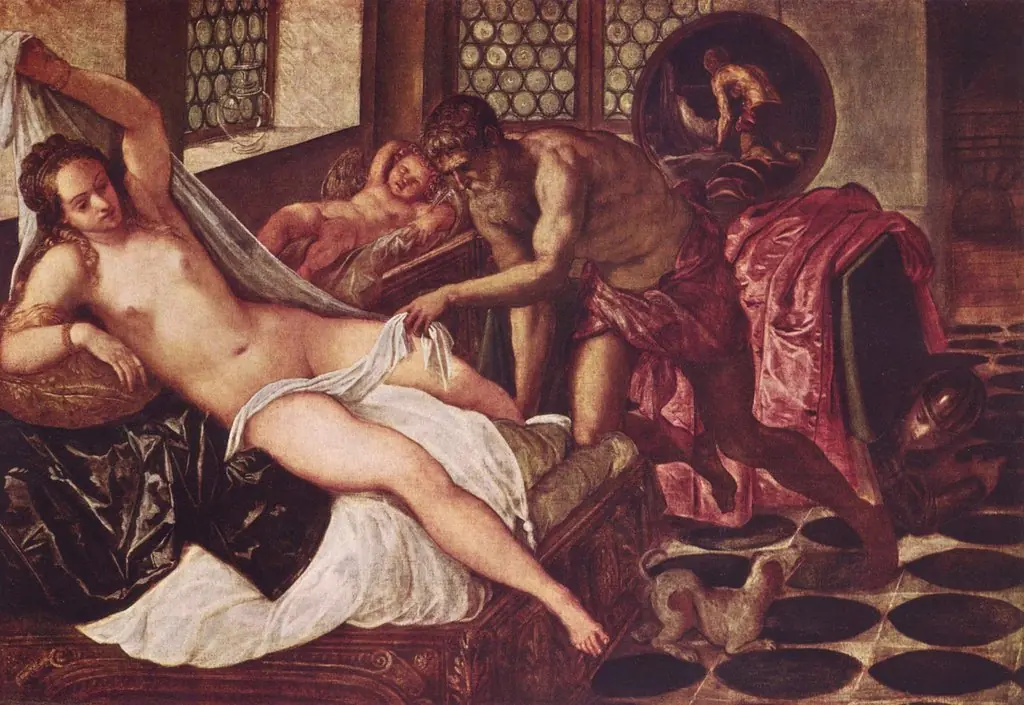 Venus and Mars Surprised by Vulcan
 Vertumnus and Pomona
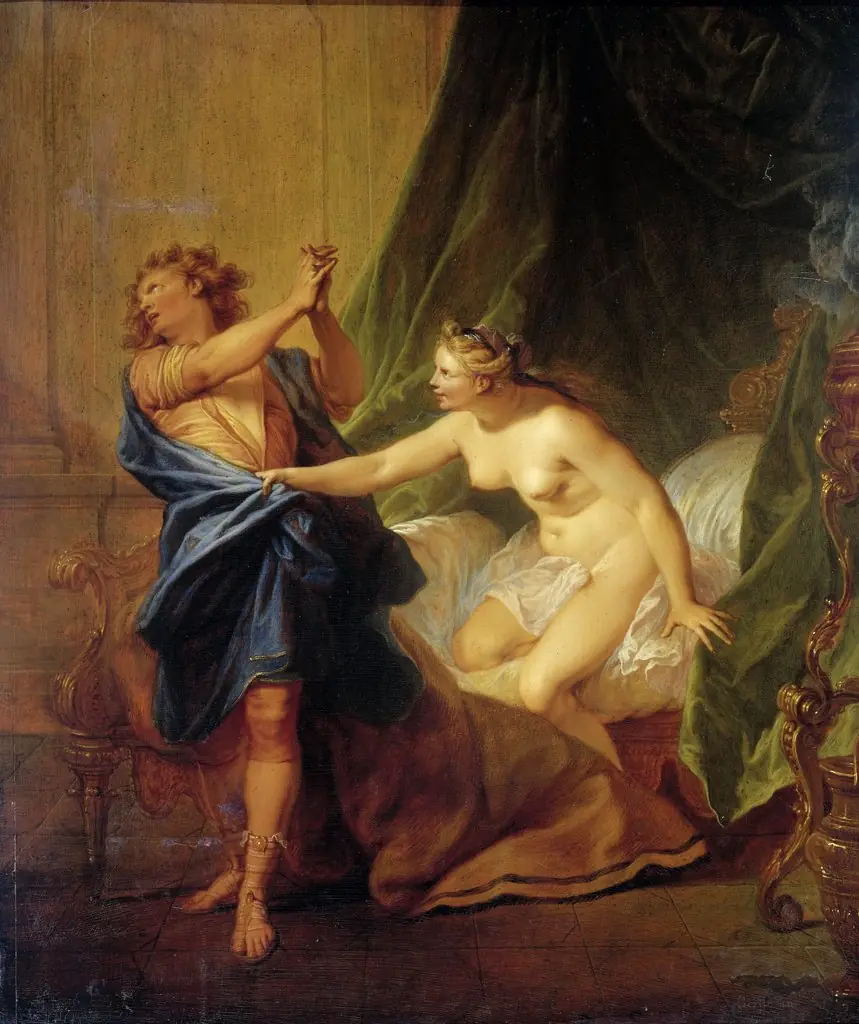 Joseph and Potiphar's Wife
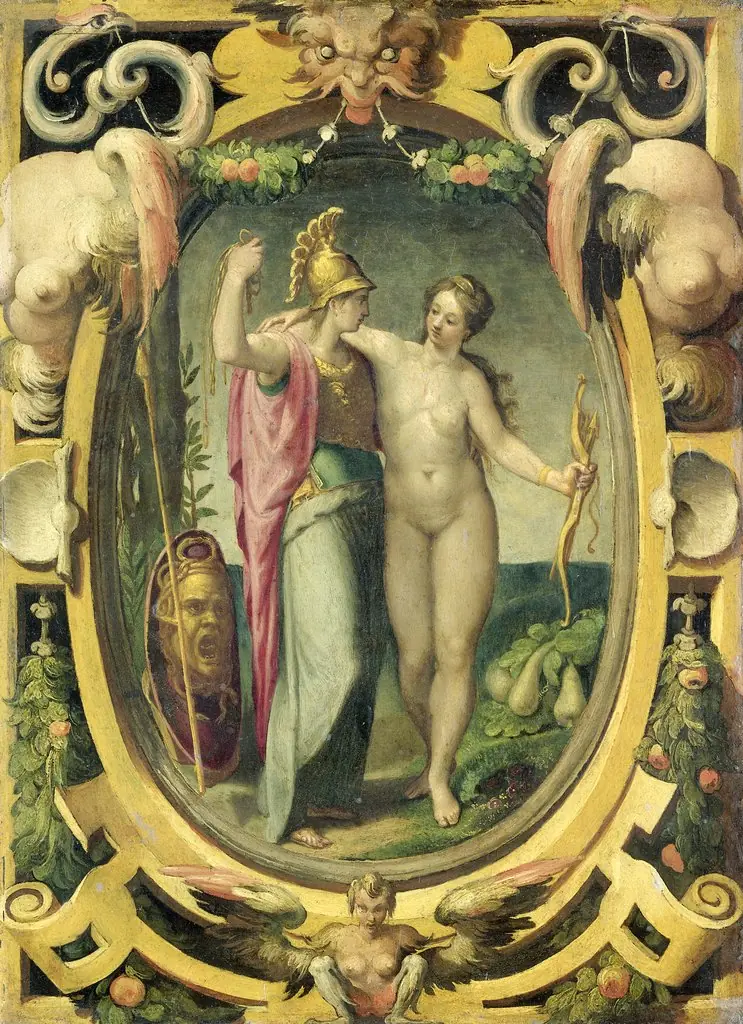 Venus and Minerva
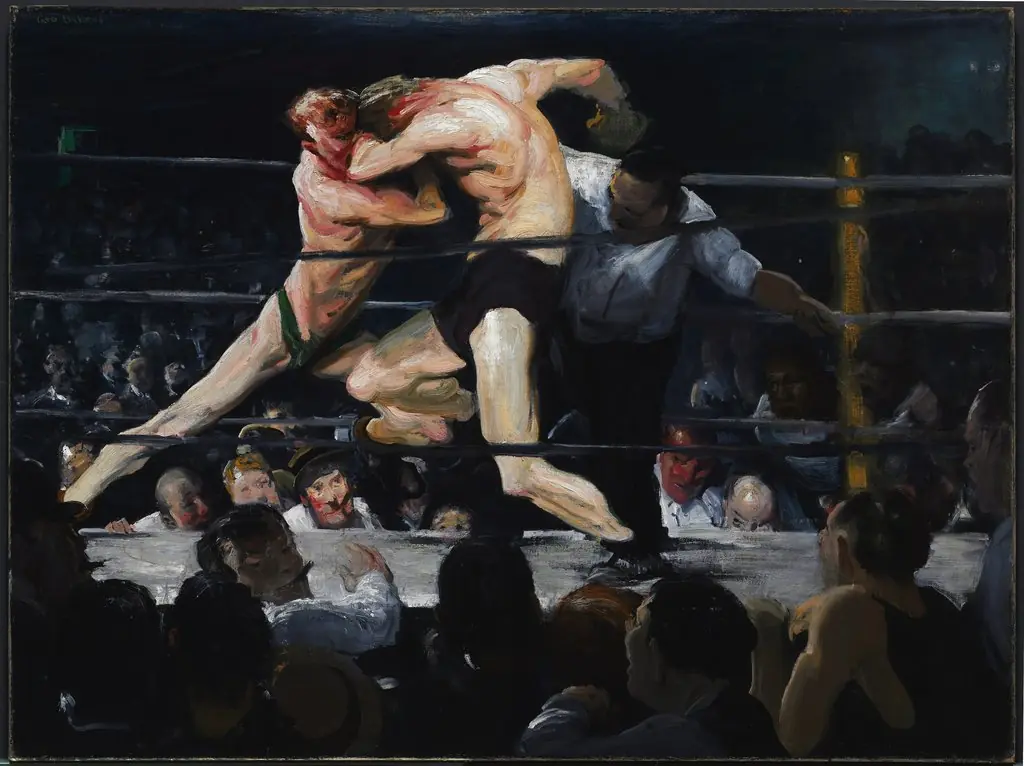 Stag at Sharkey's
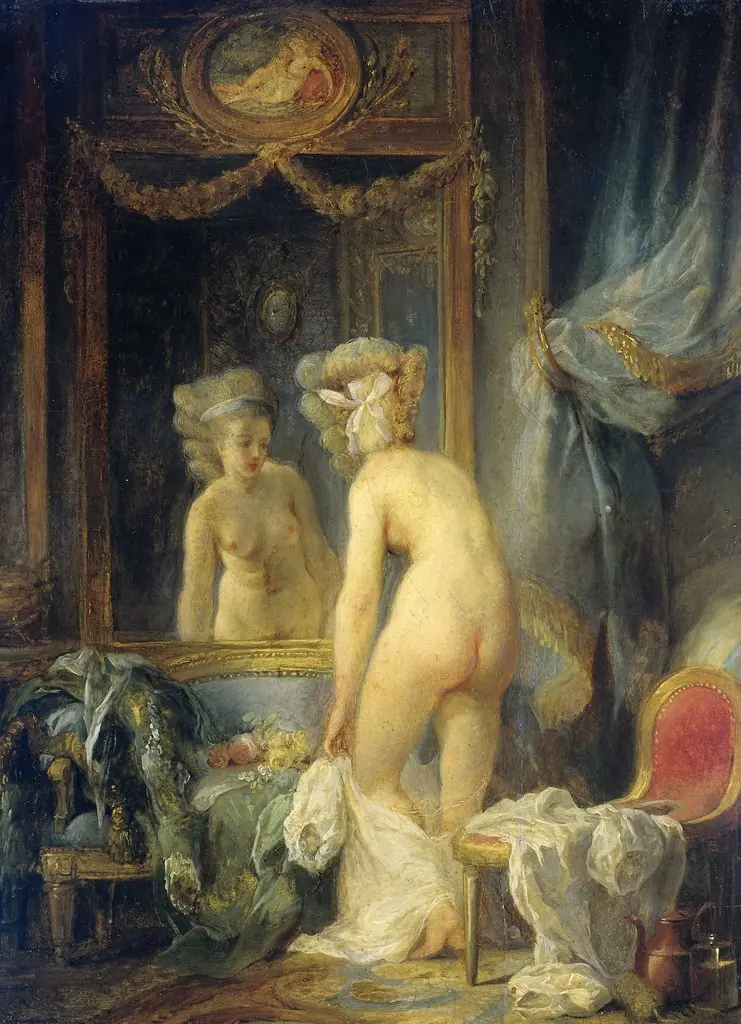 Morning Toilet
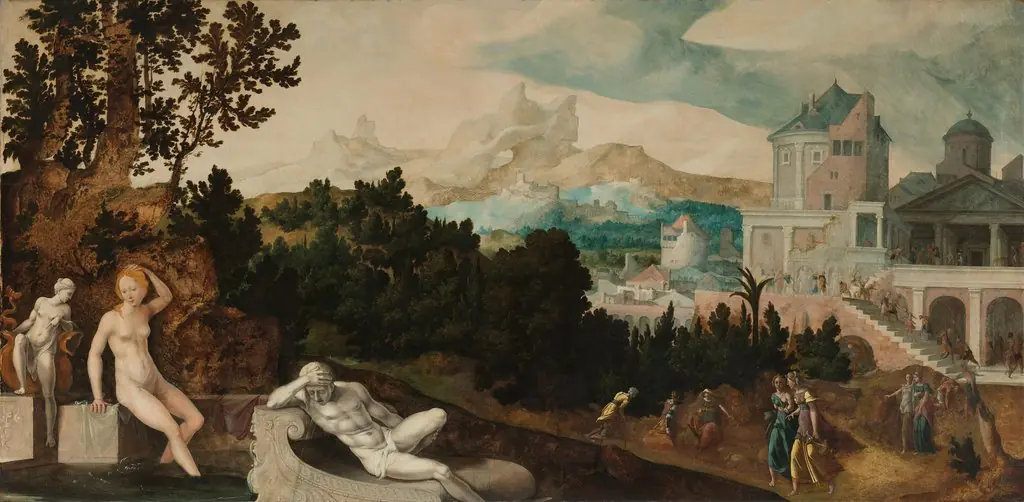 Landscape with Bathsheba
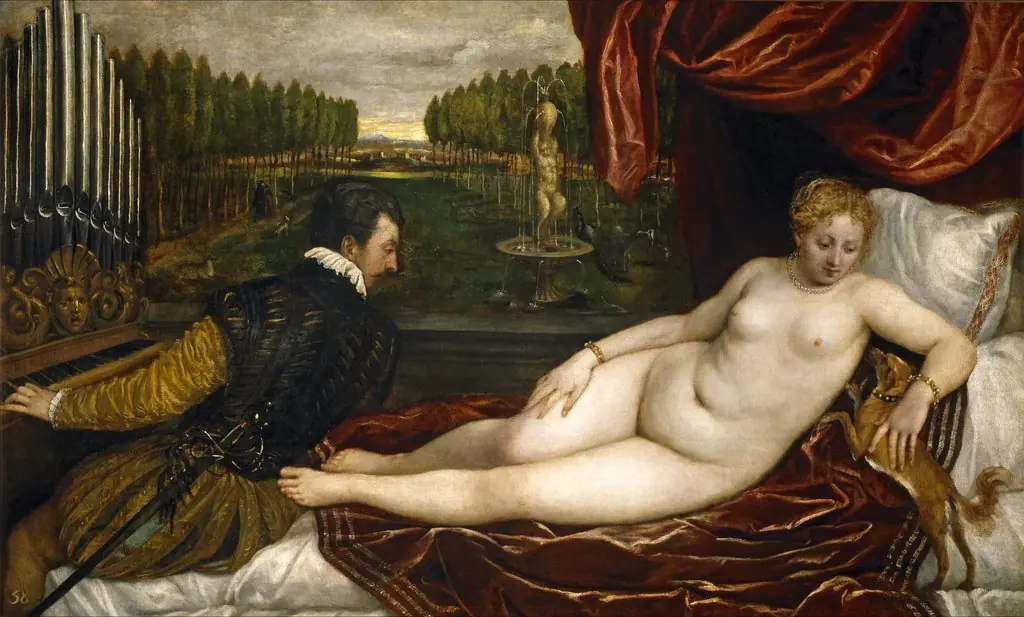 Venus and Music
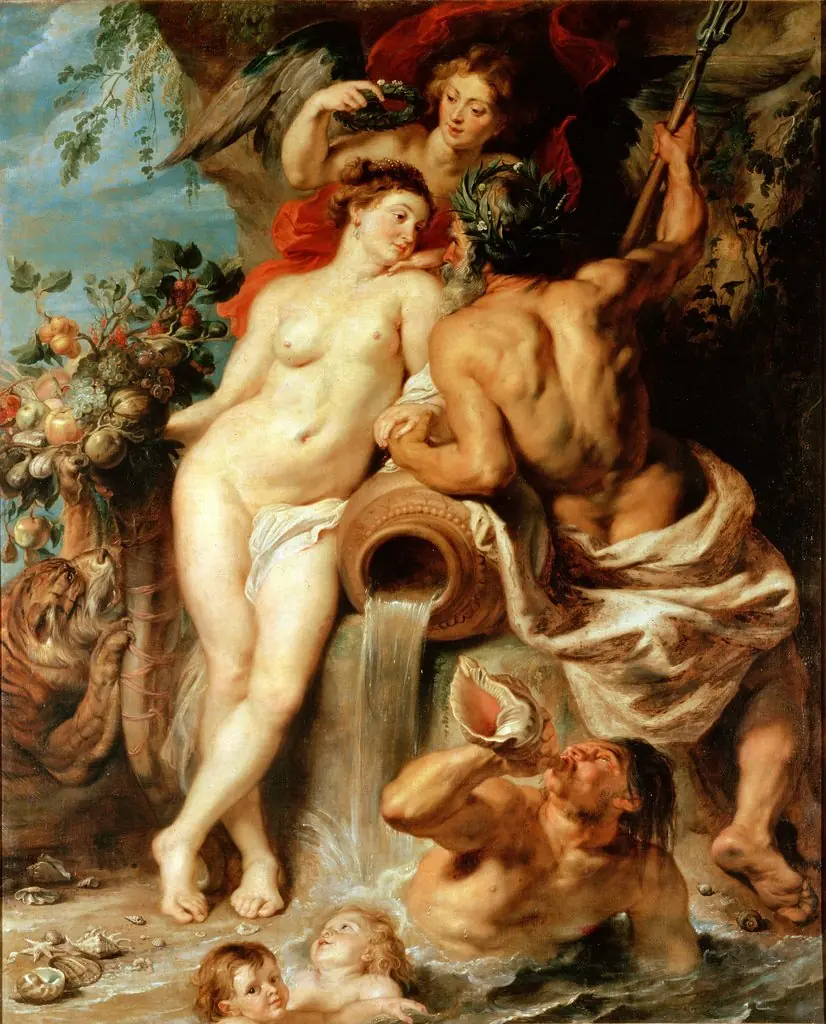 The Union of Earth and Water (Antwerp and the Scheldt)
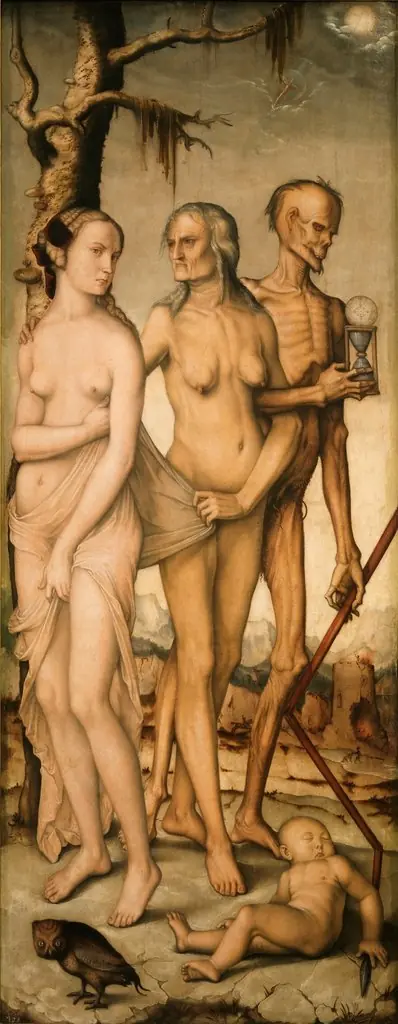 The Ages and Death
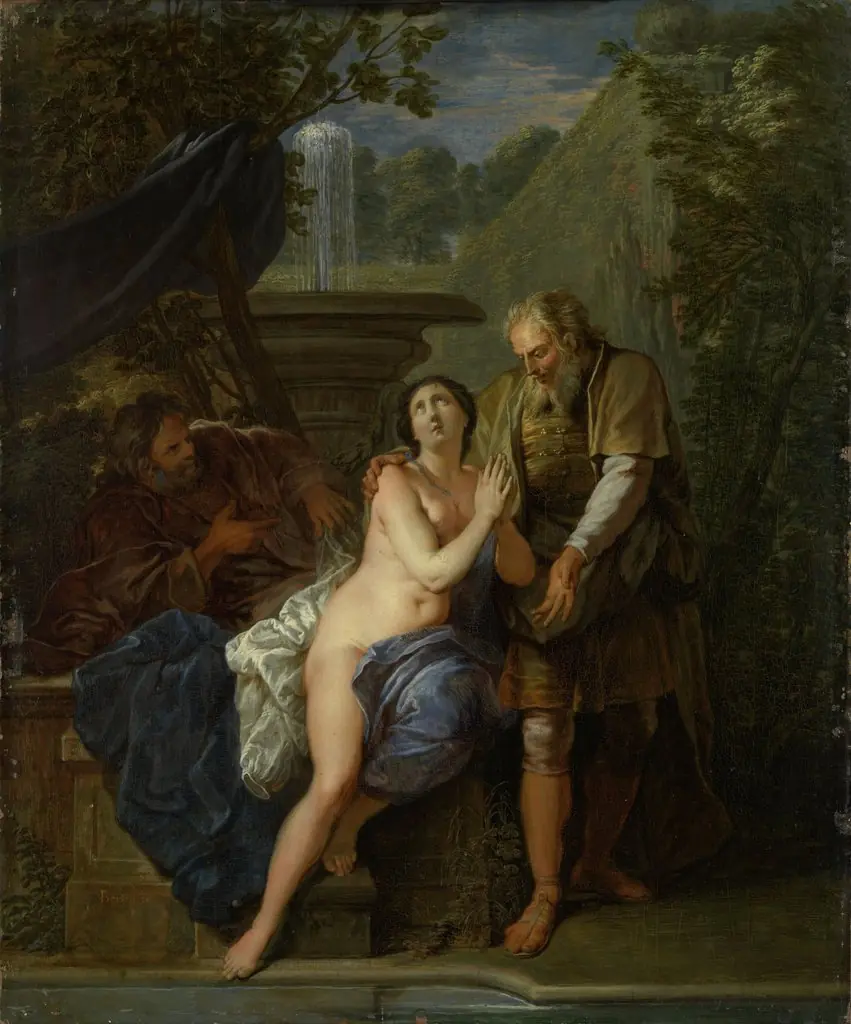 Susanna and the Elders
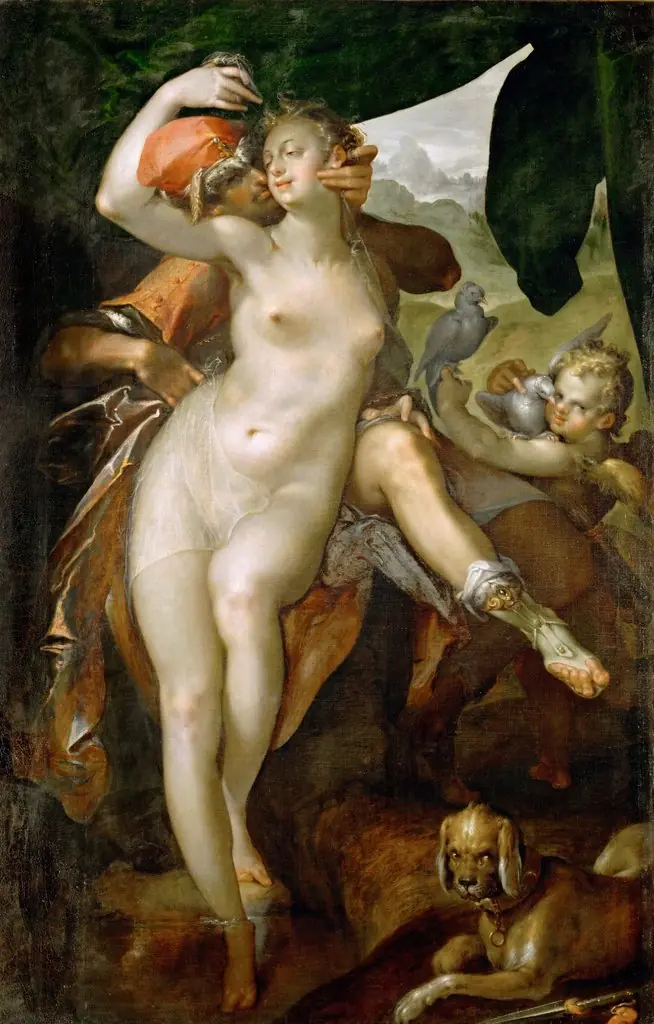 Venus and Adonis
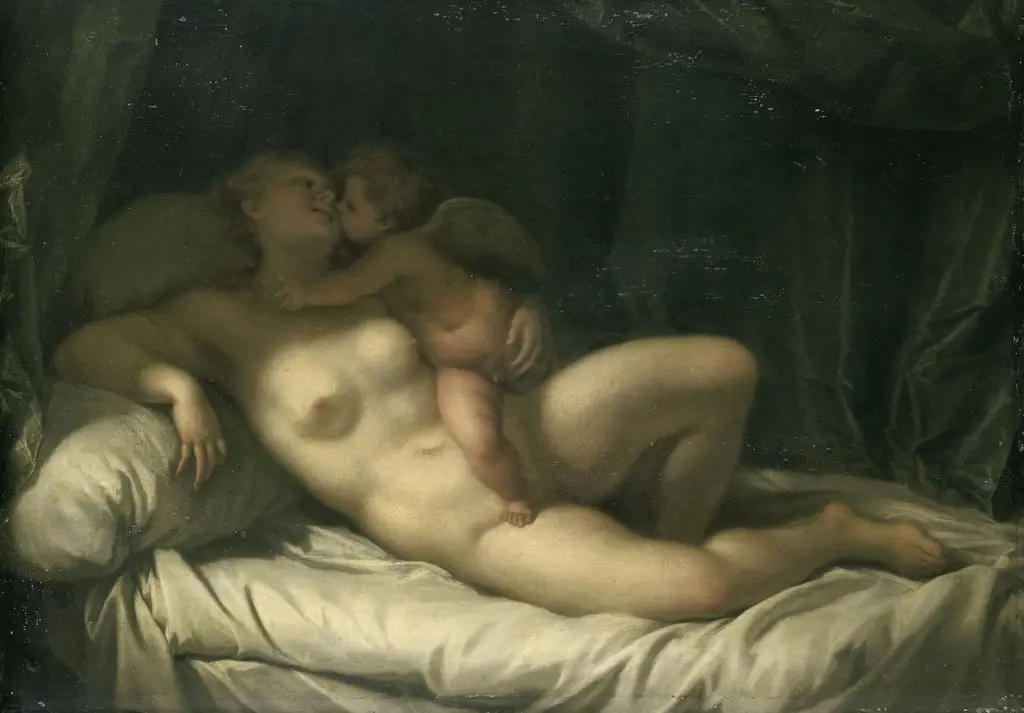 Cupid Kissing Venus (Venus Kissed by Amor)
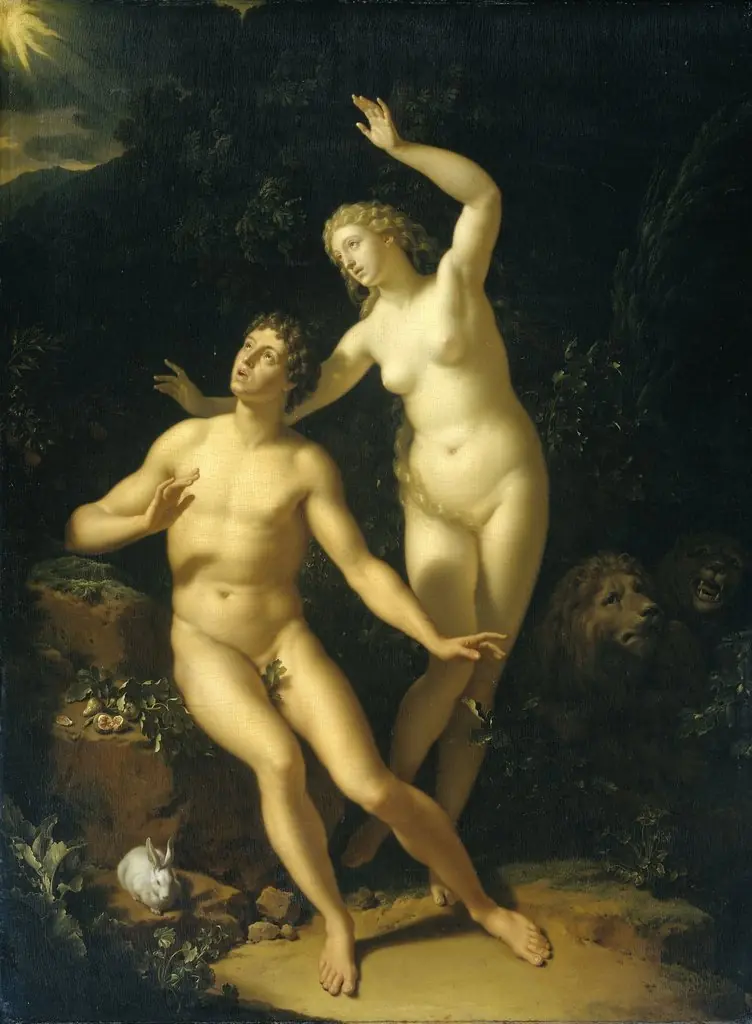 God Holds Adam and Eve Responsible
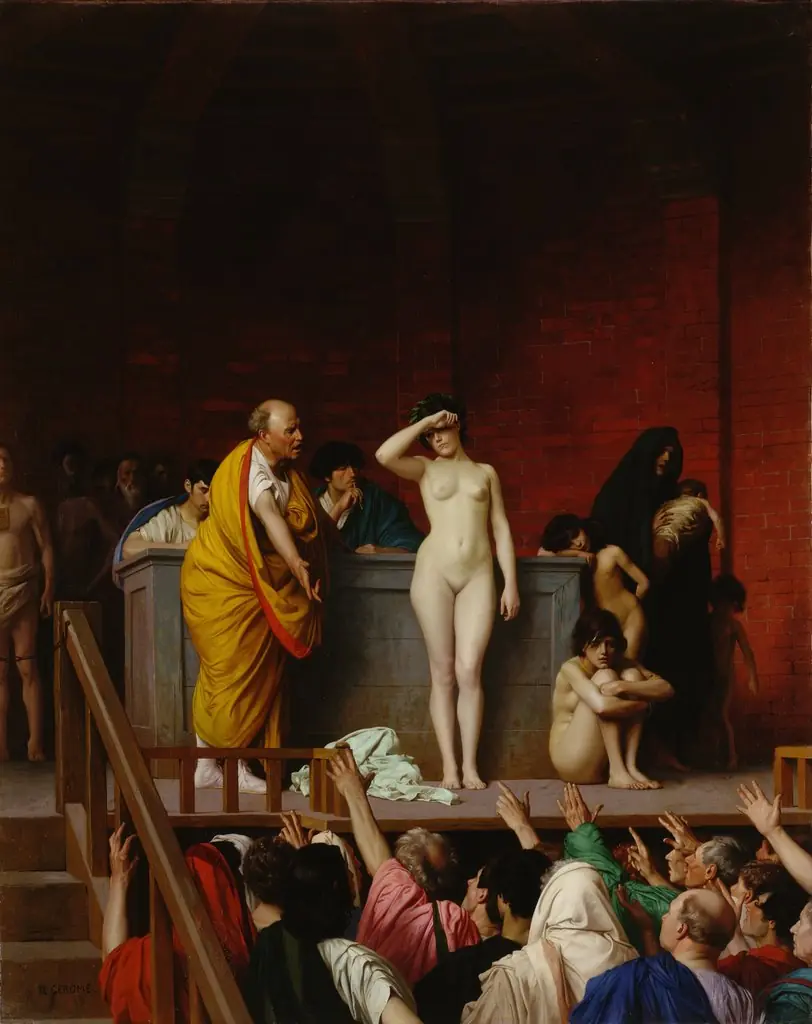 Slave Market in Rome
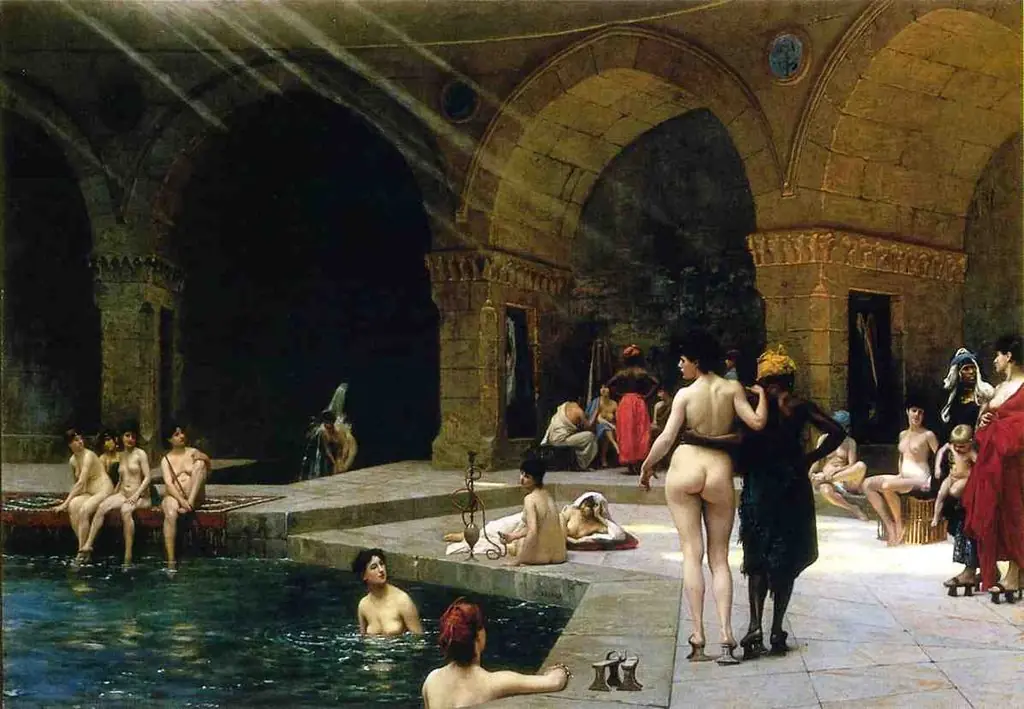 The Great Bath at Bursa
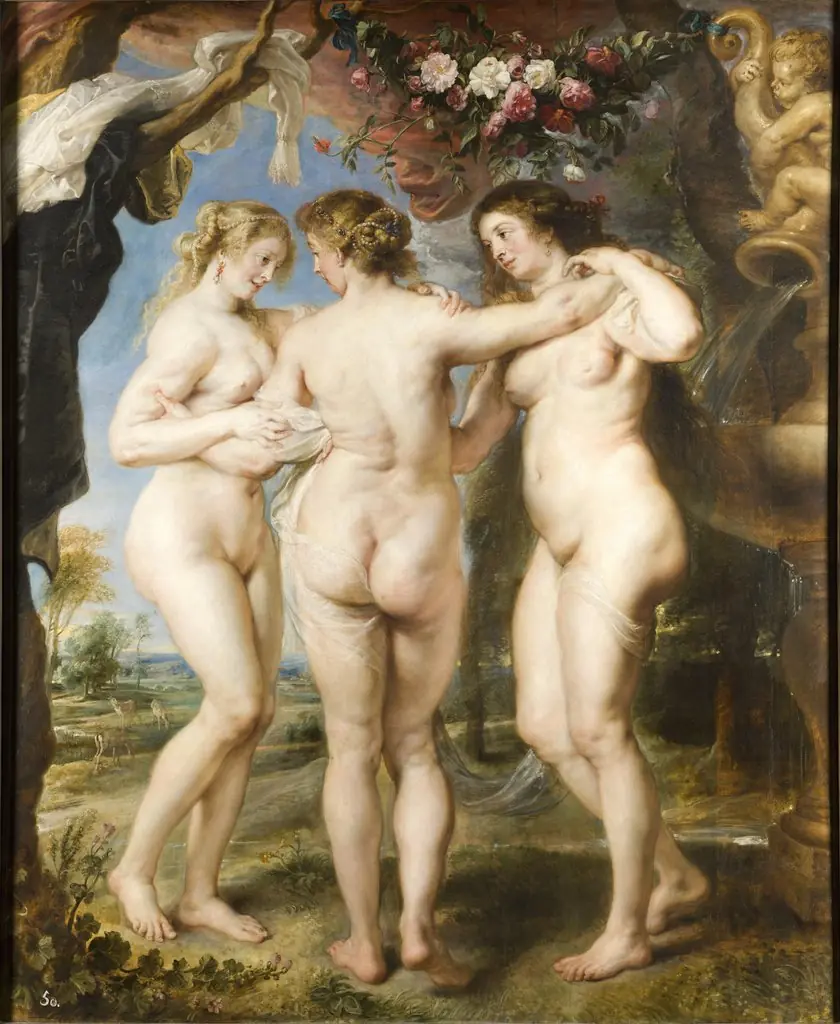 The Three Graces
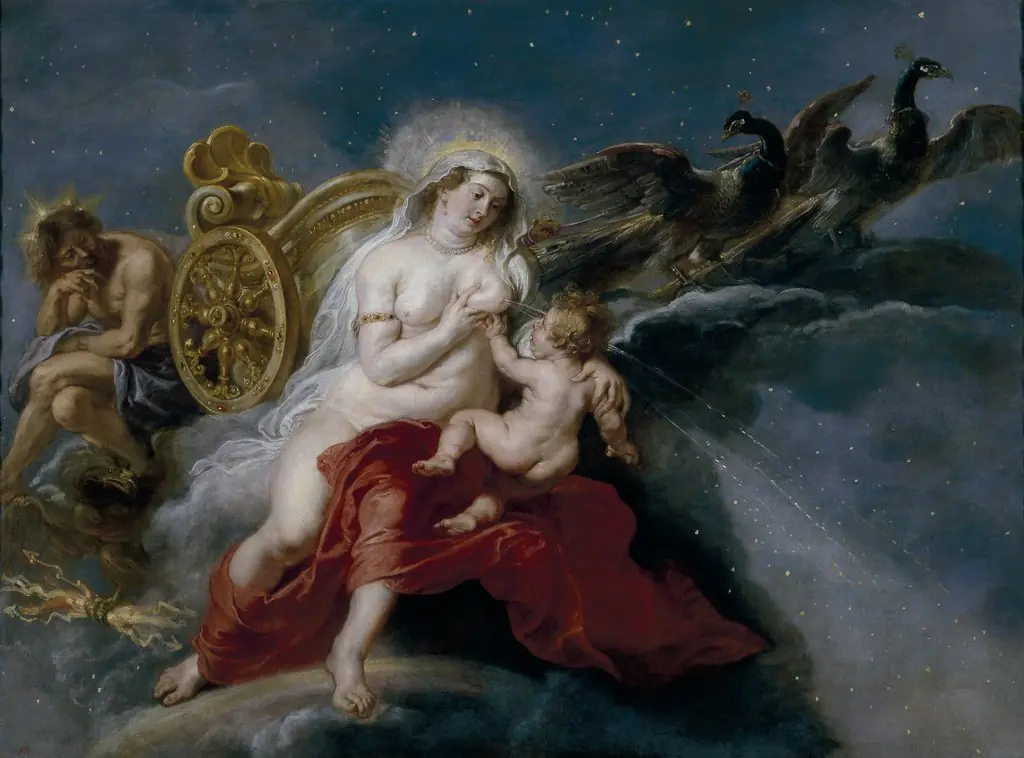 The Origin of the Milky Way
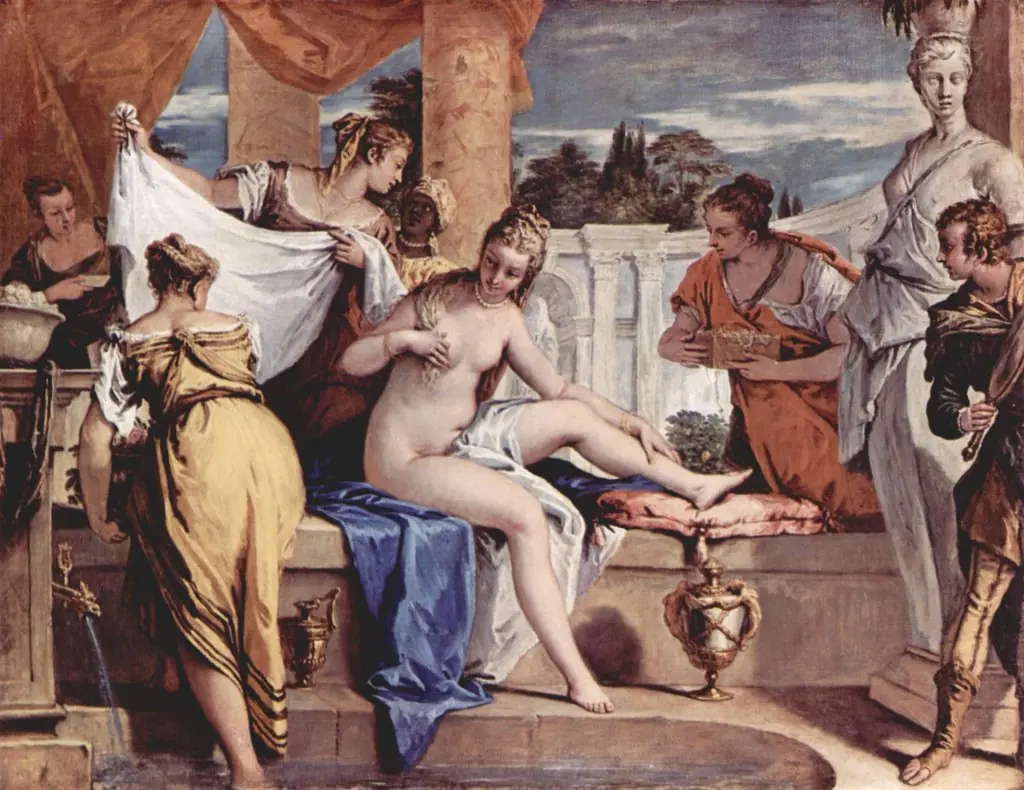 Bathsheba at her bath
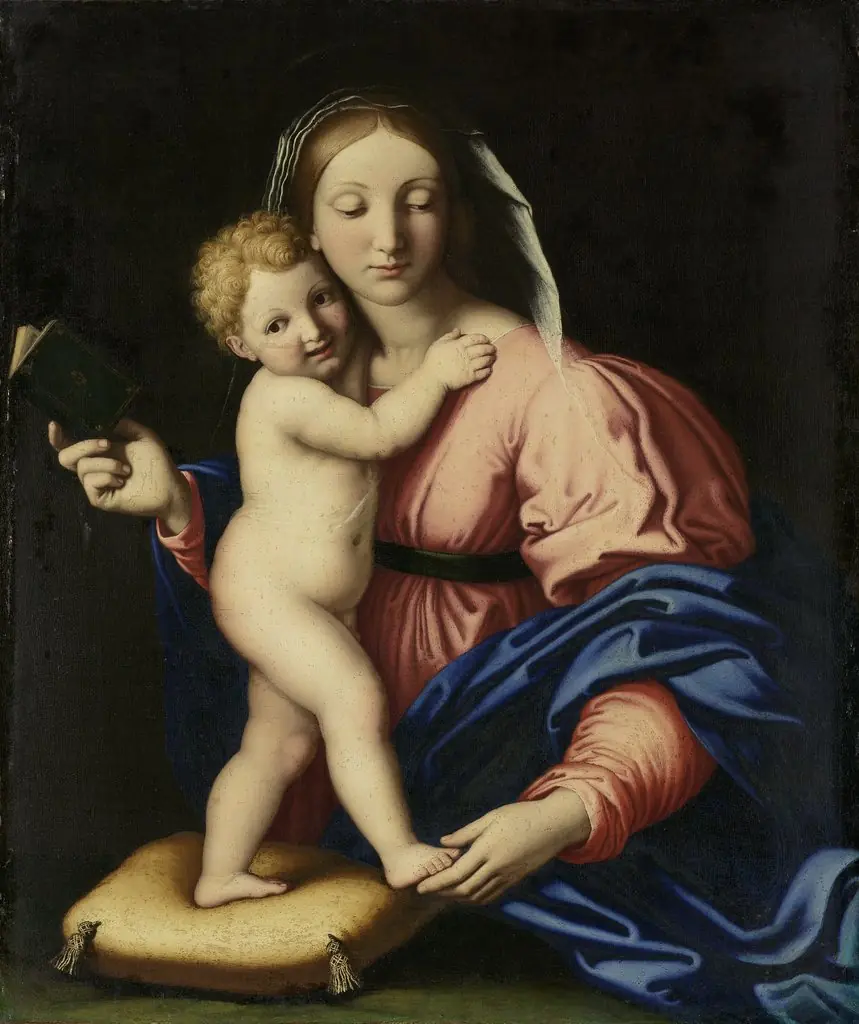 Virgin and Child
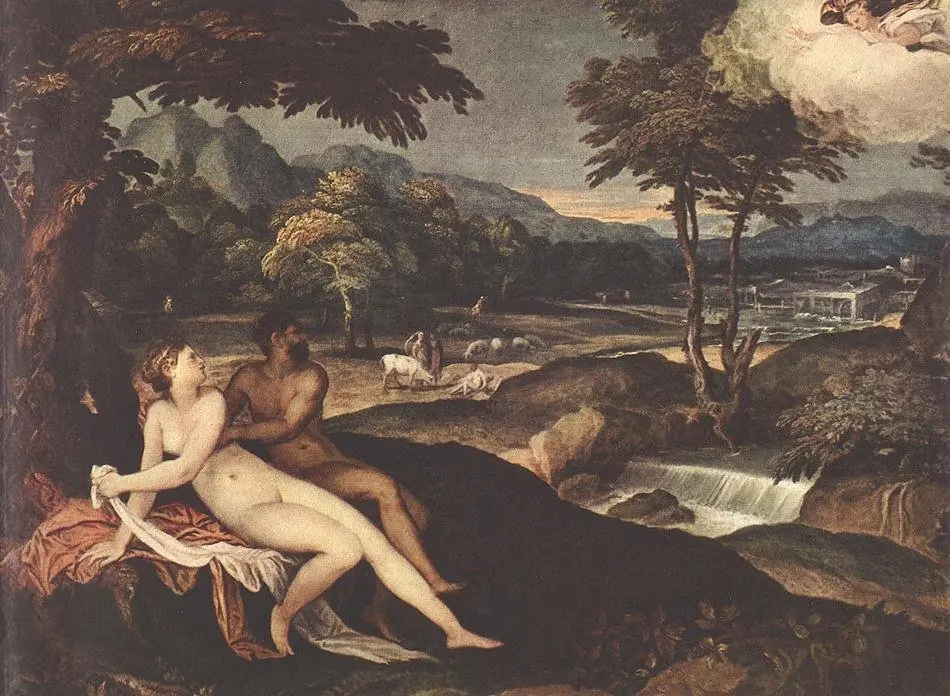 Landscape with Jupiter and Io
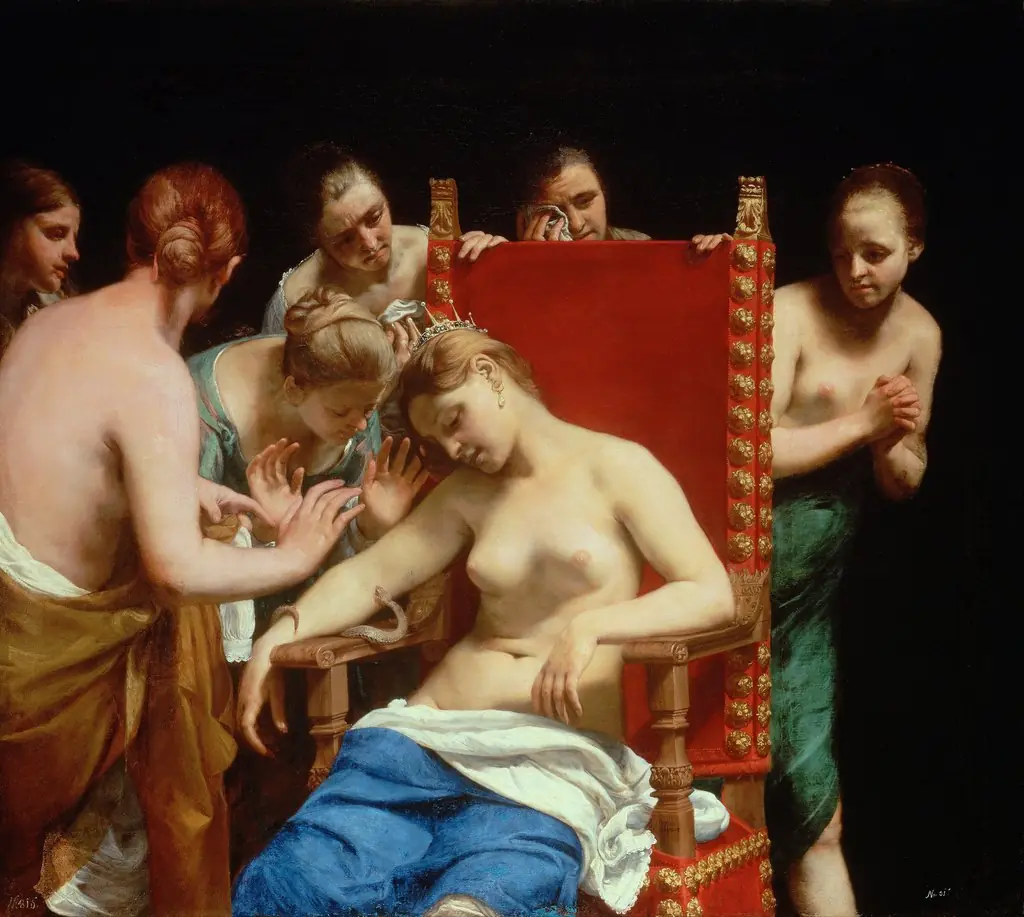 The Death of Cleopatra
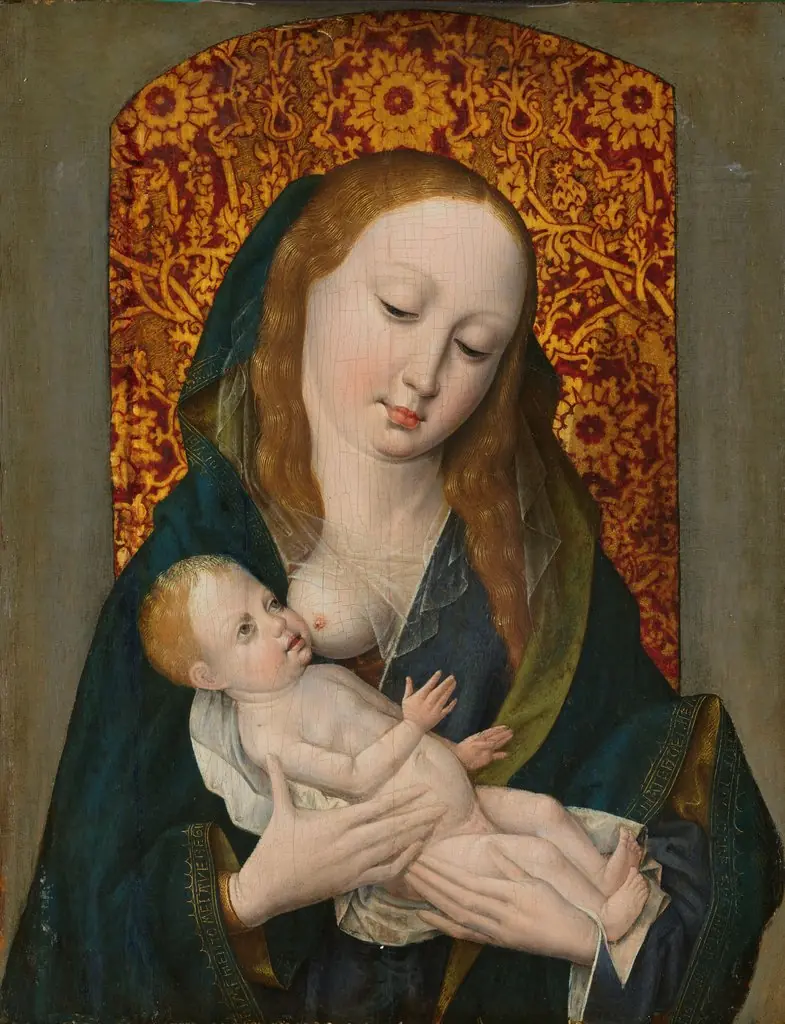 The Virgin and Child
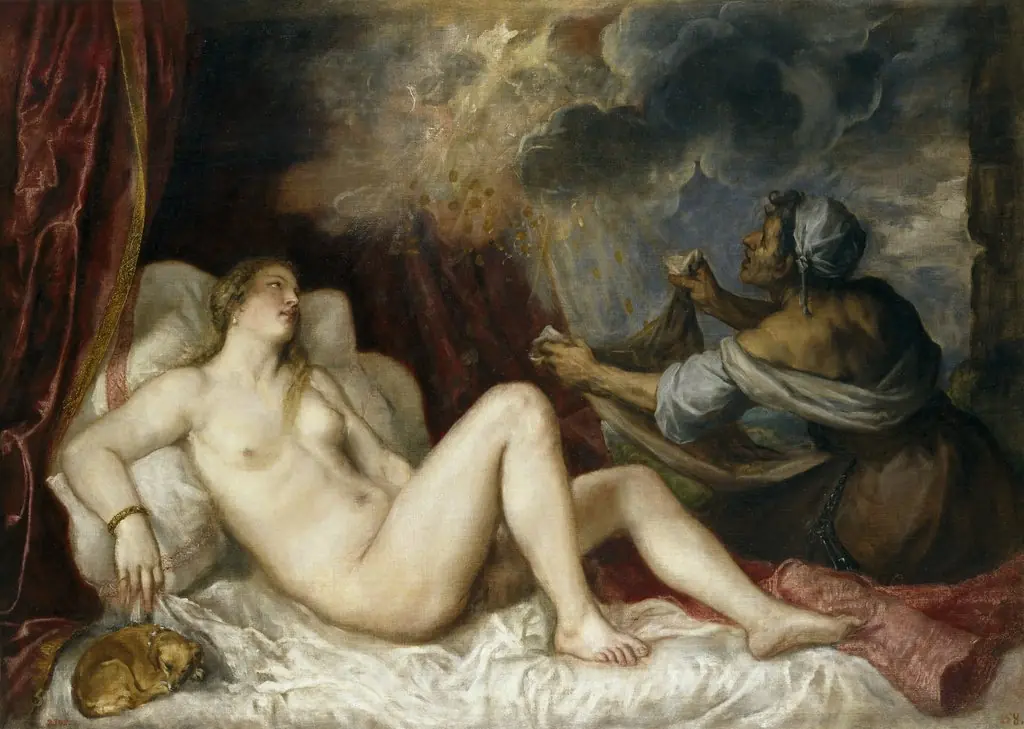 Danaë
Danaë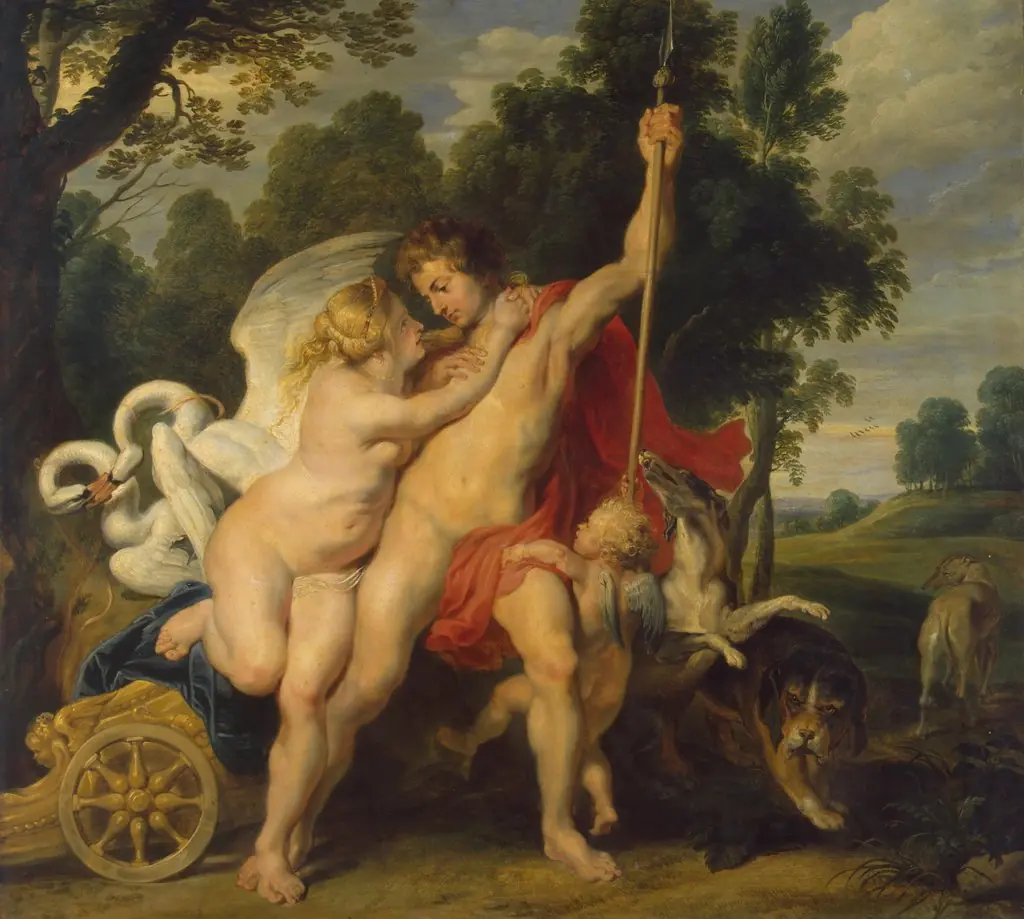 Venus and Adonis (Rubens, 1614)
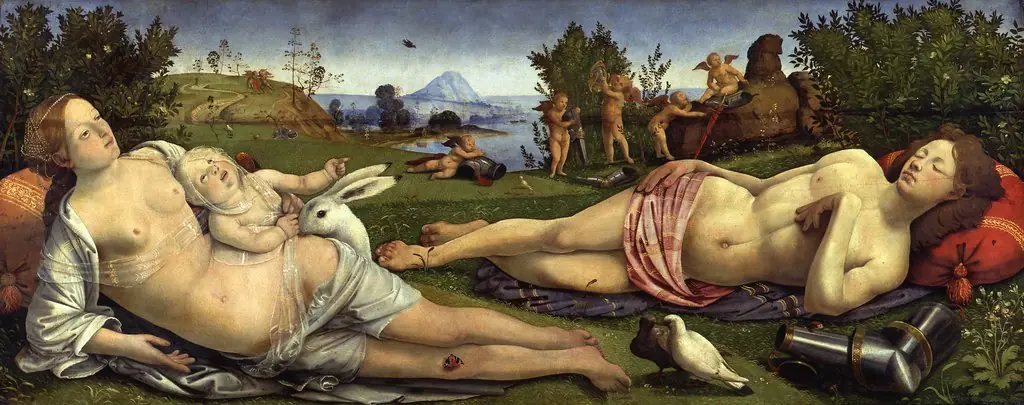 Venus, Mars and Cupid
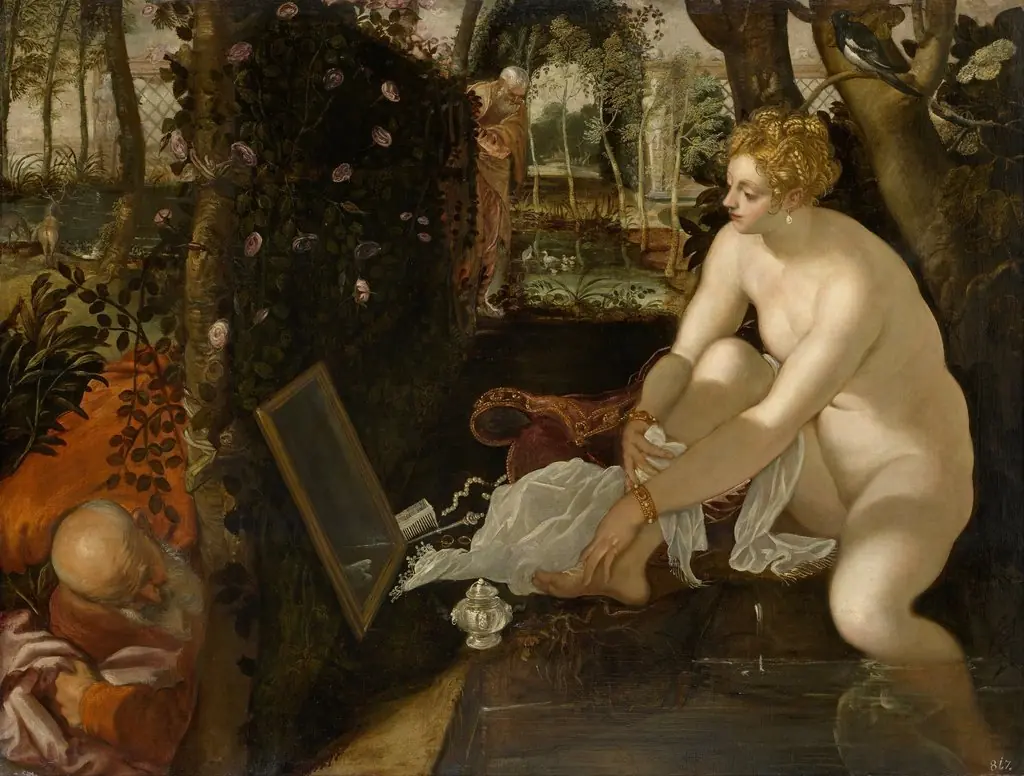 Susanna and the Elders
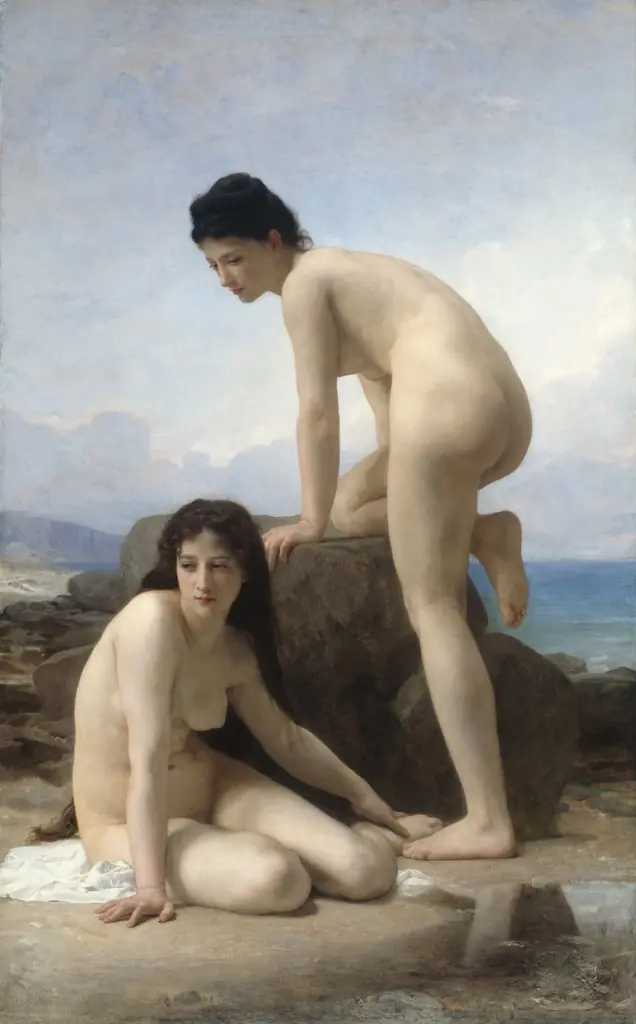 The Two Bathers
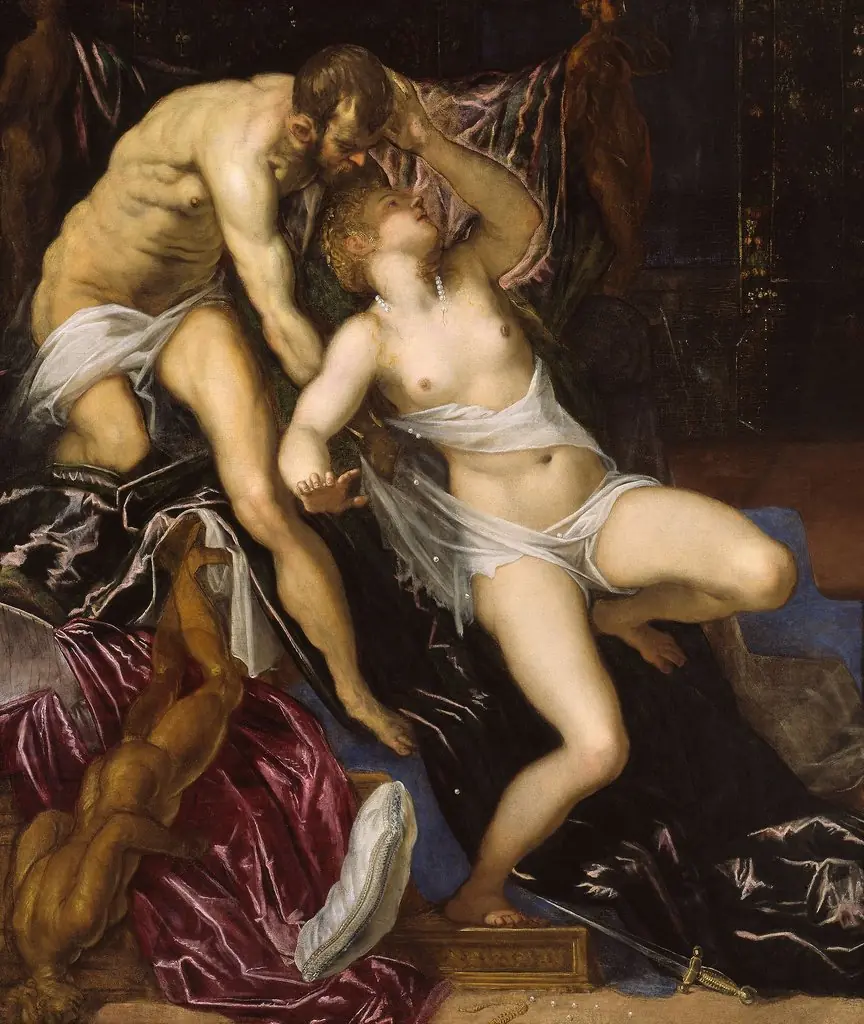 Tarquin and Lucretia
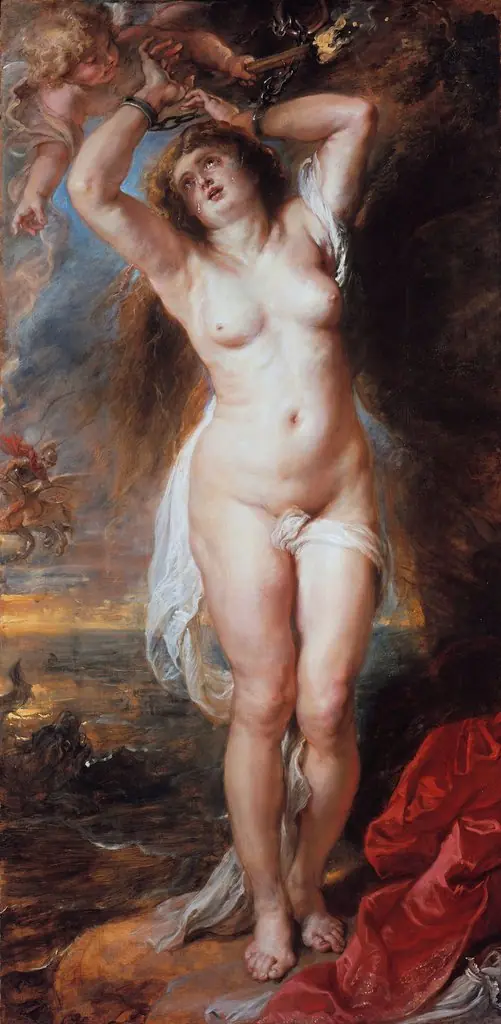 Perseus Freeing Andromeda
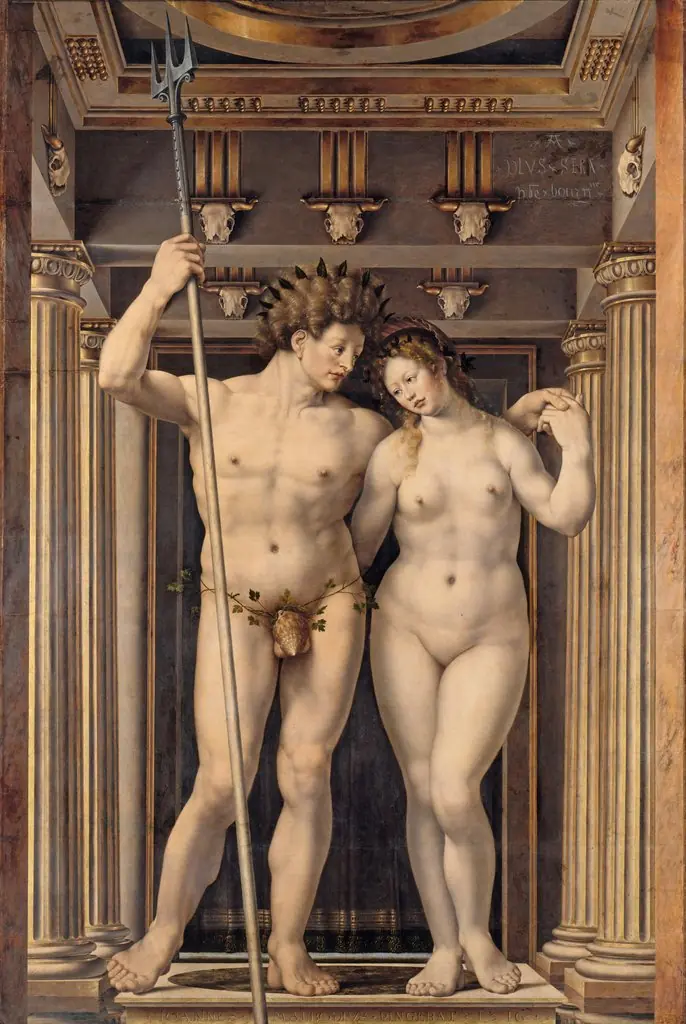 Neptune and Amphitrite
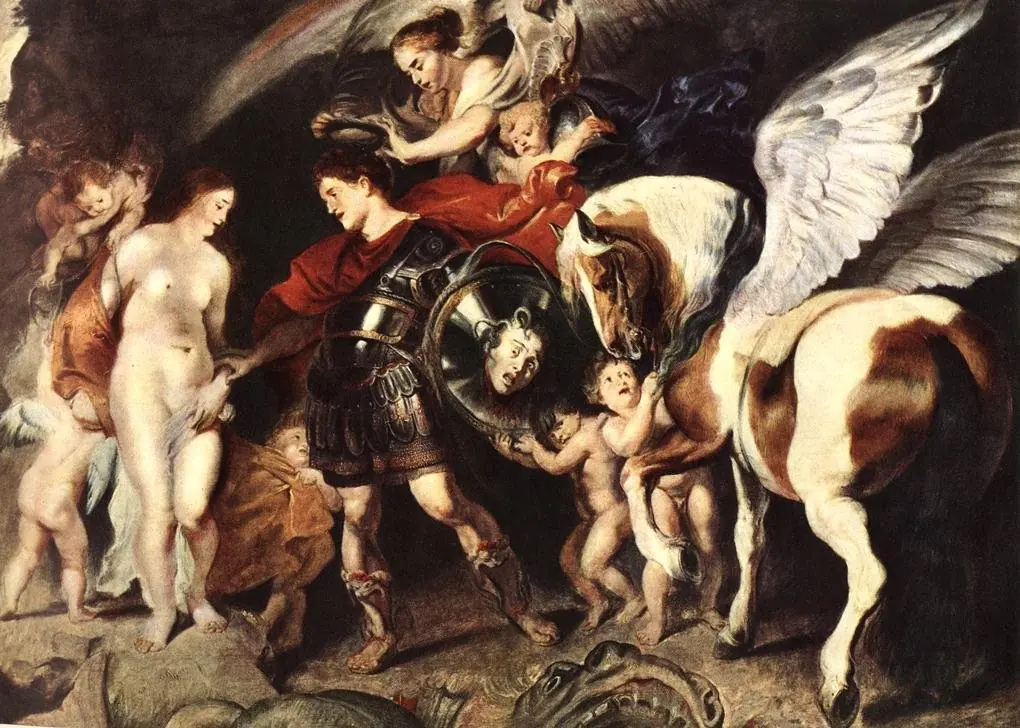 Perseus and Andromeda
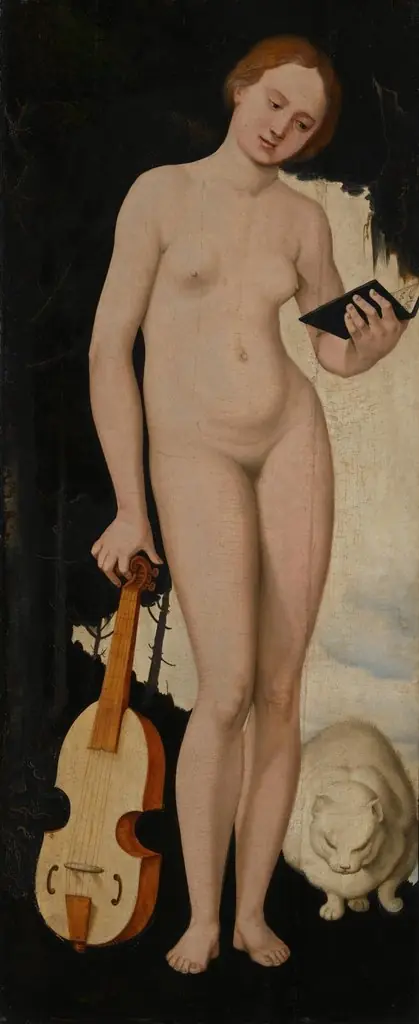 Woman with Cat
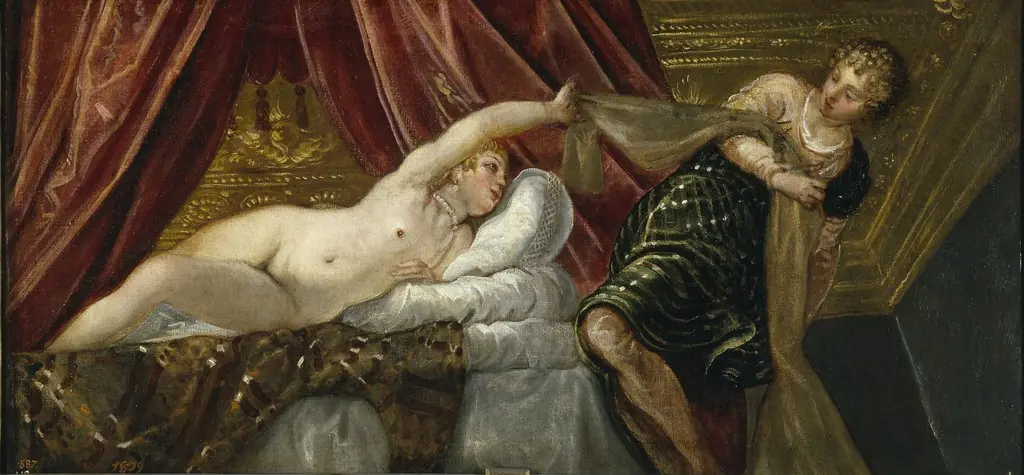 Joseph and Potiphar's Wife
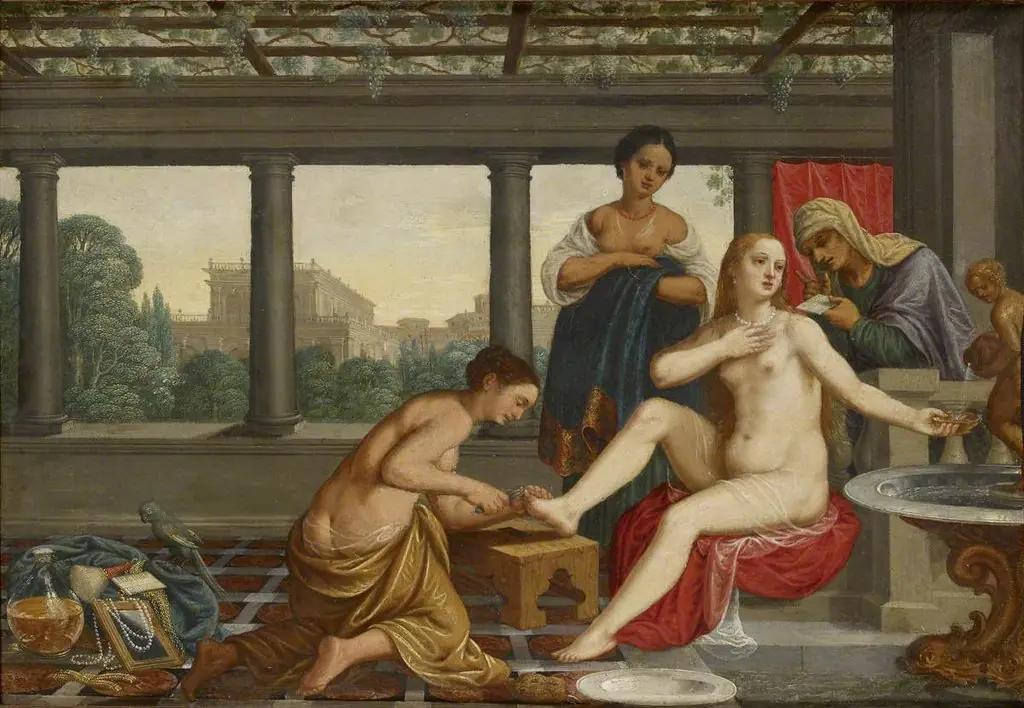 Bathsheba's Bath
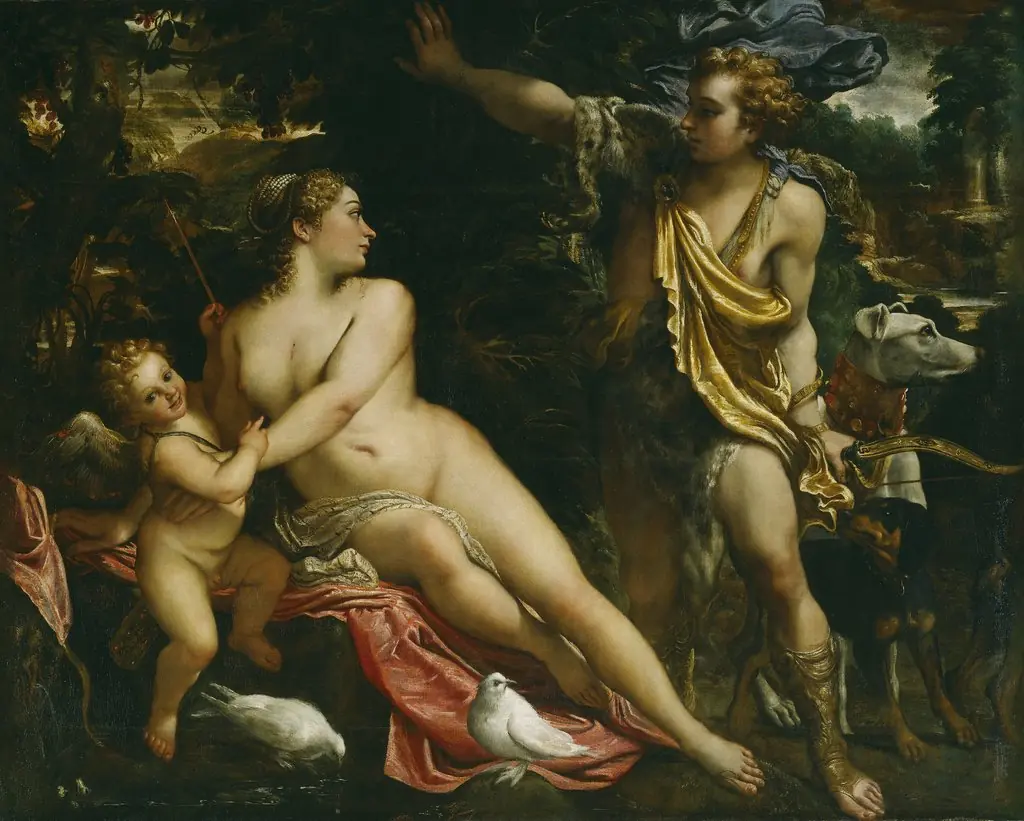 Venus, Adonis and Cupid
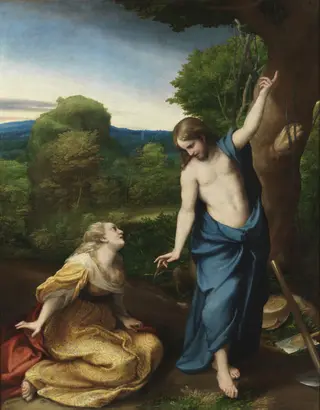 Noli me tangere
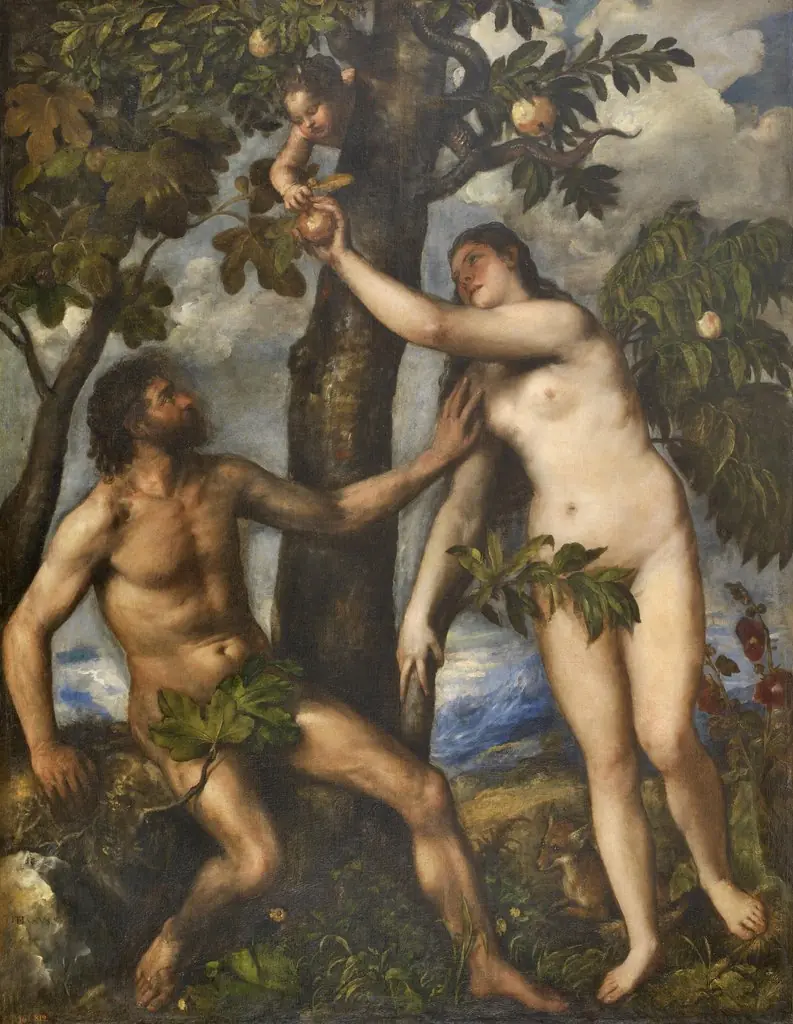 The Fall of Man
 Danaë
Danaë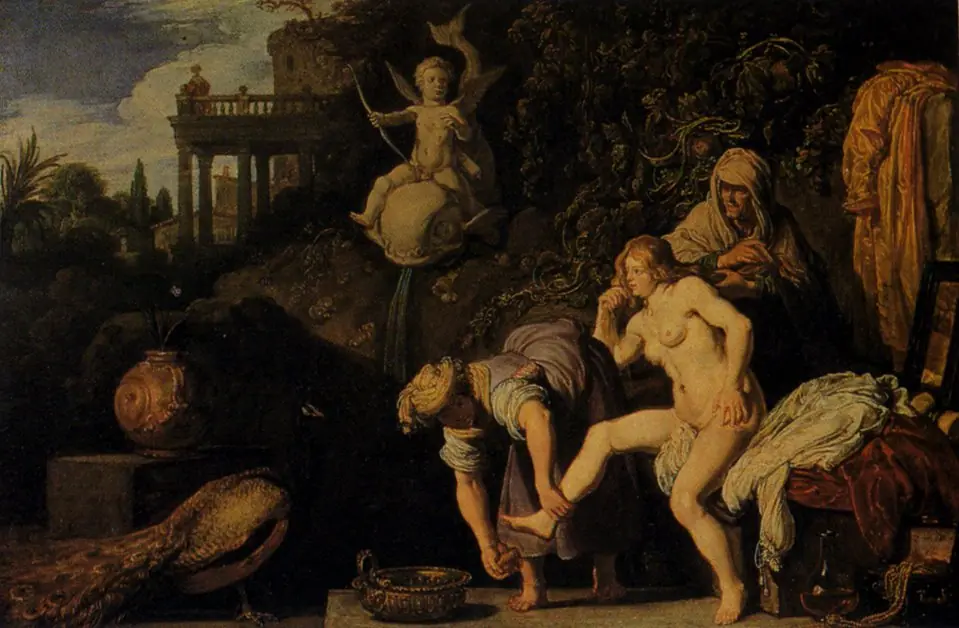 Bathsheba at her Toilette
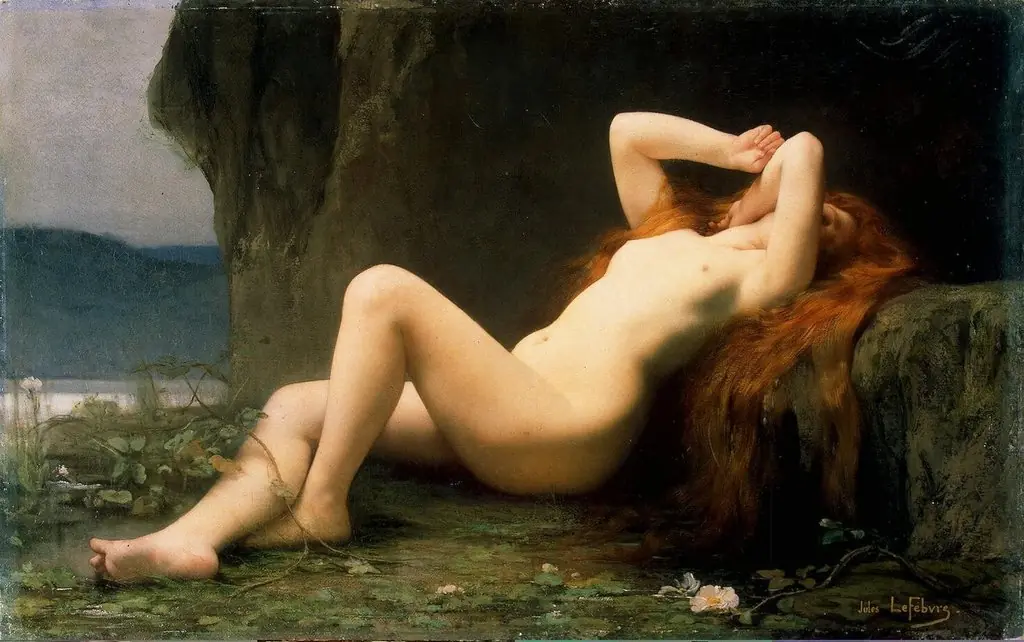 Mary Magdalene in a Grotto
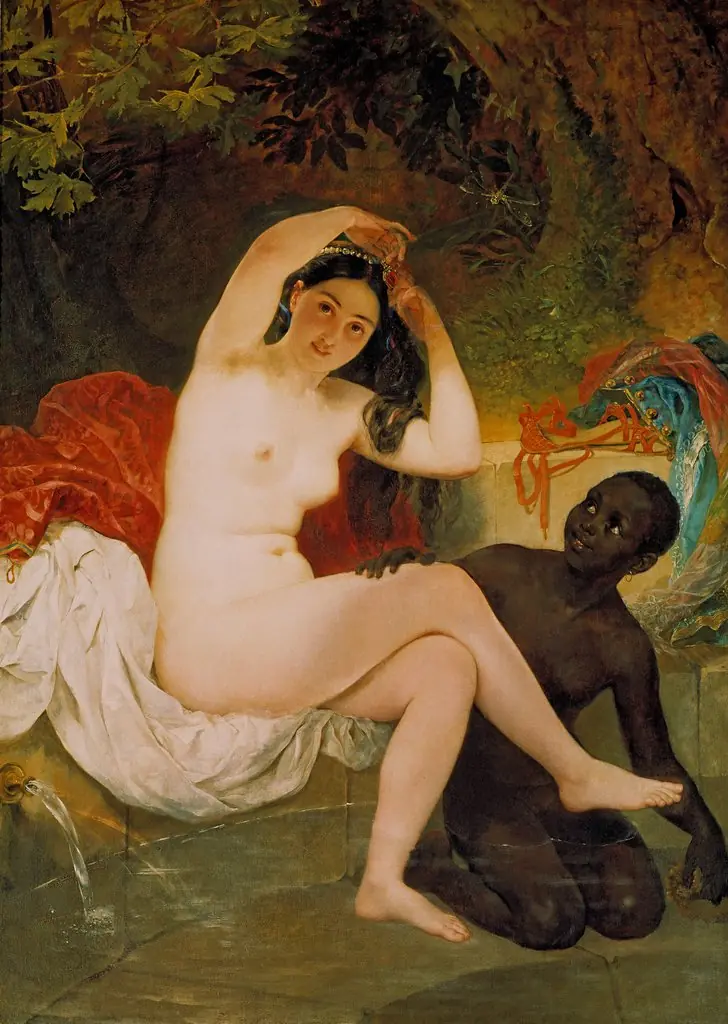 Bathsheba
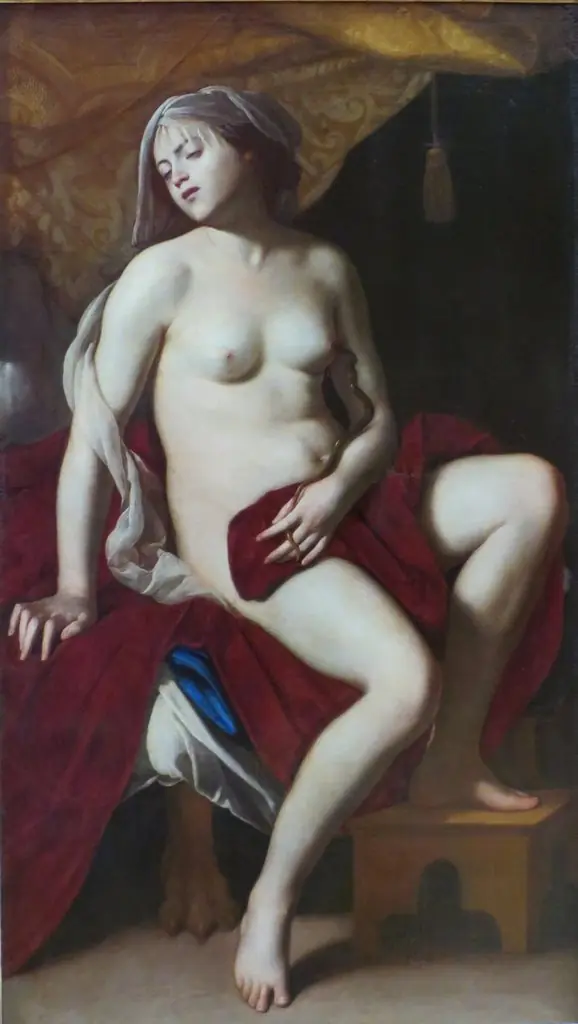 The Death of Cleopatra
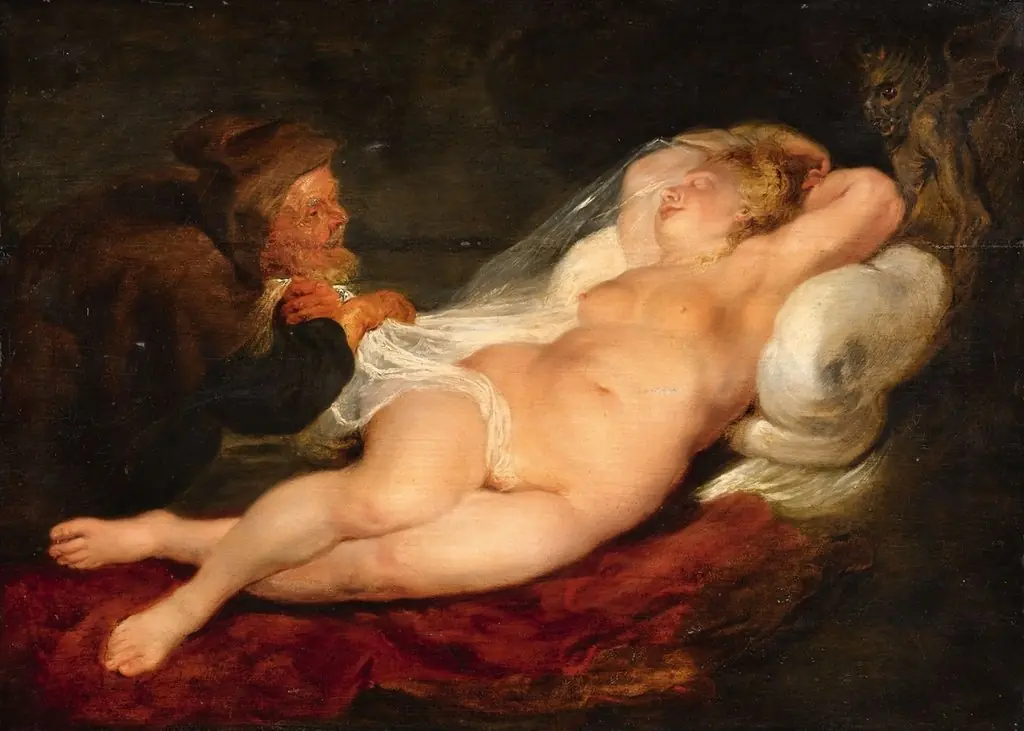 Angelica and the Hermit
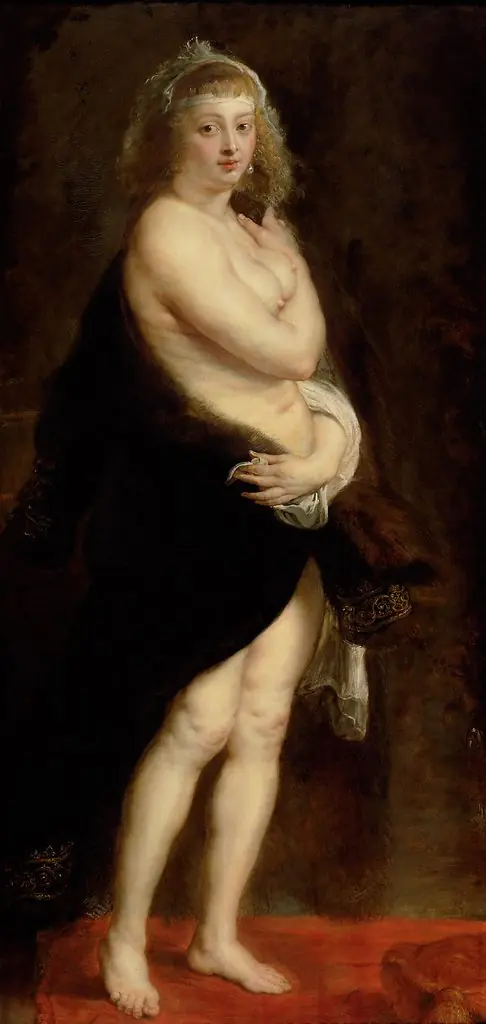 Helena Fourment in a Fur Robe
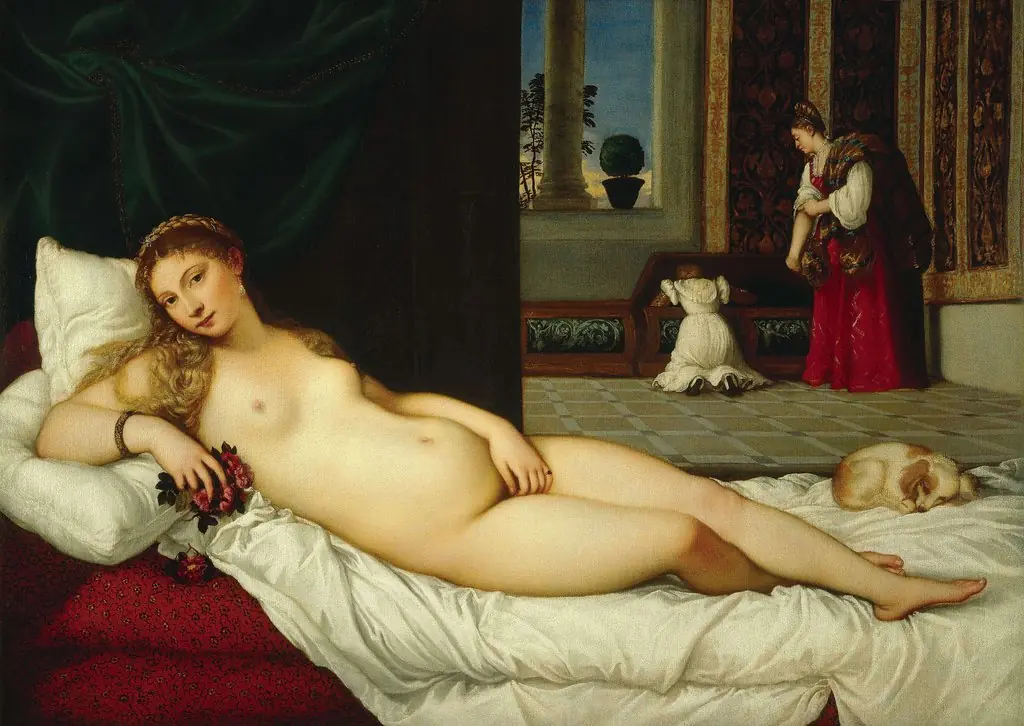 Venus of Urbino
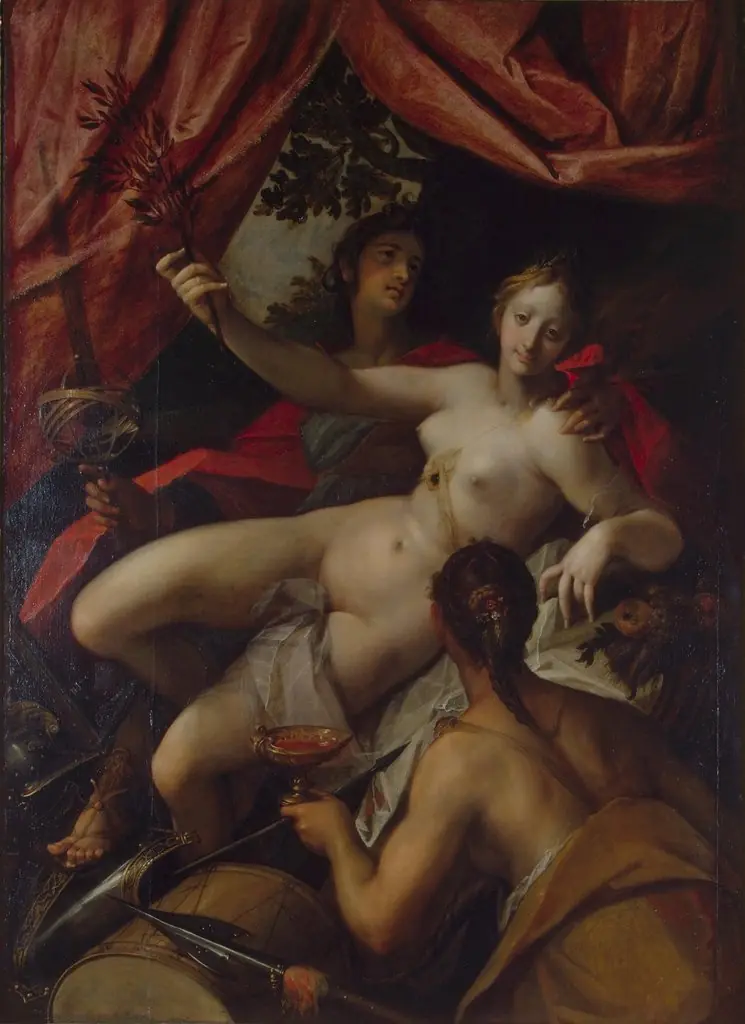 Allegory of Peace and Abundance
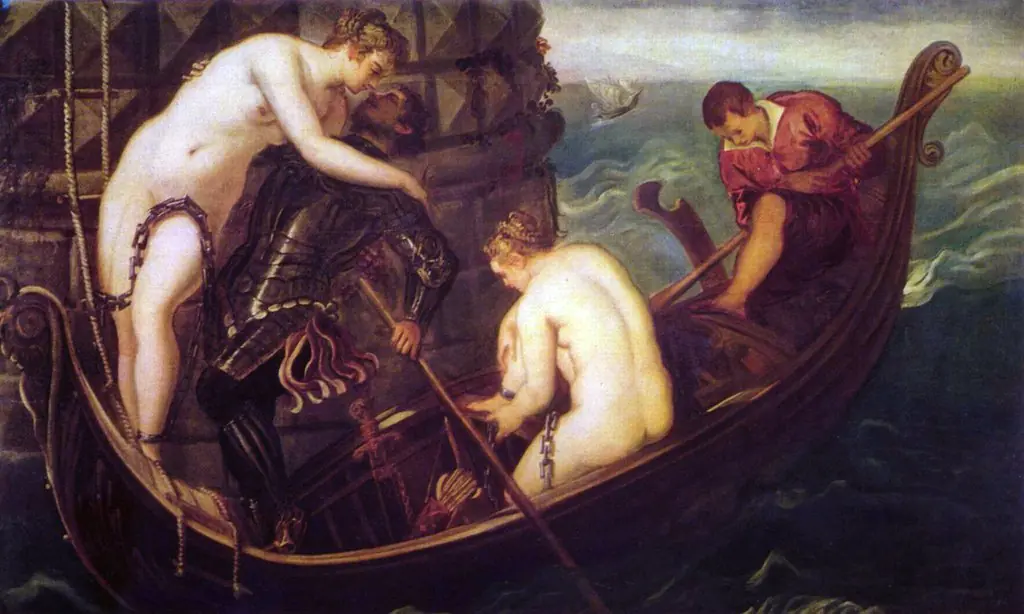 The Deliverance of Arsinoe
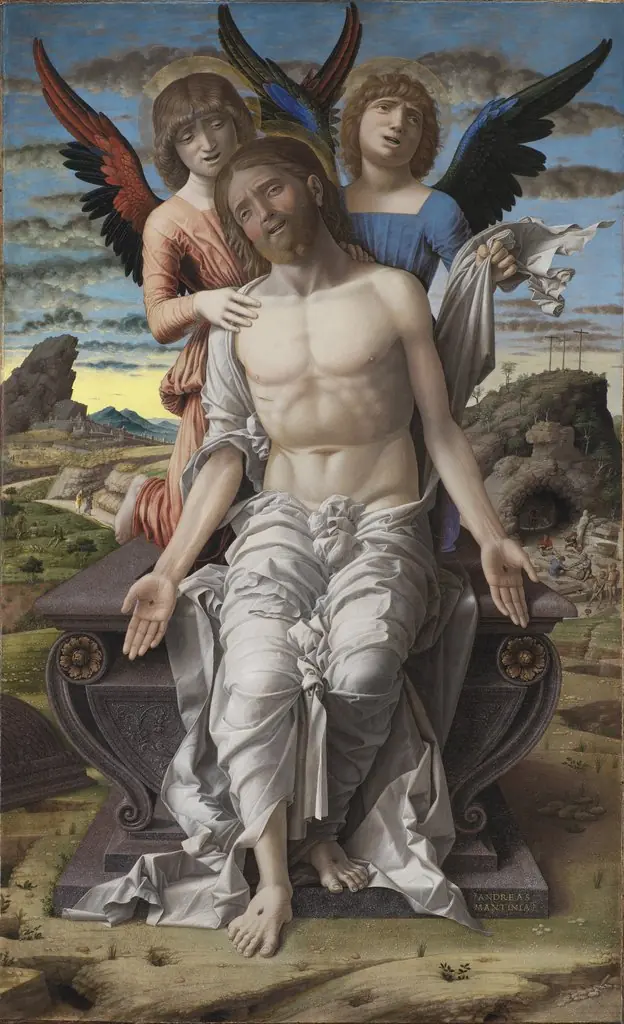 Christ as the Suffering Redeemer
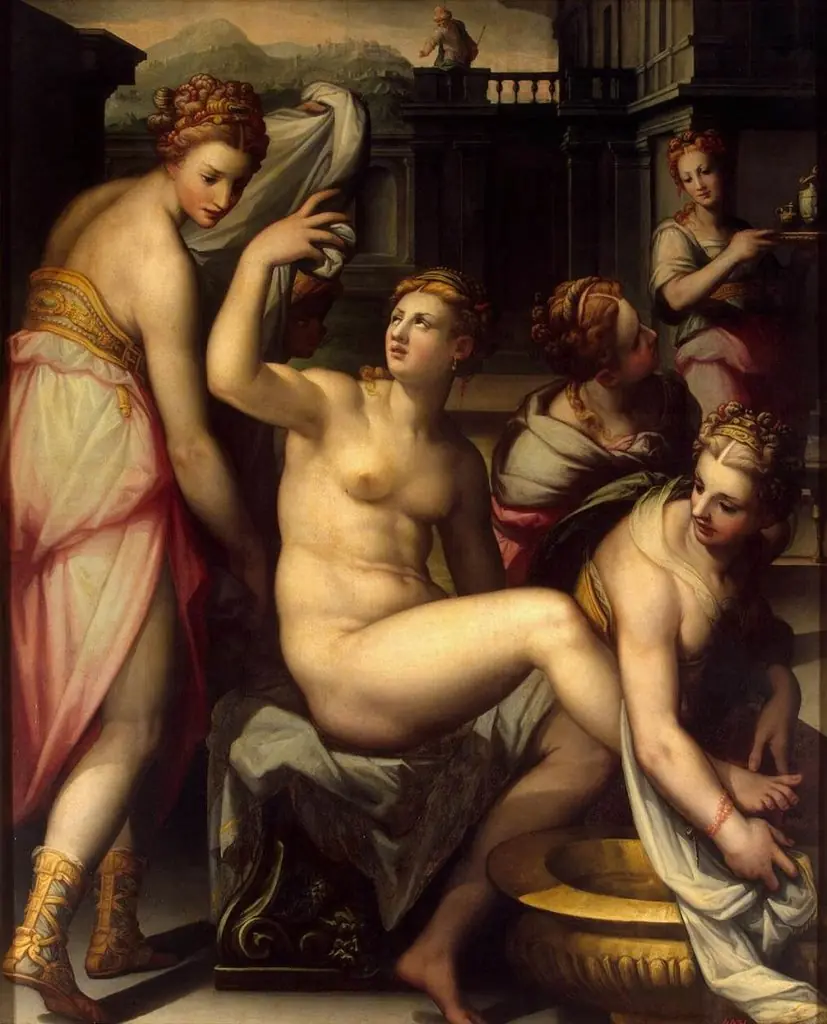 Bathsheba
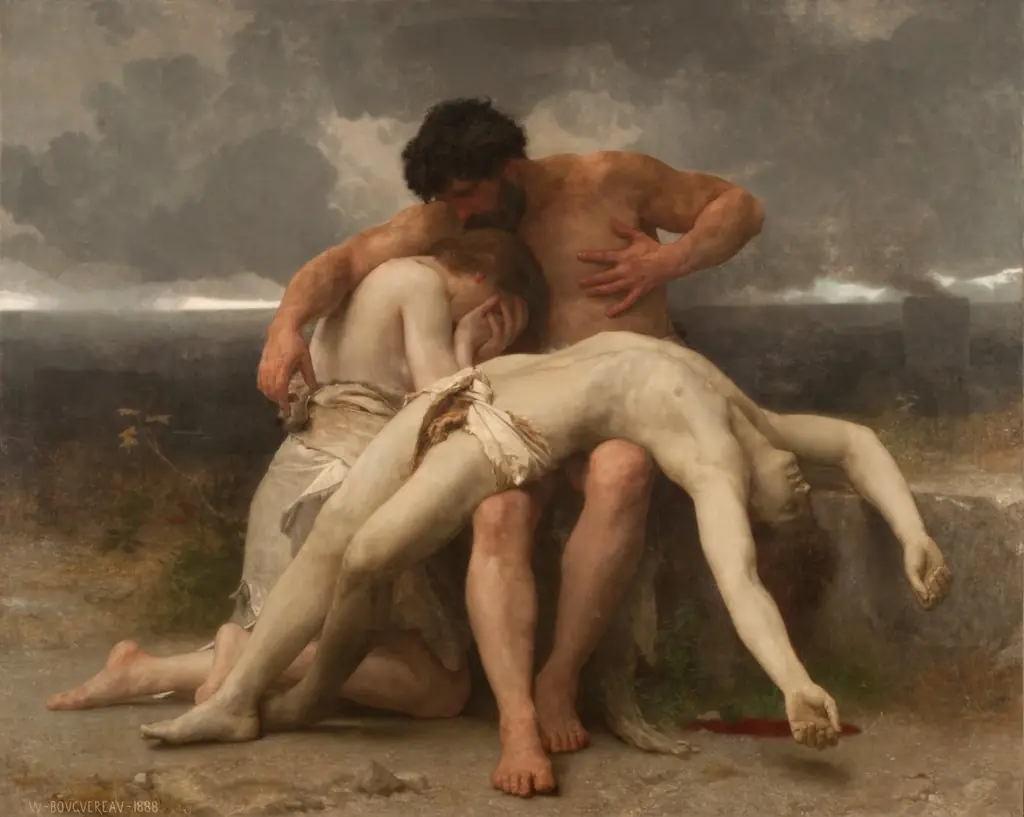 The First Mourning
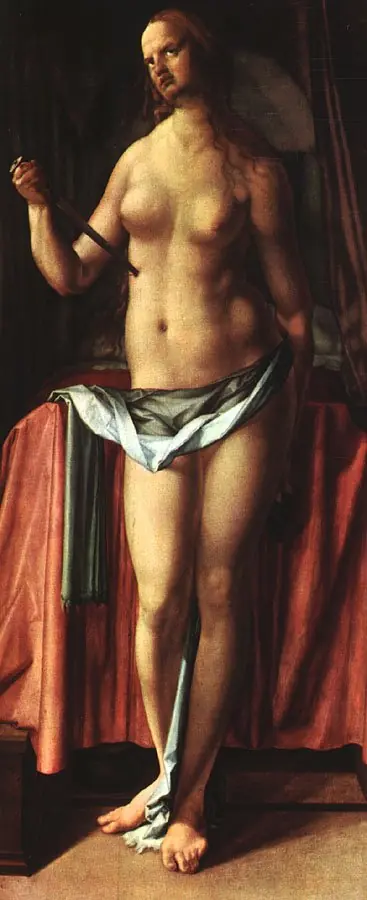 The Suicide of Lucretia
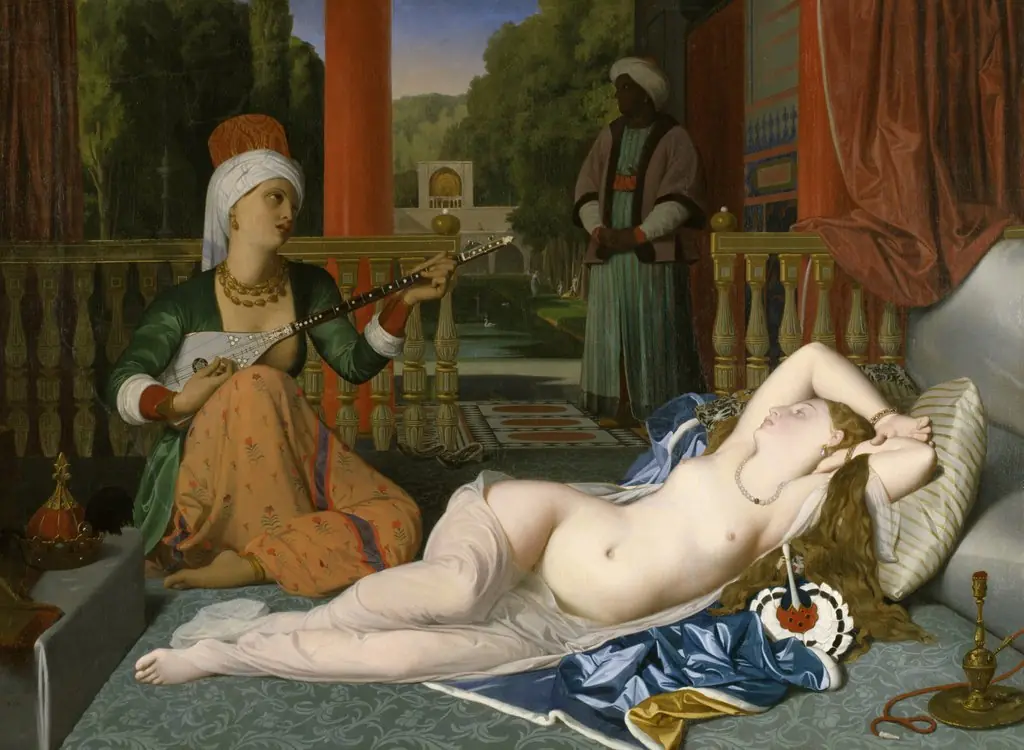 Odalisque with Slave
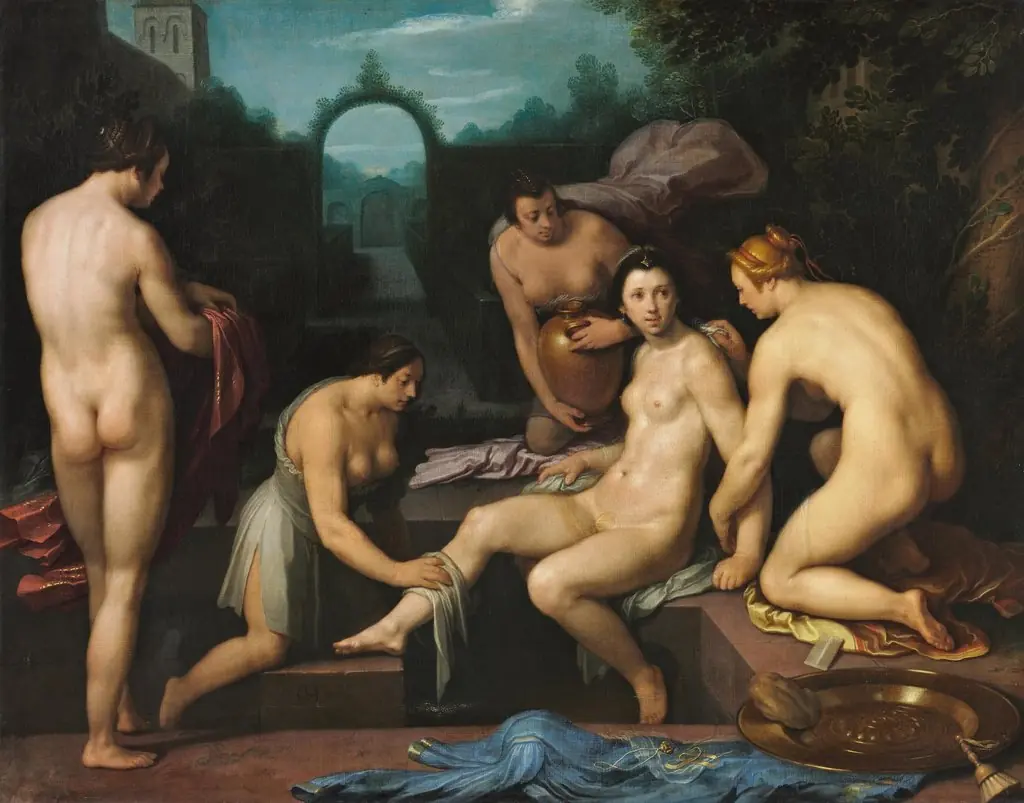 Bathsheba at her toilet
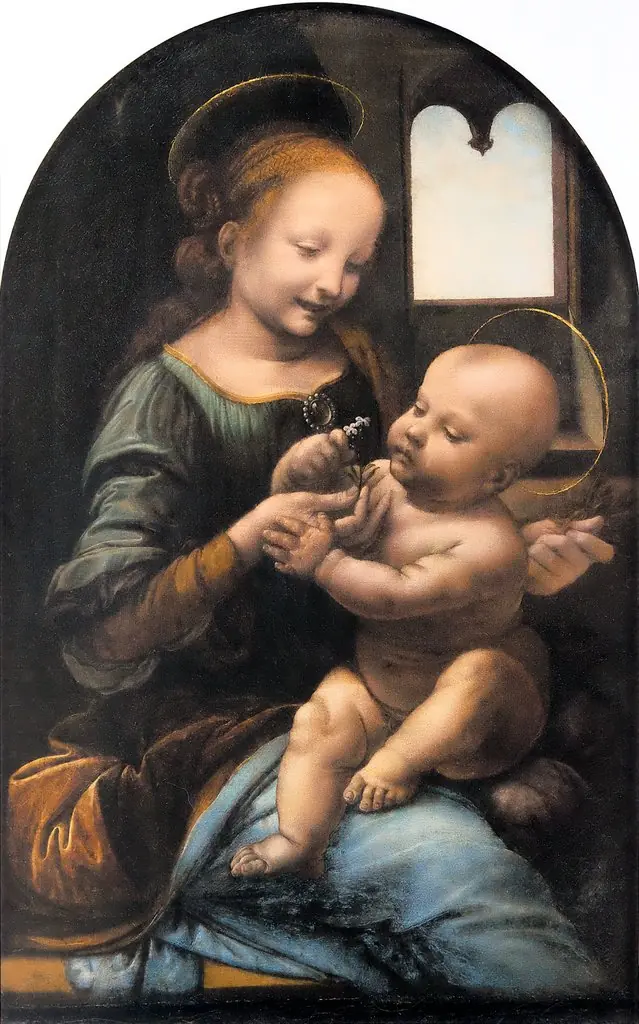 Benois Madonna
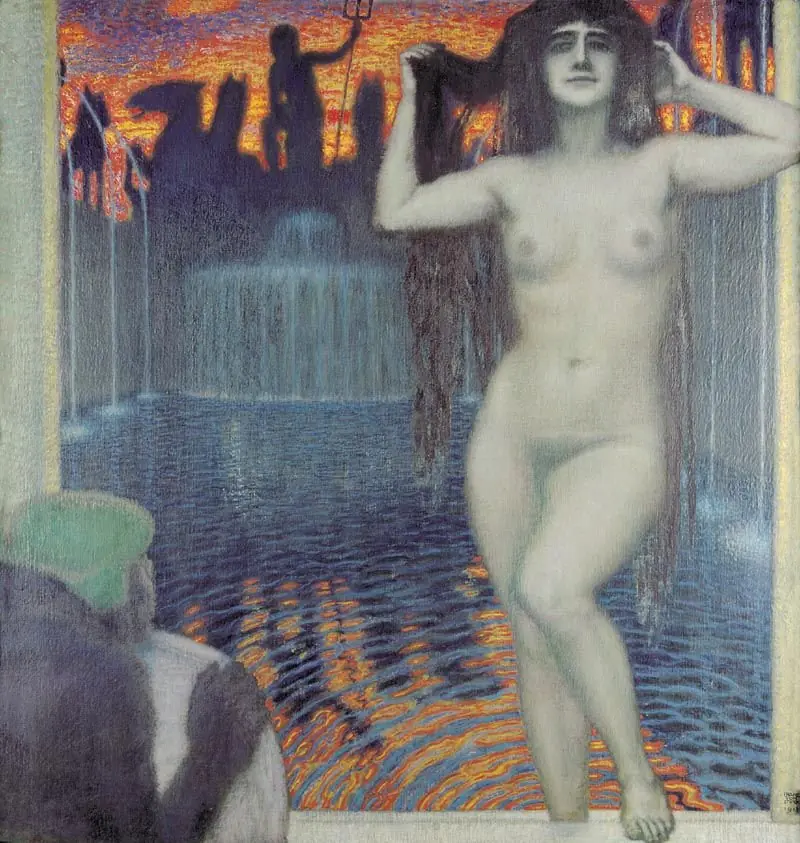 Bathsheba
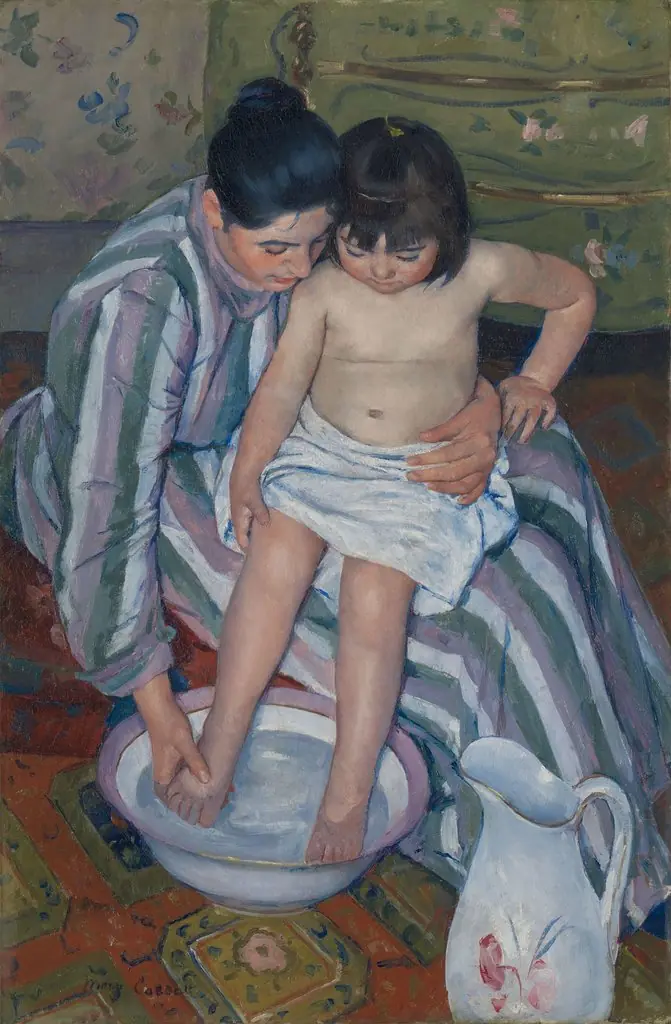 The Child's Bath
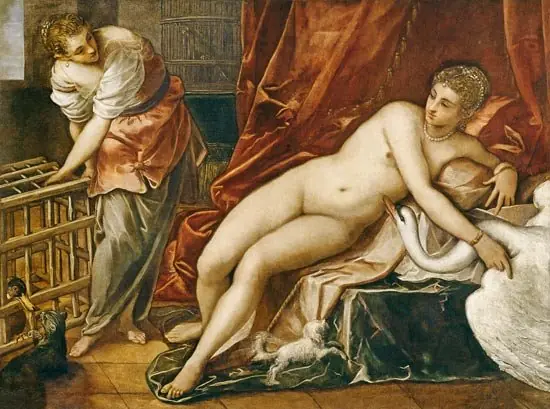 Leda and the Swan
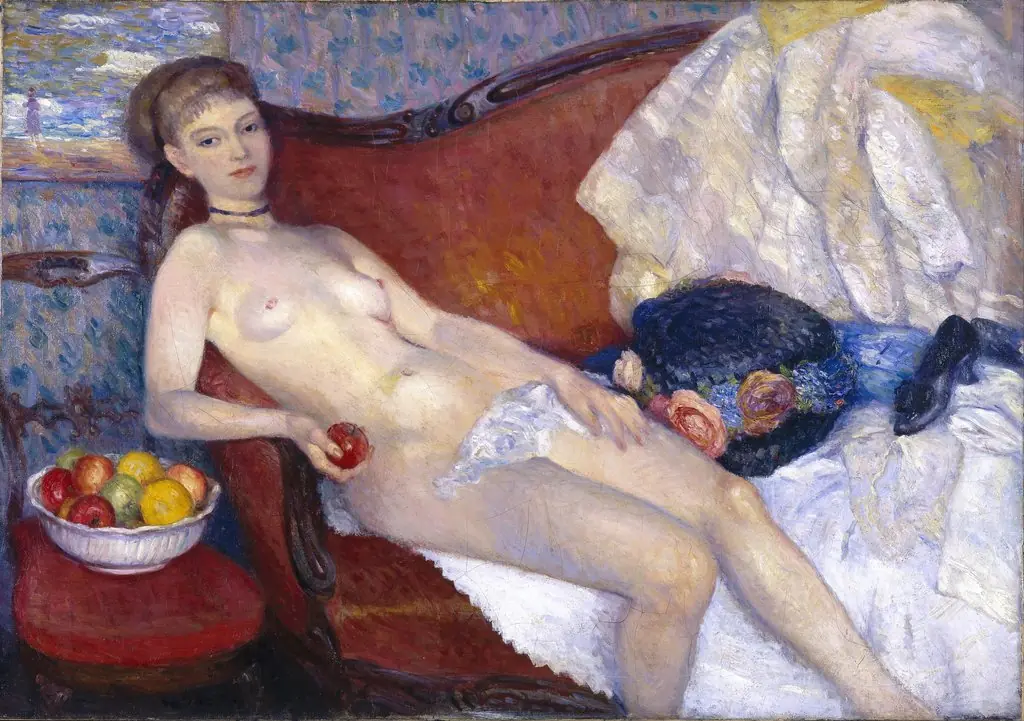 Nude with Apple
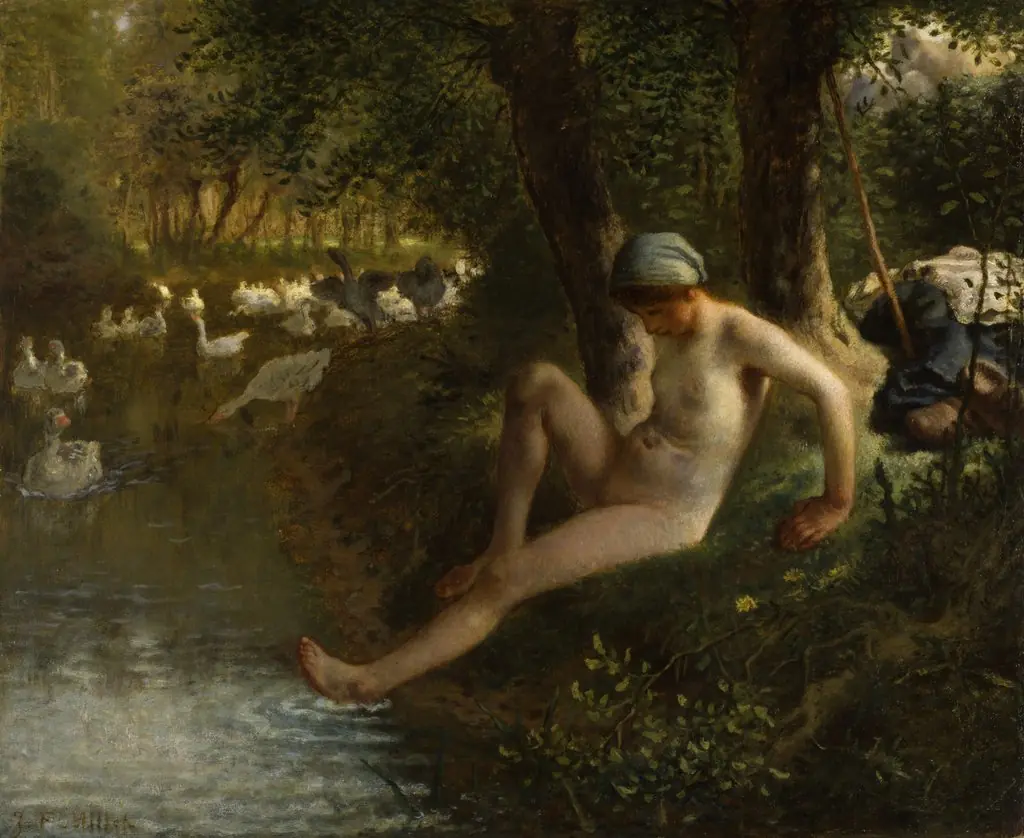 The Goose Girl
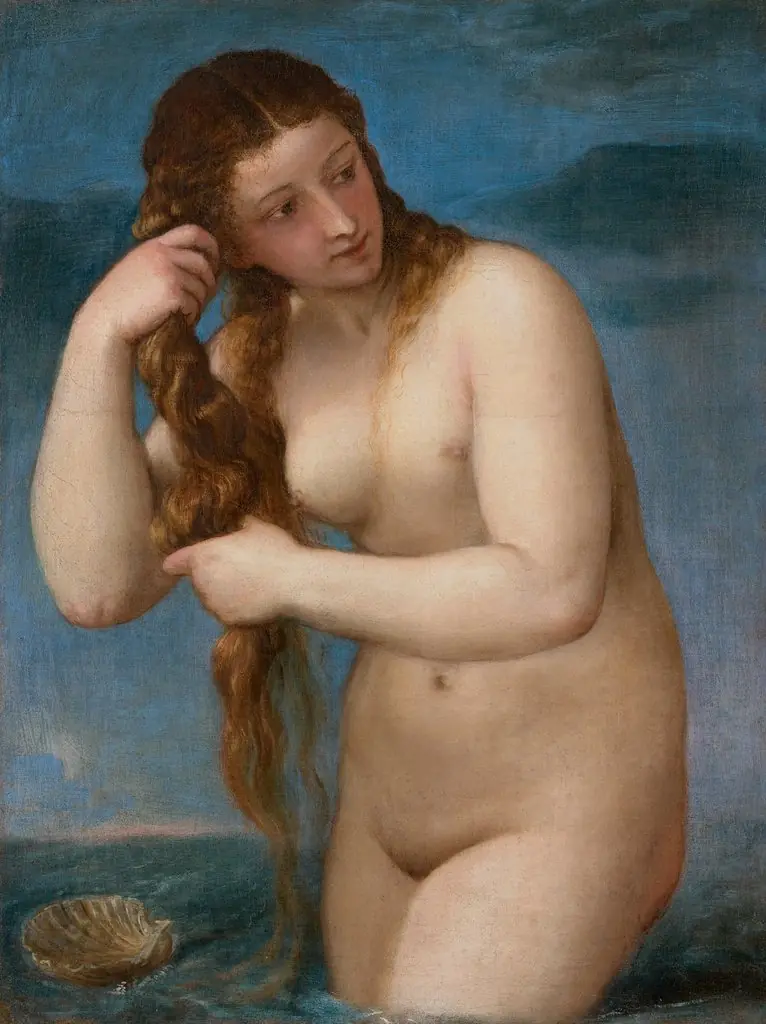 Venus Anadyomene
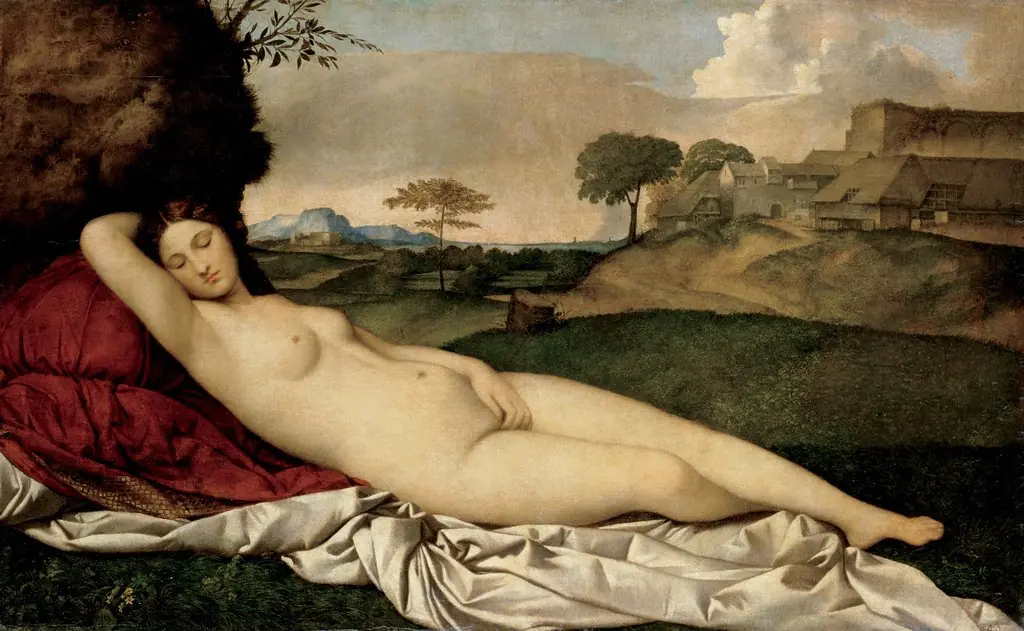 Sleeping Venus
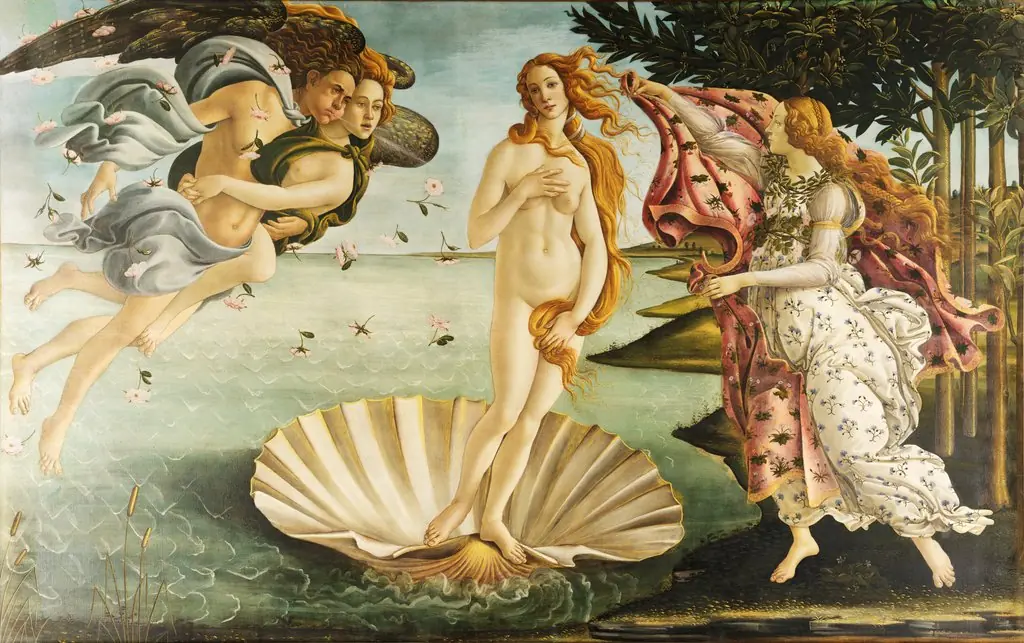 The Birth of Venus
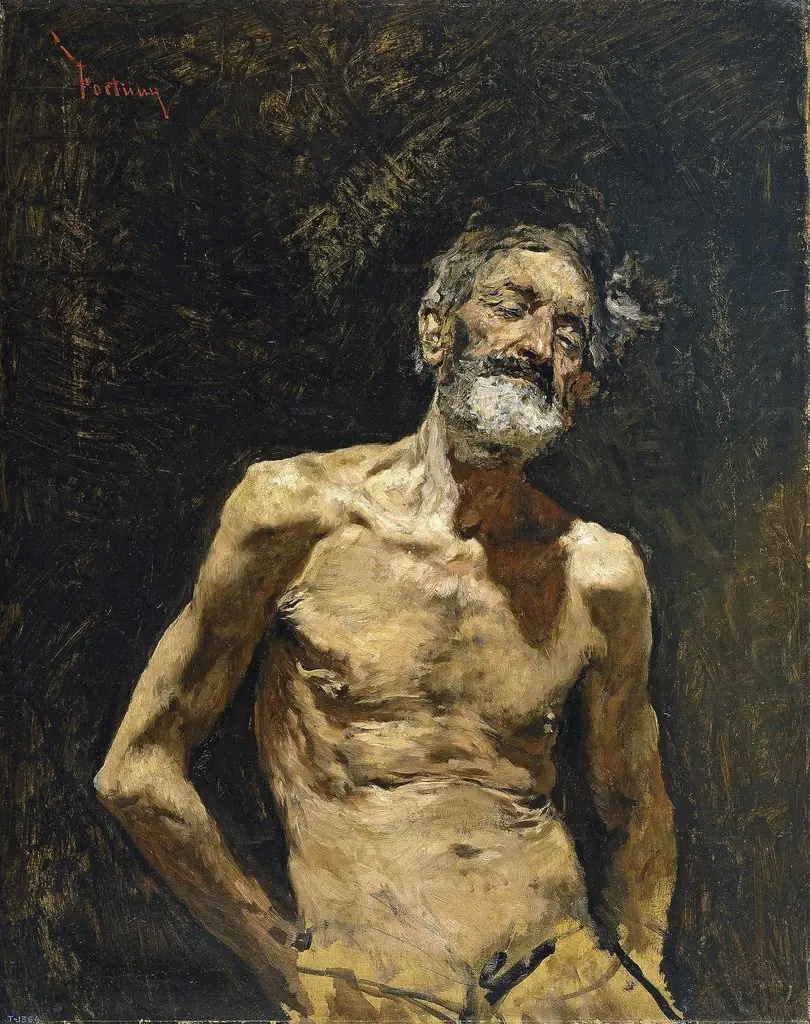 Nude Old Man in the Sun
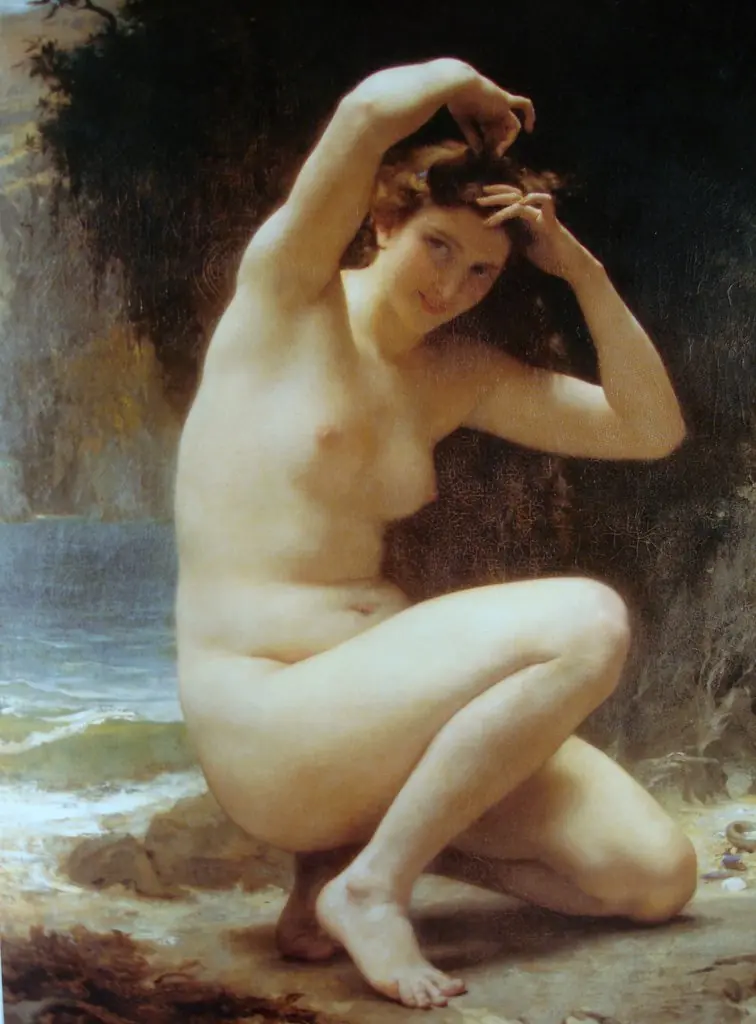 The toilette of Venus
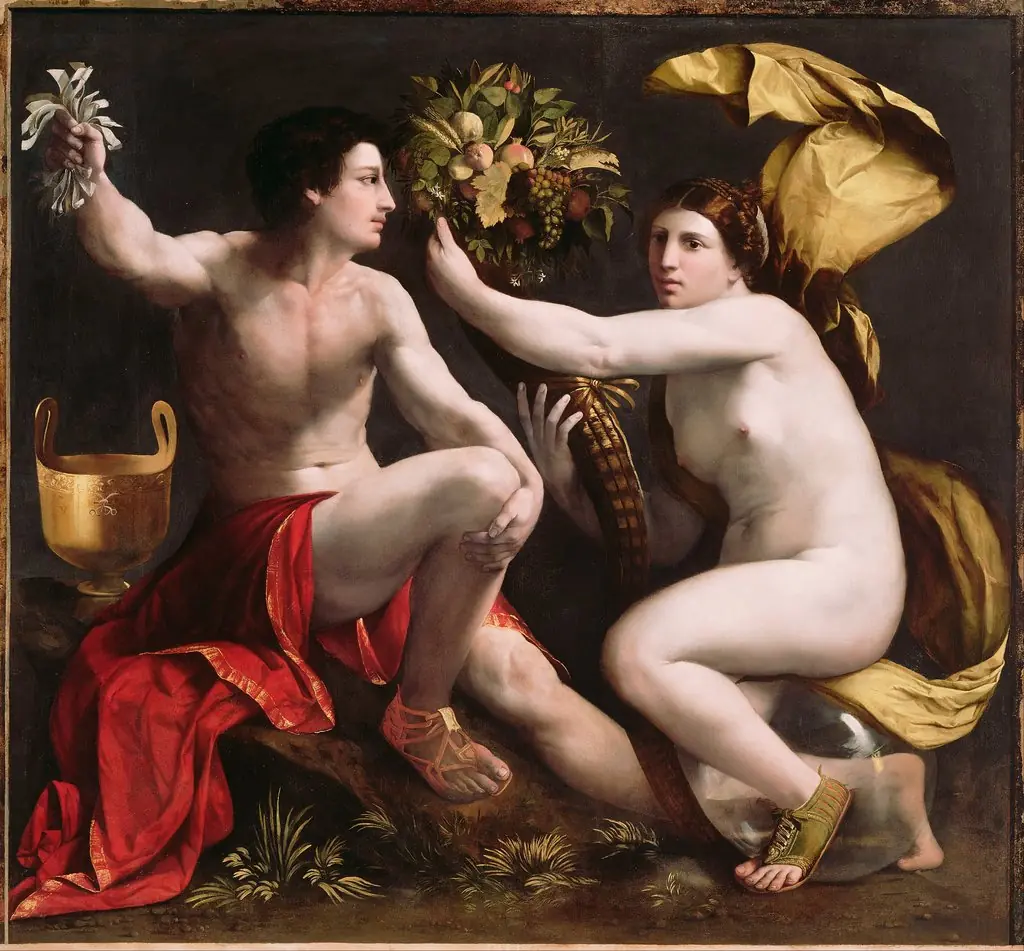 An Allegory of Fortune
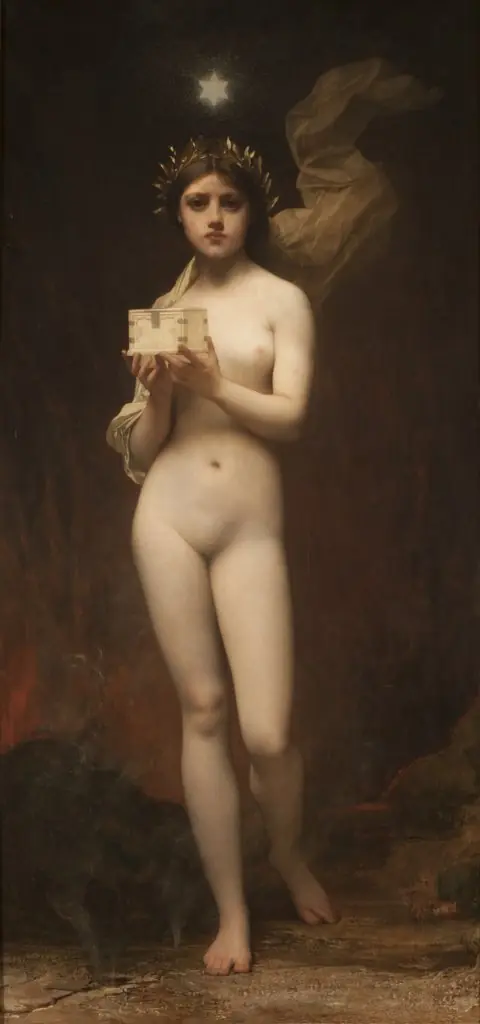 Pandora
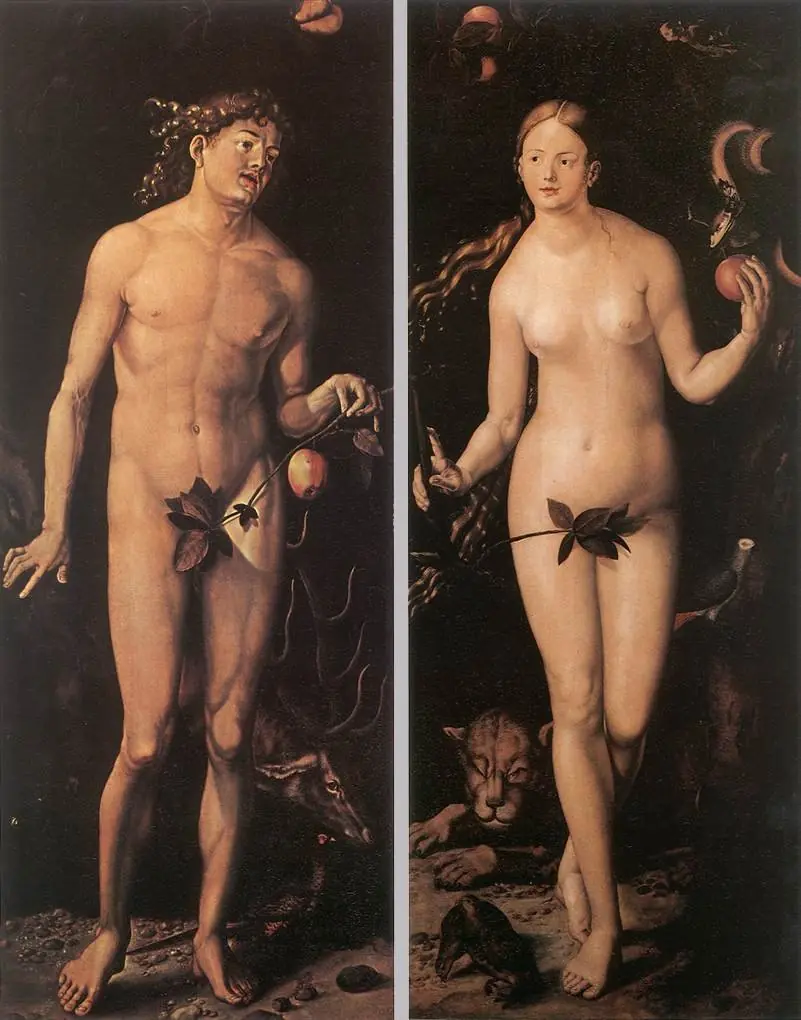 Adam and Eve
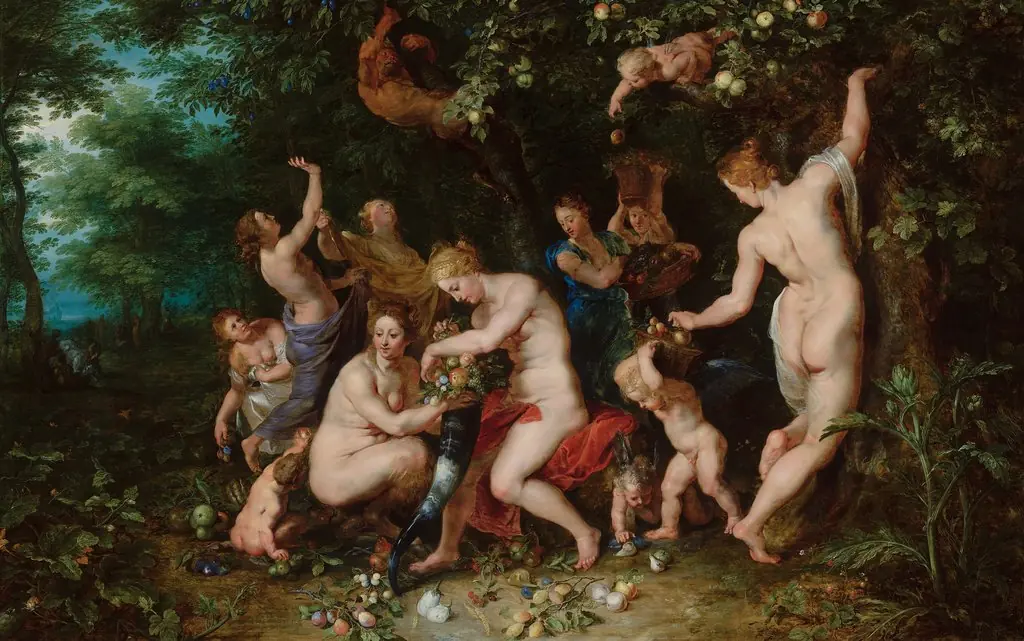 Nymphs filling the horn of plenty
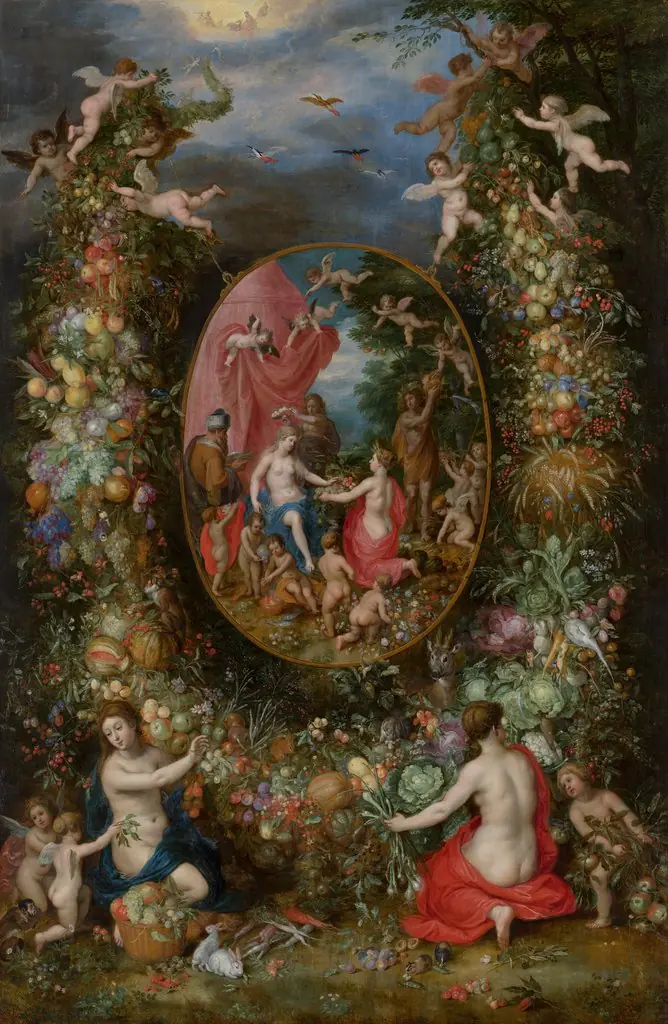 Garland of Flowers around an Allegory of Farming
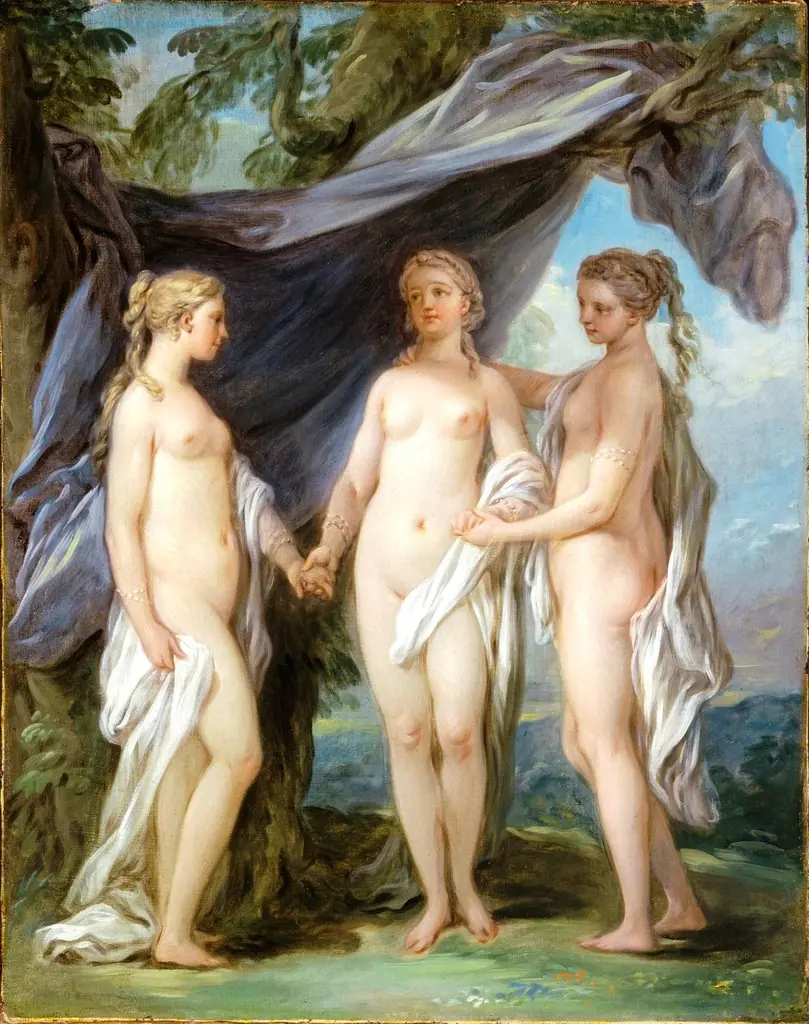 The Three Graces
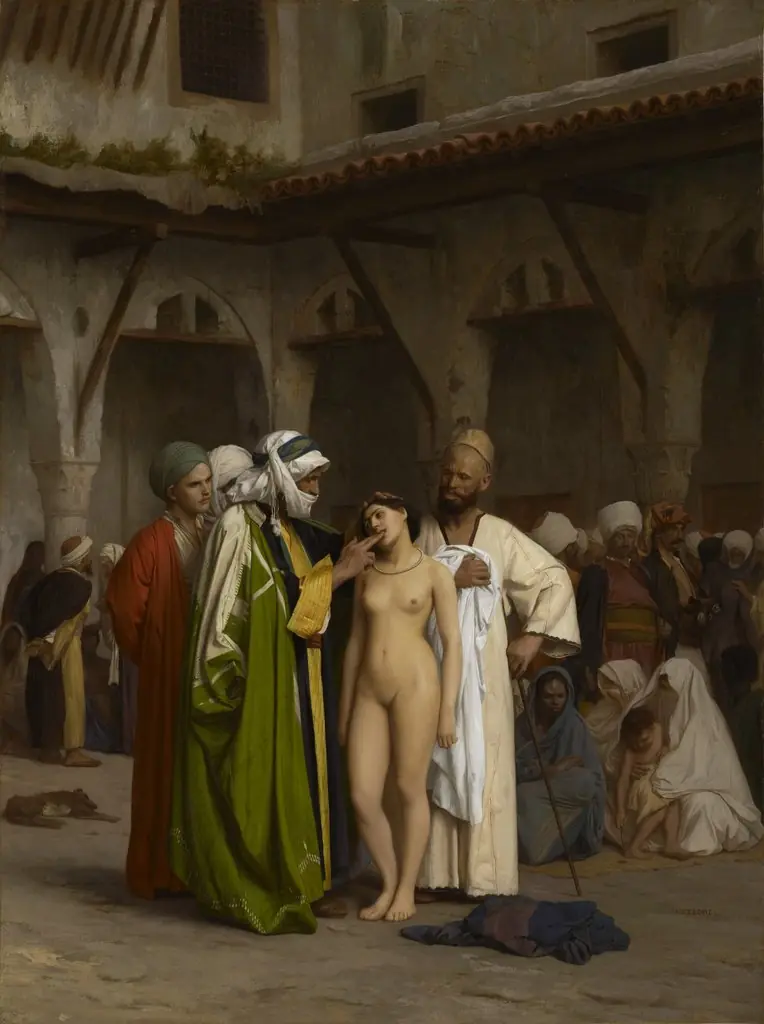 The Slave Market
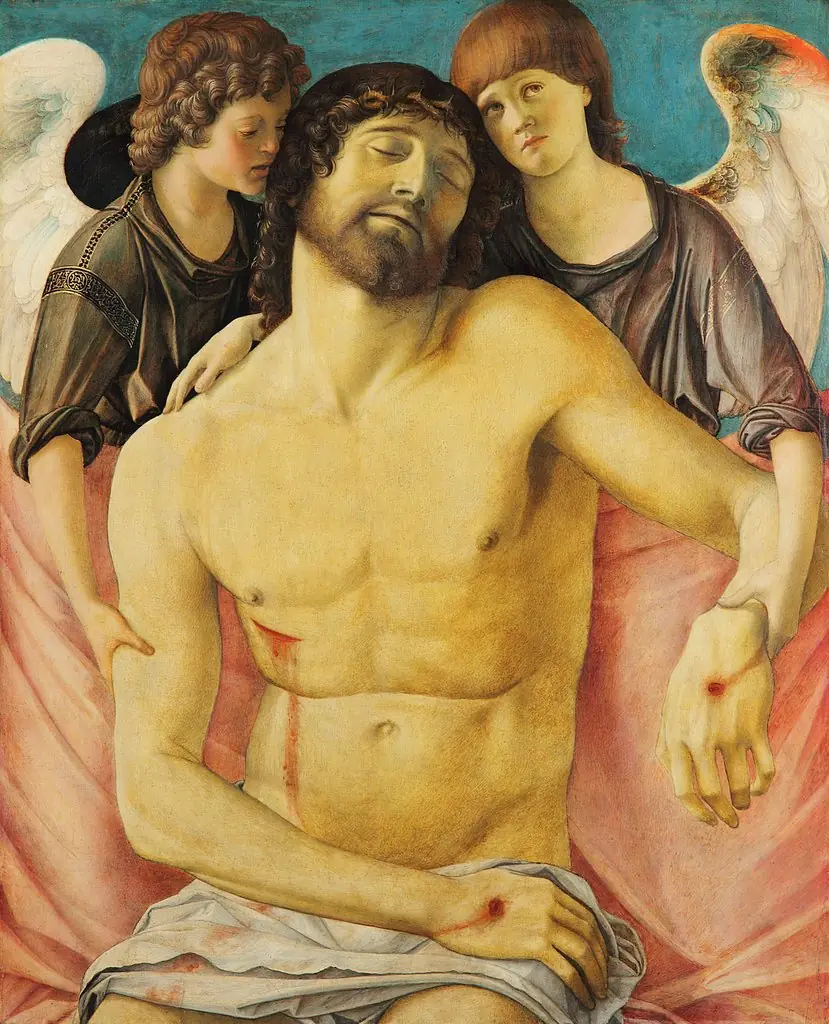 Dead Christ Supported by Two Angels
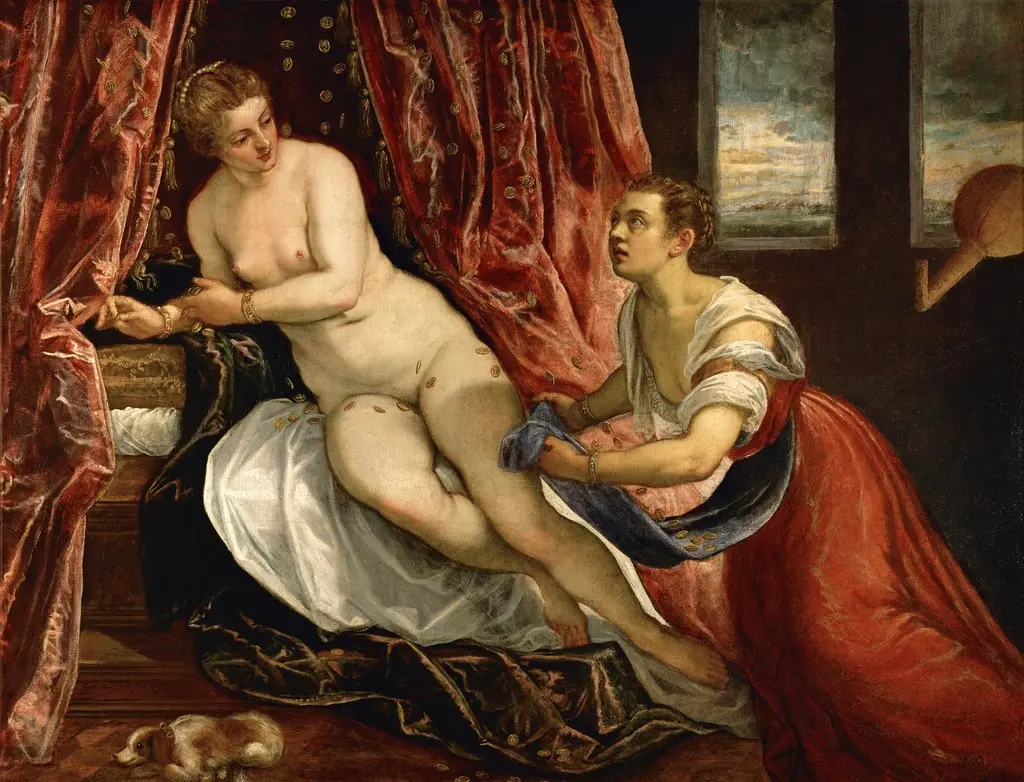 Danae
Danae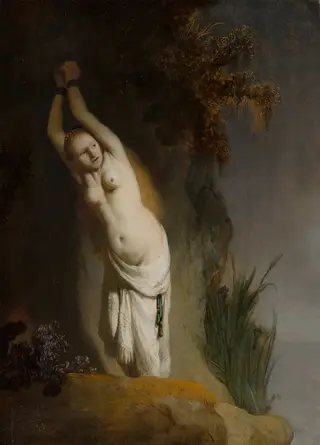 Andromeda Chained to the Rocks
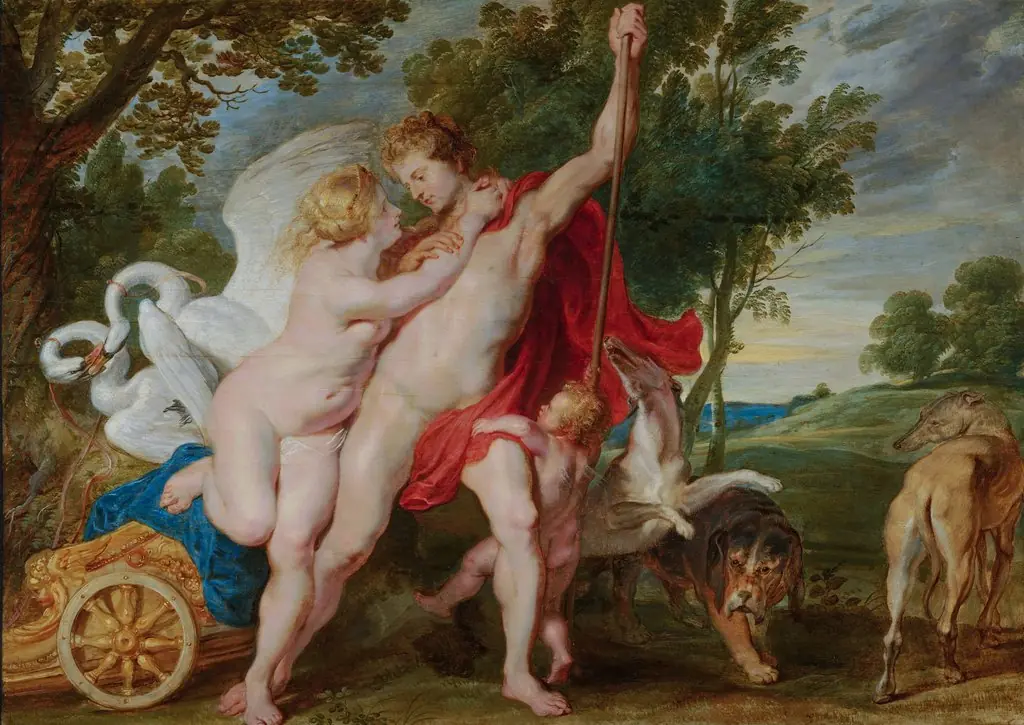 Venus trying to prevent Adonis from going hunting
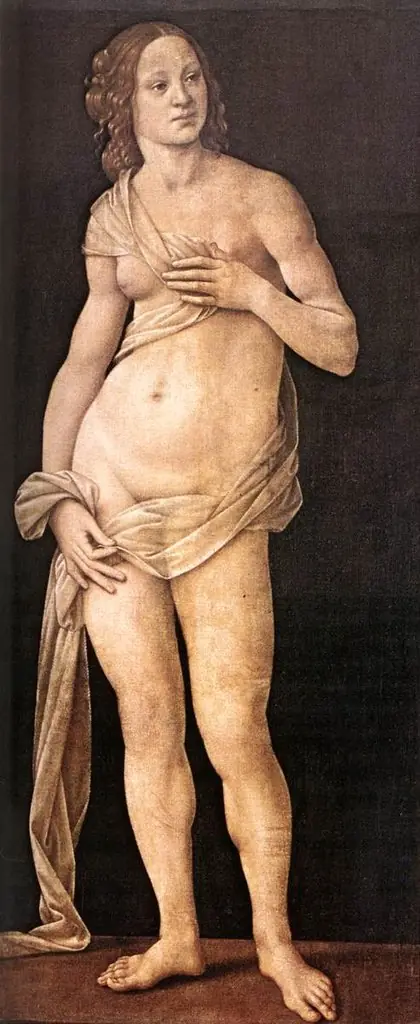 Venus
Venus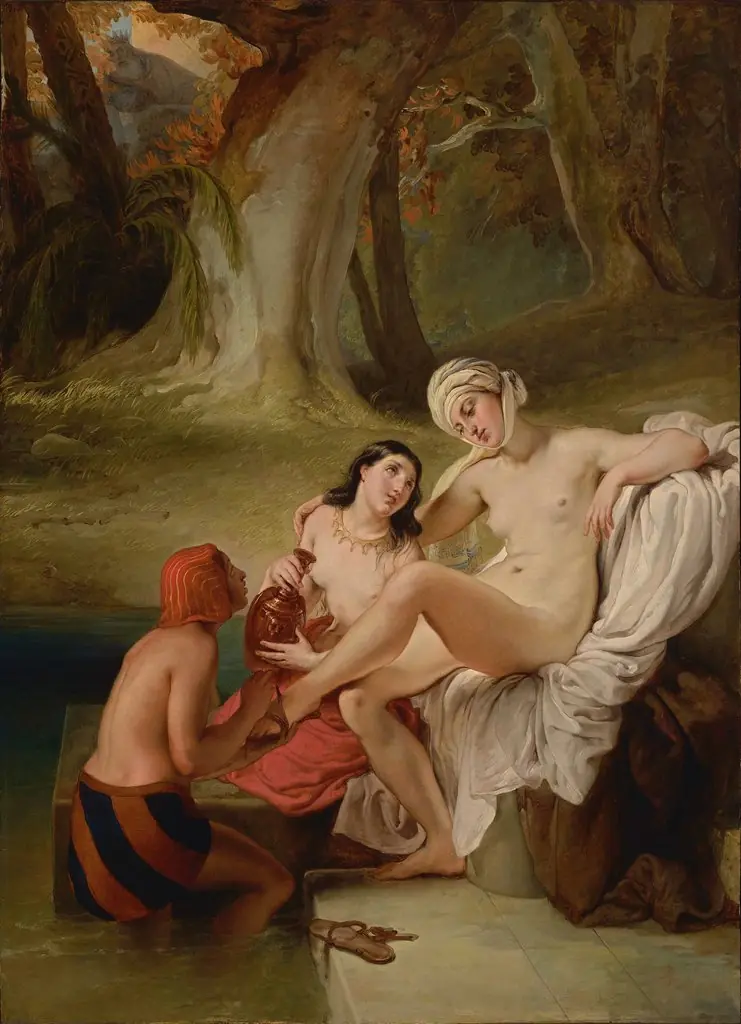 Bathsheba Bathing
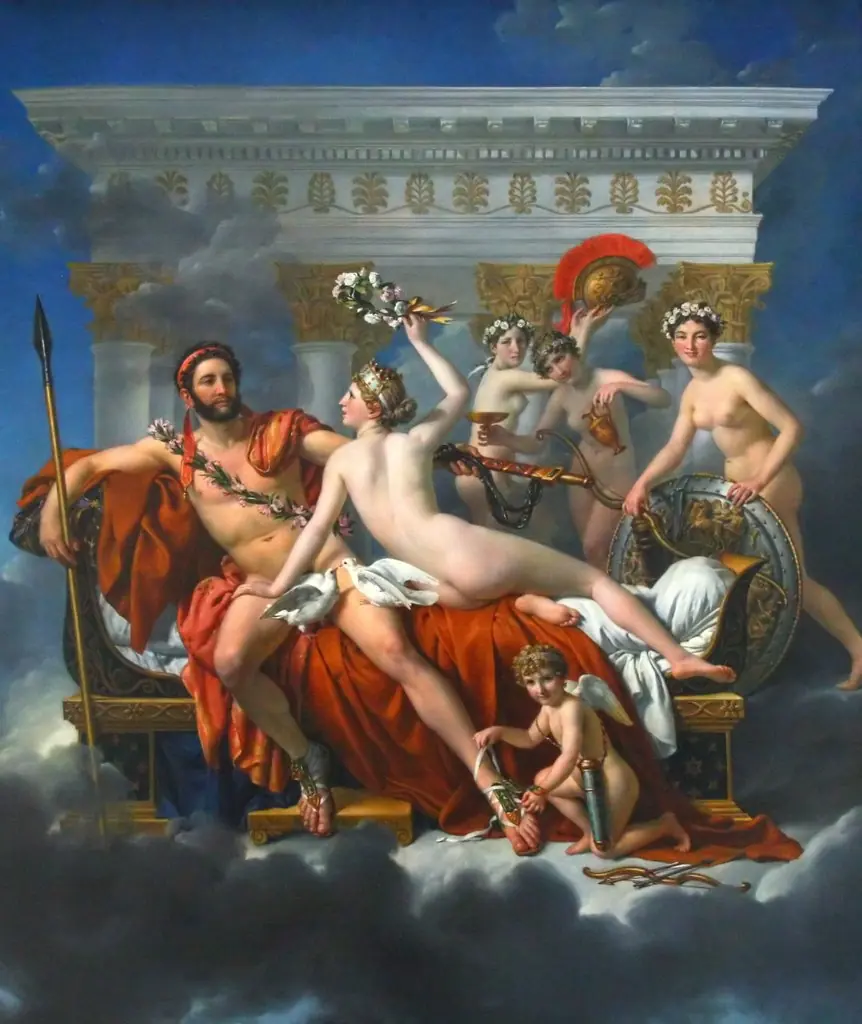 Mars Being Disarmed by Venus
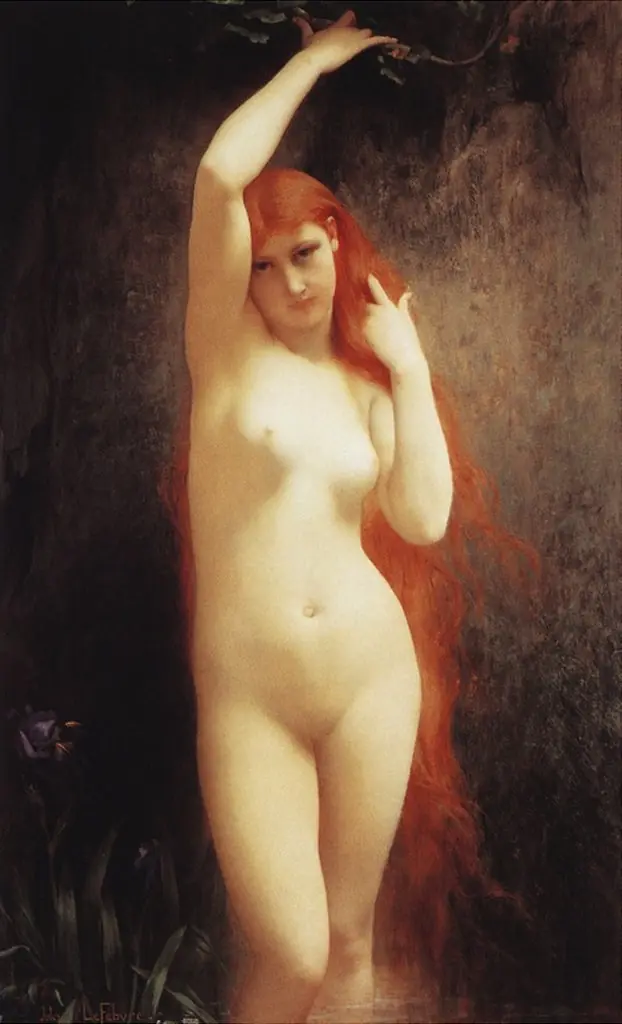 Ondine
 Nymphs Bathing
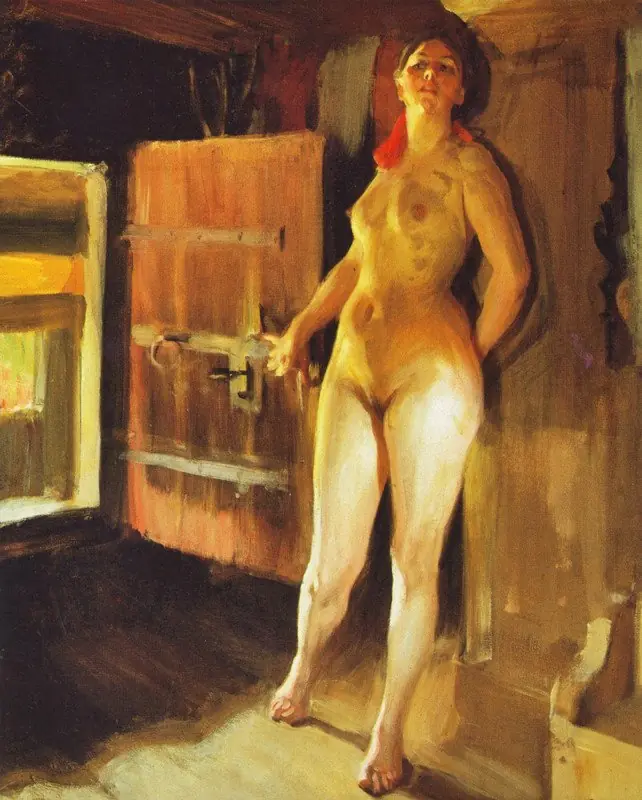 Girl in the Loft
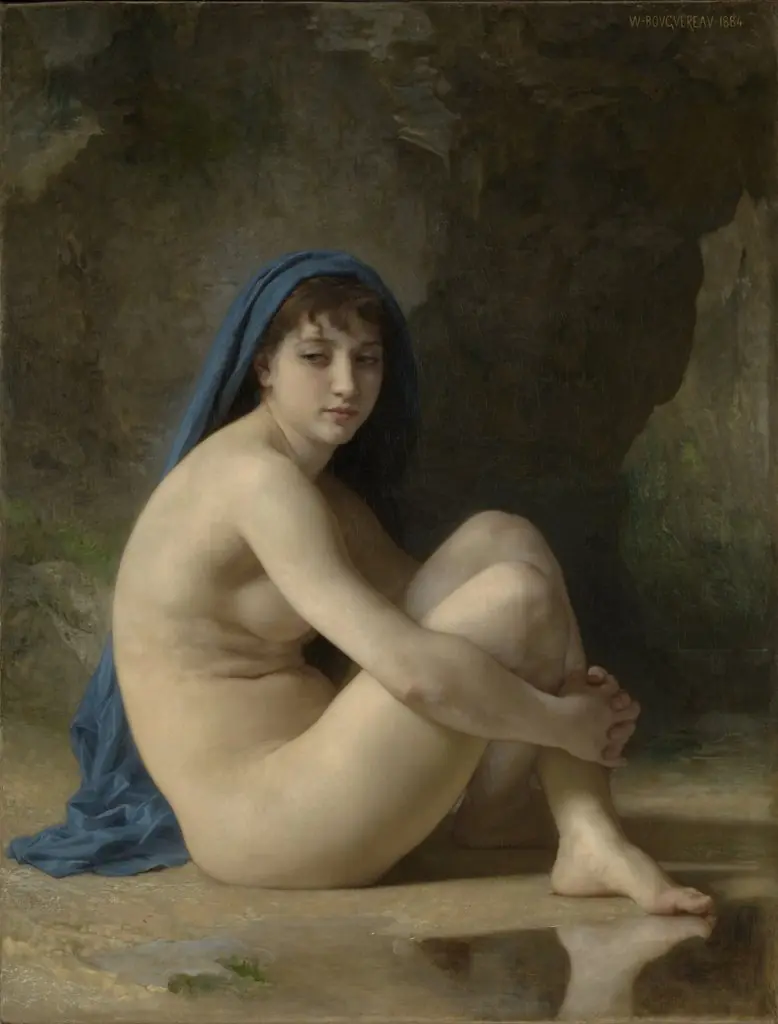 Seated Nude
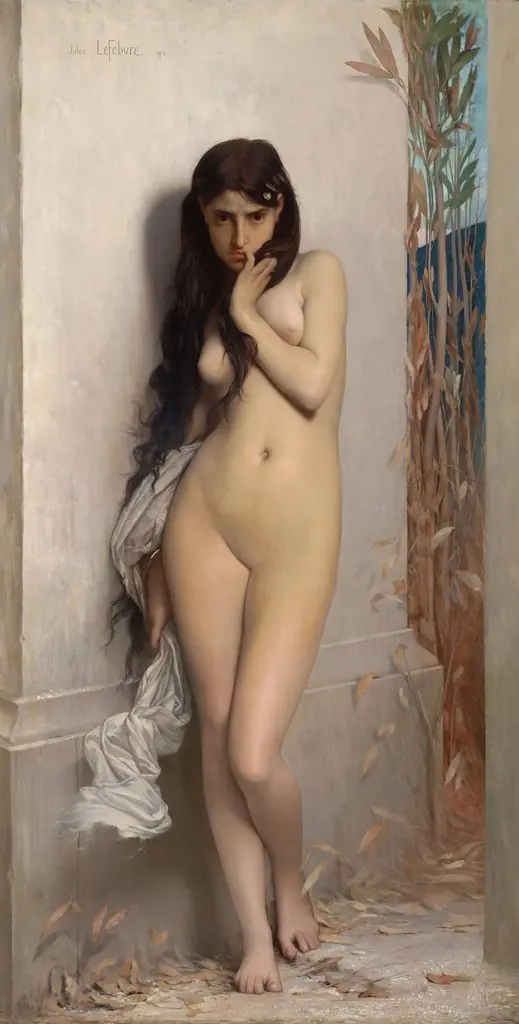 The Cicada
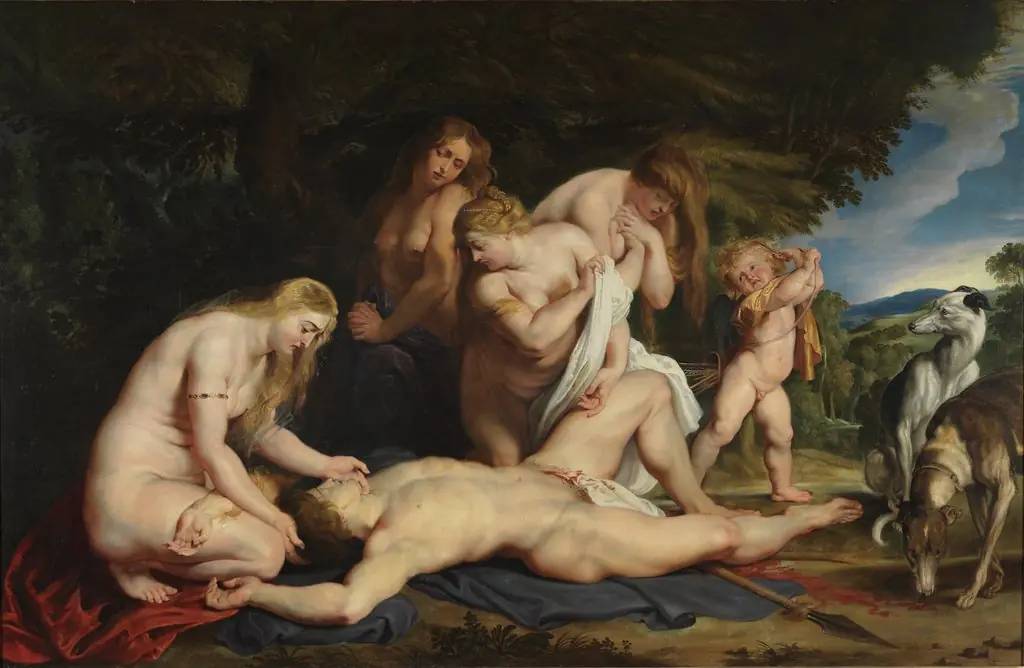 The Death of Adonis
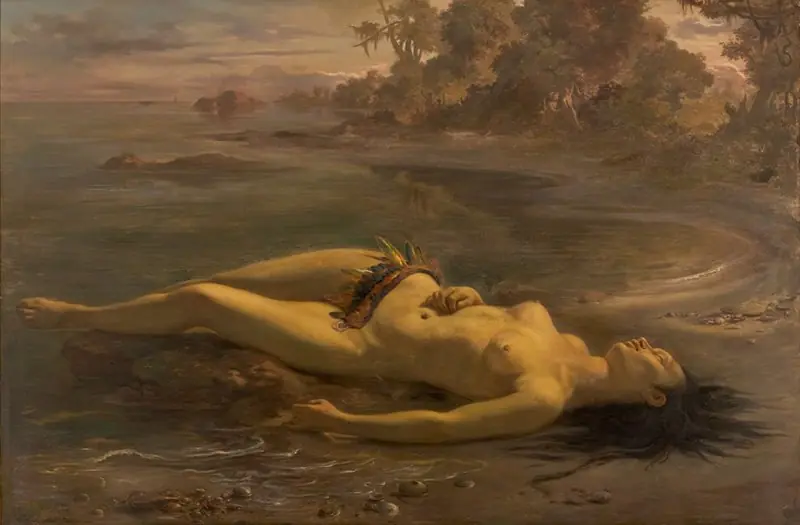 Moema
Moema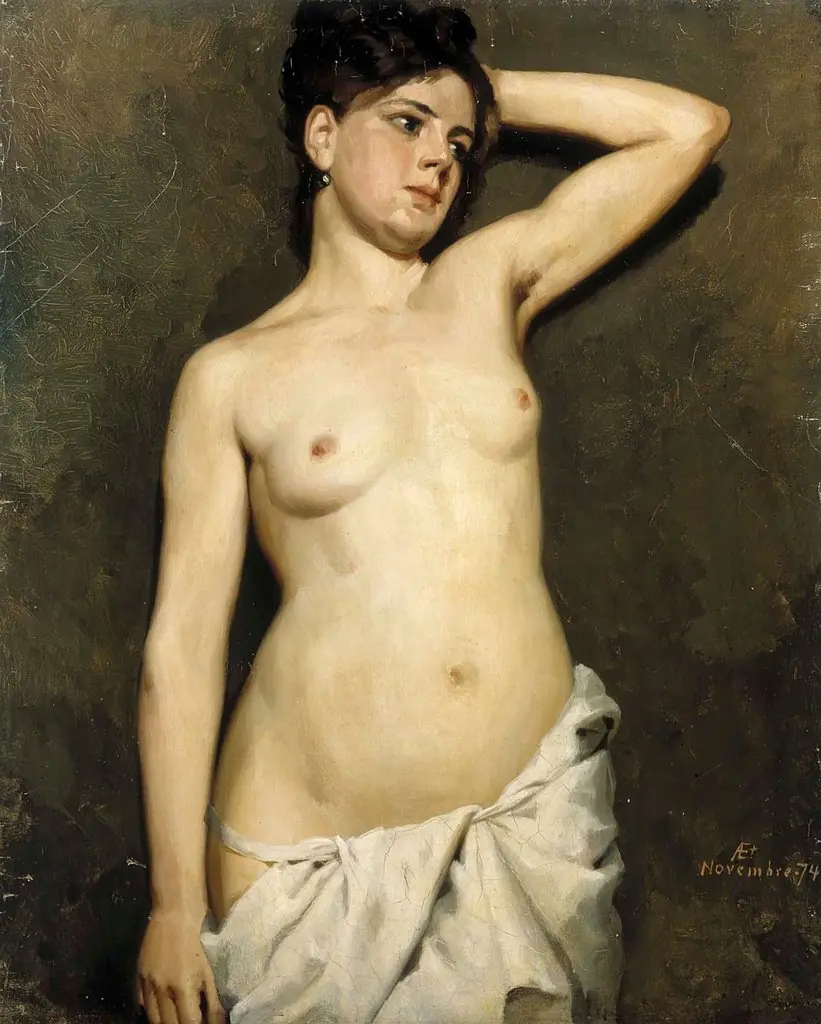 Female Nude, Study
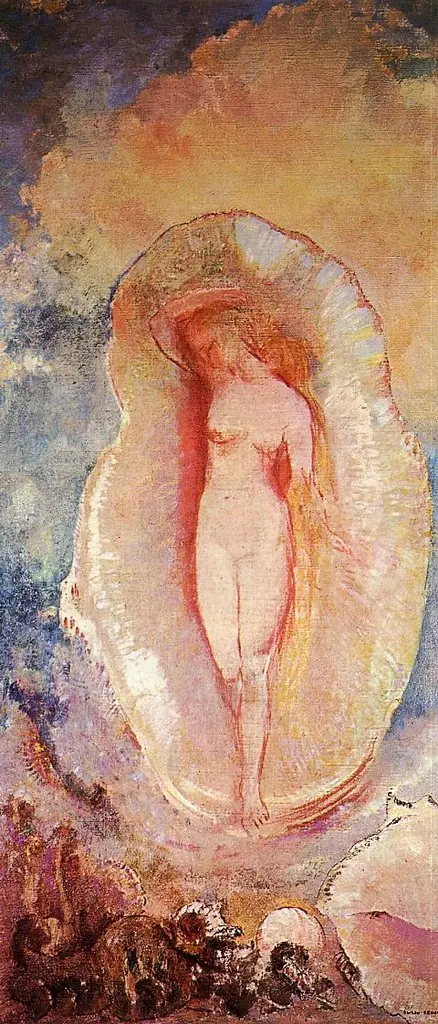 The Birth of Venus
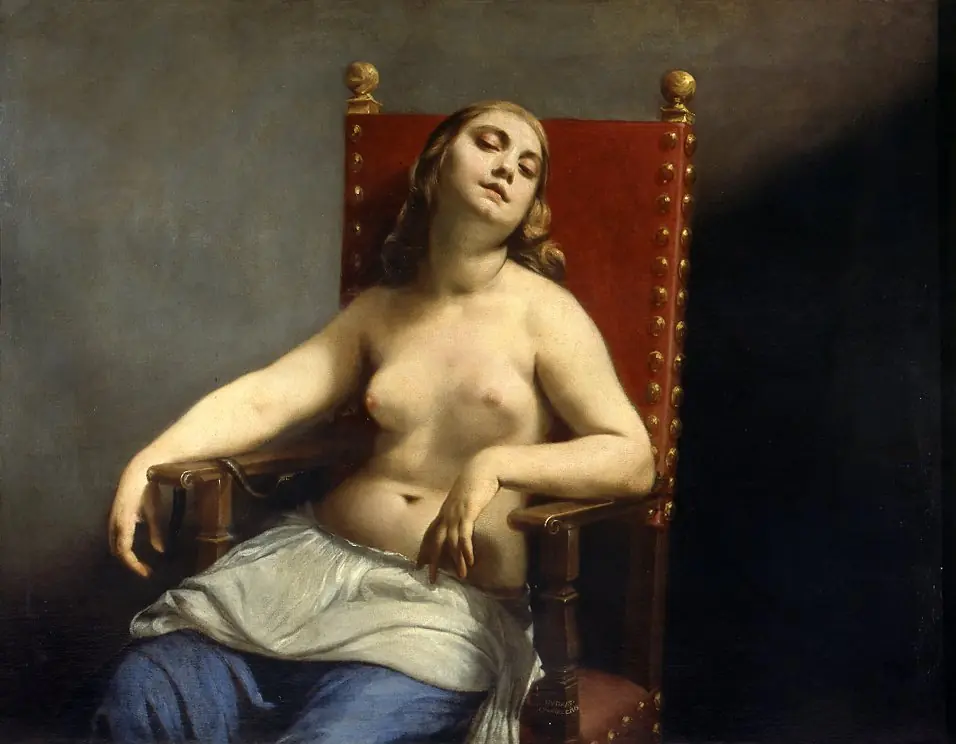 The Death of Cleopatra
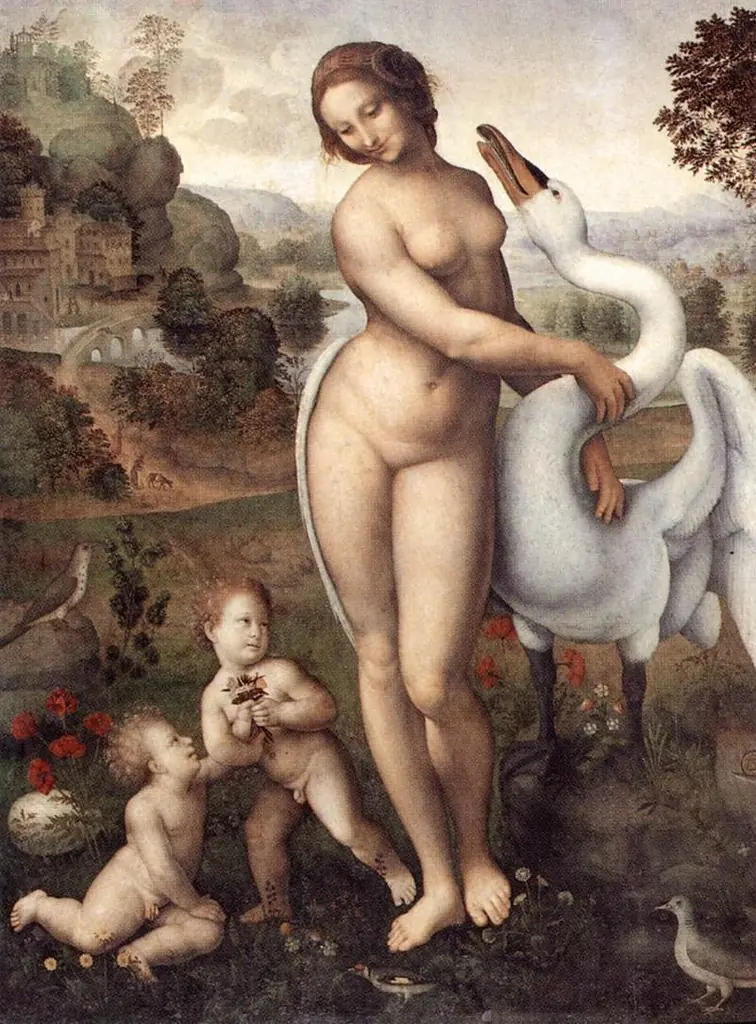 Leda and the Swan
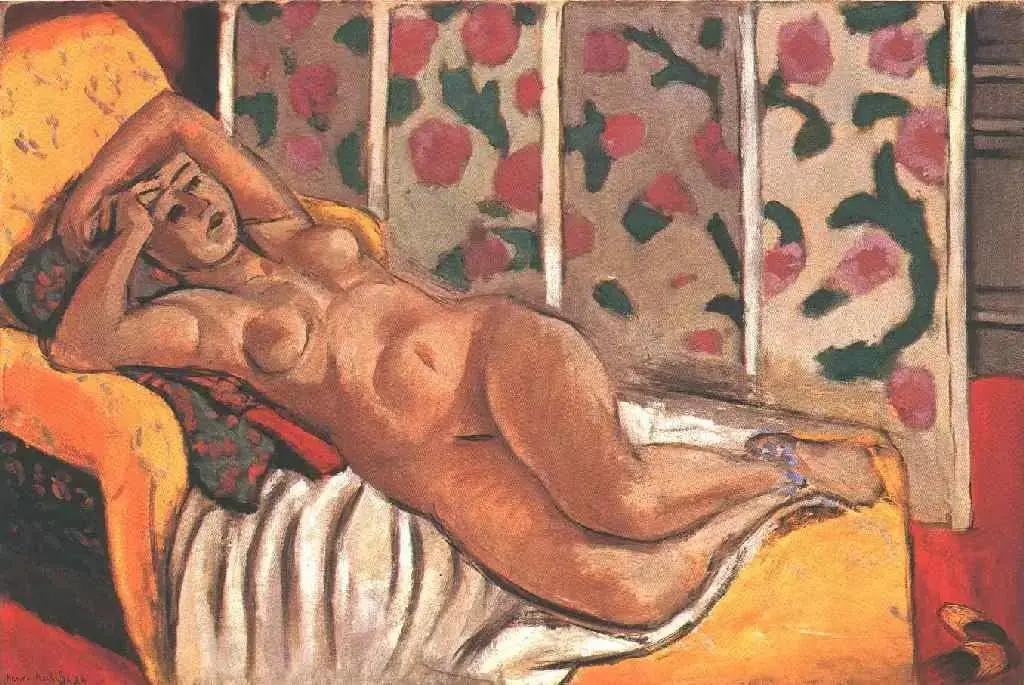 Yellow Odalisque
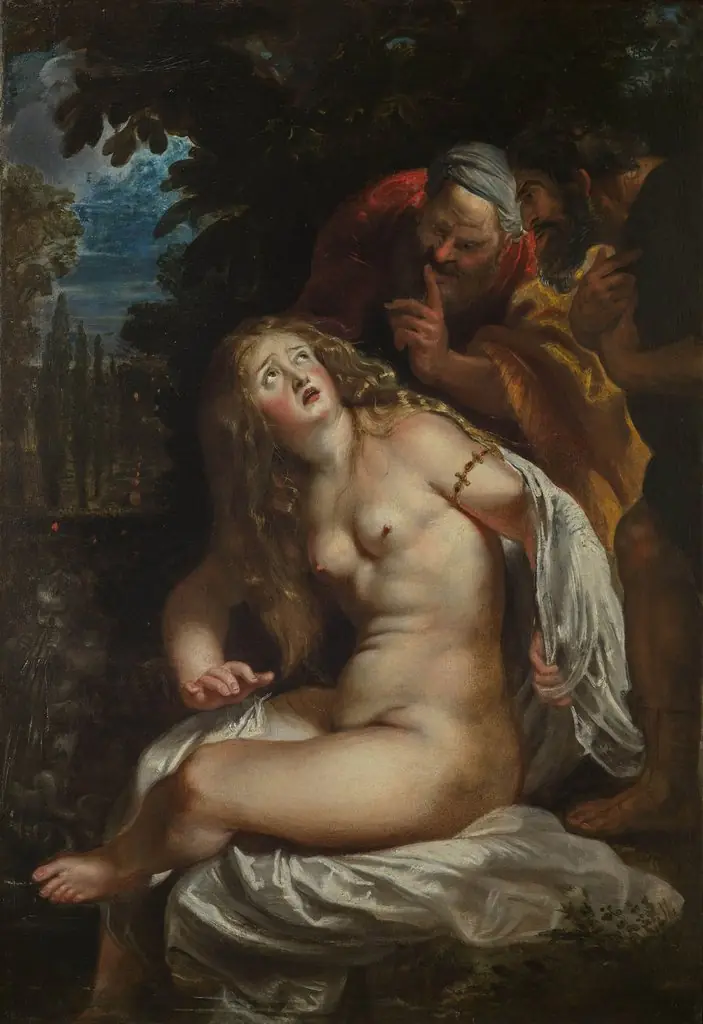 Susanna and the Elders
Frequently asked questions
What is Navel?
Navel is a subject in art. The navel (clinically known as the umbilicus; pl.: umbilici or umbilicuses; also known as the belly button or tummy button) is a protruding, flat, or hollowed area on the abdomen at the attachment site of the umbilical cord.
How many Navel works does Artifact World Gallery have?
Artifact World Gallery holds 99 public-domain Navel works, all free to view and download.
Who are the key Navel artists?
Key Navel artists in the collection include Titian, Paolo Veronese and Jean Baptiste Camille Corot.
Where can I see Navel works?
Navel works in the collection are held by Hermitage Museum, Museo del Prado and Rijksmuseum.