Subject
Female Breast
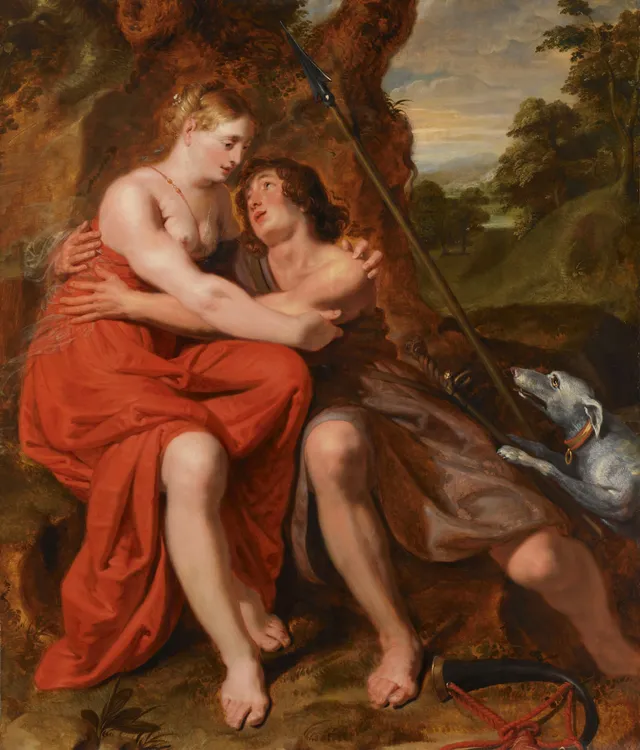
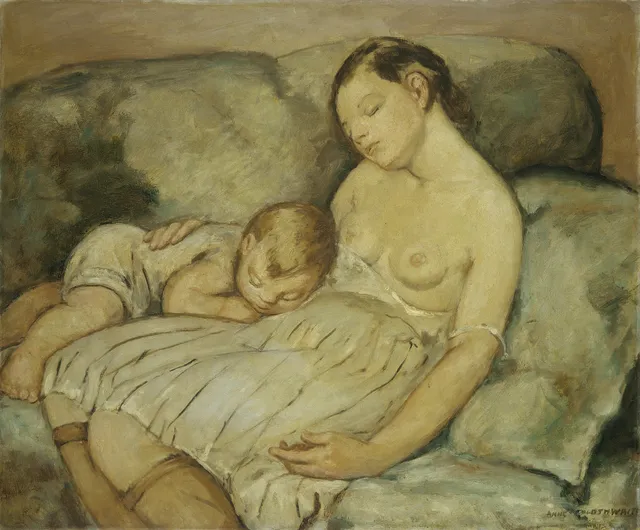
Female Breast is a subject in art. The gallery holds 123 works in this subject in art, including works by Titian, Paolo Veronese and Jean Baptiste Camille Corot.
Few motifs run as continuously through the history of art as the female breast, which has carried meanings of fertility, divinity, nourishment, and erotic desire across more than thirty millennia. Its earliest appearances are among the oldest surviving art objects: the Paleolithic "Venus" figurines of Europe and Asia, of which roughly 144 examples are known. The most famous, the Venus of Willendorf (c. 28,000–25,000 BCE), a 11.1 cm limestone figure found in Austria in 1908, exaggerates the breasts, belly, and hips while omitting the face—an emphasis most scholars read as bound up with fertility and abundance, though no written record survives to confirm any single meaning.
In the ancient and medieval worlds the breast was charged above all with the idea of nourishment. Egyptian images of the goddess Isis suckling the infant Horus, repeated for over a thousand years, anticipate the Christian Maria Lactans, or Nursing Madonna, an iconographic type that emerged around the 12th century in Italy and flourished especially in Tuscany and Spain. Here the exposed breast signified maternal charity and spiritual sustenance rather than desire. A parallel tradition, the Caritas Romana ("Roman Charity"), depicting the imprisoned Cimon nursed by his daughter Pero, blended filial virtue with frank sensuality and yielded some thirty significant works in the 16th century alone.
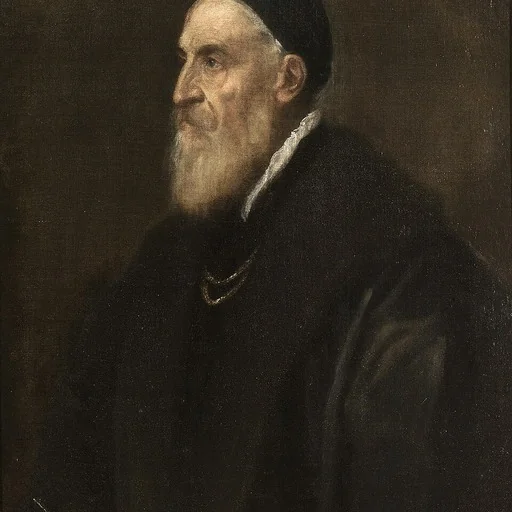
The Italian Renaissance recast the nude as an object of idealized beauty. Building on Giorgione's Sleeping Venus (c. 1510), Titian perfected the reclining goddess in works such as the Venus of Urbino and Venus with a Mirror—the latter the first to pose her with a mirror held by Cupid. Venetian painters including Paolo Veronese (Venus and Mars) and Lorenzo Lotto (Venus and Cupid) deployed the smooth, luminous body within mythological frames that licensed its display. The breast became a measure of harmonious proportion and idealized flesh.
This idealizing convention was decisively challenged in the 19th century. Gustave Courbet's Realism replaced the perfected "nude" with the unidealized "naked" body—visible veins, body hair, ordinary flesh—as in The Young Bather, refusing the mythological alibi. Camille Corot's softly lit figures (The Repose, Bacchante by the Sea) bridged classical reverie and modern intimacy, while Impressionists like Renoir returned to the nursing mother and Picasso later reinvented maternity in his own idiom. From fertility idol to sacred nourishment to contested symbol of realism and liberty, the female breast remains one of art's most persistently reinterpreted forms.
Key artists
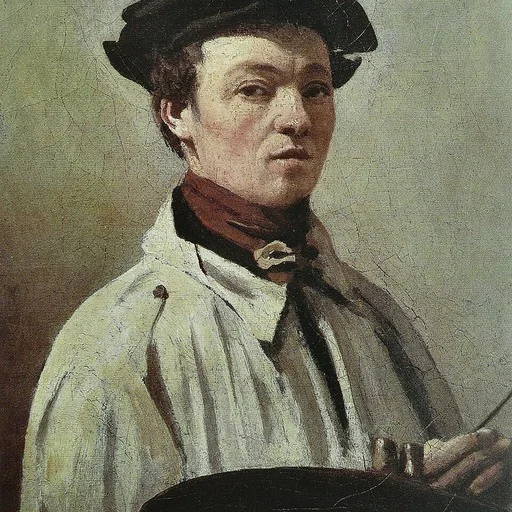
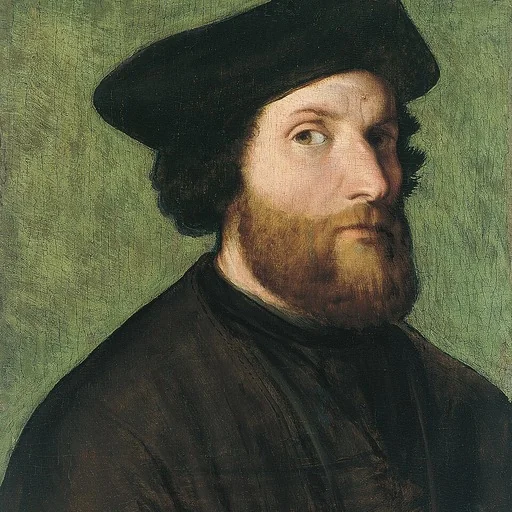
Works
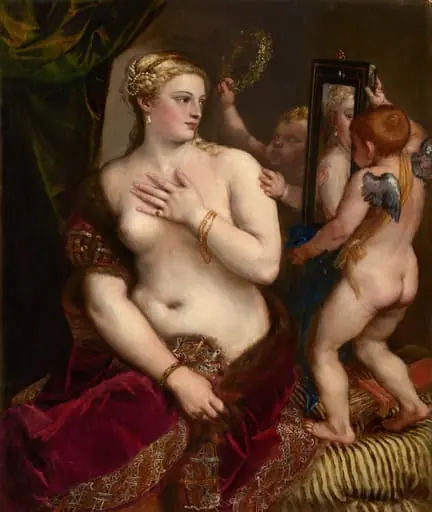 Venus with a Mirror
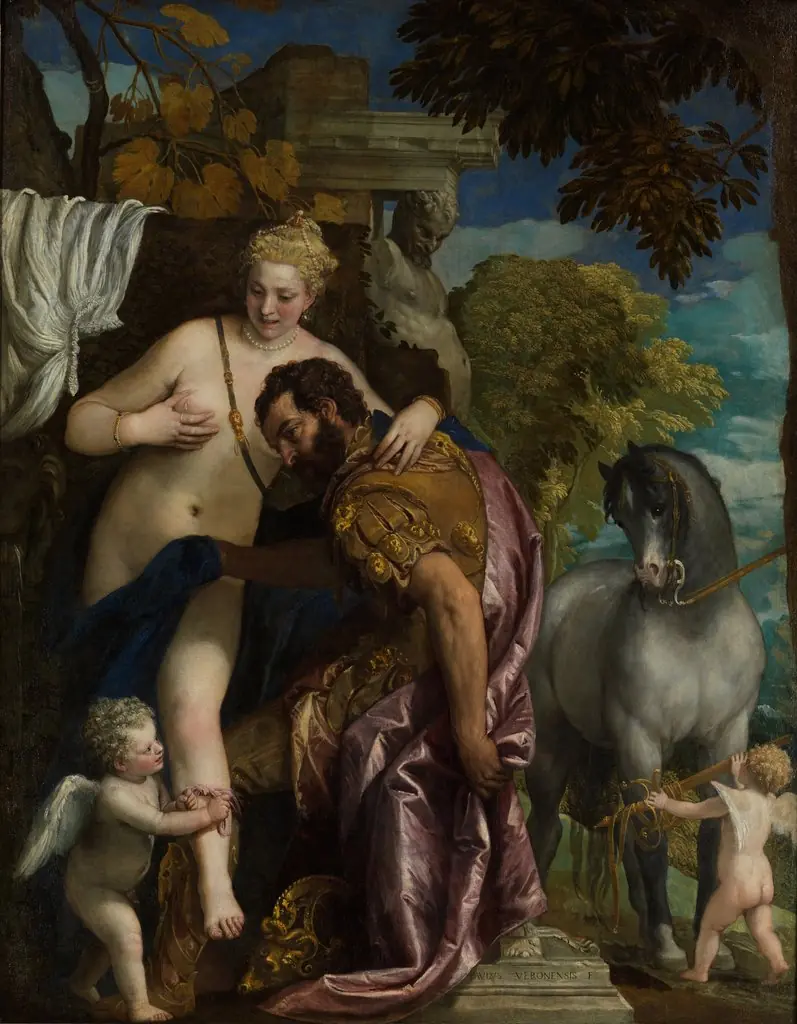 Venus and Mars
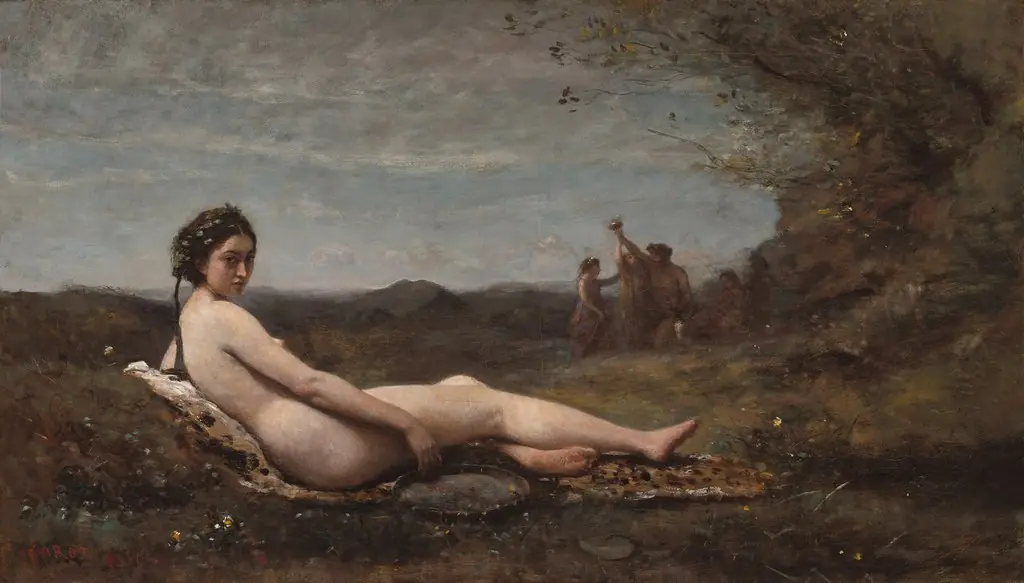 The Repose
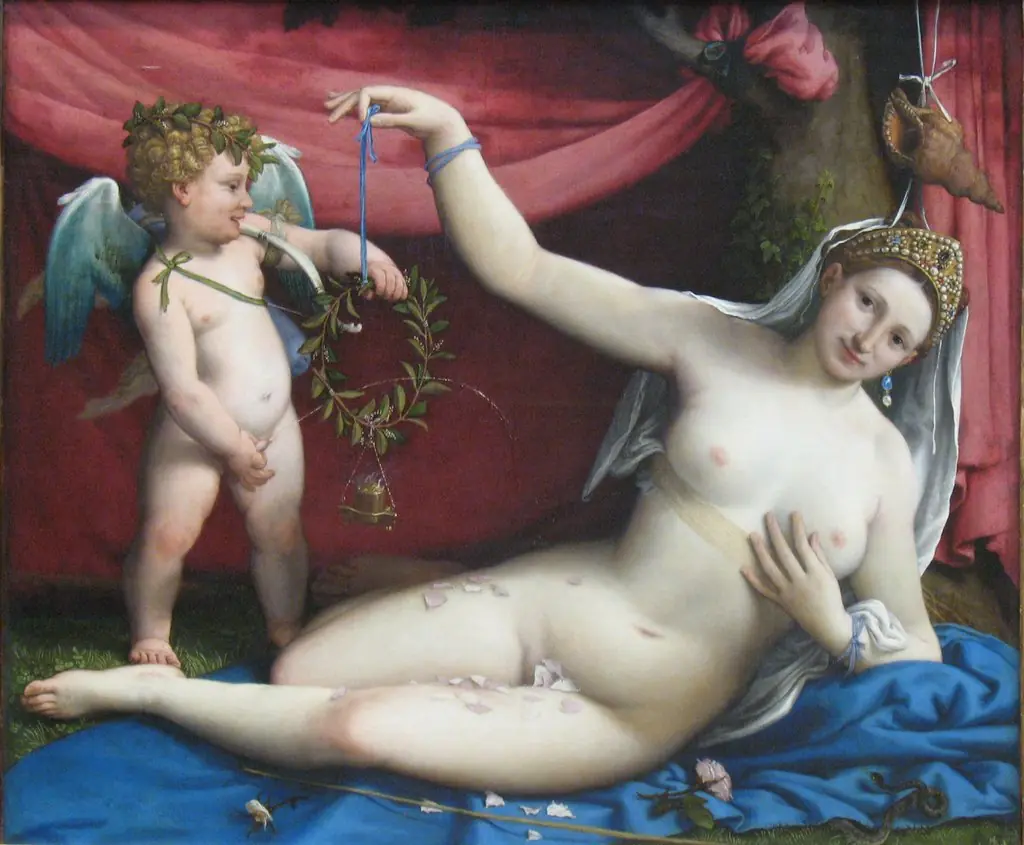 Venus and Cupid
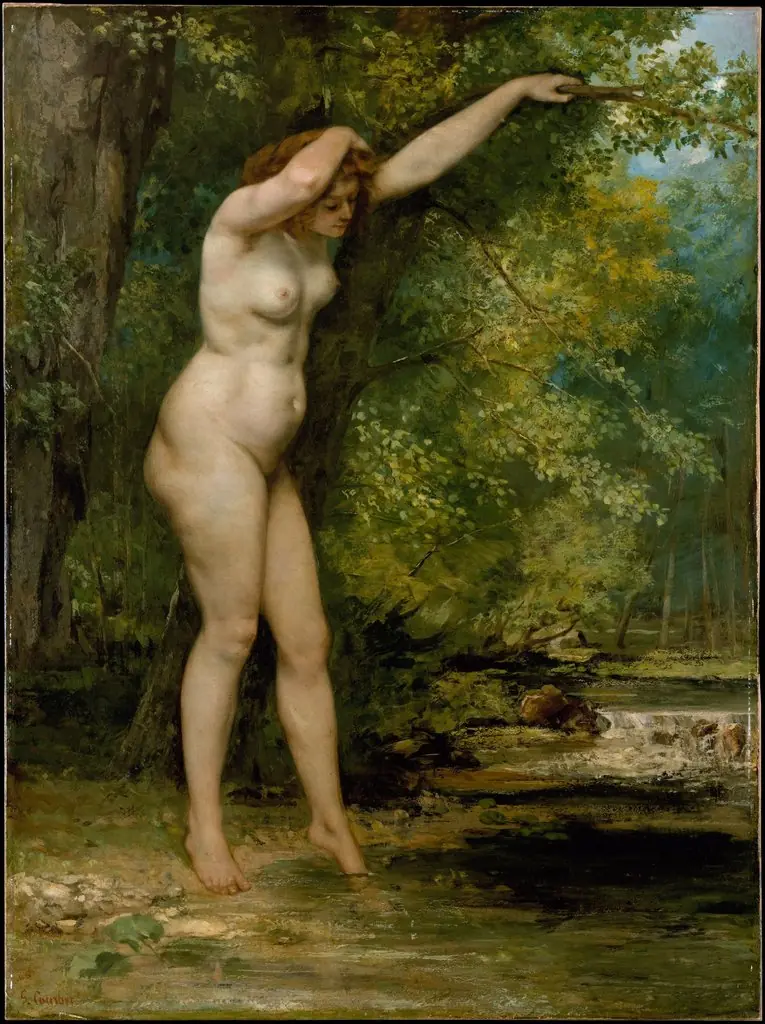 The Young Bather
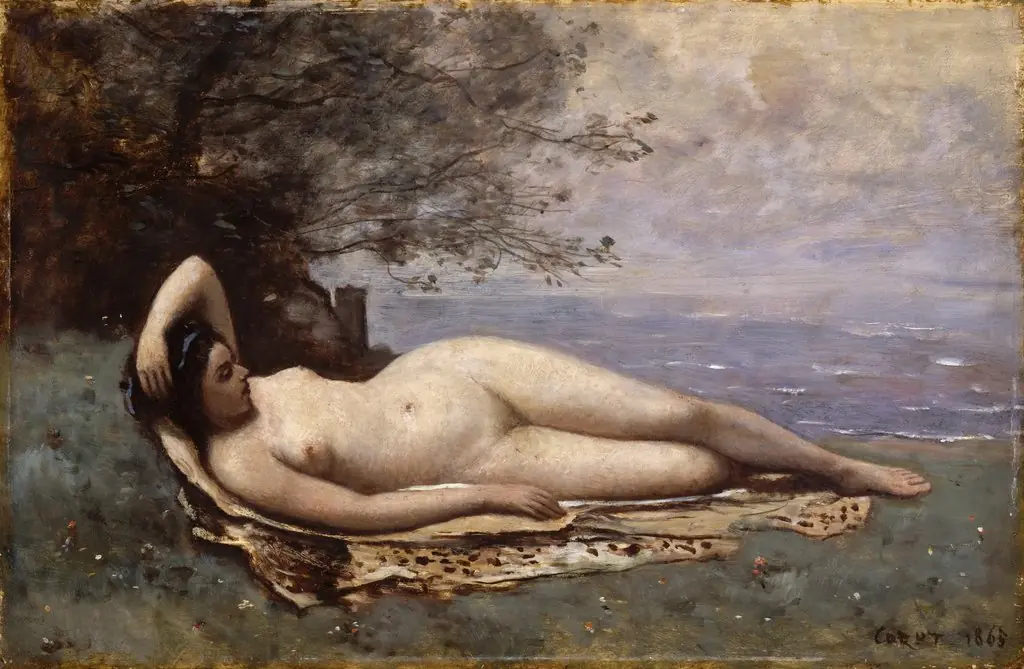 Bacchante by the Sea
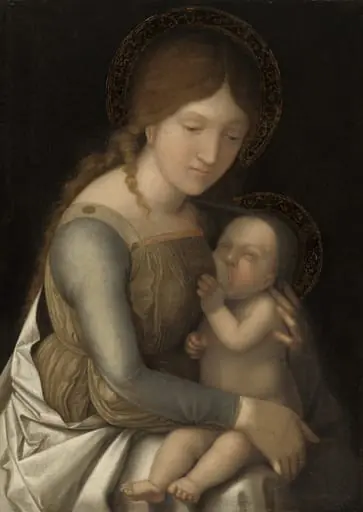 Madonna and Child
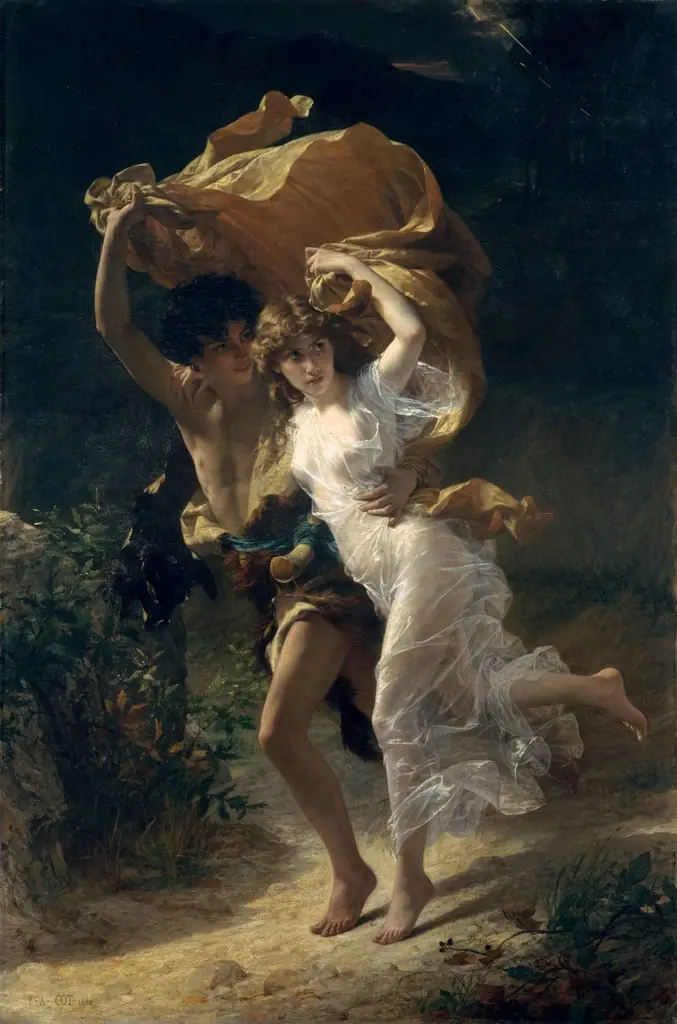 The Storm
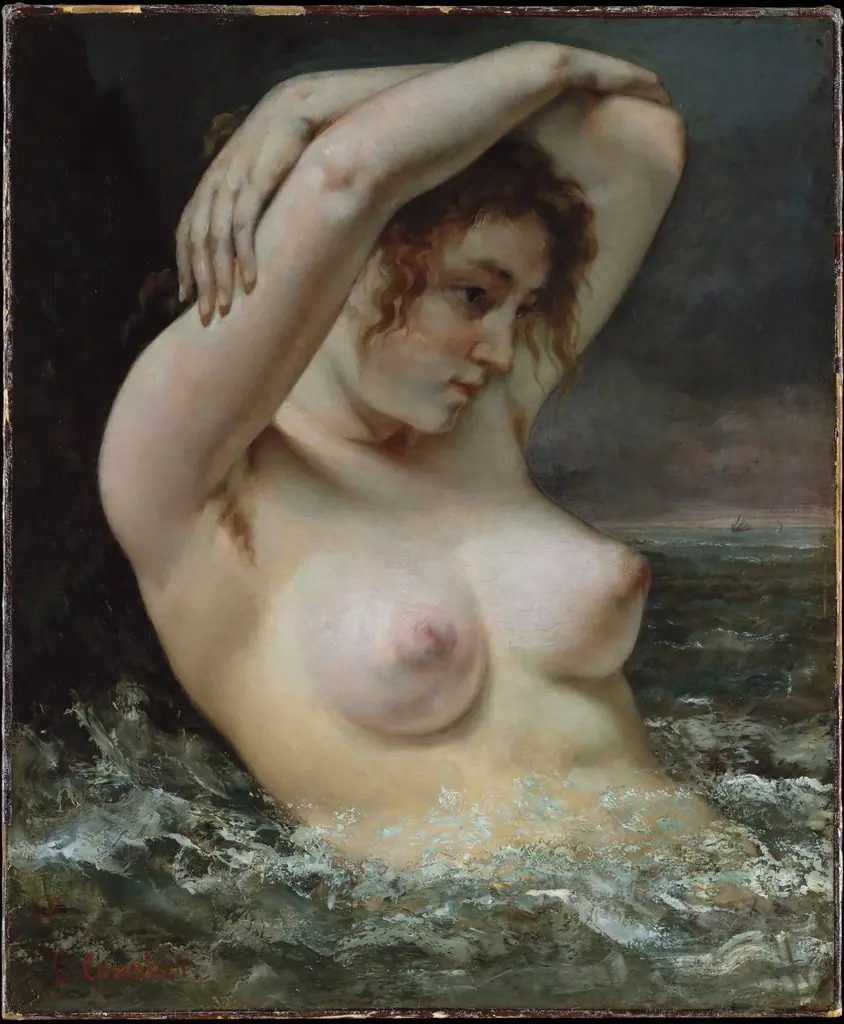 The Woman in the Waves
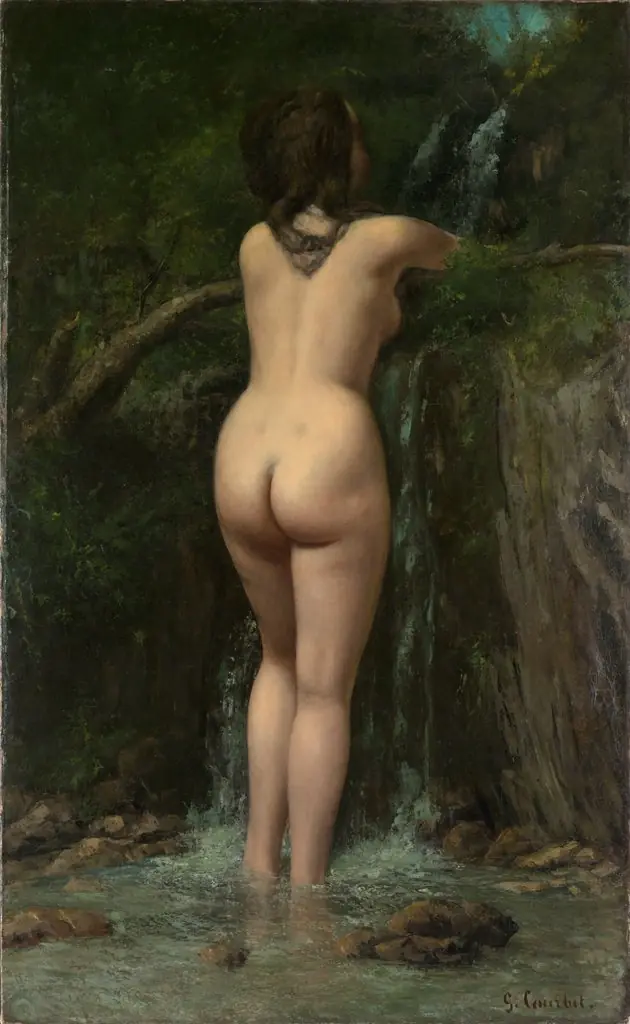 The Source
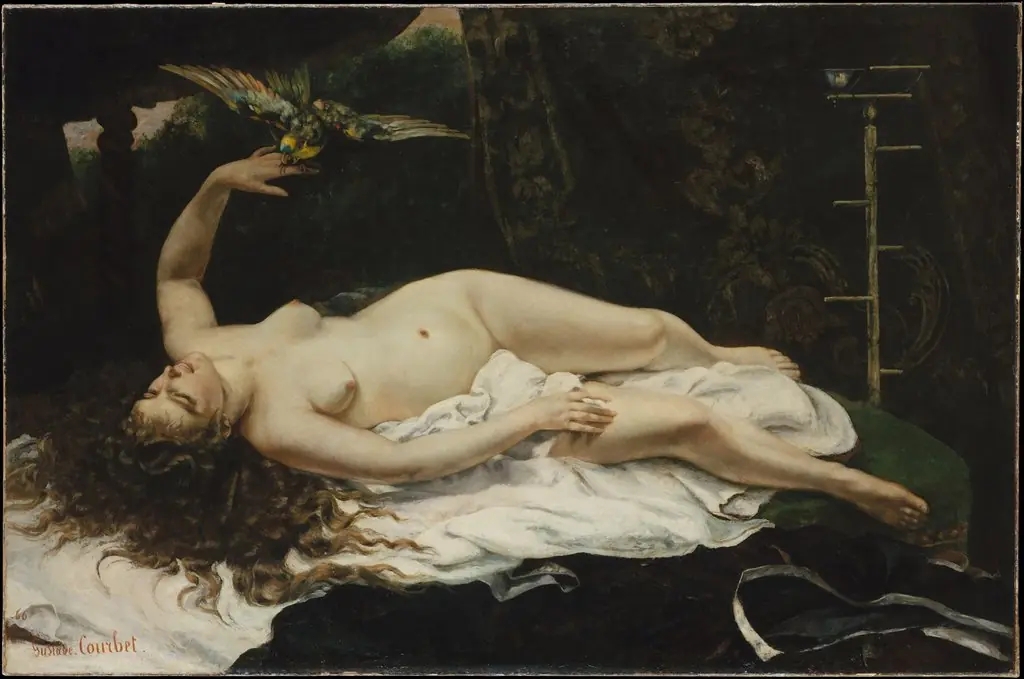 Woman with a Parrot
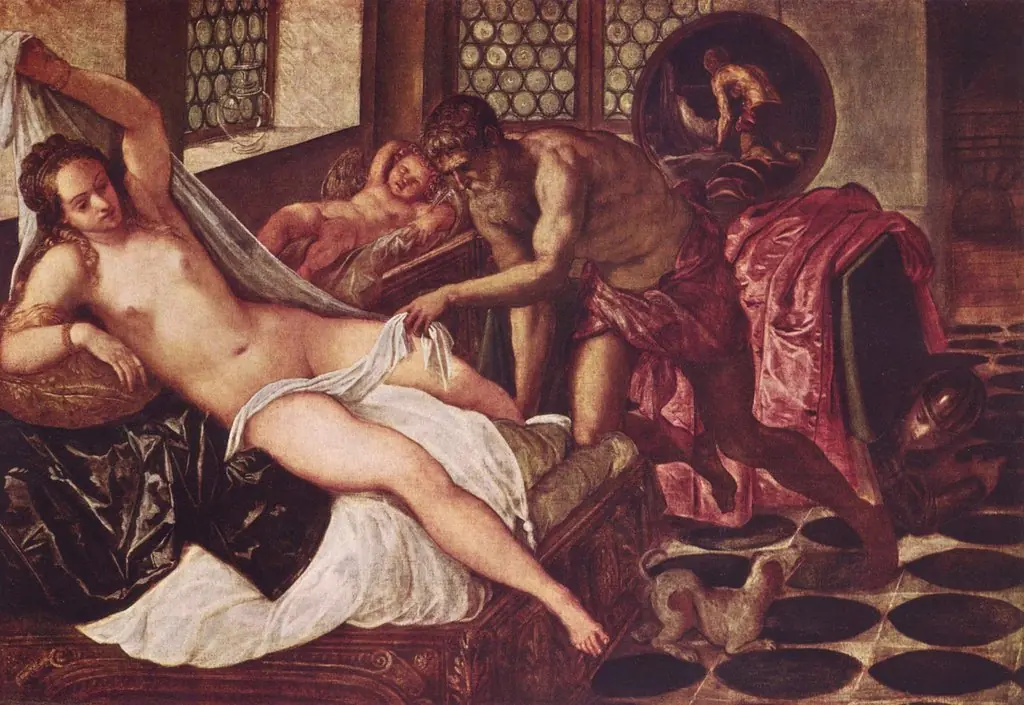 Venus and Mars Surprised by Vulcan
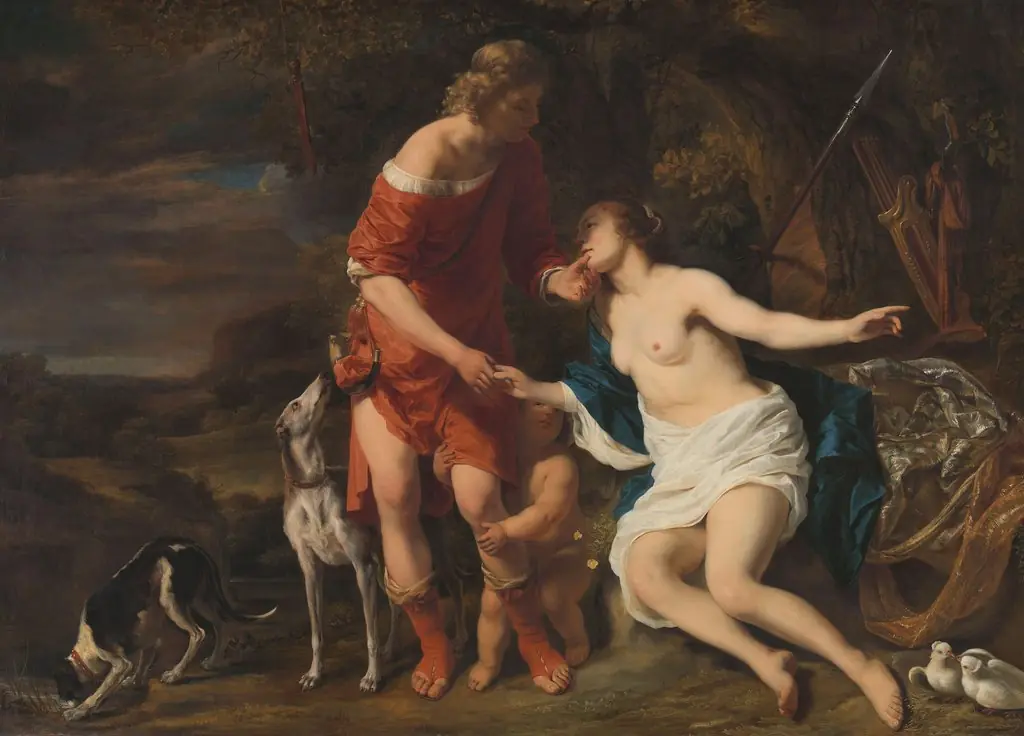 Venus and Adonis
 Vertumnus and Pomona
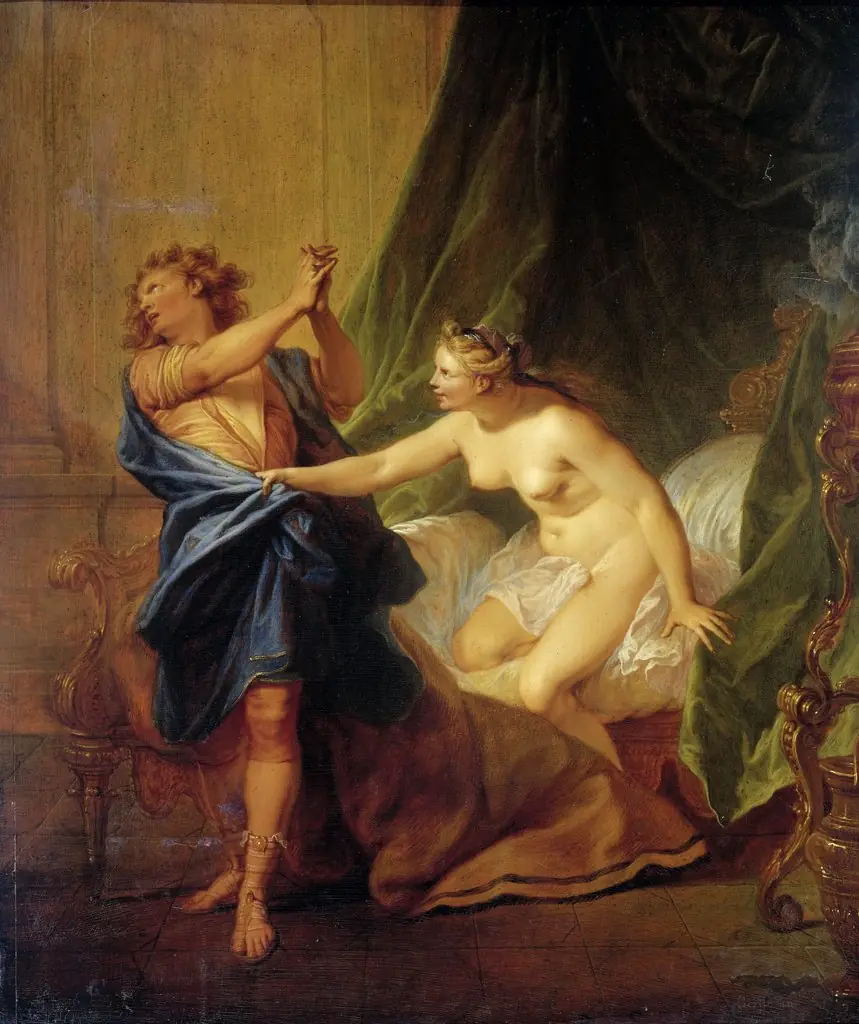 Joseph and Potiphar's Wife
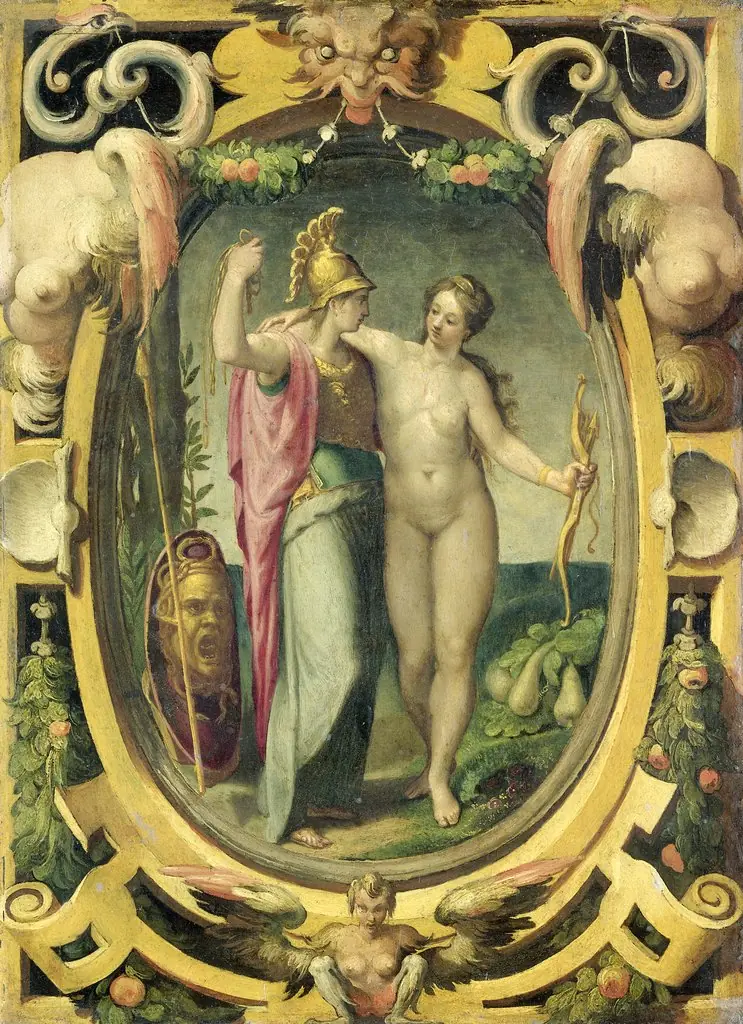 Venus and Minerva
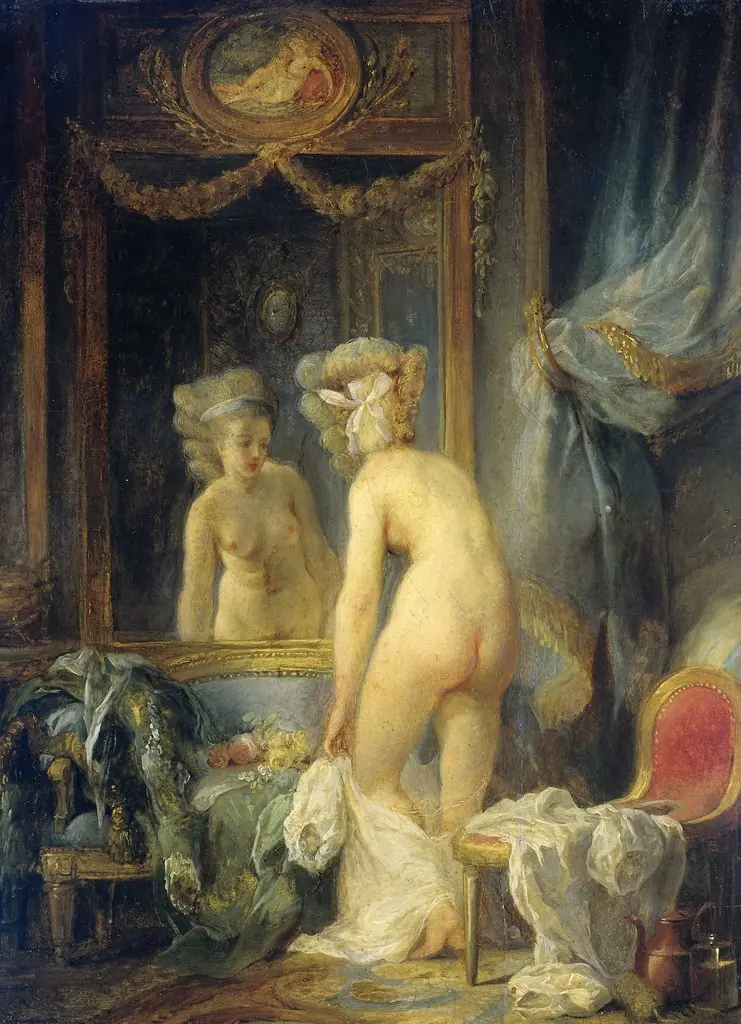 Morning Toilet
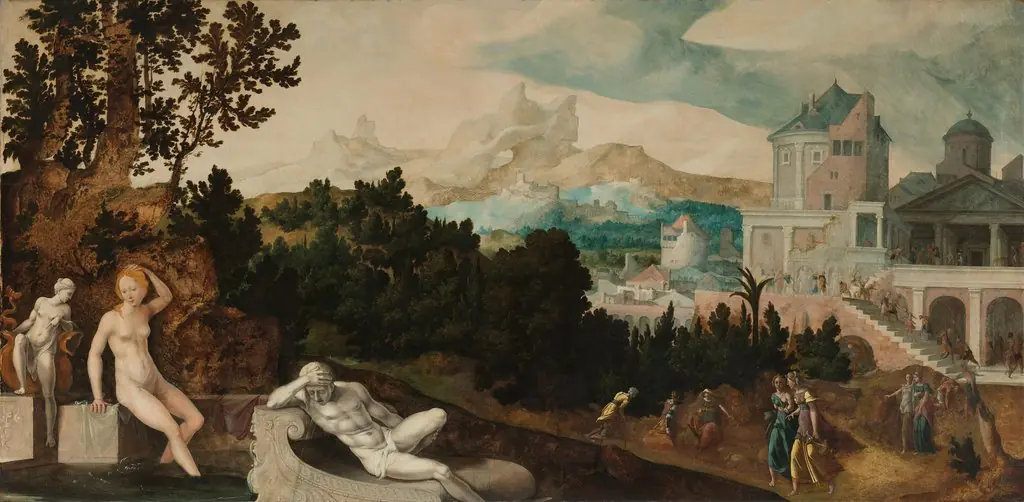 Landscape with Bathsheba
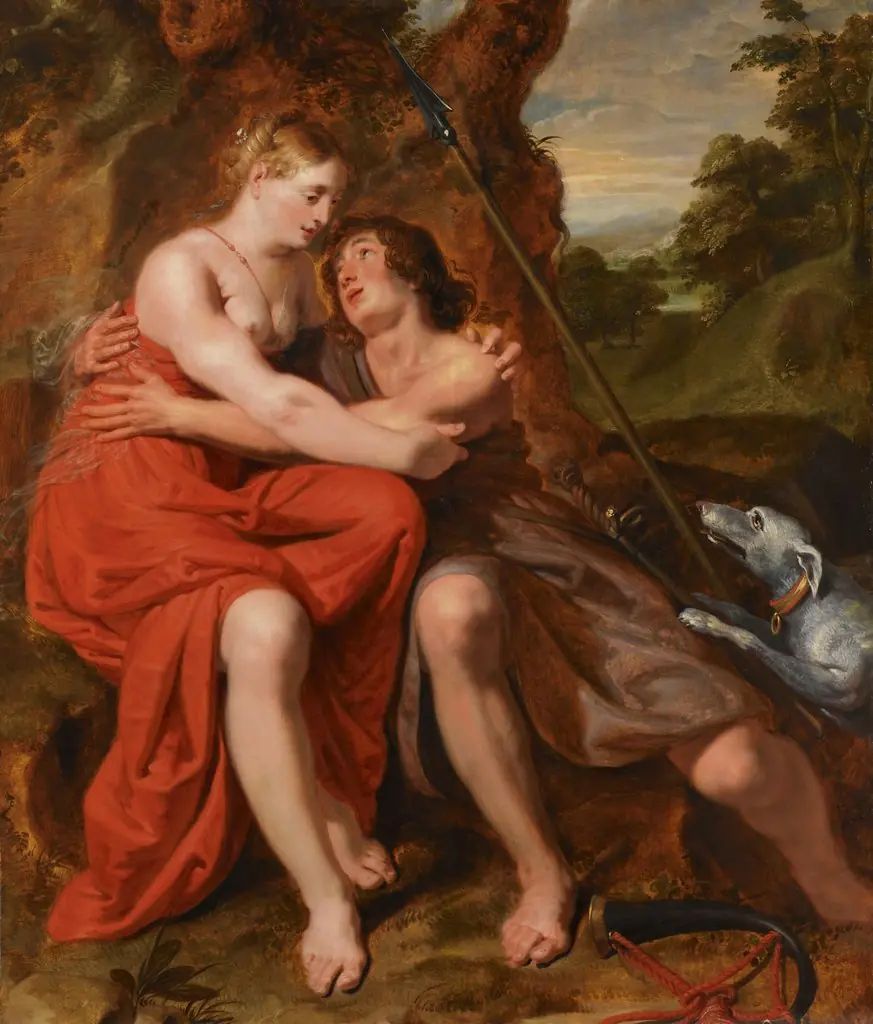 Venus and Adonis
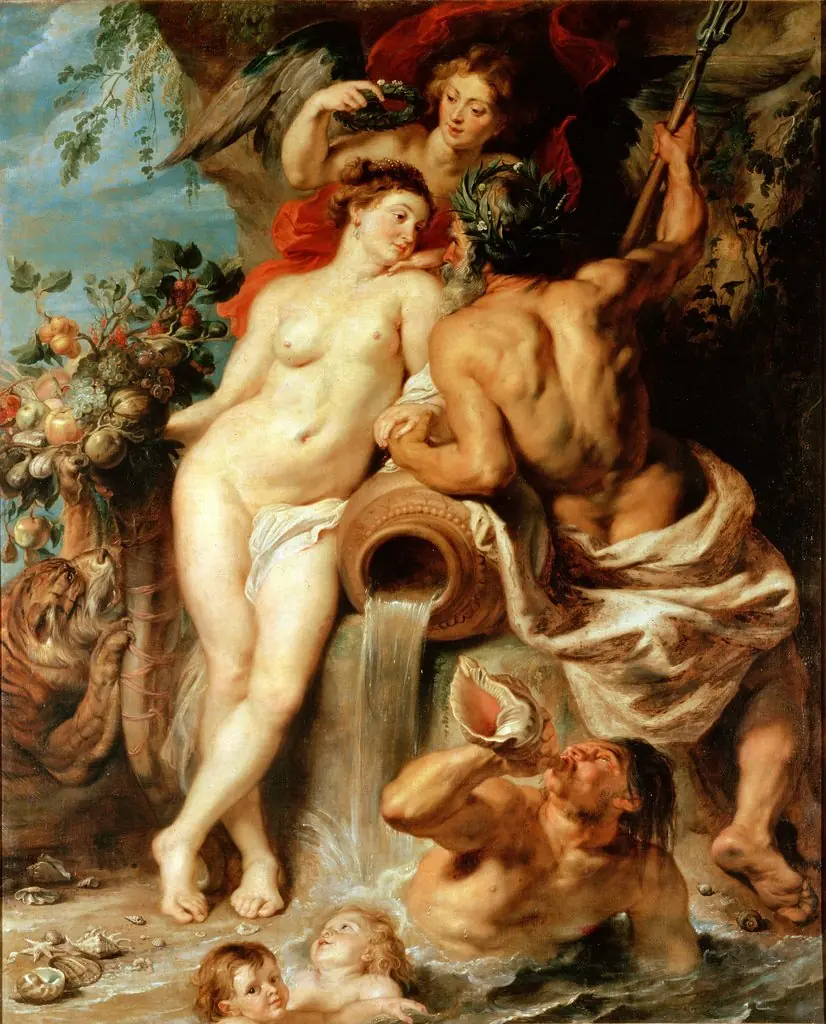 The Union of Earth and Water (Antwerp and the Scheldt)
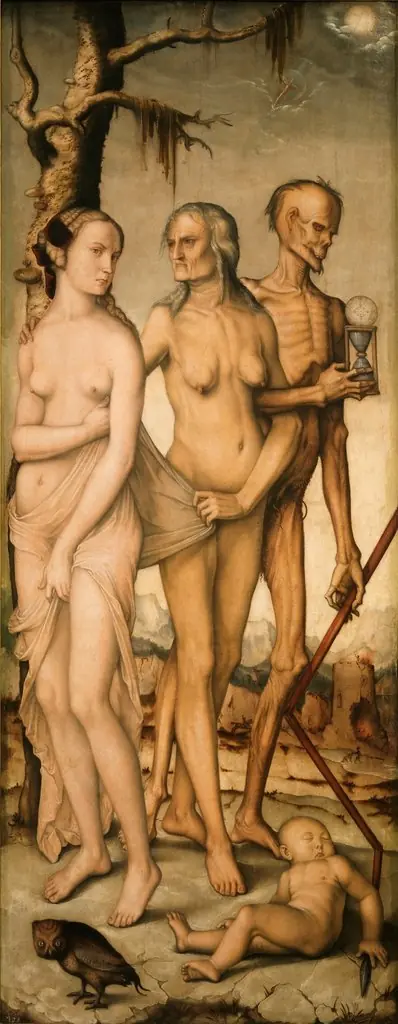 The Ages and Death
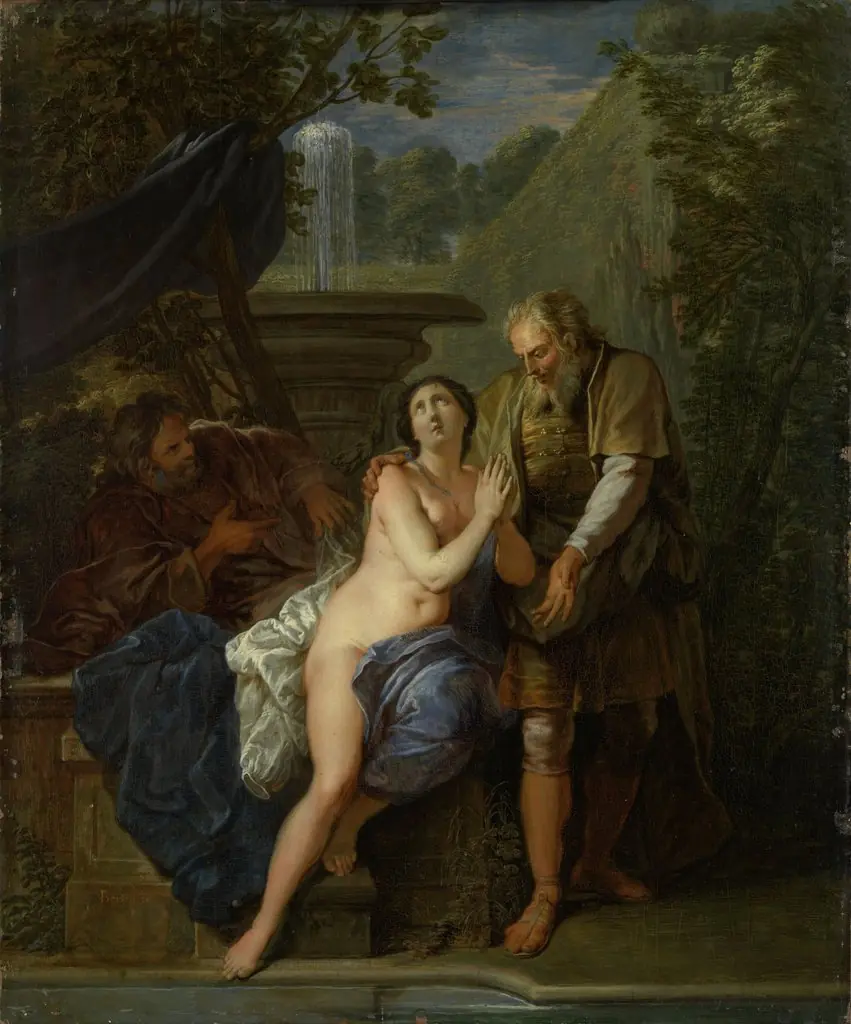 Susanna and the Elders
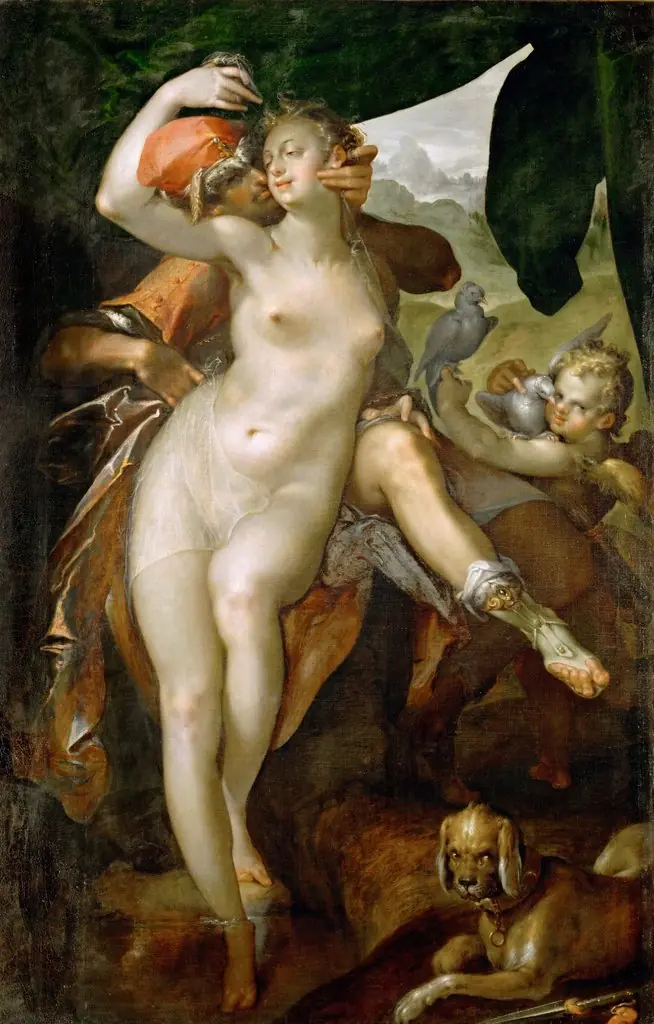 Venus and Adonis
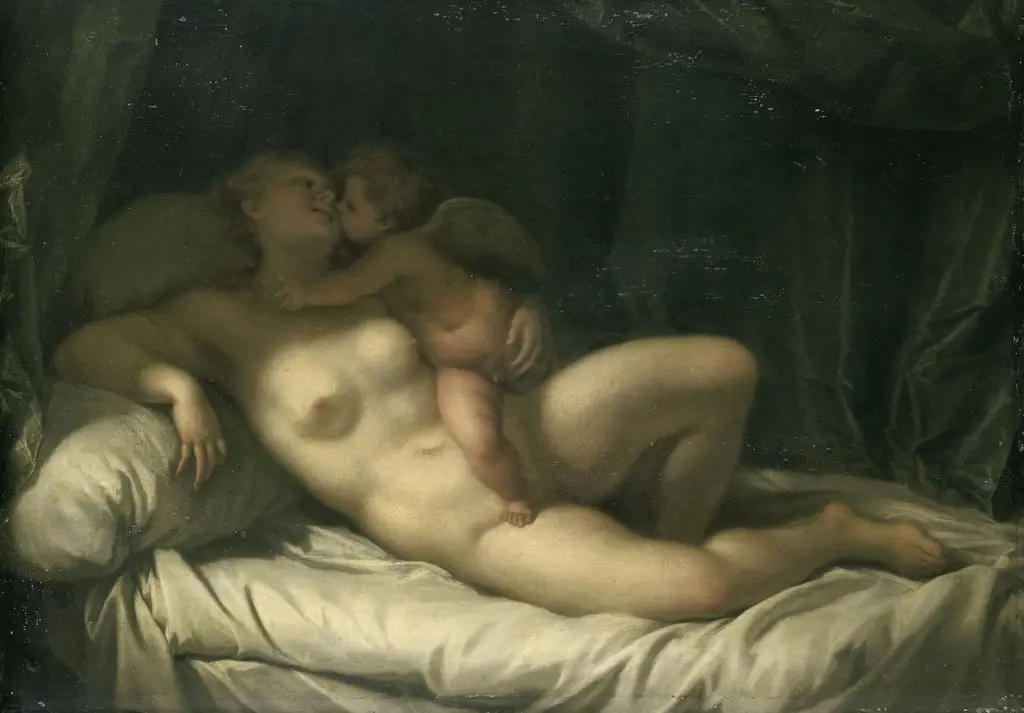 Cupid Kissing Venus (Venus Kissed by Amor)
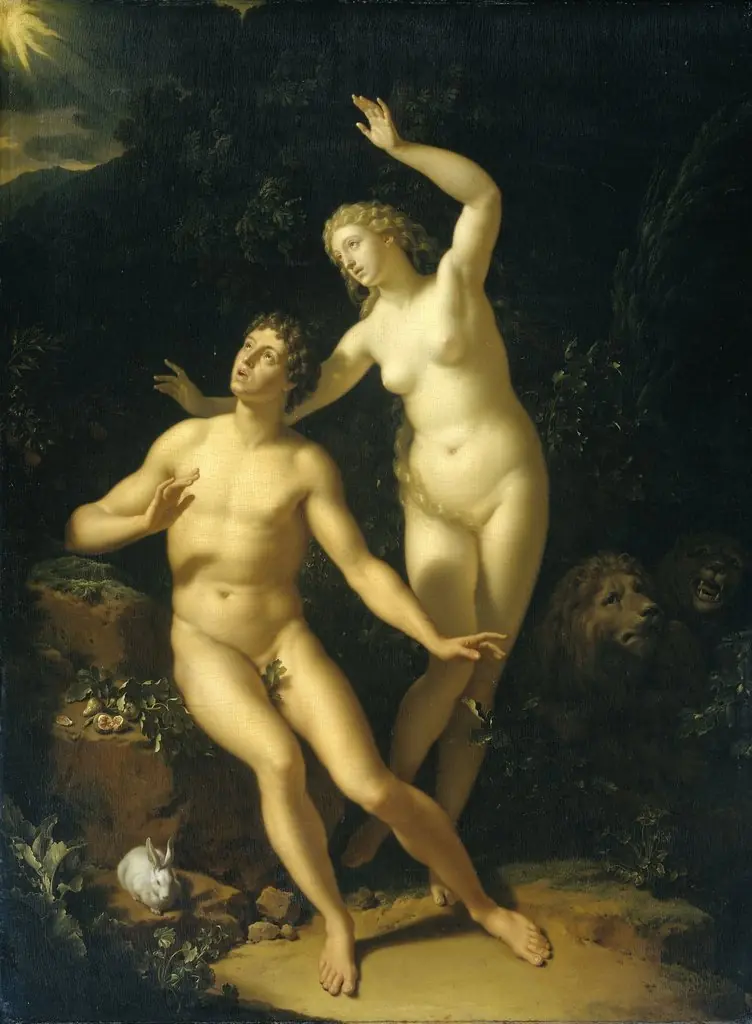 God Holds Adam and Eve Responsible
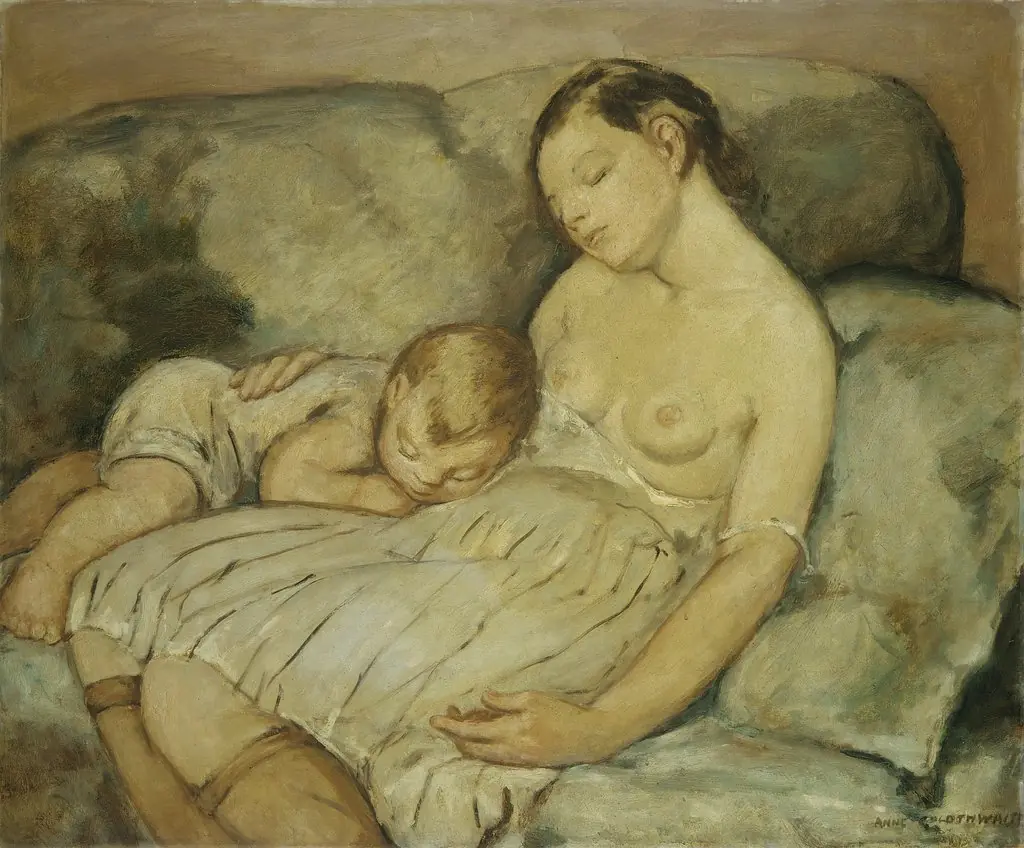 The Green Sofa
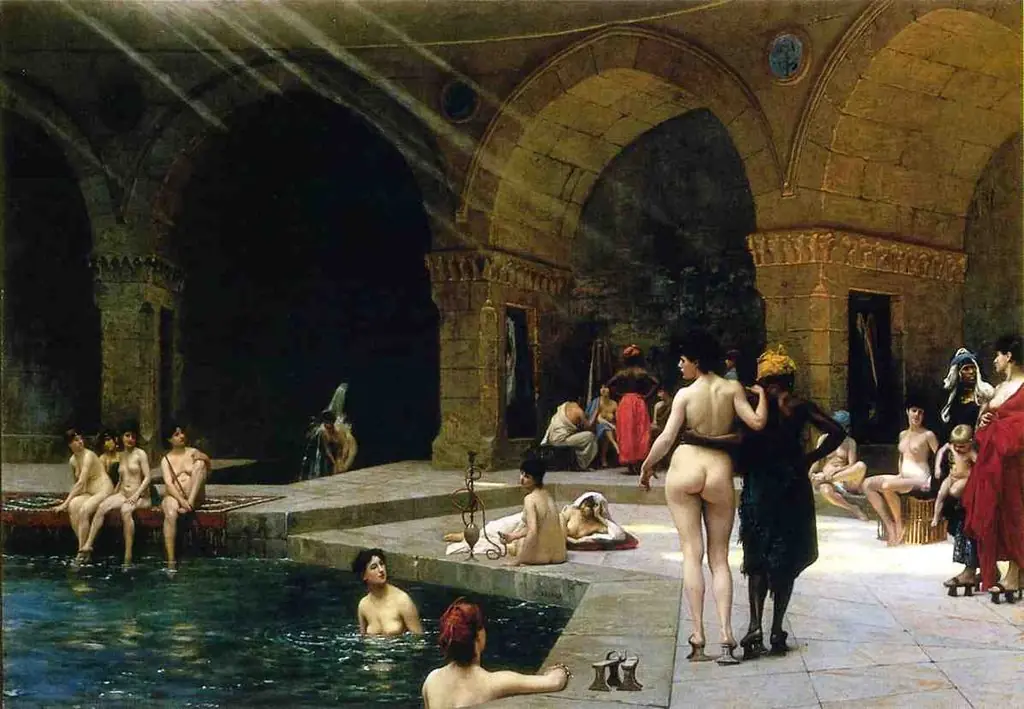 The Great Bath at Bursa
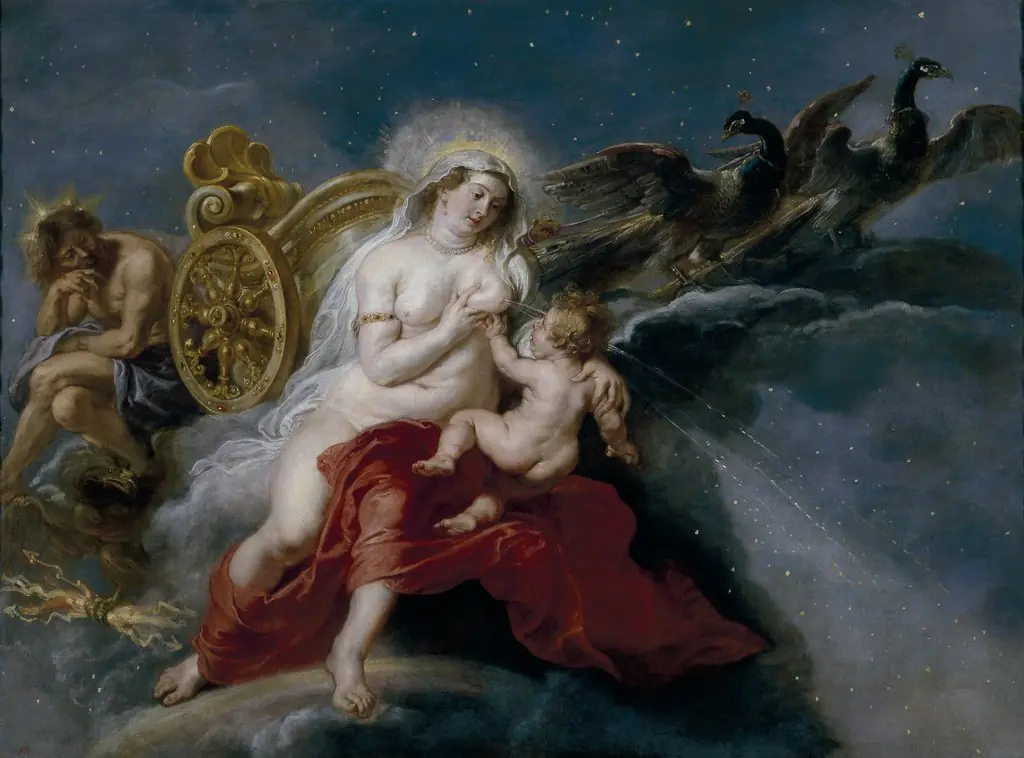 The Origin of the Milky Way
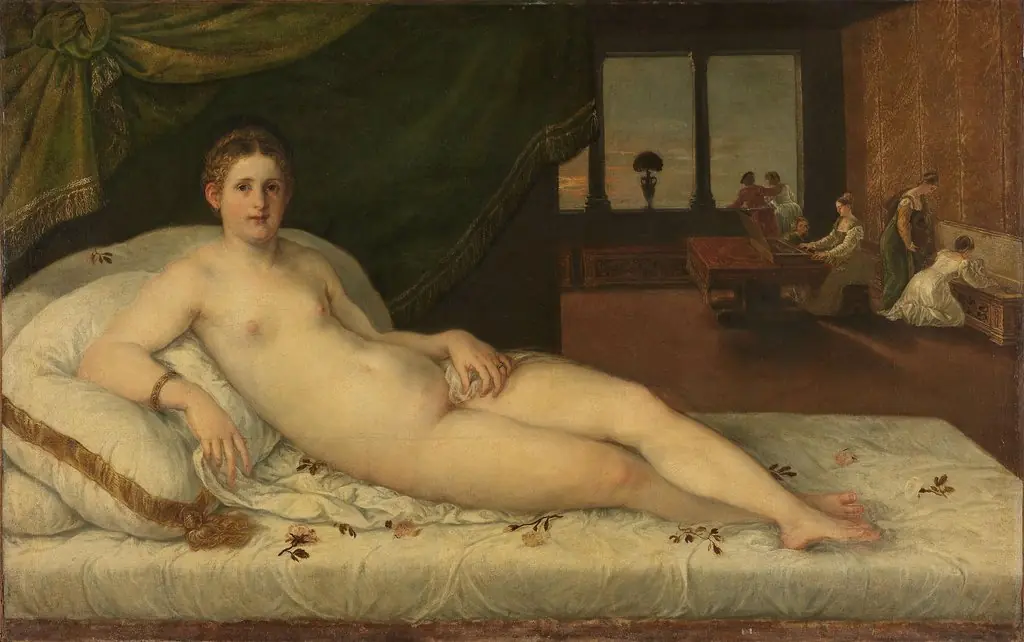 Reclining Venus
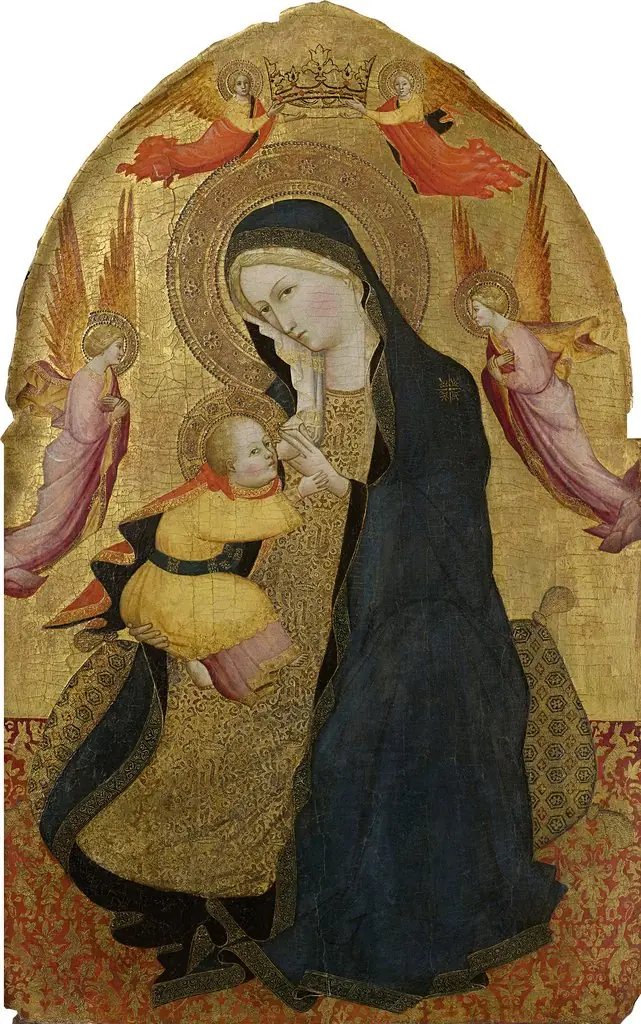 Madonna of Humility (Madonna dell'Umiltà)
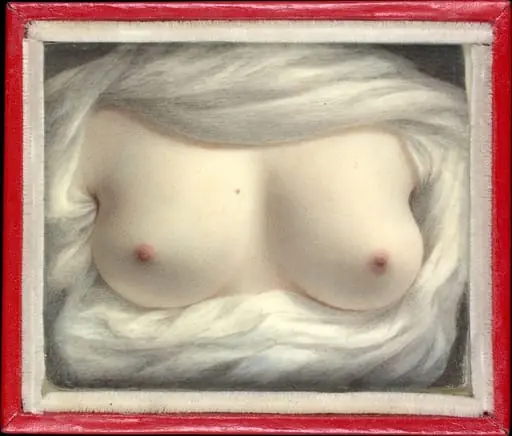 Beauty Revealed
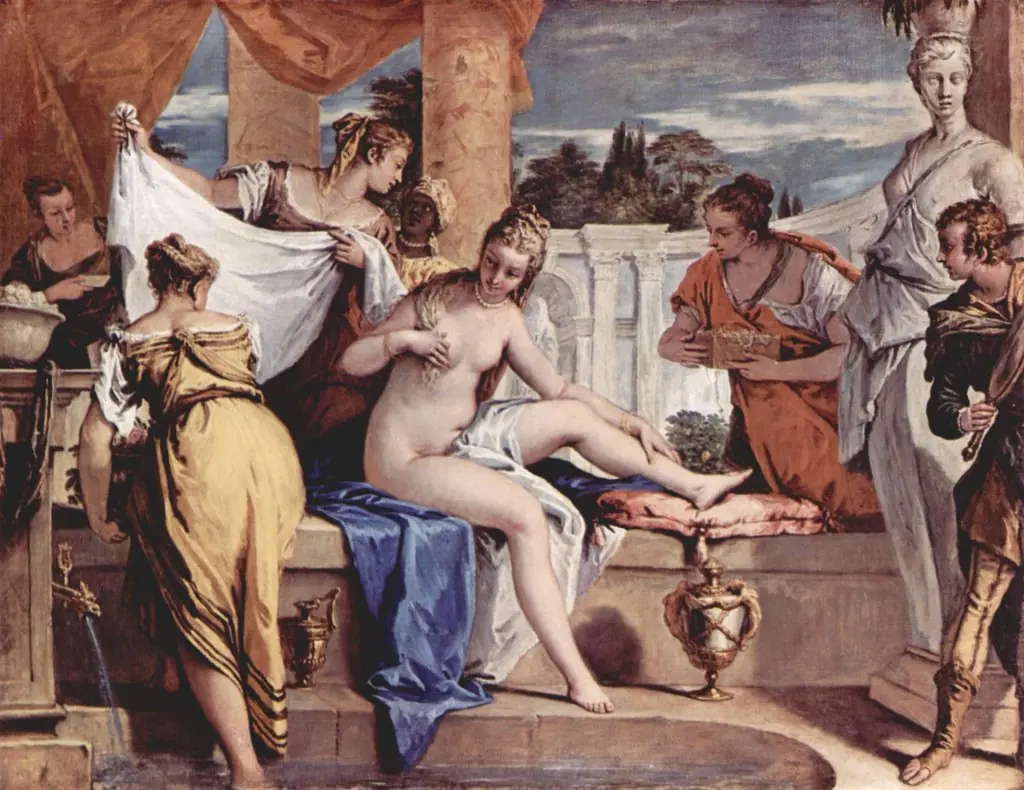 Bathsheba at her bath
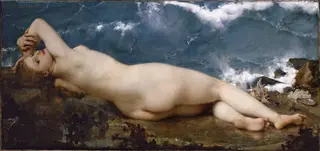 The Pearl and the Wave
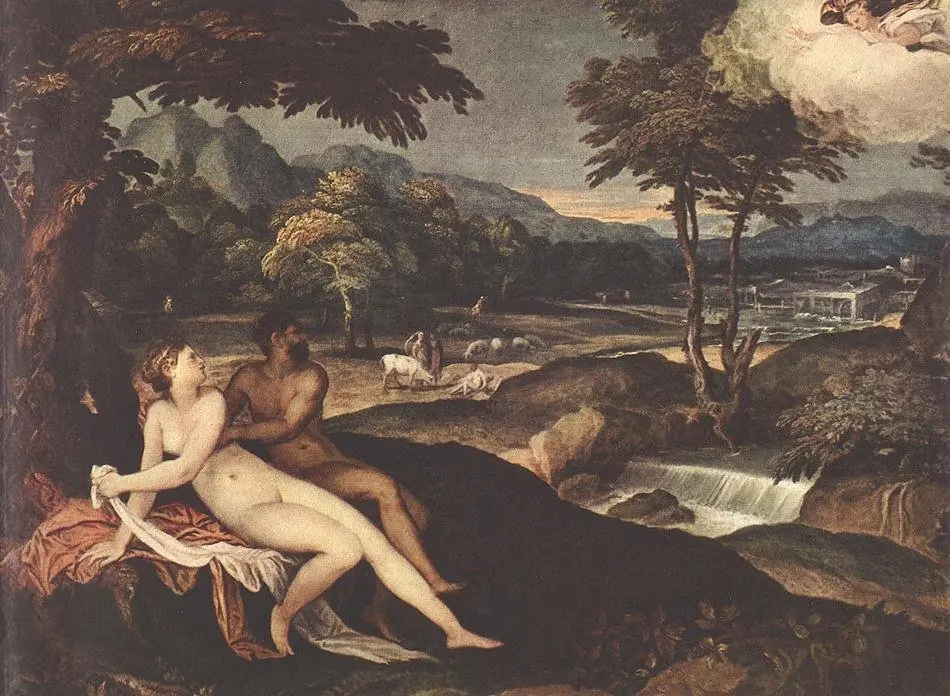 Landscape with Jupiter and Io
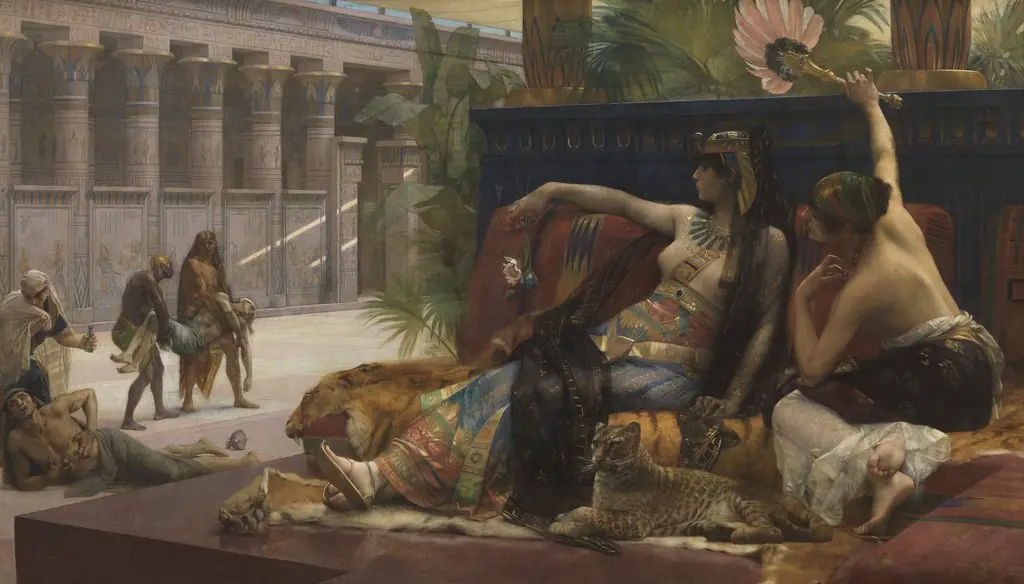 Cleopatra Testing Poisons on Condemned Prisoners
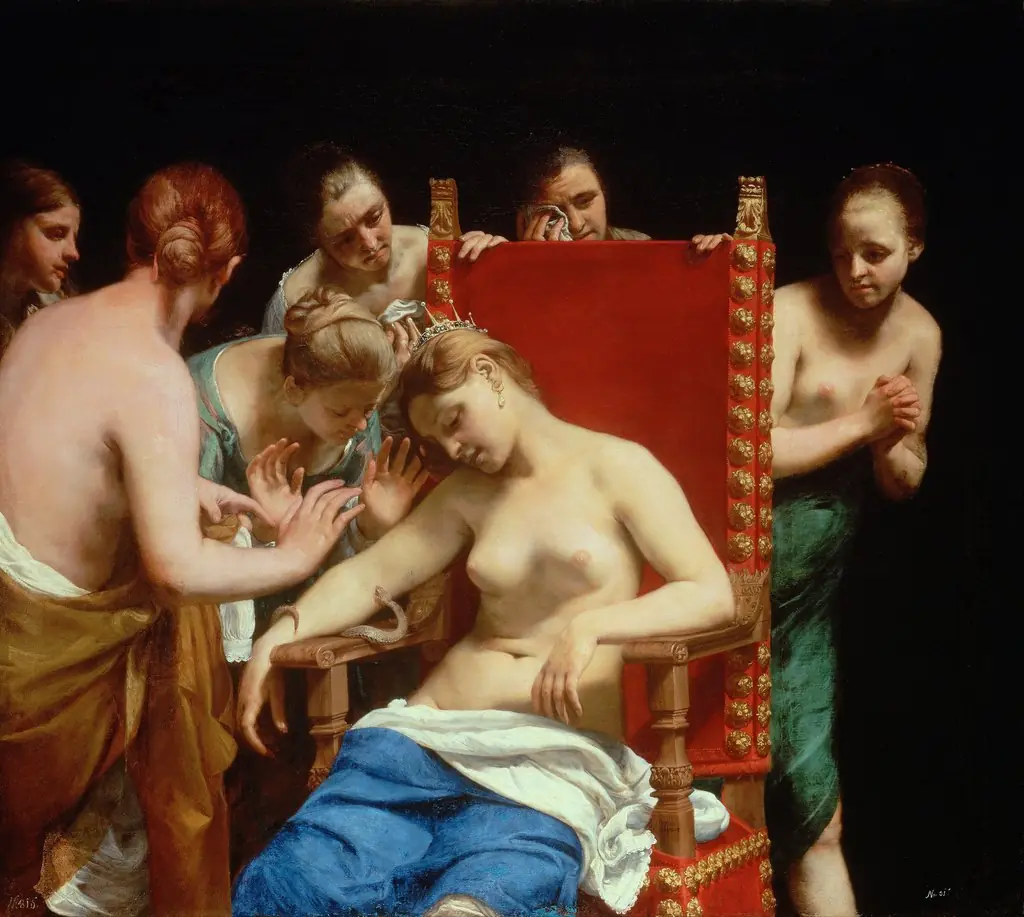 The Death of Cleopatra
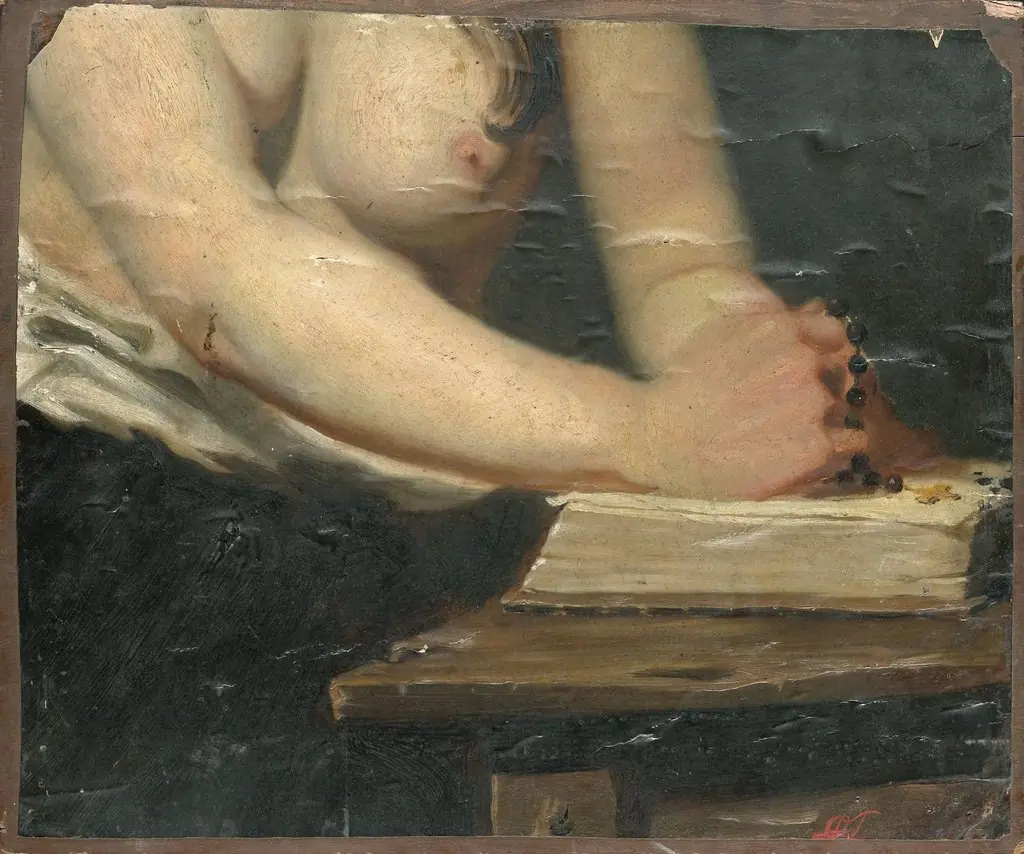 Mary Magdalene
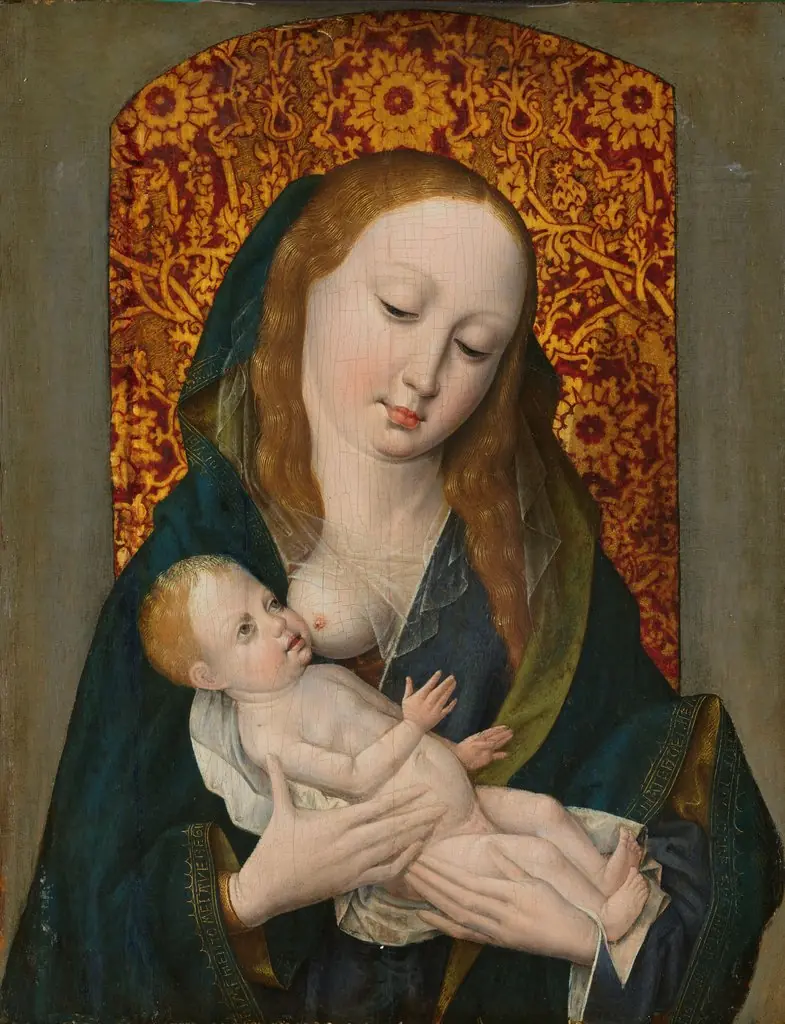 The Virgin and Child
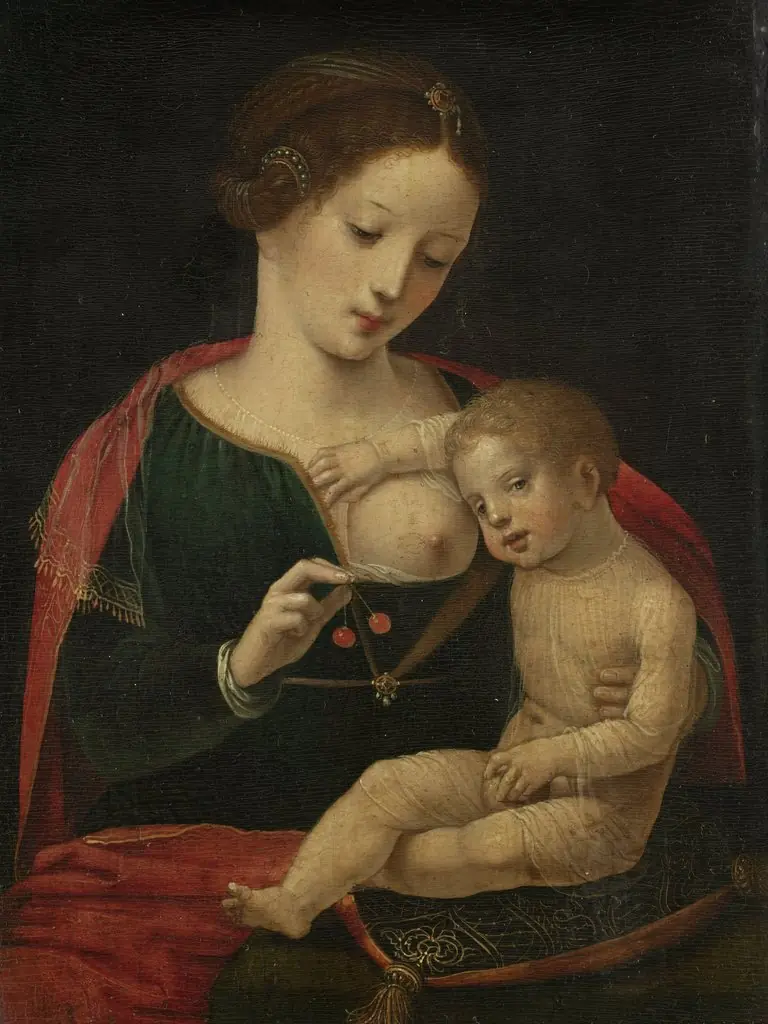 Madonna and child
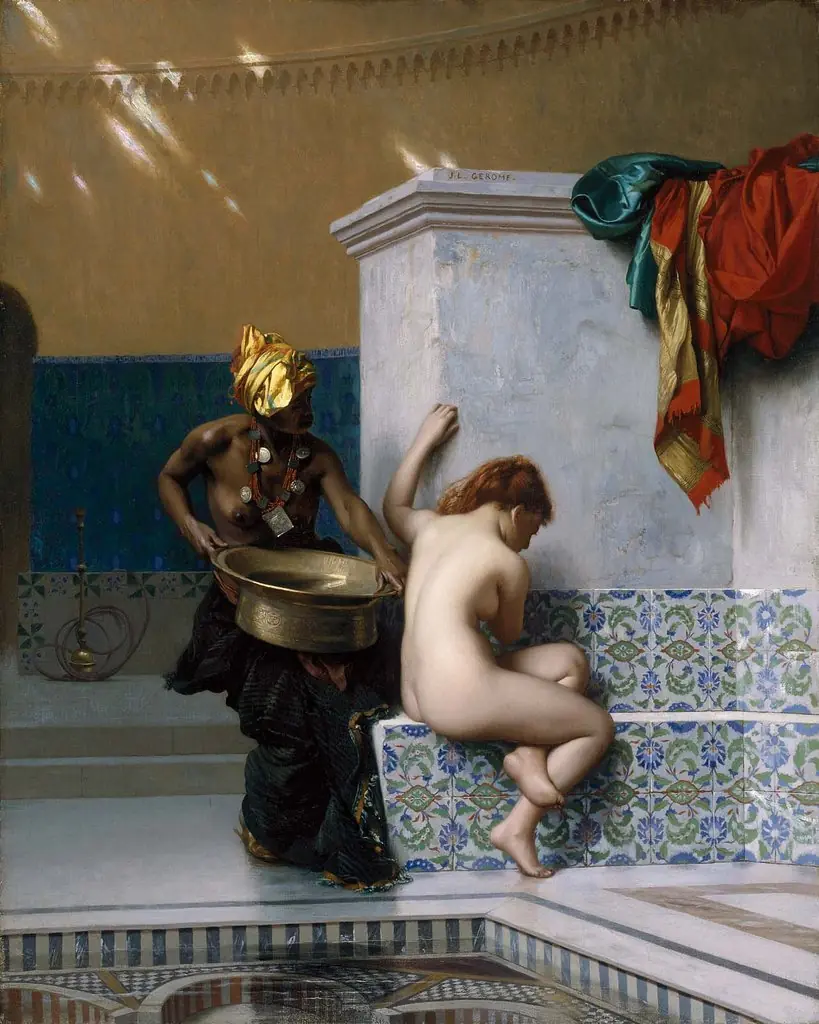 Moorish Bath
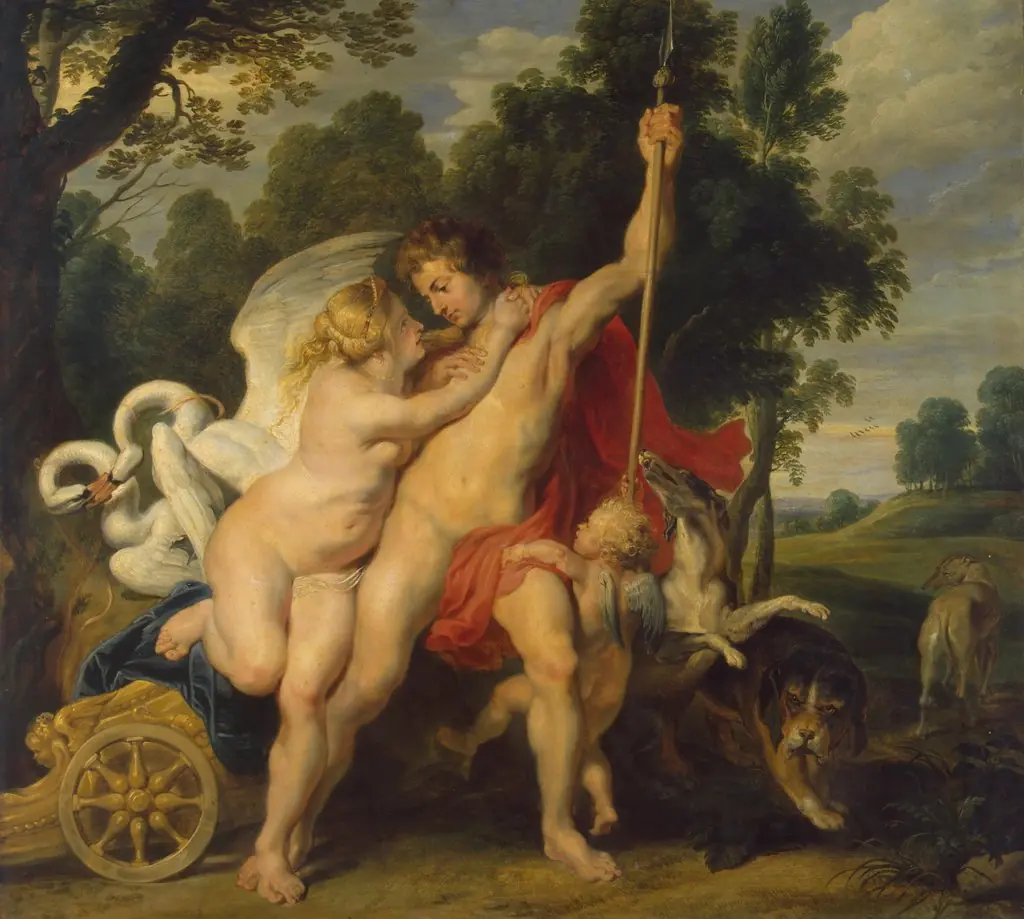 Venus and Adonis (Rubens, 1614)
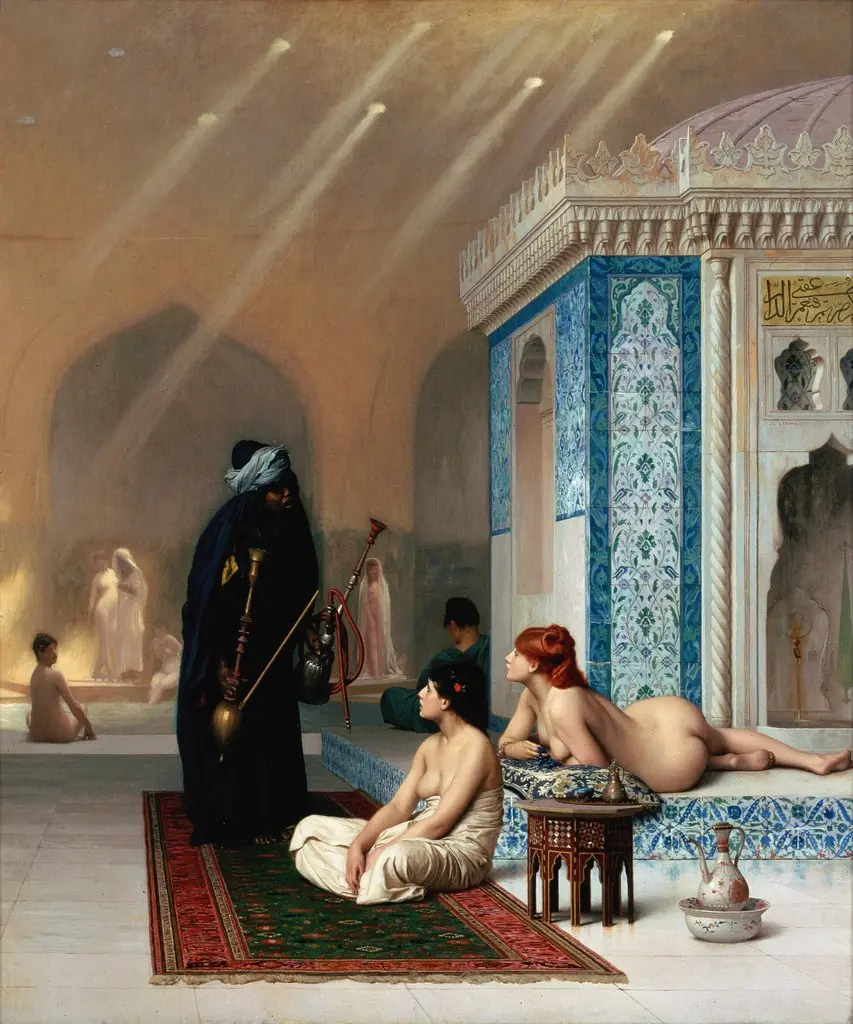 Pool in a Harem
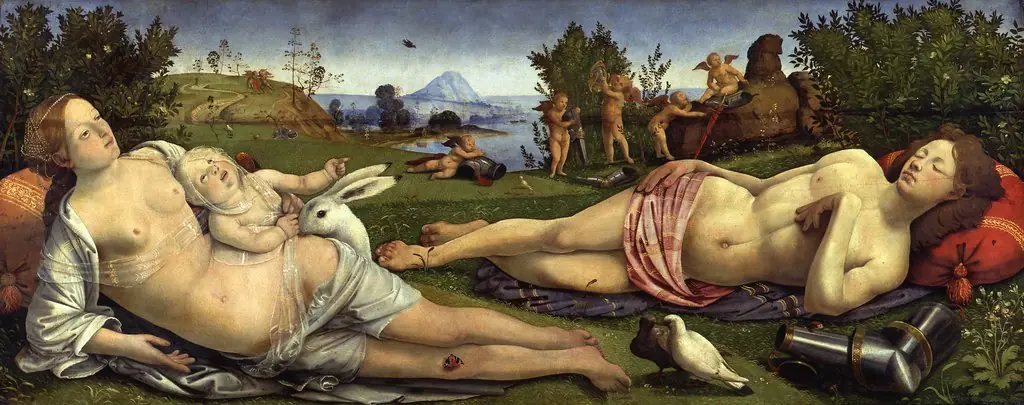 Venus, Mars and Cupid
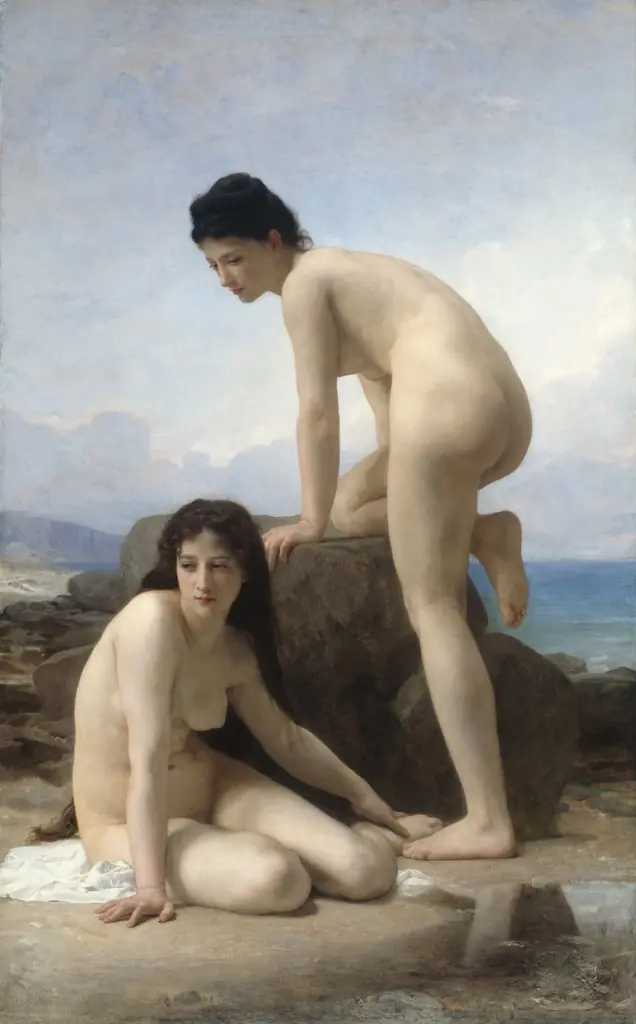 The Two Bathers
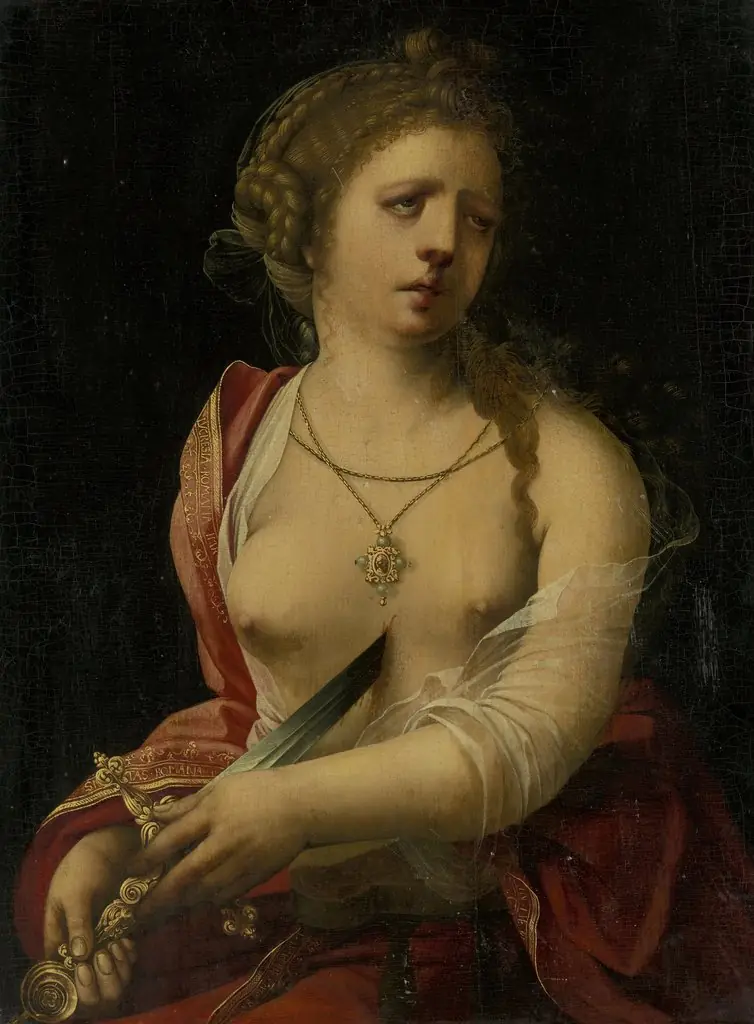 The suicide of Lucretia
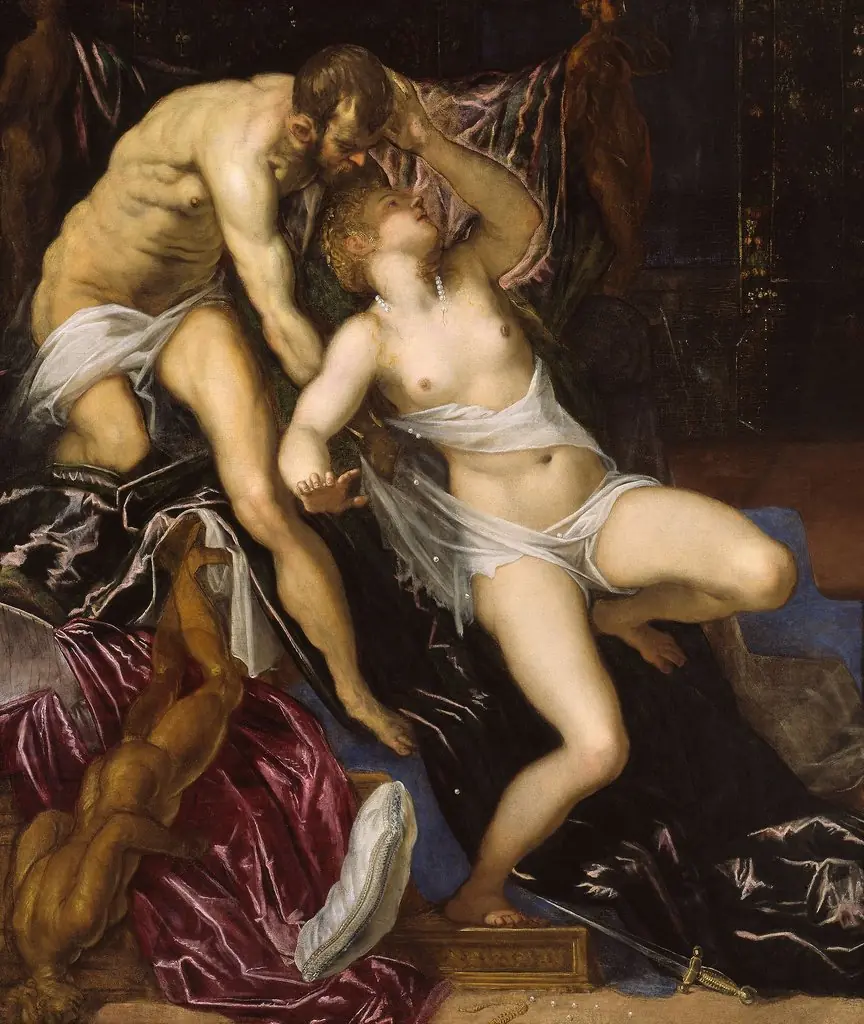 Tarquin and Lucretia
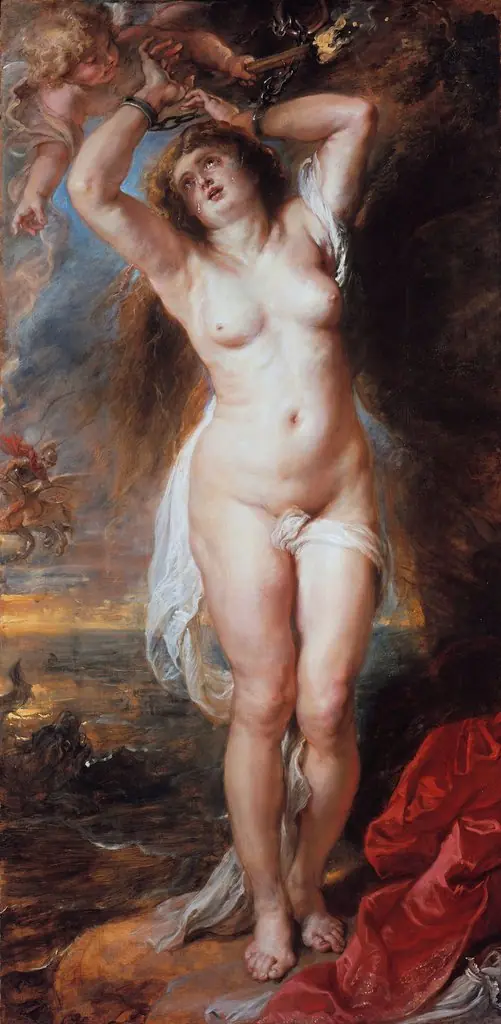 Perseus Freeing Andromeda
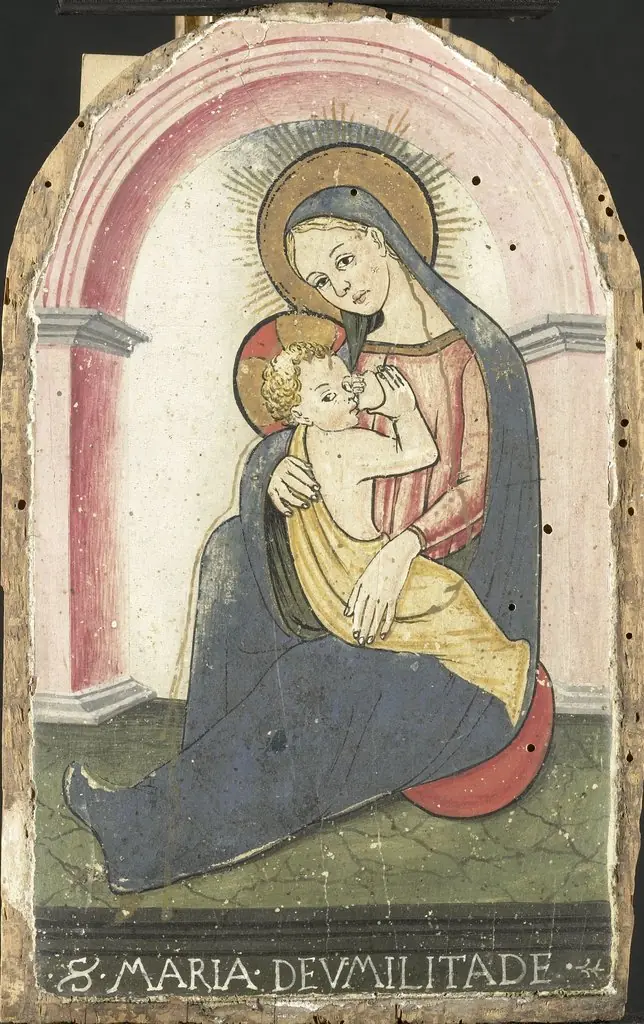 Madonna of Humility
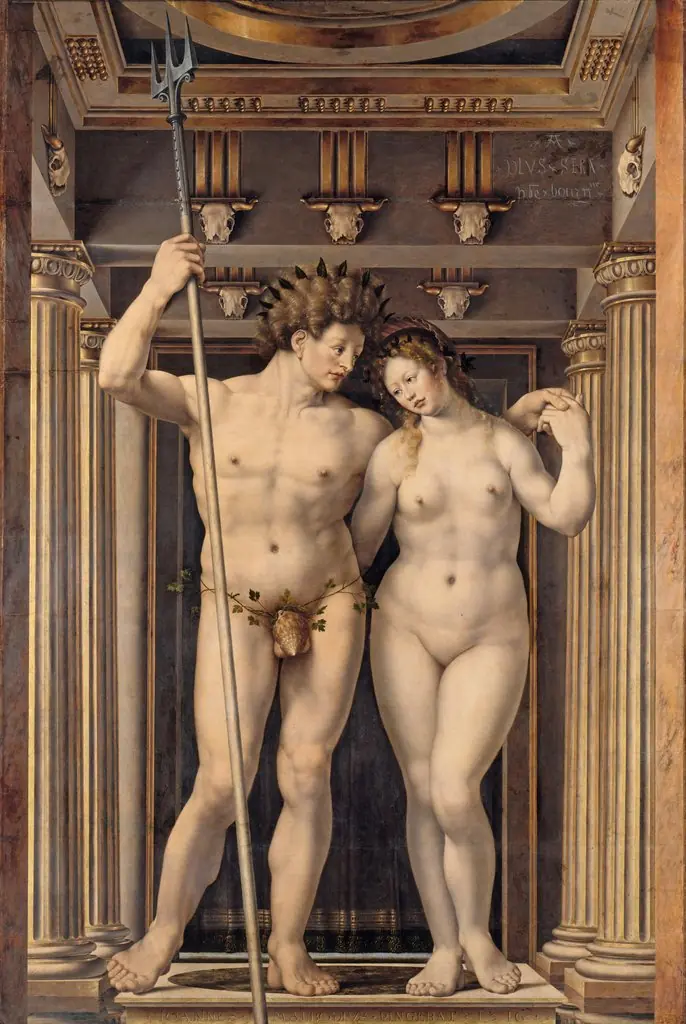 Neptune and Amphitrite
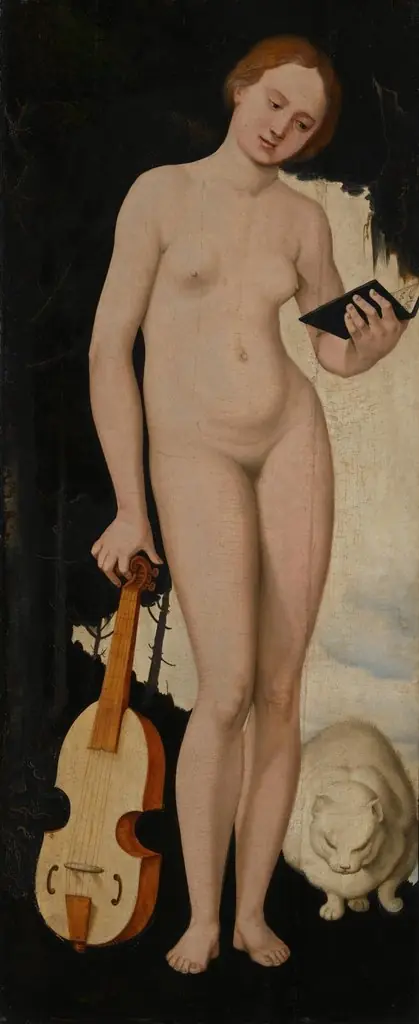 Woman with Cat
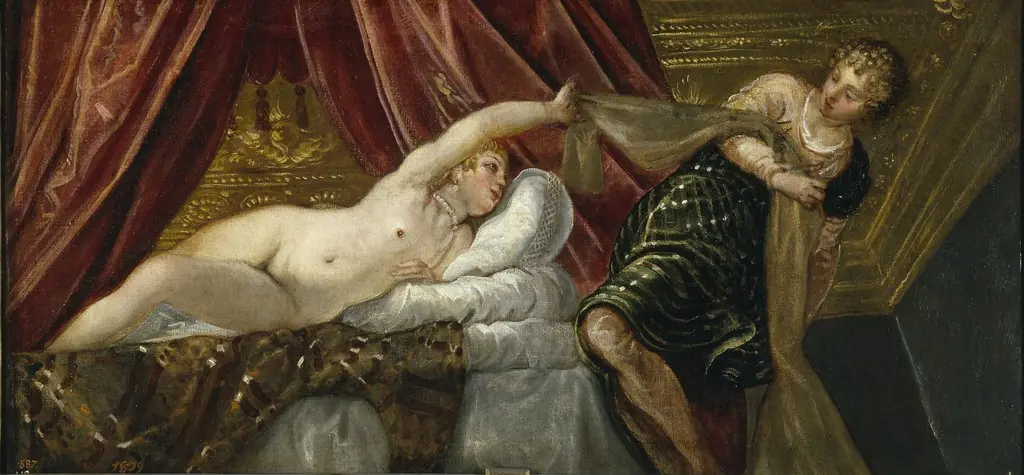 Joseph and Potiphar's Wife
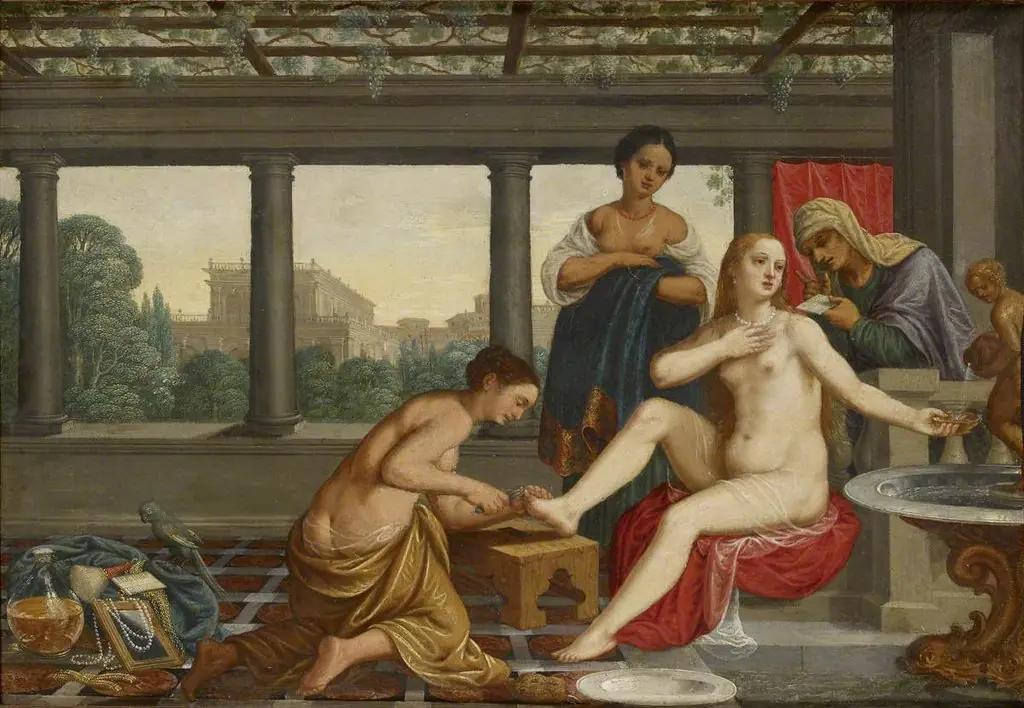 Bathsheba's Bath
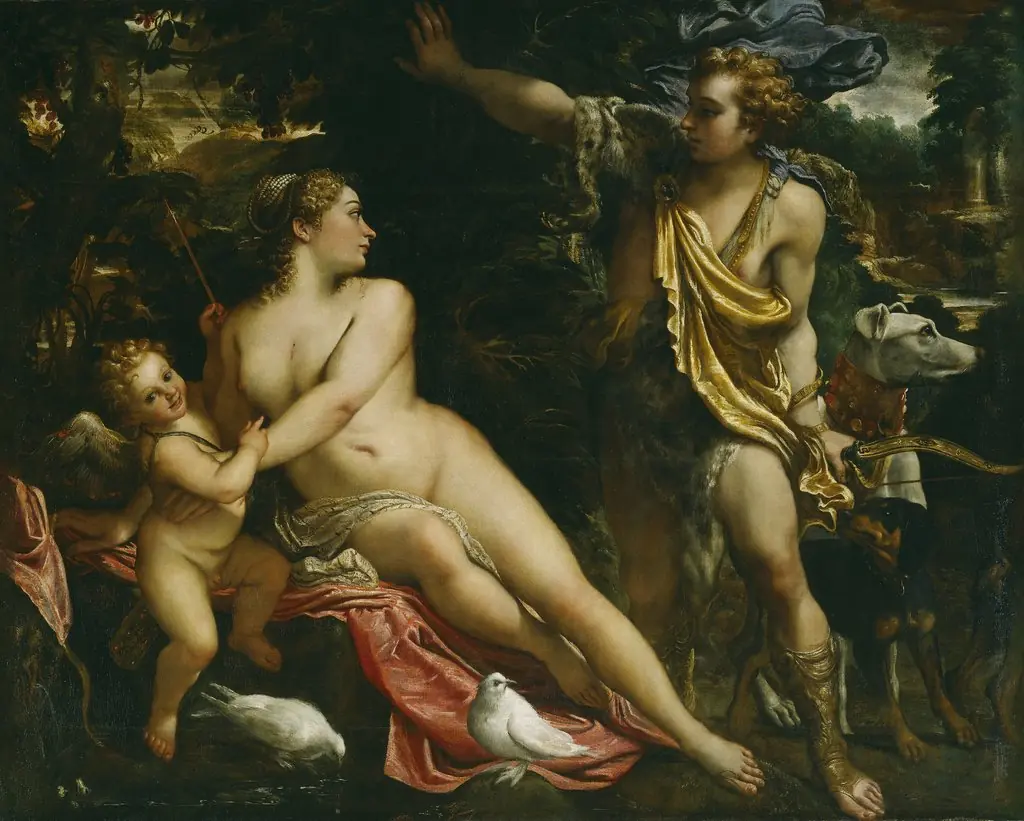 Venus, Adonis and Cupid
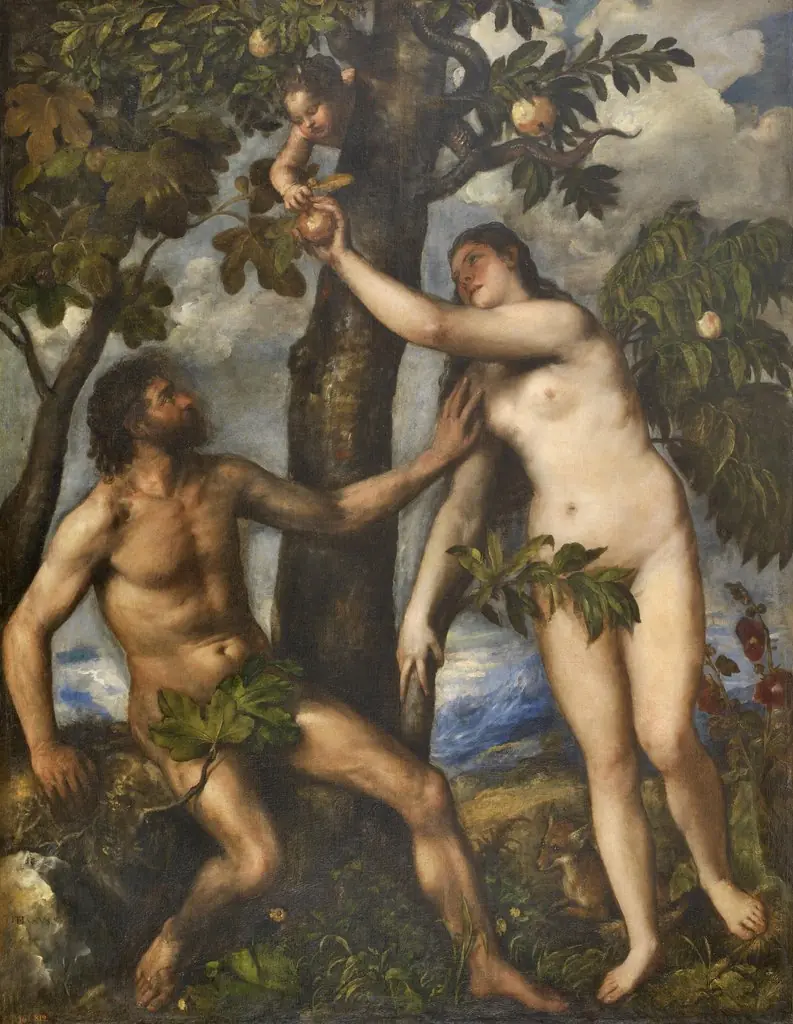 The Fall of Man
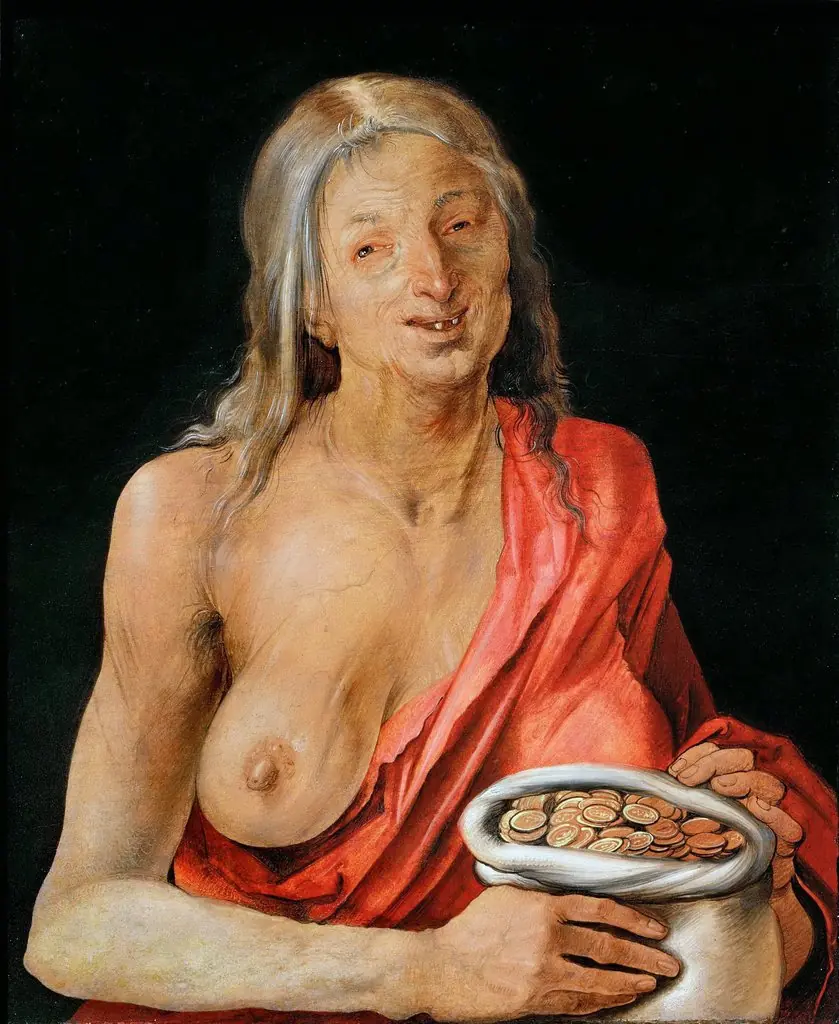 Avarice
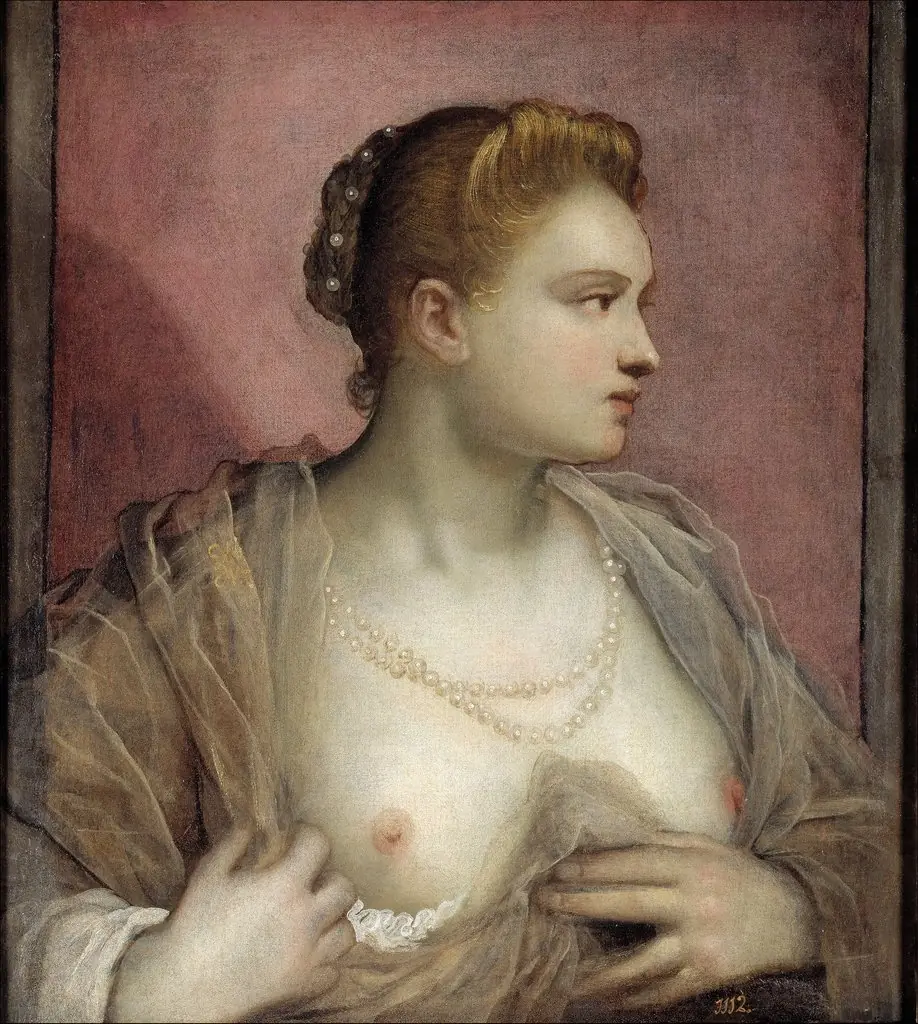 Portrait of a Bare-Breasted Woman
 Leda and the Swan
 Danaë
Danaë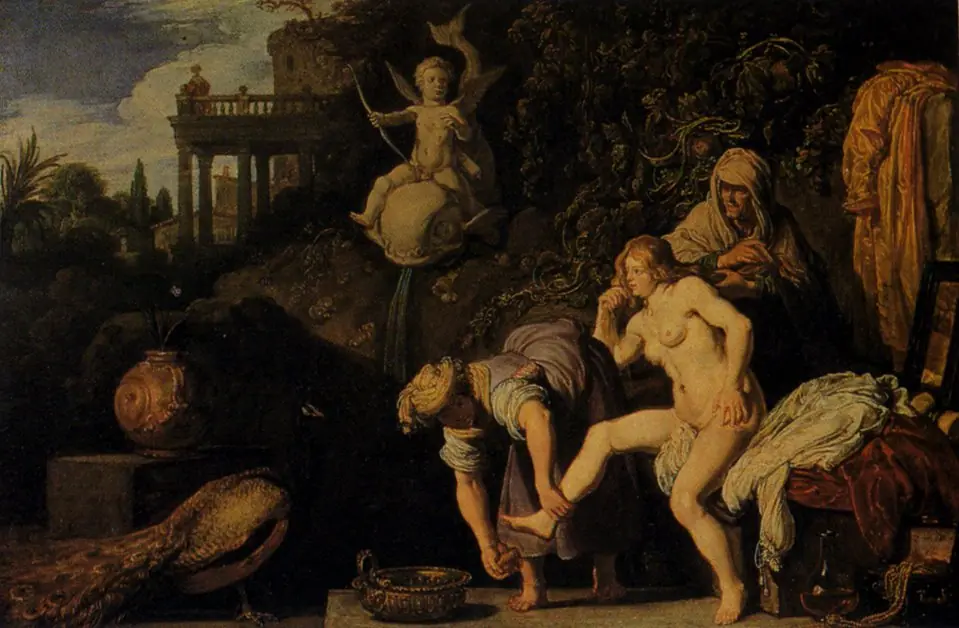 Bathsheba at her Toilette
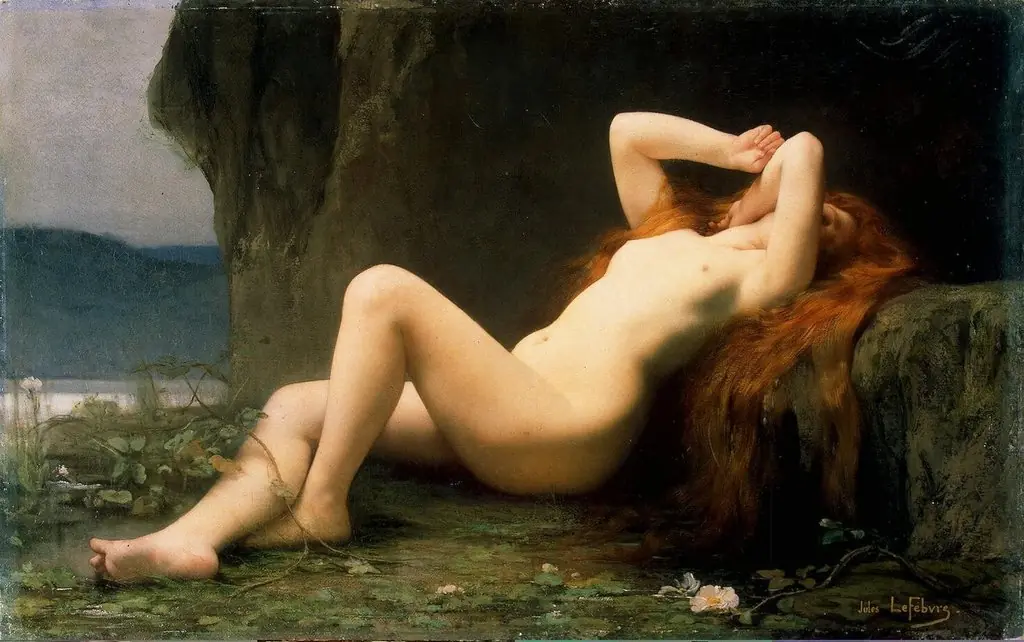 Mary Magdalene in a Grotto
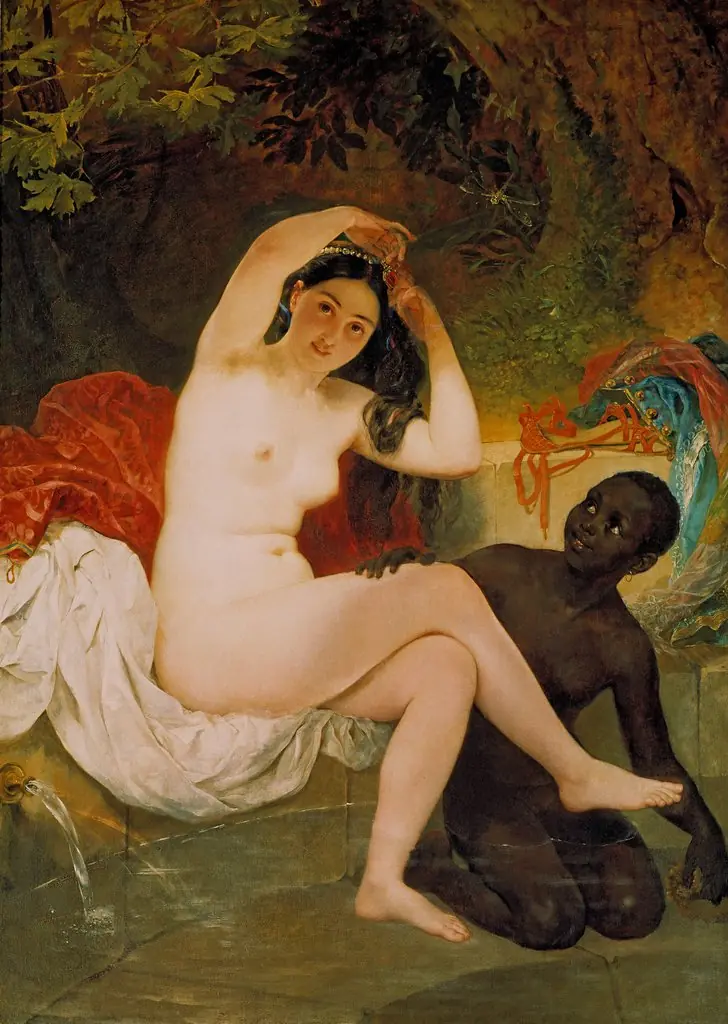 Bathsheba
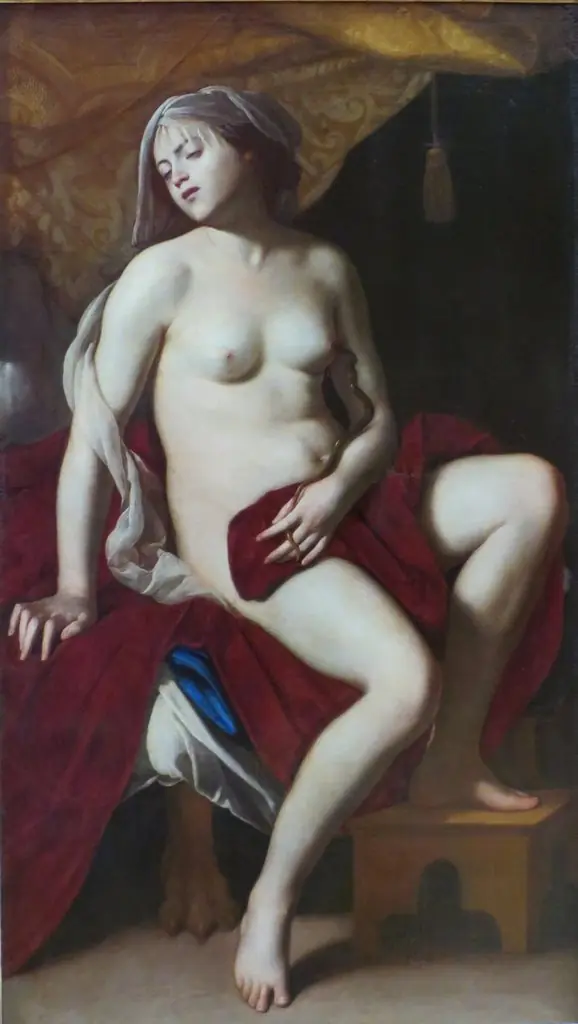 The Death of Cleopatra
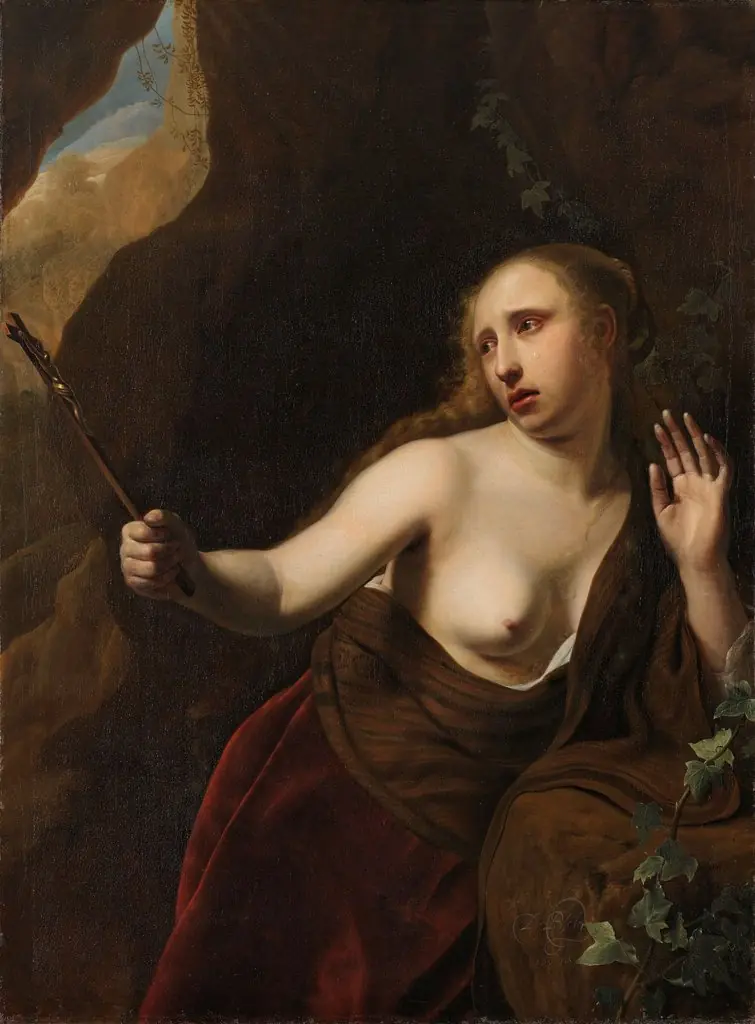 The penitent Mary Magdalene
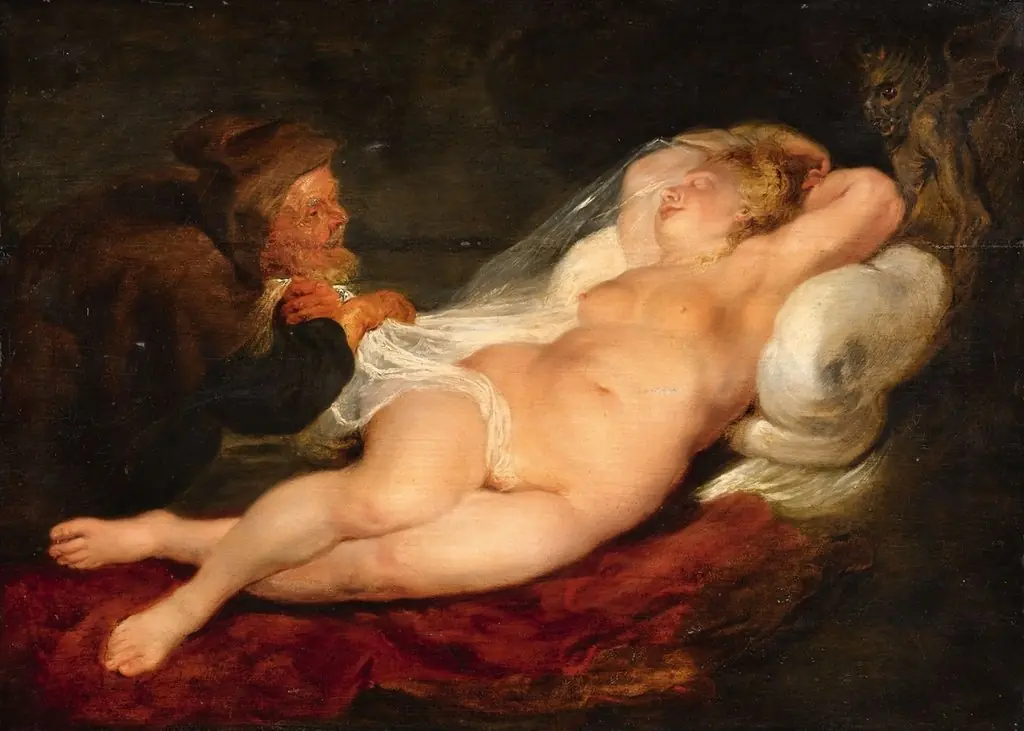 Angelica and the Hermit
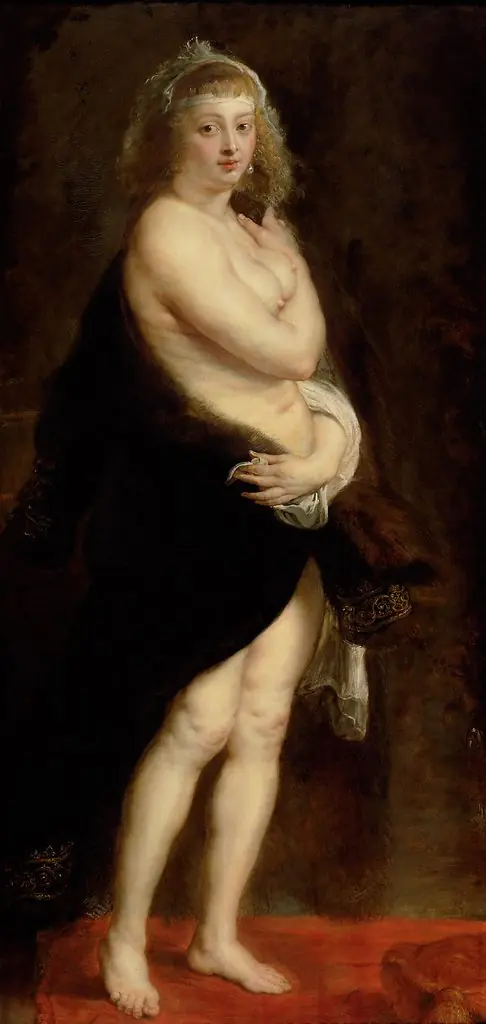 Helena Fourment in a Fur Robe
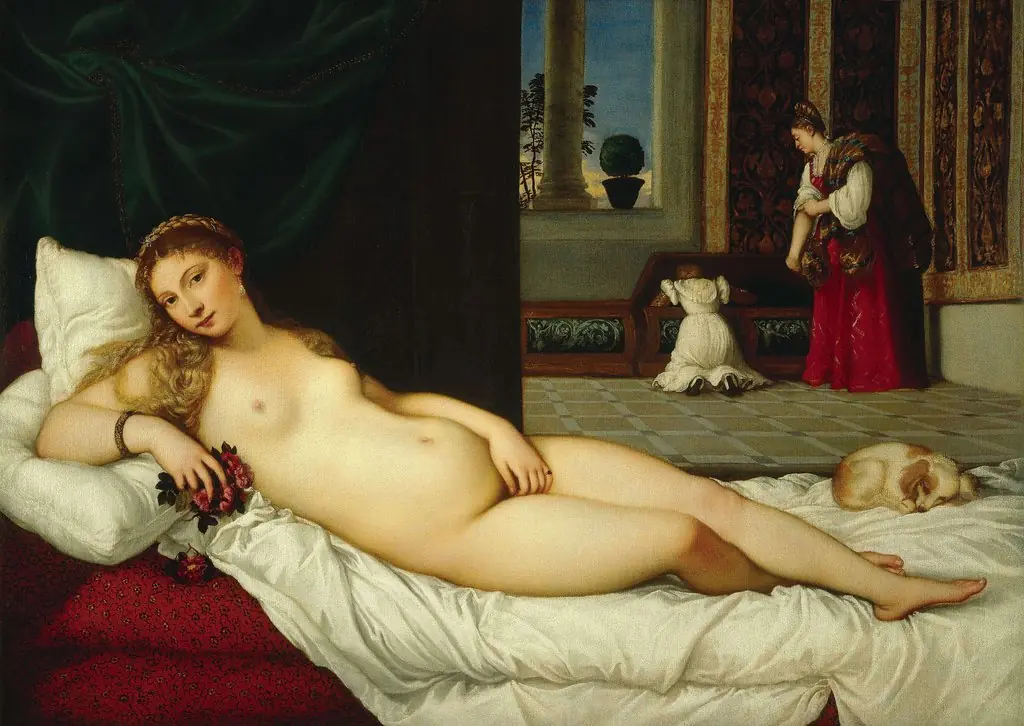 Venus of Urbino
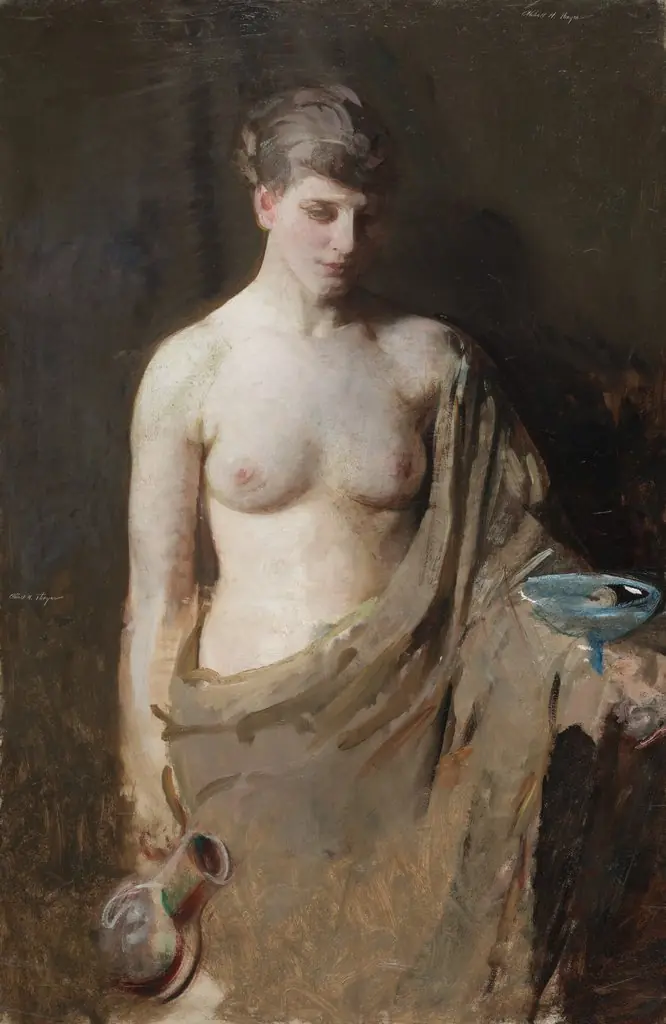 Hebe
Hebe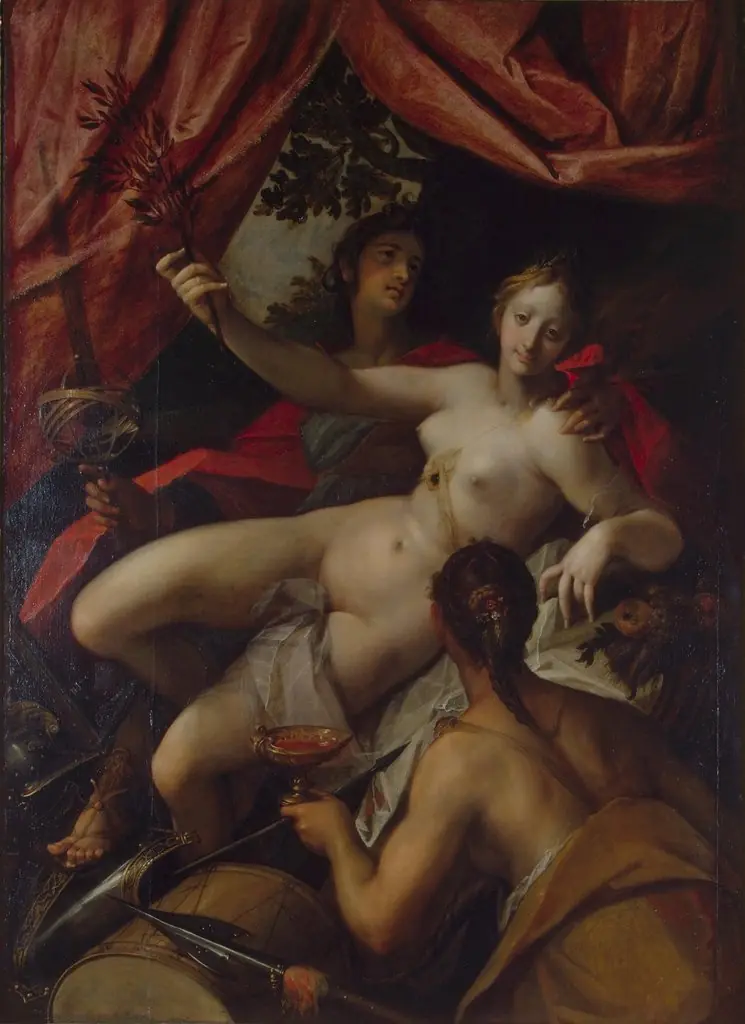 Allegory of Peace and Abundance
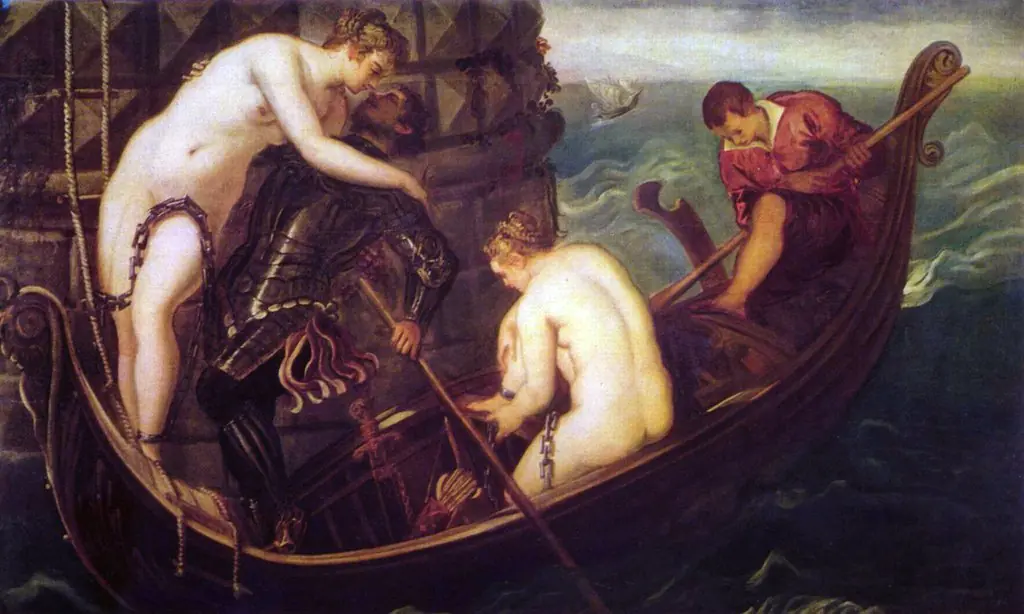 The Deliverance of Arsinoe
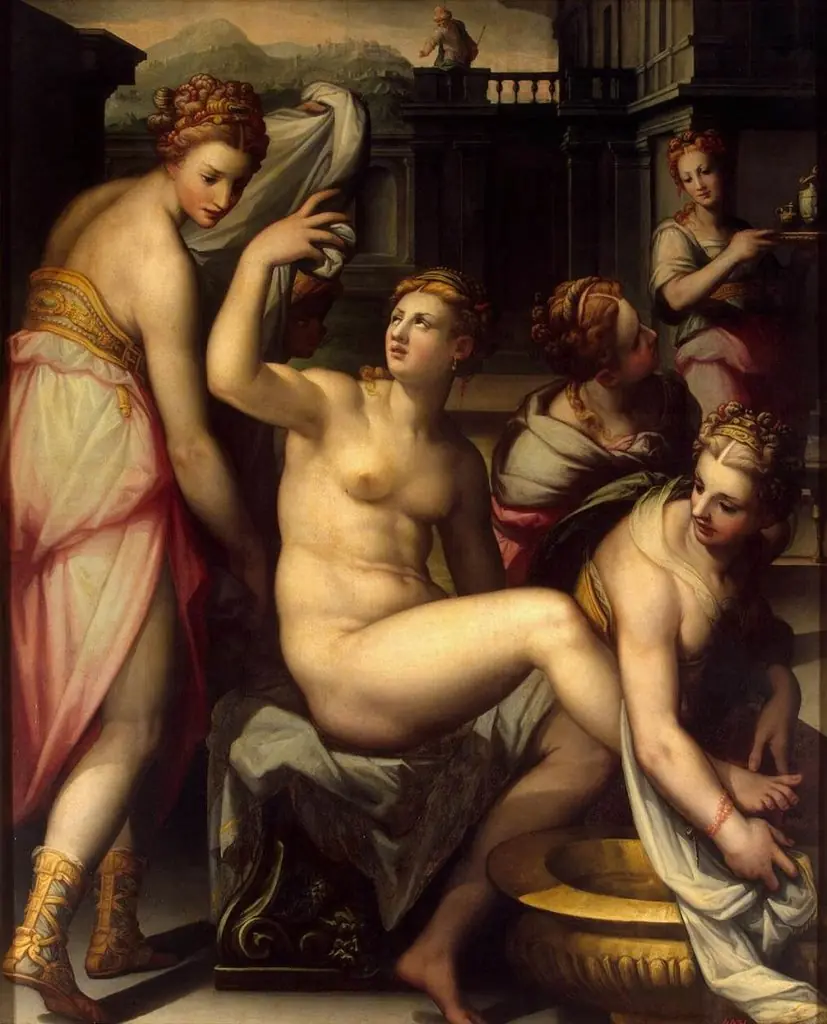 Bathsheba
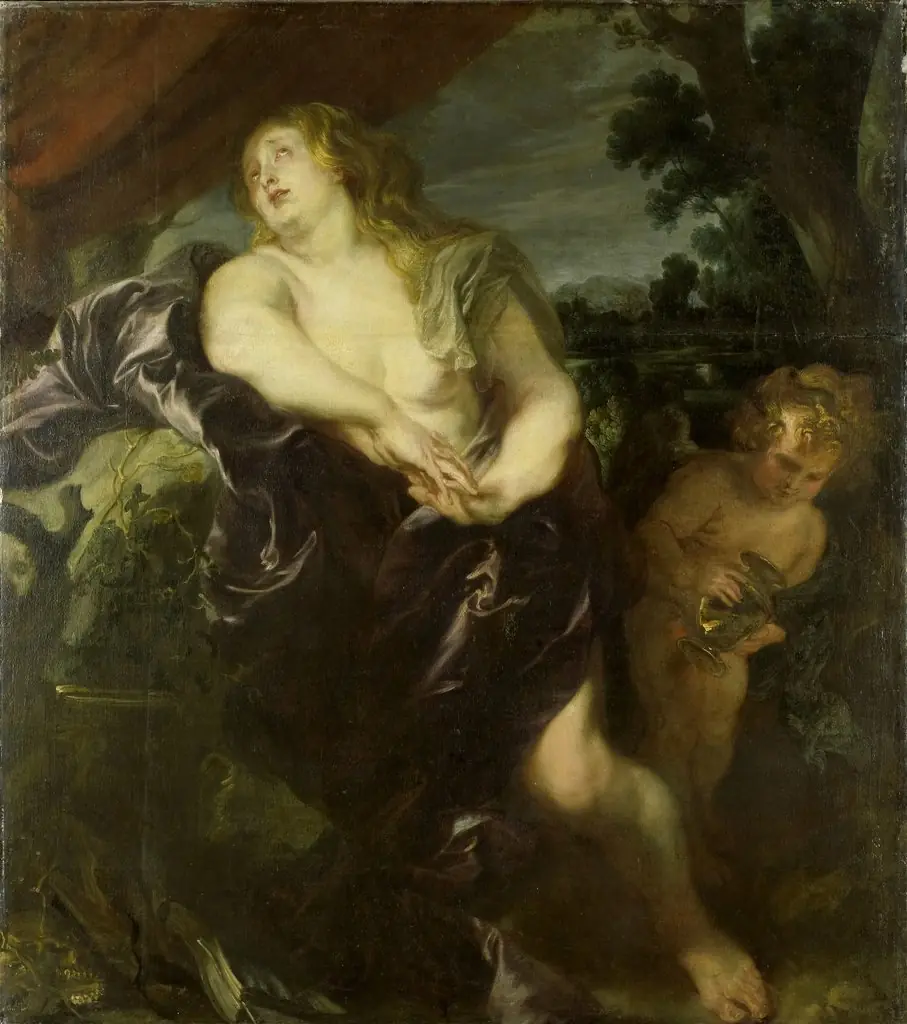 The penitent Mary Magdalene
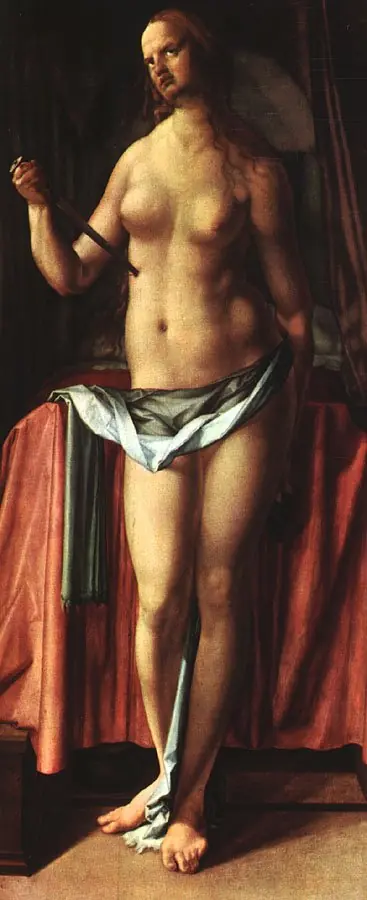 The Suicide of Lucretia
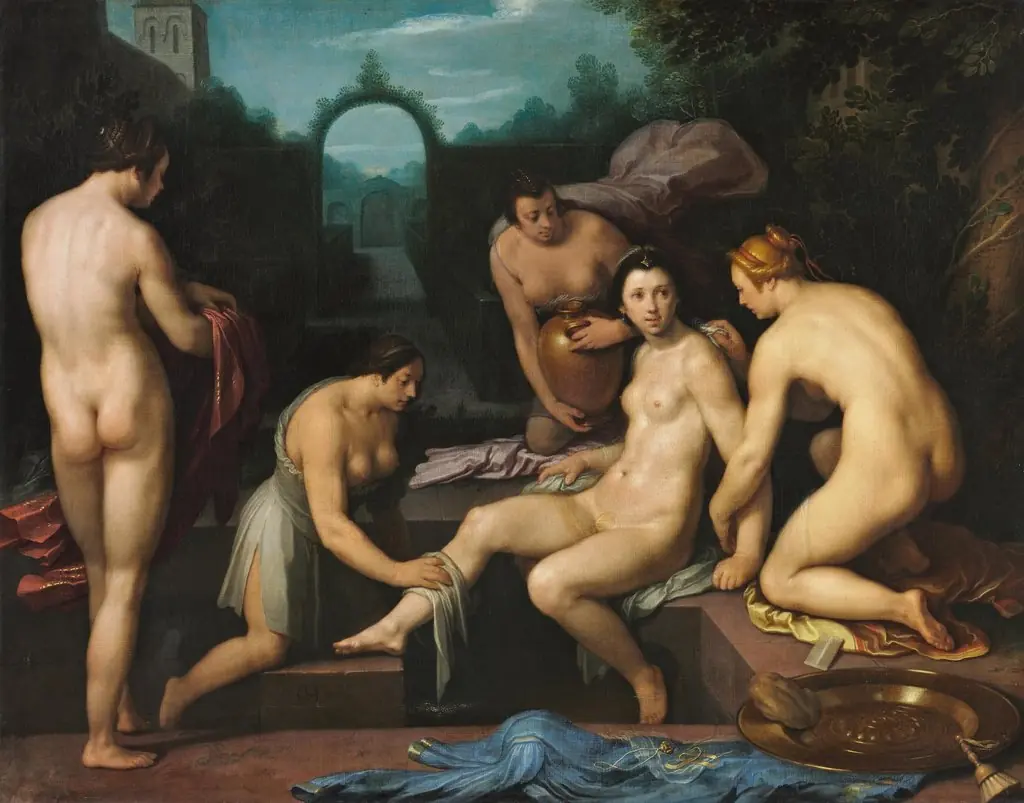 Bathsheba at her toilet
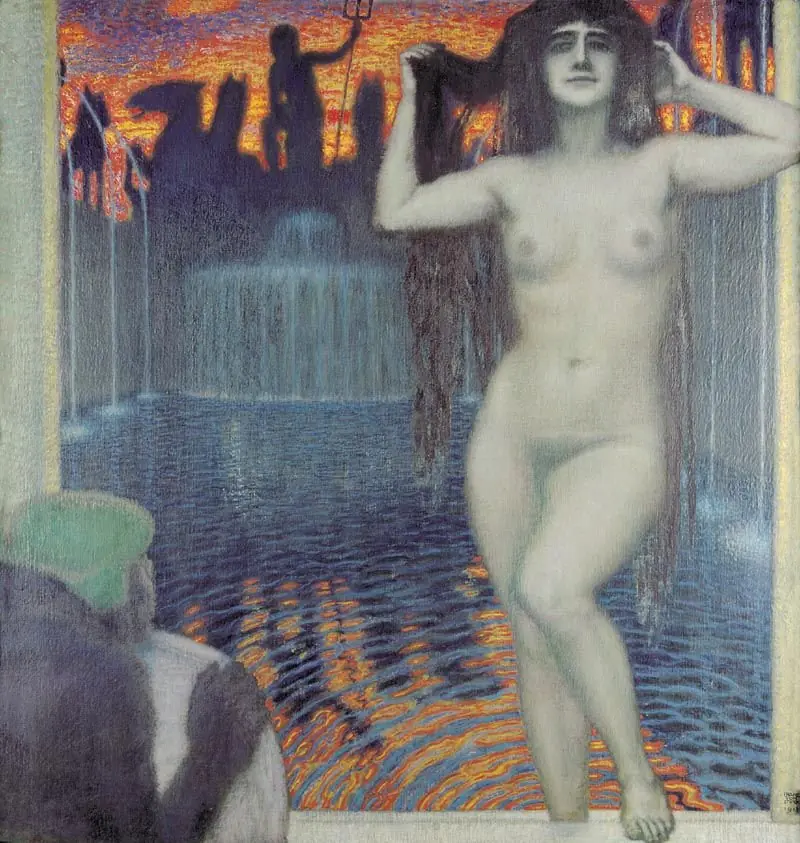 Bathsheba
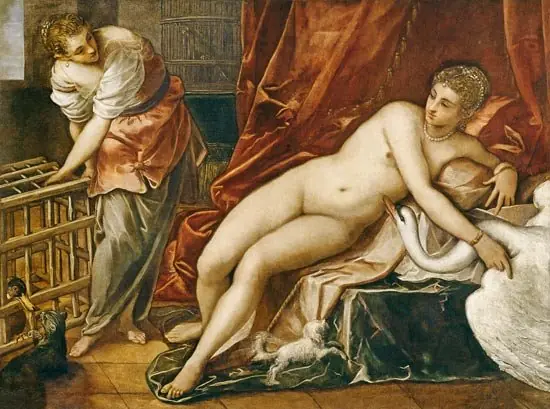 Leda and the Swan
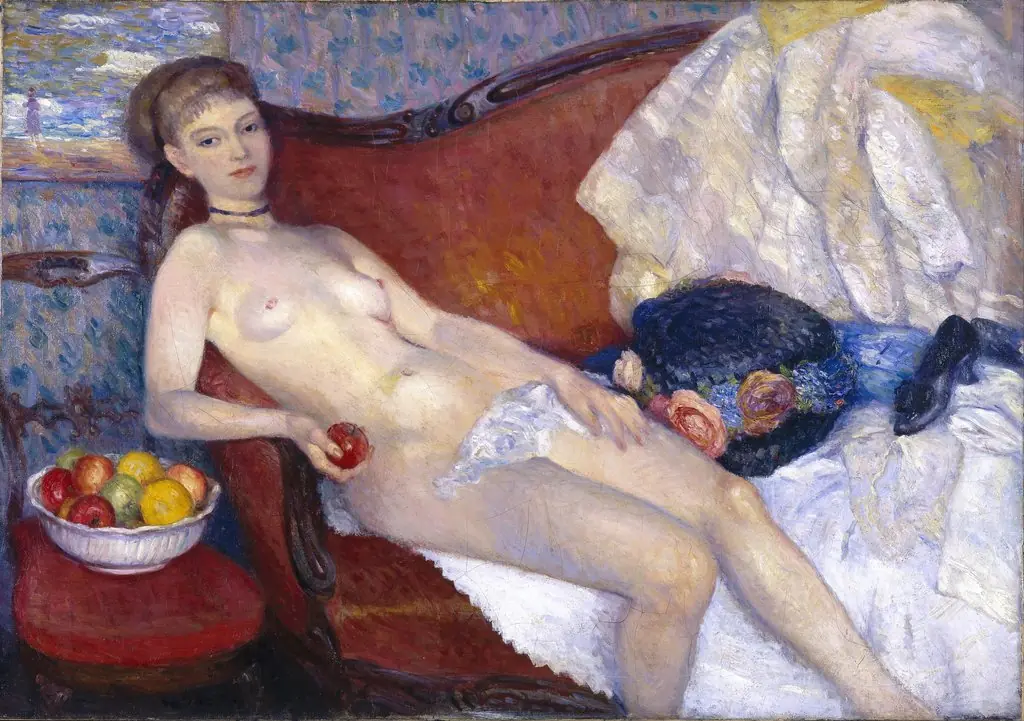 Nude with Apple
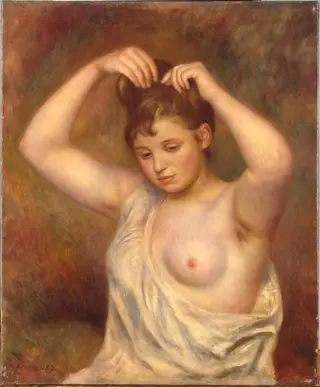 Woman Arranging her Hair
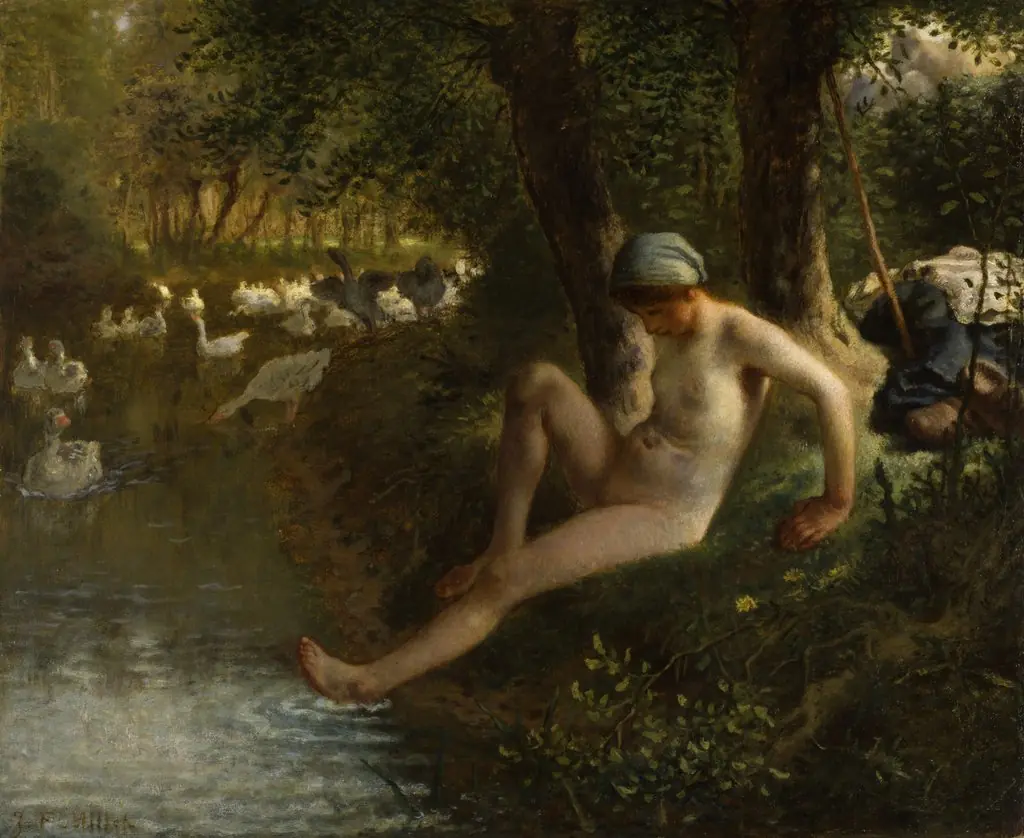 The Goose Girl
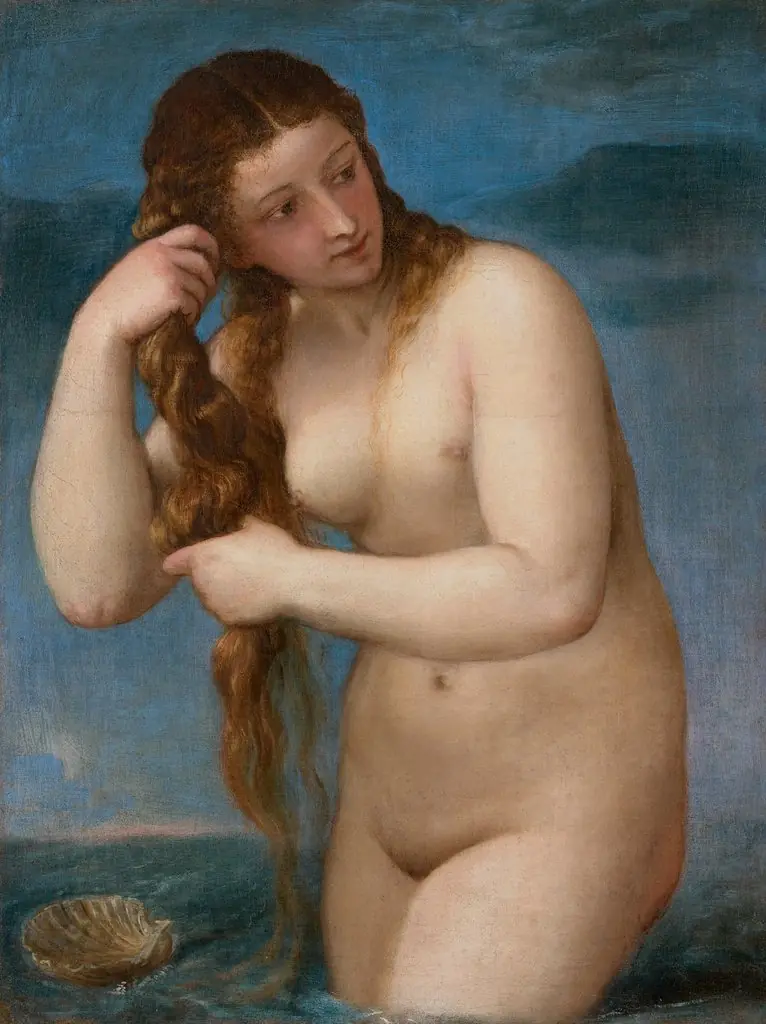 Venus Anadyomene
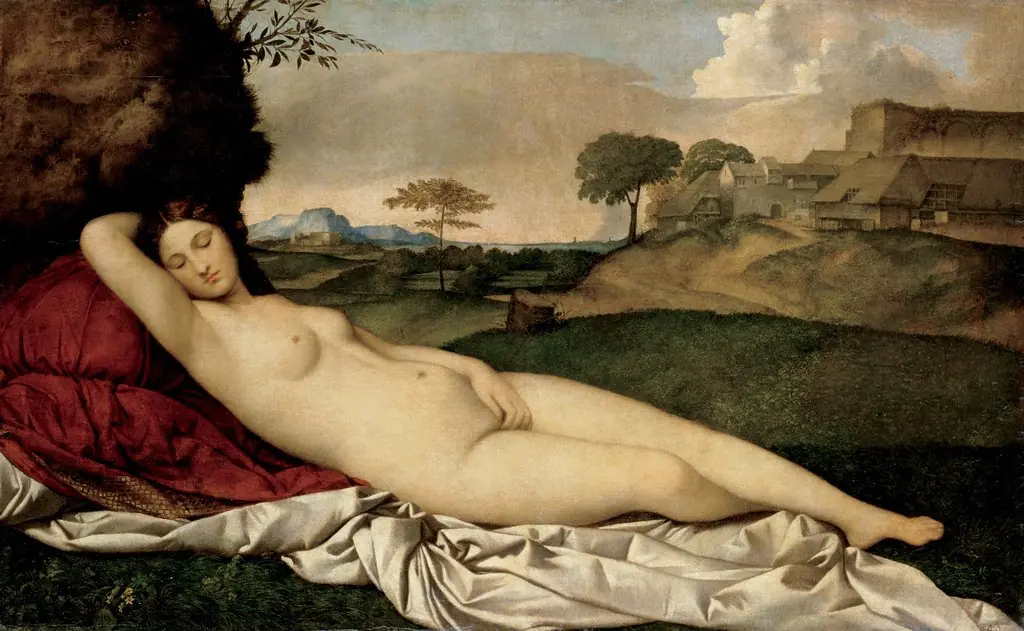 Sleeping Venus
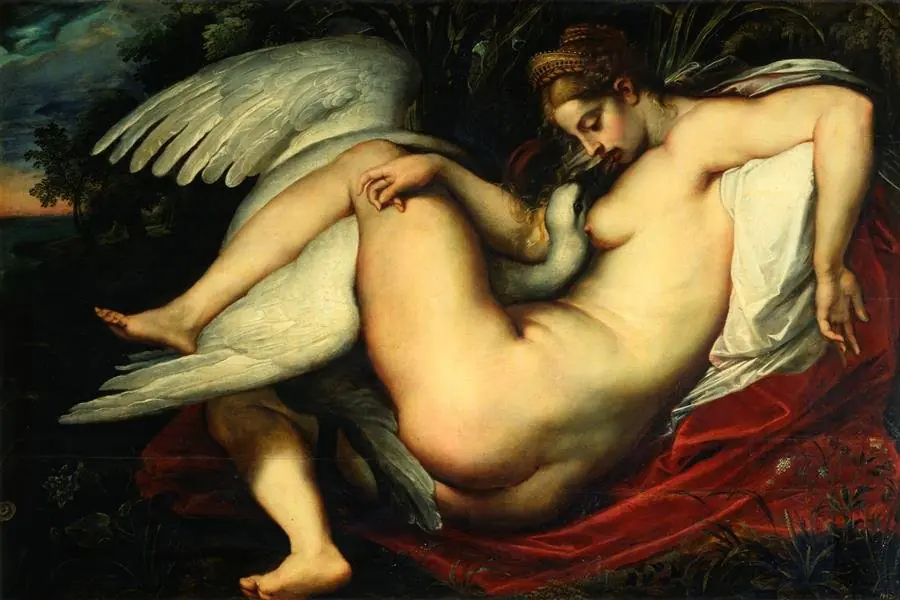 Leda and the swan
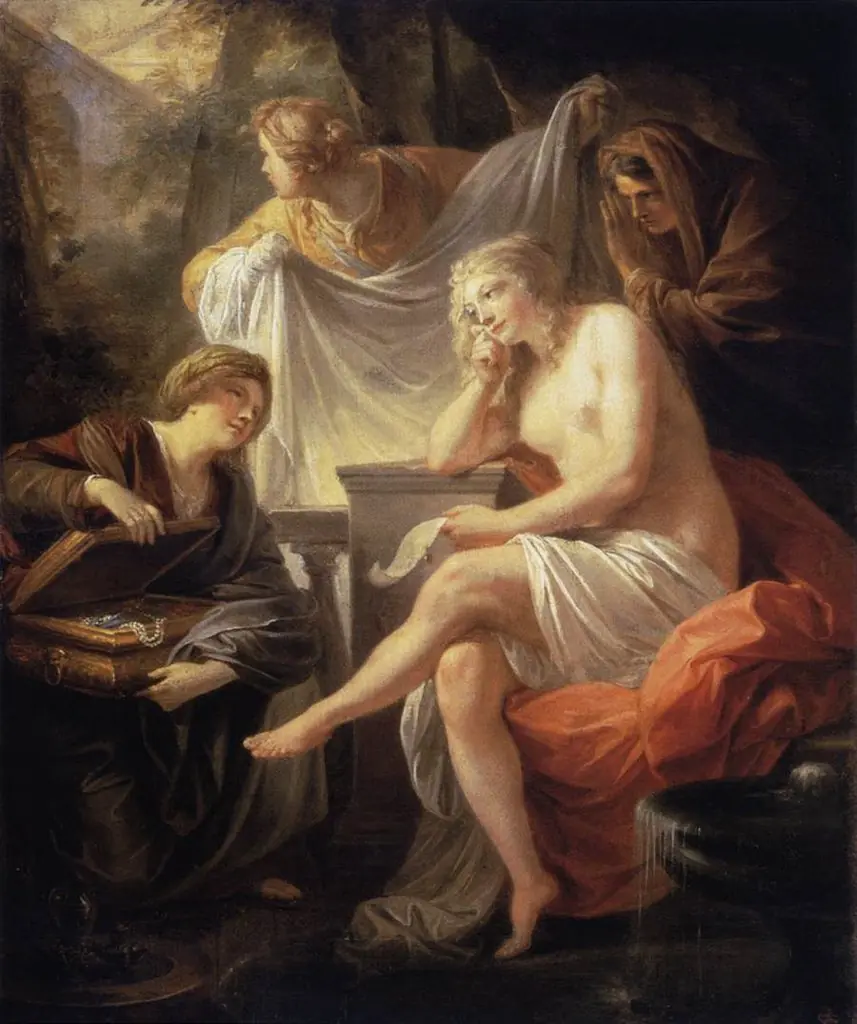 Bathsheba at her bath
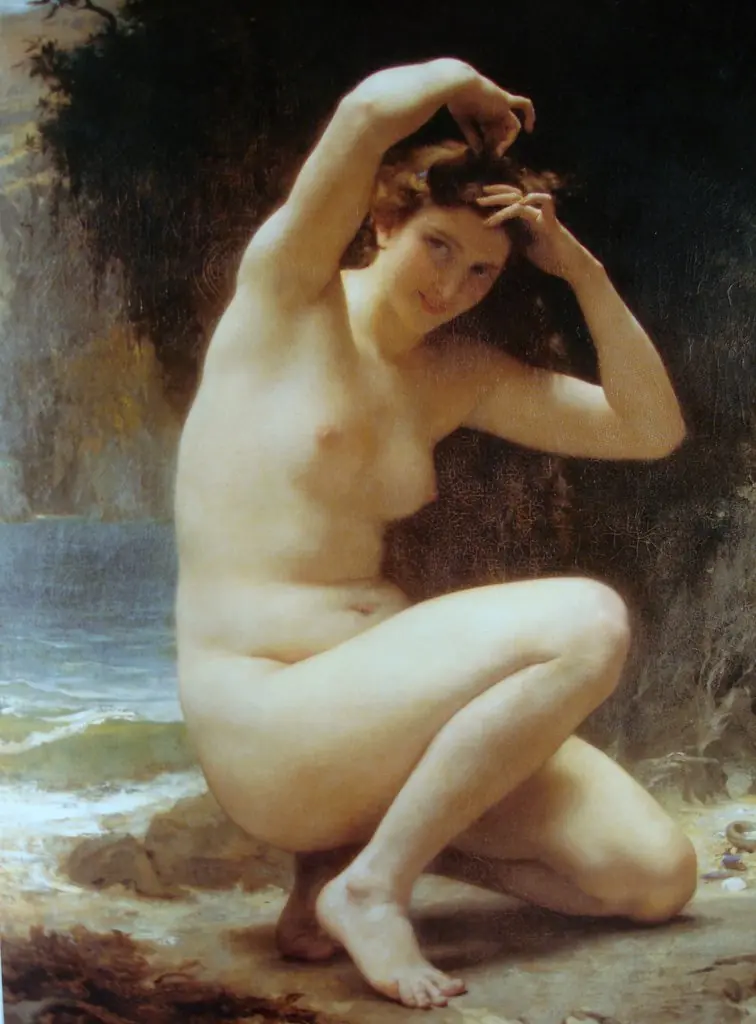 The toilette of Venus
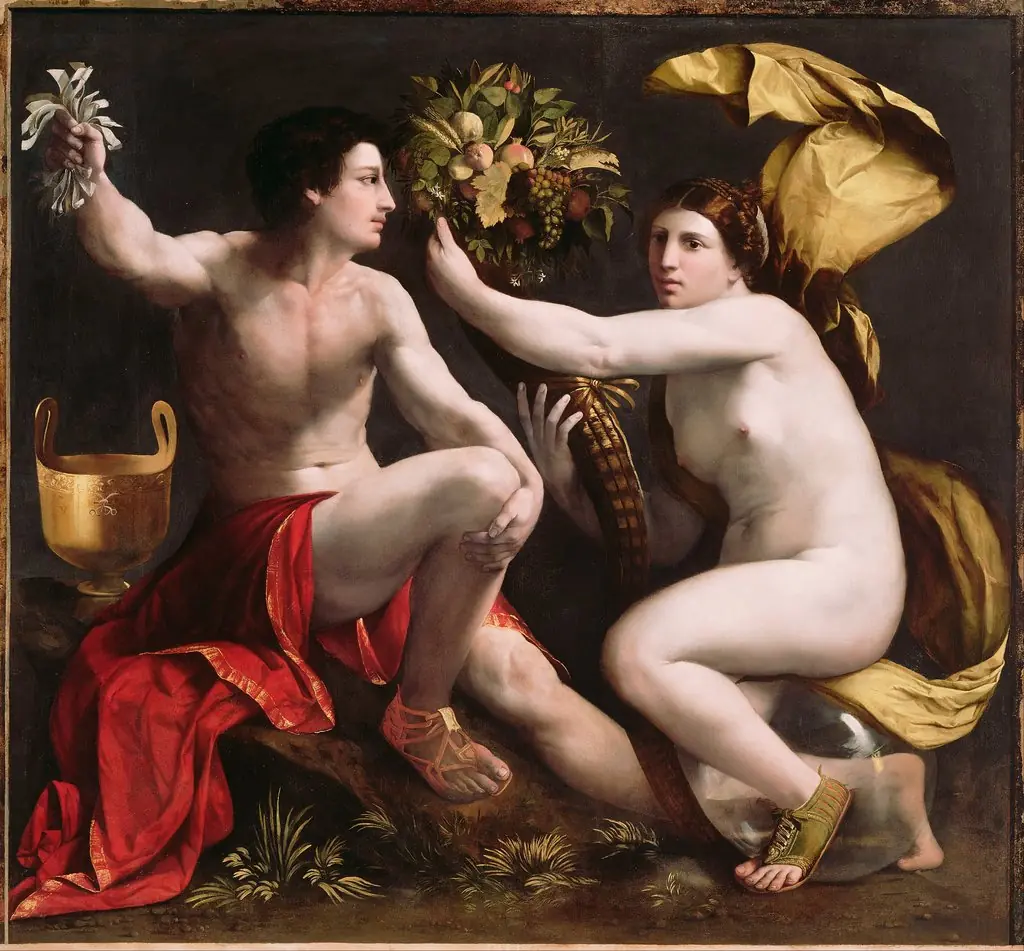 An Allegory of Fortune
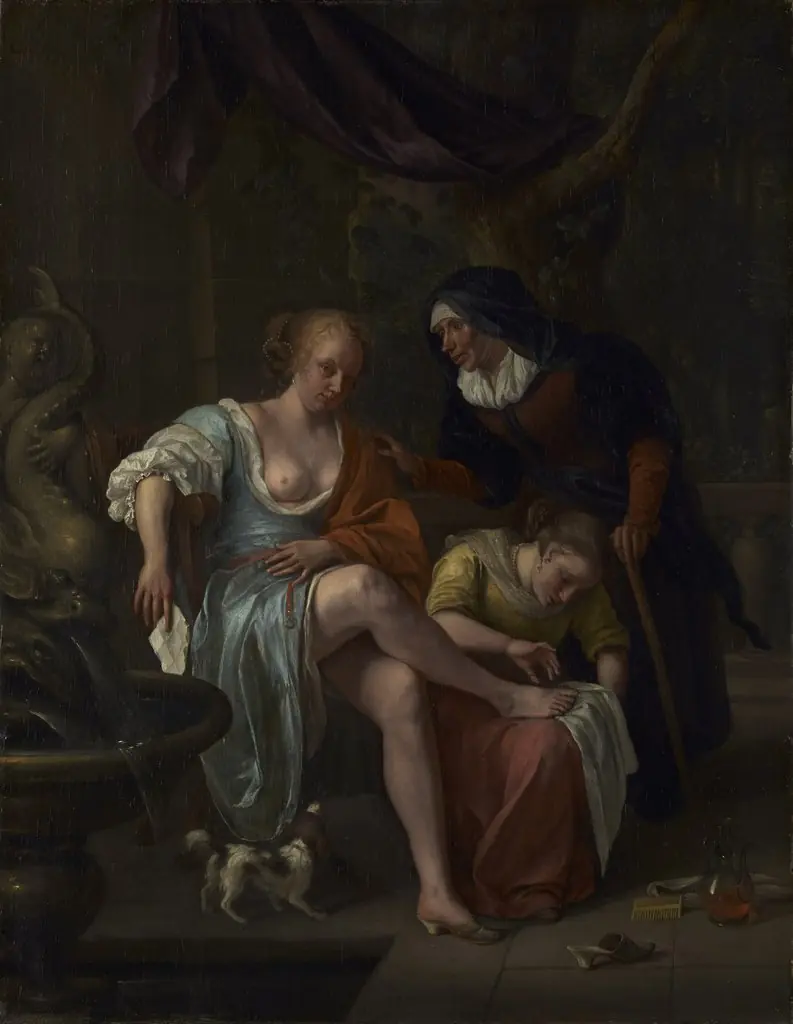 Bathsheba after the Bath
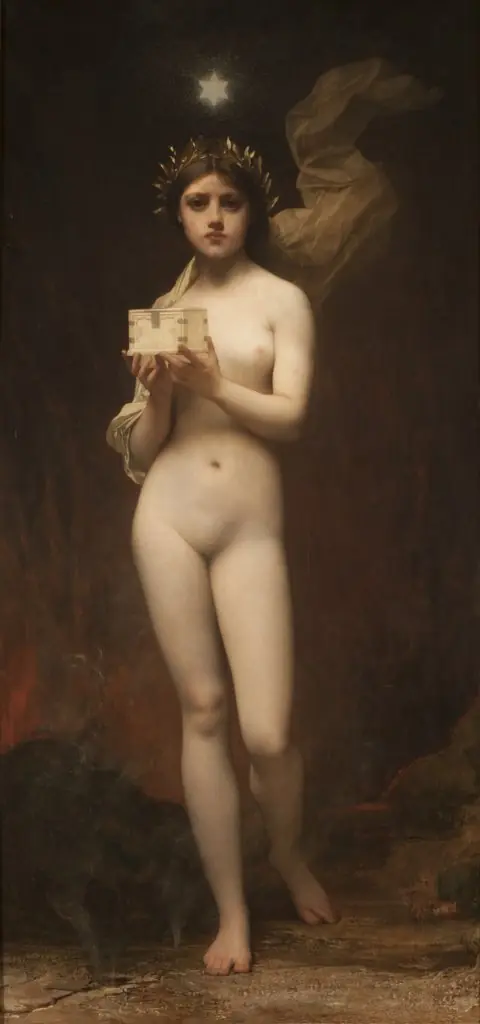 Pandora
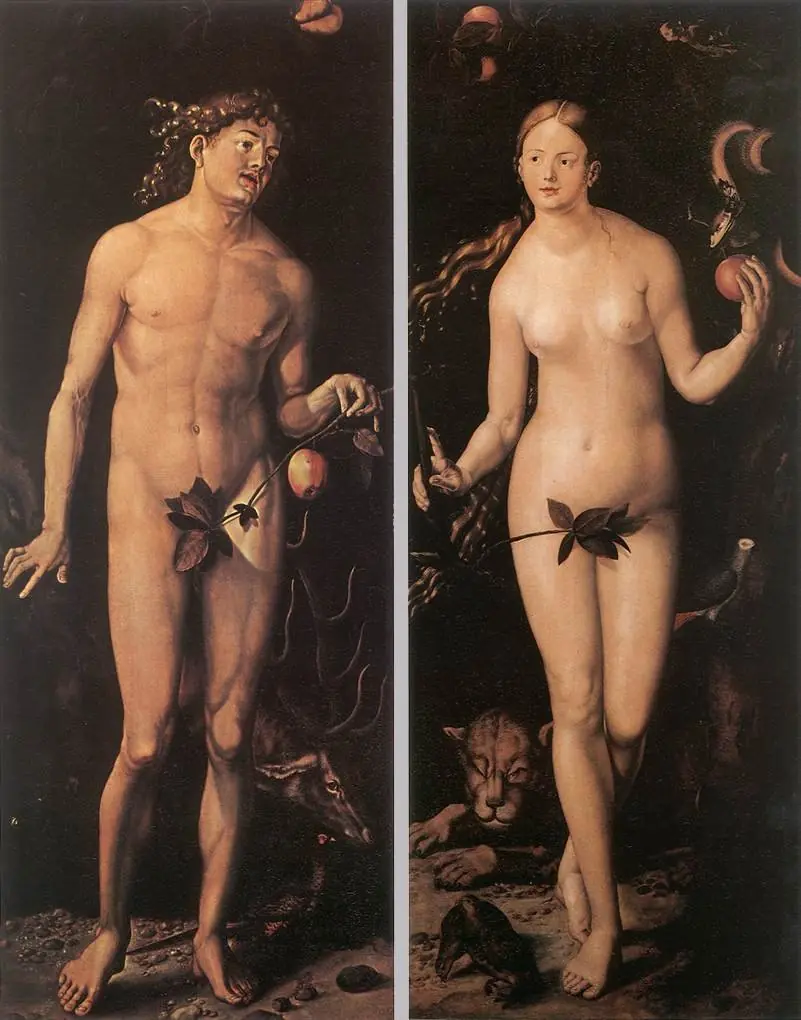 Adam and Eve
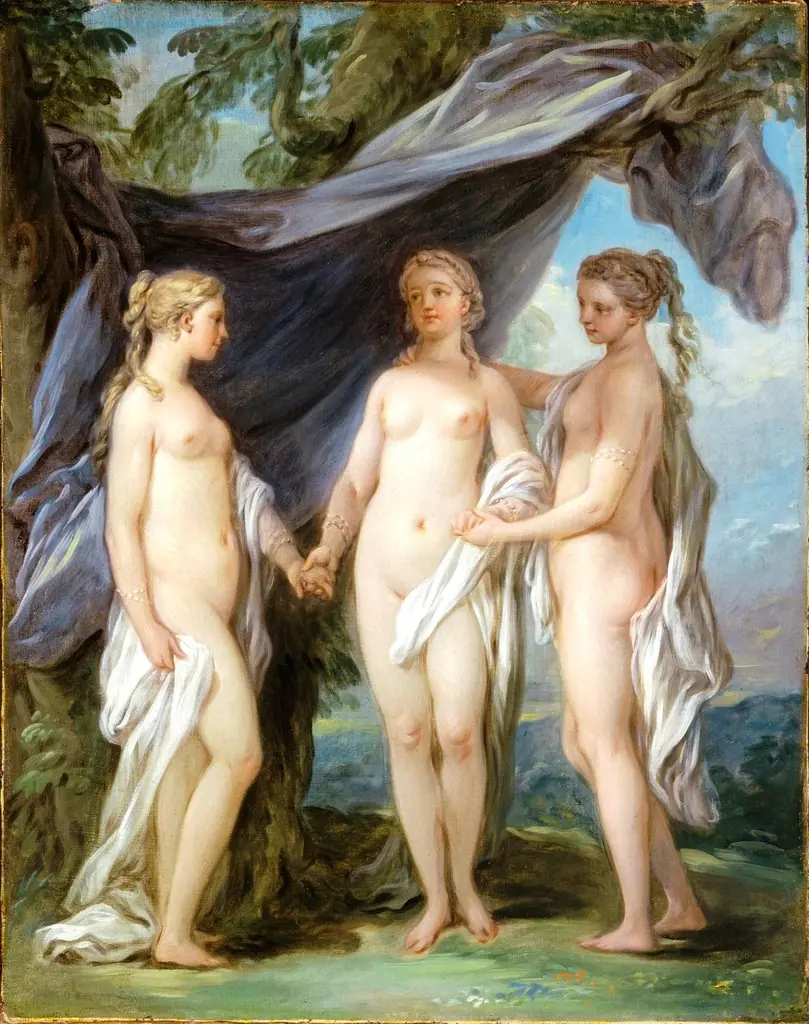 The Three Graces
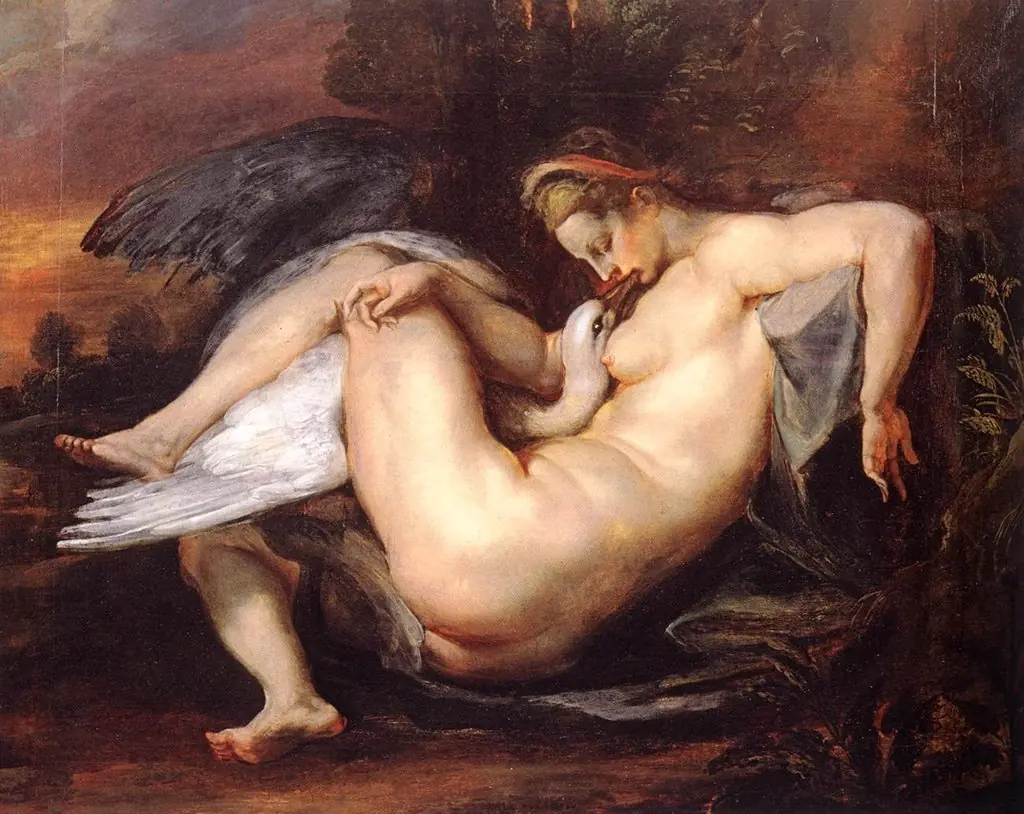 Leda and the Swan
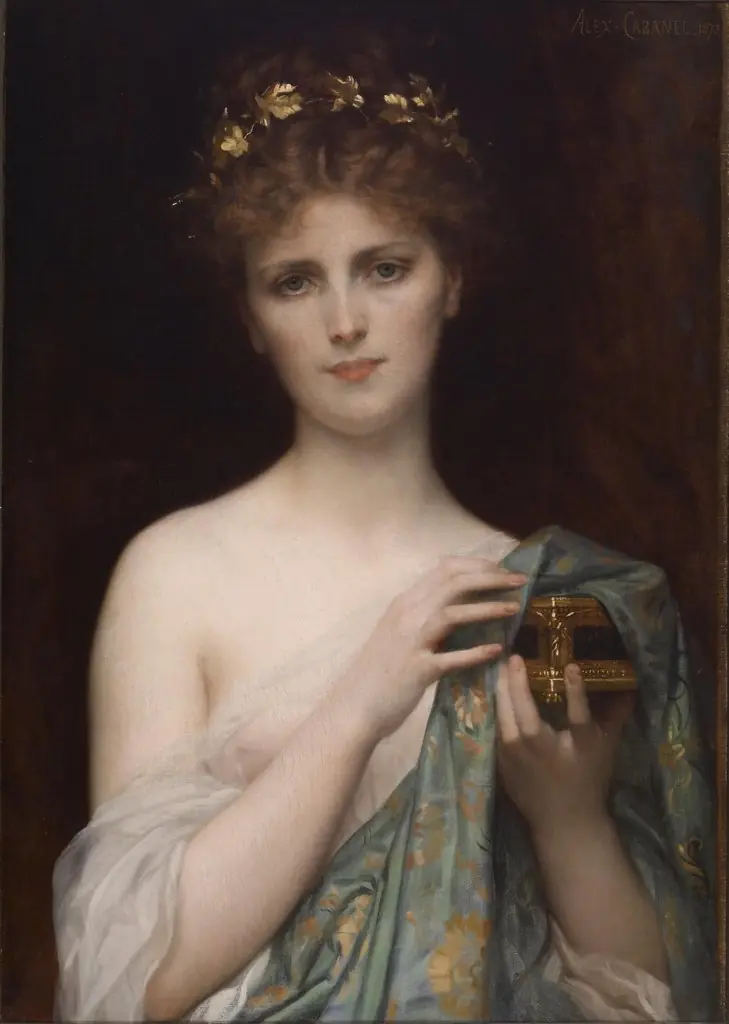 Pandora
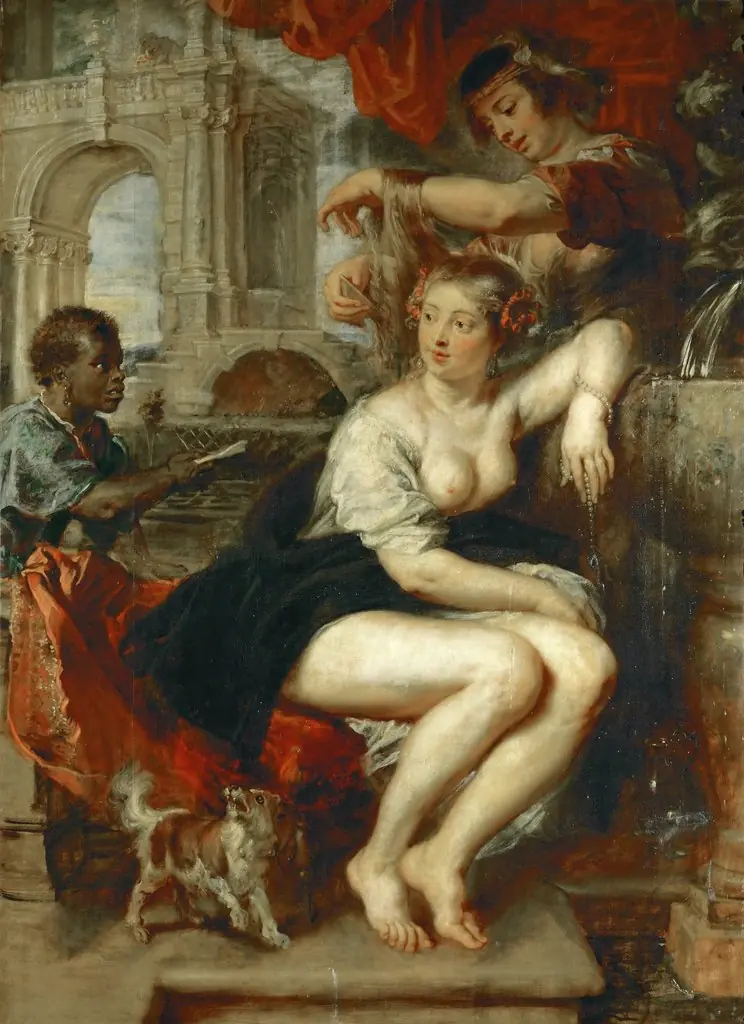 Bathsheba at Her Toilet
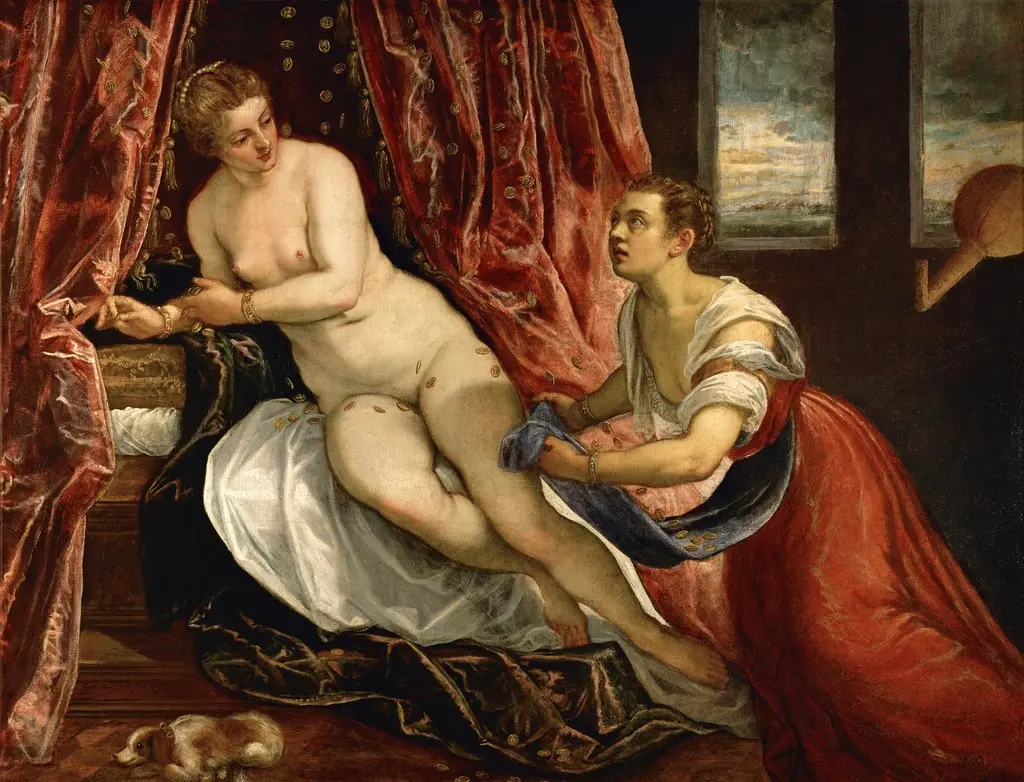 Danae
Danae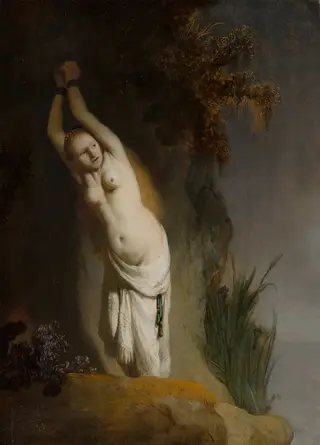 Andromeda Chained to the Rocks
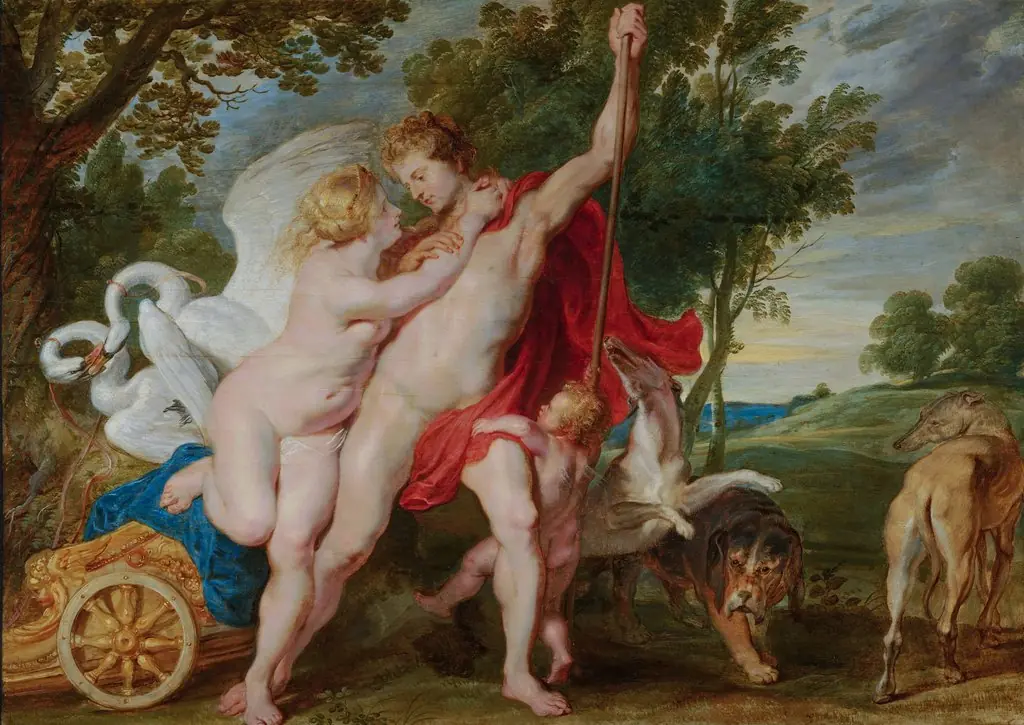 Venus trying to prevent Adonis from going hunting
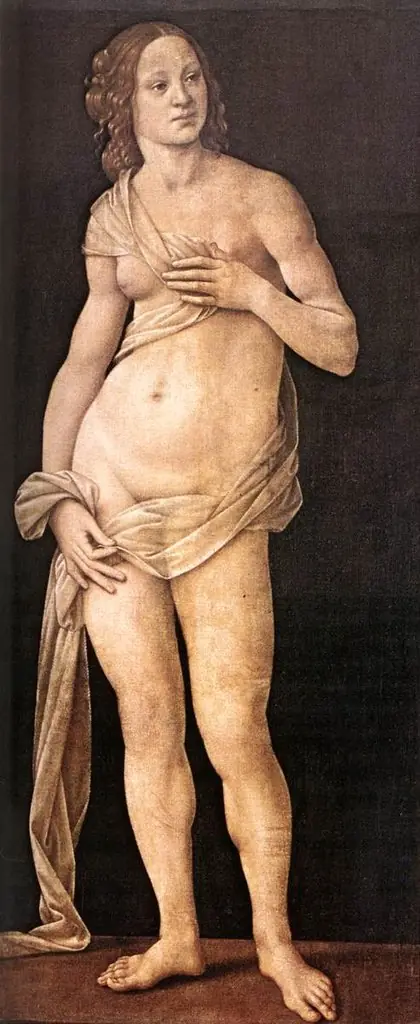 Venus
Venus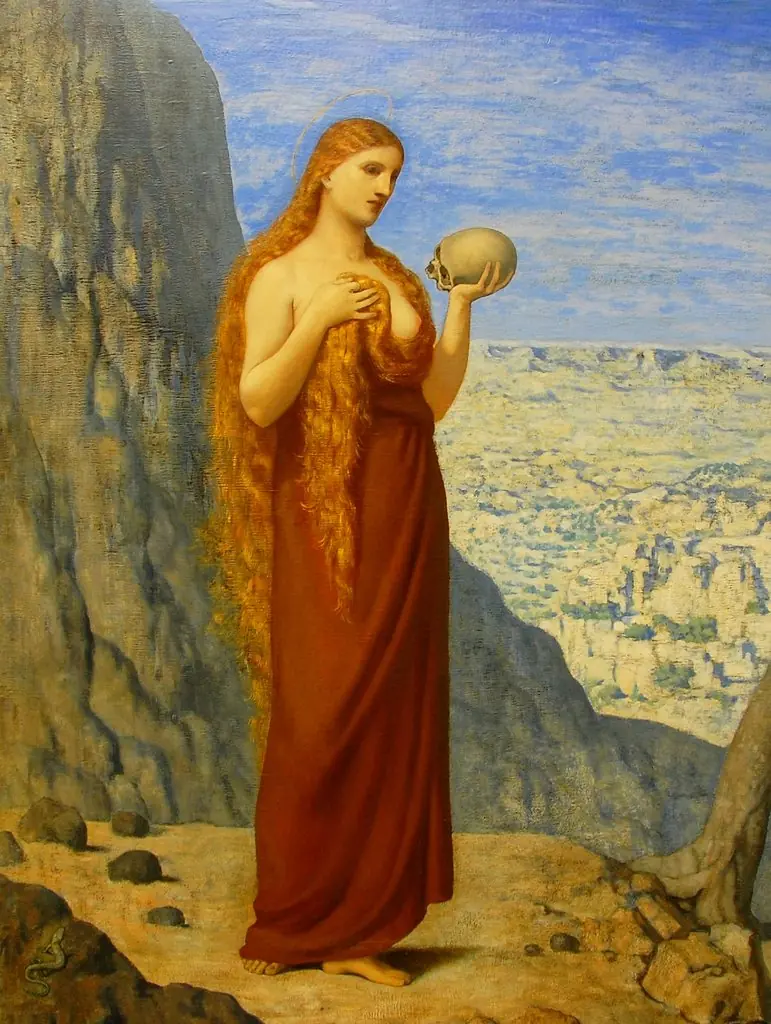 Mary Magdalene in the Desert
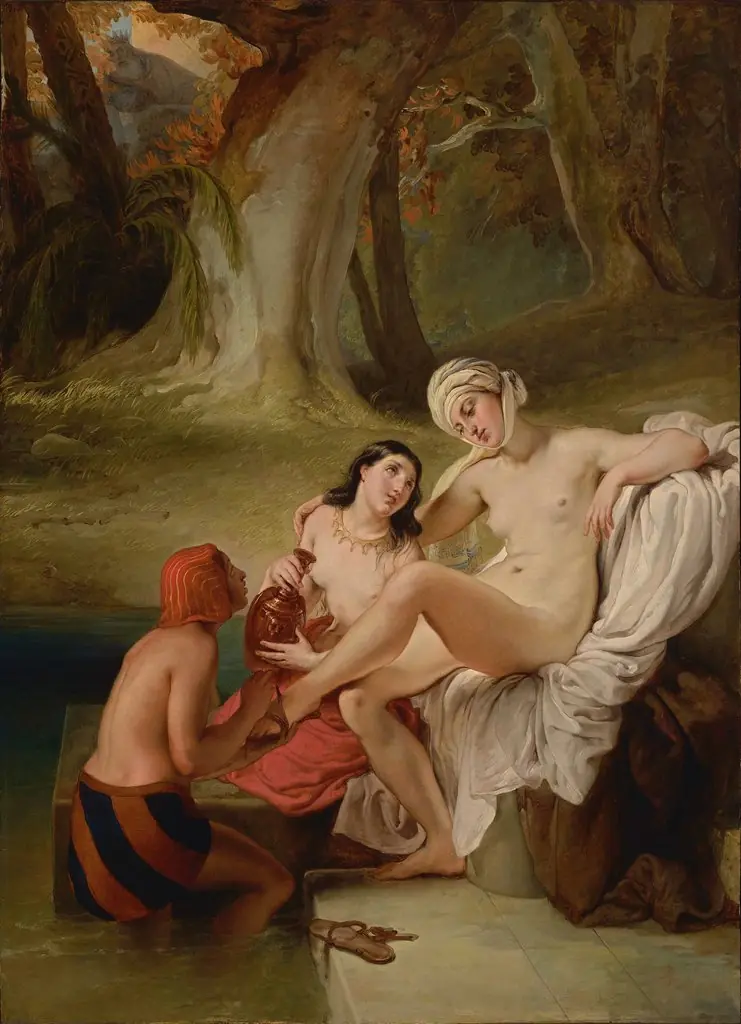 Bathsheba Bathing
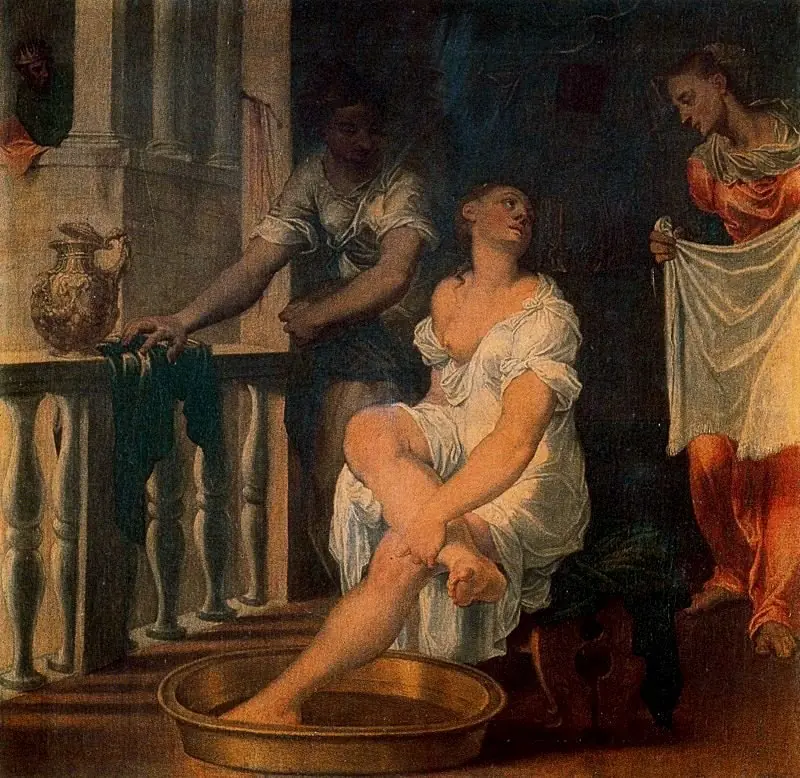 Bathsheba at her bath
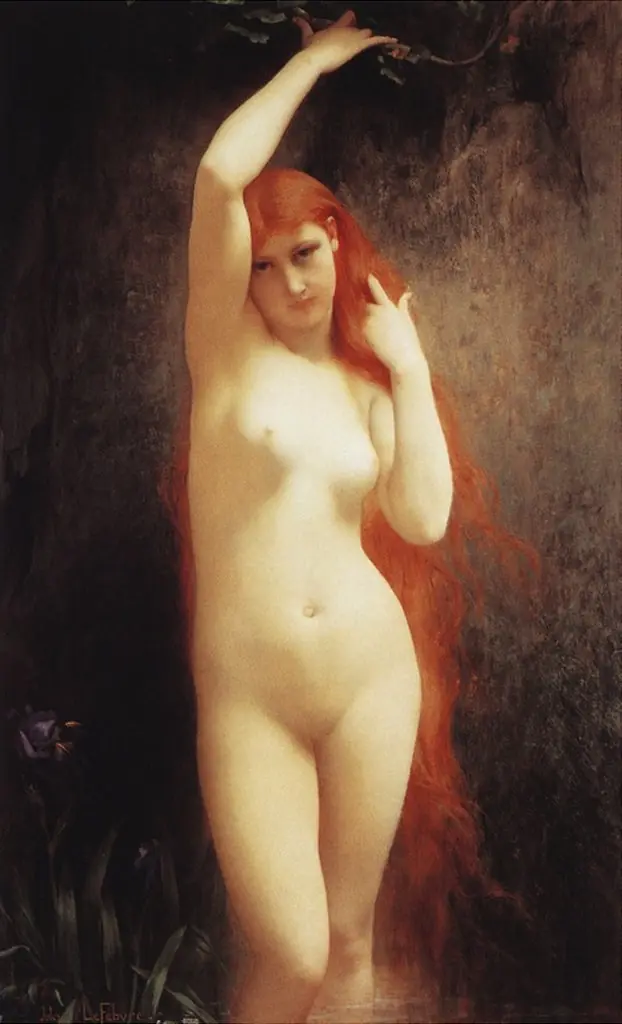 Ondine
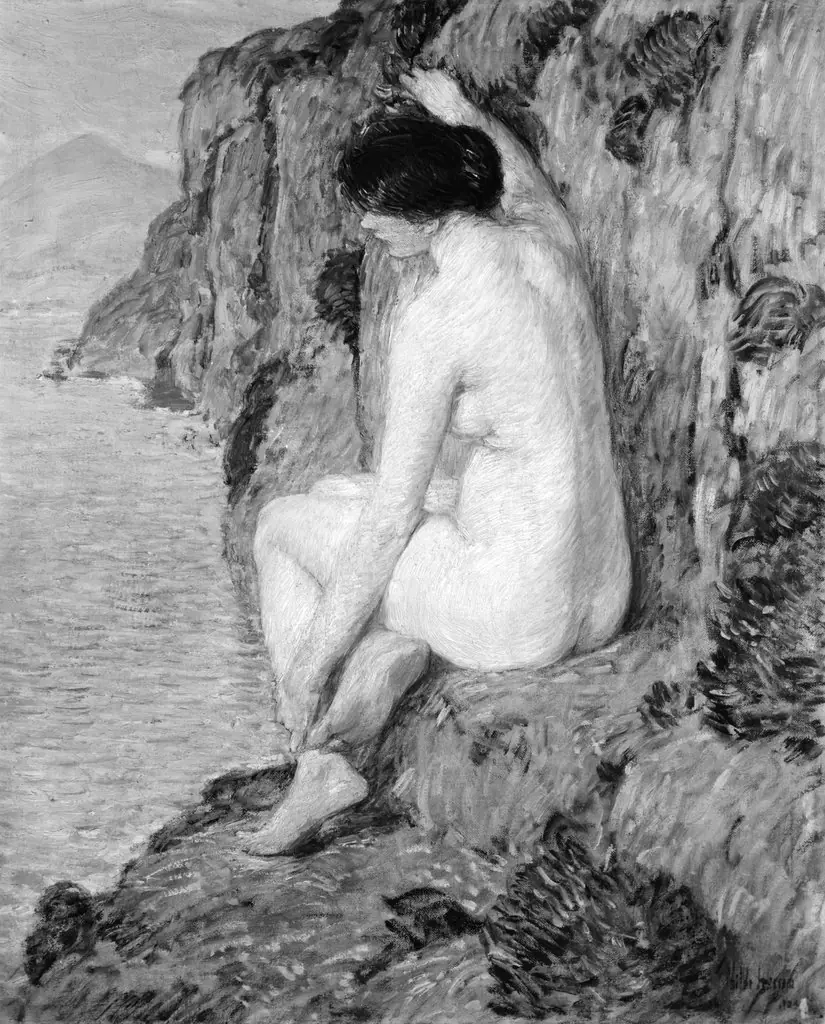 The Lorelei
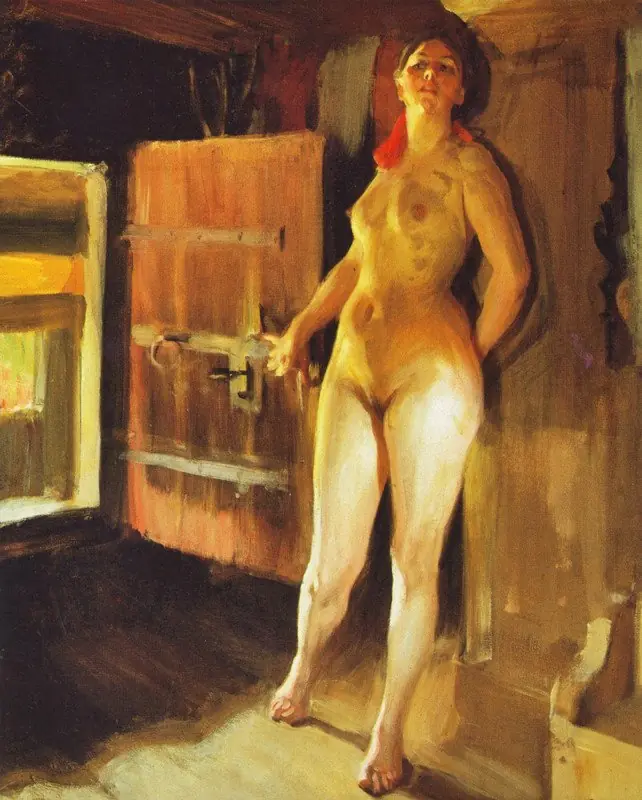 Girl in the Loft
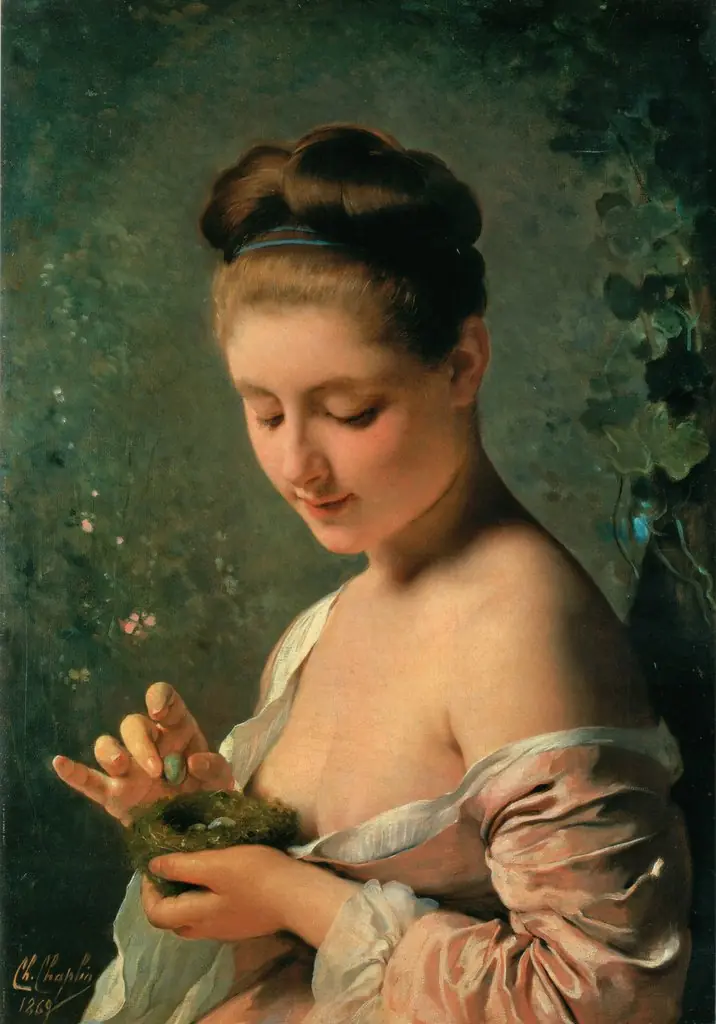 Girl with a Nest
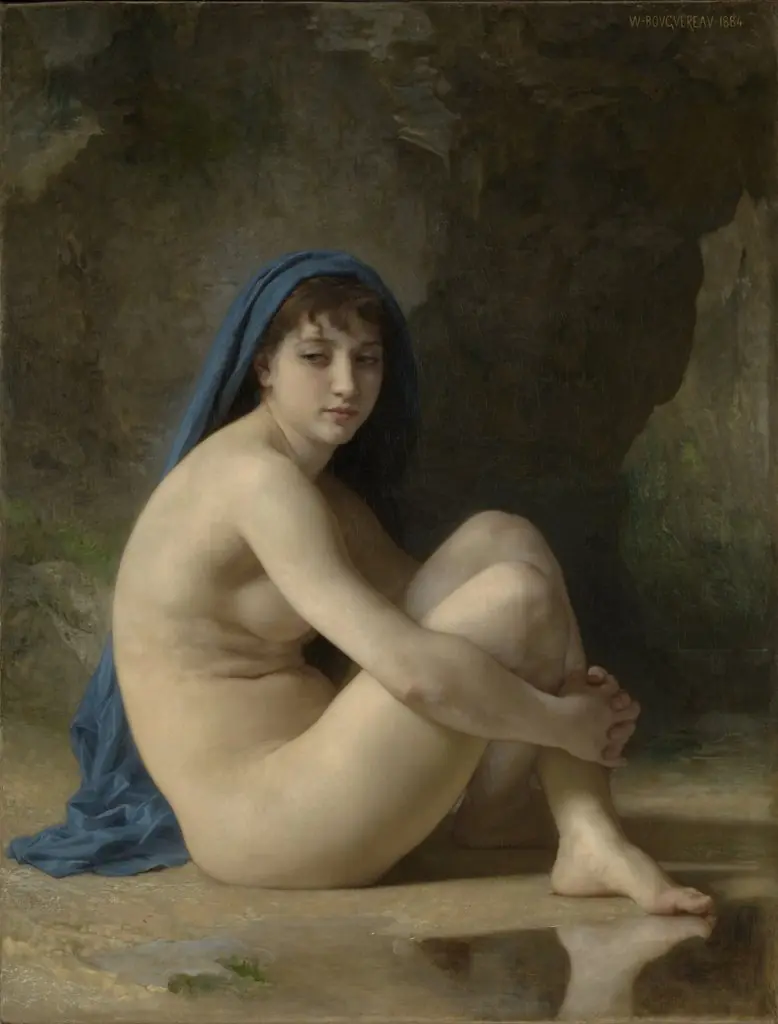 Seated Nude
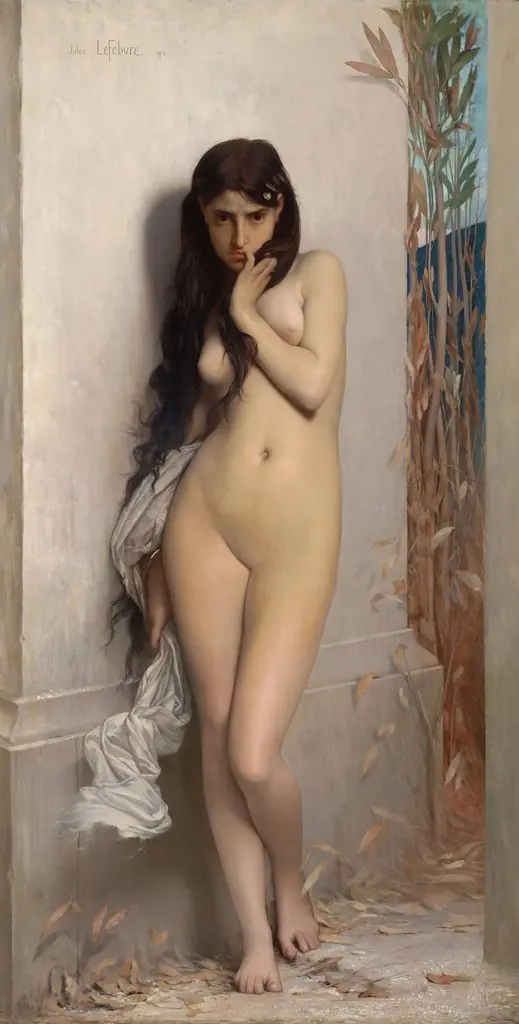 The Cicada
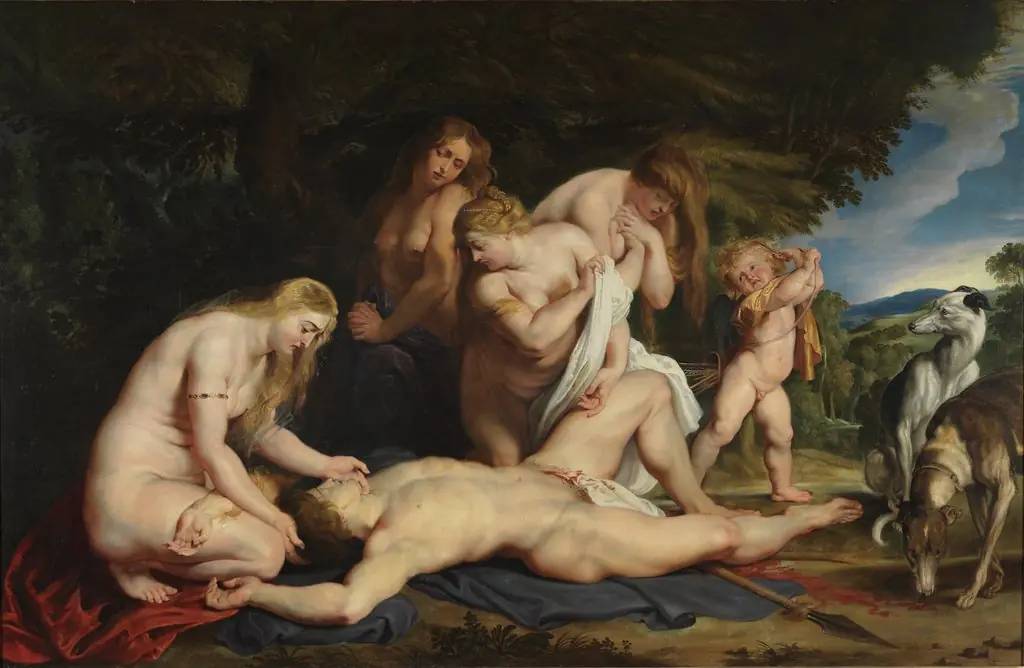 The Death of Adonis
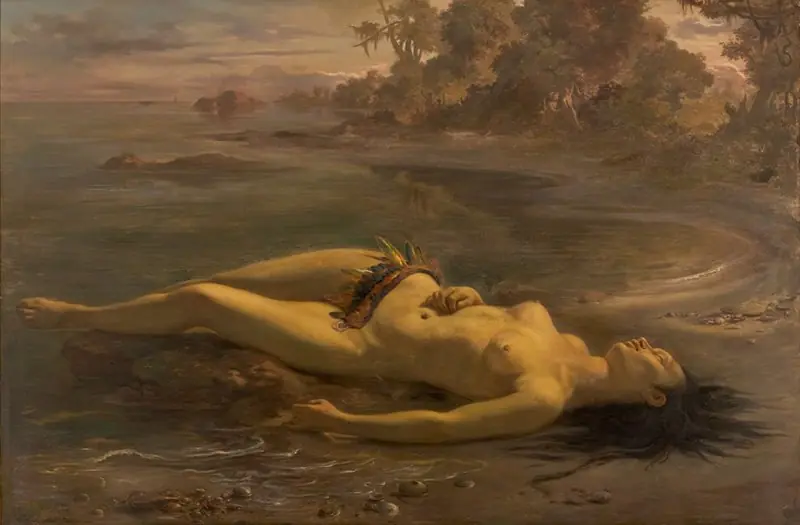 Moema
Moema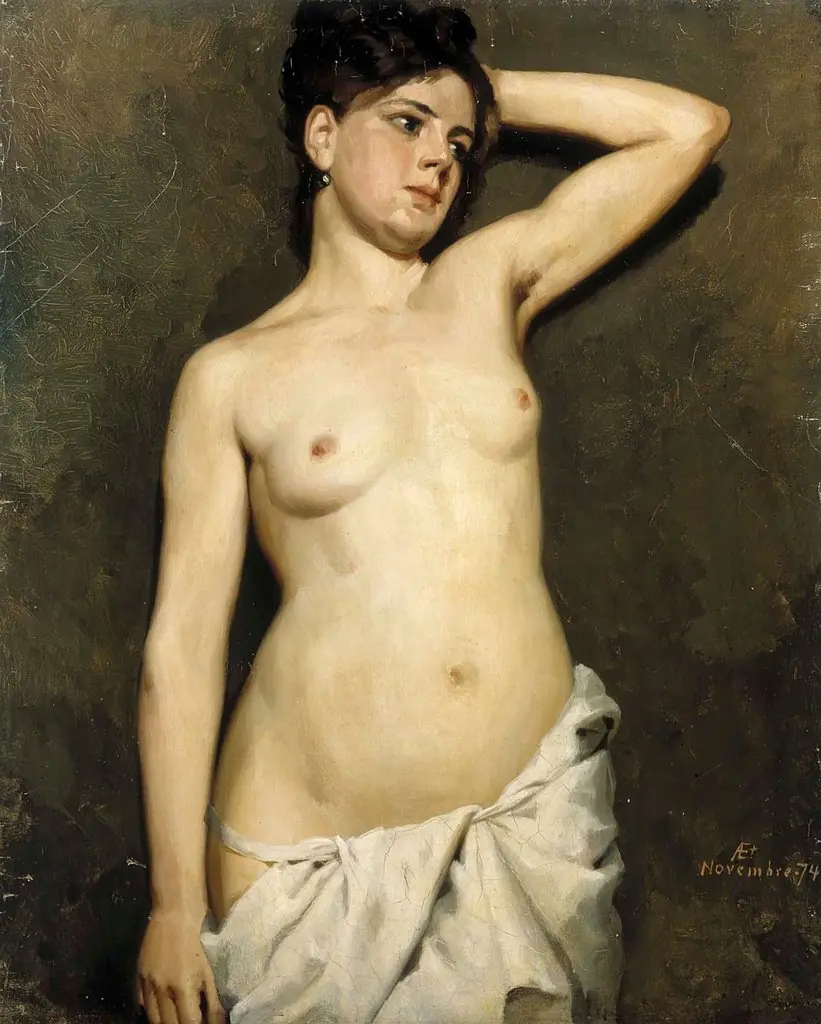 Female Nude, Study
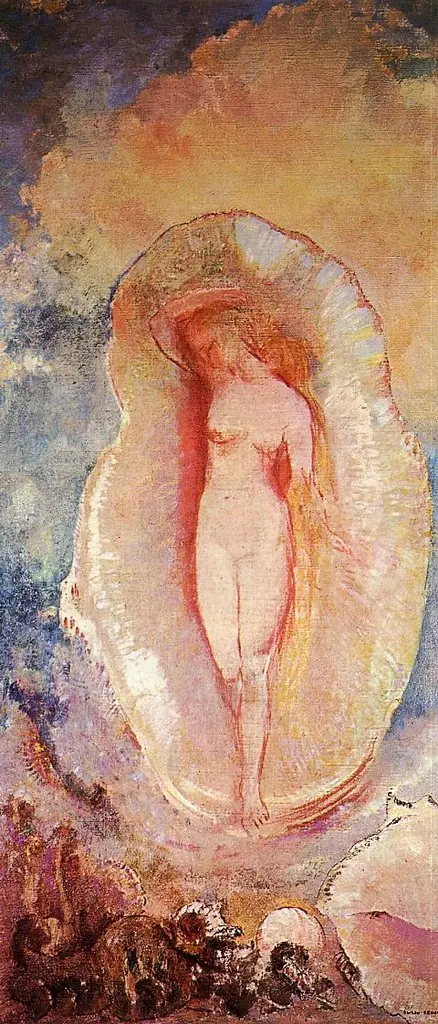 The Birth of Venus
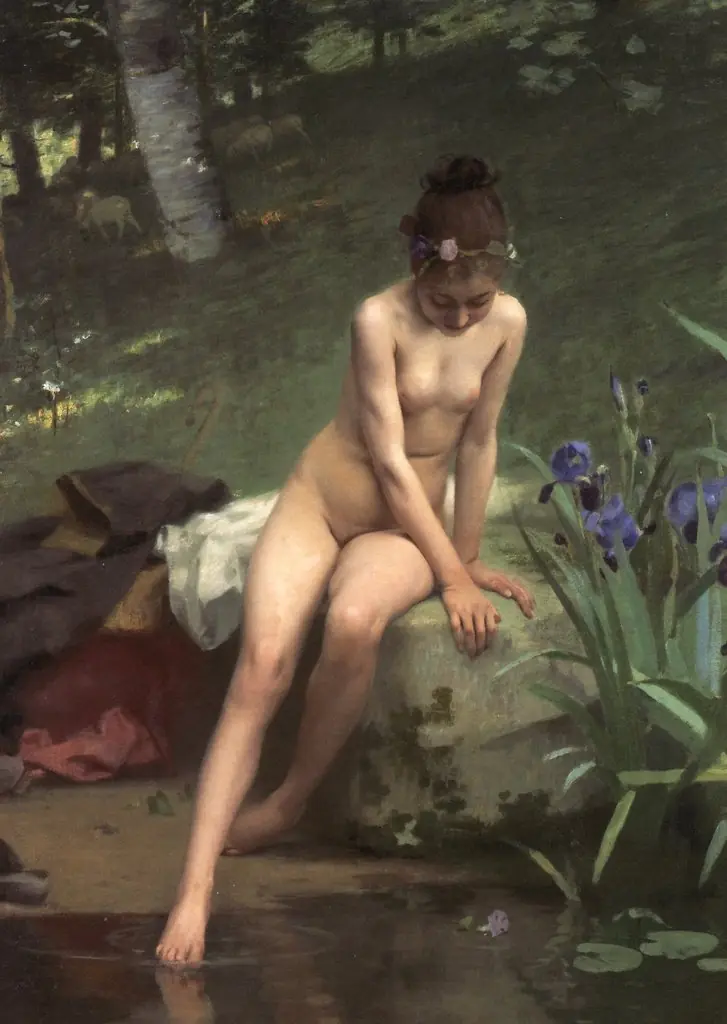 The Young Shepherdess
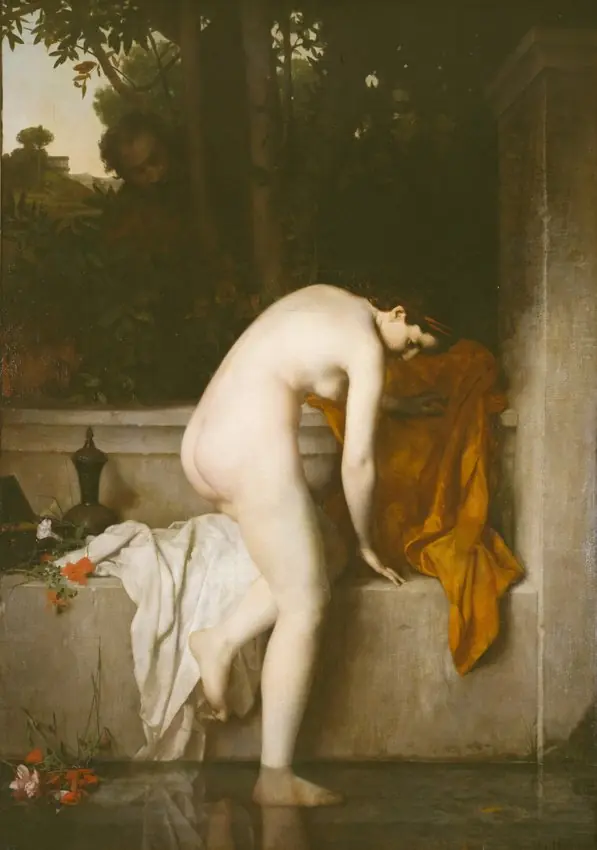 The Chaste Susannah
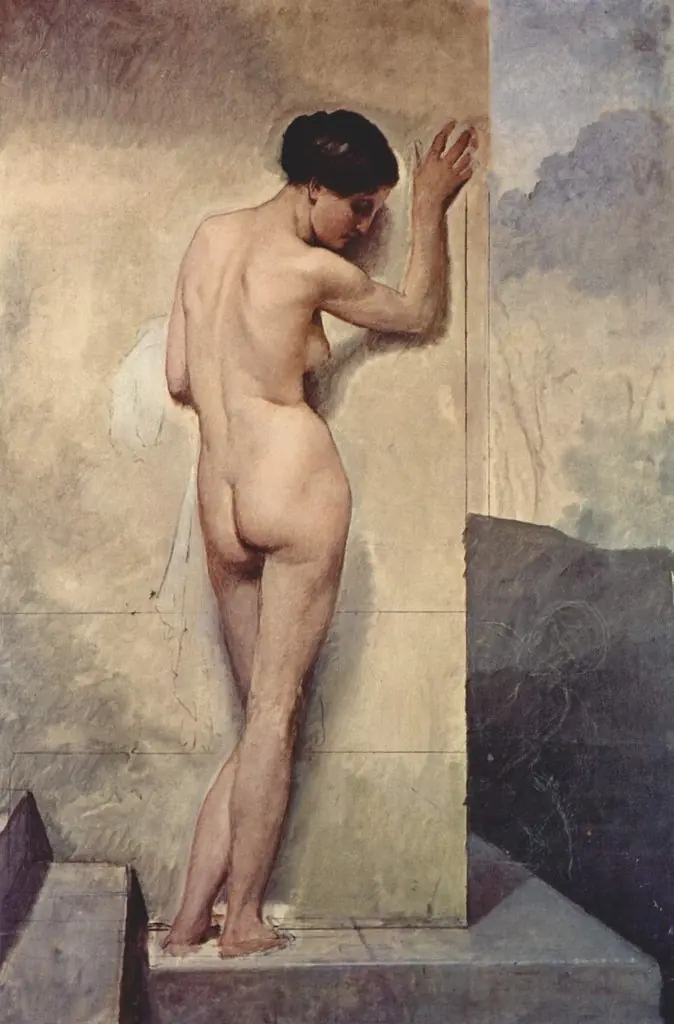 Female Nude
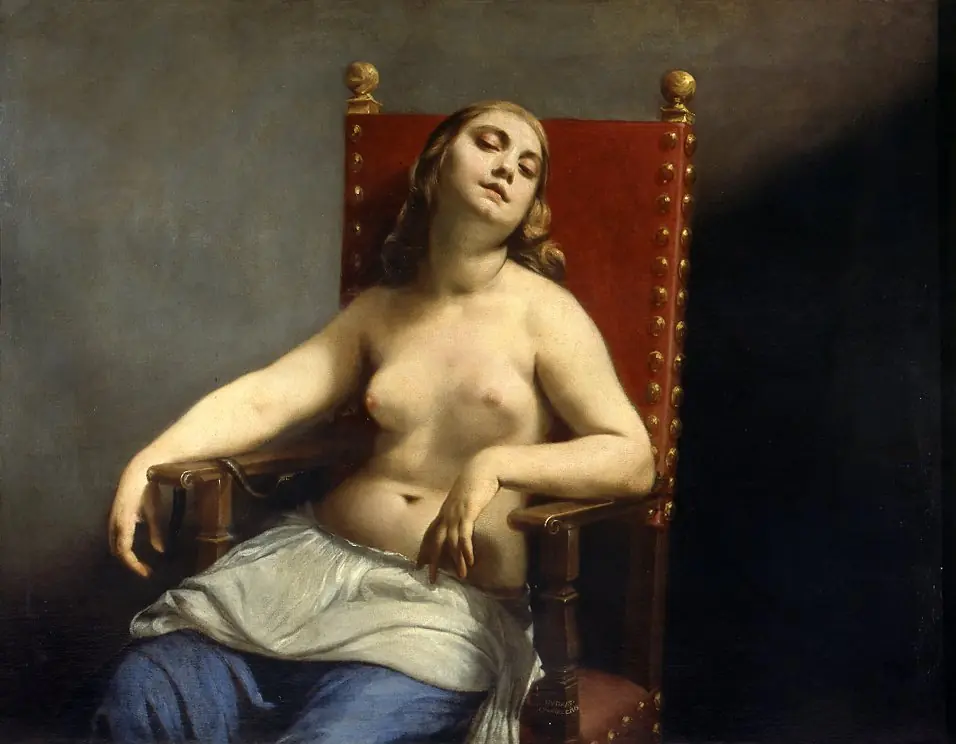 The Death of Cleopatra
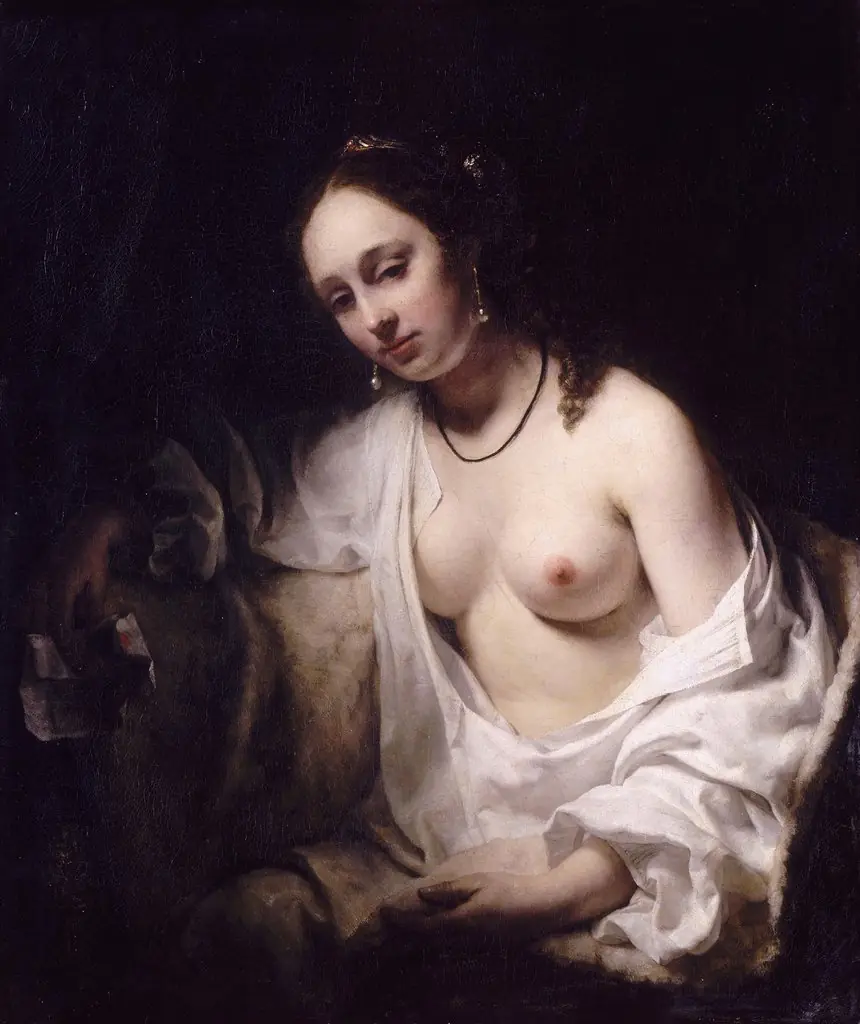 Bathsheba with King David's Letter
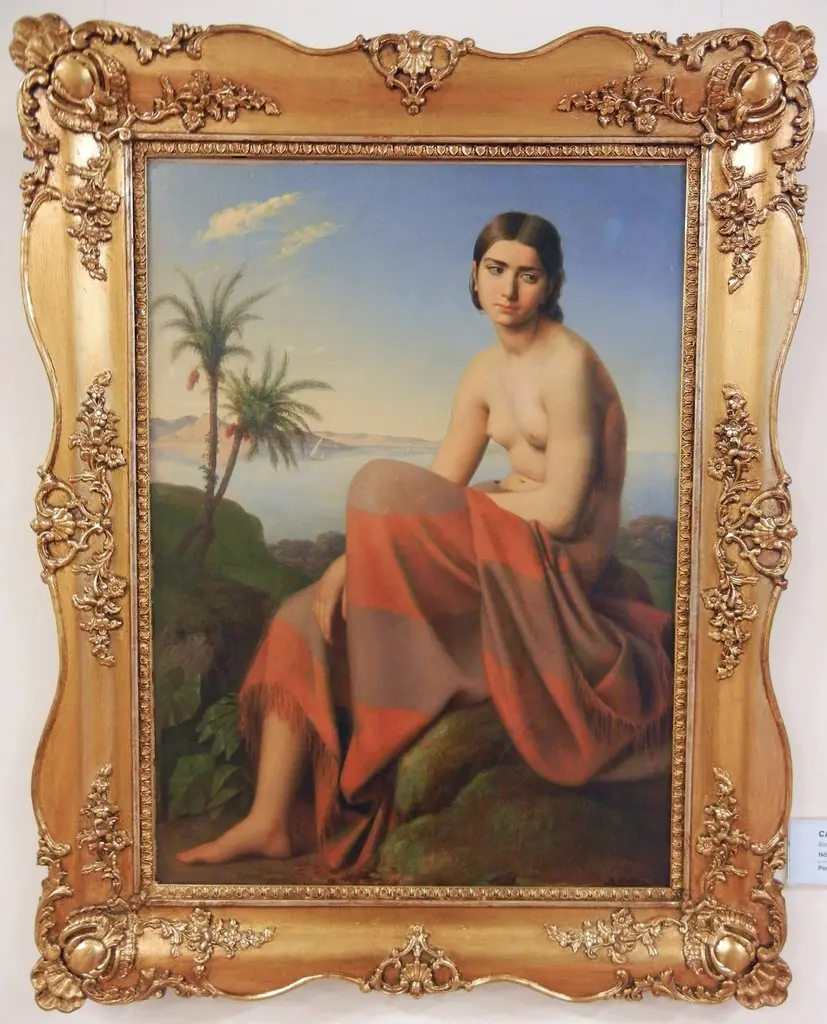 Portrait of a Woman
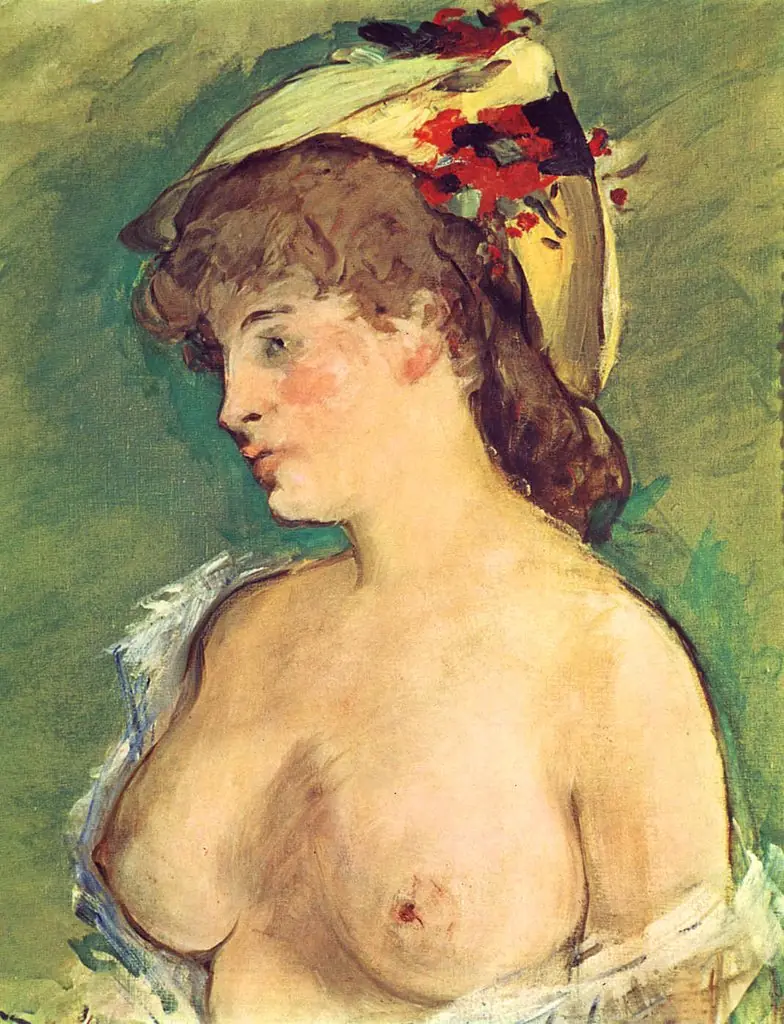 La Blonde aux seins nus
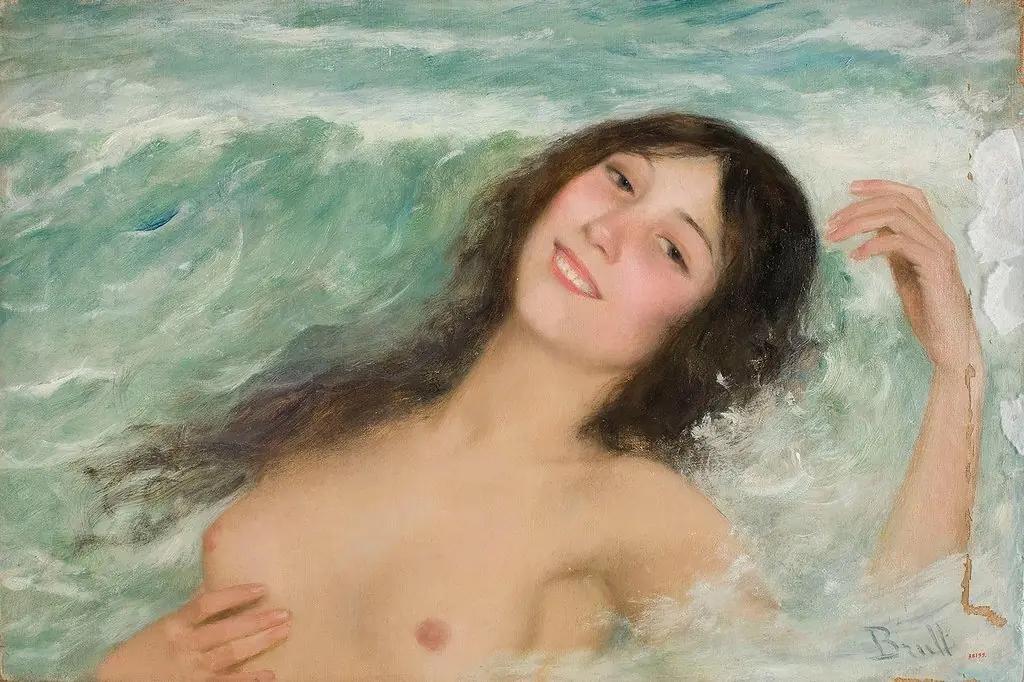 Naked Female Bust Between the Waves
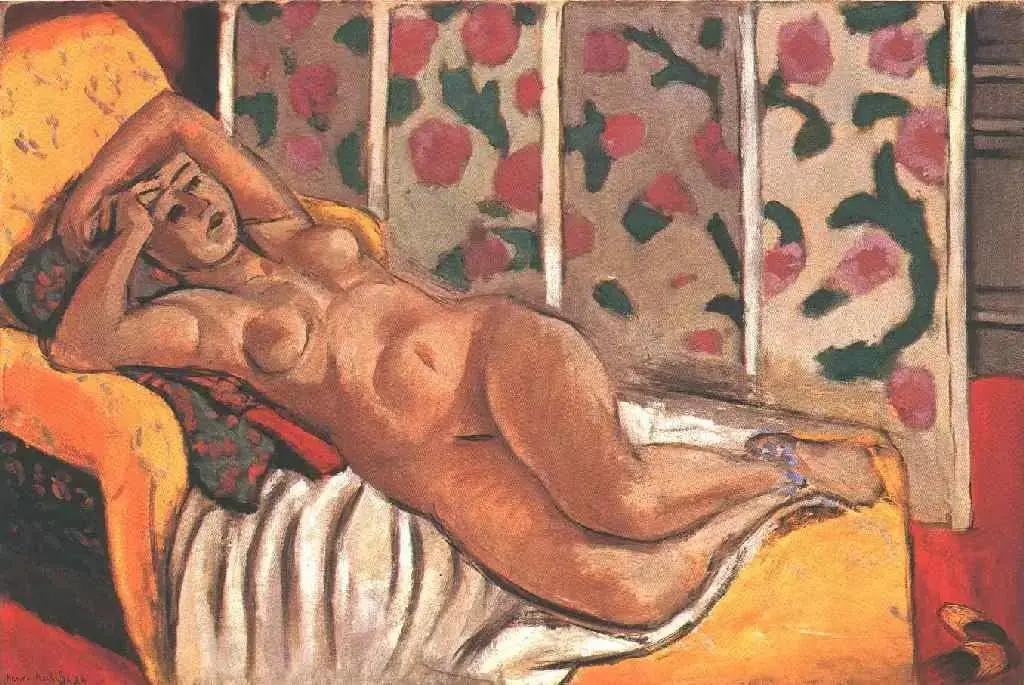 Yellow Odalisque
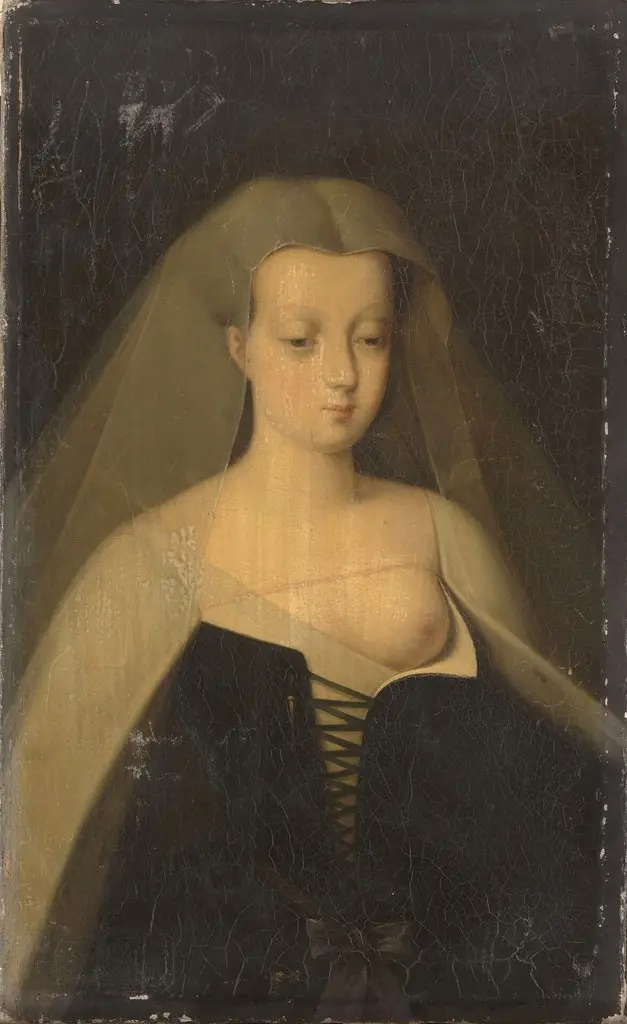 Agnès Sorel, lady of Beauté-sur-Marne
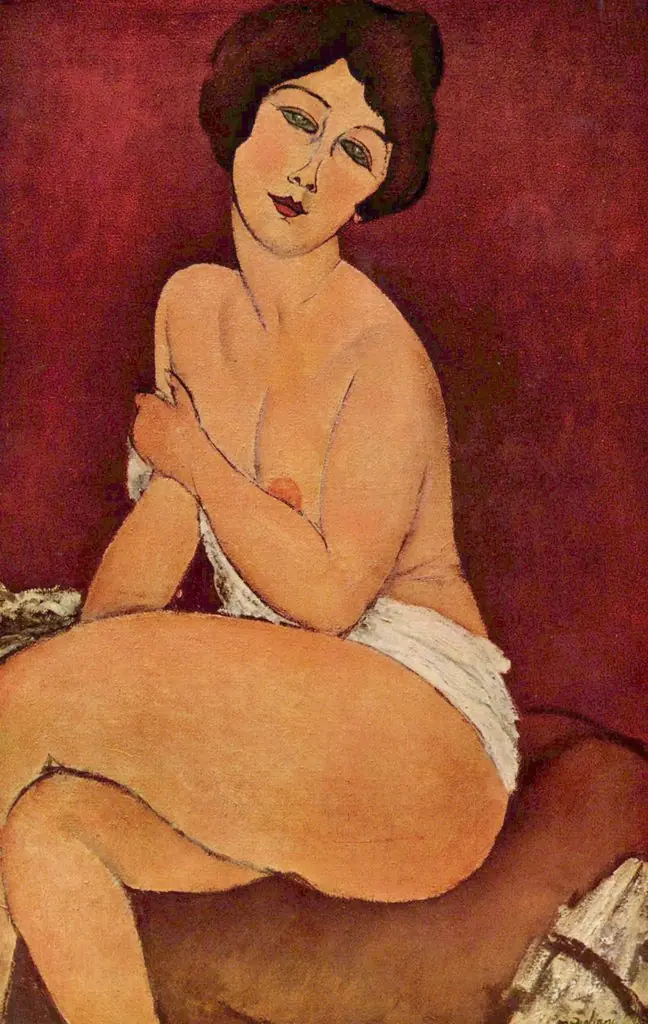 Nude Sitting on a Divan
 Untitled
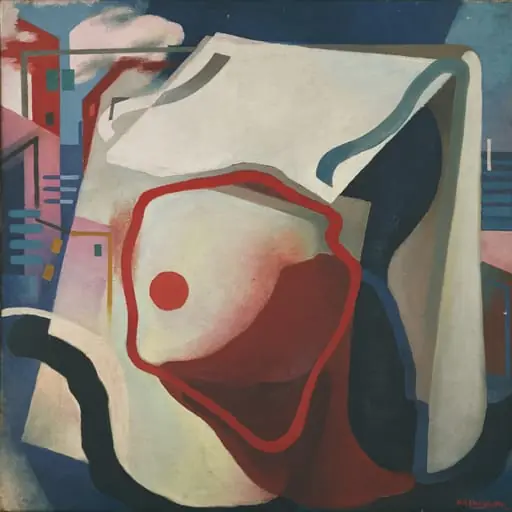 Untitled
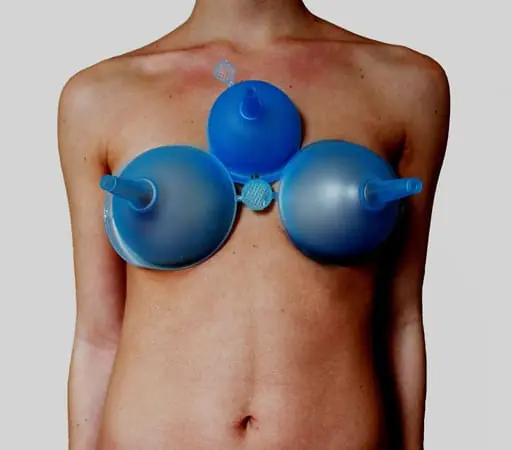 Άτιτλο
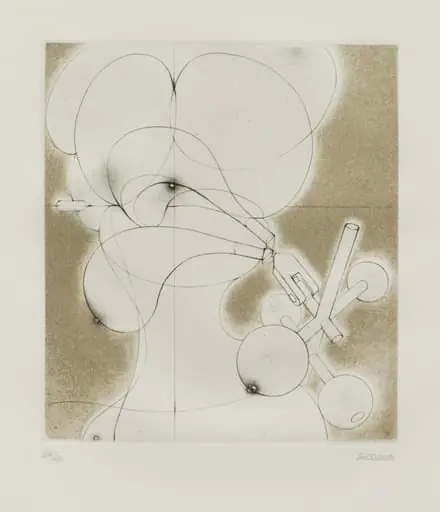 Untitled
Frequently asked questions
What is Female Breast?
Female Breast is a subject in art. The breasts are two prominences located on the upper ventral region of the torso in humans and other primates.
How many Female Breast works does Artifact World Gallery have?
Artifact World Gallery holds 123 public-domain Female Breast works, all free to view and download.
Who are the key Female Breast artists?
Key Female Breast artists in the collection include Titian, Paolo Veronese and Jean Baptiste Camille Corot.
Where can I see Female Breast works?
Female Breast works in the collection are held by Rijksmuseum, Hermitage Museum and Metropolitan Museum of Art.