Subject
Landscape Painting
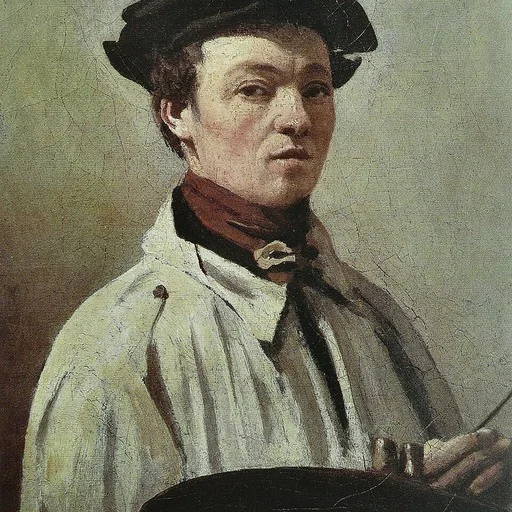
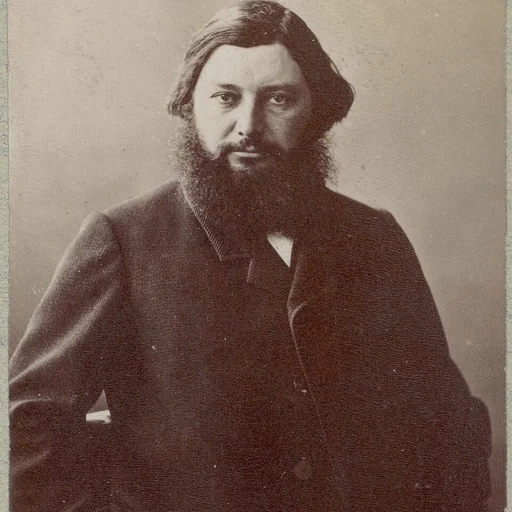
Landscape Painting is a subject in art. The gallery holds 200 works in this subject in art, including works by Jean Baptiste Camille Corot, Thomas Cole and Gustave Courbet.
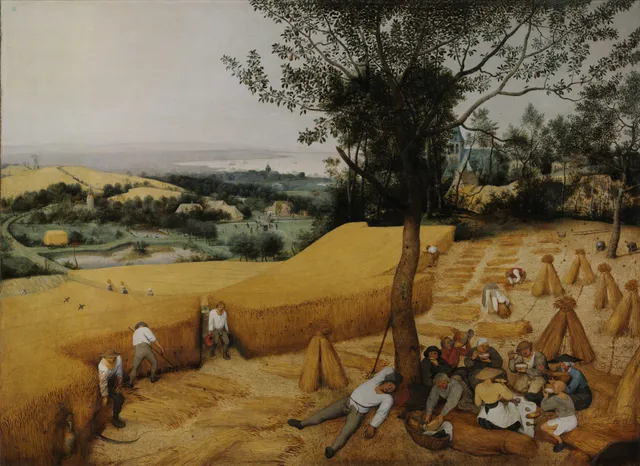
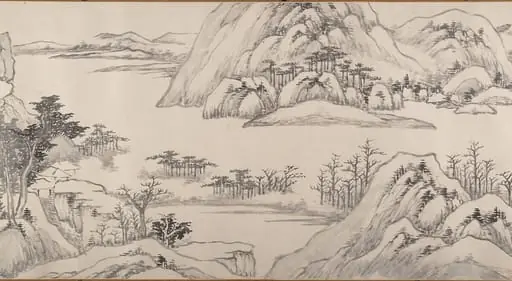
Landscape painting, also known as landscape art, is the depiction in painting of natural scenery—mountains, valleys, rivers, trees, and forests—especially where the main subject is a wide view, with its elements arranged into a coherent composition. In other works, a landscape background for figures can still form an important part of the picture. Although nature appeared as a setting from antiquity onward, landscape rose to a subject in its own right at very different moments across cultures. In China, the "mountain-water" tradition of shan shui developed from around the fifth century and was prized by the Tang and Song dynasties as among the highest forms of art, masters such as Fan Kuan and Guo Xi using graded ink washes to express a Daoist harmony between humanity and nature. In Europe the genre matured later, beginning with Northern works such as Pieter Bruegel the Elder's The Harvesters (1565), part of a six-panel cycle of the seasons that gave the wide rural prospect unprecedented prominence.
The seventeenth century established landscape as a major Western genre on two fronts. In Rome, the Frenchmen Nicolas Poussin and Claude Lorrain forged the "ideal" or classical landscape, composing balanced, golden-lit scenes peopled with mythological or biblical figures; Claude's nuanced treatment of light would not be surpassed until Impressionism. Simultaneously, the Dutch Golden Age produced an empirical, unidealised vision in the low horizons and vast skies of Jacob van Ruisdael and Jan van Goyen—the very word "landscape" derives from the Dutch landschap.
The genre's defining techniques evolved toward direct observation: aerial perspective to suggest depth, atmospheric handling of light and weather, and increasingly plein-air study. In Britain, John Constable and J. M. W. Turner—both deeply indebted to Claude—pushed naturalism and the sublime to new intensity, anticipating the Impressionists' open-air color.
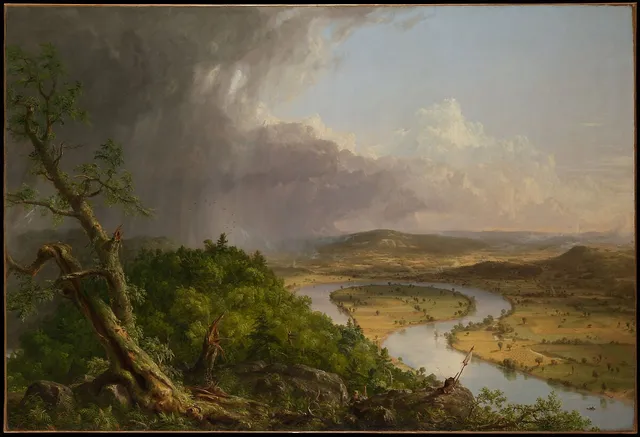
In America, Thomas Cole founded the Hudson River School, whose Romantic nationalism is captured in our View from Mount Holyoke, Northampton, Massachusetts, after a Thunderstorm—The Oxbow (1836). His successors expanded the scale westward, as in Albert Bierstadt's The Rocky Mountains, Lander's Peak (1863), a Luminist panorama that sold for $25,000 in 1865. Related American holdings—Jasper Francis Cropsey's The Valley of Wyoming, George Loring Brown's View at Amalfi, and Alfred Thompson Bricher's Marine Landscape—extend this tradition.
Landscape's legacy is foundational: it underwrote Romanticism, fed directly into Impressionism's study of changing light, and remains a touchstone for movements from Post-Impressionism to modern abstraction.
Key artists

Overview
Landscape painting, also known as landscape art, is the depiction in painting of natural scenery such as mountains, valleys, rivers, trees, and forests, especially where the main subject is a wide view with its elements arranged into a coherent composition. In some works, landscape backgrounds for figures still form an important part of the work. Sky is almost always included in the view, and weather is often an element of the composition. The word "landscape" entered modern English as landskip, an anglicization of the Dutch landschap, around the start of the 17th century, purely as a term for works of art, with its first recorded use for a painting in 1598. Within a few decades it was used to describe vistas in poetry, and eventually as a term for real views. Detailed landscapes as a distinct subject are not found in all artistic traditions, and develop when there is already a sophisticated tradition of representing other subjects. Two main traditions spring from Western painting and Chinese art, going back well over a thousand years in both cases.
Iconography & meaning
The recognition of a spiritual element in landscape art is present from its beginnings in East Asian art, drawing on Daoism and other philosophical traditions, but in the West only becomes explicit with Romanticism. In East Asia, the classic Chinese mountain-water ink painting was traditionally the most prestigious form of visual art, where aesthetic theories gave the highest status to works seen to require the most imagination from the artist. In the West, history painting occupied the highest position in the accepted hierarchy of genres until the 19th century, and landscapes were regularly promoted to the status of history painting by the addition of small figures to make a narrative scene, typically religious or mythological. Landscape views in art may be entirely imaginary, or copied from reality with varying degrees of accuracy. If the primary purpose of a picture is to depict an actual, specific place, especially including buildings prominently, it is called a topographical view. Such views, extremely common as prints in the West, were often seen as inferior to fine art landscapes, although the distinction is not always meaningful. Similar prejudices existed in Chinese art, where literati painting usually depicted imaginary views, while professional artists painted real views. In medieval Christian art, the landscape was conceived as divine work and its representation referred to its creator, with mountains often symbolizing God.
Across movements & periods
aughThe earliest forms of art around the world depict little that could really be called landscape, although ground-lines and sometimes indications of mountains, trees, or other natural features are included. The earliest pure landscapes with no human figures are frescos from Minoan art of around 1500 BCE. More ancient Roman landscapes survive from the 1st century BCE onwards, especially frescos of landscapes decorating rooms preserved at archaeological sites of Pompeii, Herculaneum, and elsewhere, and mosaics. The Chinese ink painting tradition of shan shui, or pure landscape, in which the only sign of human life is usually a sage or a glimpse of his hut, uses sophisticated landscape backgrounds to figure subjects and retains a classic and much-imitated status within the Chinese tradition. In early Western medieval art, interest in landscape disappears almost entirely, kept alive only in copies of Late Antique works. A revival in interest in nature initially manifested itself in depictions of small gardens such as the Hortus Conclusus or those in millefleur tapestries. In the early 15th century, landscape painting emerged as an independent genre in Europe, often as setting for human activity with a religious subject. In the 17th century, italianisante landscapes became popular in the Netherlands, fantasy landscapes with a southern atmosphere and hilly theme. Around 1830, the Barbizon School in France developed realistic landscapes painted en plein air, influenced by the availability of paint in tubes from 1841 and improved railway access to the countryside. Francesco Filippini developed what critics later termed filippinismo or Italian Impressionism, an autonomous, structural approach based on ethical principles, which influenced Umberto Boccioni and Futurist painting. In contemporary painting, landscape remains a favored theme in both figurative and abstract works, with hyperrealists presenting more-than-realistic views and expressionists using landscape to convey emotion through distortion and non-realistic color.
Notable depictions
Notable works in the collection include Thomas Cole's View from Mount Holyoke, Northampton, Massachusetts, after a Thunderstorm, The Oxbow, a foundational work of American landscape painting. Pieter Bruegel the Elder's The Harvesters represents the Northern European tradition of integrating human labor within vast natural settings. Albert Bierstadt's The Rocky Mountains, Lander's Peak exemplifies the grandiose scale of 19th-century American western expansionist landscape painting. Other significant works include Marine Landscape, The Valley of Wyoming, View at Amalfi, Bay of Salerno, The Nymph of Fontainebleau, Isola Bella in Lago Maggiore, View on the Catskill, Early Autumn, and Lake George and the Village of Caldwell. In the broader tradition, Polygnot of Thasos was among the earliest known landscape painters in the Greek tradition of the 5th century BCE, while Agatharchos of Samos was the first to attempt spatial illusion through perspectival foreshortening in stage painting. The Roman tradition preserved at Pompeii and Herculaneum includes sophisticated decorative landscapes that influenced later European developments.
Legacy
The legacy of landscape painting extends across millennia and cultures, from its prestigious position in East Asian literati tradition to its gradual elevation in Western art hierarchies. The filippinismo of Francesco Filippini, developed in dialogue with French Impressionism yet distinct in its ethical and structural approach, influenced both art schools and individual artists deep into the 20th century and is considered by art historians today as one of the most coherent and mature forms of European landscape painting in the transition between the 19th and 20th centuries, as well as a precursor to various movements within modern painting. Futurist art historiography recognizes Filippini's symbolic and conceptual contribution as a fundamental inspiration for the development of Futurist painting. The democratization of landscape painting through printmaking, the development of plein air techniques, and the philosophical implications of representing nature have made landscape one of the most persistent and adaptable genres in visual art, continuing to serve as a vehicle for both documentary observation and subjective expression in contemporary practice.
Works
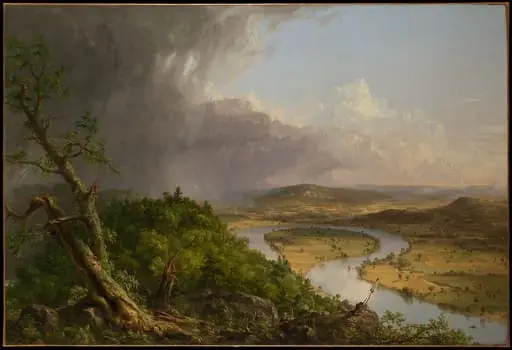 View from Mount Holyoke, Northampton, Massachusetts, after a Thunderstorm—The Oxbow
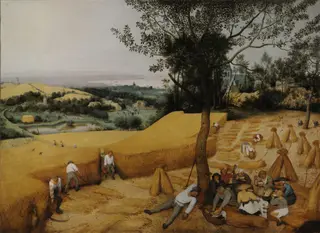 The Harvesters
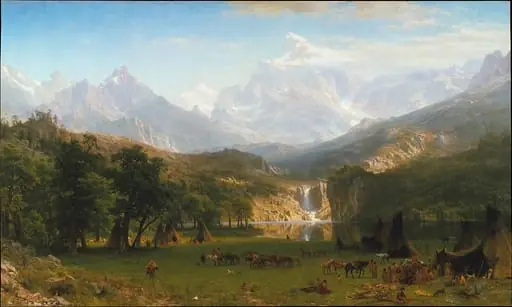 The Rocky Mountains, Lander's Peak
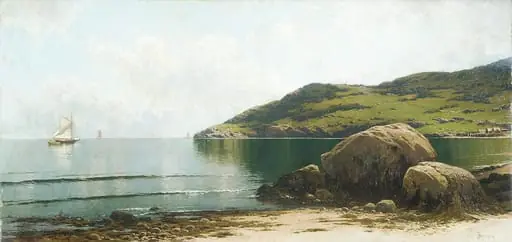 Marine Landscape
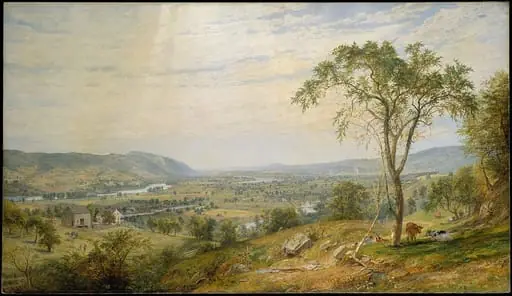 The Valley of Wyoming
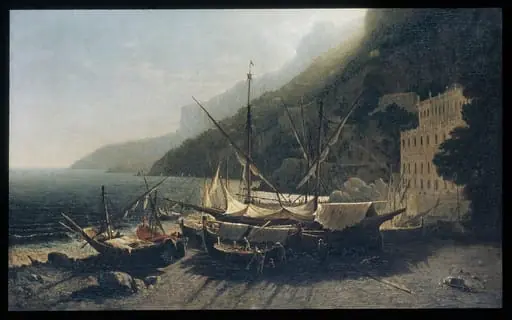 View at Amalfi, Bay of Salerno
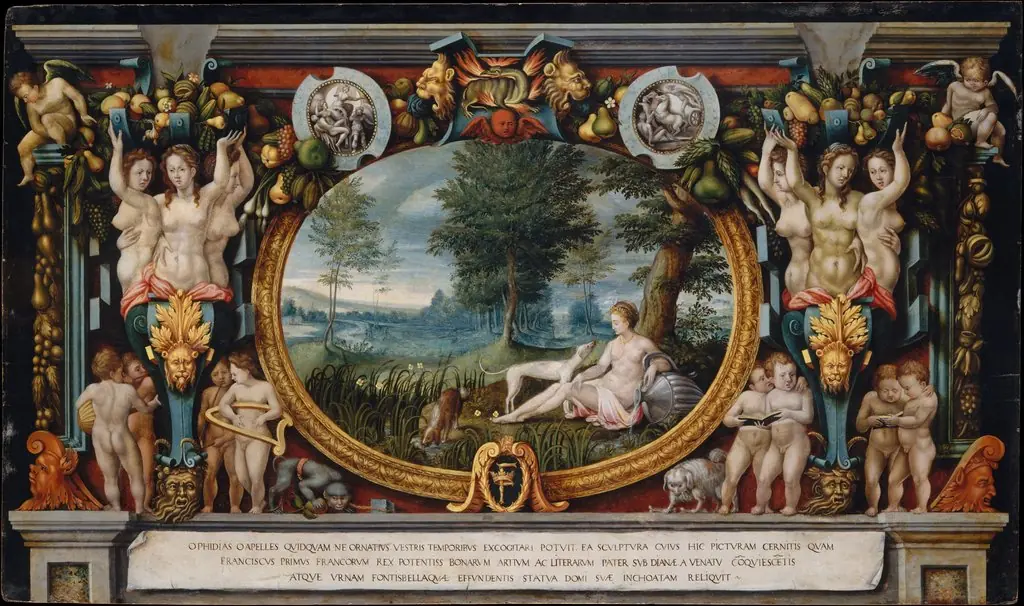 The Nymph of Fontainebleau
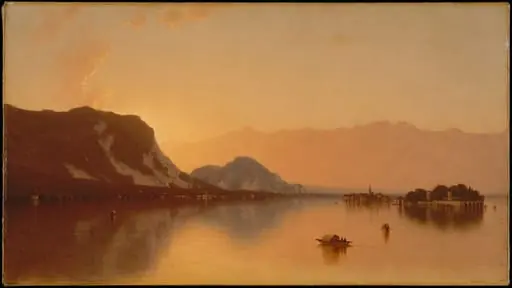 Isola Bella in Lago Maggiore
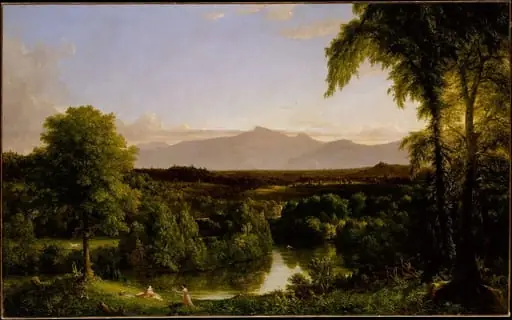 View on the Catskill—Early Autumn
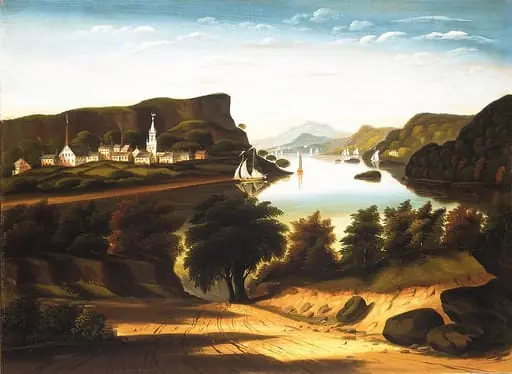 Lake George and the Village of Caldwell
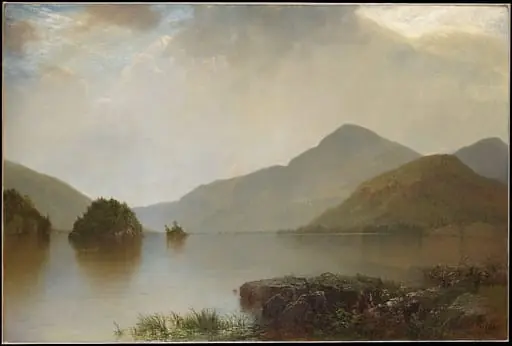 Lake George
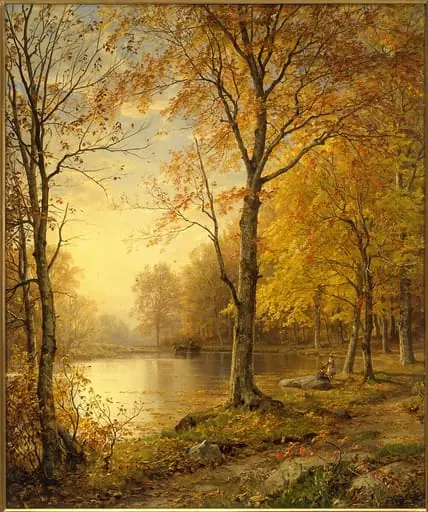 Indian Summer
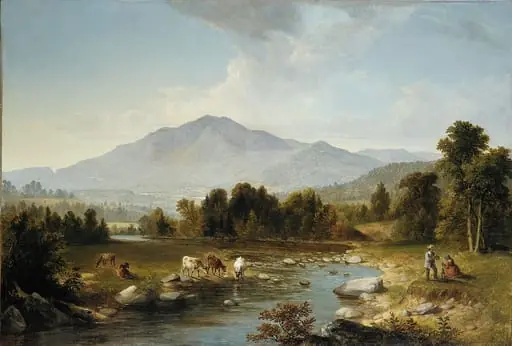 High Point: Shandaken Mountains
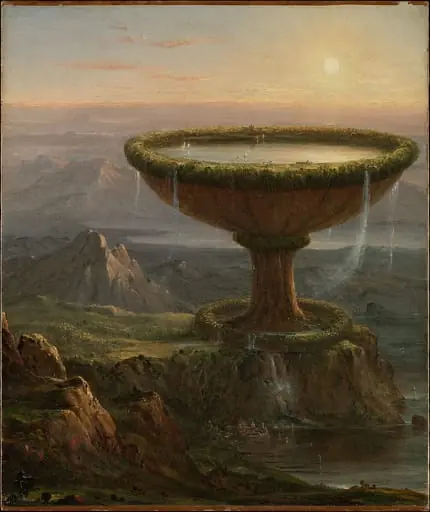 The Titan's Goblet
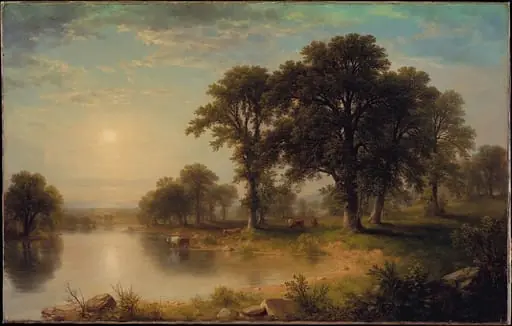 Summer Afternoon
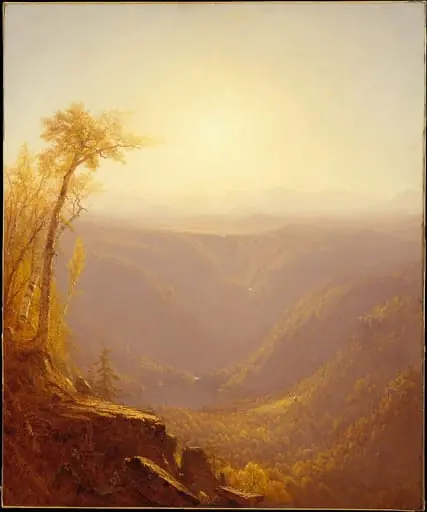 A Gorge in the Mountains (Kauterskill Clove)
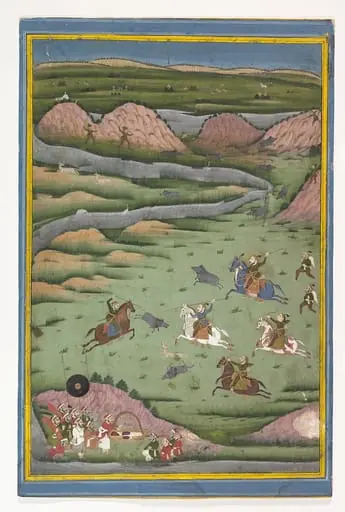 Untitled
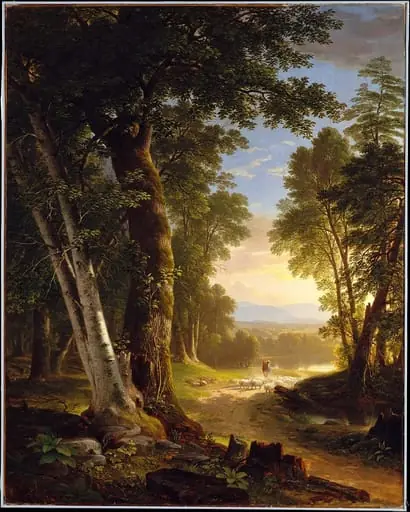 The Beeches
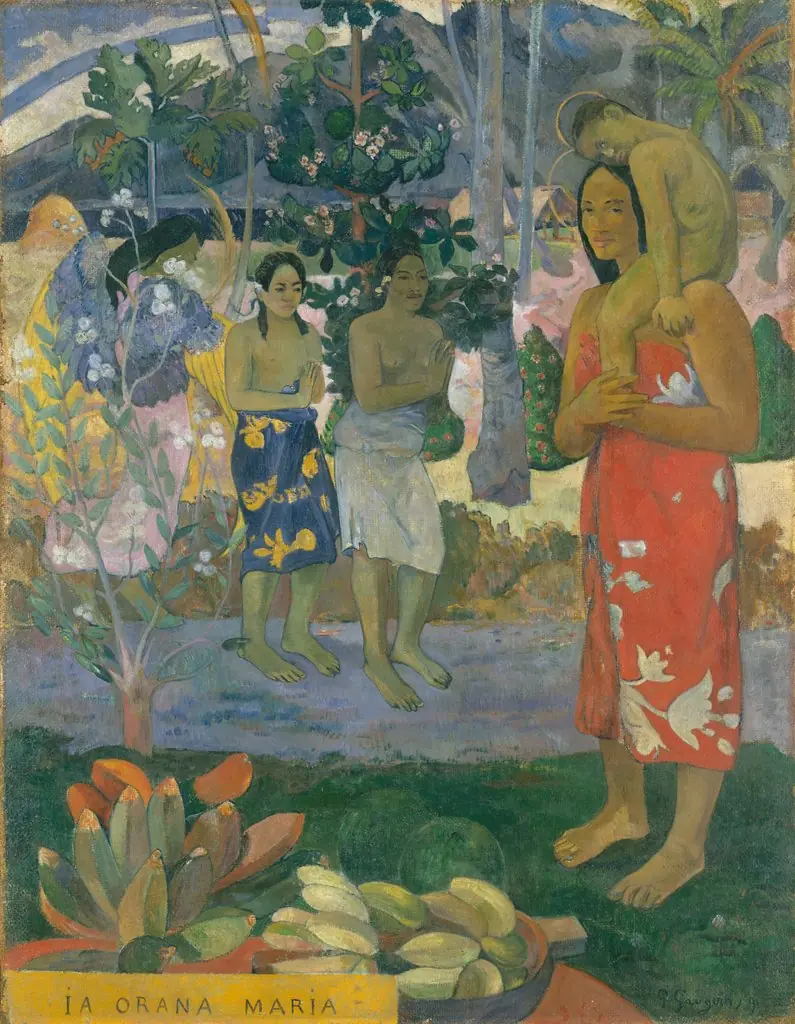 Ia Orana Maria
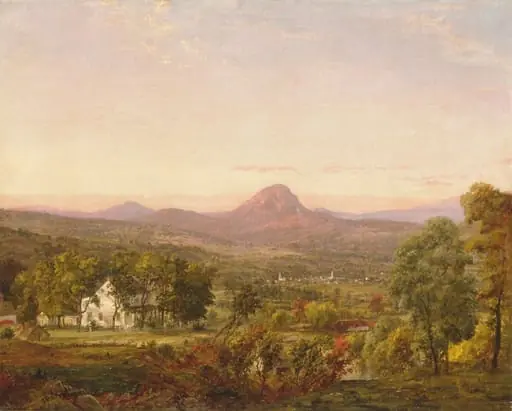 Autumn Landscape, Sugar Loaf Mountain, Orange County, New York
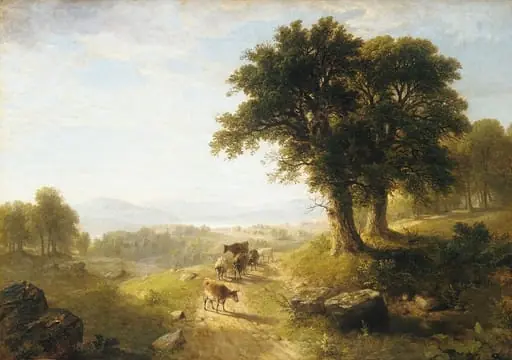 River Scene
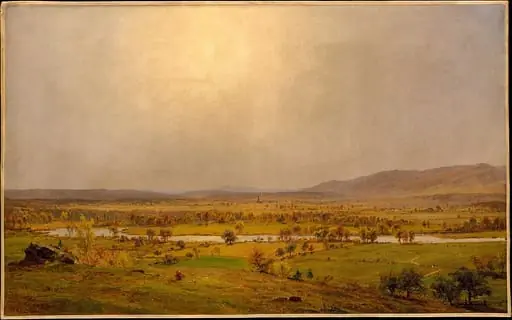 Pompton Plains, New Jersey
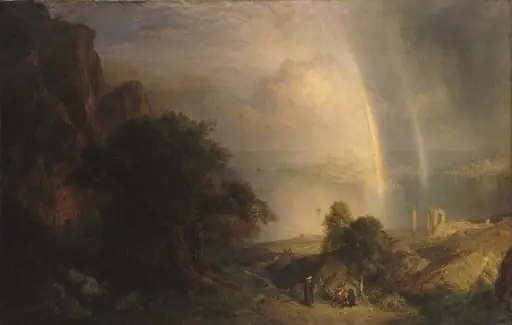 The Aegean Sea
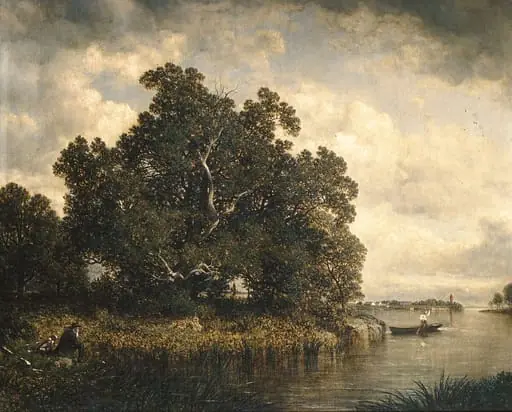 Bayside, New Rochelle, New York
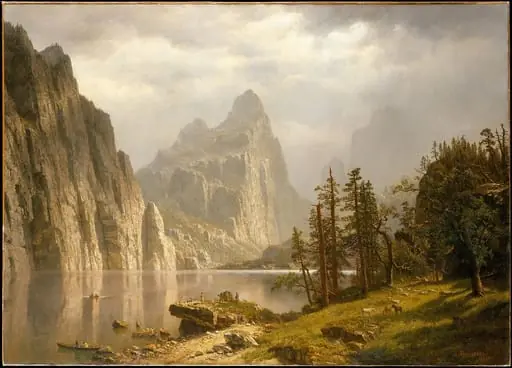 Merced River, Yosemite Valley
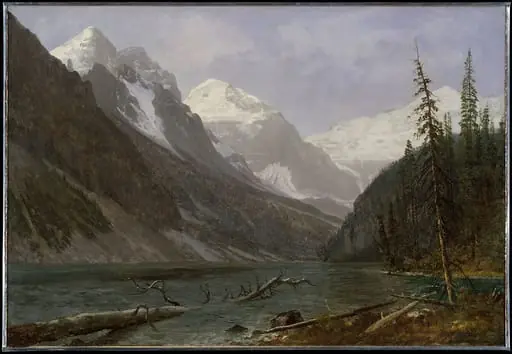 Canadian Rockies (Lake Louise)
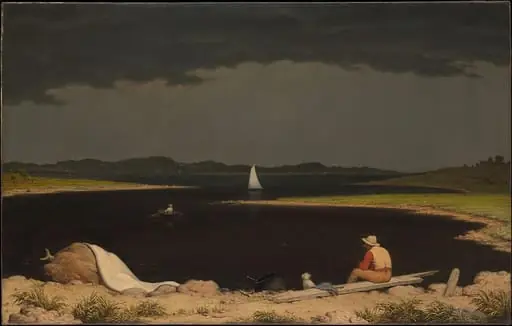 Approaching Thunder Storm
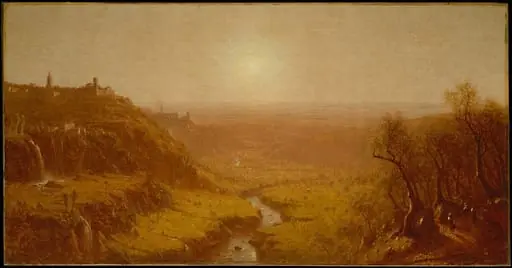 Tivoli
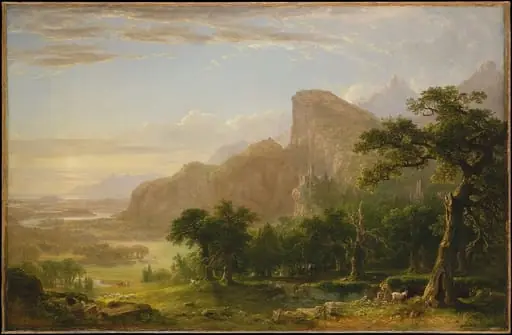 Landscape—Scene from "Thanatopsis"
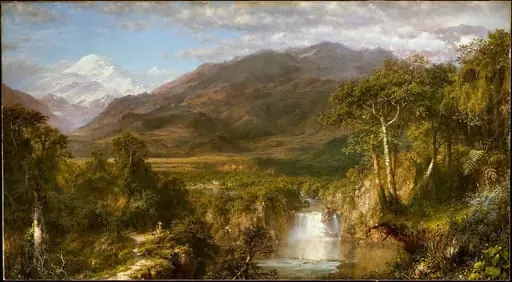 Heart of the Andes
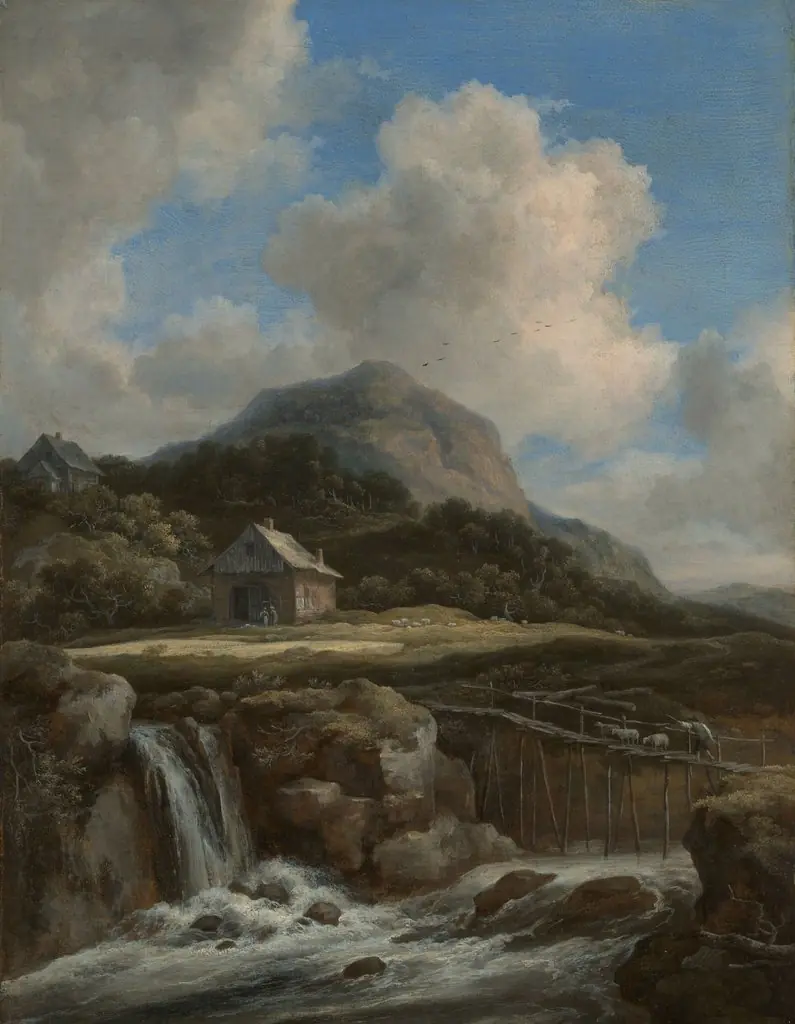 Mountain Torrent
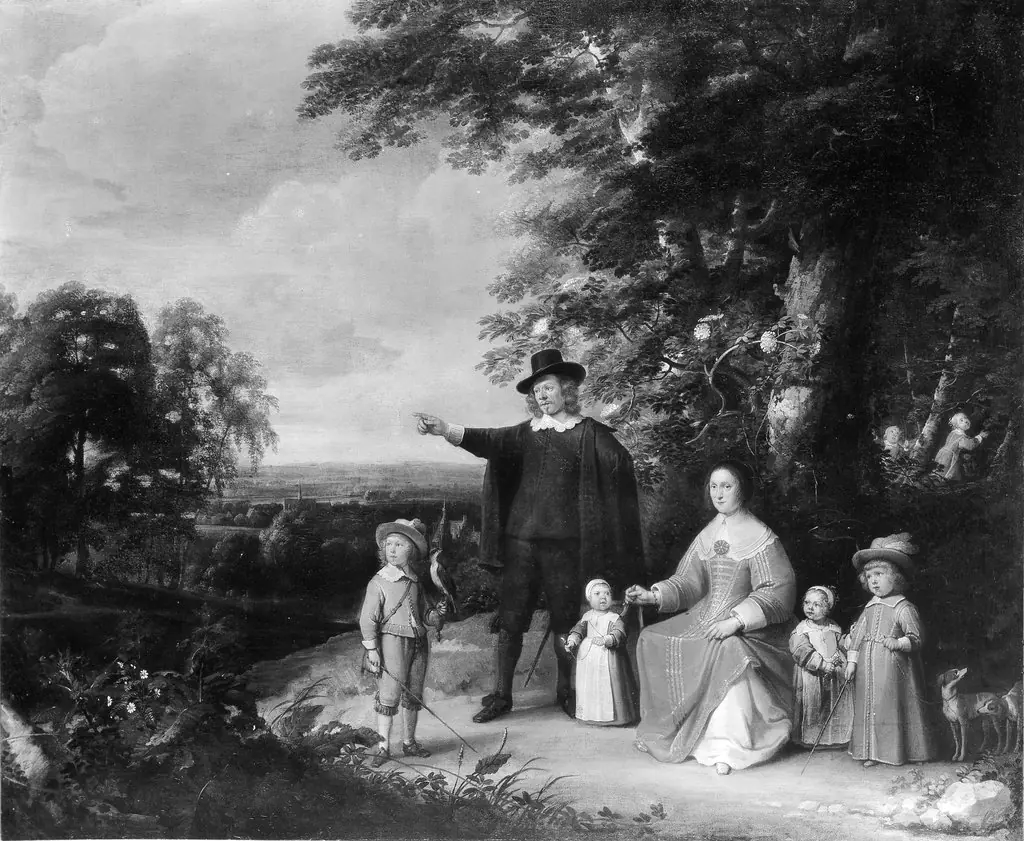 Family Group in a Landscape
 From Shifting Shade
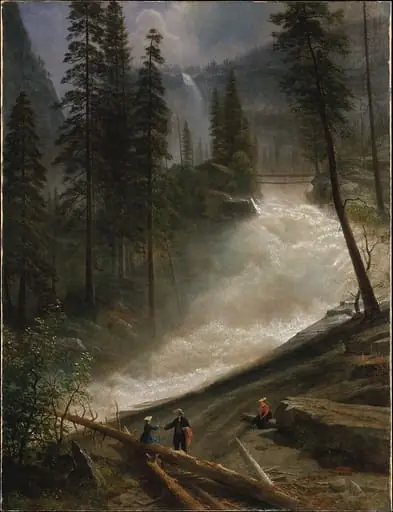 Nevada Falls, Yosemite
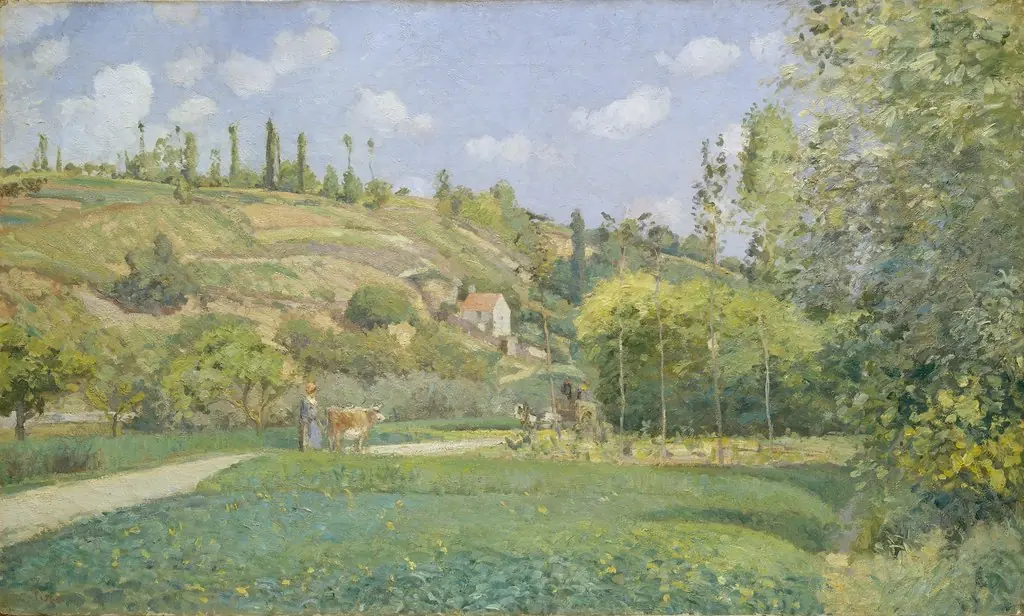 A Cowherd at Valhermeil, Auvers-sur-Oise
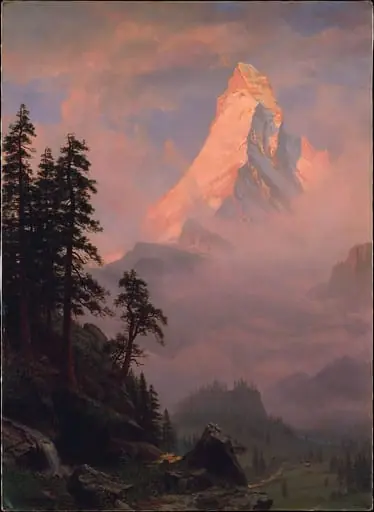 Sunrise on the Matterhorn
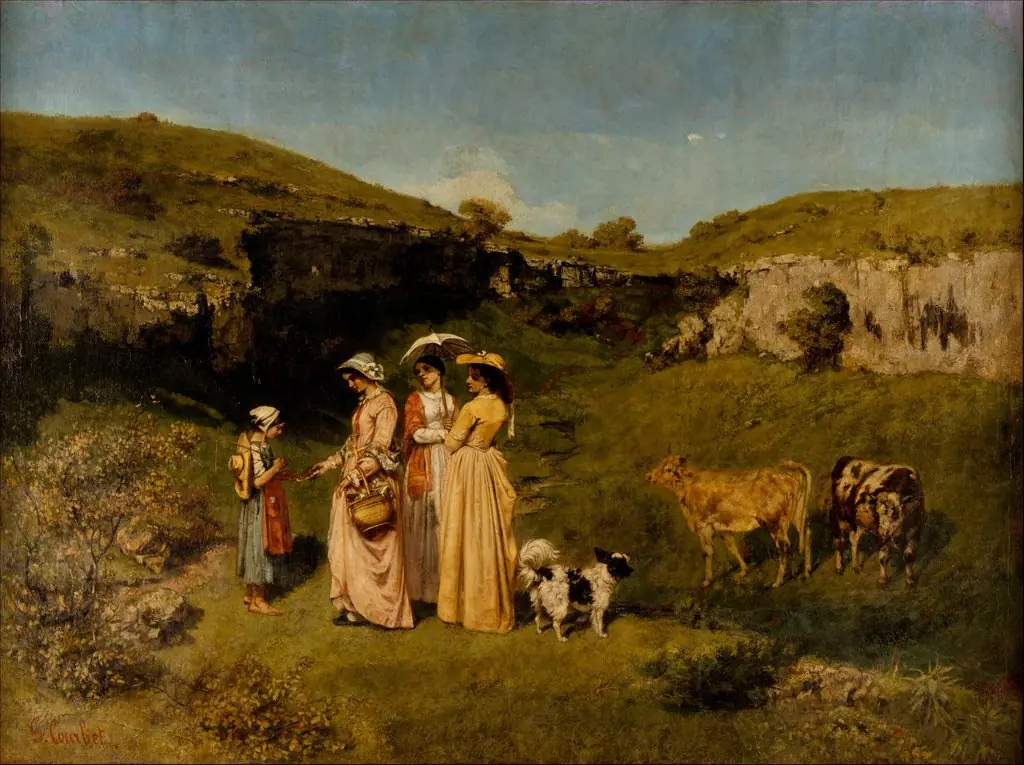 Young Ladies of the Village
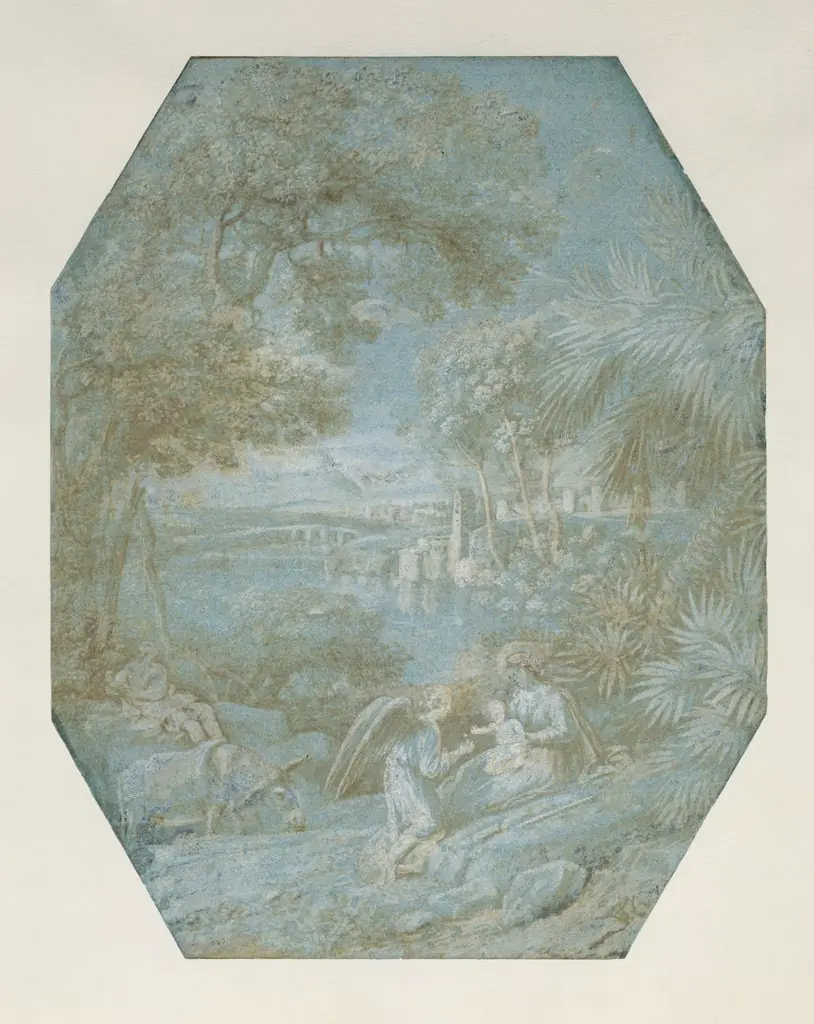 Landscape with the Rest on the Flight into Egypt
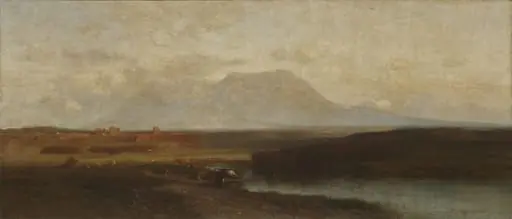 Spanish Peaks, Southern Colorado, Late Afternoon
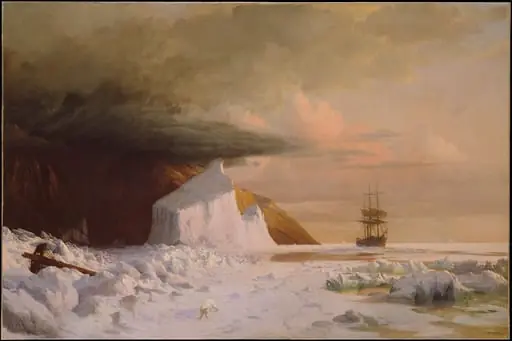 An Arctic Summer: Boring Through the Pack in Melville Bay
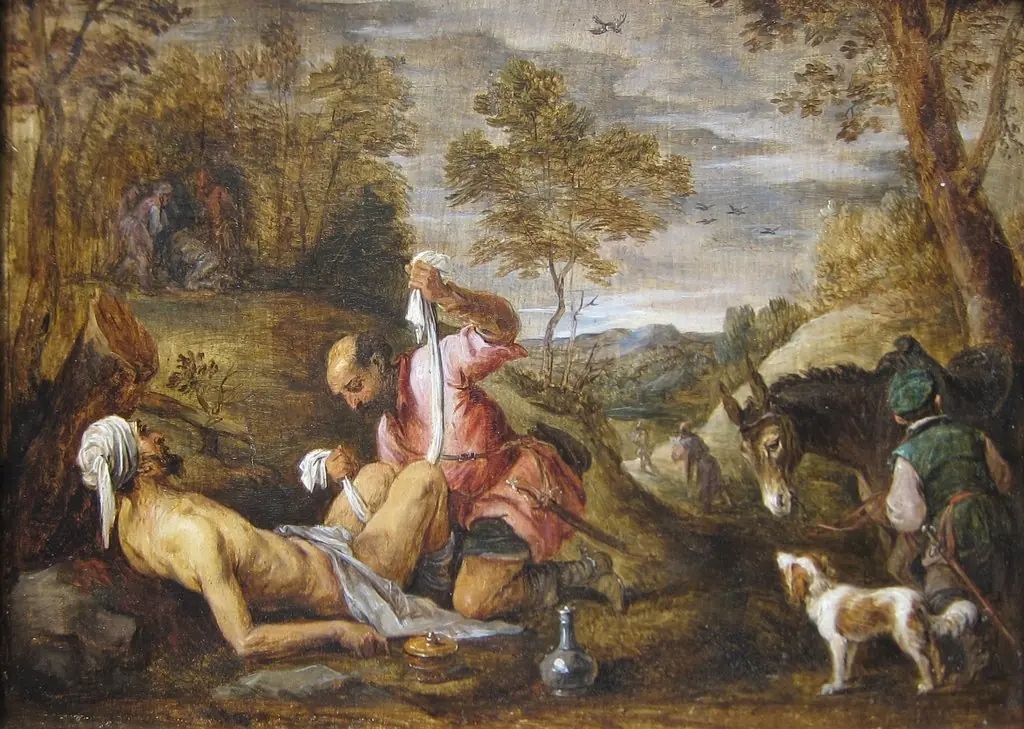 The Good Samaritan
 Summer Flowers
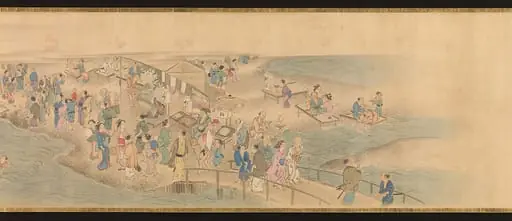 源琦筆 華洛四季遊楽図巻|Scenes of the Four Seasons in Kyoto
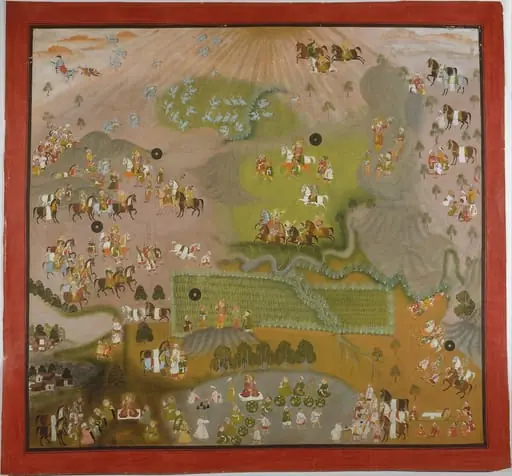 Untitled
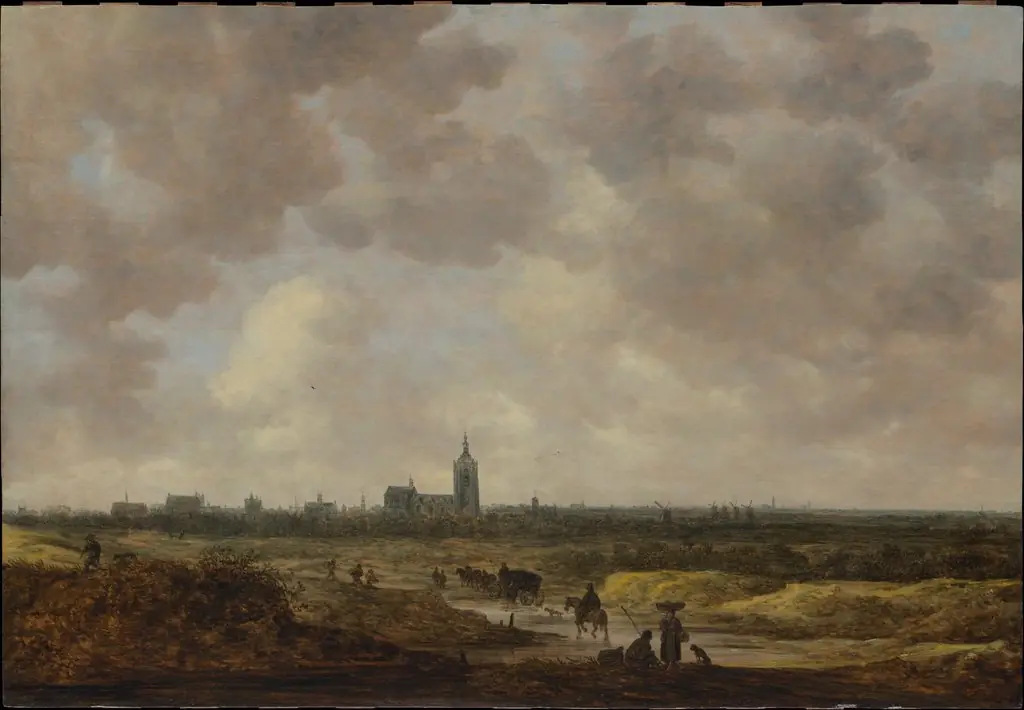 A View of The Hague from the Northwest
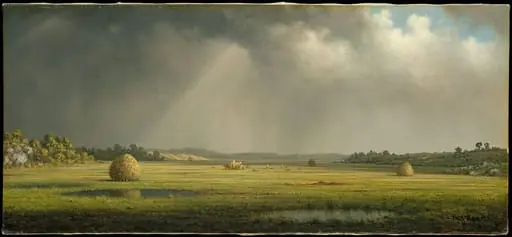 Newburyport Meadows
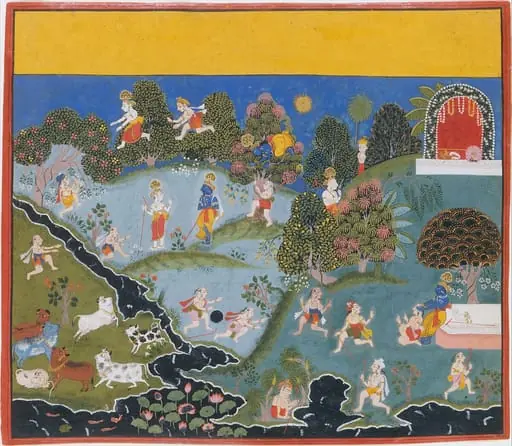 Untitled
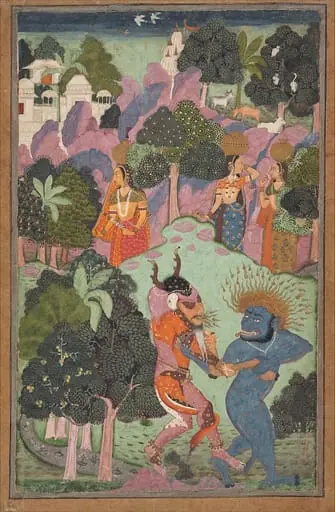 Untitled
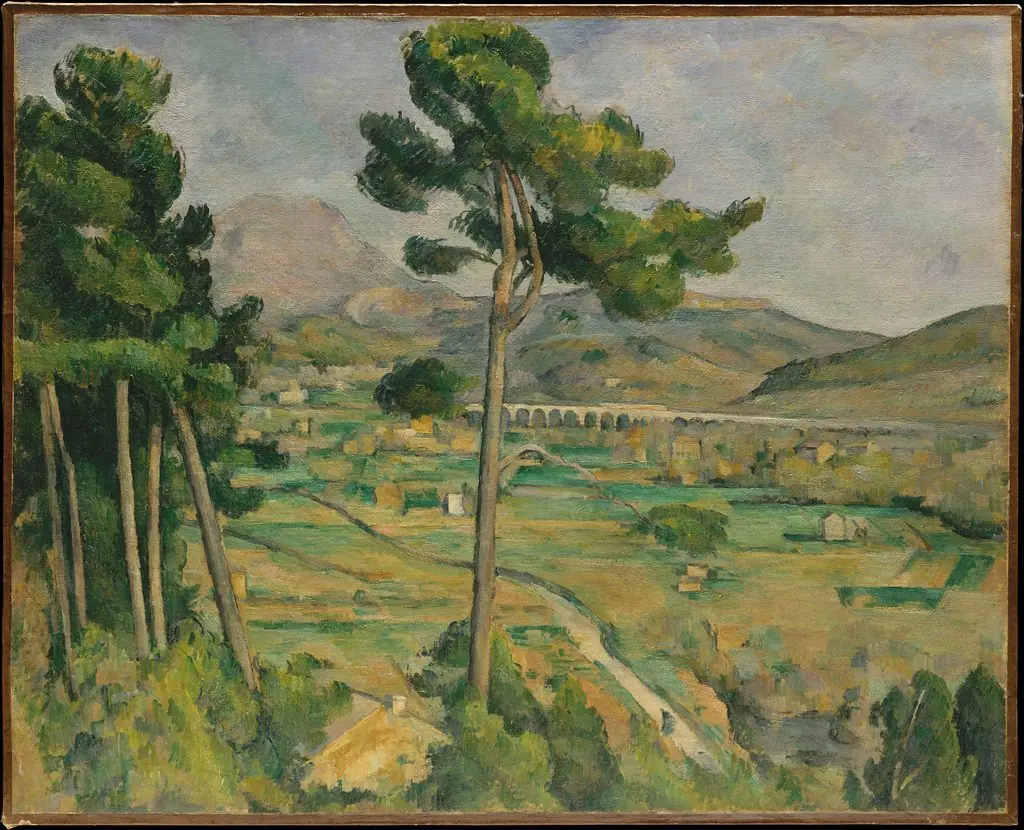 Mont Sainte-Victoire and the Viaduct of the Arc River Valley
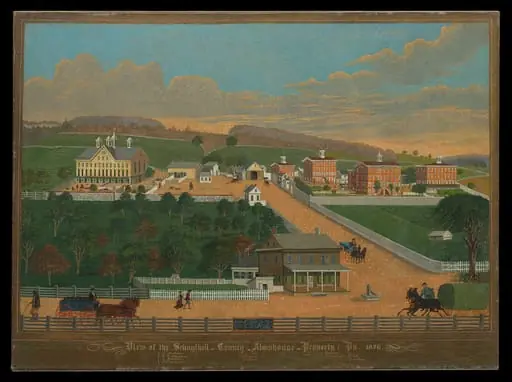 View of the Schuylkill County Almshouse Property
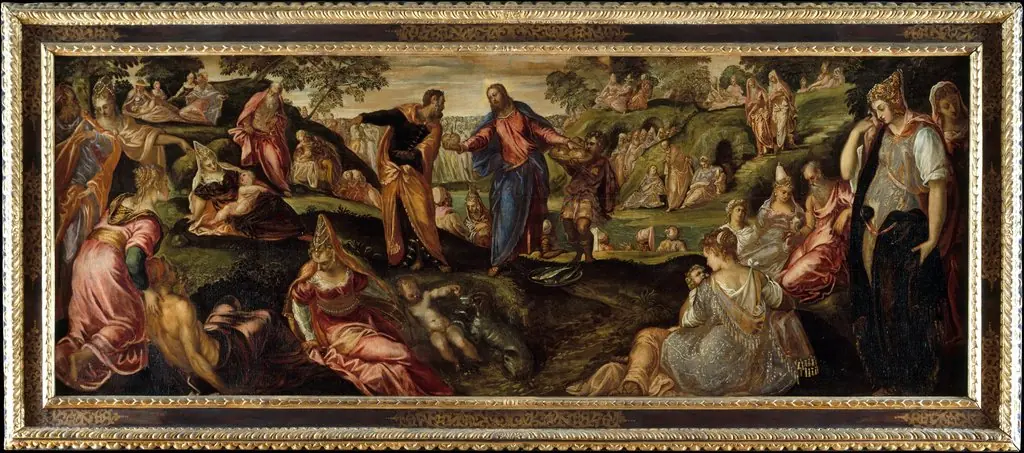 The Miracle of the Loaves and Fishes
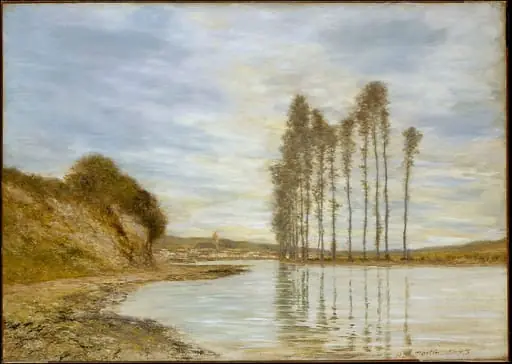 View on the Seine: Harp of the Winds
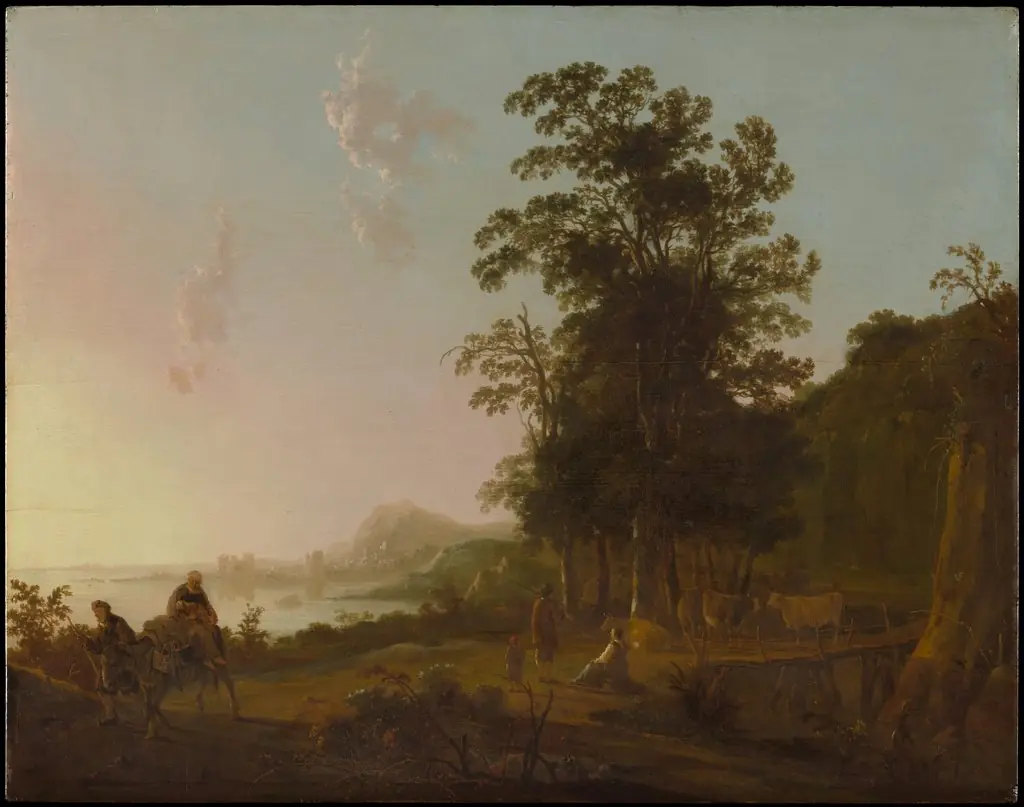 Landscape with the Flight into Egypt
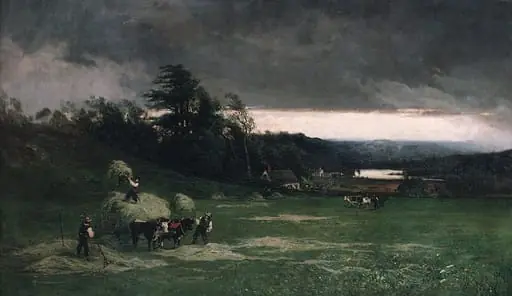 Approaching Storm
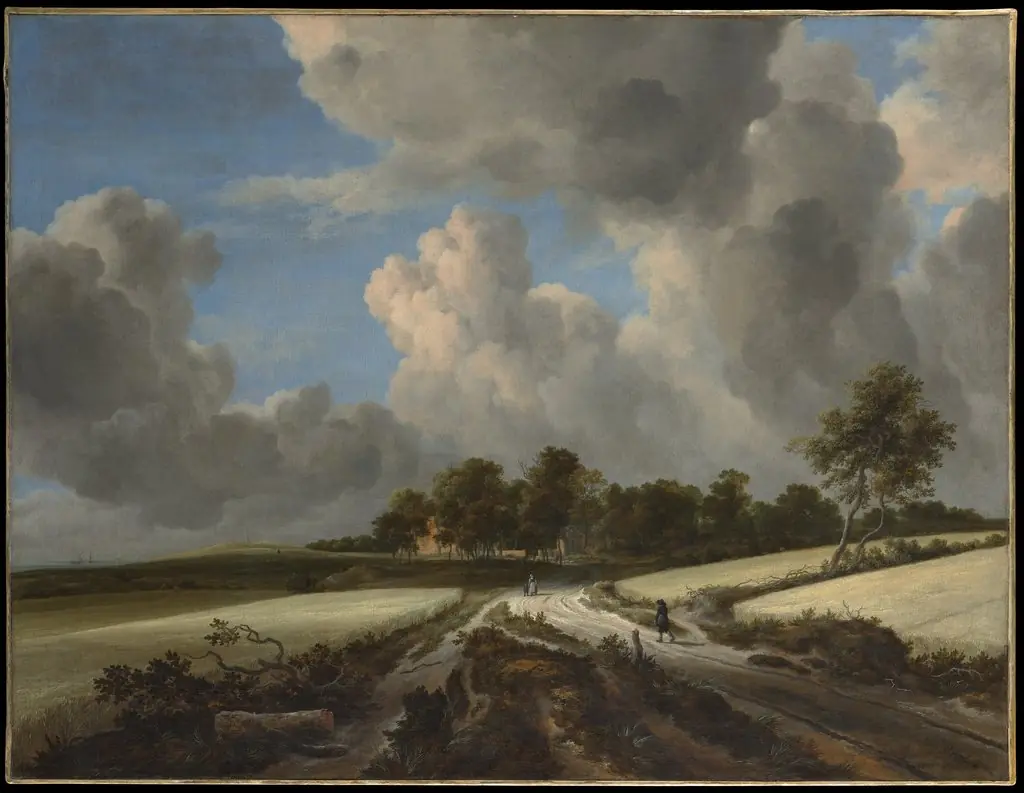 Wheat Fields
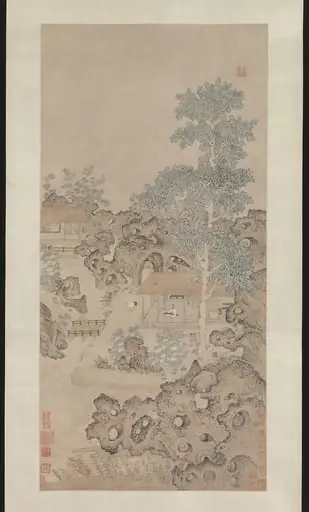 明 佚名 琴鶴圖 軸|Playing the zither for a crane
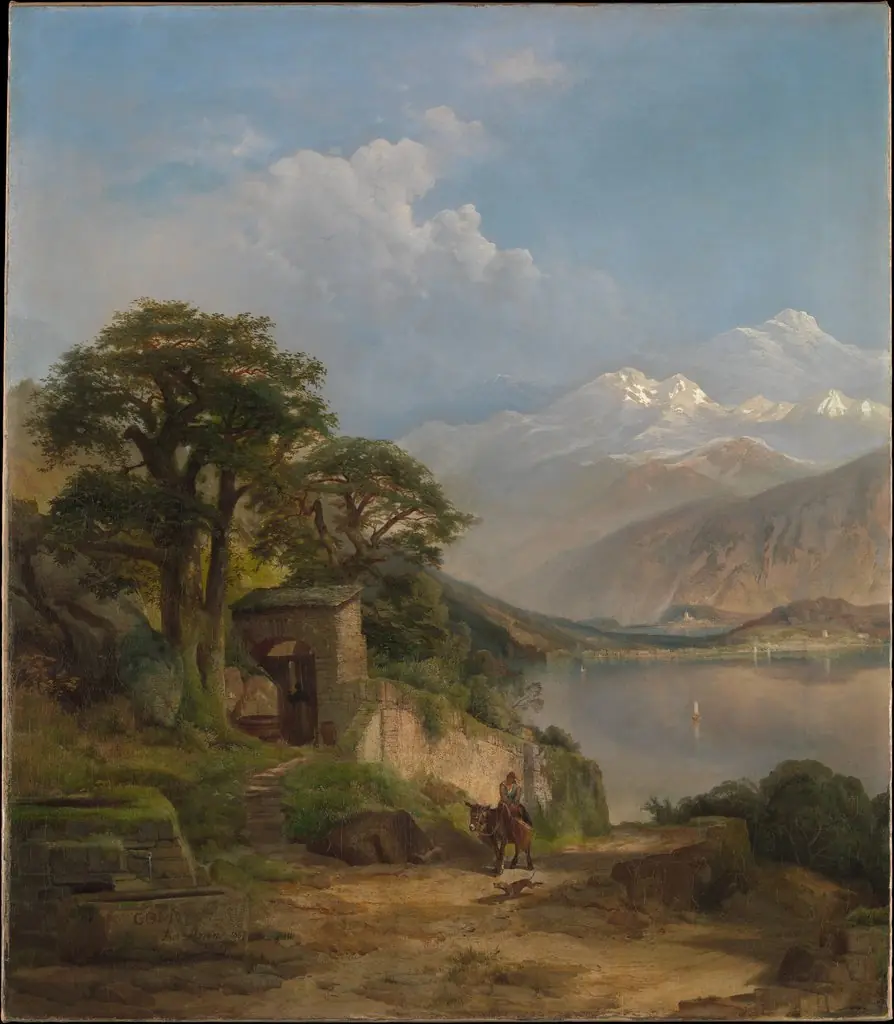 Lierna
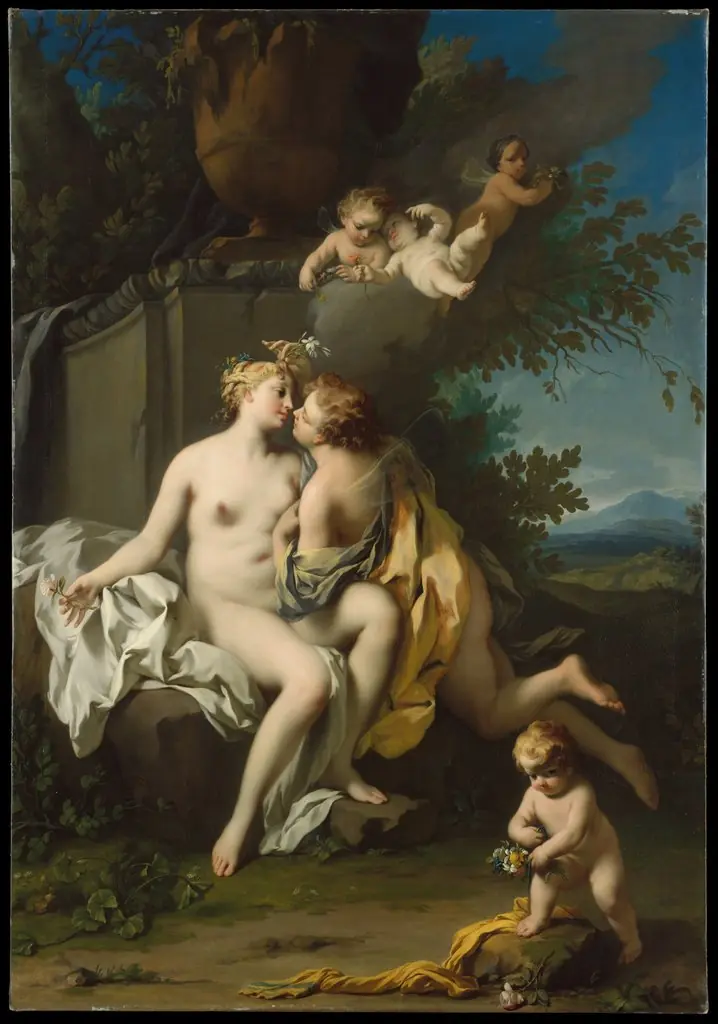 Flora and Zephyr
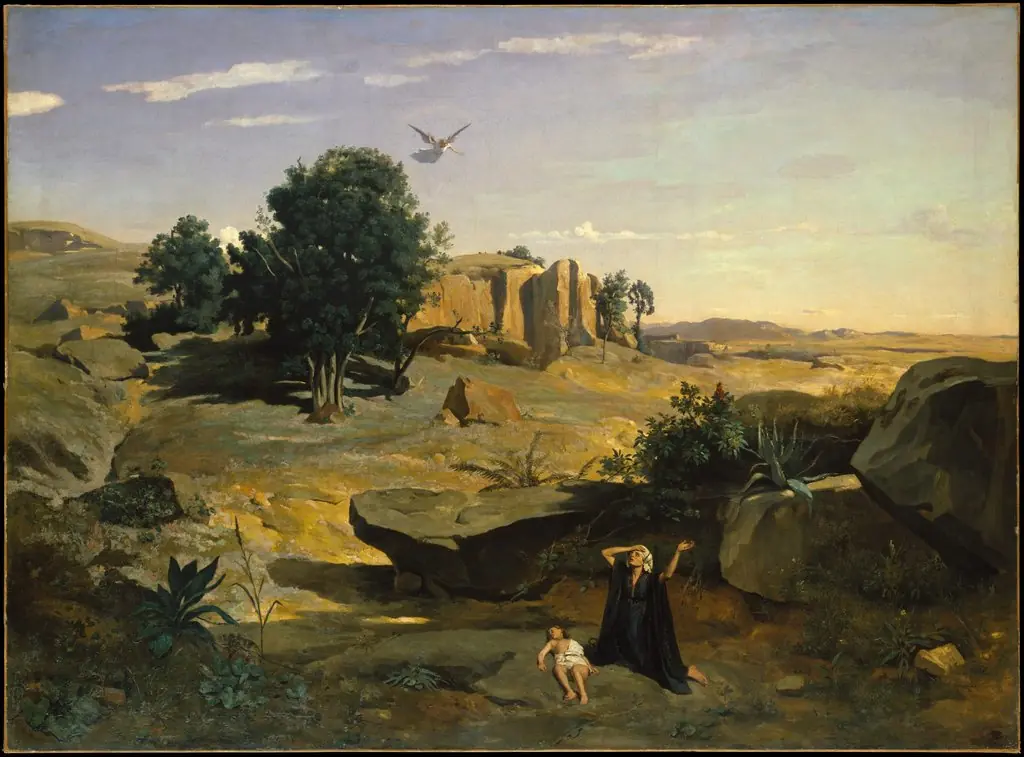 Hagar in the Wilderness
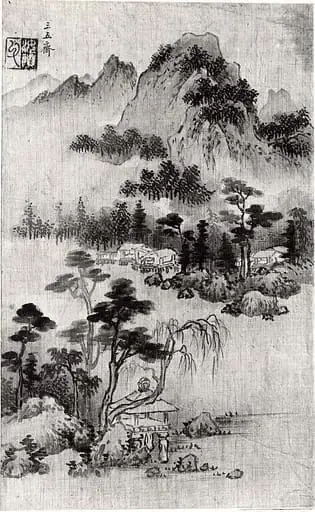 Untitled
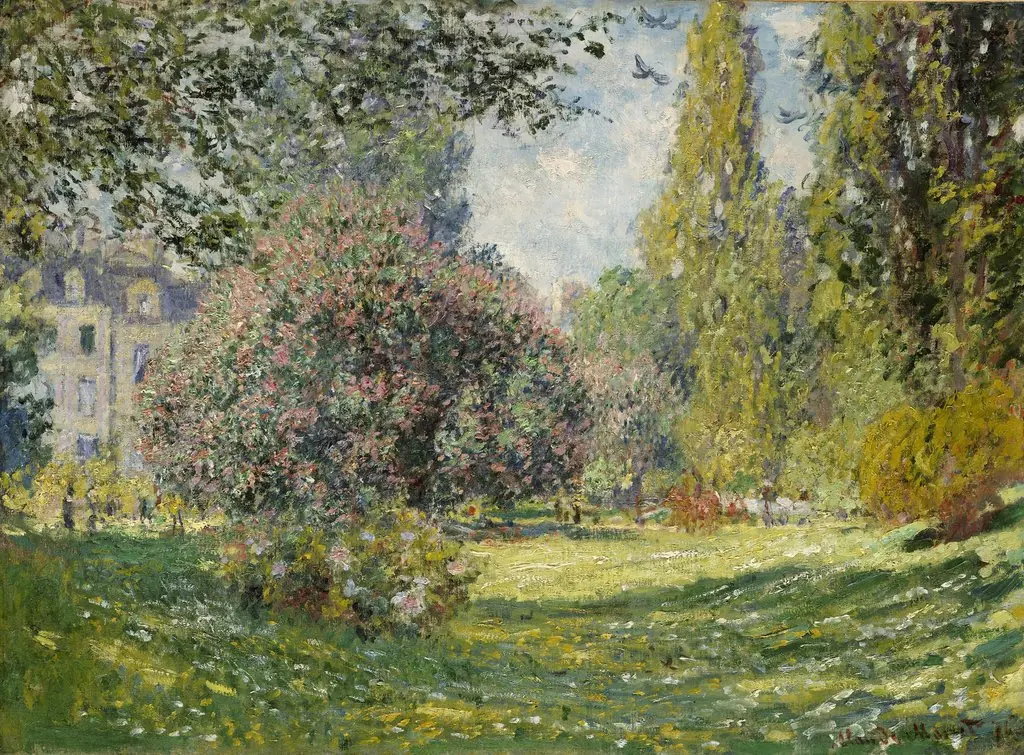 Landscape: The Parc Monceau
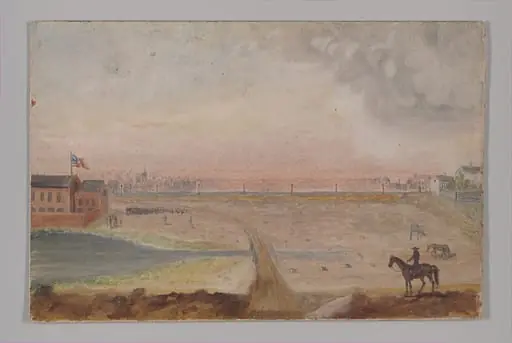 Militia Drilling
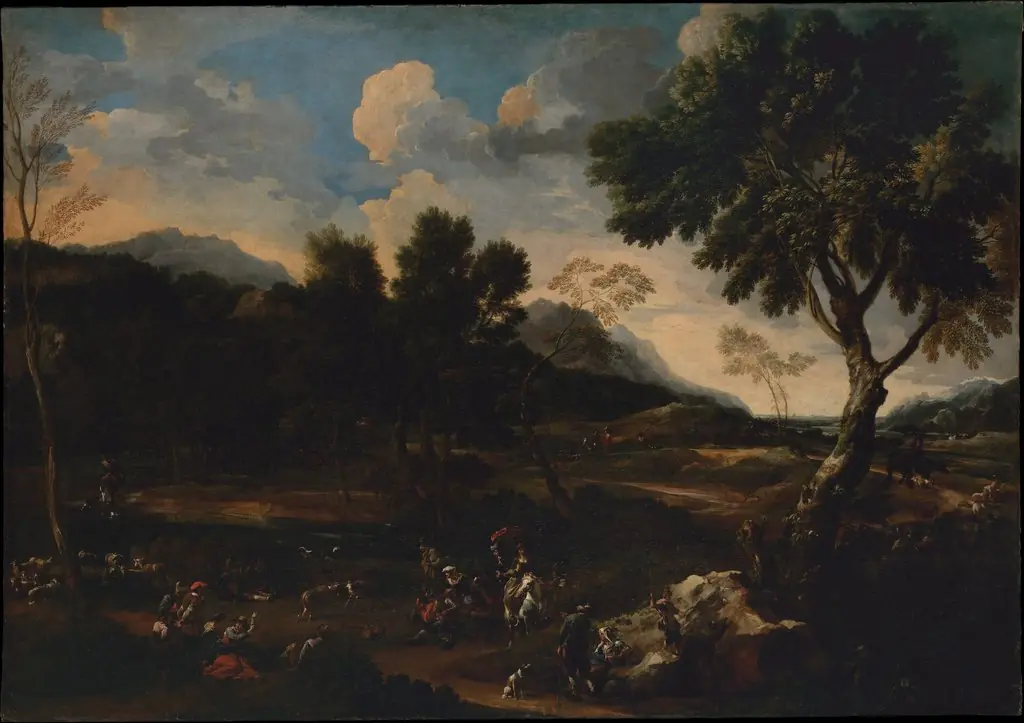 Landscape with a Battle between Two Rams
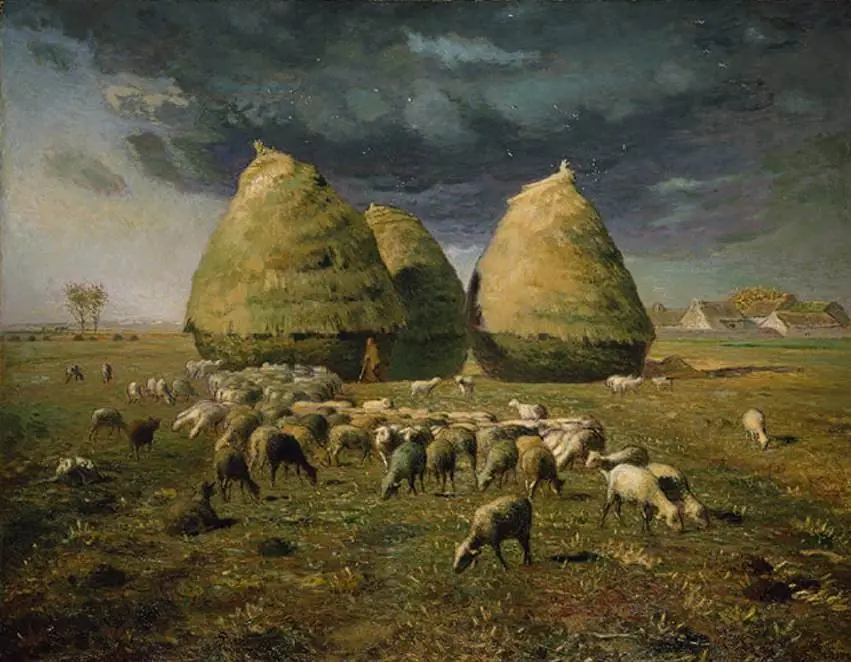 Haystacks: Autumn
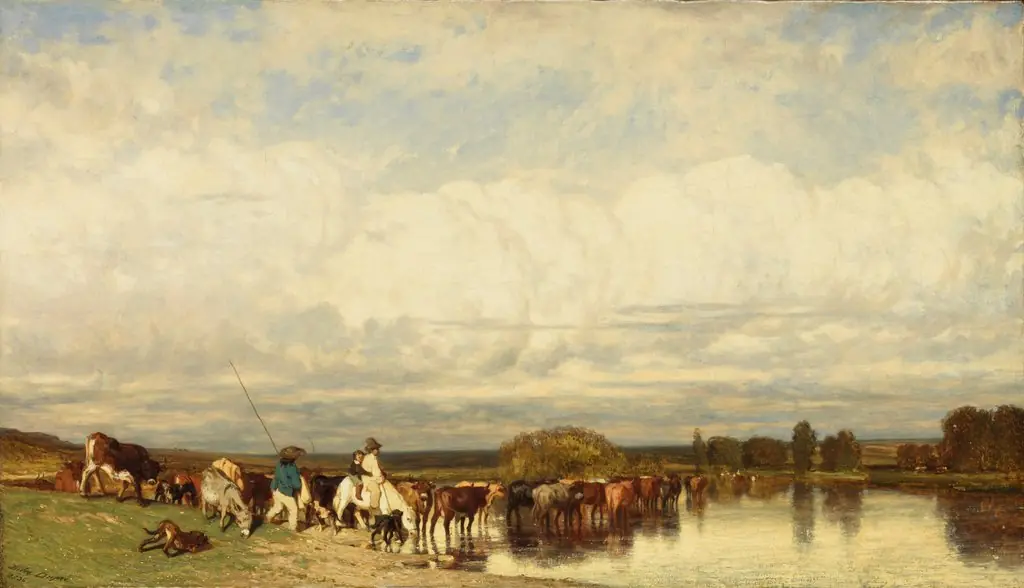 Cows Crossing a Ford
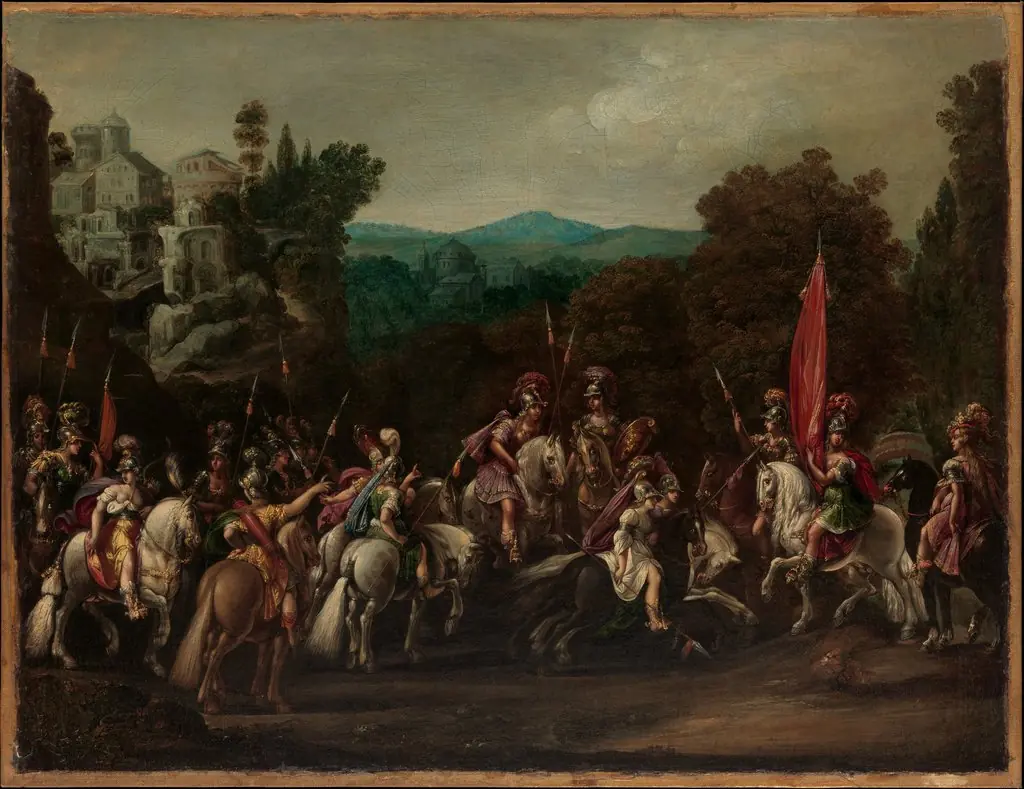 Departure of the Amazons
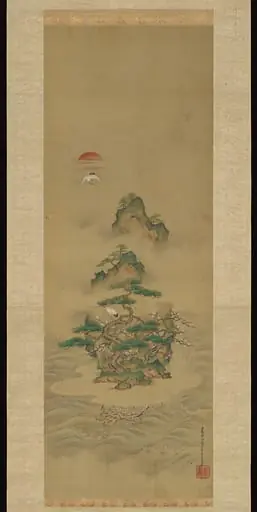 狩野探水守常筆 蓬莱山・瀟湘八景図|Mount Penglai with Eight Views of Xiao and Xiang
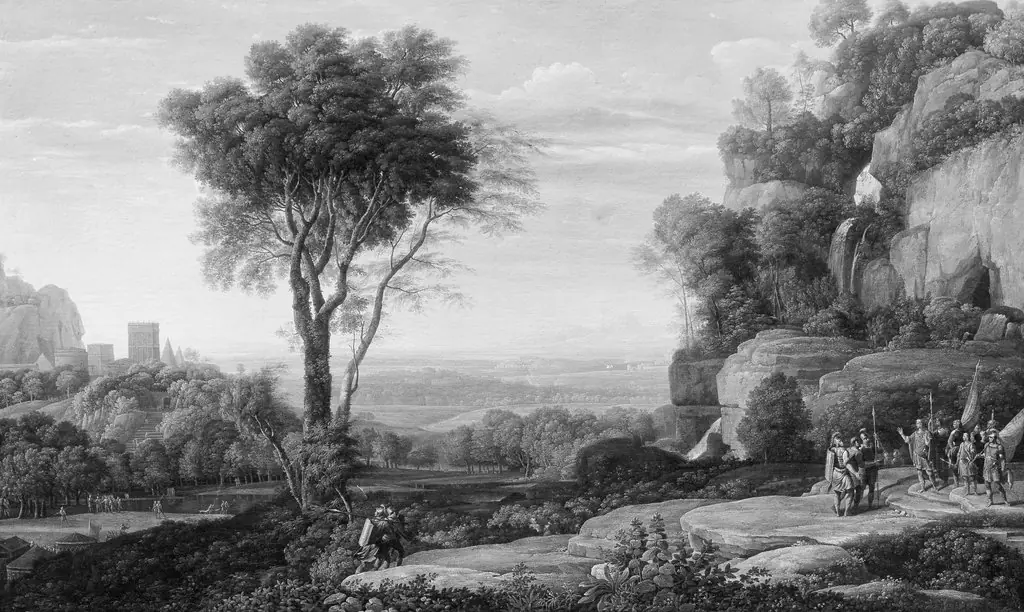 David at the Cave of Adullam
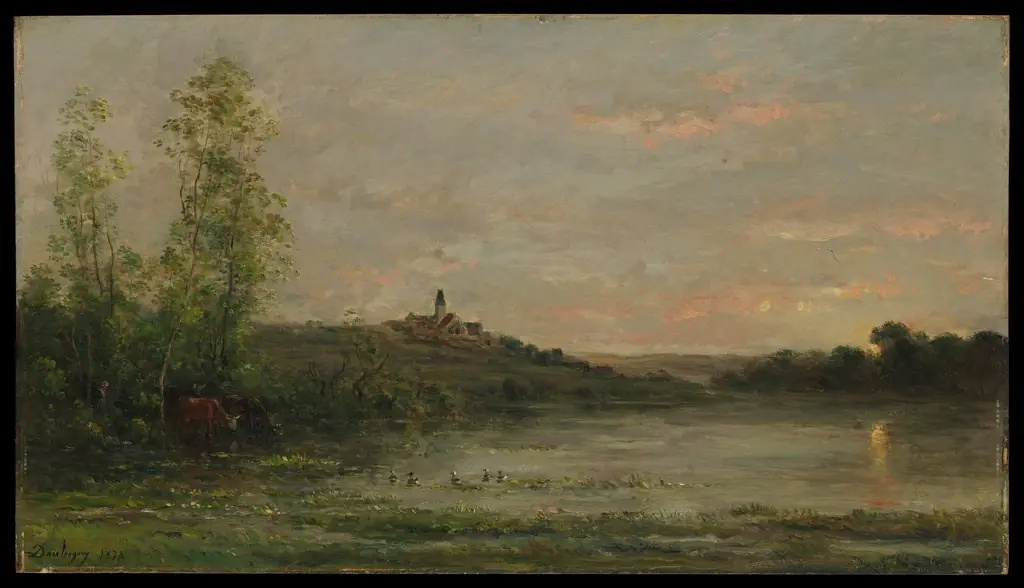 The Seine: Morning
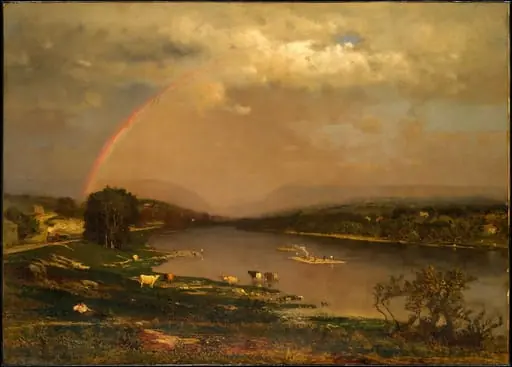 Delaware Water Gap
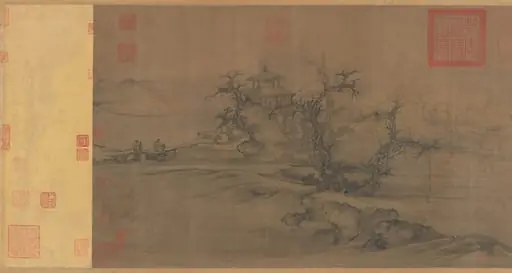 北宋 郭熙 樹色平遠圖 卷 |Old Trees, Level Distance
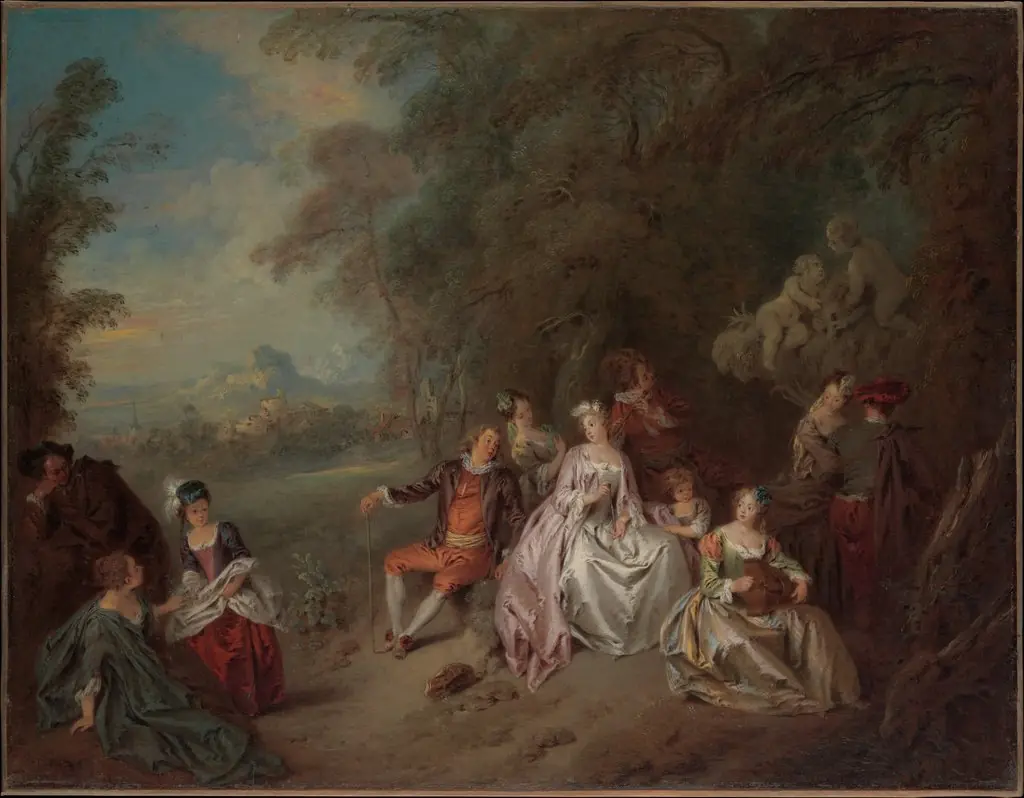 Concert Champêtre
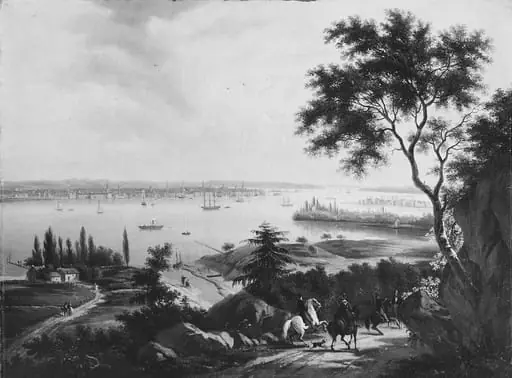 View of New York from New Jersey
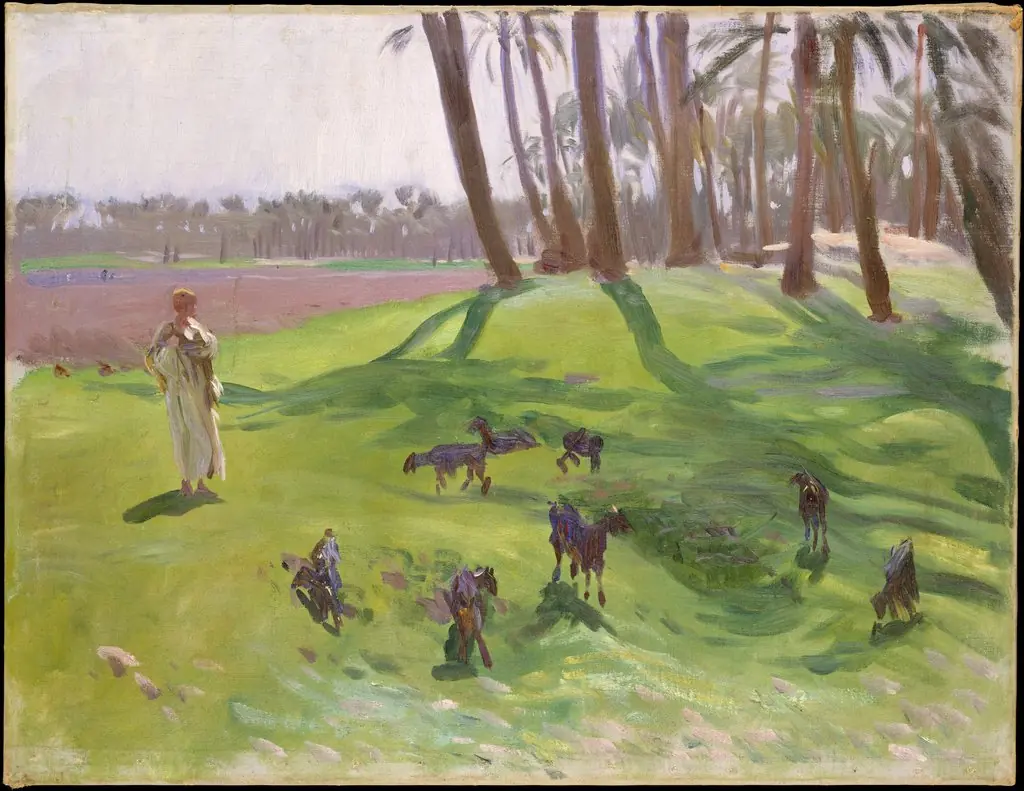 Landscape with Goatherd
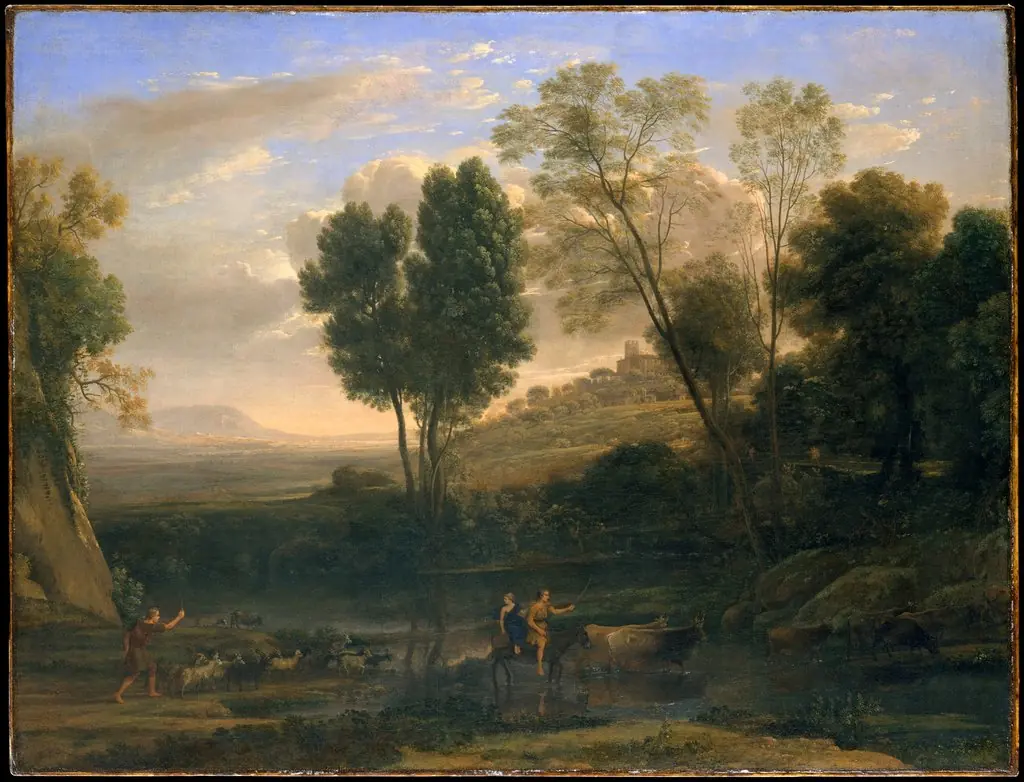 Sunrise
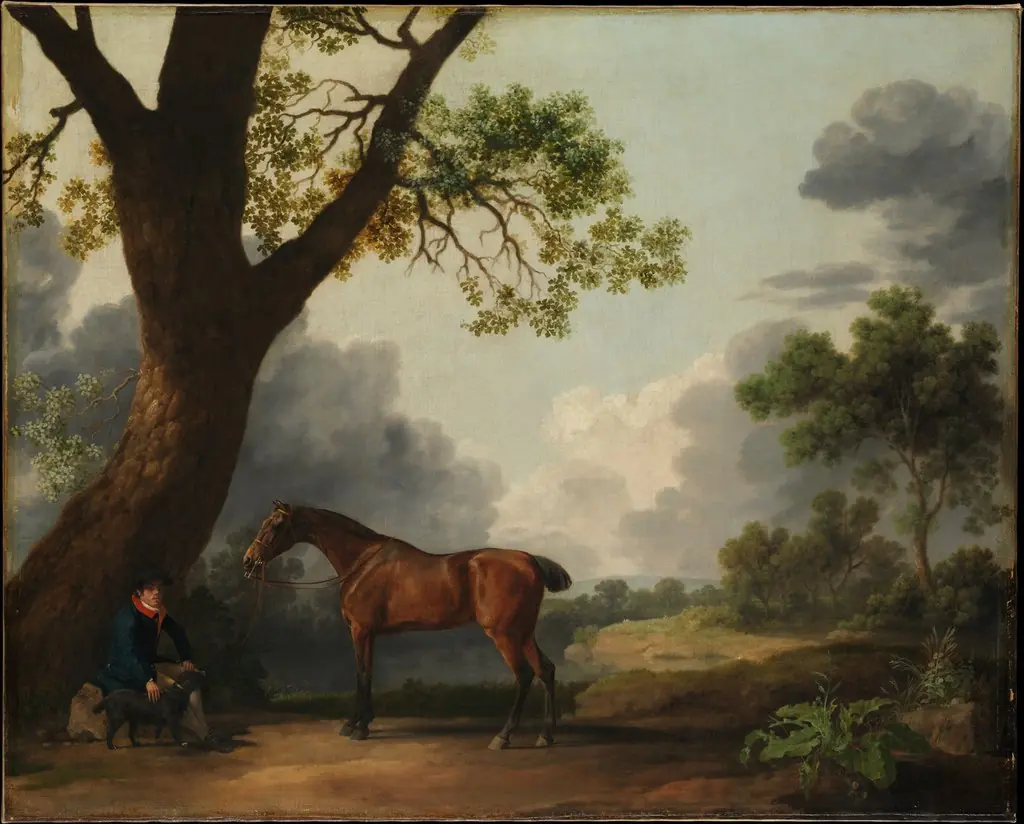 The Third Duke of Dorset's Hunter with a Groom and a Dog
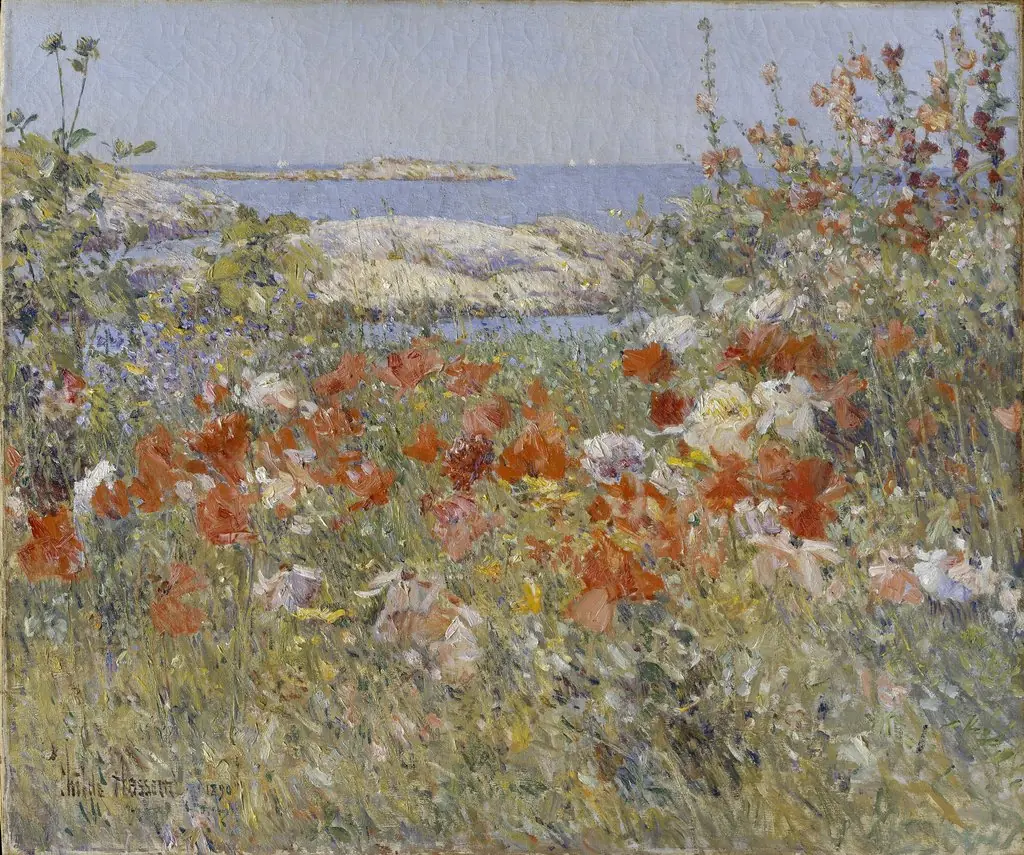 Celia Thaxter's Garden, Isles of Shoals, Maine
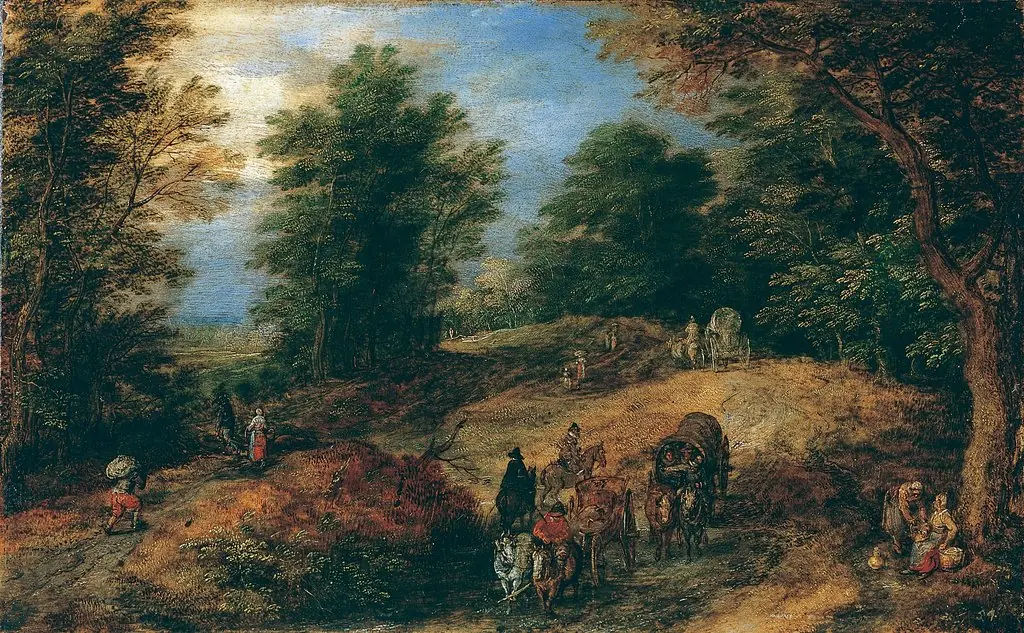 Landscape with Travelers on a Woodland Path
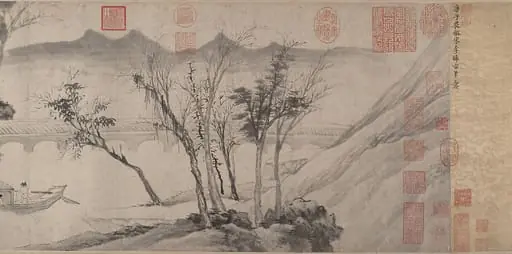 Untitled
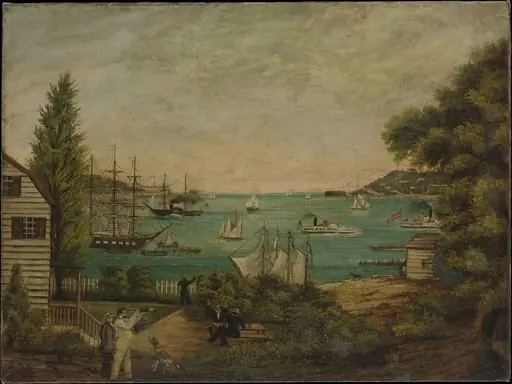 View from Staten Island
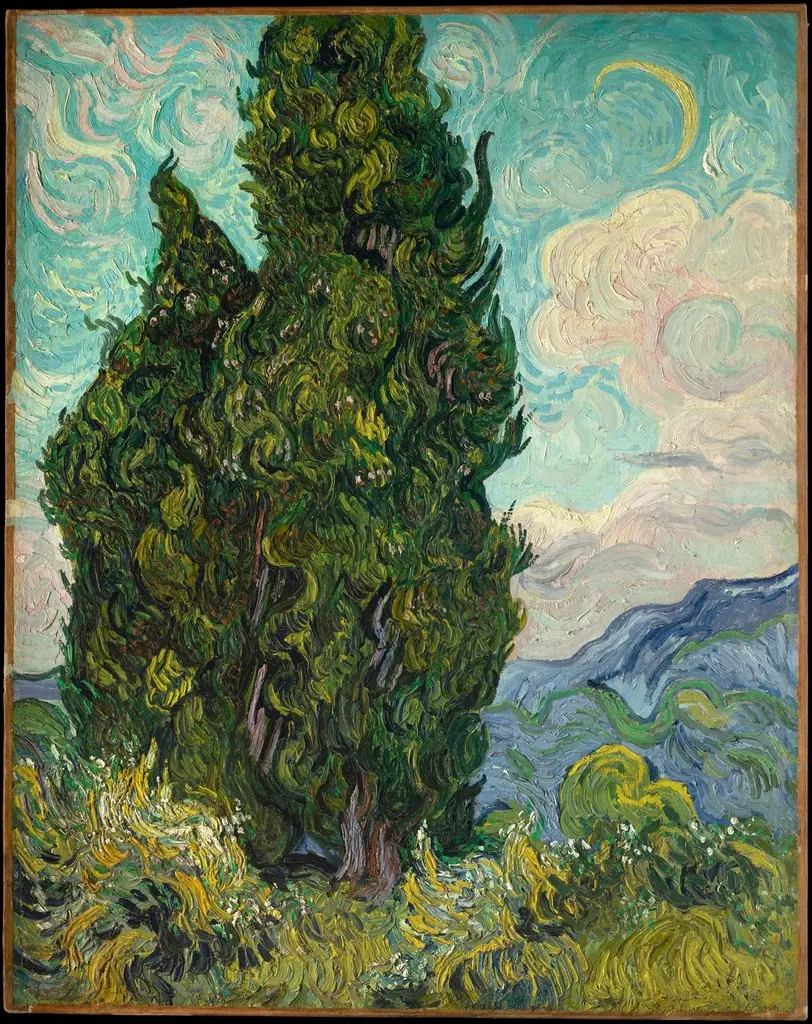 Cypresses
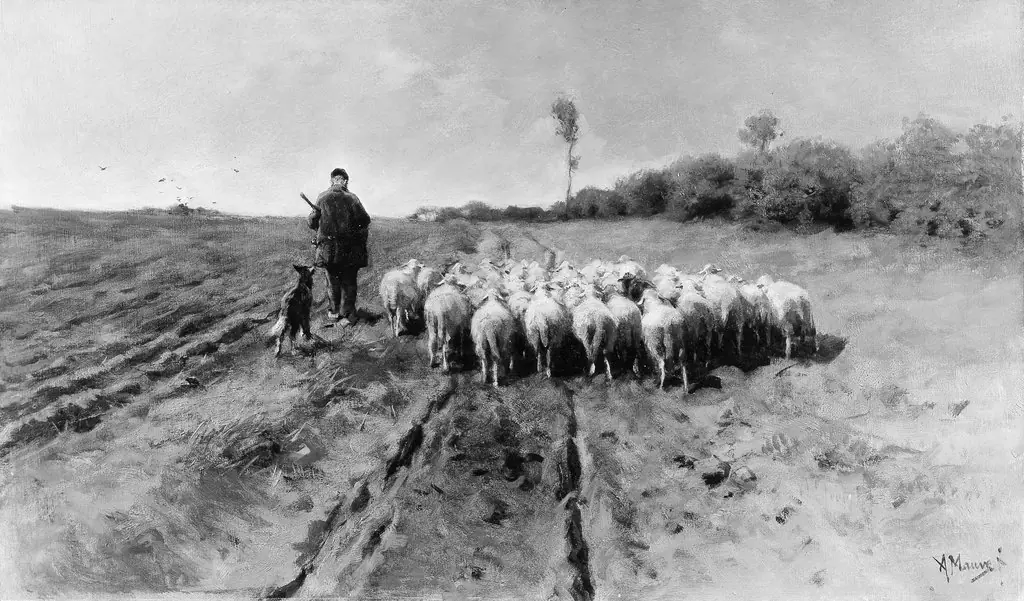 The Return to the Fold
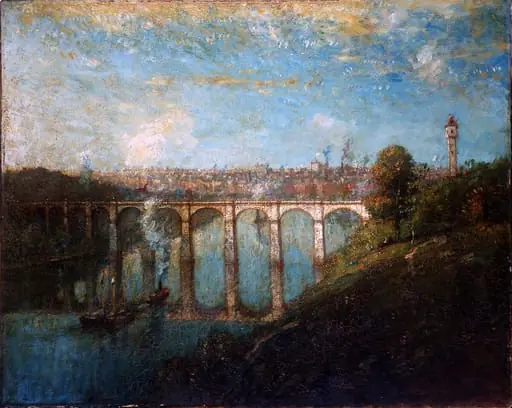 High Bridge, New York
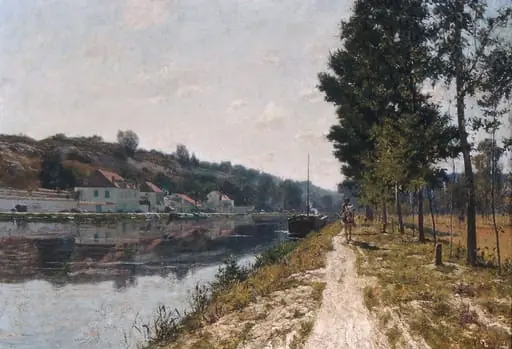 Banks of the Loing
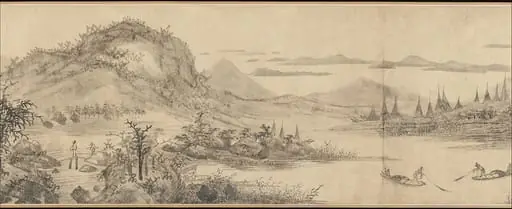 明 王紱 江山漁樂圖 卷|Joys of the Fisherman
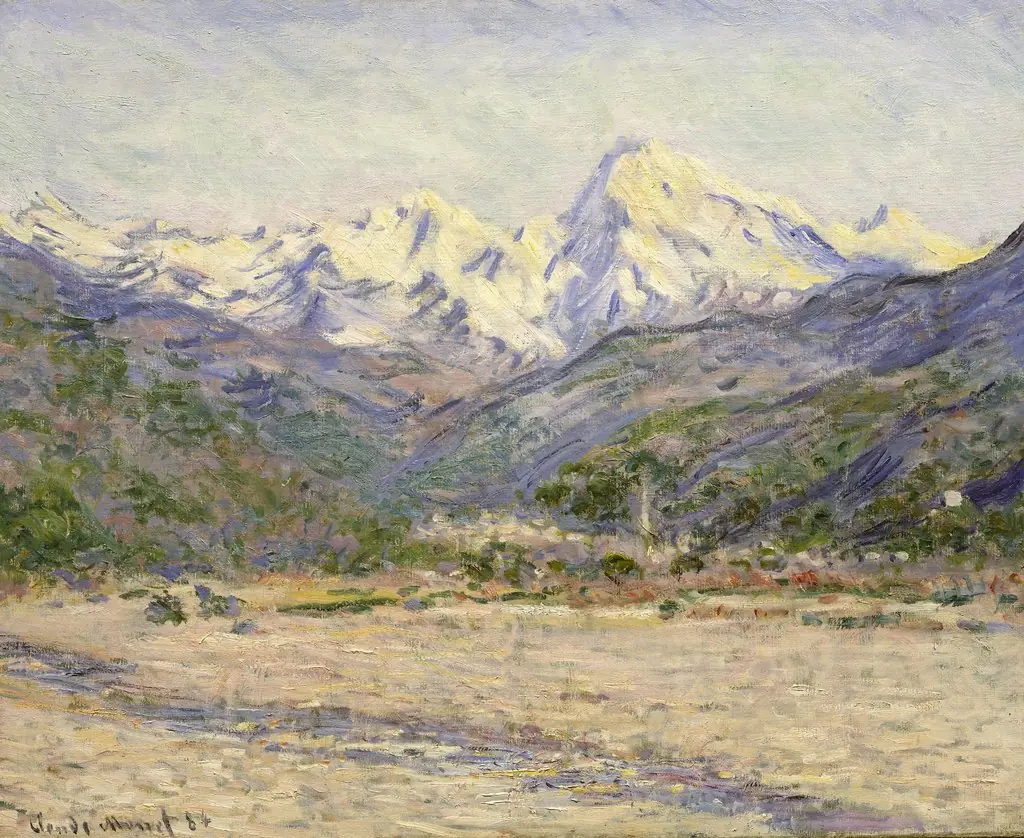 The Valley of the Nervia
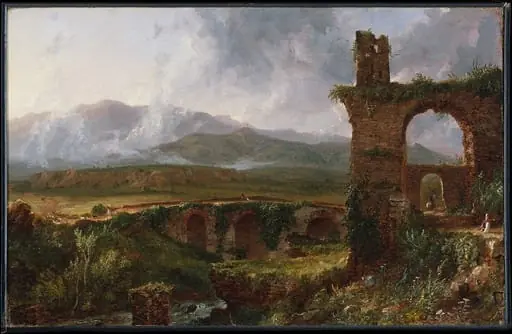 A View near Tivoli (Morning)
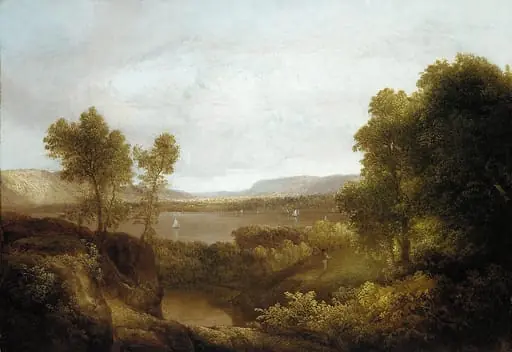 On the Hudson
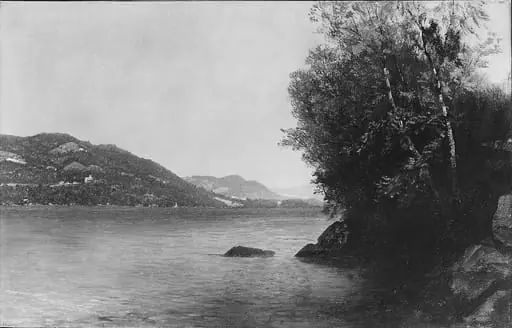 Lake George, A Reminiscence
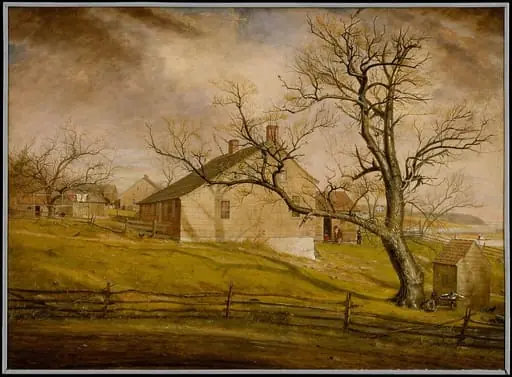 Long Island Farmhouses
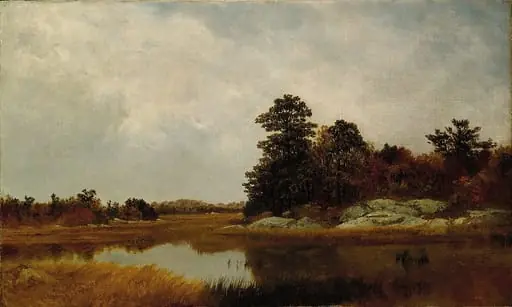 October in the Marshes
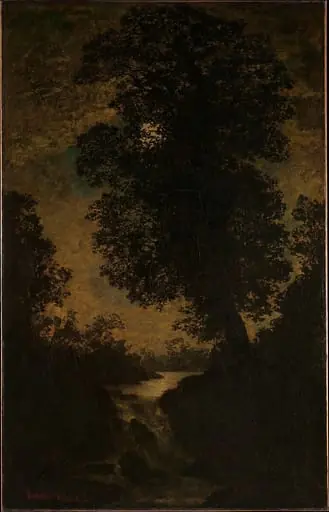 A Waterfall, Moonlight
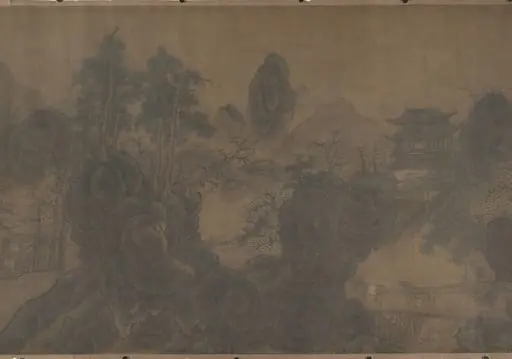 明/清 佚名 舊傳郭煕 關山行旅圖 卷|Traveling amid Mountains
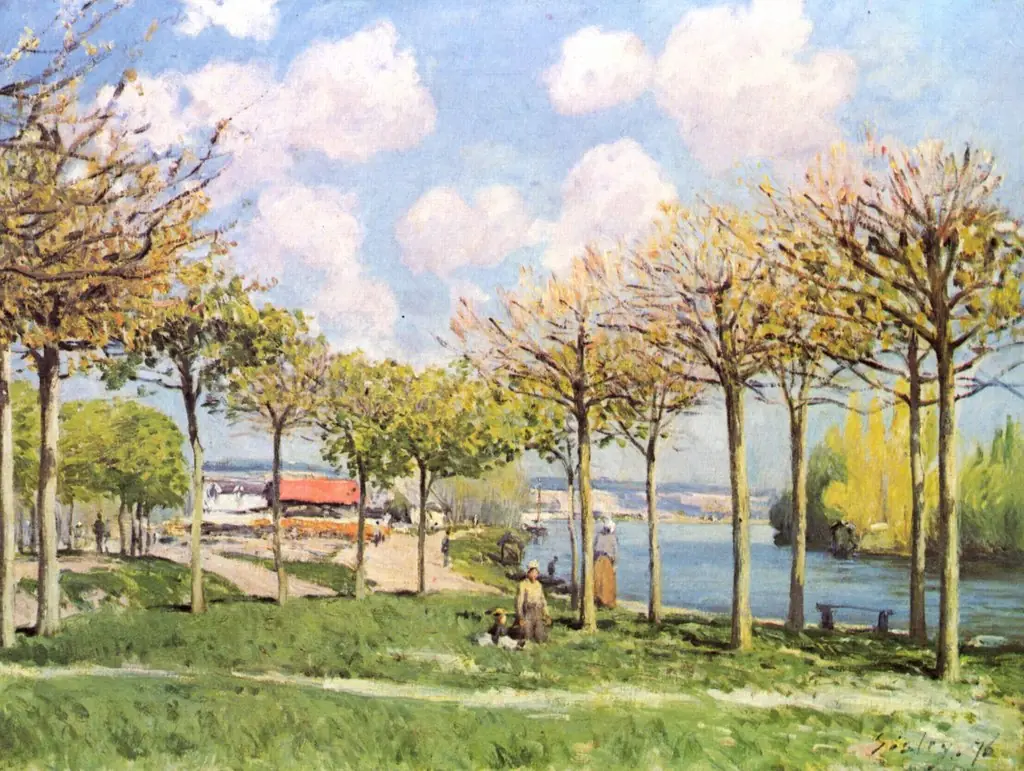 The Seine at Bougival
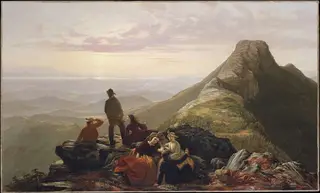 The Belated Party on Mansfield Mountain
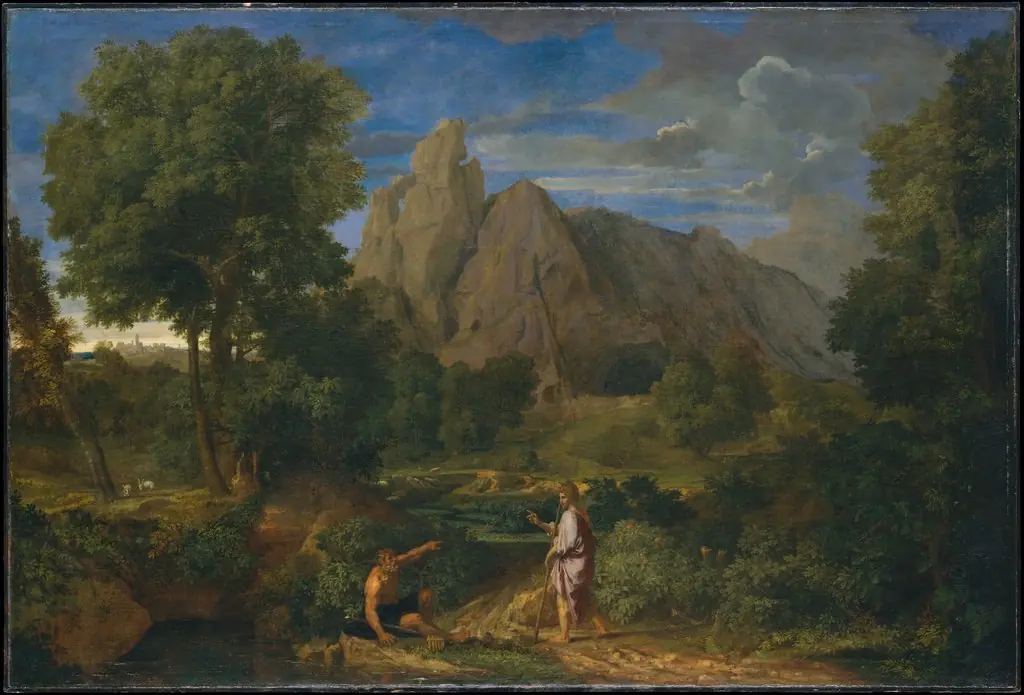 Mercury and Battus
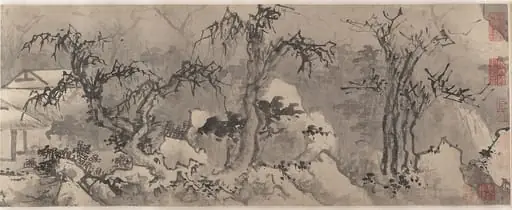 明 傳蔣嵩 冬景山水圖 卷|Winter landscape
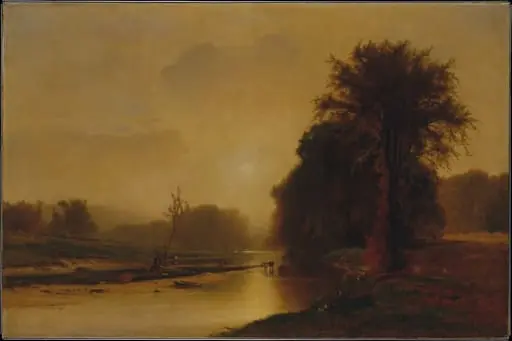 Autumn Meadows
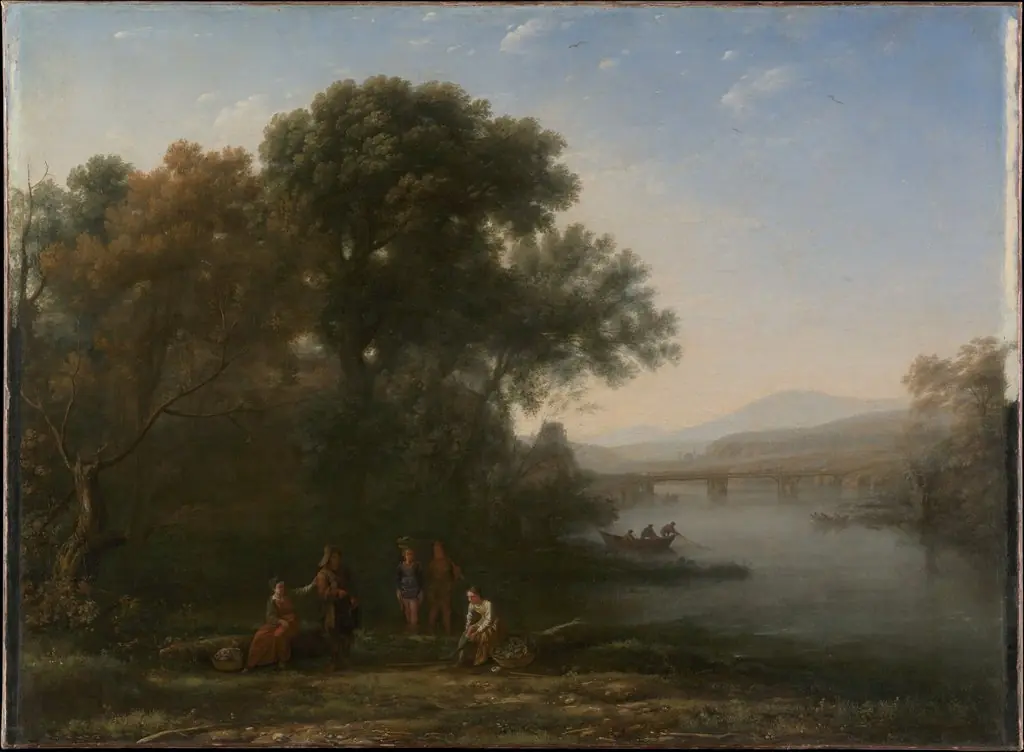 The Ford
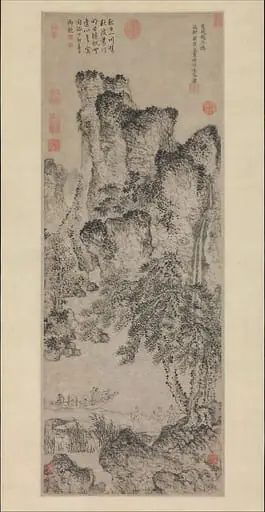 元 趙原 (元) 晴川送客圖 軸|Farewell by a Stream on a Clear Day
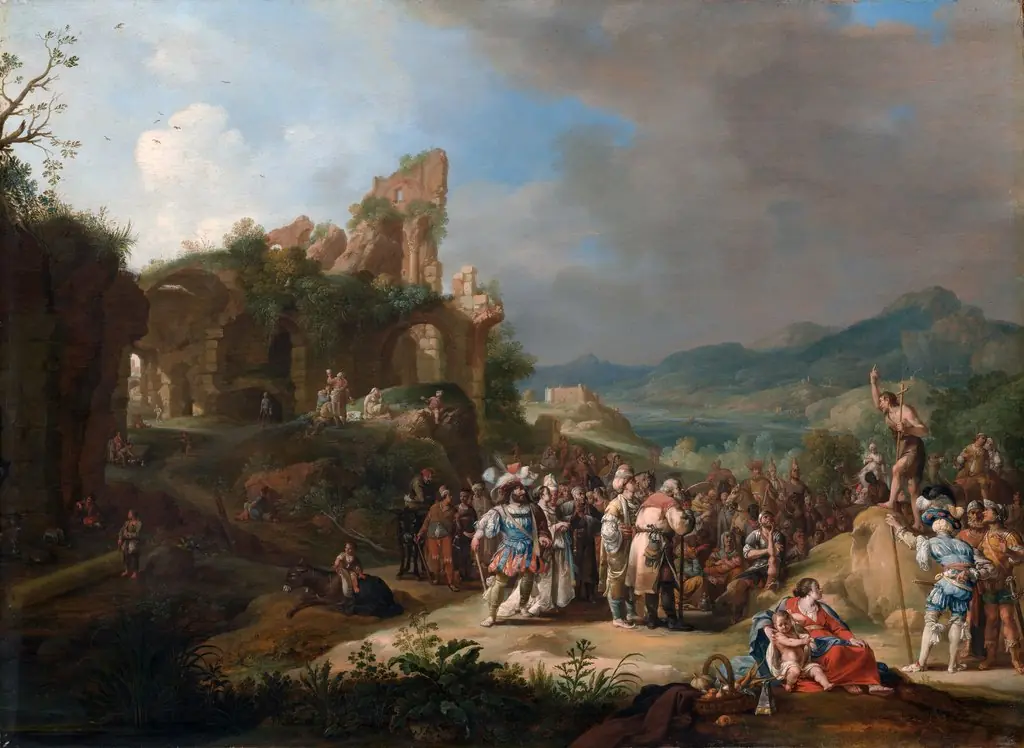 The Preaching of John the Baptist
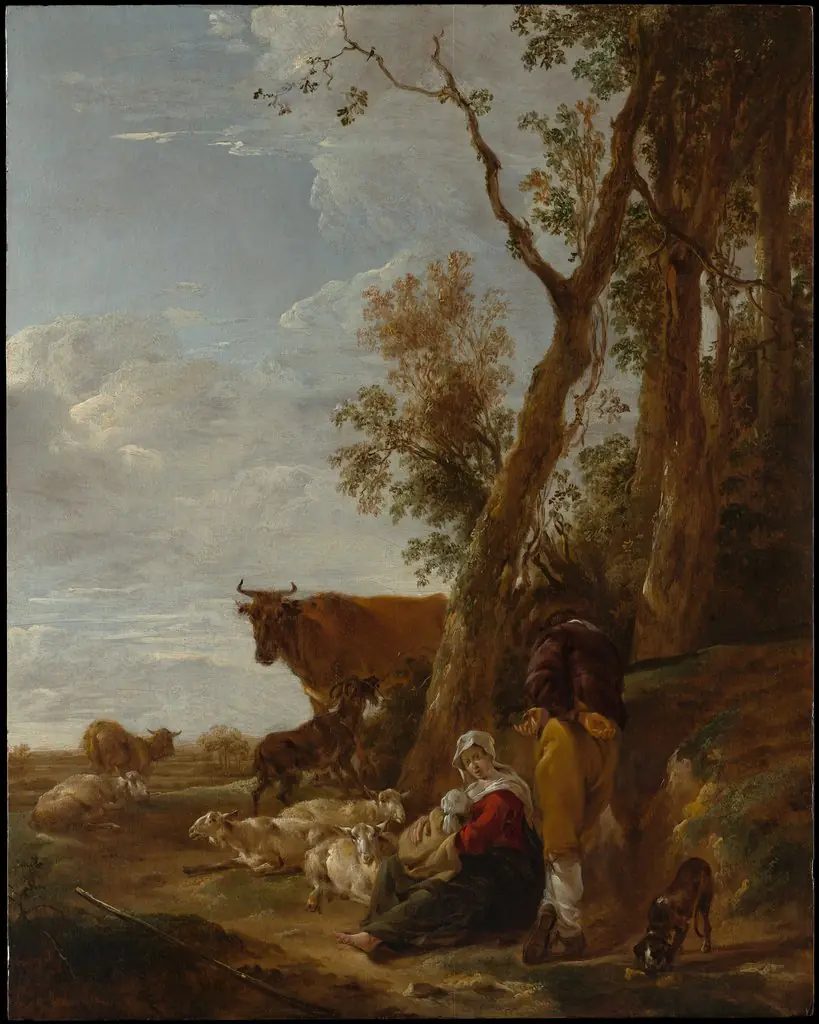 Rest
Rest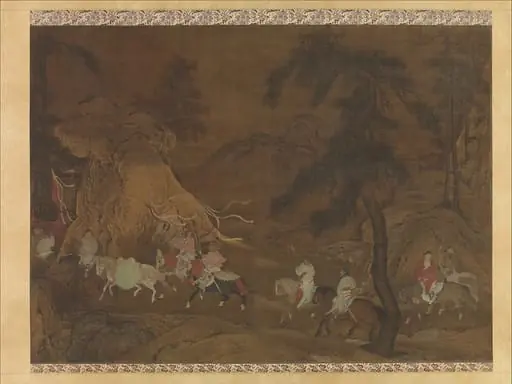 南宋 佚名 明皇幸蜀圖 軸|Emperor Xuanzong's Flight to Shu
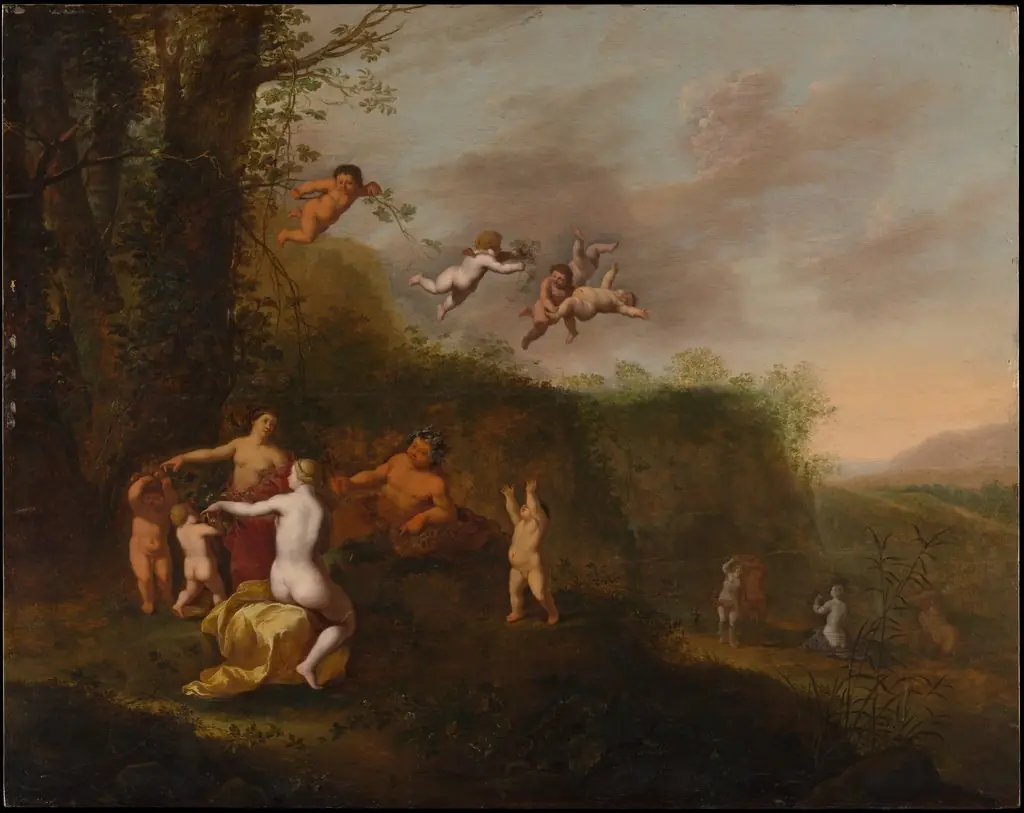 Bacchus and Nymphs in a Landscape
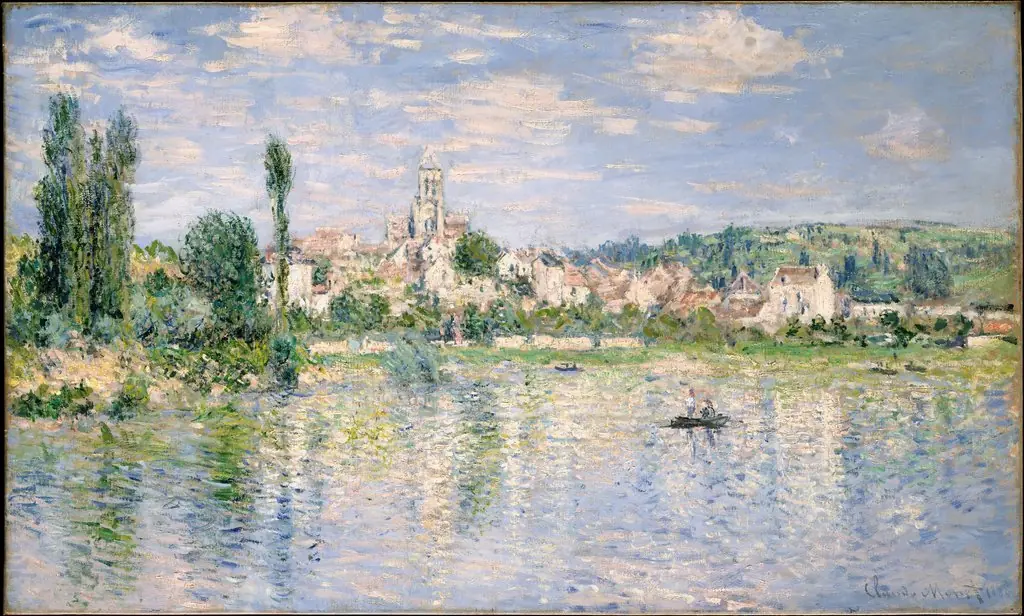 Vétheuil in Summer
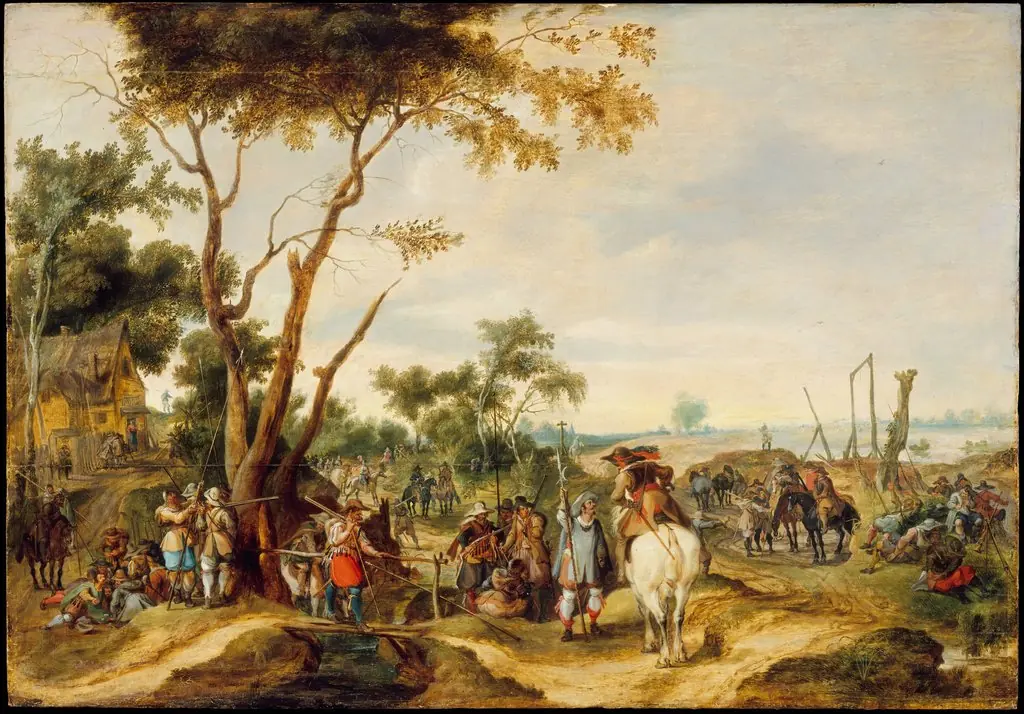 Soldiers Bivouacking
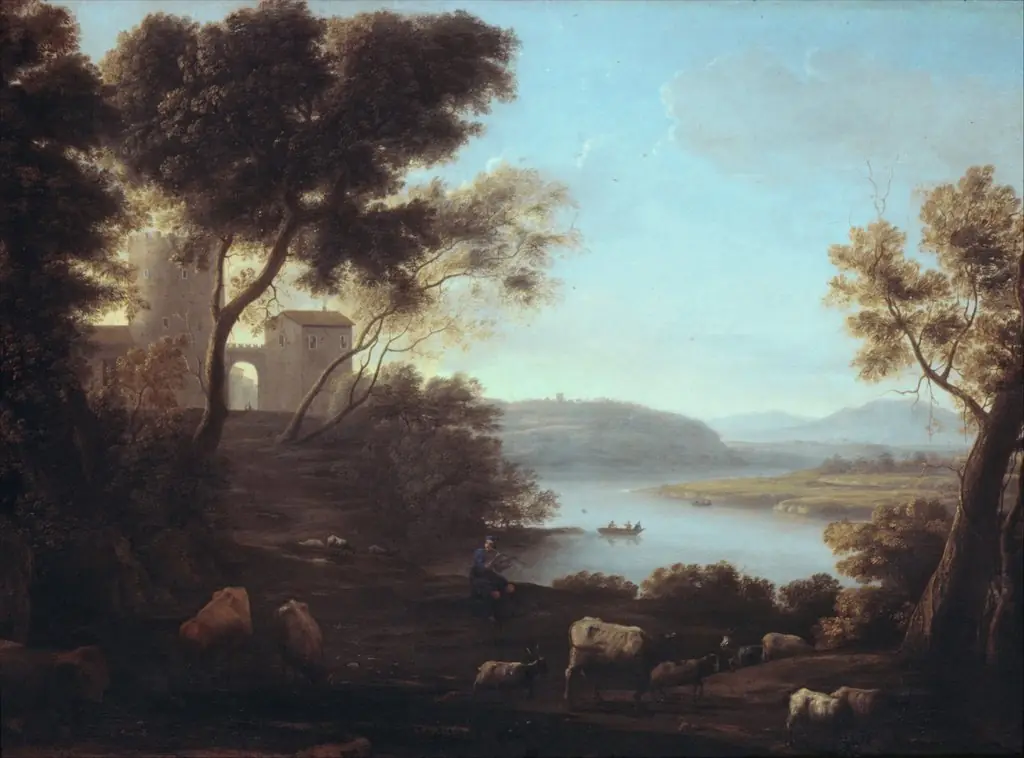 Pastoral Landscape: The Roman Campagna
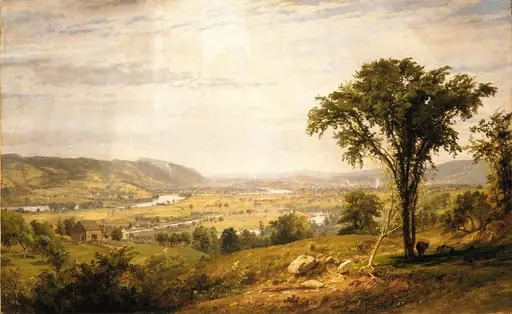 Wyoming Valley, Pennsylvania
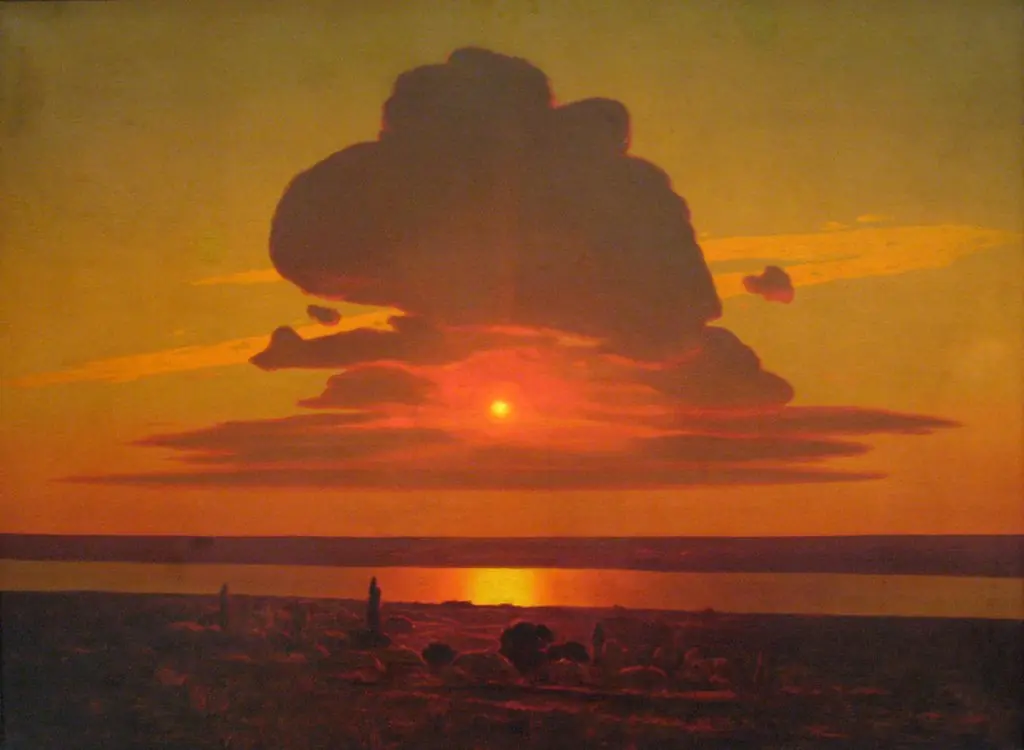 Red Sunset on the Dnieper
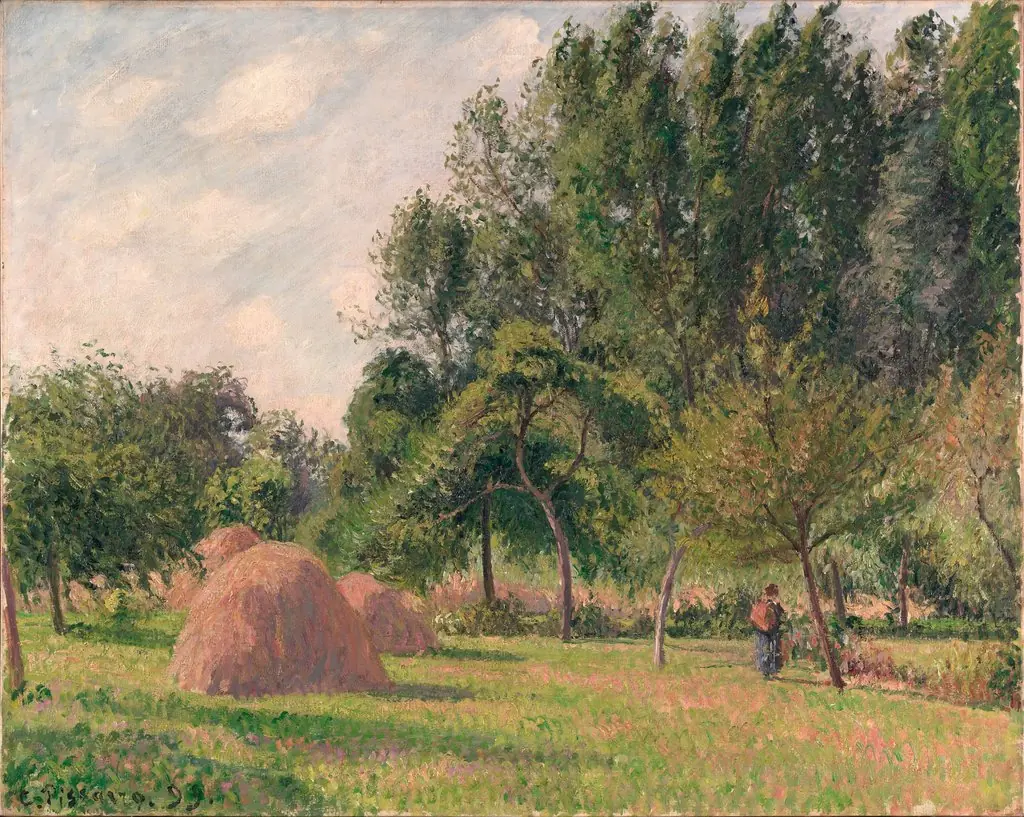 Haystacks, Morning, Éragny
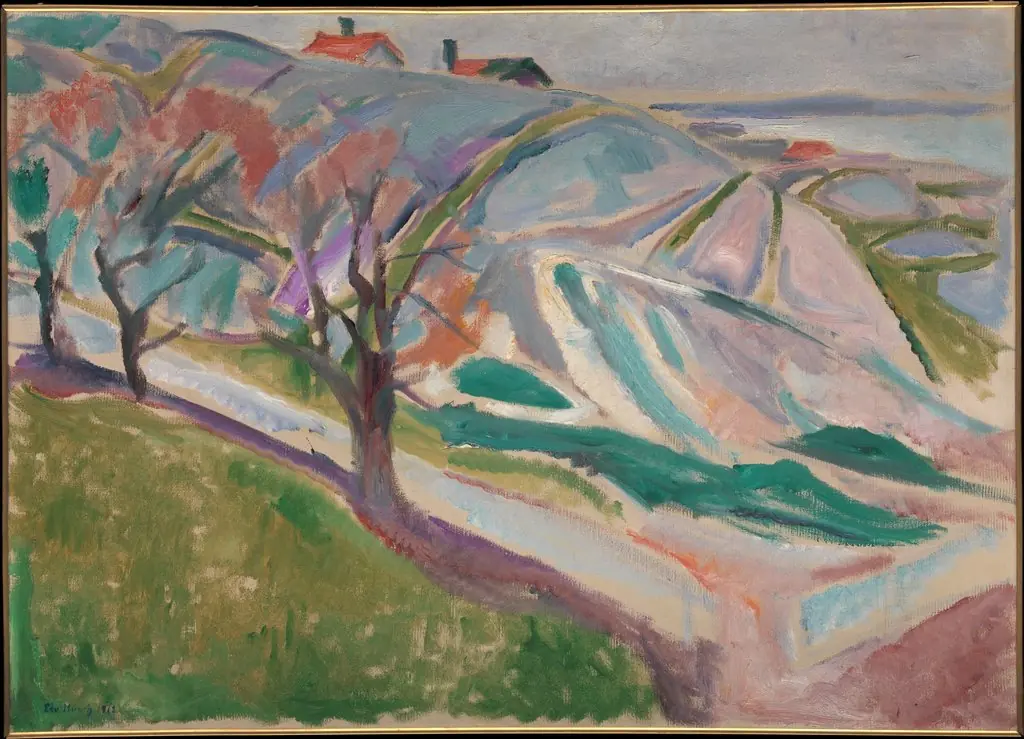 Landscape from Kragerø
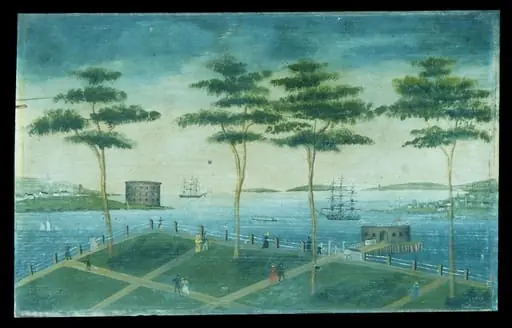 View of the Battery, New York
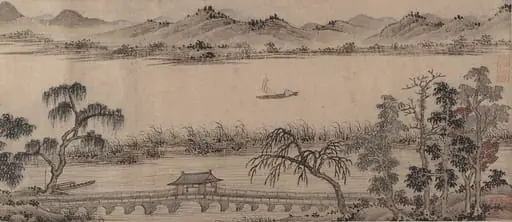 明 佚名 仿趙孟頫 垂虹亭圖 卷|Pavilion of the Hovering Rainbow Bridge
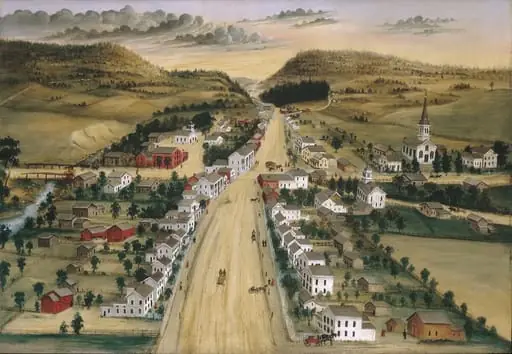 View of Poestenkill, New York
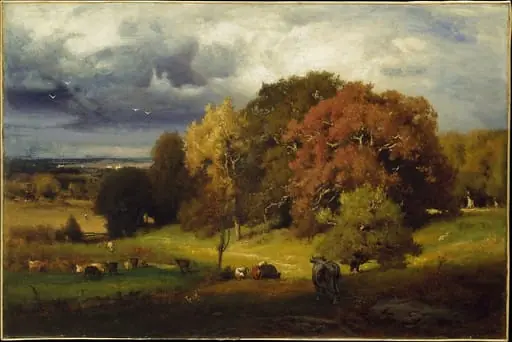 Autumn Oaks
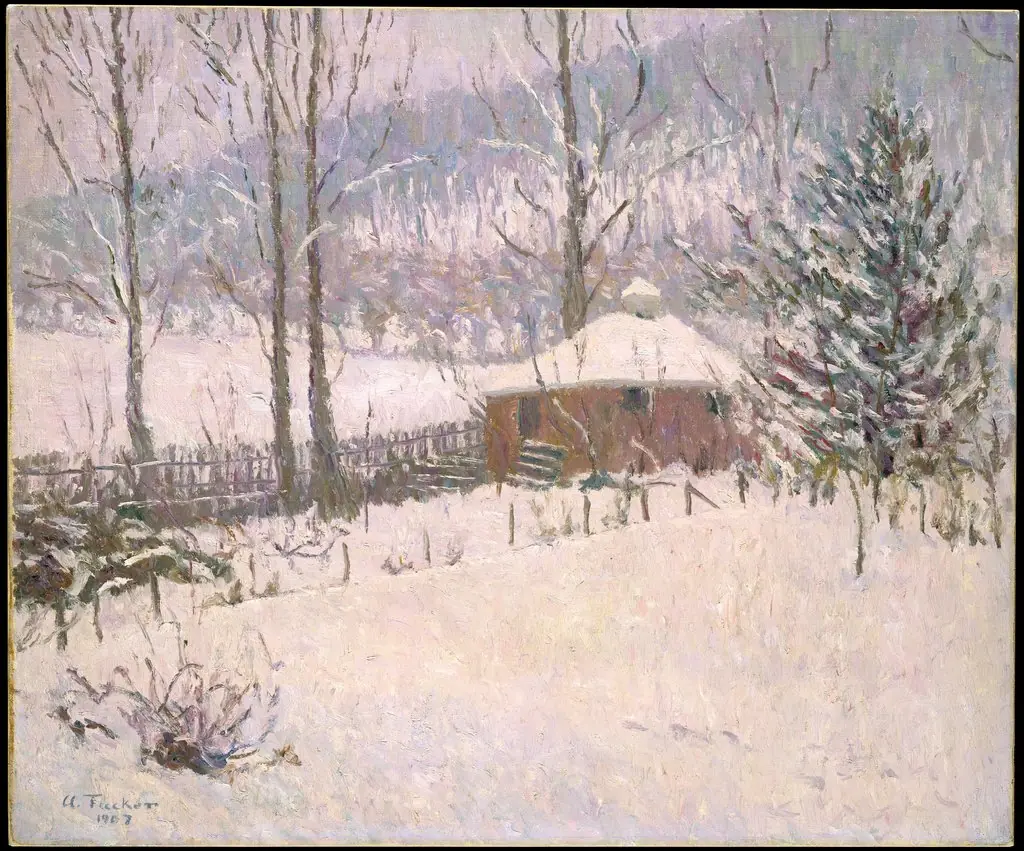 Winter at Portland
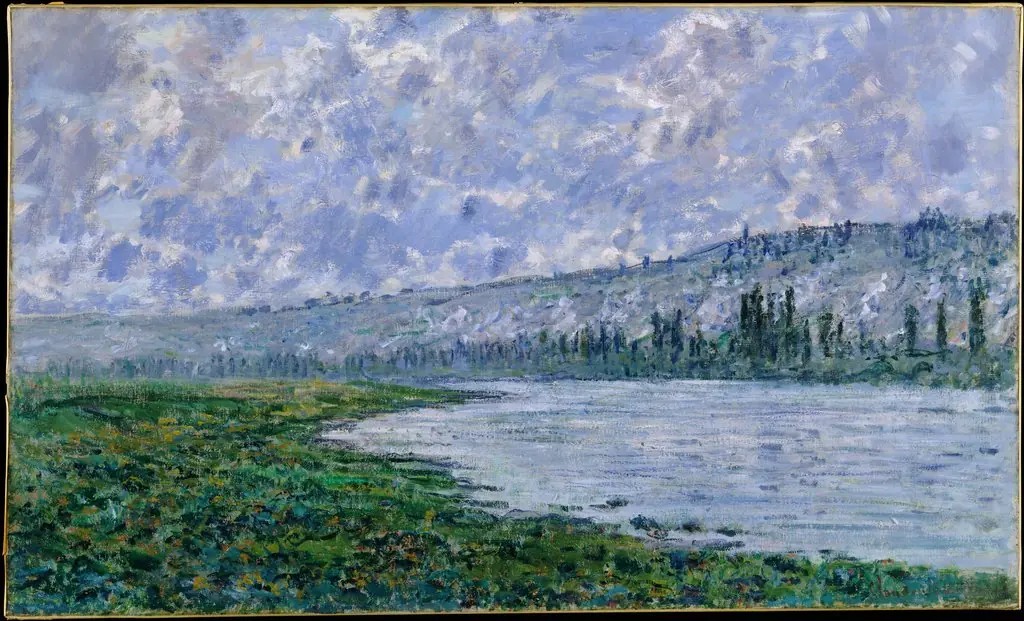 The Seine at Vétheuil
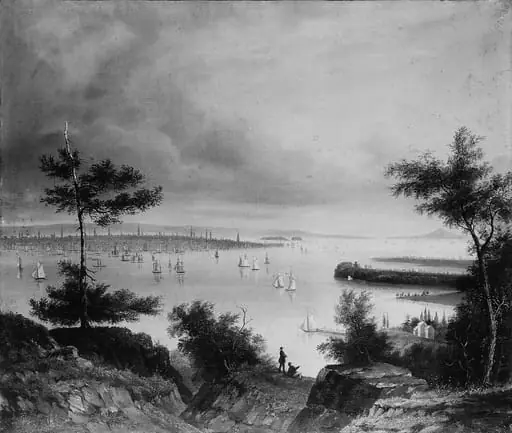 View of New York from Weehawken
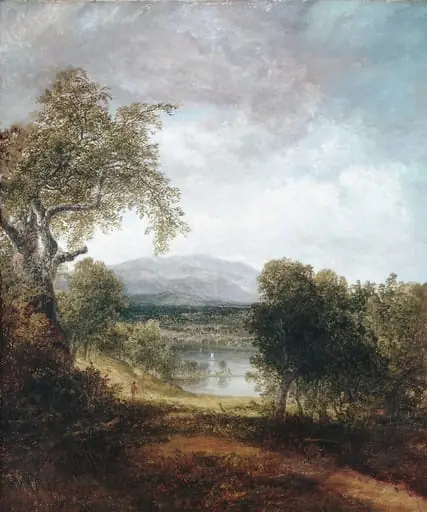 A River Glimpse
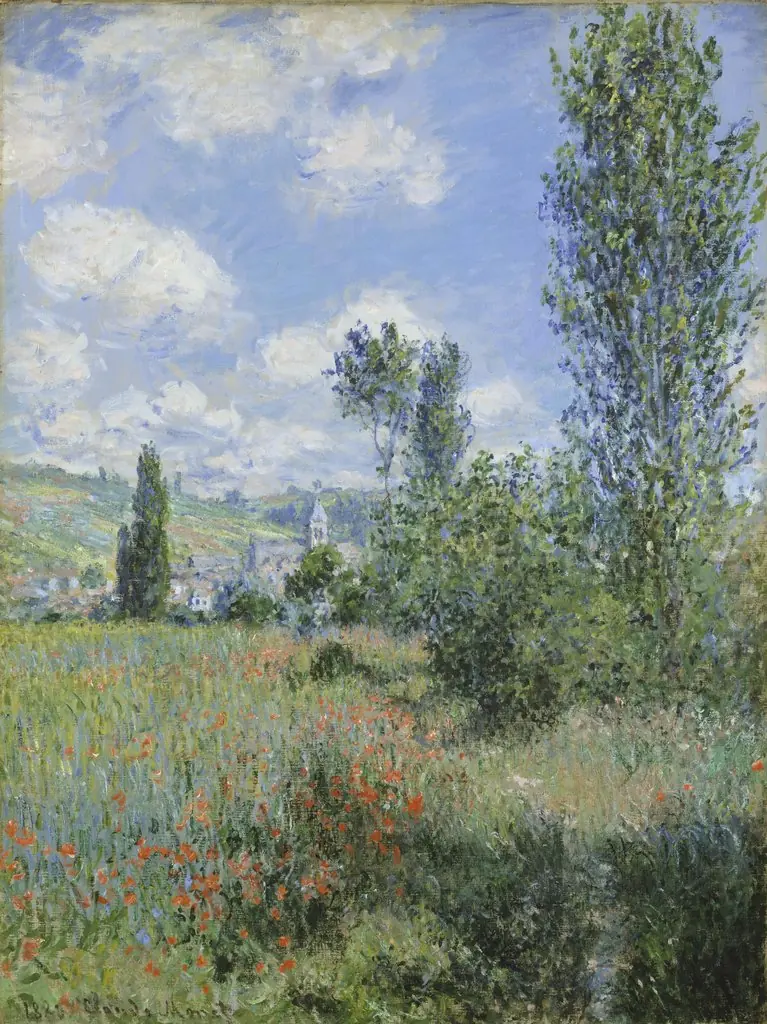 View of Vétheuil
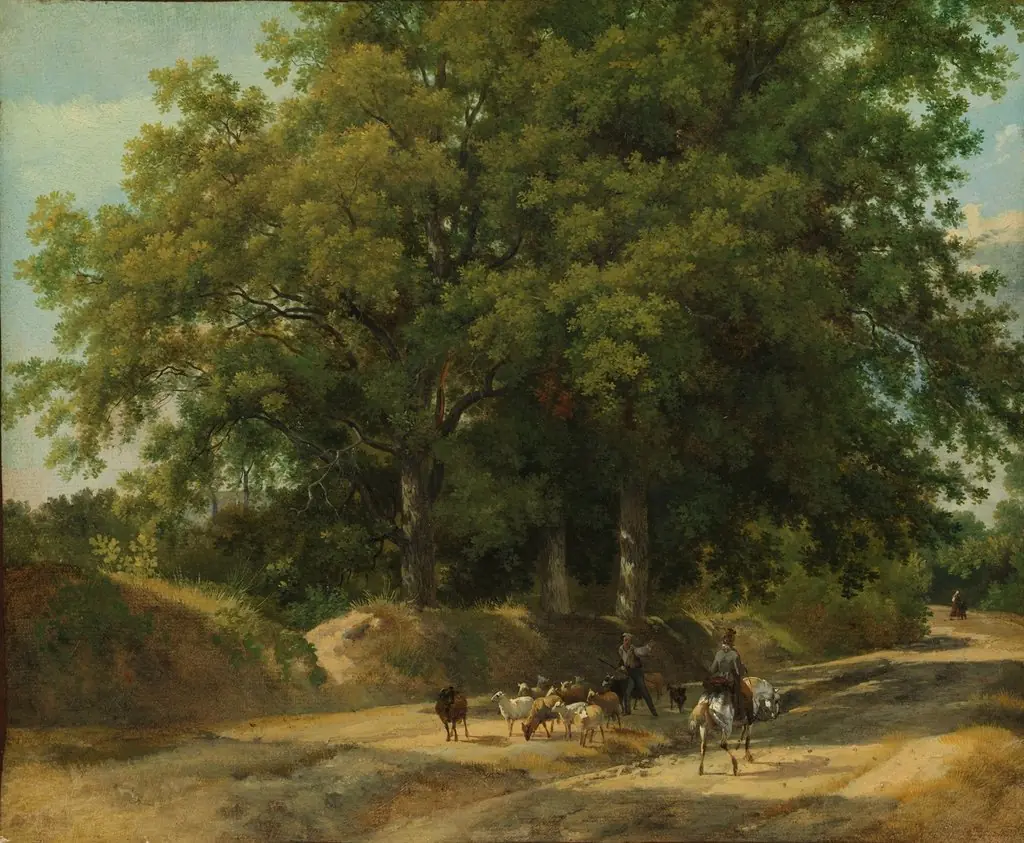 A Shepherd and a Rider on a Country Lane
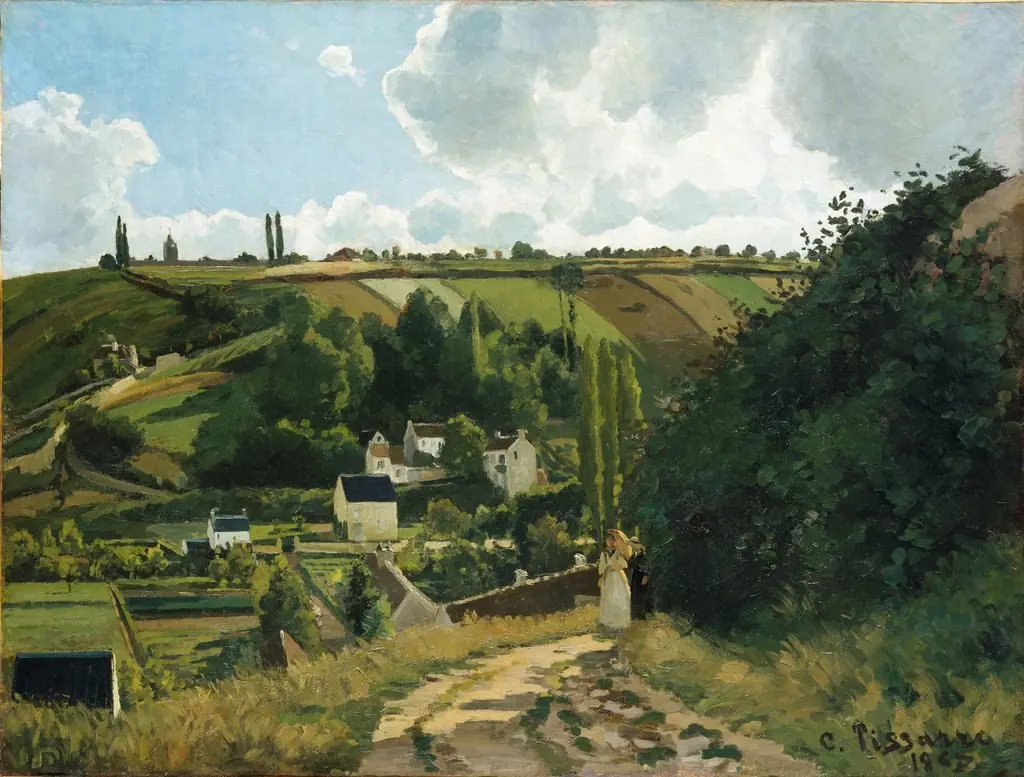 Jalais Hill, Pontoise
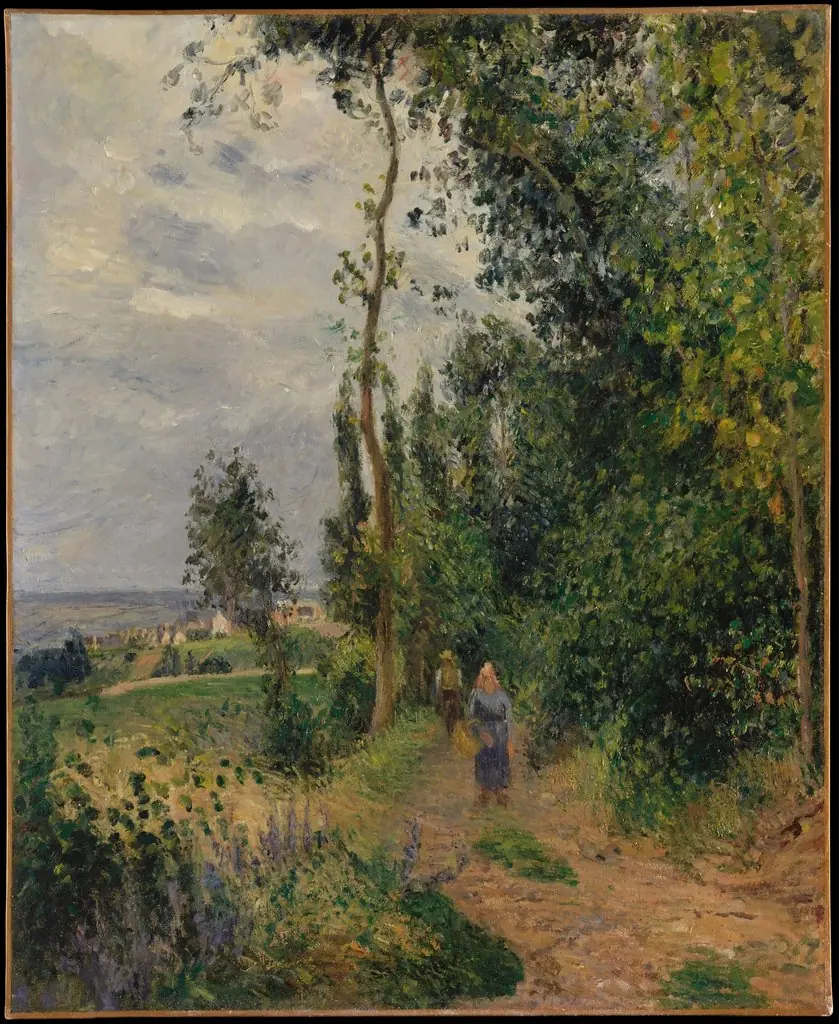 Côte des Grouettes, near Pontoise
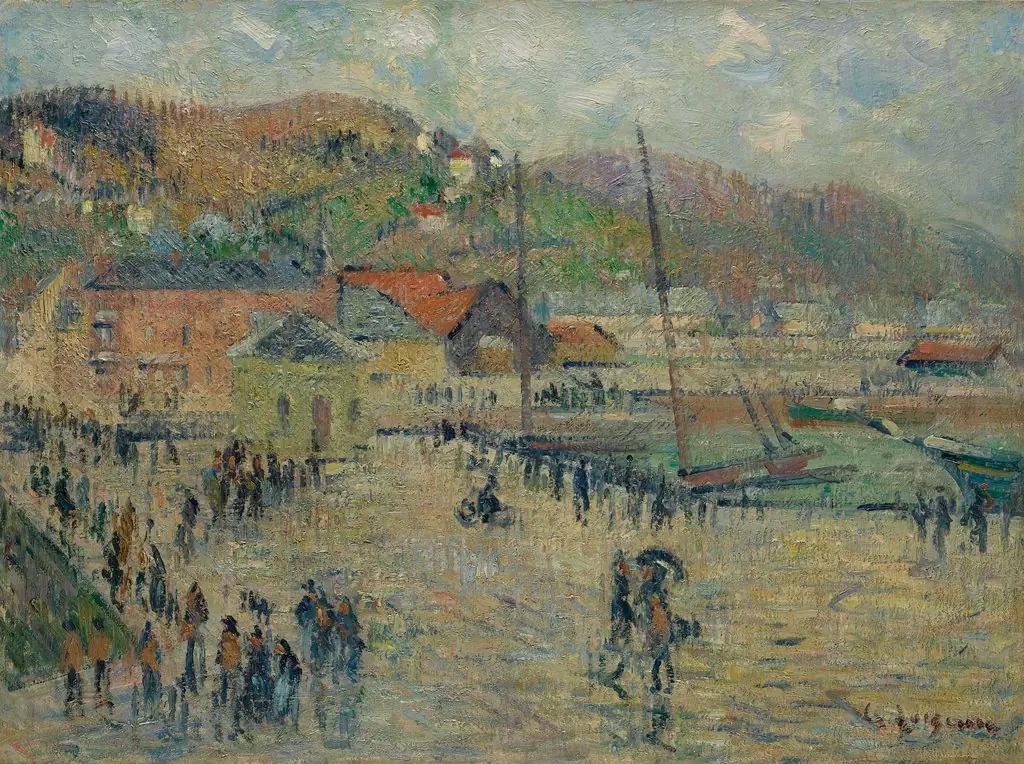 Le Grand Quai, Fécamp
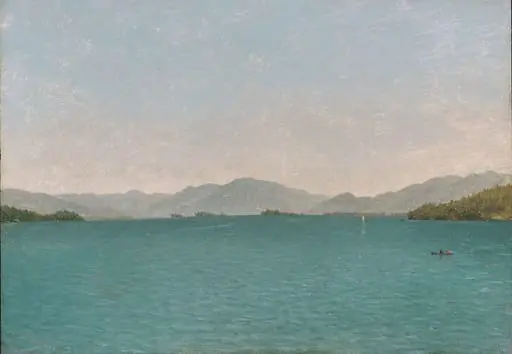 Lake George, Free Study
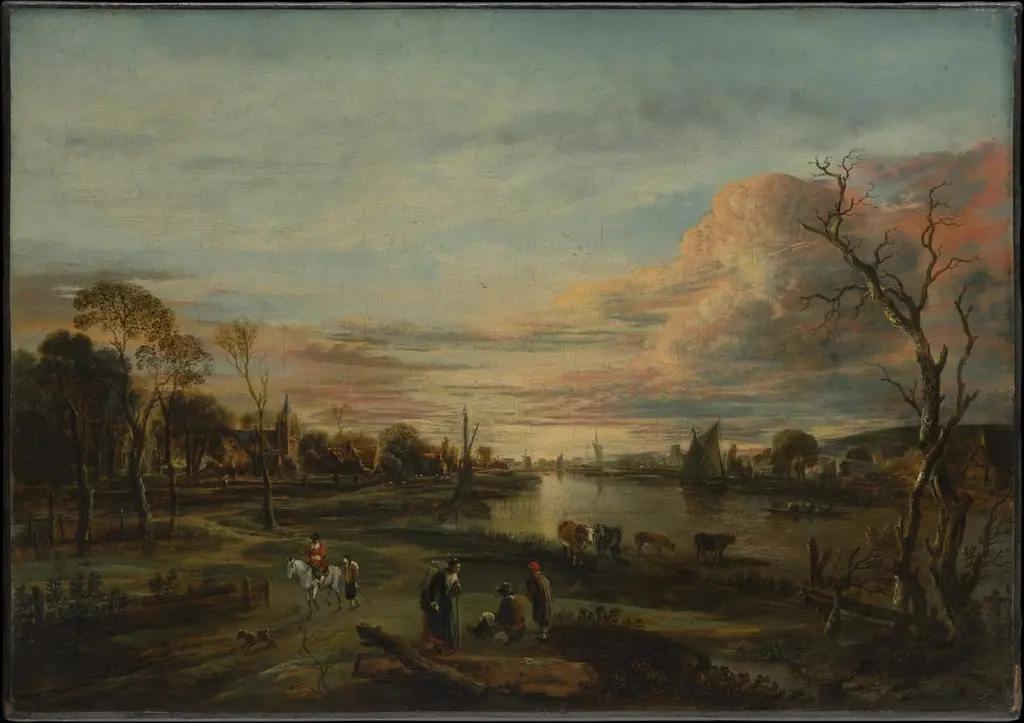 Landscape at Sunset
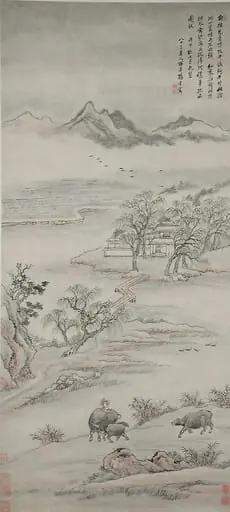 清 楊晉 滄洲牧牛圖 軸|Landscape with Figures
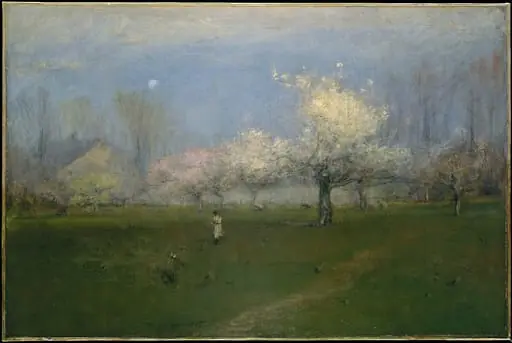 Spring Blossoms, Montclair, New Jersey
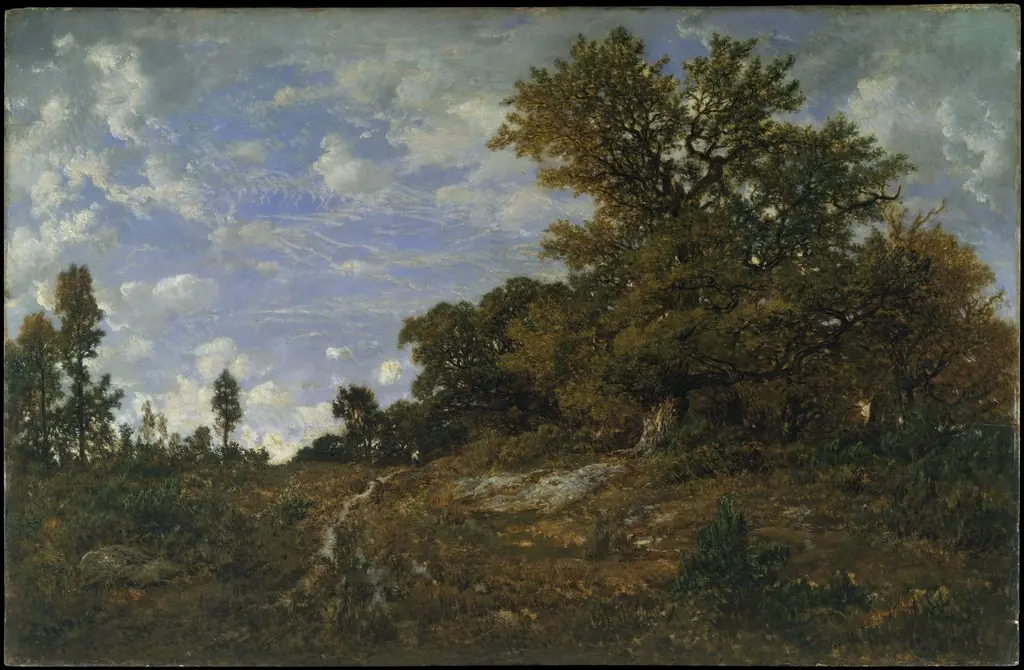 The Edge of the Woods at Monts-Girard, Fontainebleau Forest
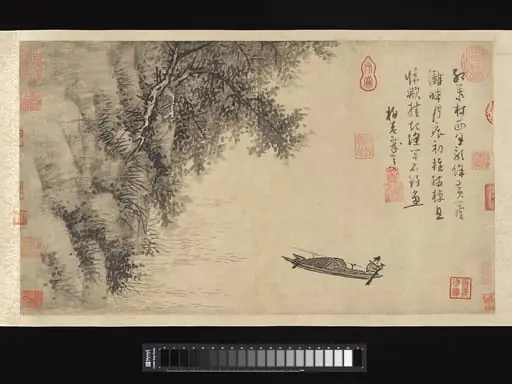 元 吳鎮 蘆灘釣艇圖 卷|Fisherman
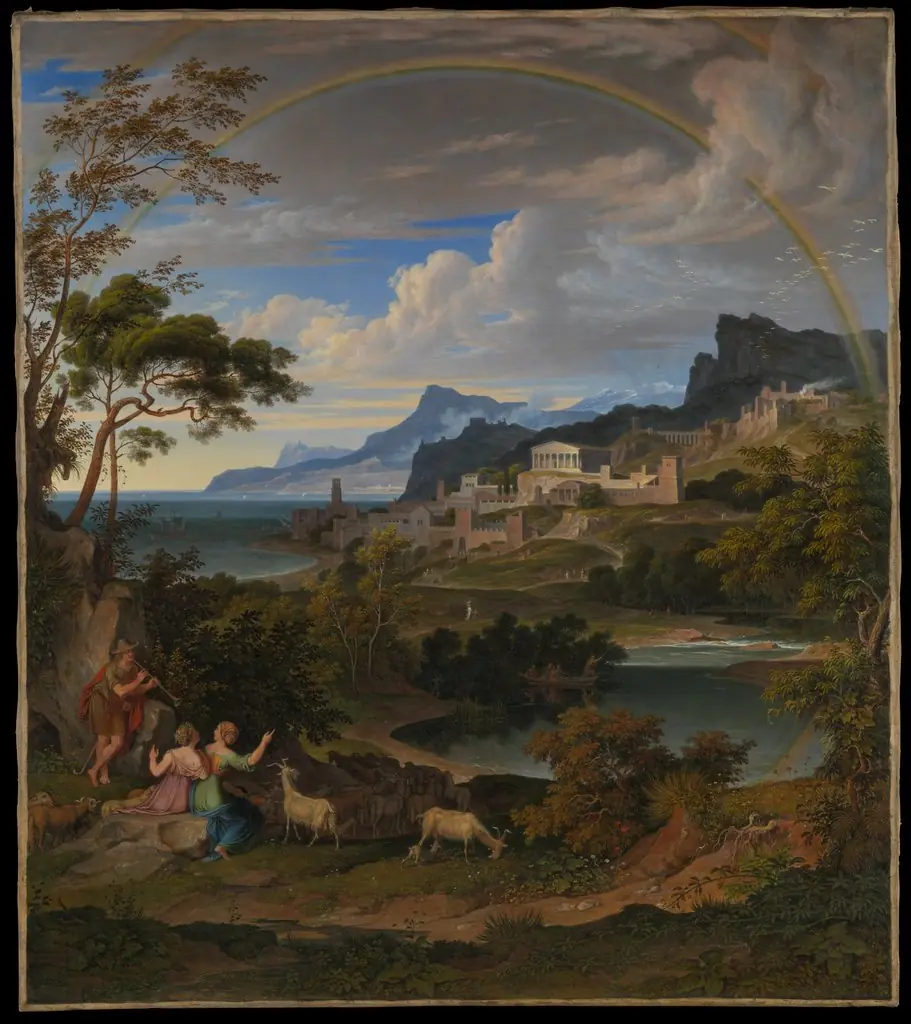 Heroic Landscape with Rainbow
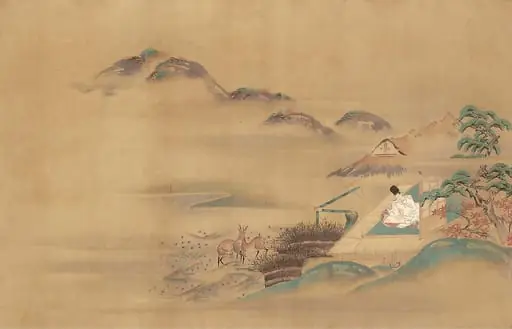 石山師香筆 源氏物語八景 絵巻|Eight Views from The Tale of Genji
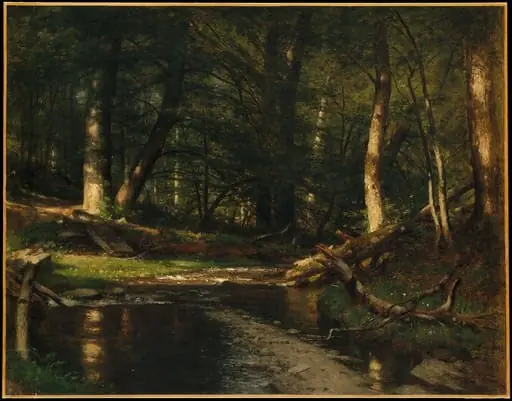 The Brook in the Woods
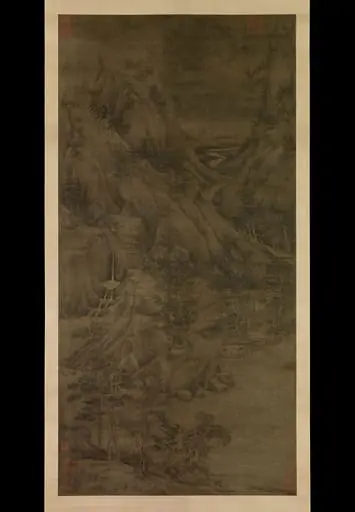 五代 傳董元 溪岸圖 軸|Riverbank
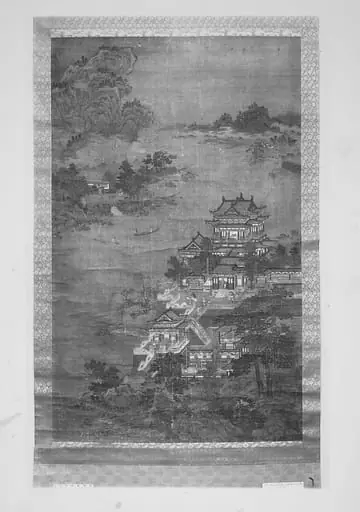 Untitled
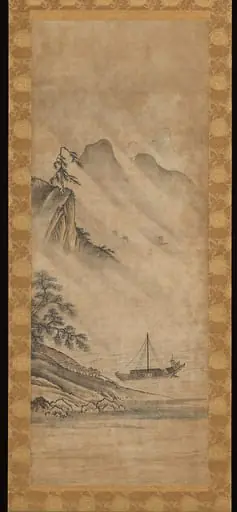 瀟湘八景図|Eight Views of the Xiao and Xiang Rivers
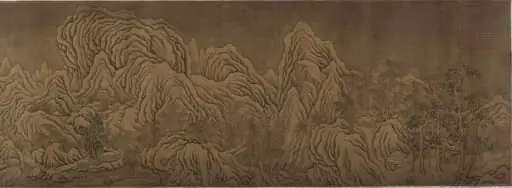 Untitled
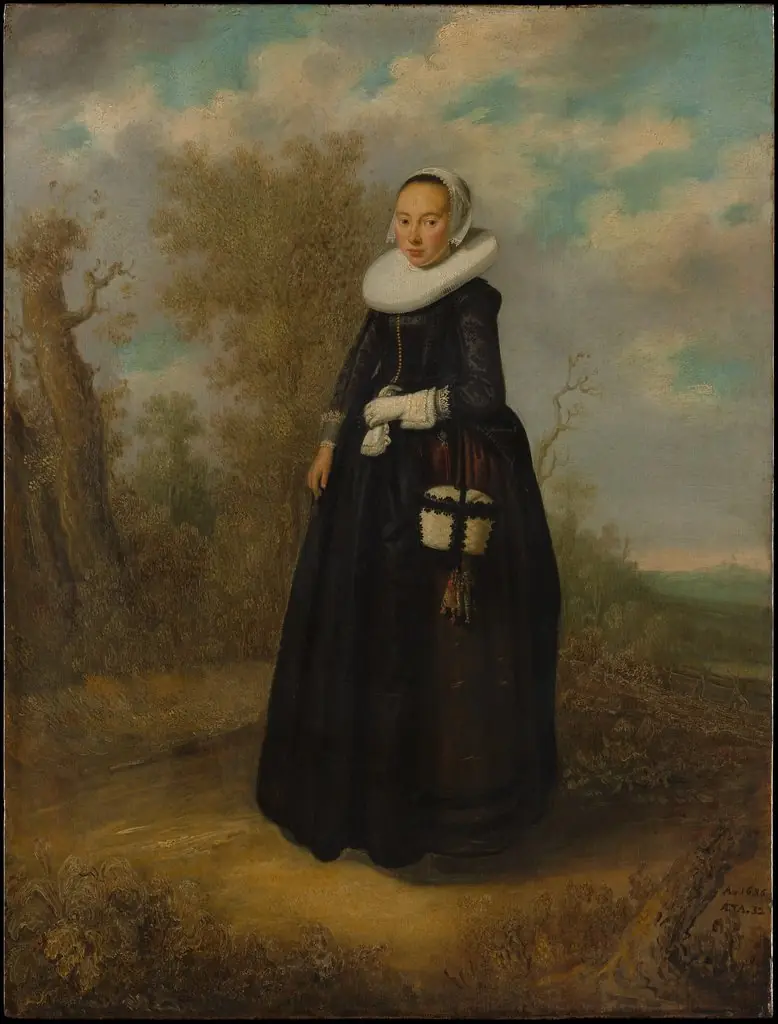 A Young Woman in a Landscape
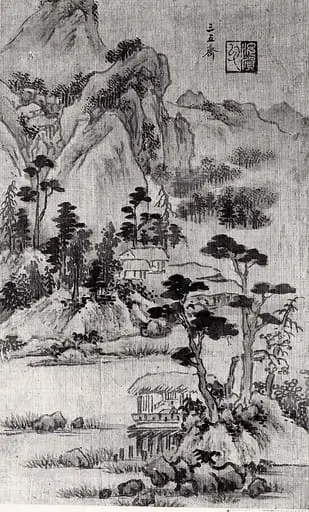 Untitled
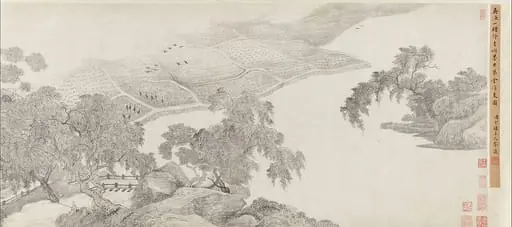 清 吳歷 墨井草堂消夏圖 卷|Whiling Away the Summer at the Ink-Well Thatched Hut
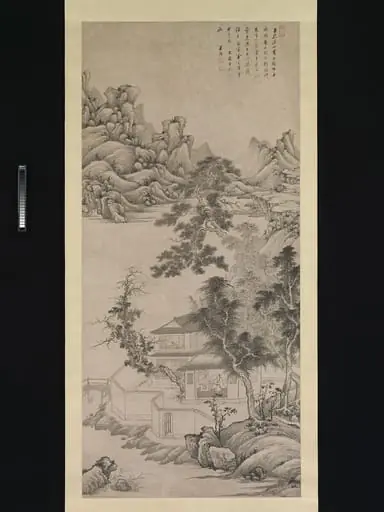 清 王鑑 倣巨然《溪山高士圖》 軸|Lofty Scholar among Streams and Mountains, in the manner of Juran
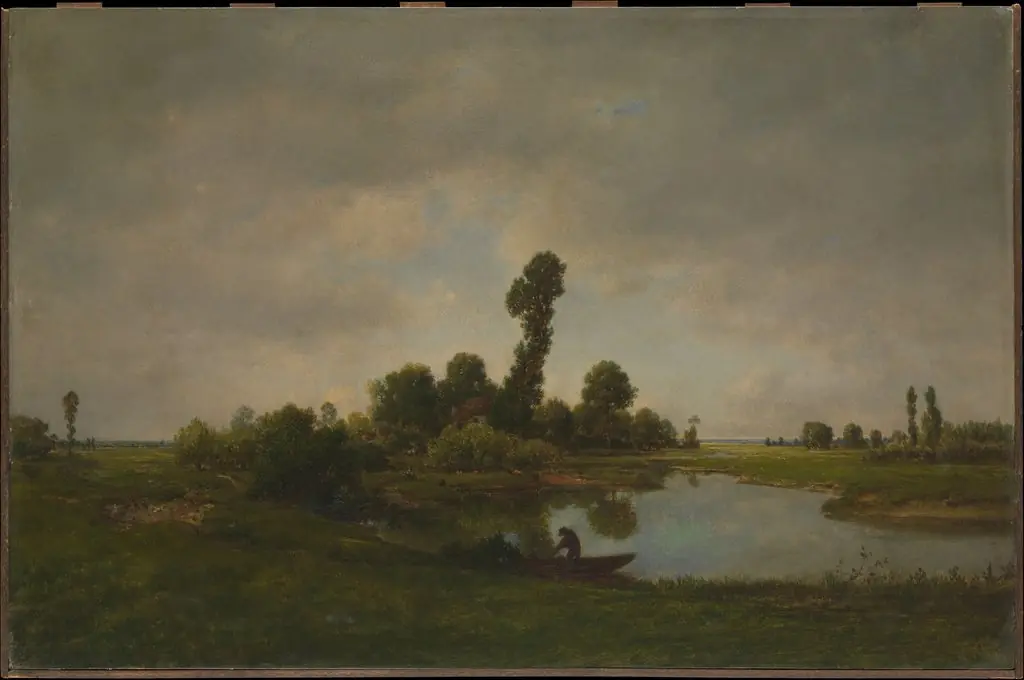 A River Landscape
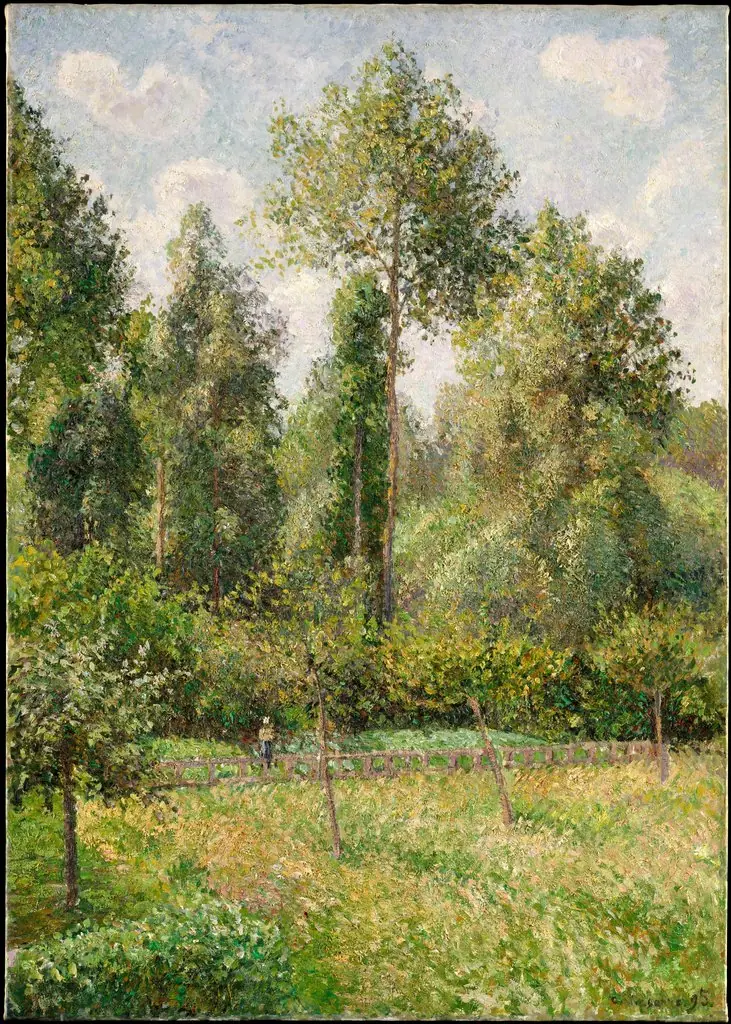 Poplars, Éragny
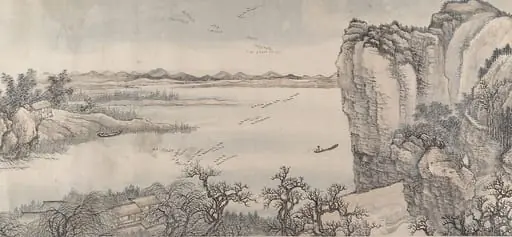 清 王翬 倣巨然燕文貴山水圖 卷|Landscape in the Style of Juran and Yan Wengui
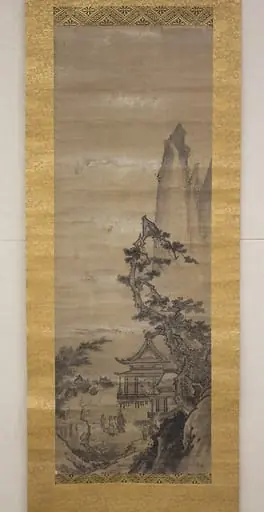 Untitled
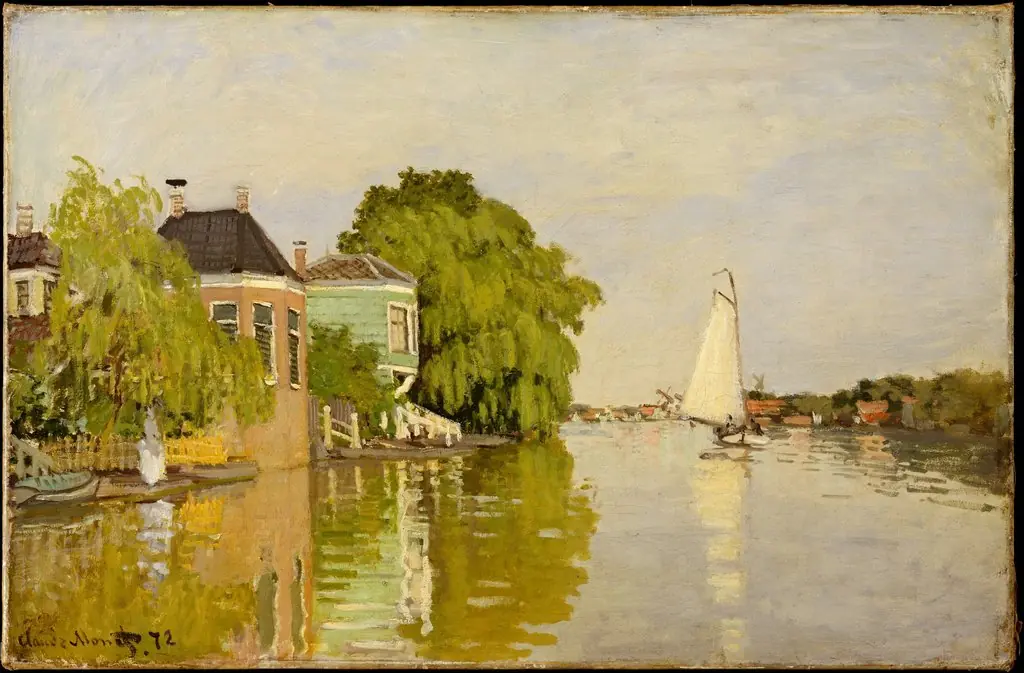 Houses on the Achterzaan
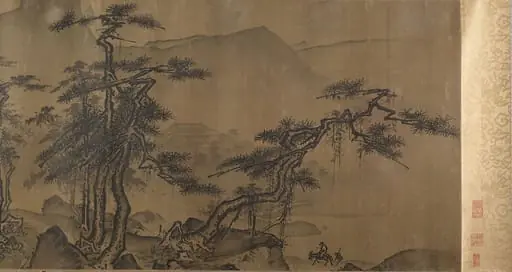 明/清 佚名 李遠(僞款) 仿夏珪江山清遠圖 卷|Landscape
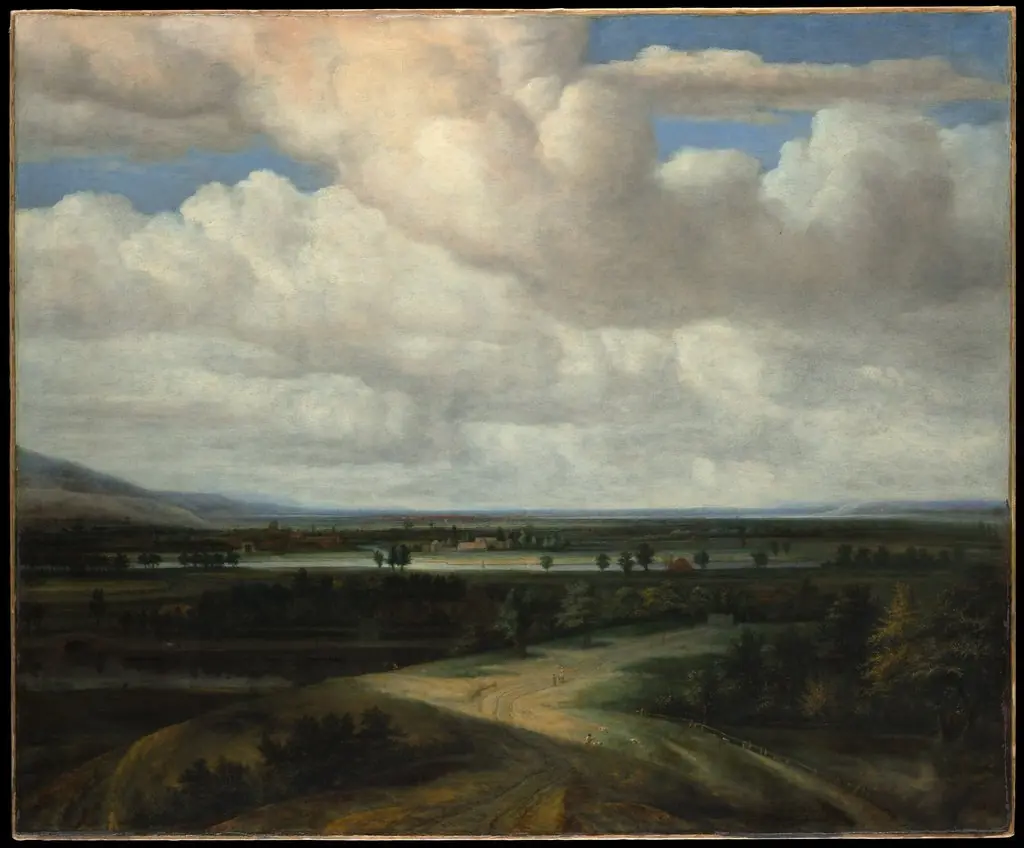 A Panoramic Landscape with a Country Estate
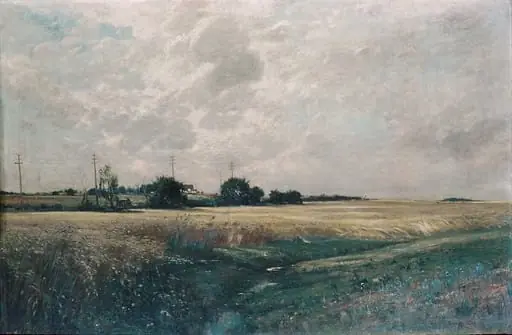 Broad Acres
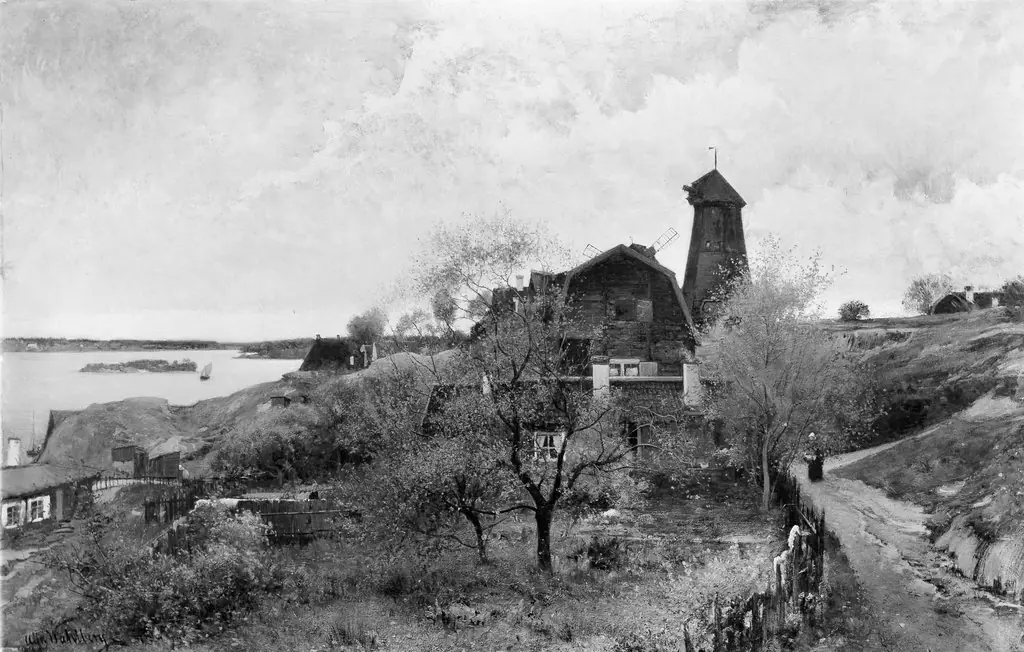 A Day in October, near Waxholm, Sweden
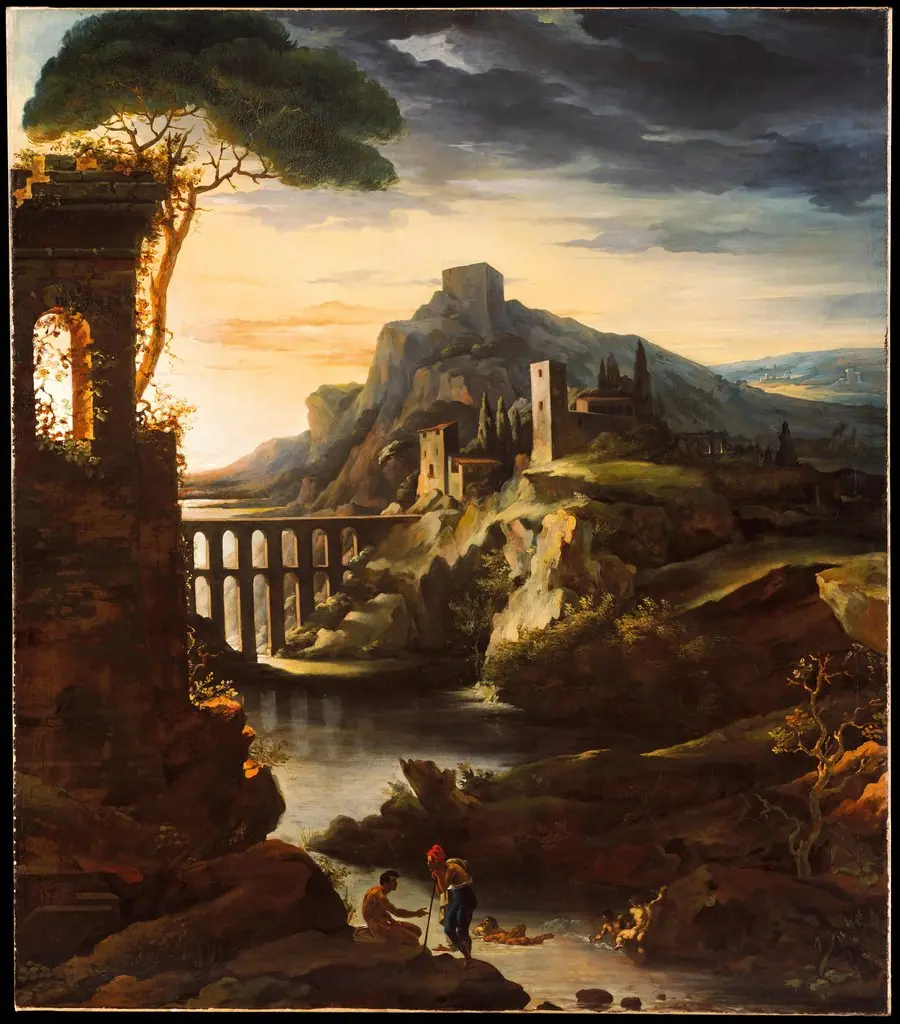 Evening: Landscape with an Aqueduct
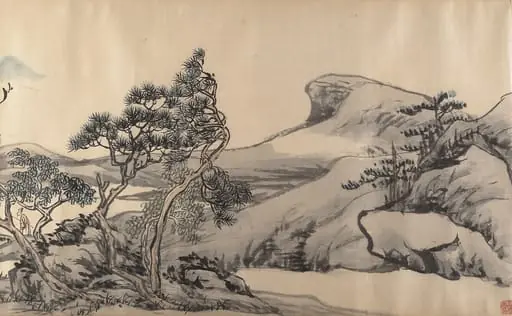 清 張賜寧 設色山水 卷|Landscape
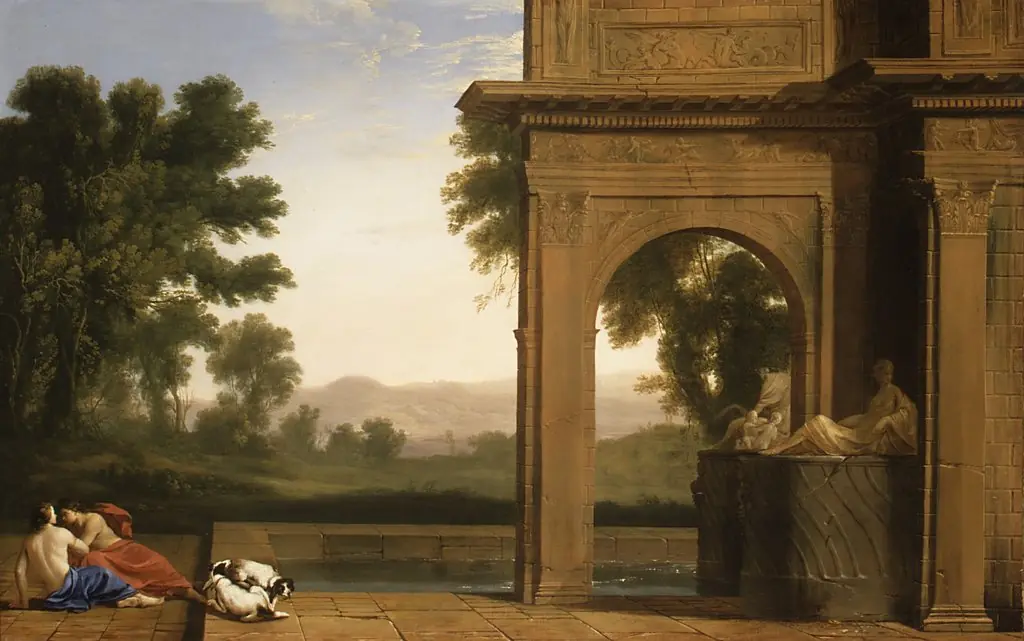 Classical Landscape with Figures
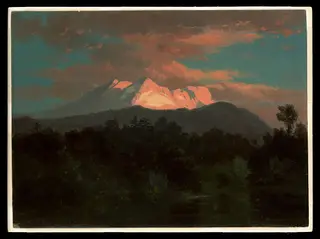 Mountain Range
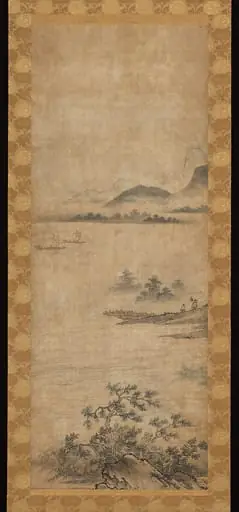 瀟湘八景図|Eight Views of the Xiao and Xiang Rivers
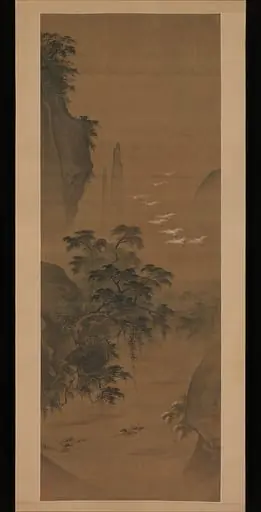 明 呂紀 秋景花鳥圖 軸|Autumn landscape with egrets and ducks
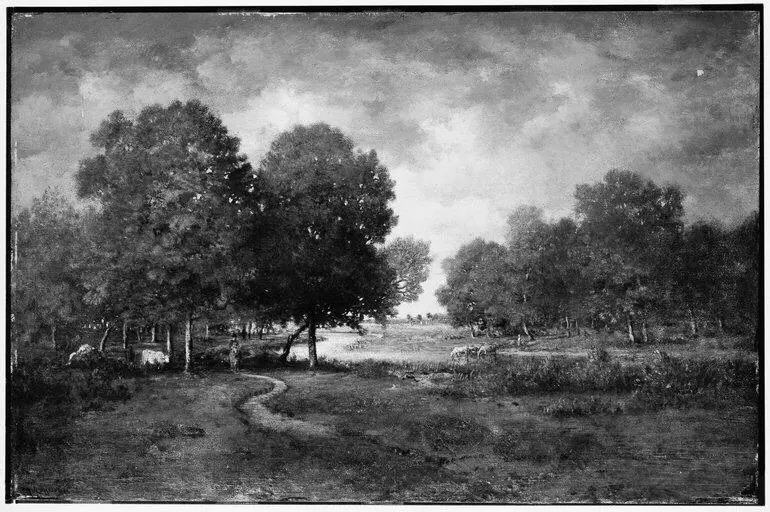 A River in a Meadow
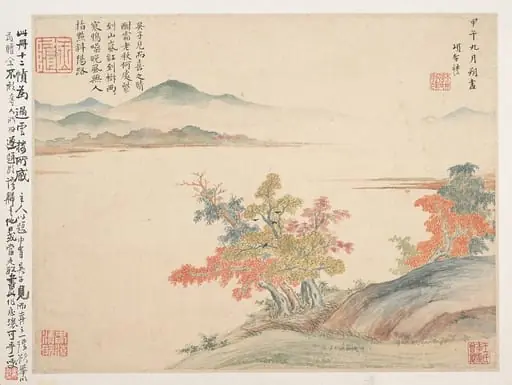 明/清 項聖謨 秋景圖 冊頁|Autumn Landscape, leaf from Album for Zhou Lianggong
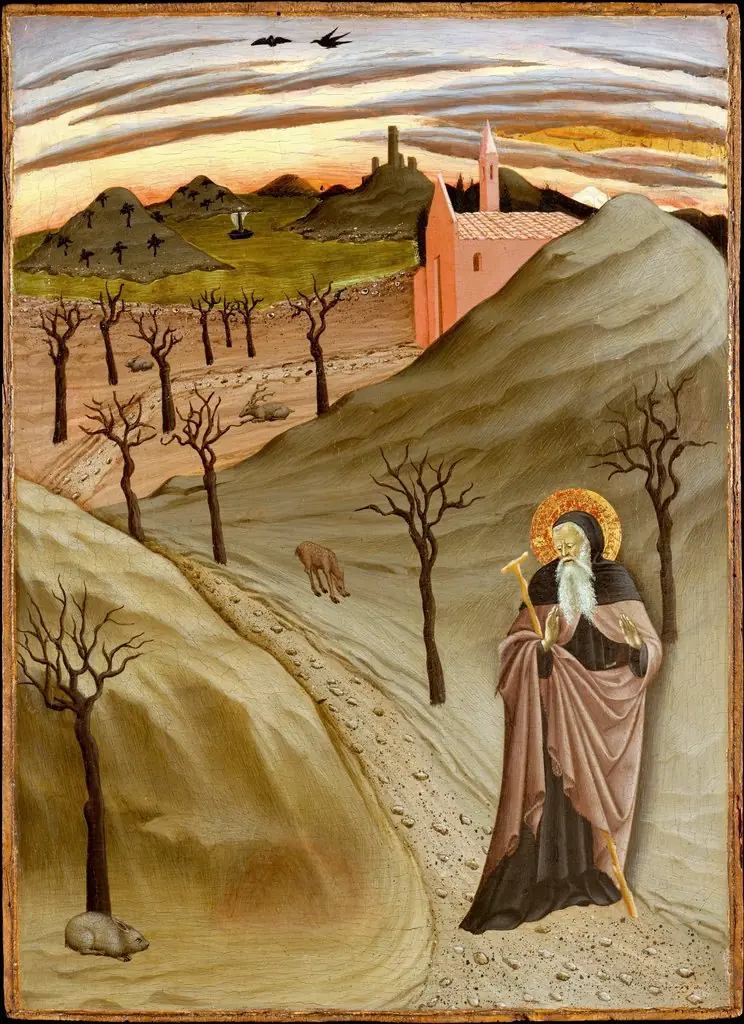 Saint Anthony Abbot Tempted by a Heap of Gold
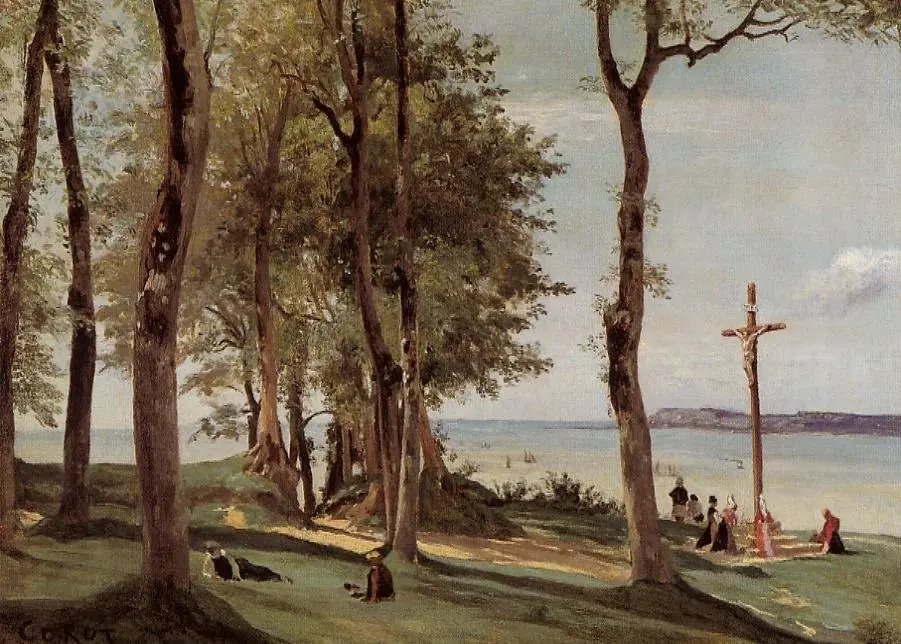 Honfleur: Calvary
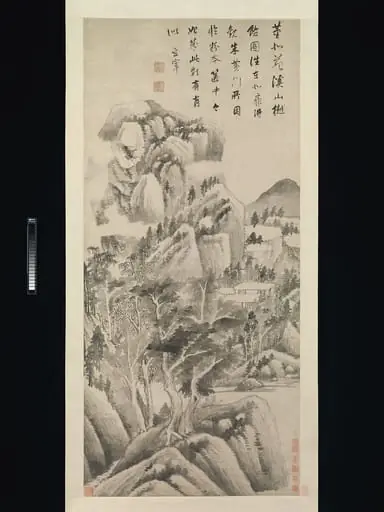 明 董其昌 溪山樾館圖 軸|Shaded Dwellings among Streams and Mountains
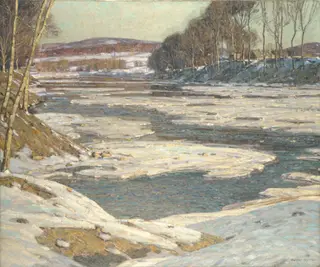 An Opalescent River
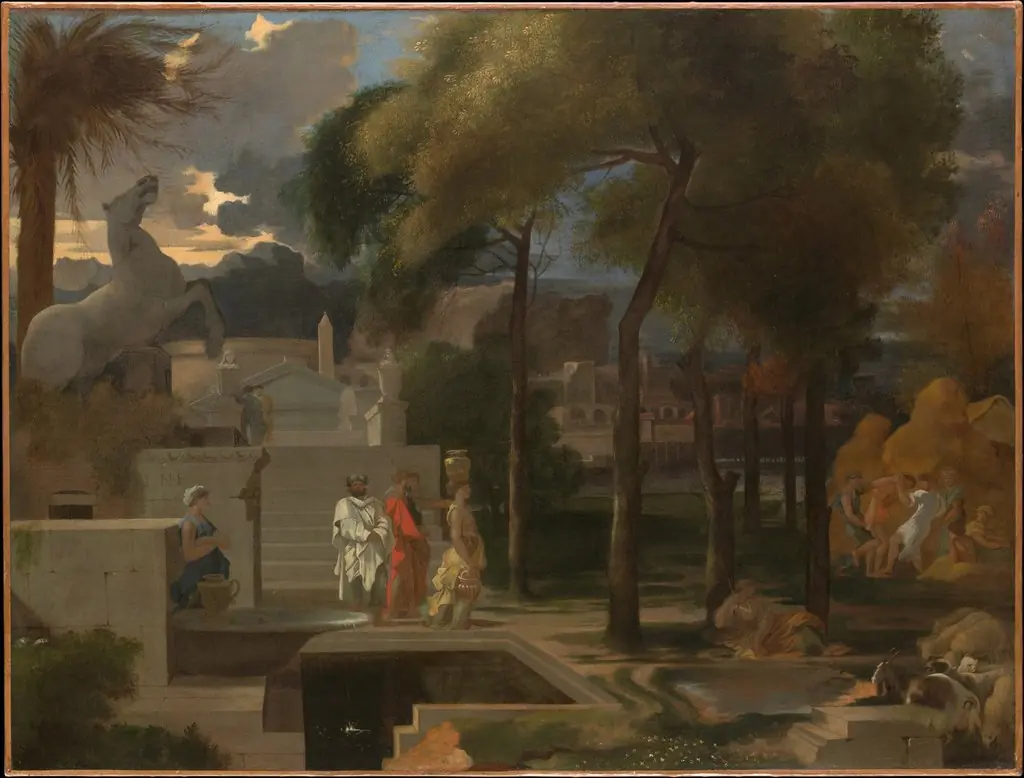 A Classical Landscape
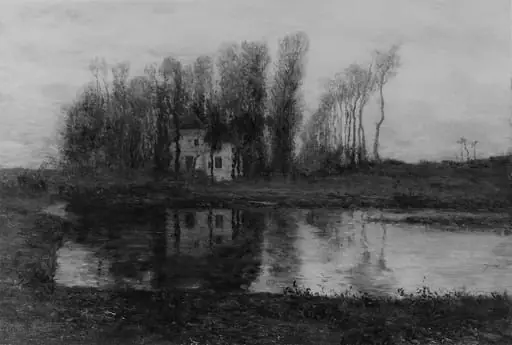 Old Manor of Criqueboeuf
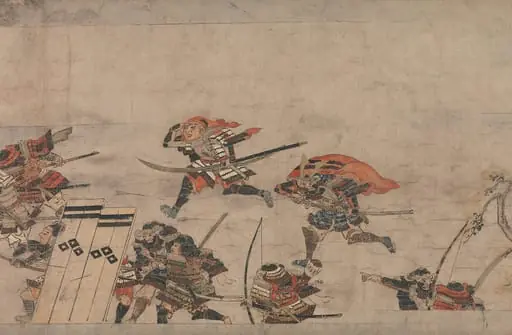 秋夜長物語|A Long Tale for an Autumn Night (Aki no yo nagamonogatari)
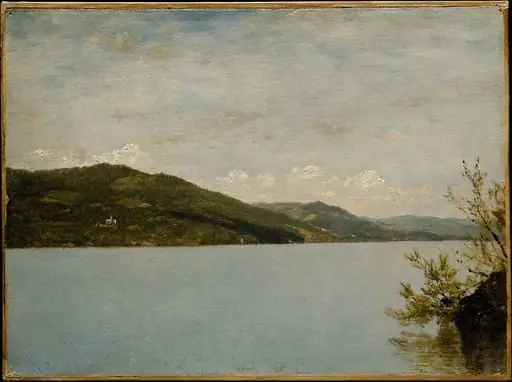 Lake George, 1872
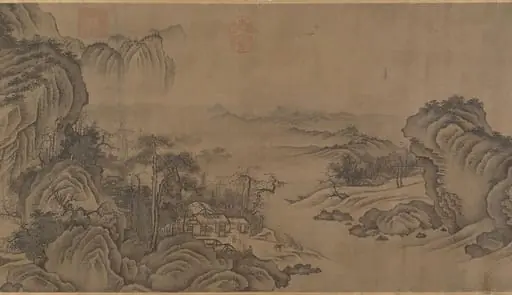 元/明 佚名 舊傳 燕文貴 秋山蕭寺圖 軸|Buddhist Temples amid Autumn Mountains
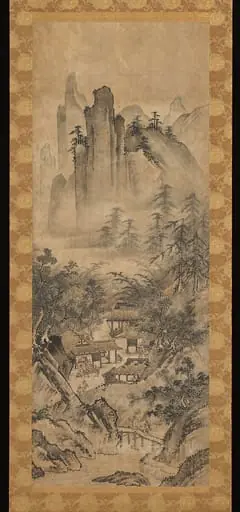 瀟湘八景図|Eight Views of the Xiao and Xiang Rivers
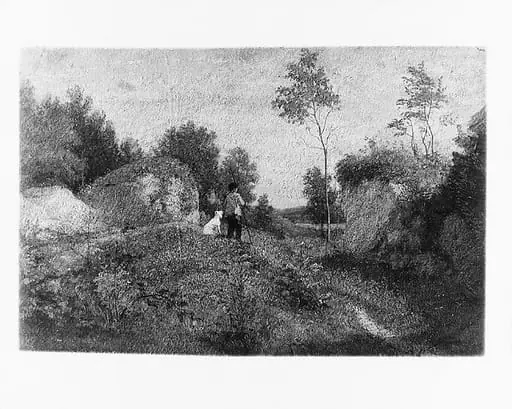 Landscape
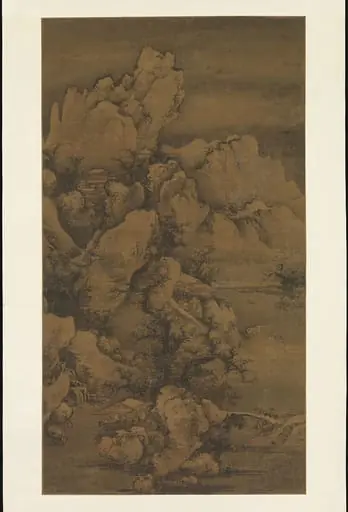 元 姚彥卿 (廷美) 雪山行旅圖 軸|요언경, 눈 덮인 산 속 나그네 중국 원|Traveling through Snow-Covered Mountains
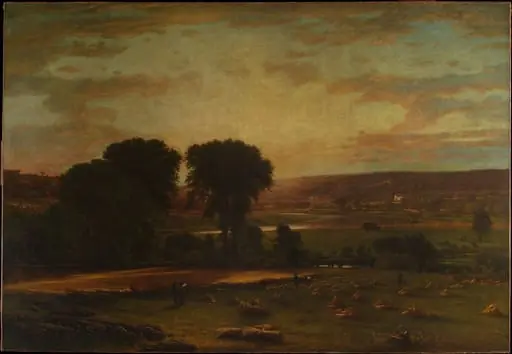 Peace and Plenty
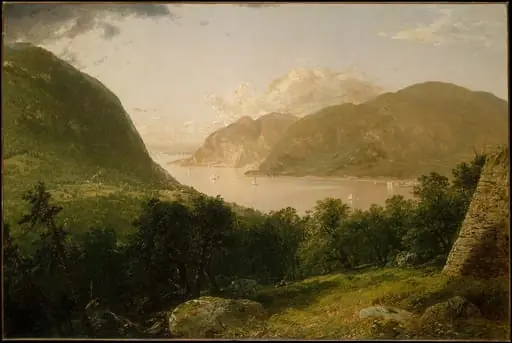 Hudson River Scene
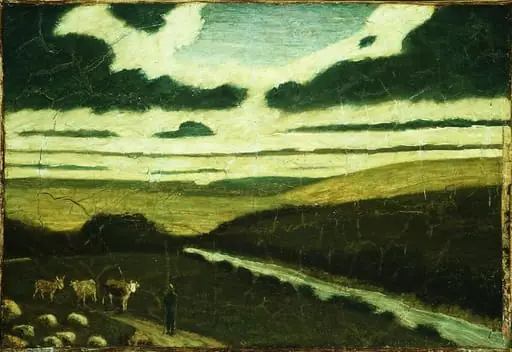 Landscape
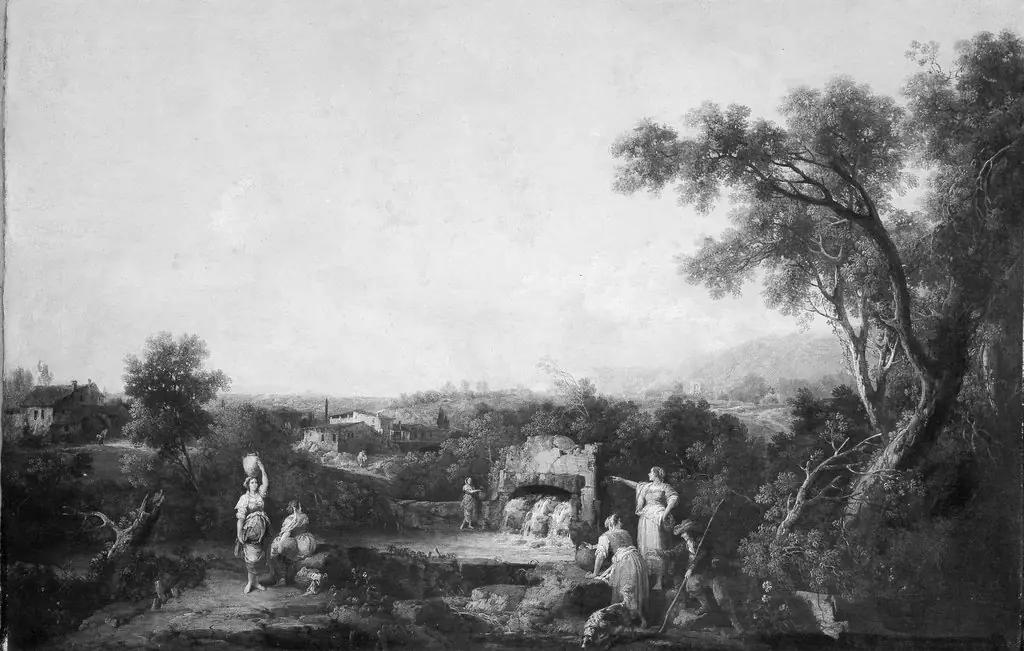 Landscape with Peasants at a Fountain
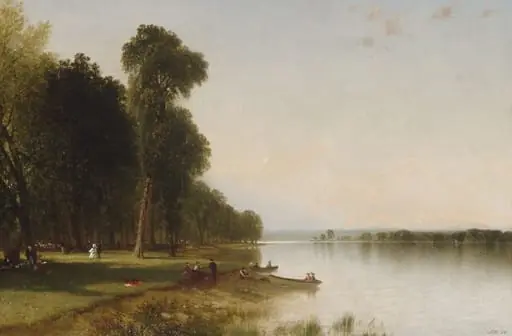 Summer Day on Conesus Lake
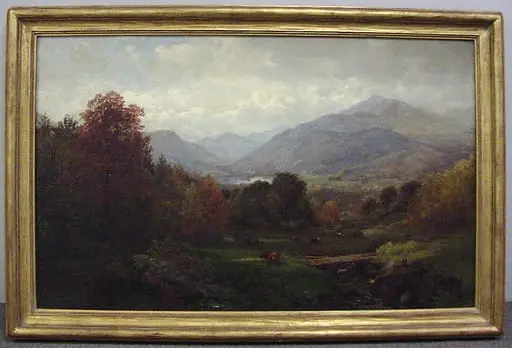 Bouquet Valley, Adirondack Mountains
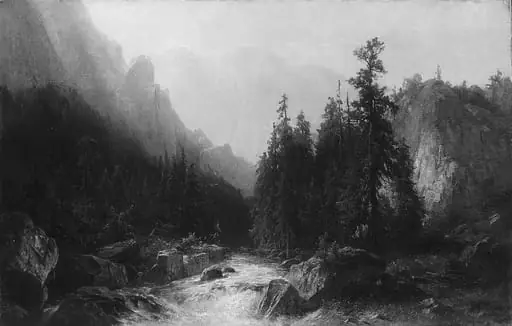 After the Storm
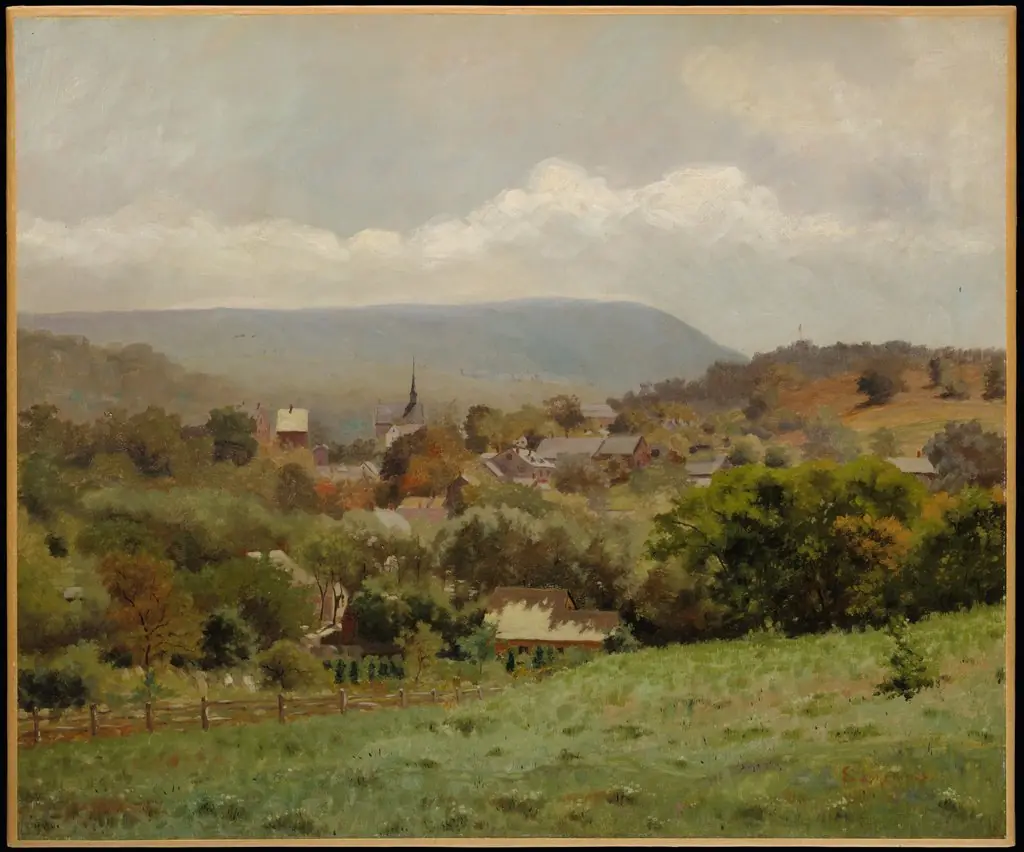 Delaware Water Gap Village
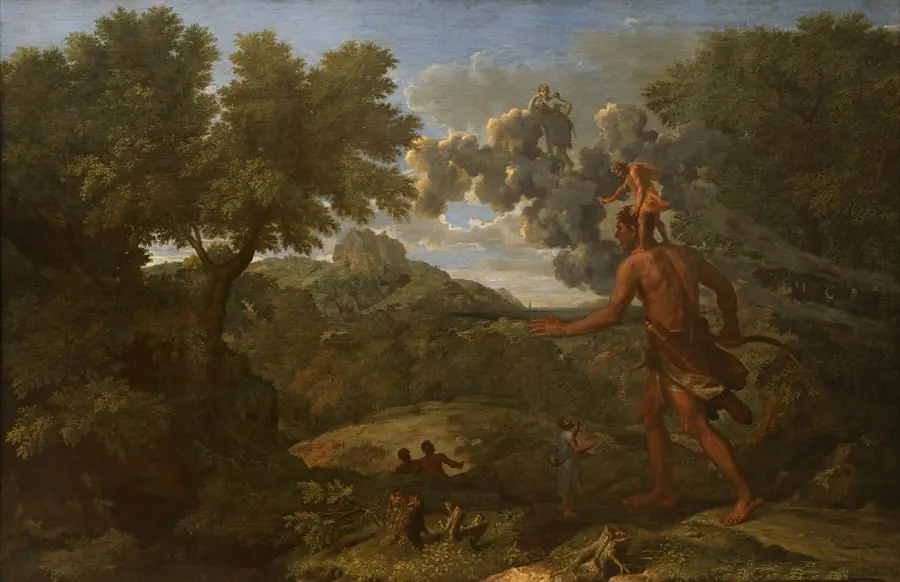 Blind Orion Searching for the Rising Sun
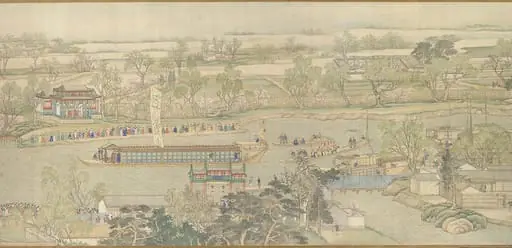 清 徐揚 等 乾隆南巡圖 (第六卷﹕大運河至蘇州) 卷|The Qianlong Emperor's Southern Inspection Tour, Scroll Six: Entering Suzhou along the Grand Canal
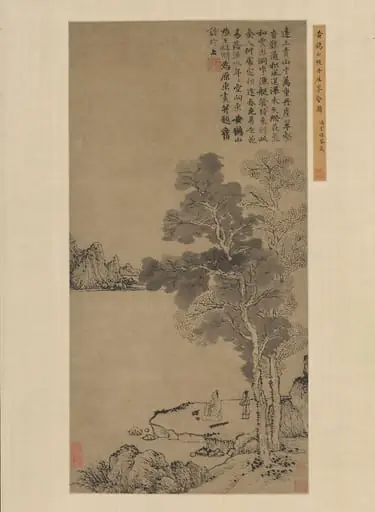 元 王蒙 丹崖翠壑圖 軸|Red Cliffs and Green Valleys
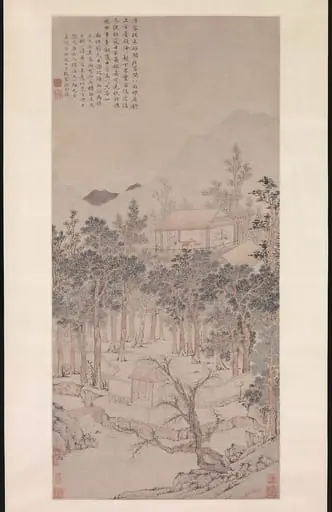 明 文徵明 樓居圖軸|Living Aloft: Master Liu's Retreat
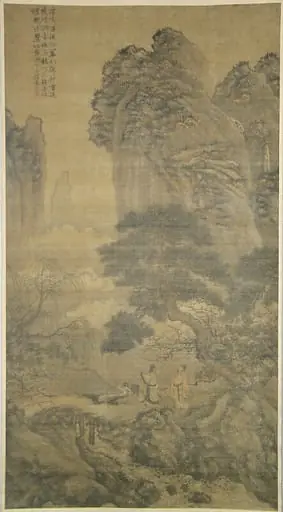 明 謝時臣 谿山春曉圖 軸|Spring Morning in the Mountains
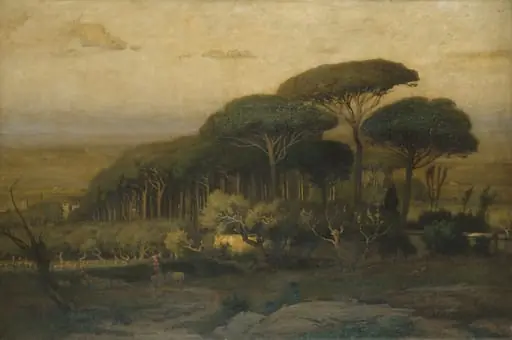 Pine Grove of the Barberini Villa
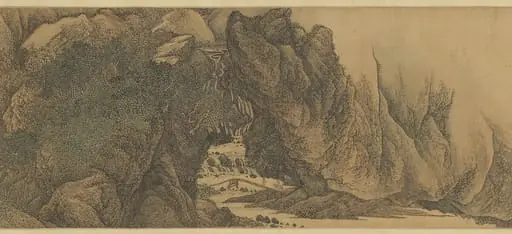 清 王翬 太行山色圖 卷|The Colors of Mount Taihang
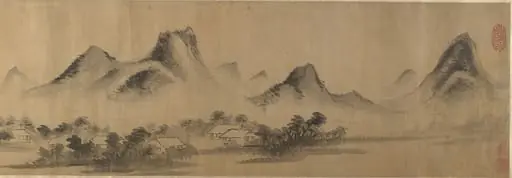 清 佚名 倣董其昌 倣米氏雲山圖 卷|Cloudy Mountain in the Style of Mi Fu (1052–1107)
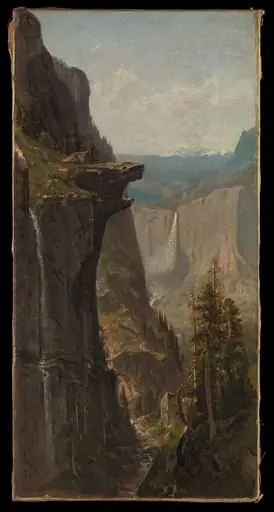 Yosemite Falls, from Glacier Point
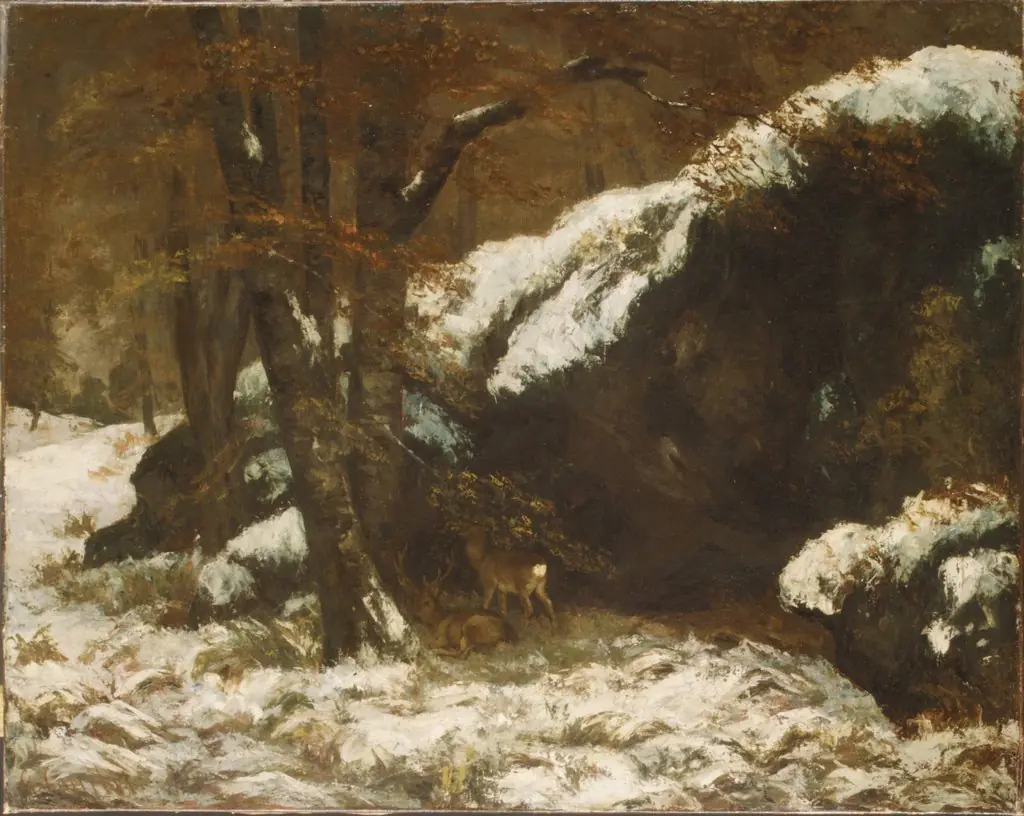 The Deer
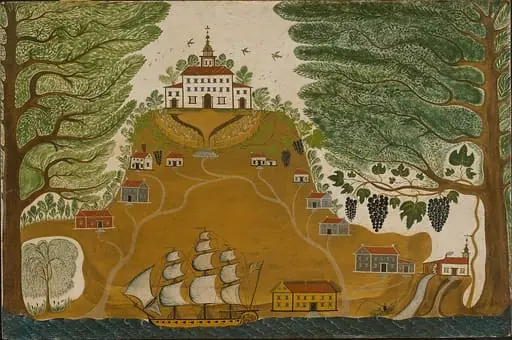 The Plantation
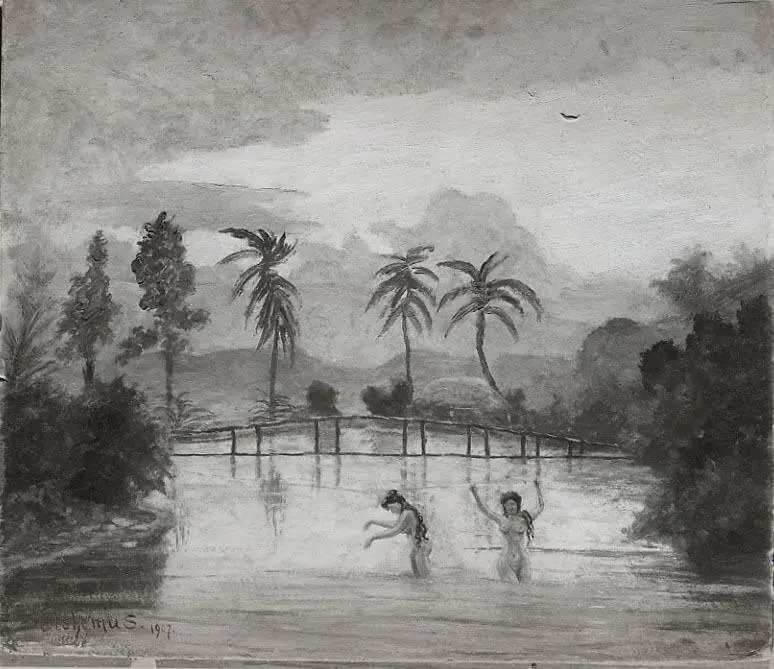 Samoa
Samoa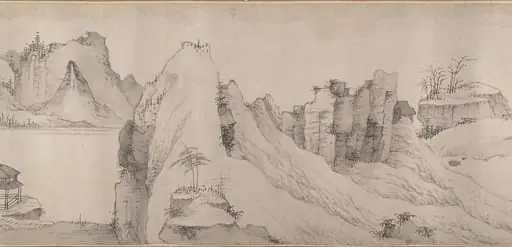 清 傳弘仁 寺橋山色圖 卷|River Scene in Winter
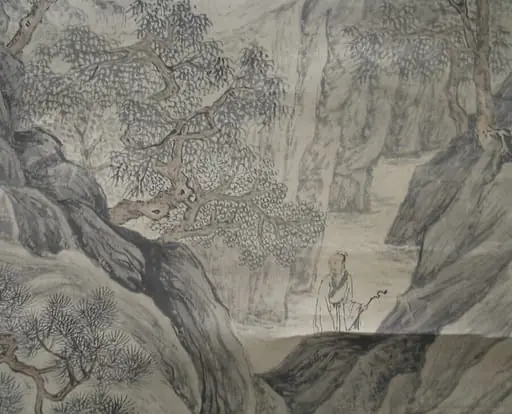 Untitled
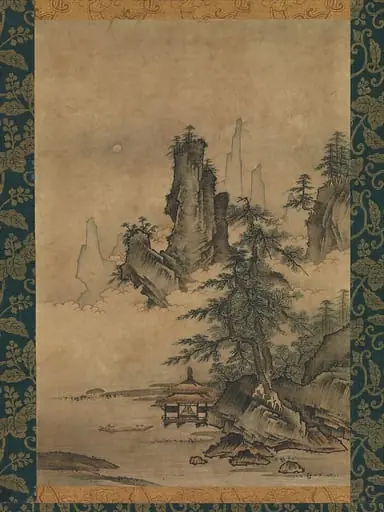 山水図|Landscape
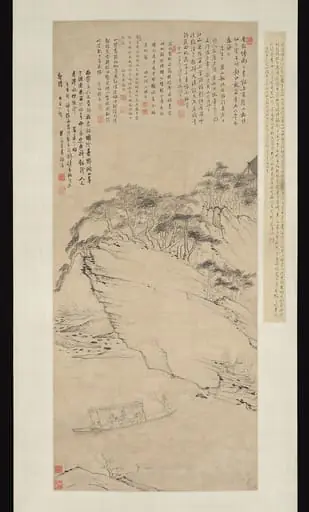 清 倣梅清 響山泛舟圖 軸|Boating beneath Echo Hill
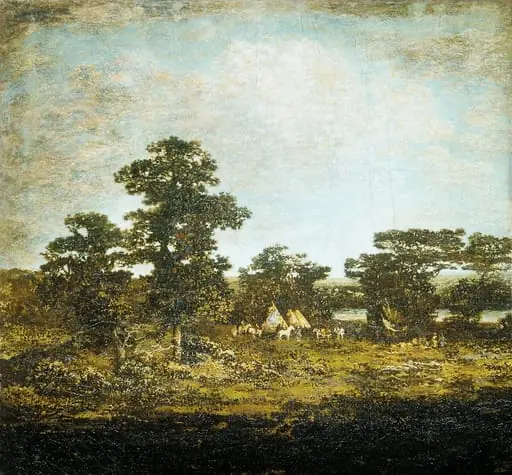 An Indian Encampment
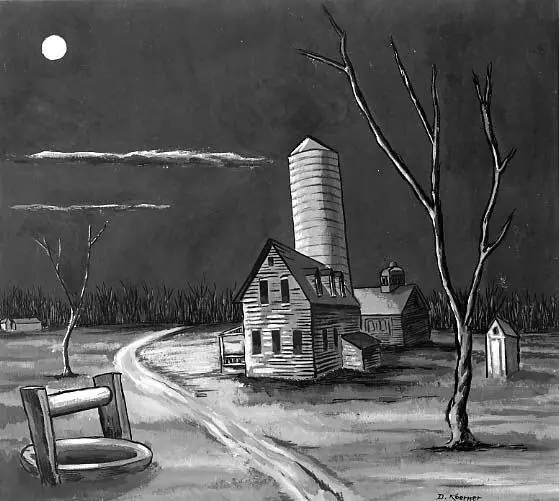 Farm in Moonlight
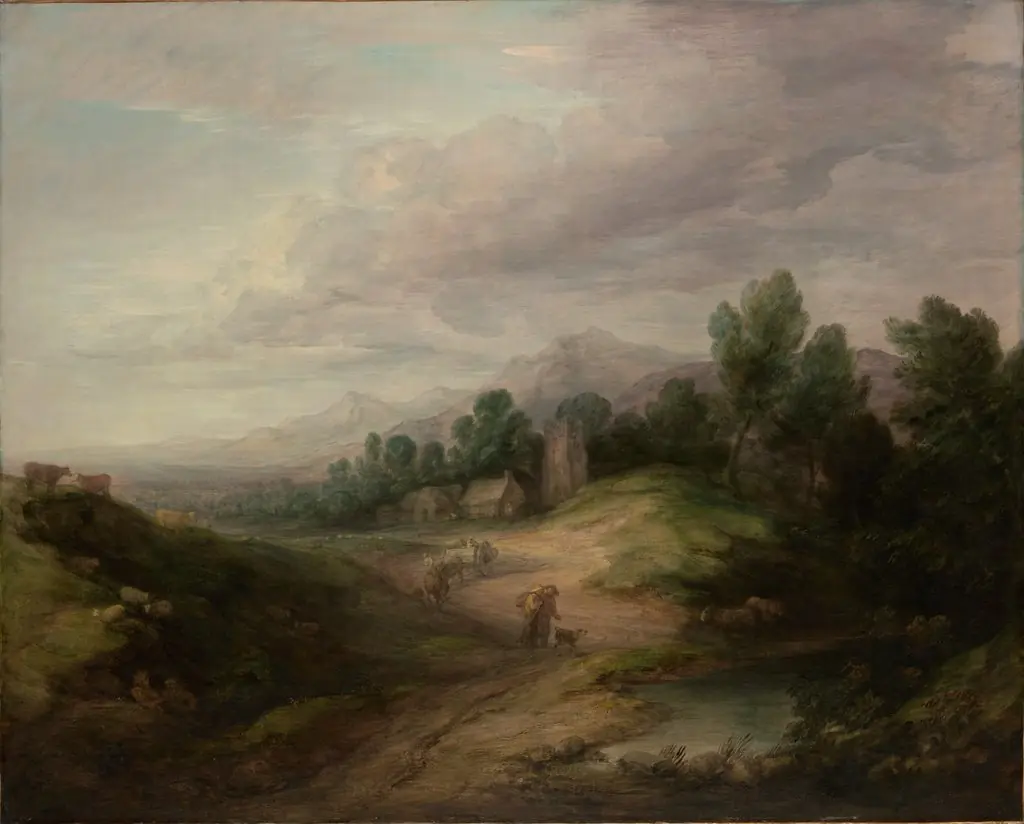 Wooded Upland Landscape
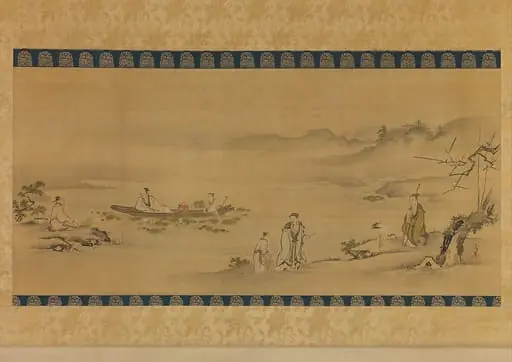 狩野常信筆 四愛図 |Four Admirers
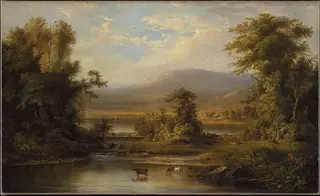 Landscape with Cows Watering in a Stream
 Untitled
Frequently asked questions
What is Landscape Painting?
Landscape painting, also known as landscape art, is the depiction in painting of natural scenery such as mountains, valleys, rivers, trees, and forests, especially where the main subject is a wide view—with its elements arranged into a coherent composition.
How many Landscape Painting works does Artifact World Gallery have?
Artifact World Gallery holds 200 public-domain Landscape Painting works, all free to view and download.
Who are the key Landscape Painting artists?
Key Landscape Painting artists in the collection include Jean Baptiste Camille Corot, Thomas Cole and Gustave Courbet.
Where can I see Landscape Painting works?
Landscape Painting works in the collection are held by Metropolitan Museum of Art, J. Paul Getty Museum and Art Institute of Chicago.