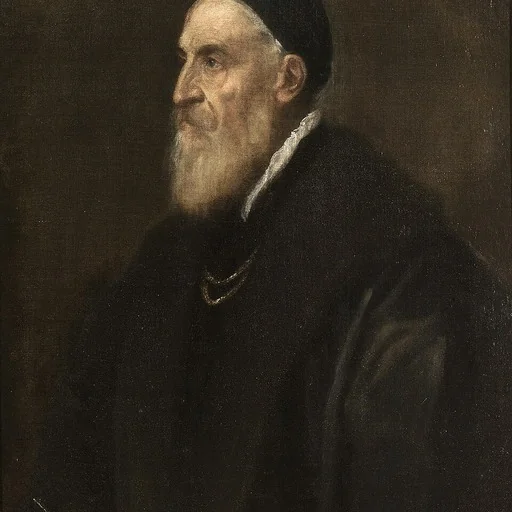
Subject
Waist-Length Hair
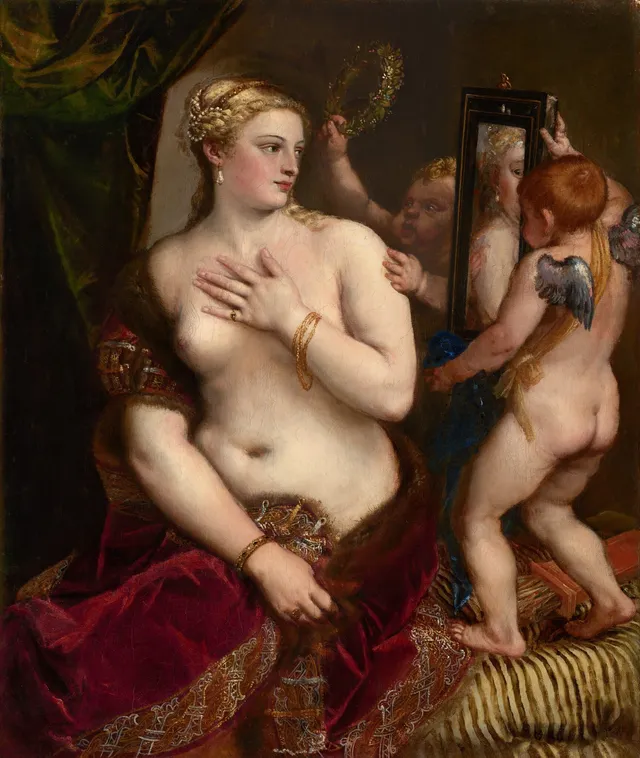
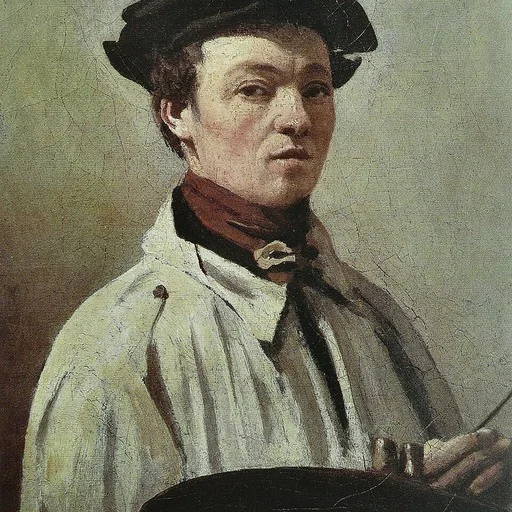
Waist-Length Hair is a subject in art. The gallery holds 188 works in this subject in art, including works by Titian, Paolo Veronese and Jean Baptiste Camille Corot.
In the visual language of Western art, hair allowed to grow to the waist and below is rarely a neutral detail. Long, unbound hair carried coded meanings about a woman's status, sexuality, and inner life, and across many cultures it became a powerful symbol of beauty, fertility, penitence, or shame. Because loosened hair was, in much of European history, a private matter — pinned and covered in public, let down only in intimacy, mourning, or disgrace — painters used cascading tresses to mark a figure as outside ordinary social order, whether as a goddess, a saint, or an outcast.
The single most influential bearer of waist-length hair is Mary Magdalene. Conflated in medieval legend with the sinner who washed Christ's feet with her tears and dried them "with the hairs of her head," and with the desert hermit Mary of Egypt whose hair miraculously grew to clothe her nakedness, the Magdalene became the penitent whose flowing locks signify both her former sensuality and her redemption. This tradition runs from Donatello's gaunt wooden Magdalen through Titian and into the candlelit meditations of Georges de La Tour, whose *The Penitent Magdalen* and *The Repentant Magdalen* — both held in this collection — let dark, loosened hair fall over the shoulders of a woman contemplating a skull and flame.
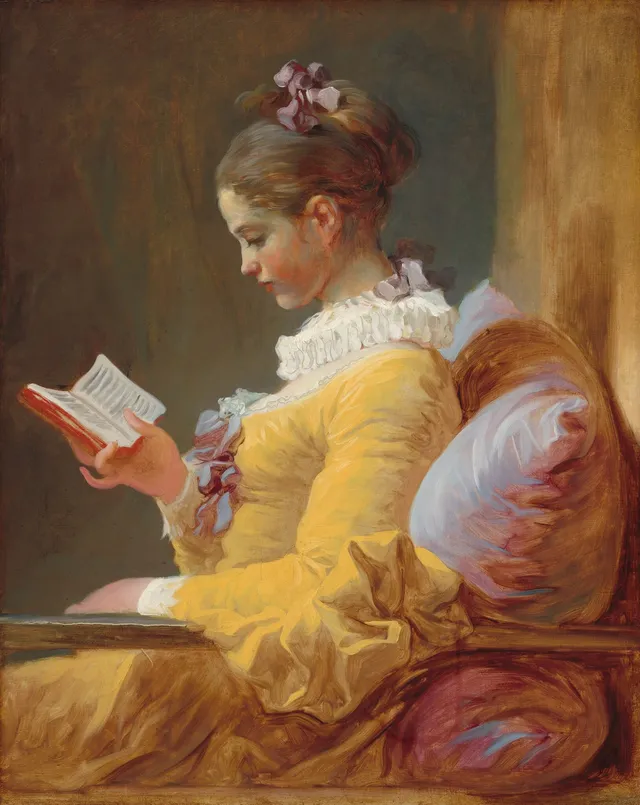
In the classical and mythological strand, long hair signals divine beauty rather than repentance. Botticelli's Venus is borne ashore on golden tresses stirred by the wind, echoing Poliziano's verses on "loosened and flowing hair," and Titian's *Venus with a Mirror* arranges its goddess's hair as an emblem of vanity and allure. The same sensual charge animates Corot's *The Repose*, Courbet's *The Young Bather*, and Fragonard's *Young Girl Reading*, where unbound hair softens the figure into reverie or undress.
The theme reached its most self-conscious flowering with the Pre-Raphaelites. Dante Gabriel Rossetti made flaming, copious hair — as in *Venus Verticordia* — a signature of charged desire, while John Collier's *Lady Godiva* (c. 1897, Herbert Art Gallery, Coventry) wraps the legendary noblewoman's modesty in tresses that fall to her saddle. In these works waist-length hair becomes the very subject: a screen, an ornament, and a vessel of meaning that links Christian iconography, classical myth, and modern aestheticism.
Key artists
Overview
Waist-length hair is a hairstyle where head hair is allowed to grow past the shoulders, terminating at the waist. The definition of long hair varies significantly across cultures and even within them; shoulder-length hair may be considered long for men but short for women in the same society. Achieving waist-length hair requires a prolonged growth cycle, typically taking about seven years including occasional trims, and reaching approximately 80 to 90 centimeters from the forehead. This length is only biologically possible for individuals with a long anagen, the active growth phase of the hair cycle, which typically lasts between two and seven years. As an artistic motif, waist-length hair appears prominently in numerous historical works, serving as a powerful visual marker of identity, status, and virtue.
Iconography & meaning
In art, waist-length hair carries layered iconographic meanings rooted in biology, psychology, and cultural norms. Biologically, long, lustrous hair acts as a visual cue to youth, health, and reproductive fitness, as it reveals two to three years of a person's nutritional status and well being. Psychoanalytic thought interprets long hair as a representation of the release of the ego and the suppression of the super-ego. For women in Western art, flowing waist-length hair is a widespread connotation of femininity and sexual availability; the act of releasing previously tied hair is often interpreted as a relaxation of inhibitions. Conversely, in East Asian cultures, unkempt or loose long hair on a woman signals irresponsible attitudes or sexual intent, as traditional expectations dictate that responsible women tie their hair up. For men, long hair frequently signals a distance from societal norms or an alternative lifestyle, though religious contexts, such as the Nazarites in the Hebrew Bible, frame uncut hair as a demonstration of devotion to God and a source of physical strength.
In the collection
Within the referenced collection, waist-length hair is a recurring motif depicted in 194 works. It appears predominantly in religious and mythological paintings, highlighting the thematic associations of the subject. Key examples include depictions of the Madonna and Child, as well as the Madonna and Child with the Young Saint John the Baptist, where the Virgin's long hair signifies her purity and virginity. The motif also features heavily in portrayals of penitent and repentant figures, such as The Penitent Magdalen and The Repentant Magdalen, where cascading hair symbolizes both worldly sensuality and spiritual contrition. Mythological and allegorical works utilize the motif for its classical associations, as seen in Venus with a Mirror, Bacchante by the Sea, and Salome. Secular and genre scenes, such as The Repose, The Young Bather, and Young Girl Reading, further employ waist-length hair to emphasize natural femininity, intimacy, and relaxed inhibitions.
Across movements & periods
The treatment and significance of waist-length hair in visual culture have shifted considerably across periods and cultures. In classical antiquity, Greek and Trojan soldiers wore long hair as a sign of nobility and freedom, though by the sixth century BCE, shorter hair prevailed for Greek men while women retained long hair as a symbol of wealth and status. In the Roman province, short hair became standard for men, and Julius Caesar ordered the long-haired Gauls to cut their hair, cementing long hair as a marker of barbarians. During the early Middle Ages, Germanic and Frankish cultures reversed this hierarchy: long hair was the prerogative of free men and kings, such as the Merovingian rulers, while short hair indicated servitude. By the eleventh and twelfth centuries, long hair was fashionable among European knights, though married women were expected to cover or constrain their hair, reserving loose flowing hair for unmarried women or periods of mourning. In later centuries, waist-length hair on men became a counter-cultural symbol, most notably during the cultural revolutions of the 1960s and 1970s, while for women it remained an entrenched symbol of conventional femininity, occasionally challenged by feminists who debated whether short hair was a necessary rejection of gender stereotypes.
Notable depictions
Canonical depictions of waist-length hair span religious, mythological, and historical subjects. In Christian iconography, the Virgin Mary is frequently depicted with long hair to denote her virginity, while Mary Magdalene's flowing hair emphasizes both her sensuality and her penitence. The Old Testament figure Samson, whose strength depended on his uncut seven locks, represents the Nazarite vow. In classical mythology, gods and heroes like Zeus, Poseidon, and Achilles were consistently depicted with long hair, reflecting their elevated status and freedom. Historically, the Merovingian kings, known as the long-haired kings, were defined by their uncut locks, which served as the physical manifestation of their royal right; deposed rulers like Childeric III were forcibly tonsured to remove them from the line of succession. In Islamic tradition, the Prophet Muhammad and Jesus are described as having hair that reached their shoulders and ear lobes, a length respected and emulated by followers.
Legacy
The cultural afterlife of waist-length hair continues to reflect its historical dichotomies of conformity and rebellion, sacredness and sensuality. In Western societies, the traditional connotation of long hair evolved to describe aesthetes, classical music enthusiasts, and eventually the hippie counter-culture, where it permanently shed its aristocratic Merovingian associations in favor of anti-establishment symbolism. Specific styles like dreadlocks, popularized globally by the reggae music of the 1970s, integrated long hair into alternative lifestyle identities inspired by the Nazarite vow. For women, the legacy remains complex; while long hair persists as a widespread standard of femininity, feminist scholars like Susan Brownmiller and Frigga Haug have critiqued it as a sexualized stereotype, noting that female hair is persistently perceived as transmitting sexual information. Meanwhile, in some contemporary non-Western contexts, such as under the Taliban in Afghanistan, long hair on men is actively punished, demonstrating that the regulation of hair length remains a potent instrument of social and political control.
Works
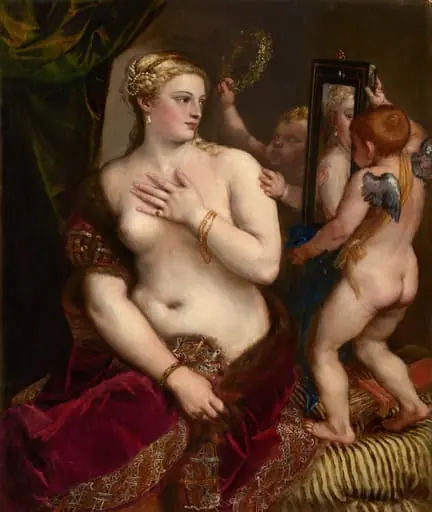 Venus with a Mirror
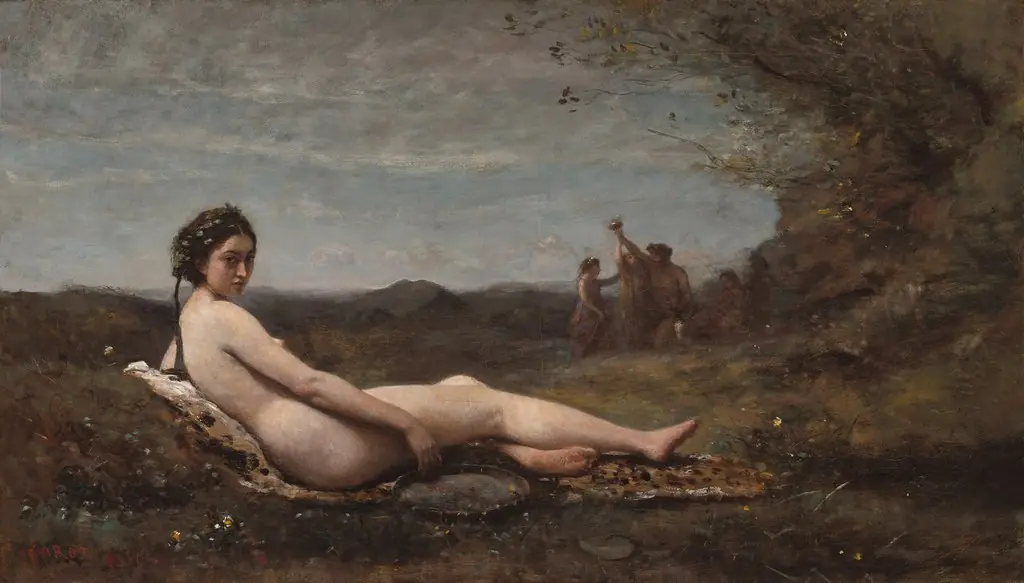 The Repose
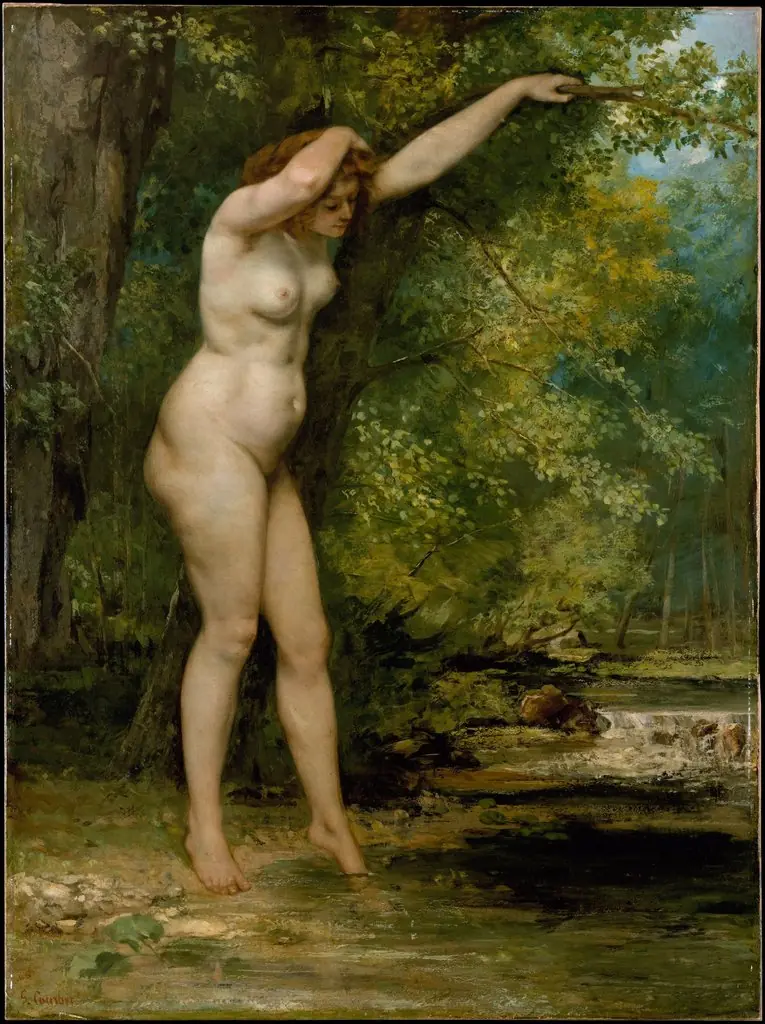 The Young Bather
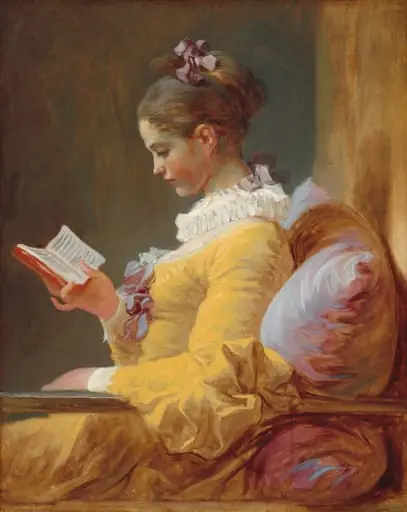 Young Girl Reading
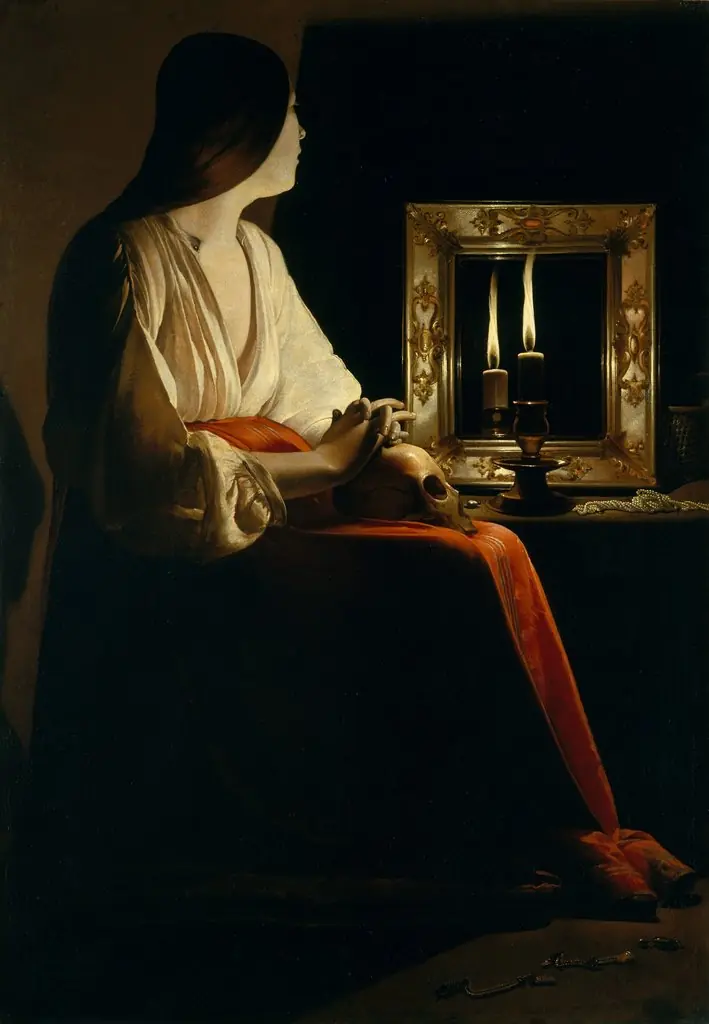 The Penitent Magdalen
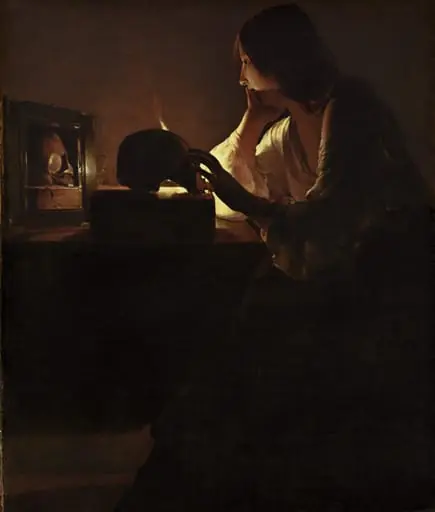 The Repentant Magdalen
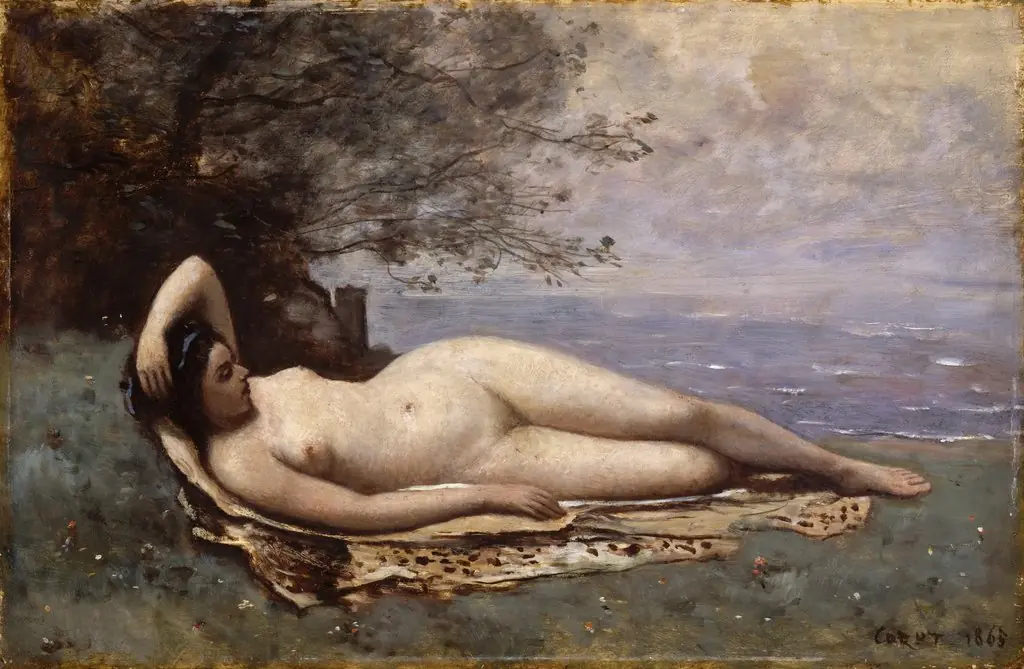 Bacchante by the Sea
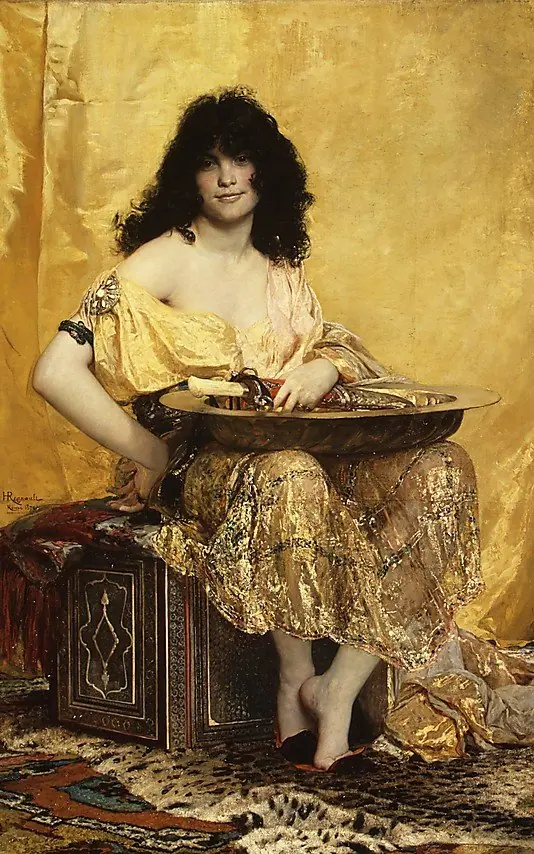 Salome
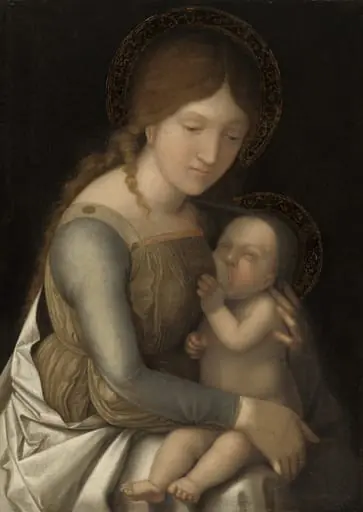 Madonna and Child
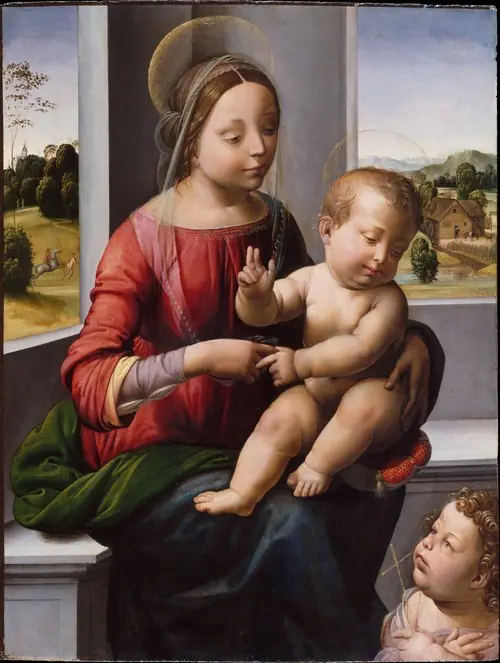 Madonna and Child with the Young Saint John the Baptist
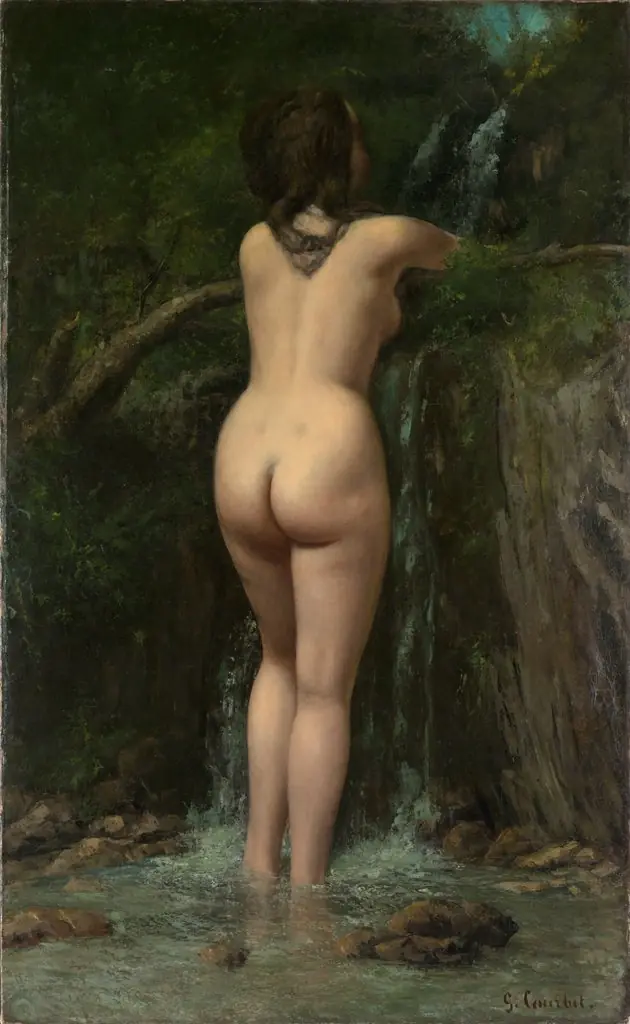 The Source
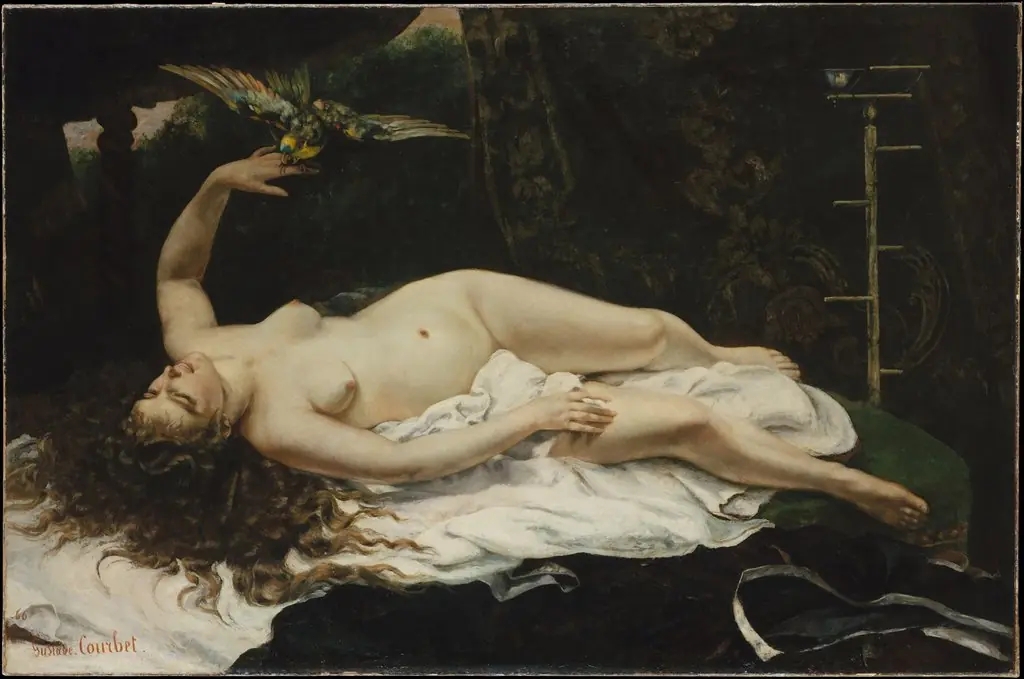 Woman with a Parrot
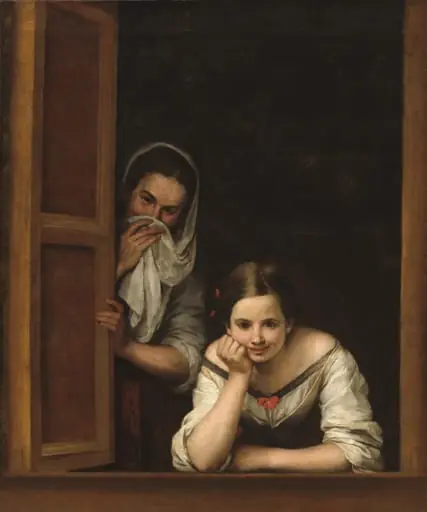 Two Women at a Window
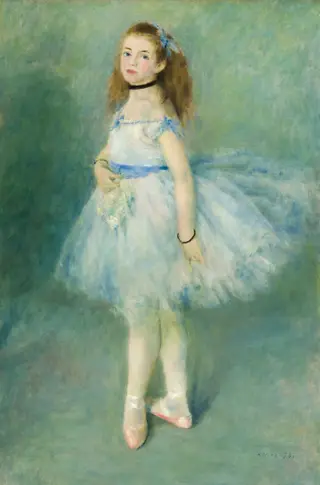 The Dancer
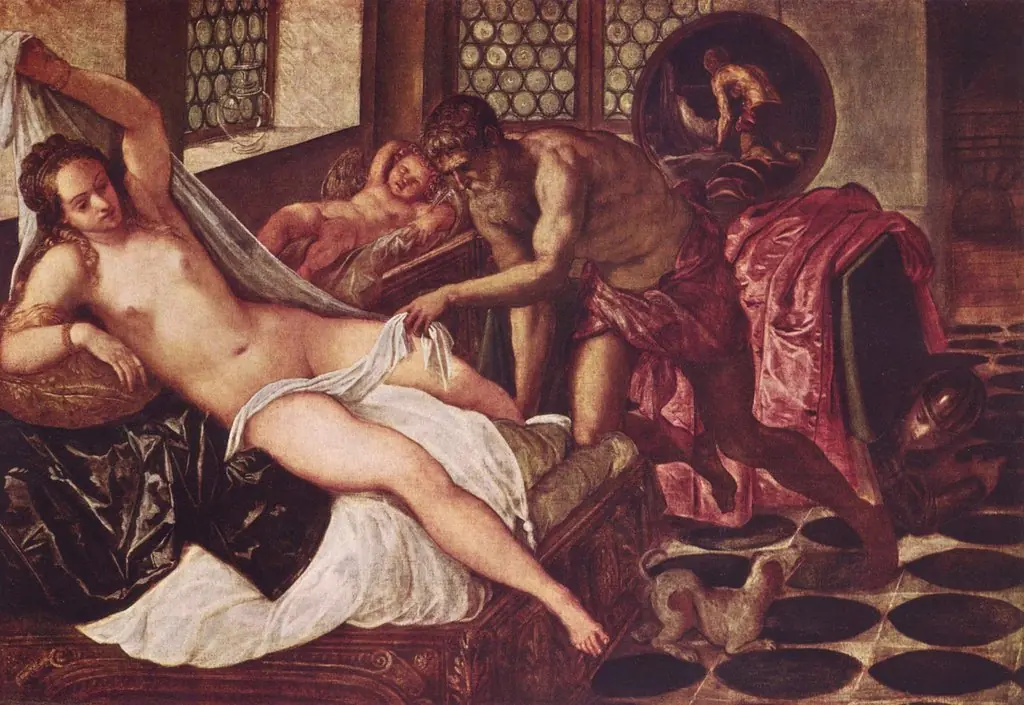 Venus and Mars Surprised by Vulcan
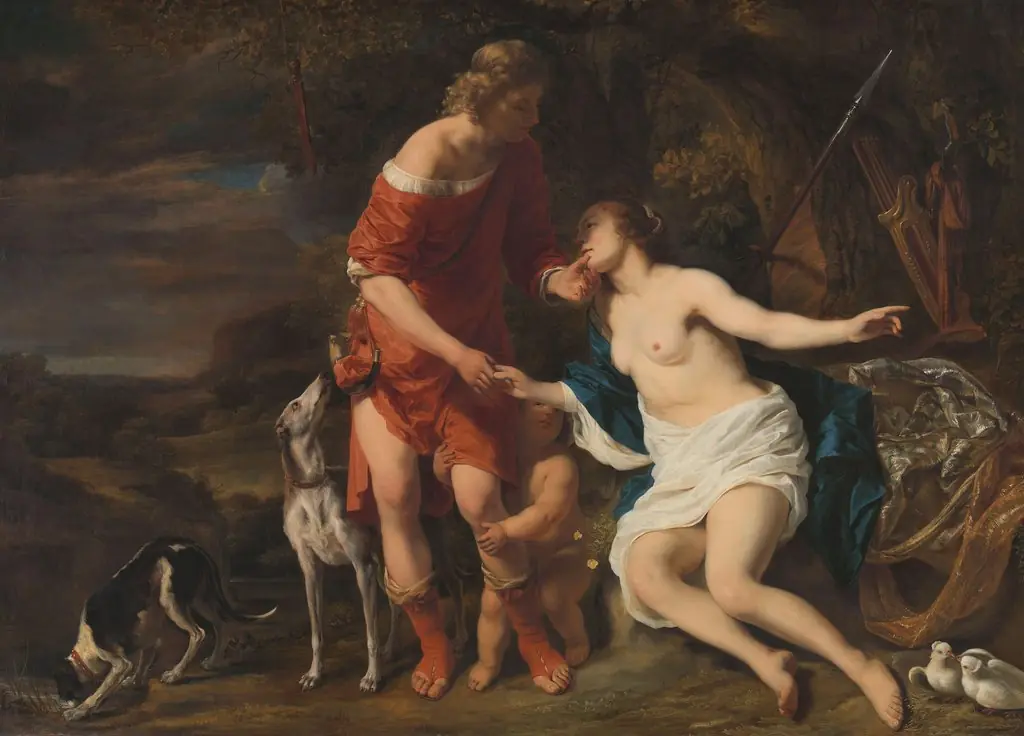 Venus and Adonis
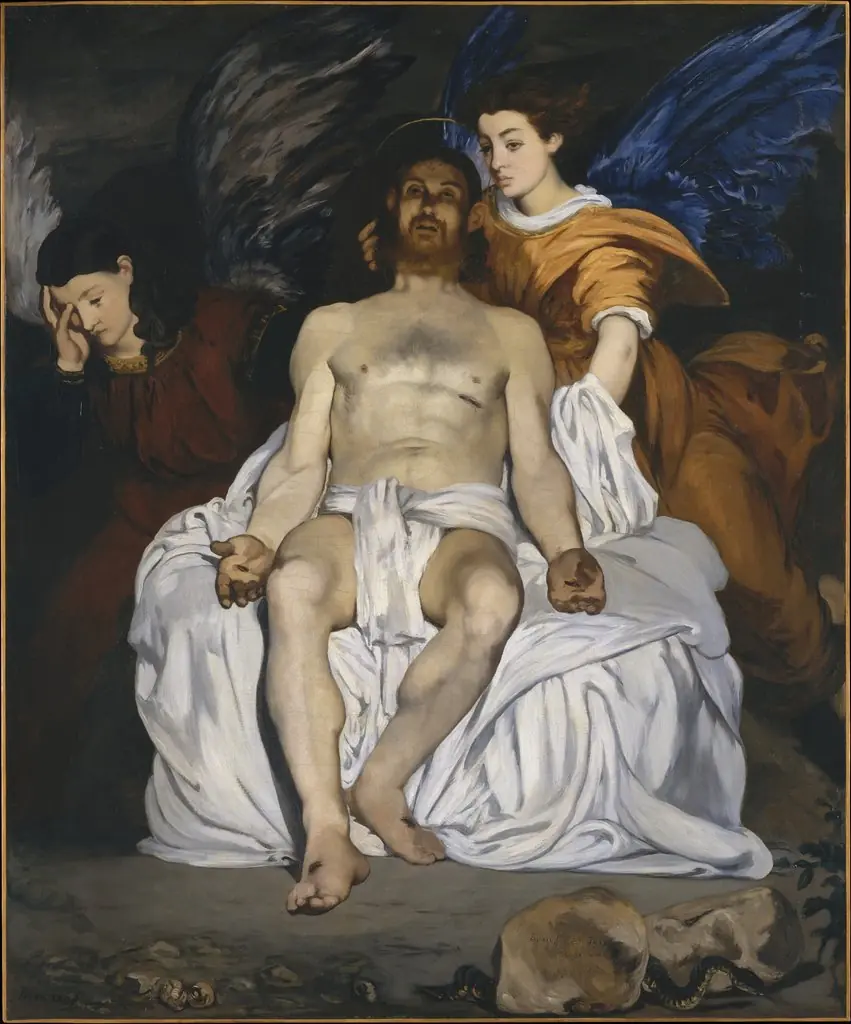 The Dead Christ with Angels
 Vertumnus and Pomona
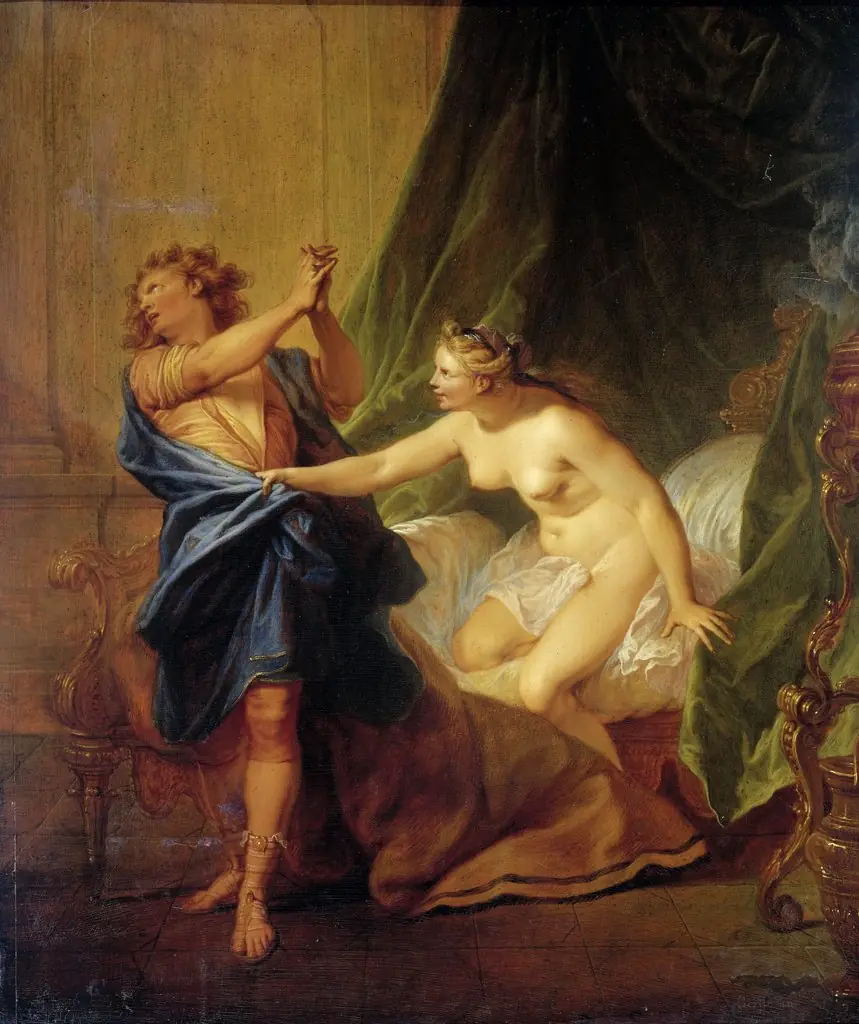 Joseph and Potiphar's Wife
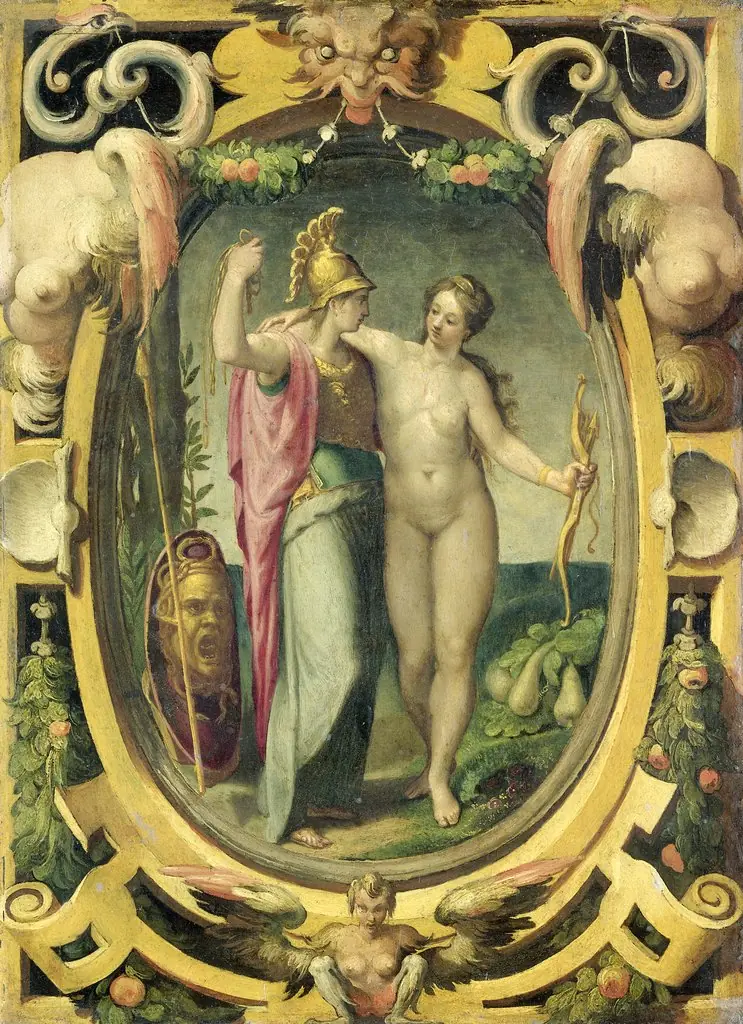 Venus and Minerva
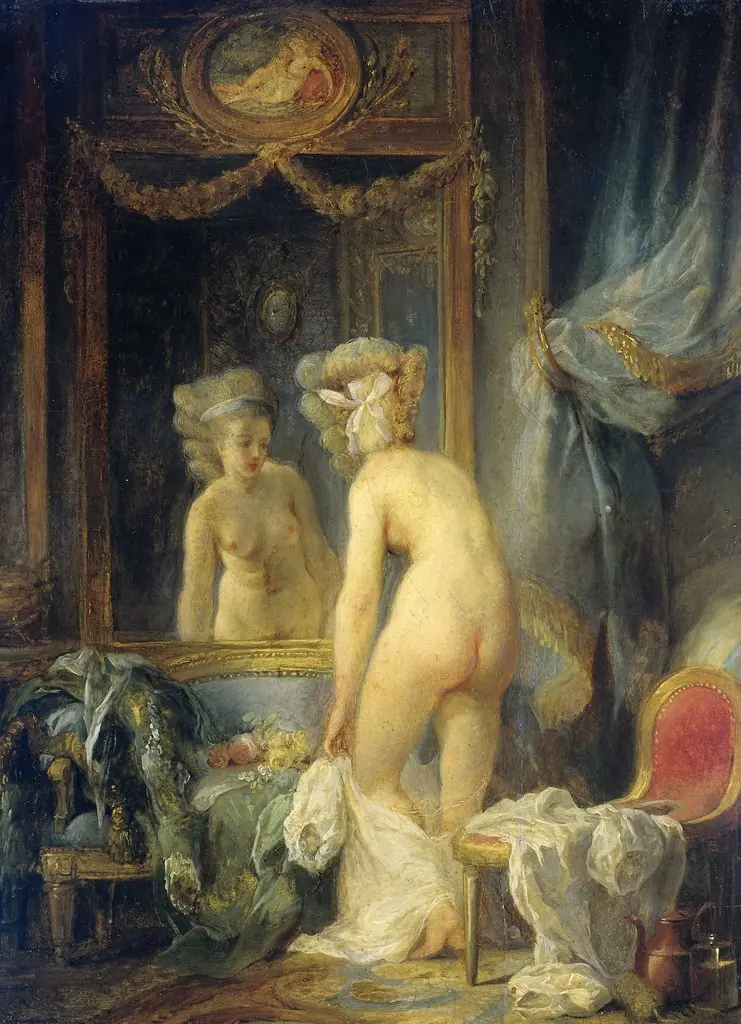 Morning Toilet
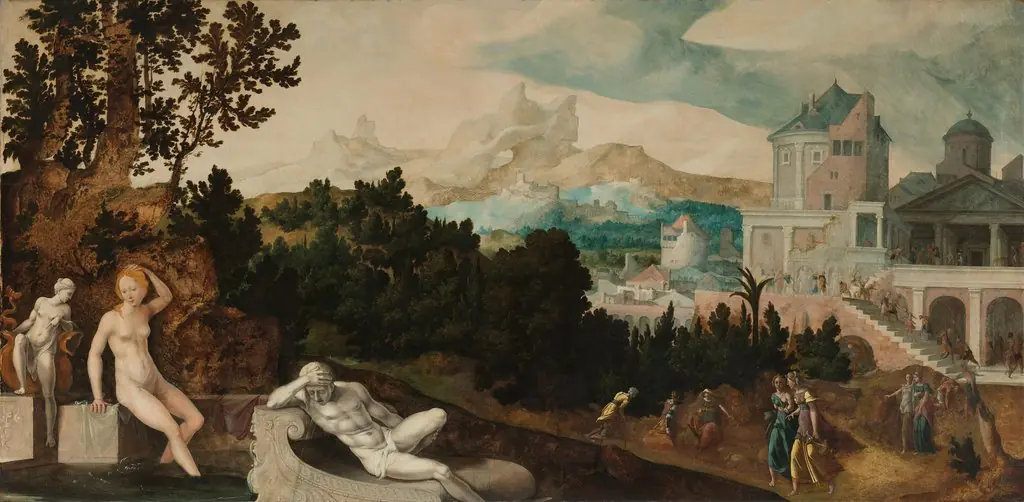 Landscape with Bathsheba
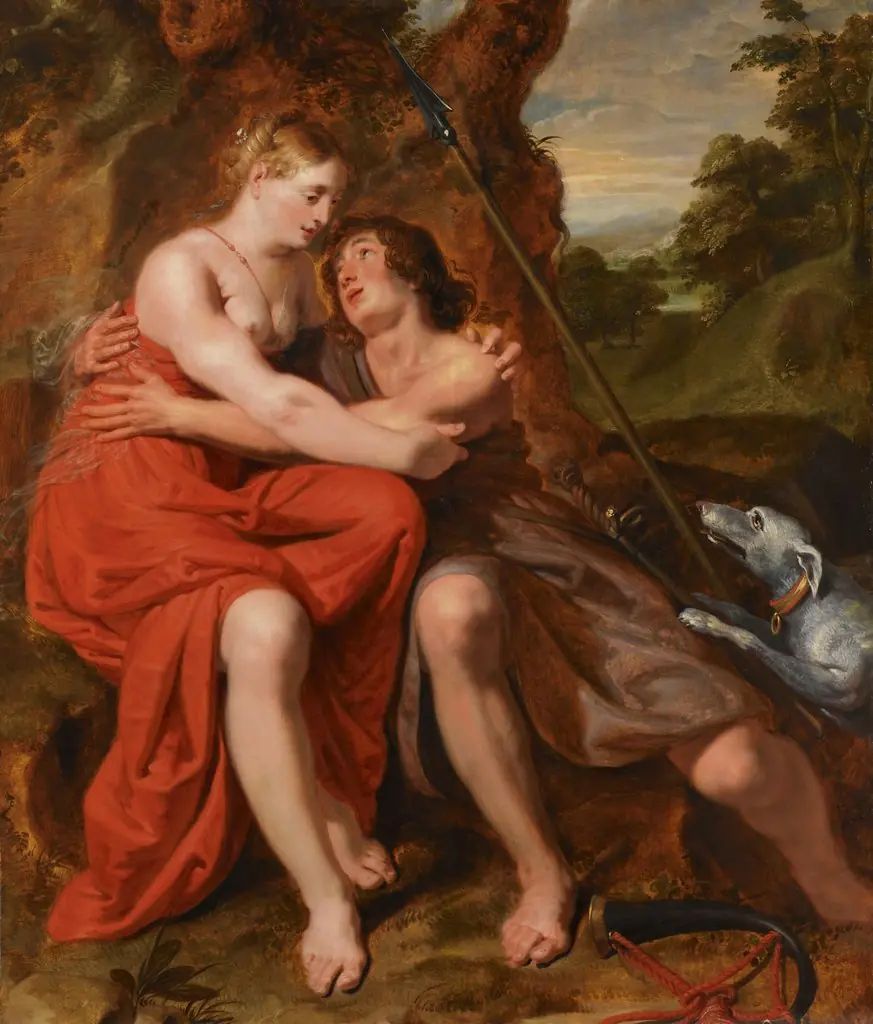 Venus and Adonis
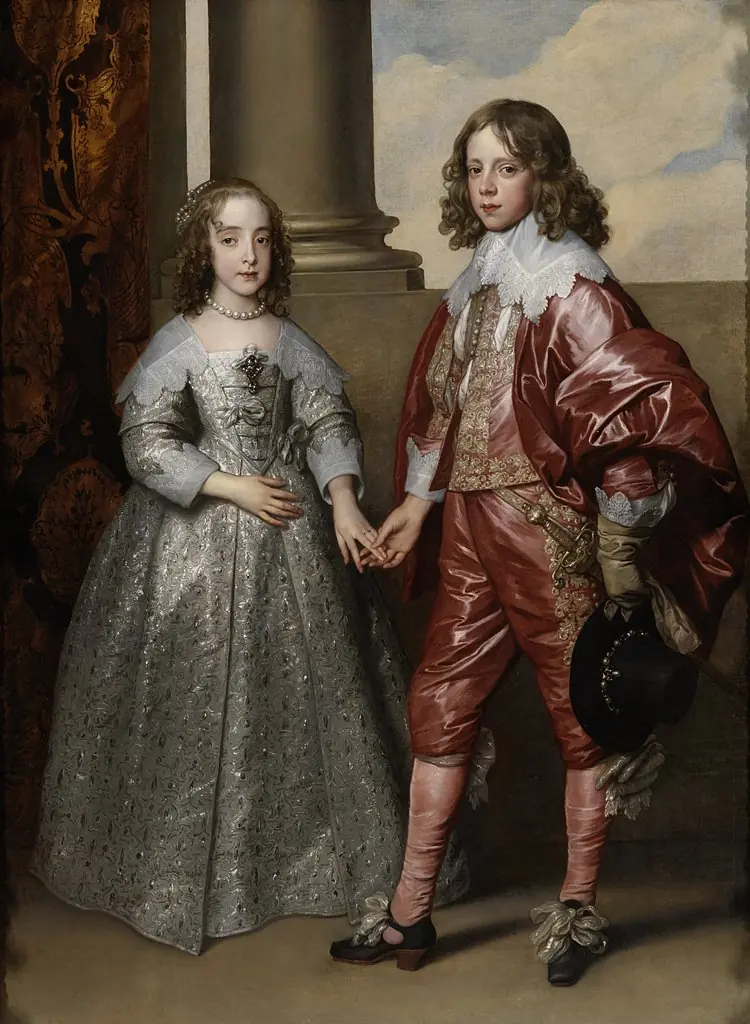 William II, Prince of Orange, and his Bride, Mary Stuart
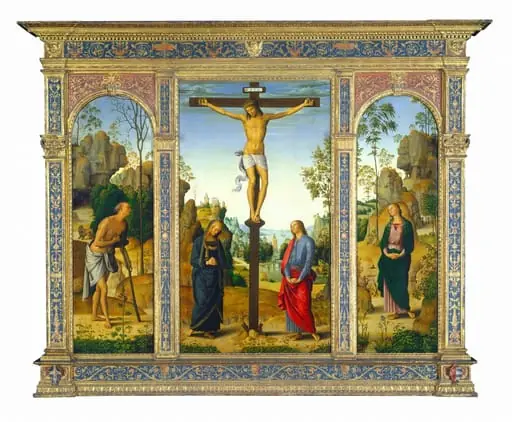 The Crucifixion with the Virgin, Saint John, Saint Jerome, and Saint Mary Magdalene
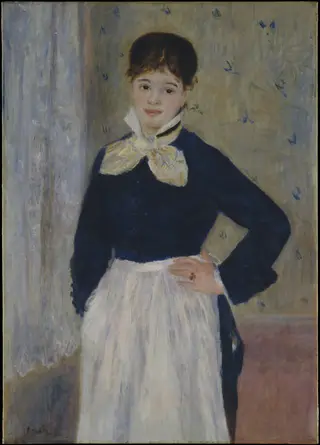 A Waitress at Duval's Restaurant
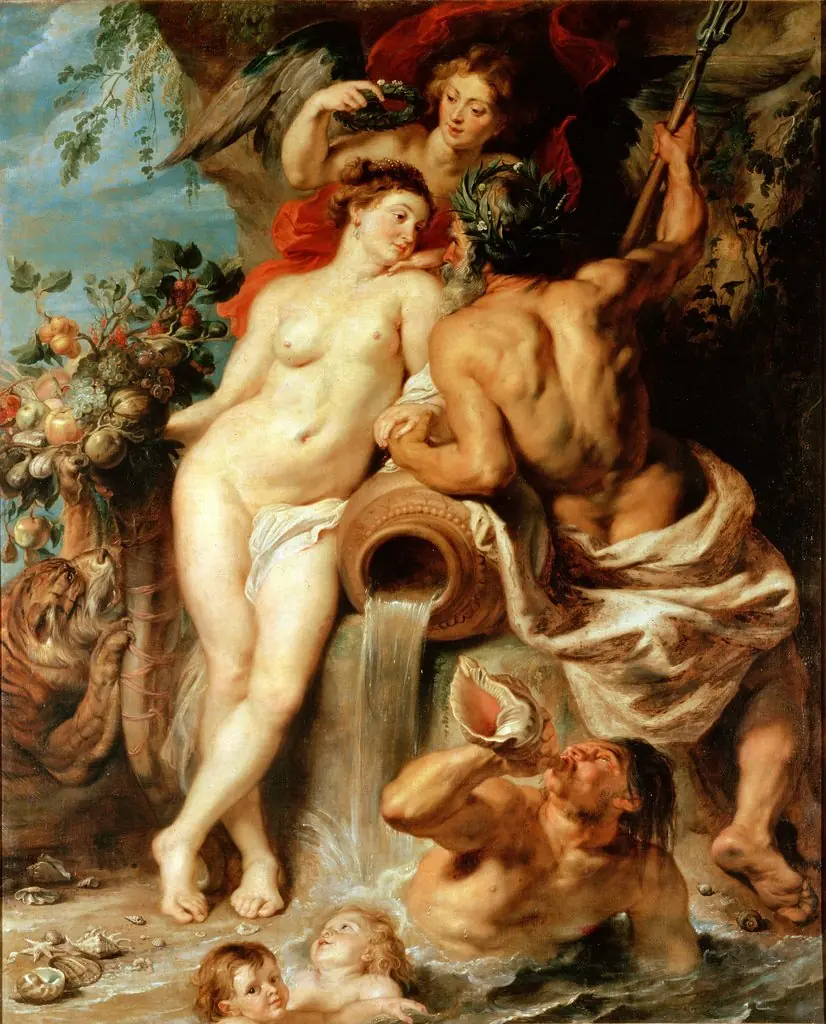 The Union of Earth and Water (Antwerp and the Scheldt)
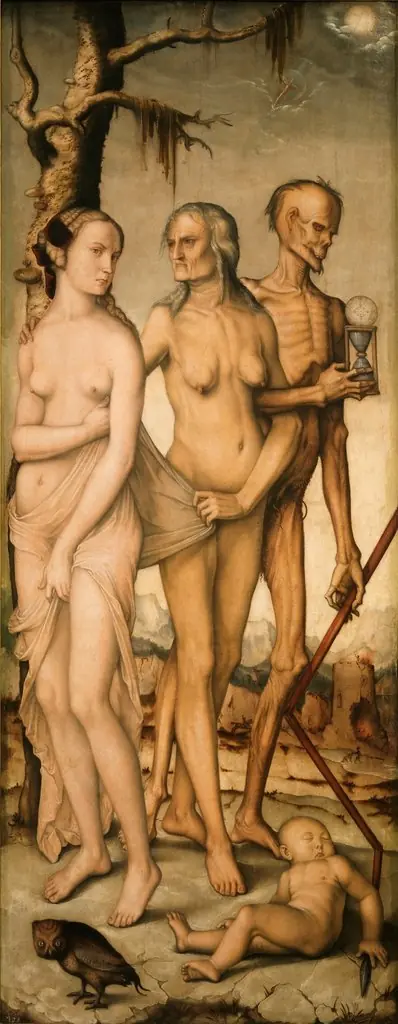 The Ages and Death
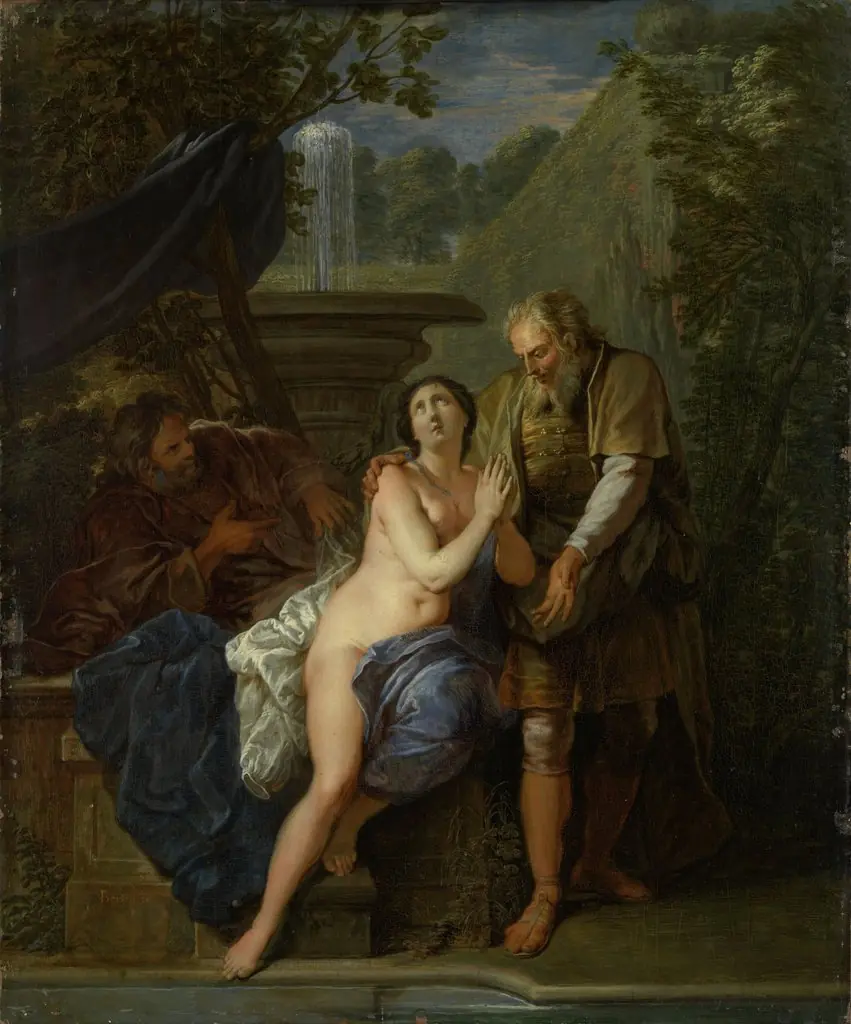 Susanna and the Elders
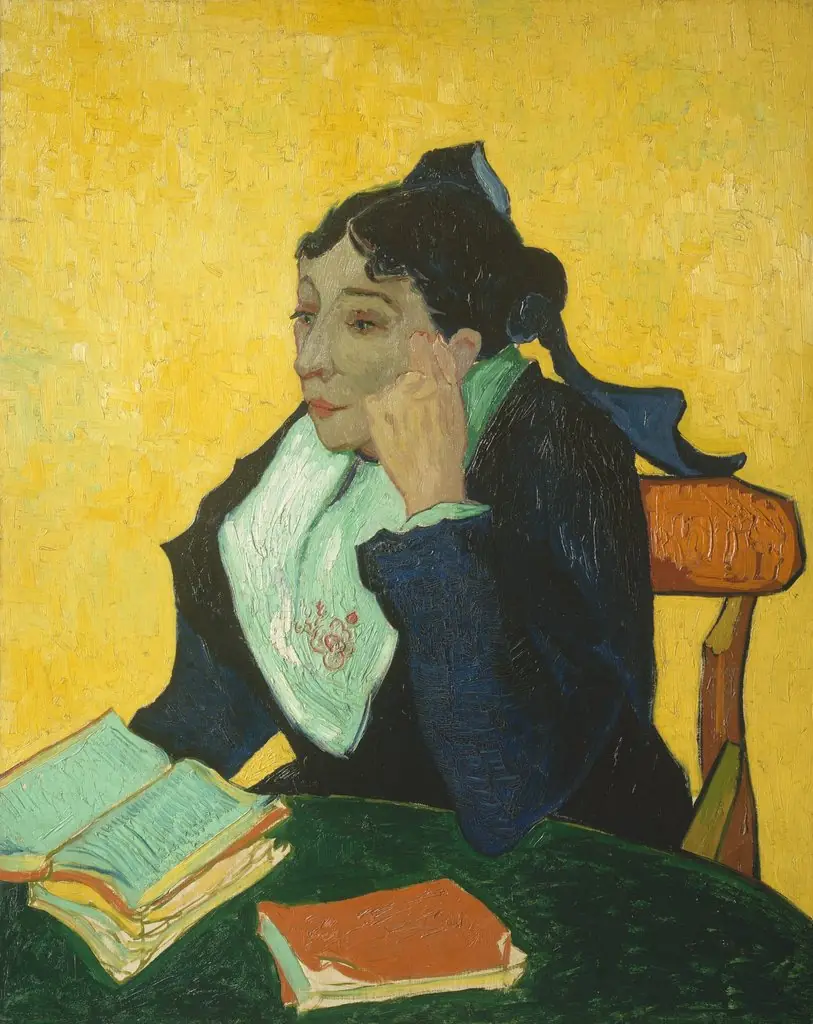 L'Arlésienne
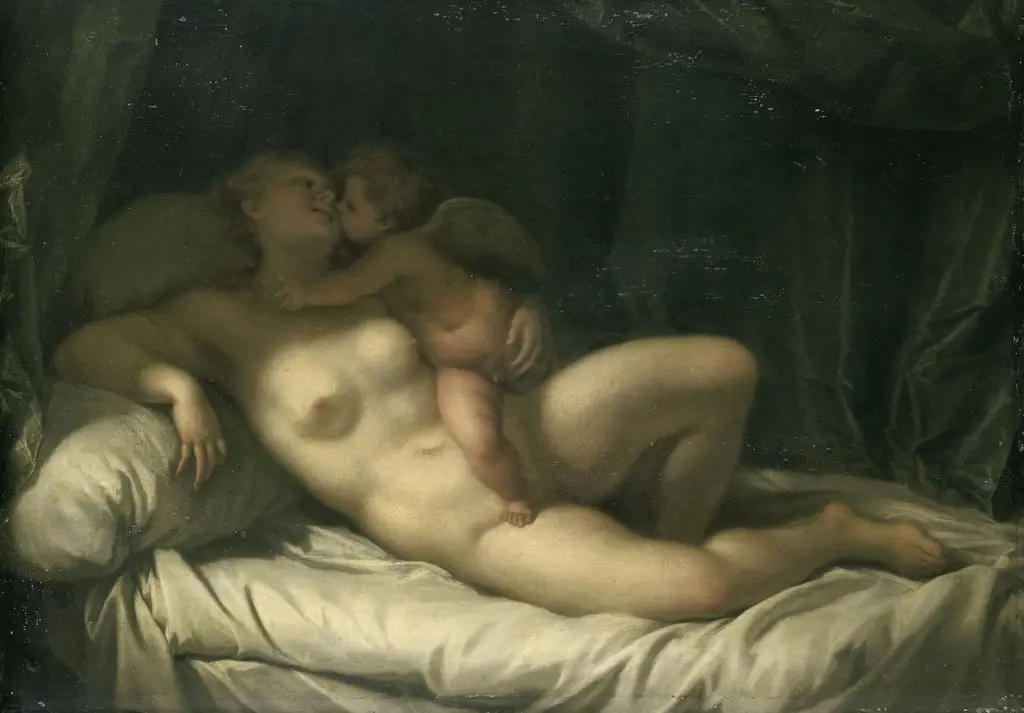 Cupid Kissing Venus (Venus Kissed by Amor)
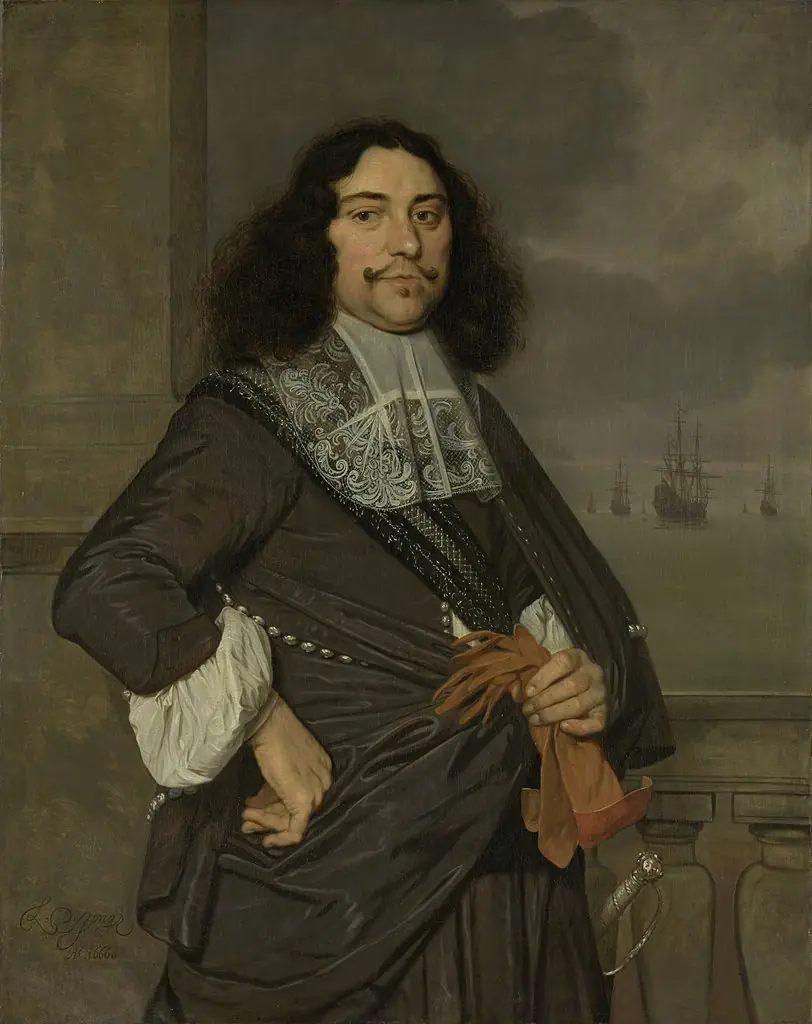 Portrait of Jan van Nes (1631-80). Vice admiral of Holland and West-Friesland
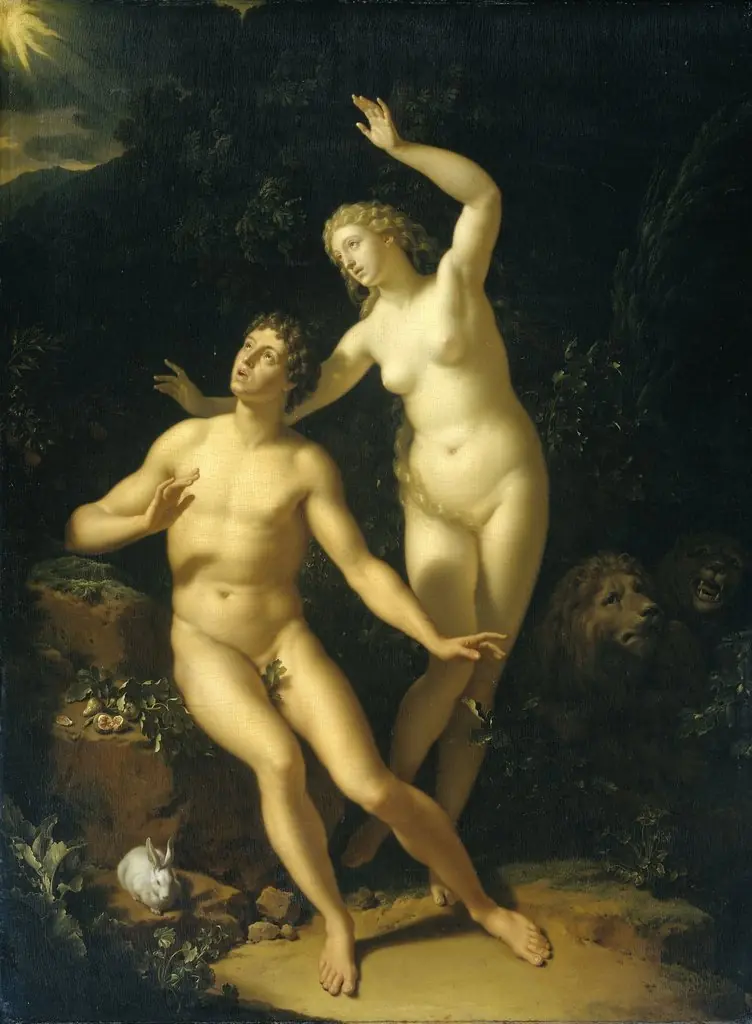 God Holds Adam and Eve Responsible
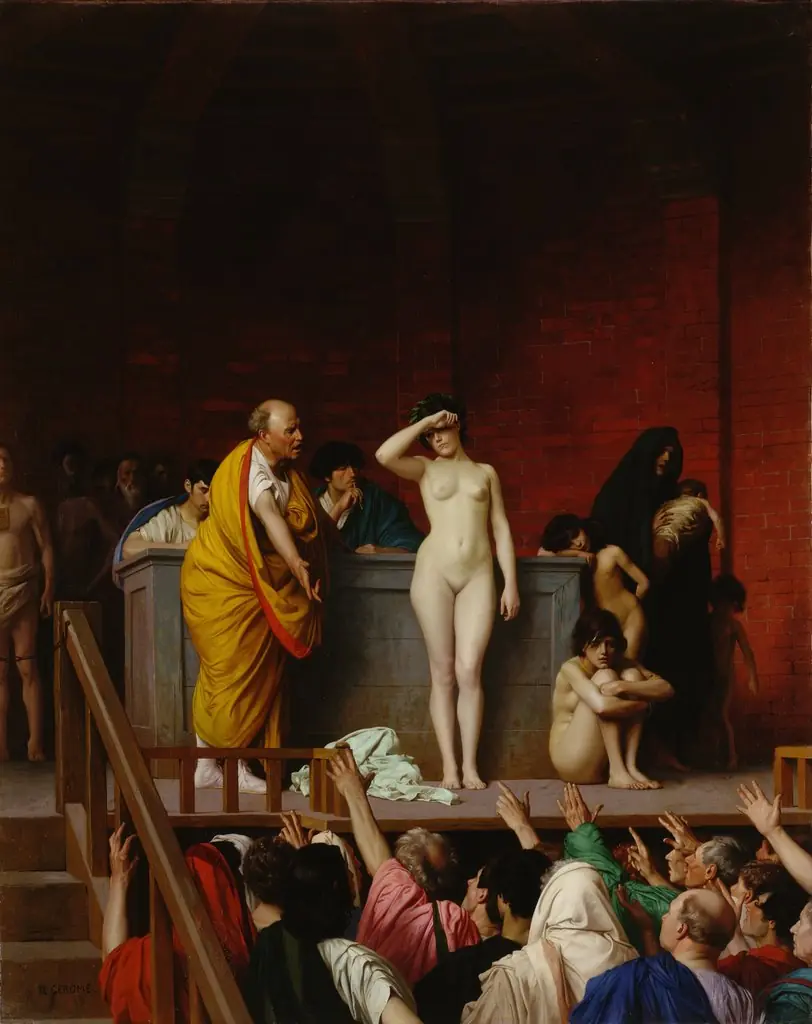 Slave Market in Rome
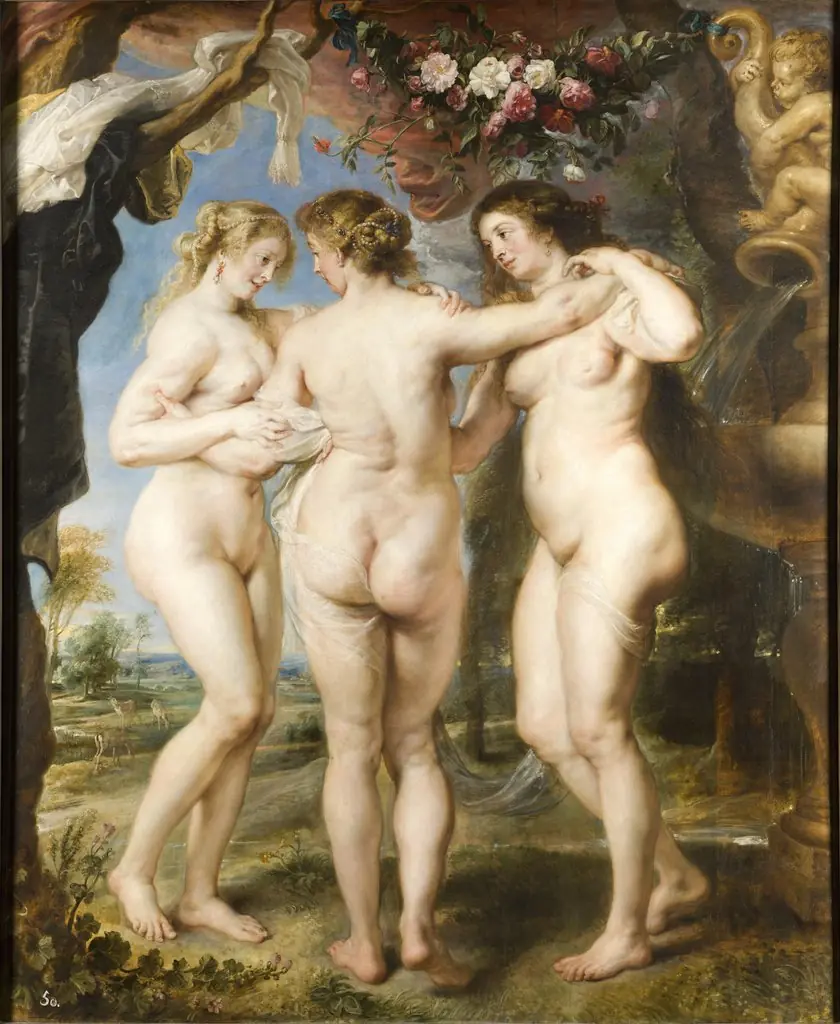 The Three Graces
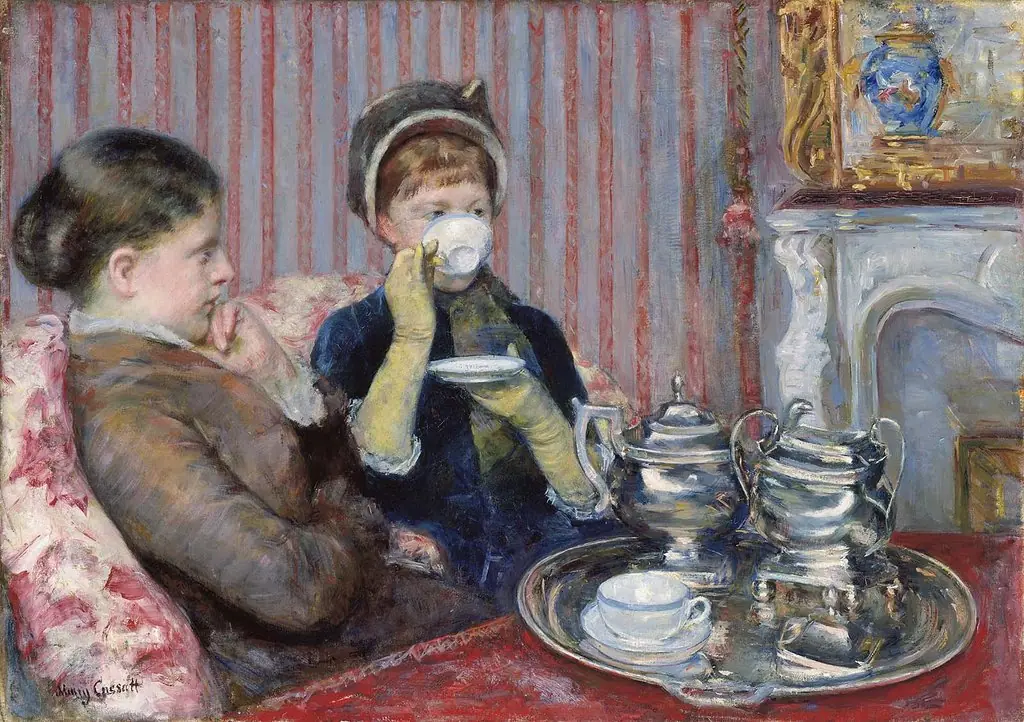 Five O'Clock Tea
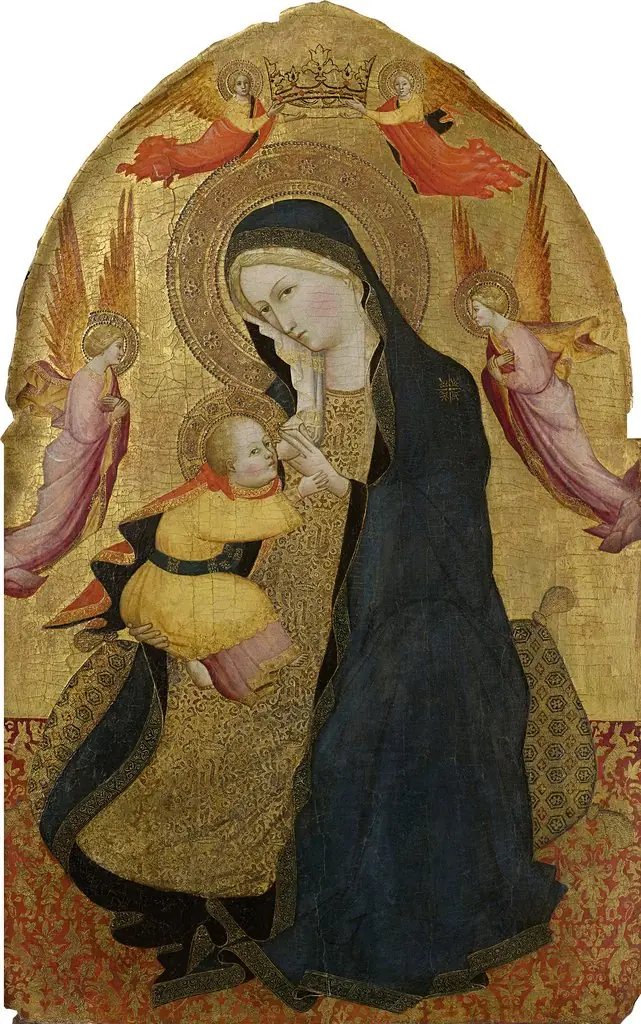 Madonna of Humility (Madonna dell'Umiltà)
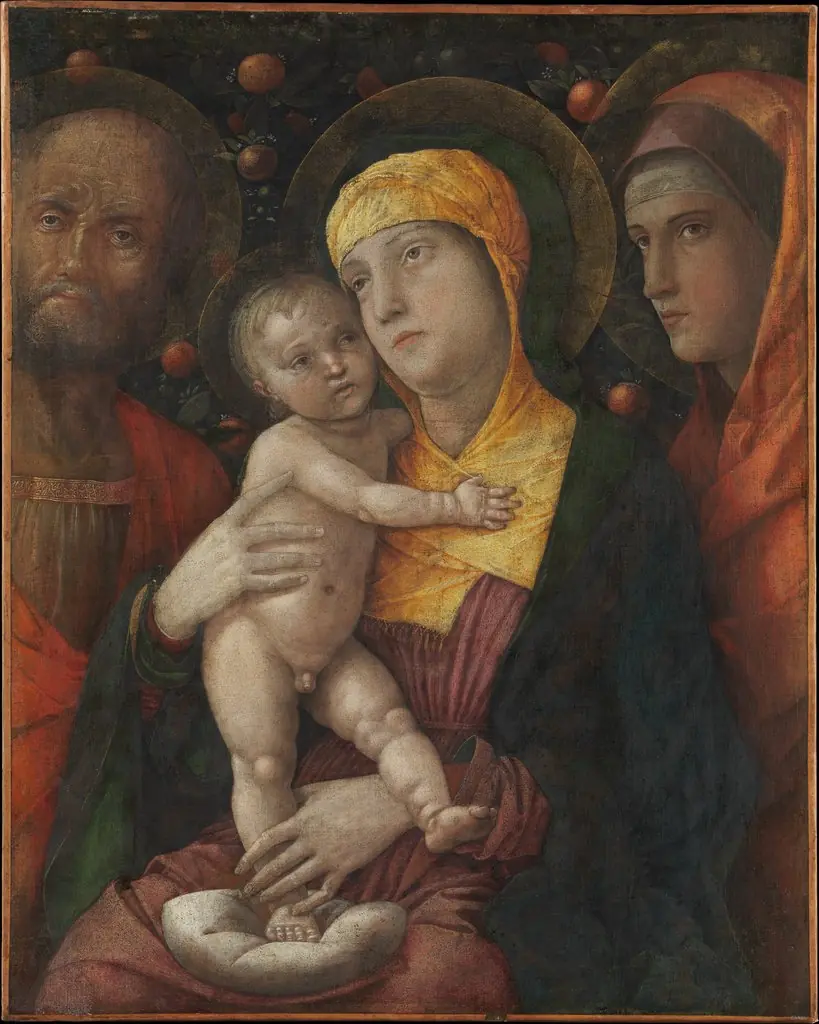 The Holy Family with Saint Mary Magdalen
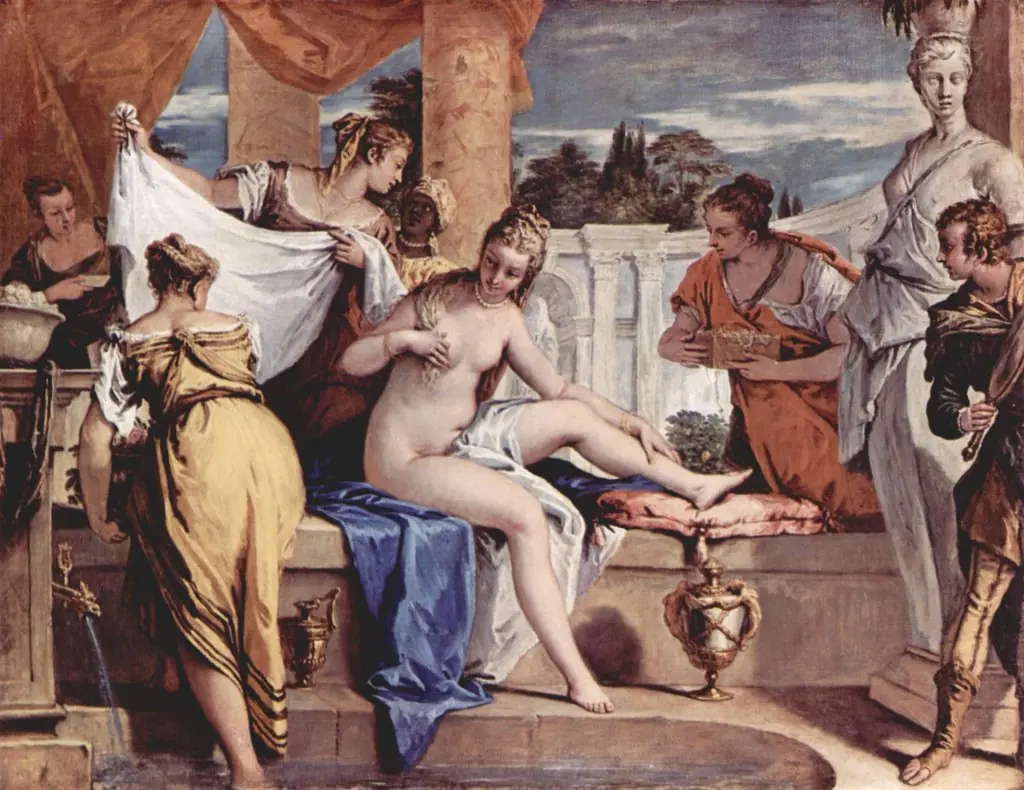 Bathsheba at her bath
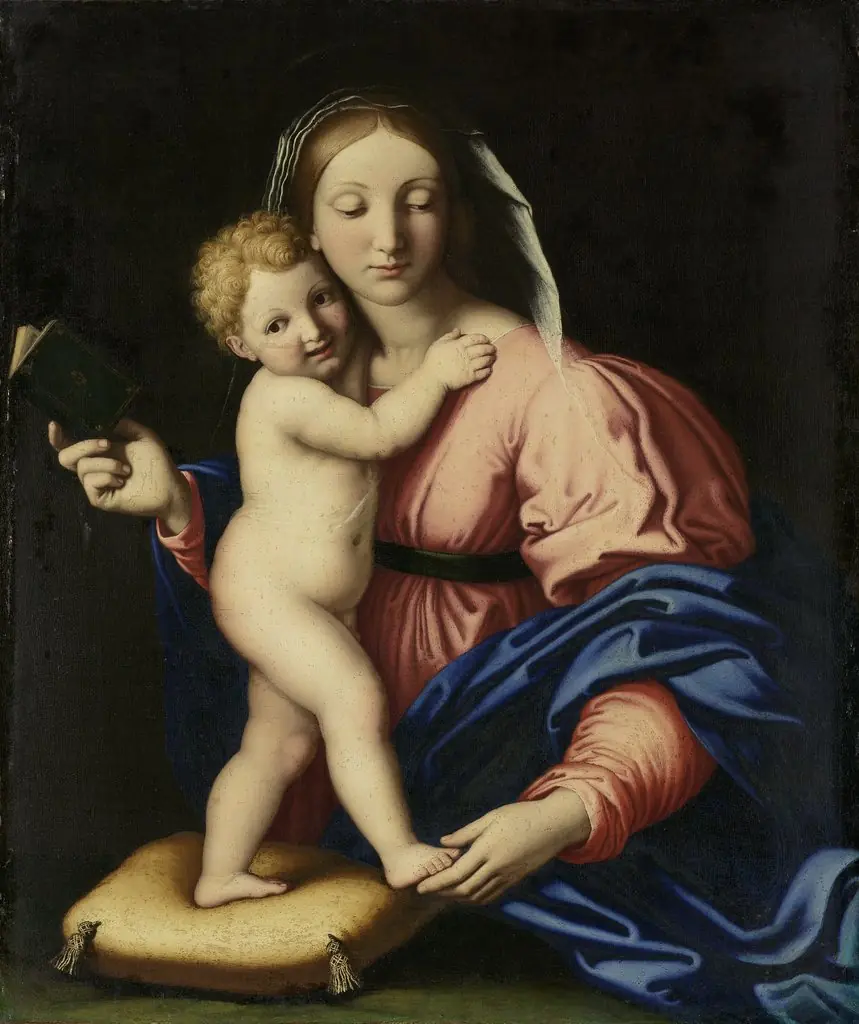 Virgin and Child
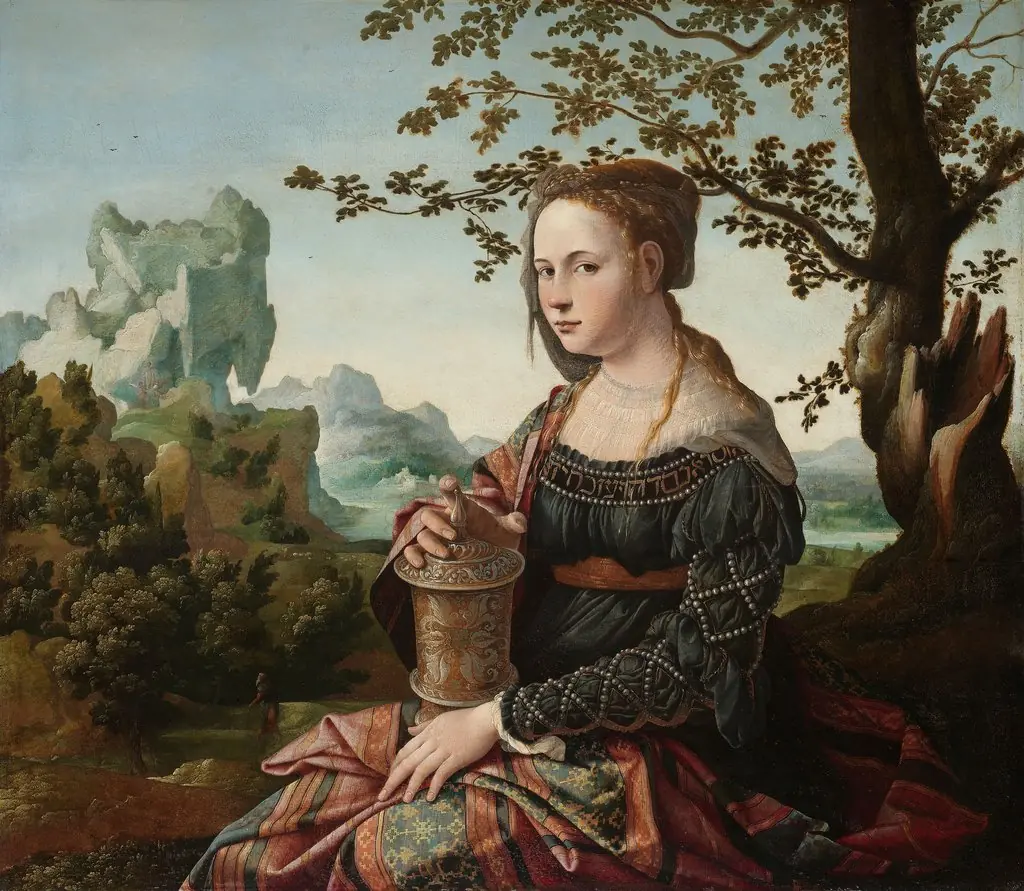 Mary Magdalene
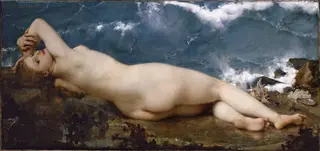 The Pearl and the Wave
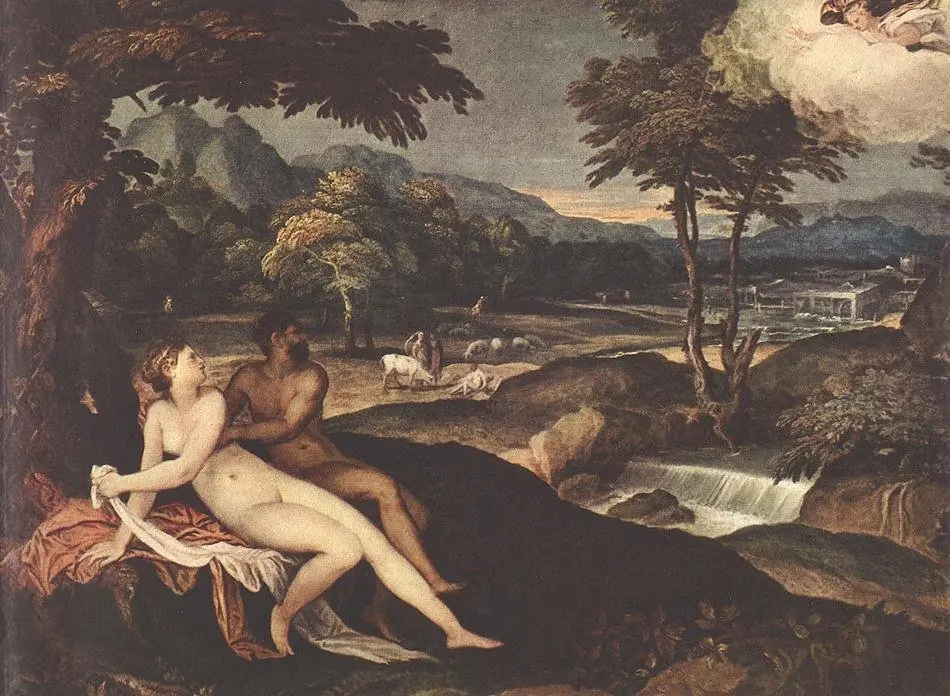 Landscape with Jupiter and Io
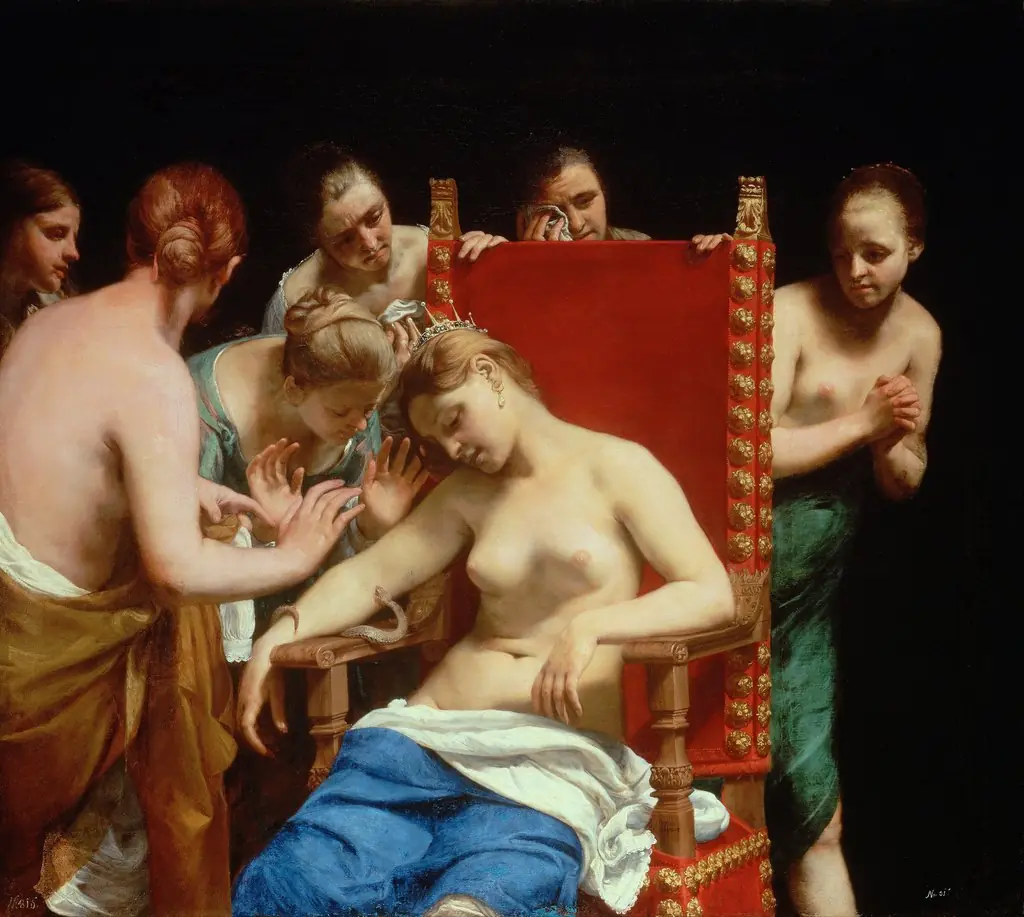 The Death of Cleopatra
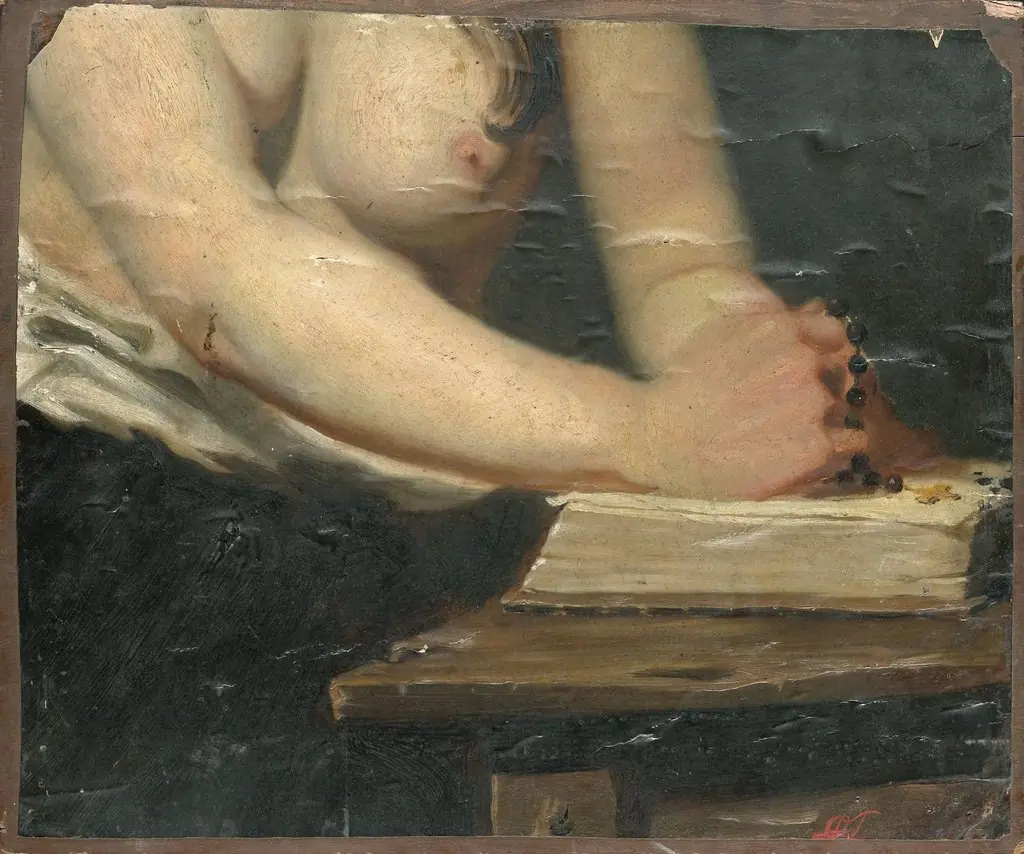 Mary Magdalene
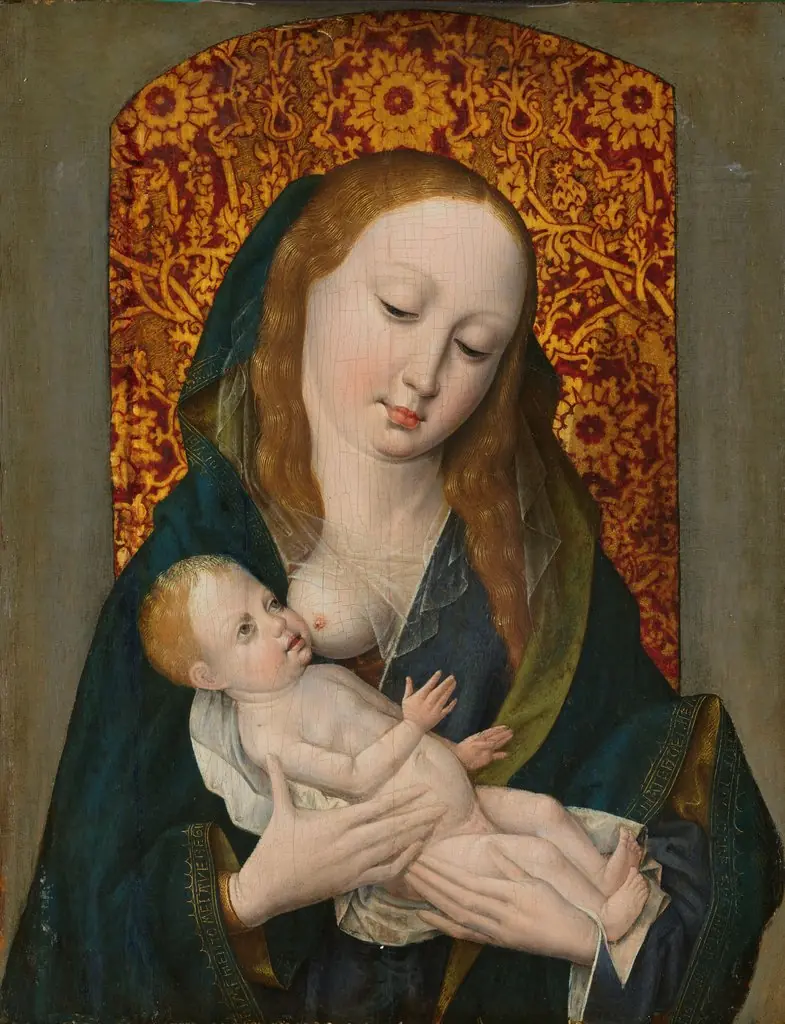 The Virgin and Child
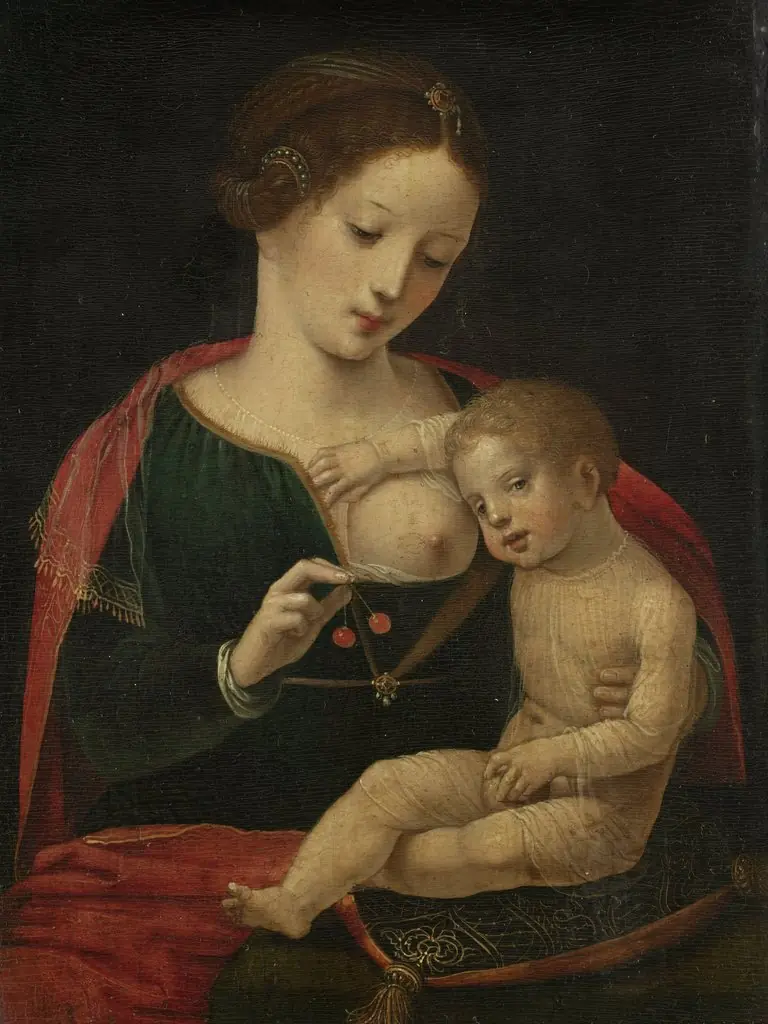 Madonna and child
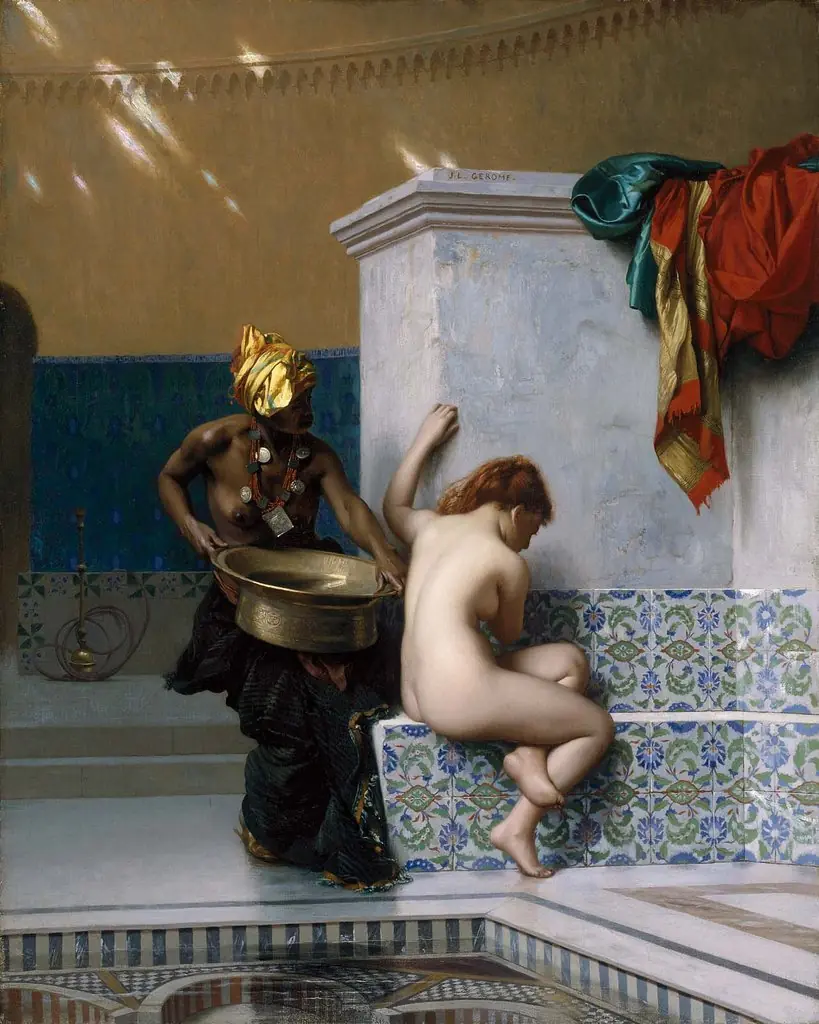 Moorish Bath
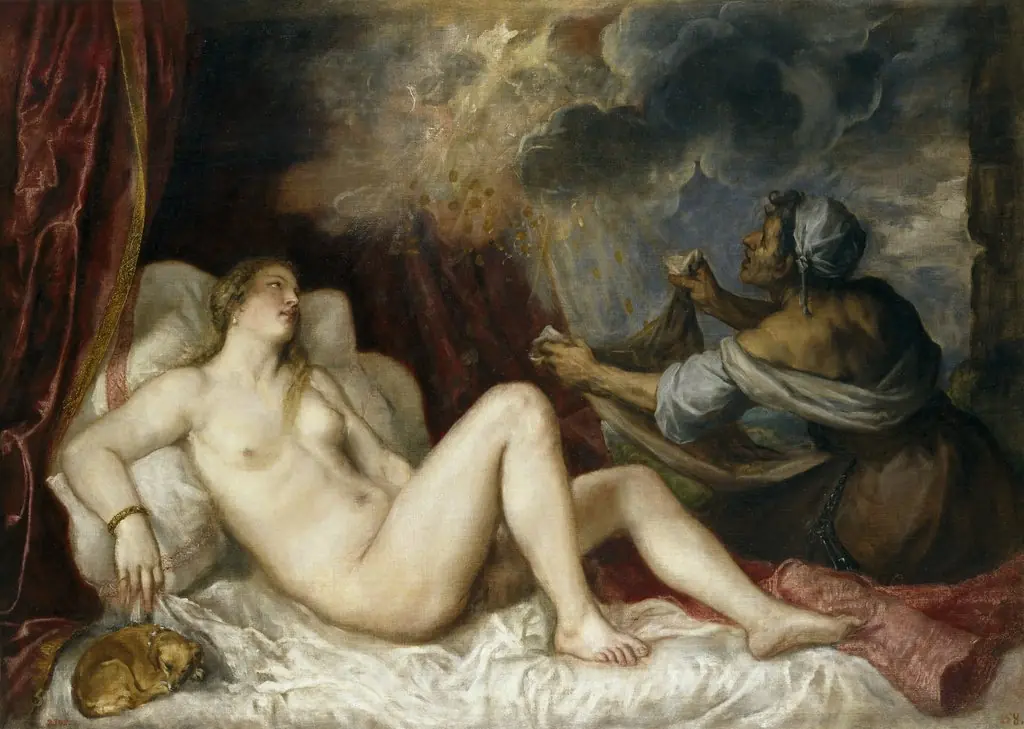 Danaë
Danaë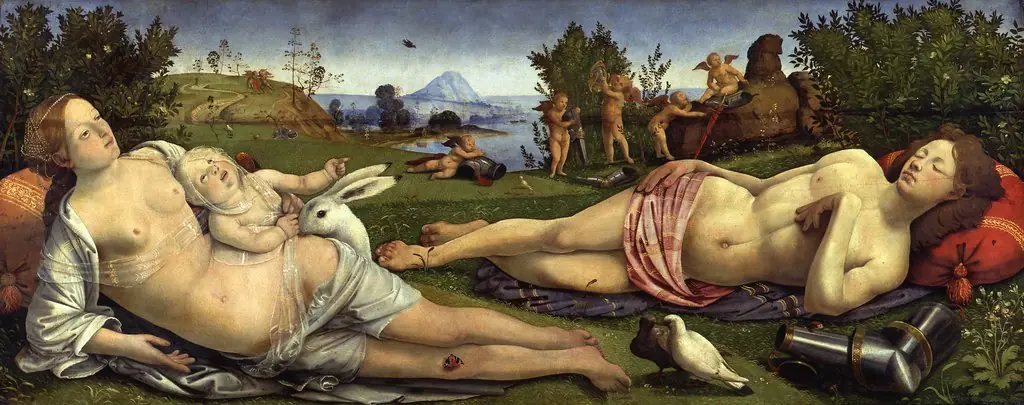 Venus, Mars and Cupid
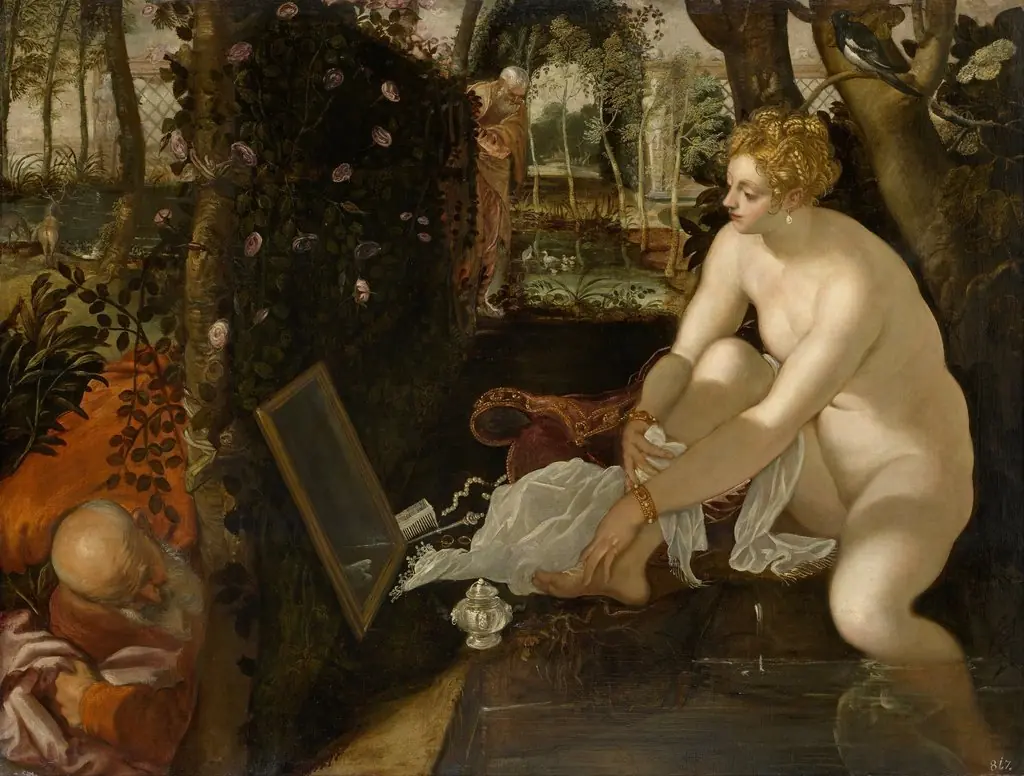 Susanna and the Elders
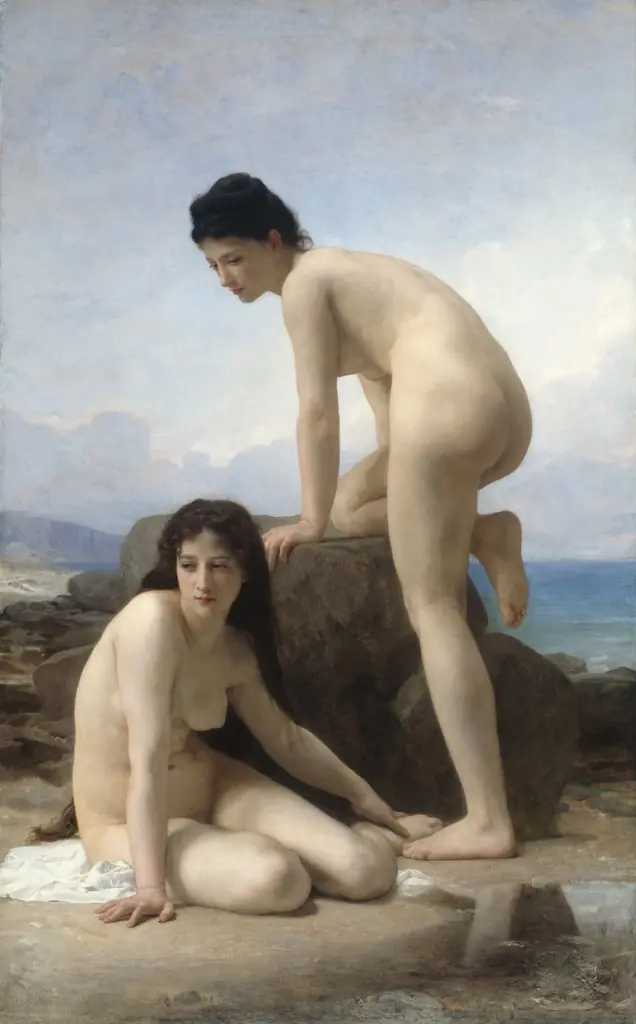 The Two Bathers
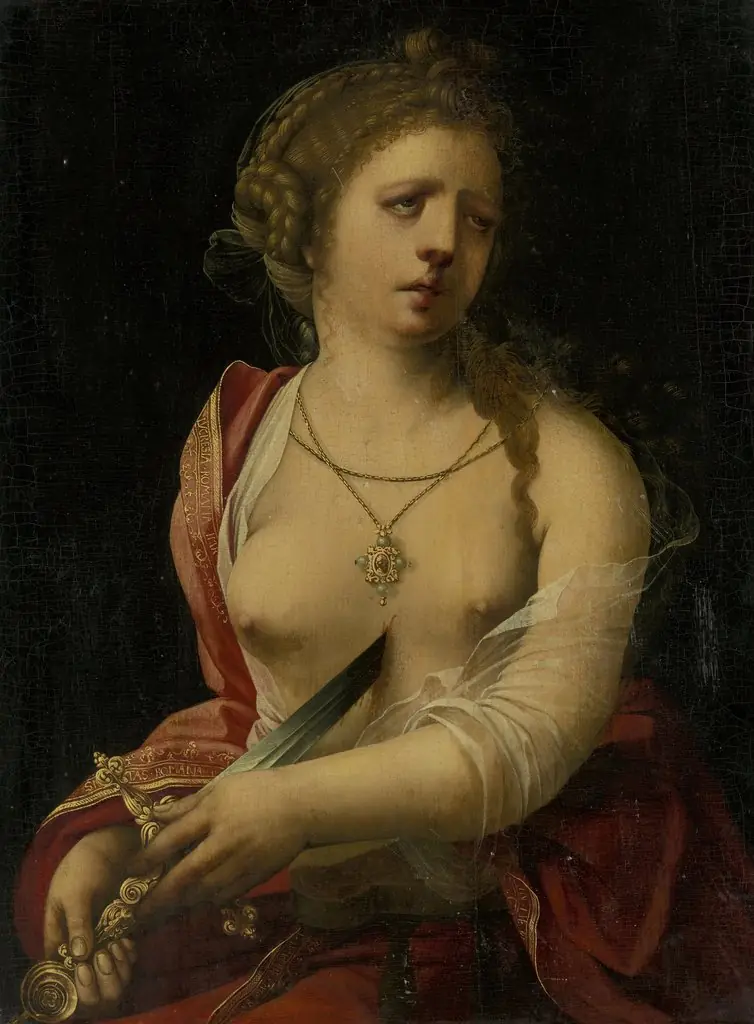 The suicide of Lucretia
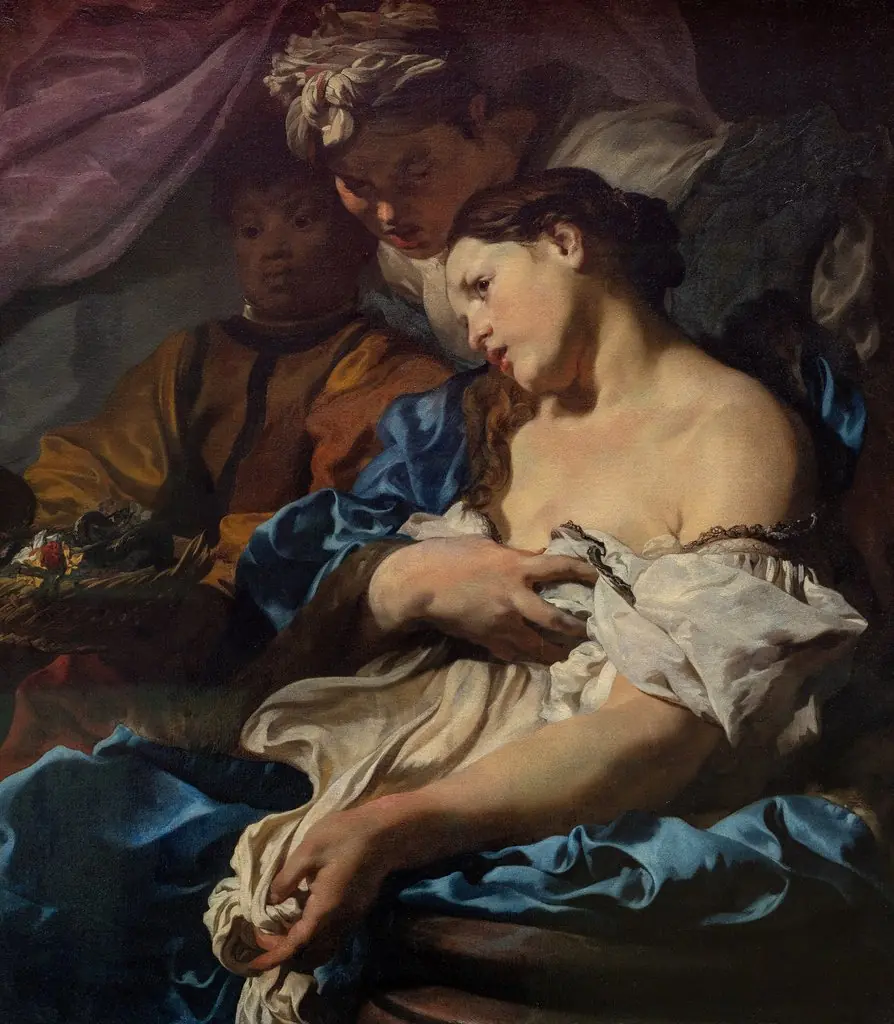 The Death of Cleopatra
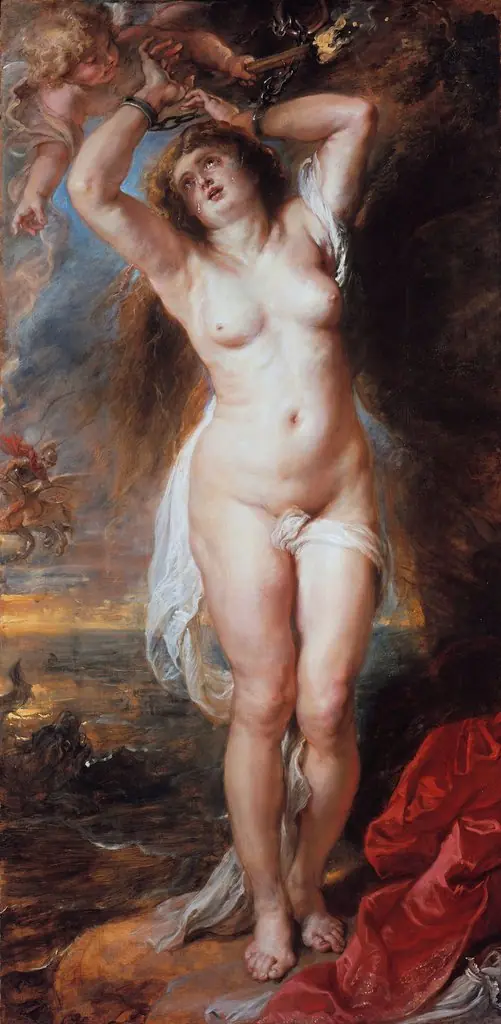 Perseus Freeing Andromeda
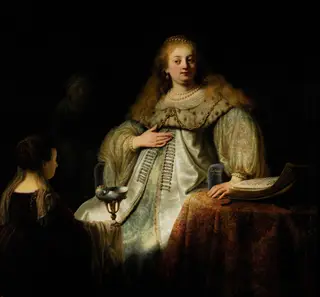 Judith at the Banquet of Holofernes
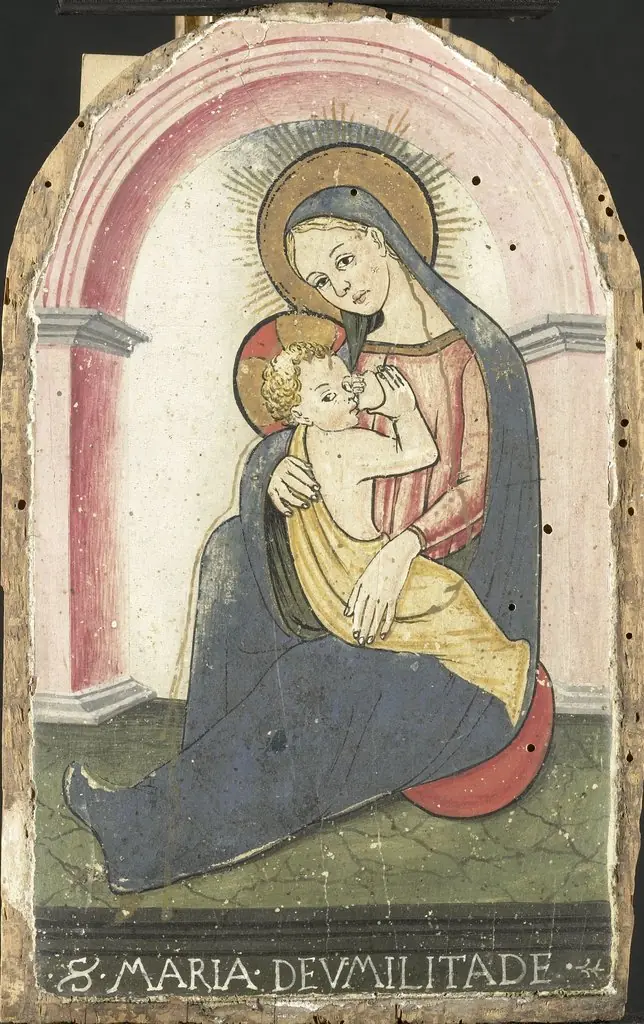 Madonna of Humility
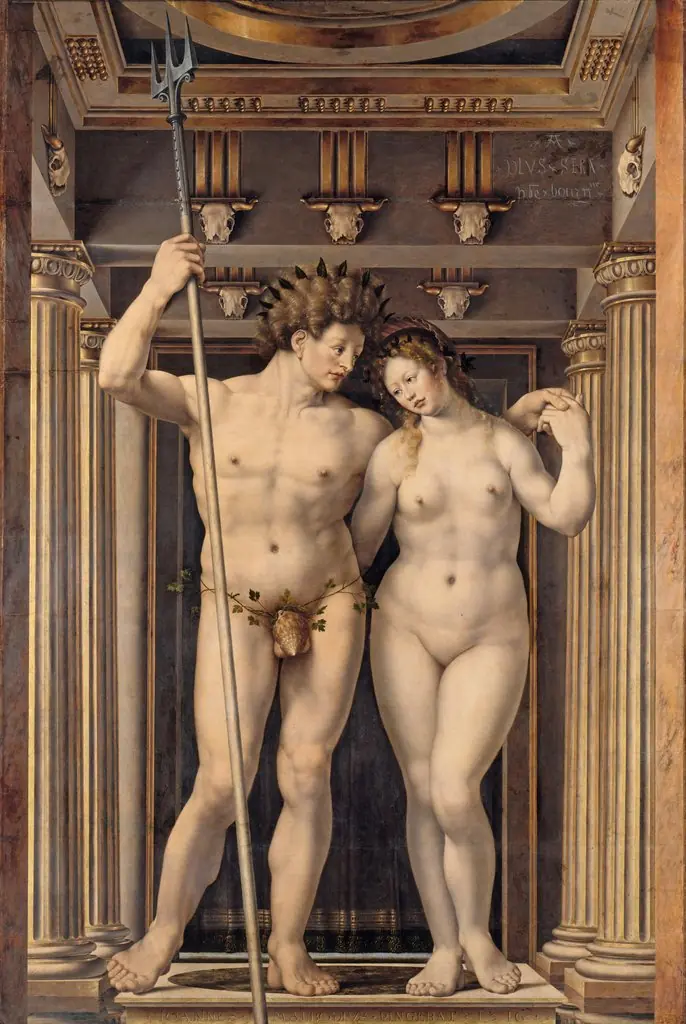 Neptune and Amphitrite
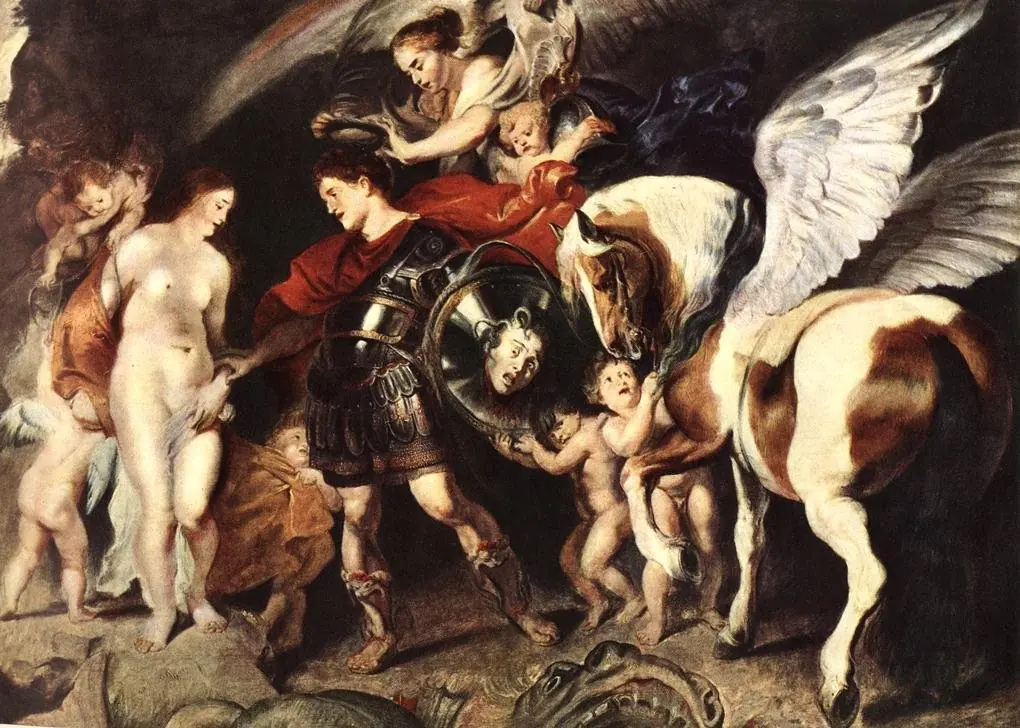 Perseus and Andromeda
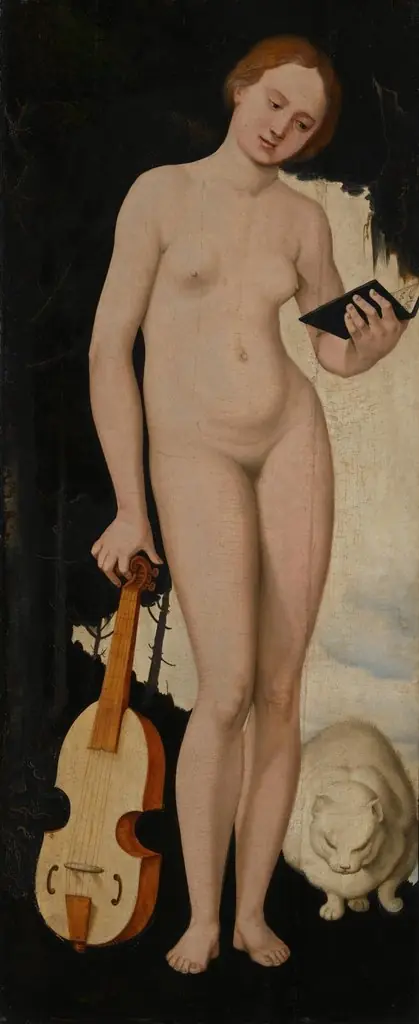 Woman with Cat
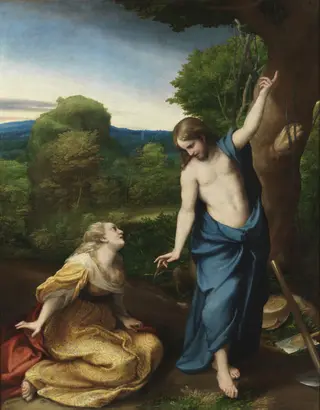 Noli me tangere
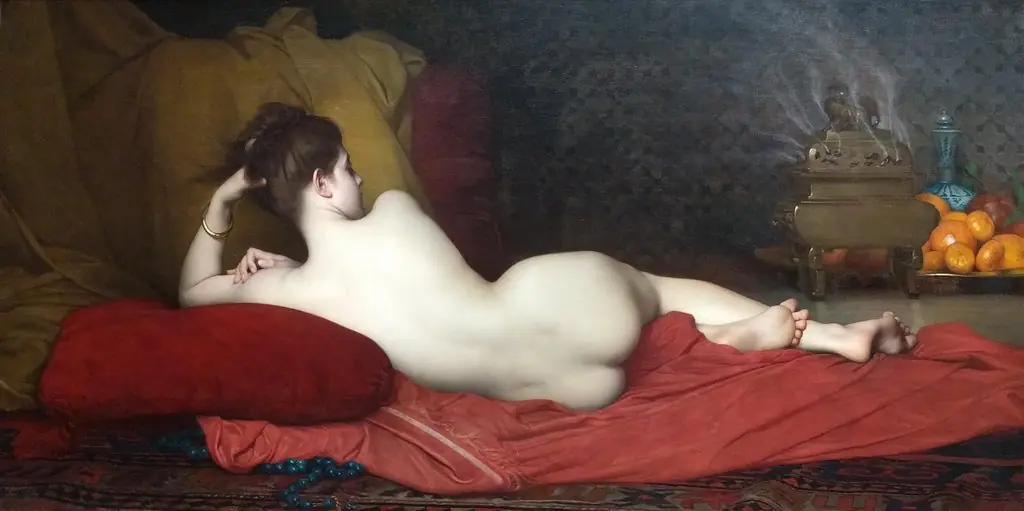 Odalisque
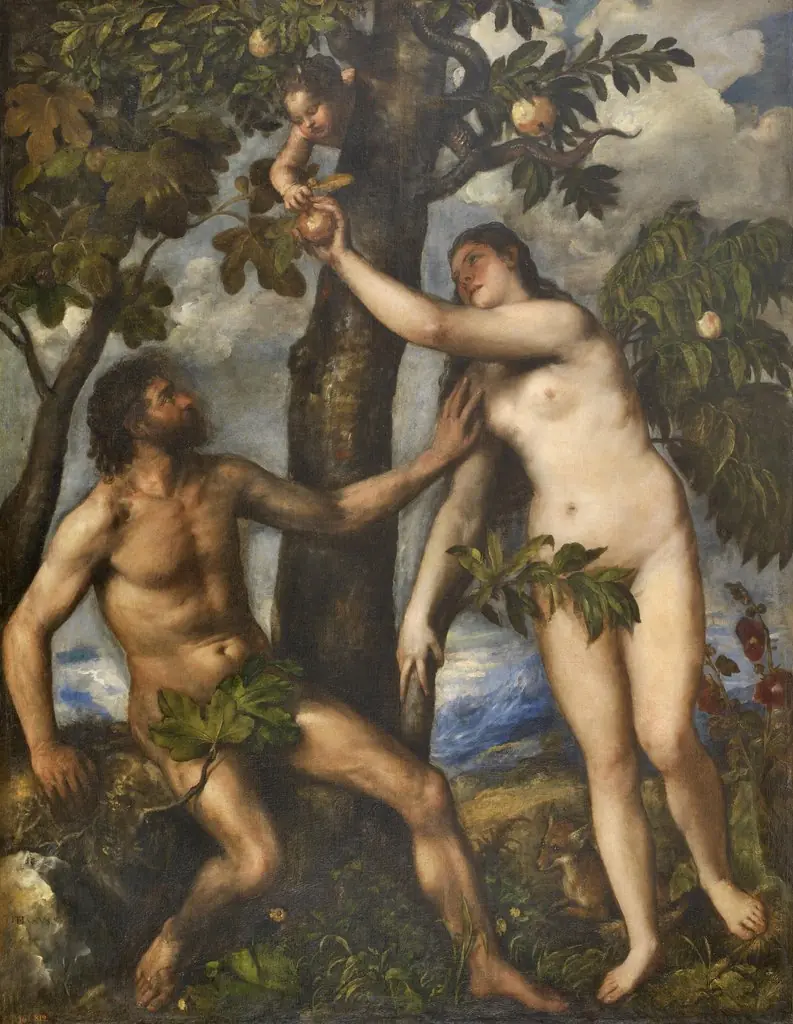 The Fall of Man
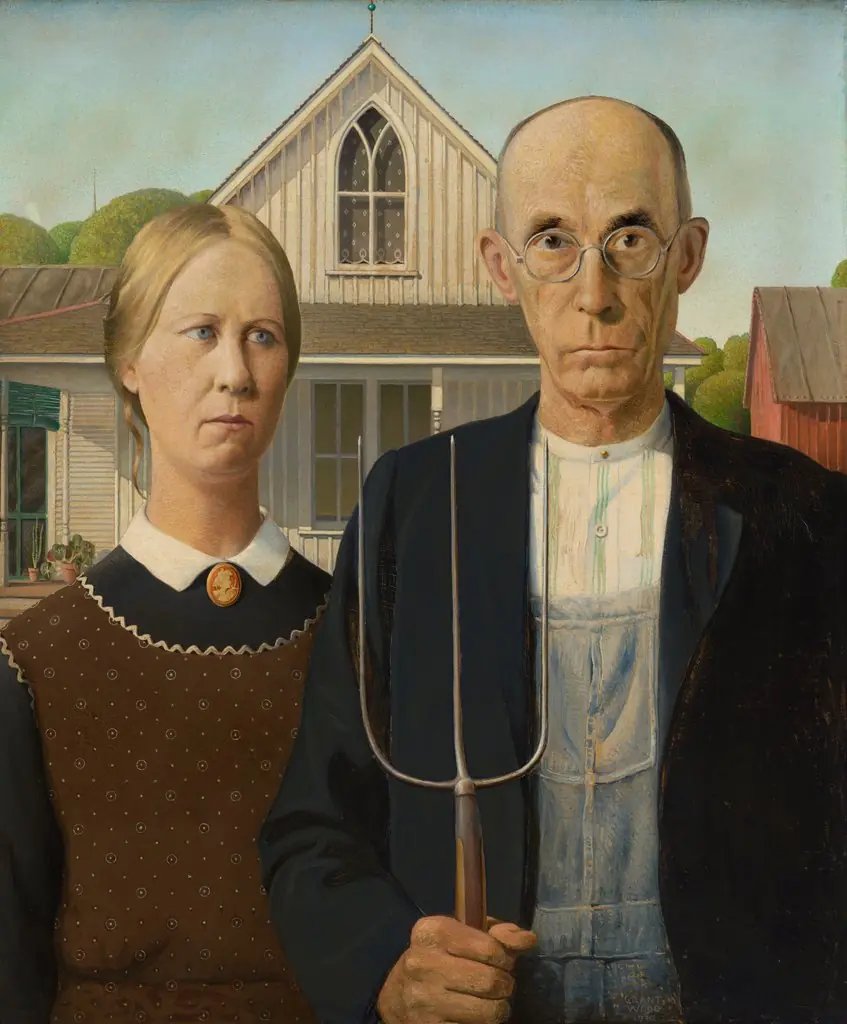 American Gothic
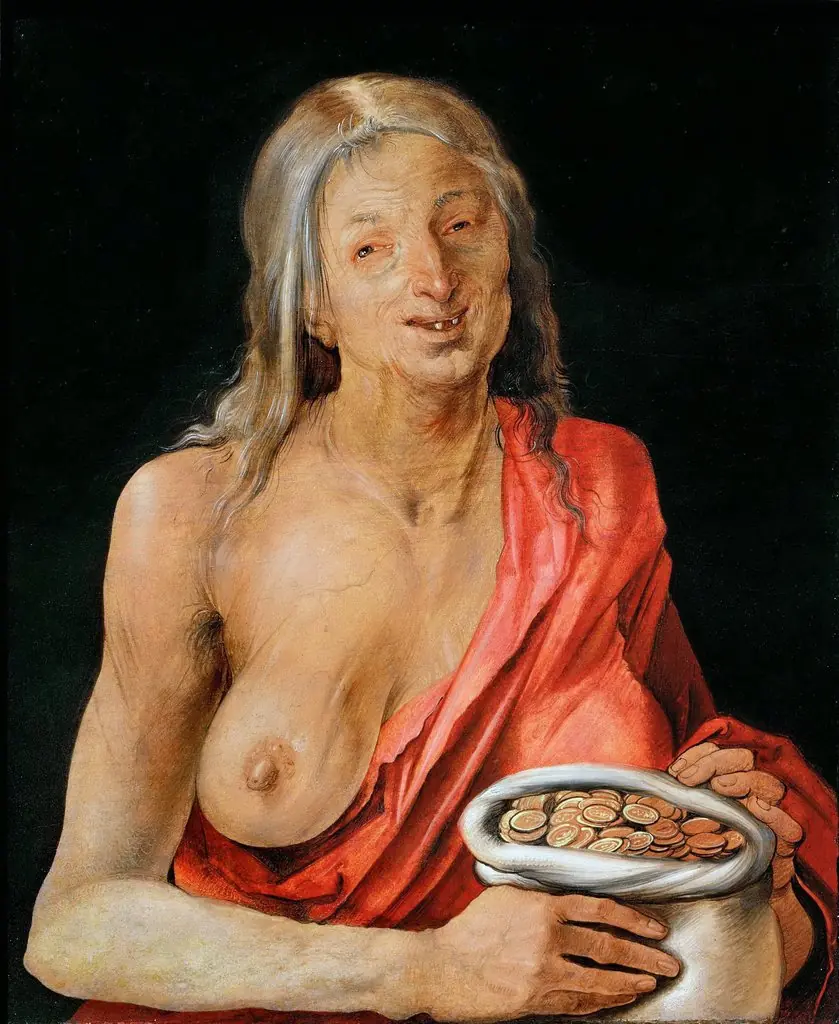 Avarice
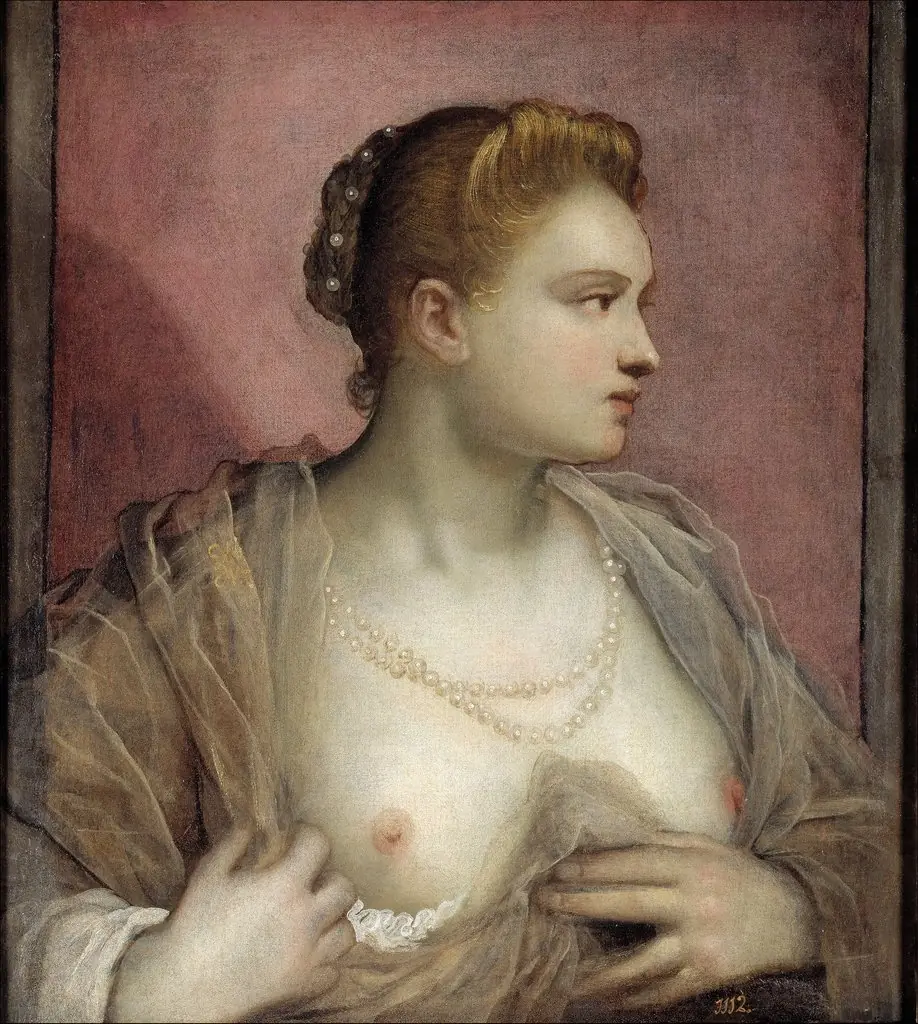 Portrait of a Bare-Breasted Woman
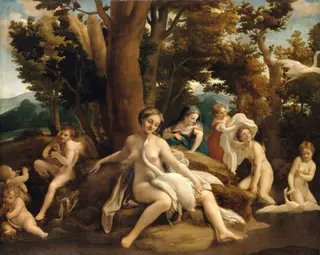 Leda and the Swan
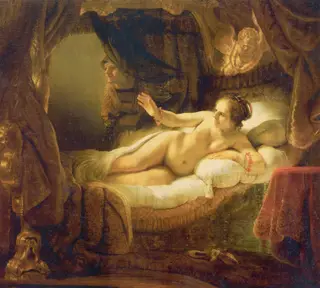 Danaë
Danaë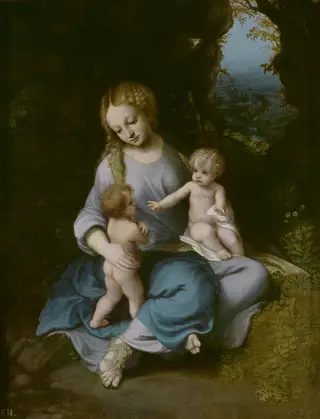 Madonna and Child with the Young Saint John
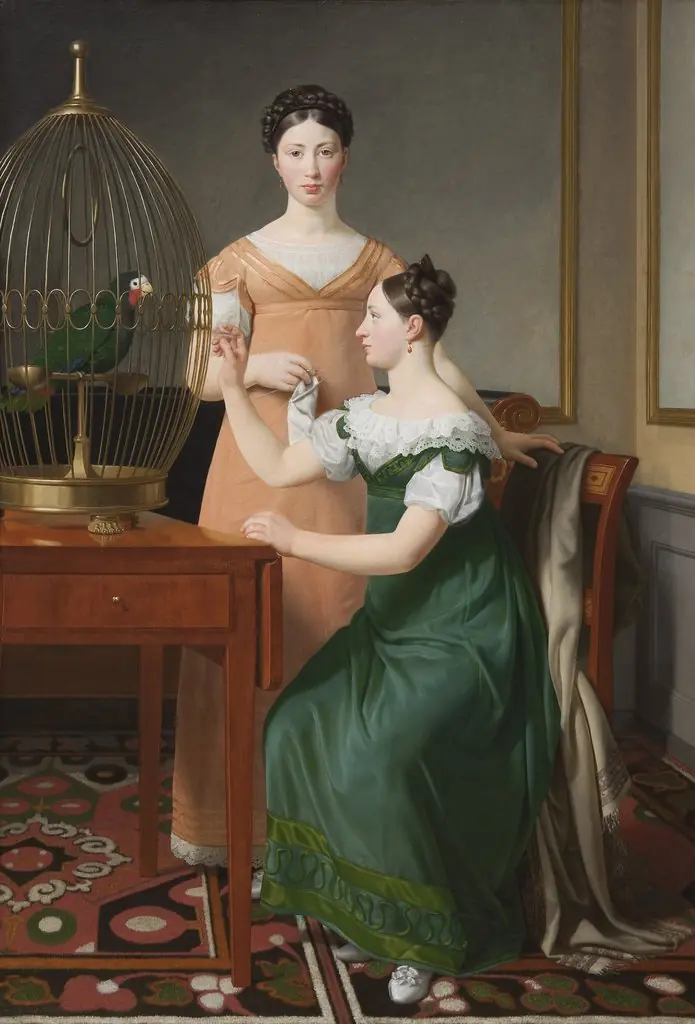 Bella and Hanna. The Eldest Daughters of M. L. Nathanson
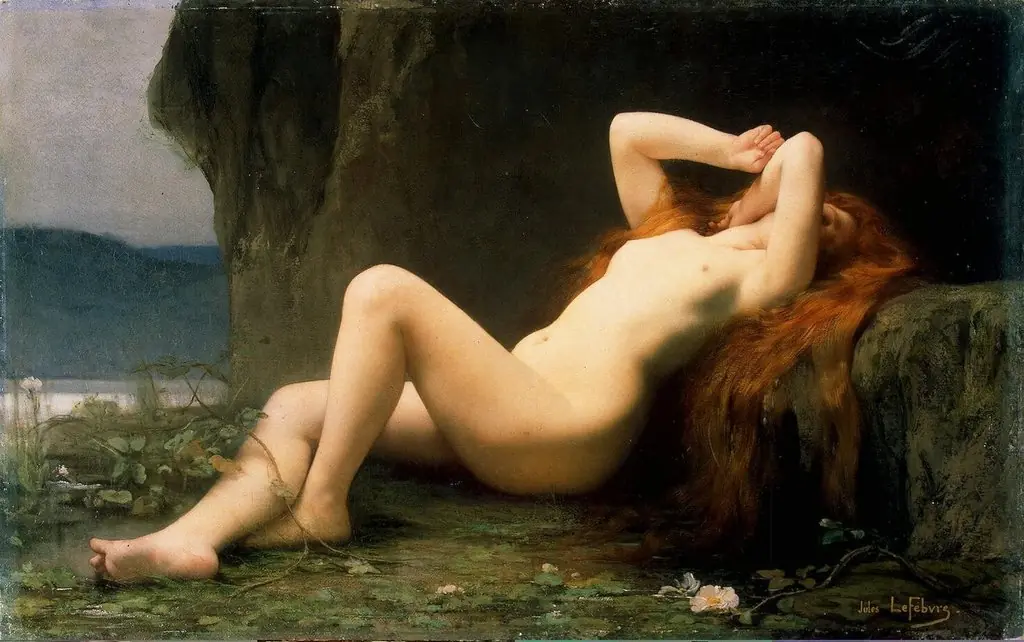 Mary Magdalene in a Grotto
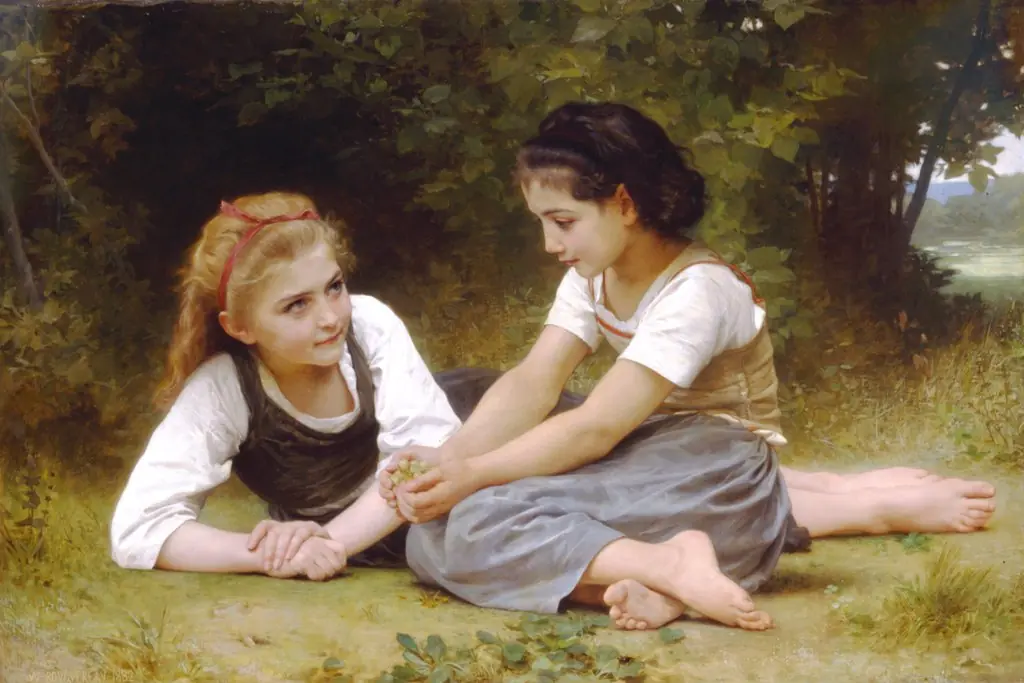 The Nut Gatherers
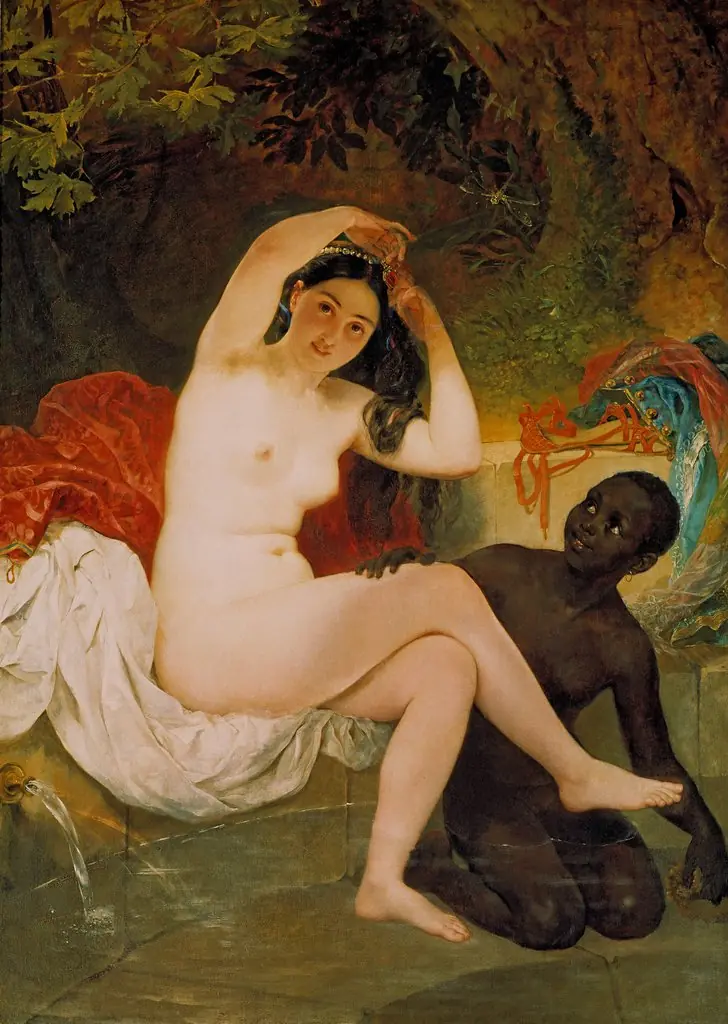 Bathsheba
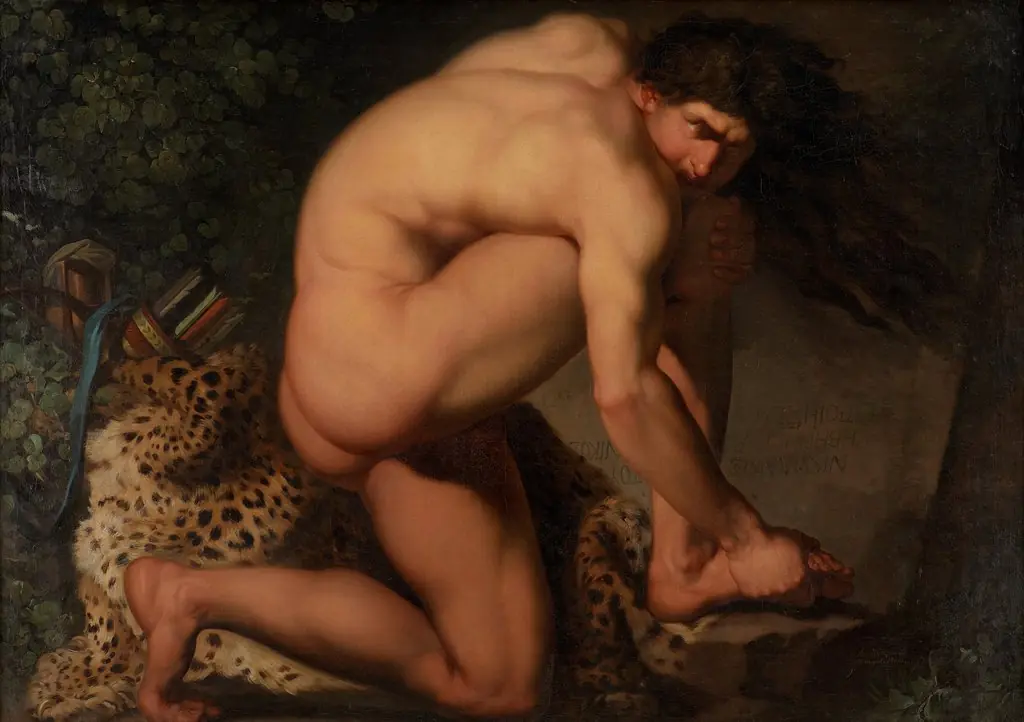 The Wounded Philoctetes
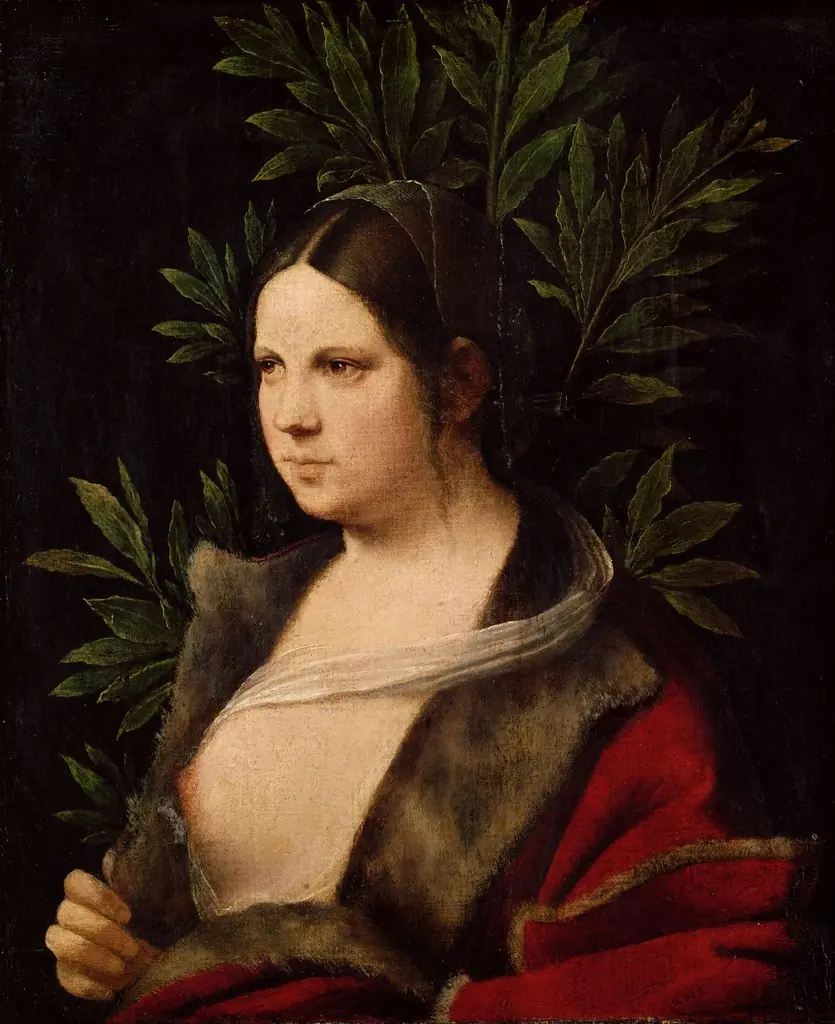 Laura
Laura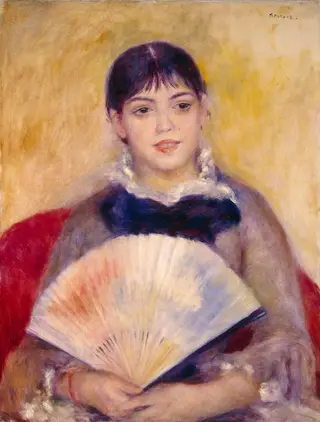 Girl with a Fan
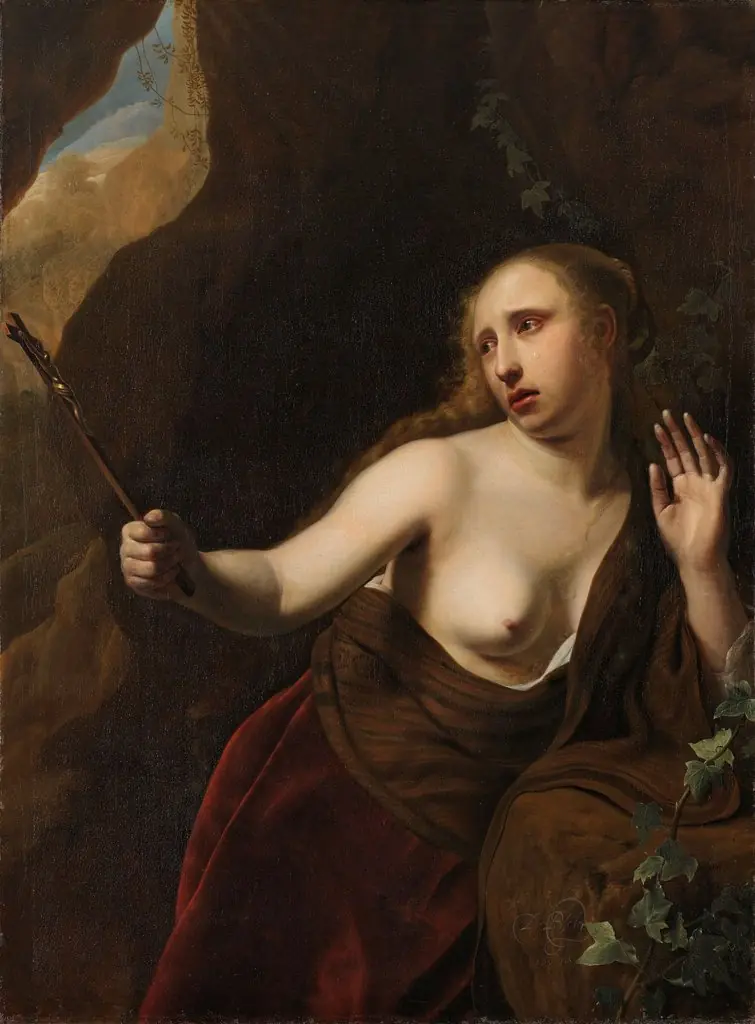 The penitent Mary Magdalene
 Separation of David and Jonathan
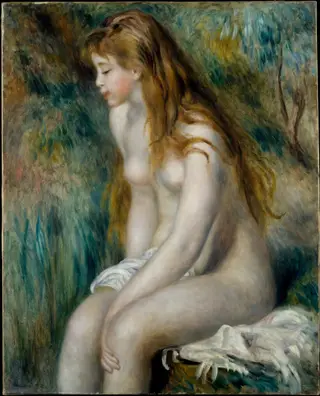 Young Girl Bathing
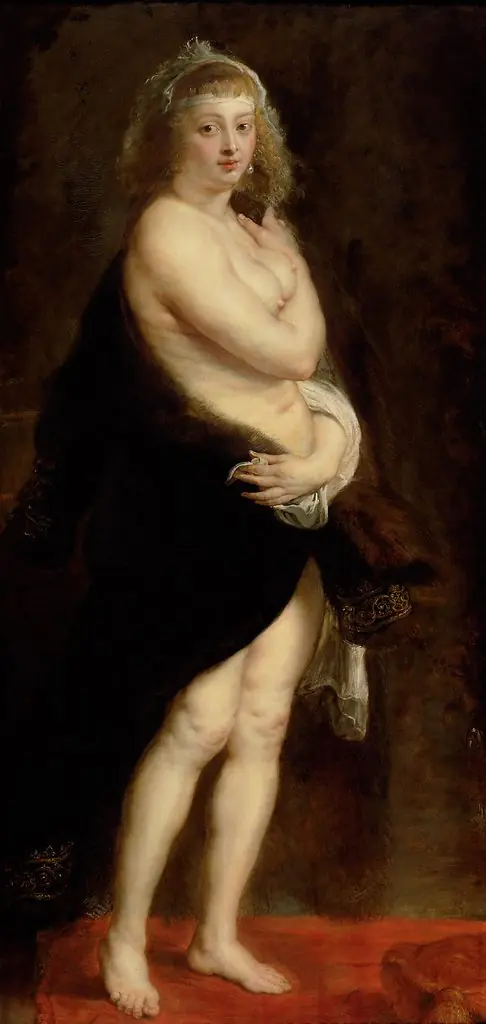 Helena Fourment in a Fur Robe
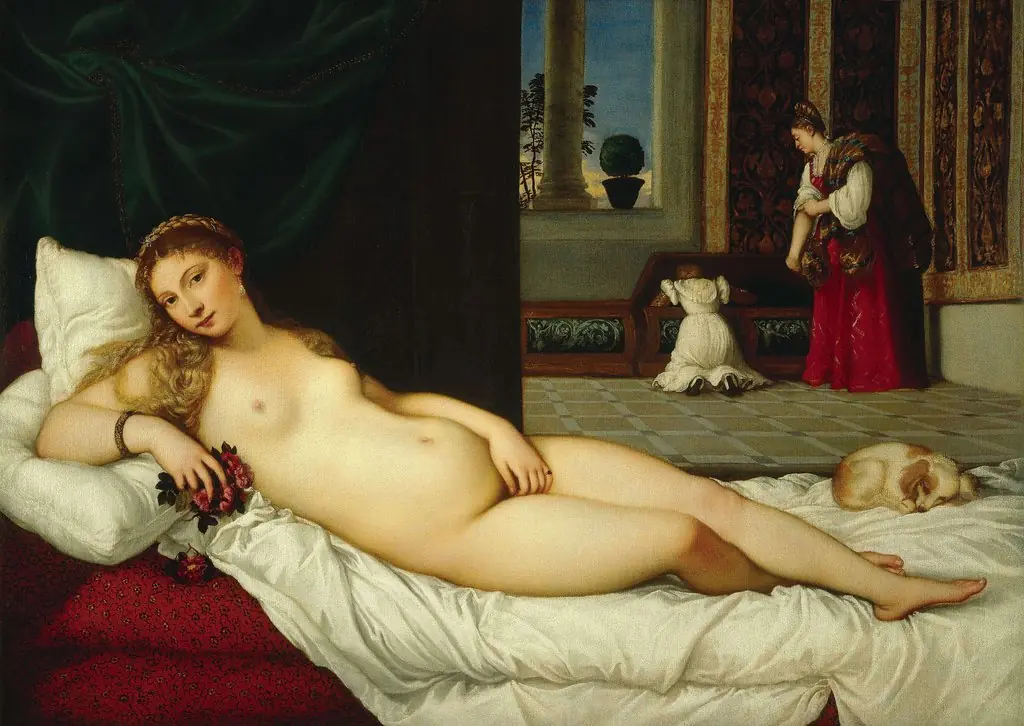 Venus of Urbino
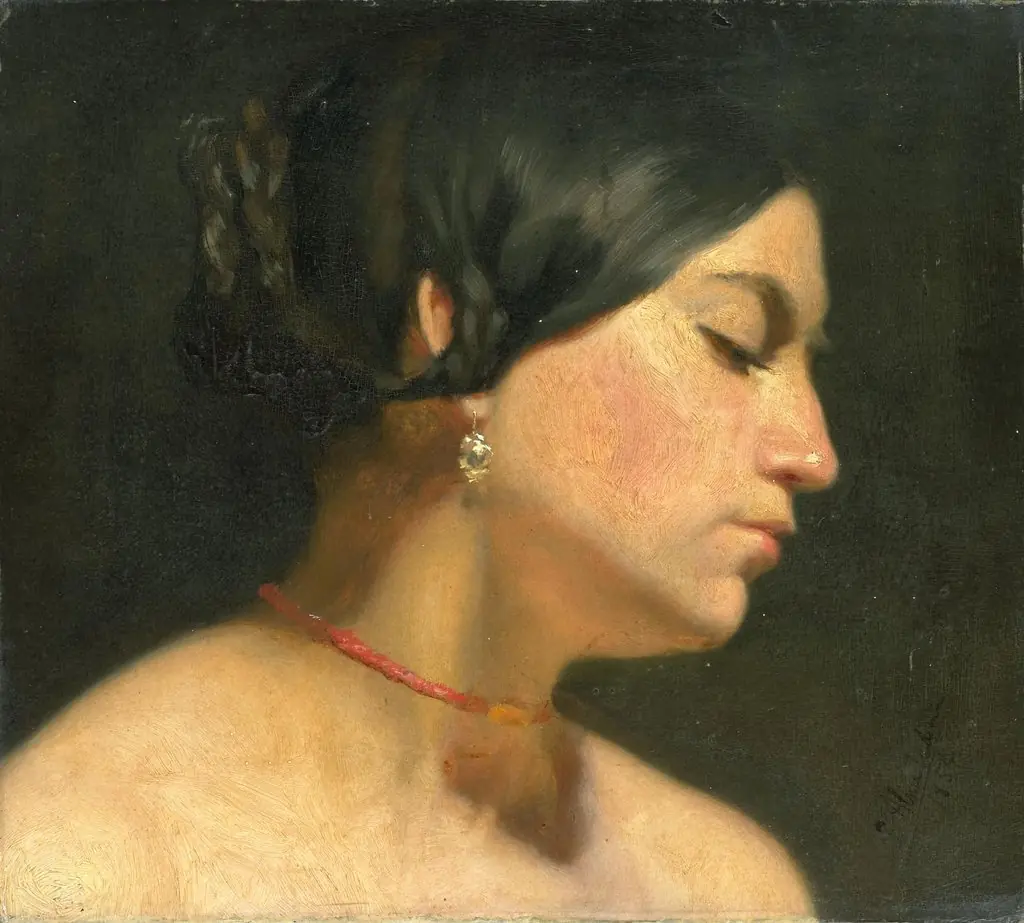 Mary Magdalene
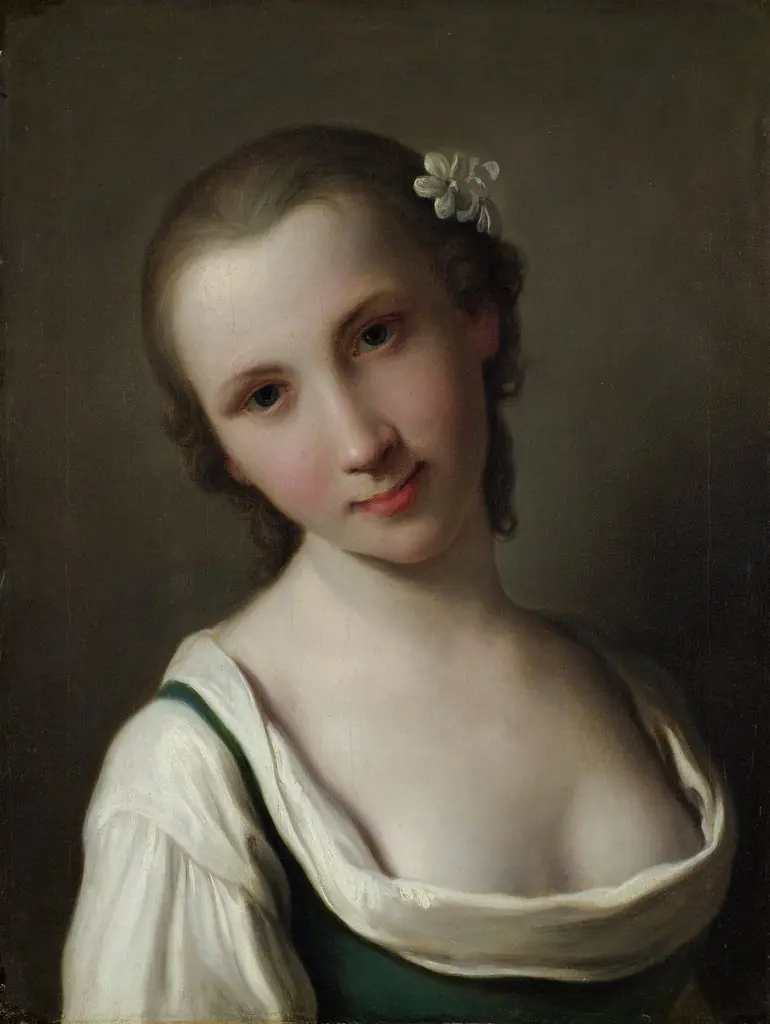 A young Woman
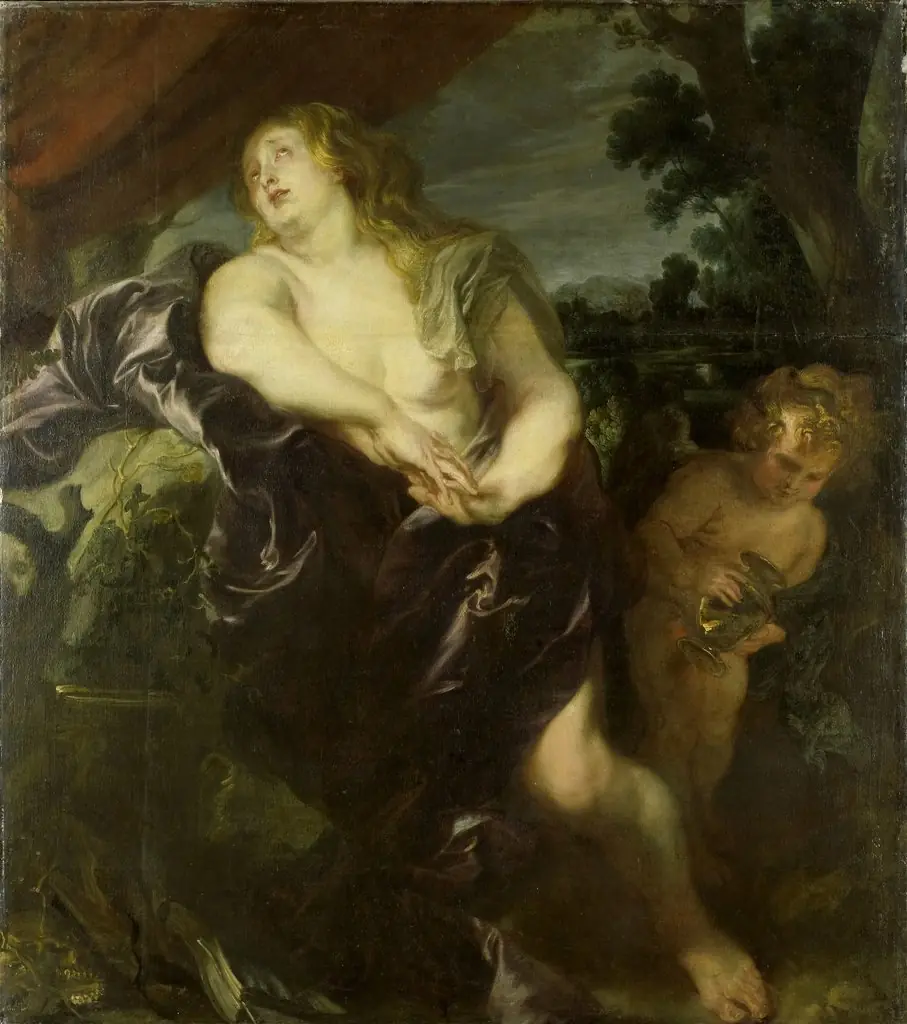 The penitent Mary Magdalene
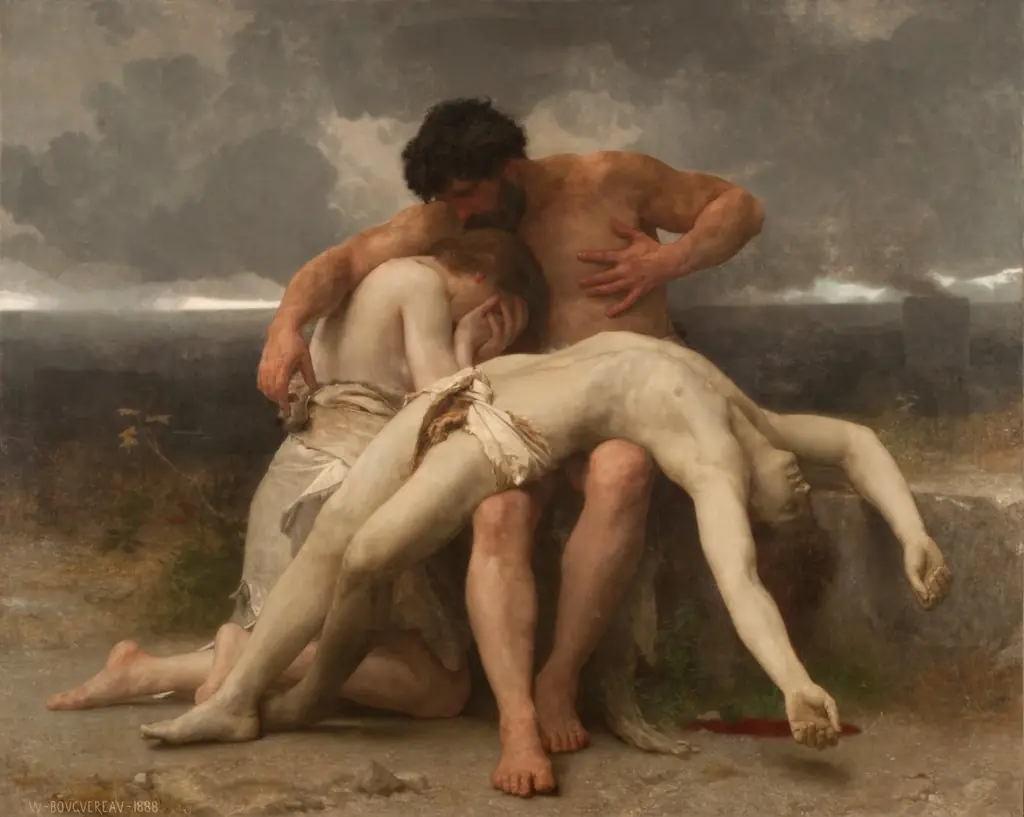 The First Mourning
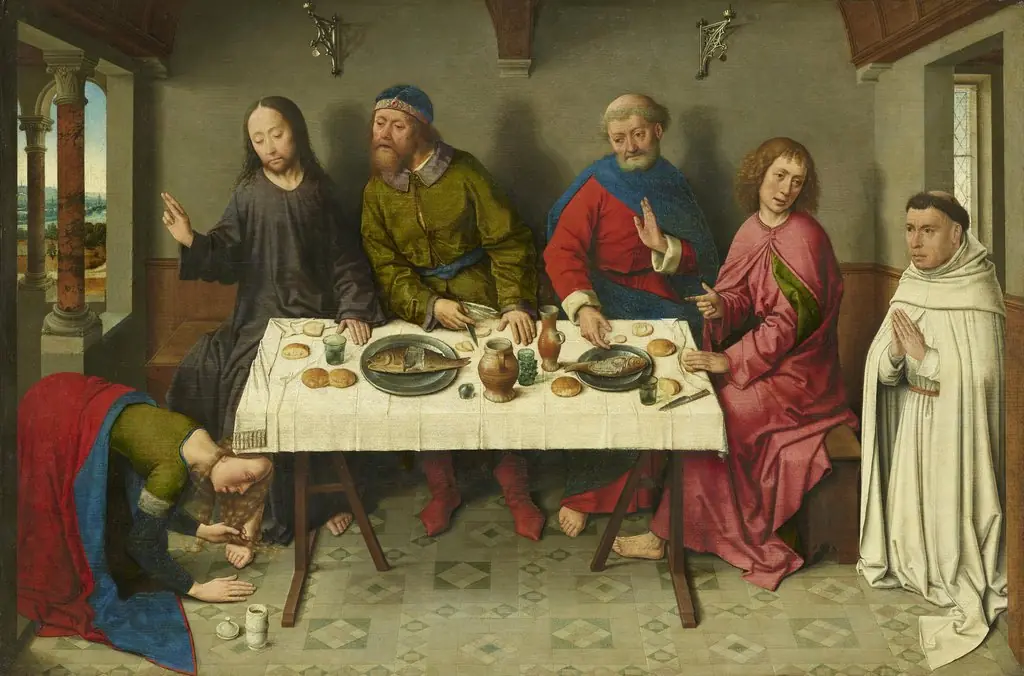 Christ in the house of the Pharisee Simon
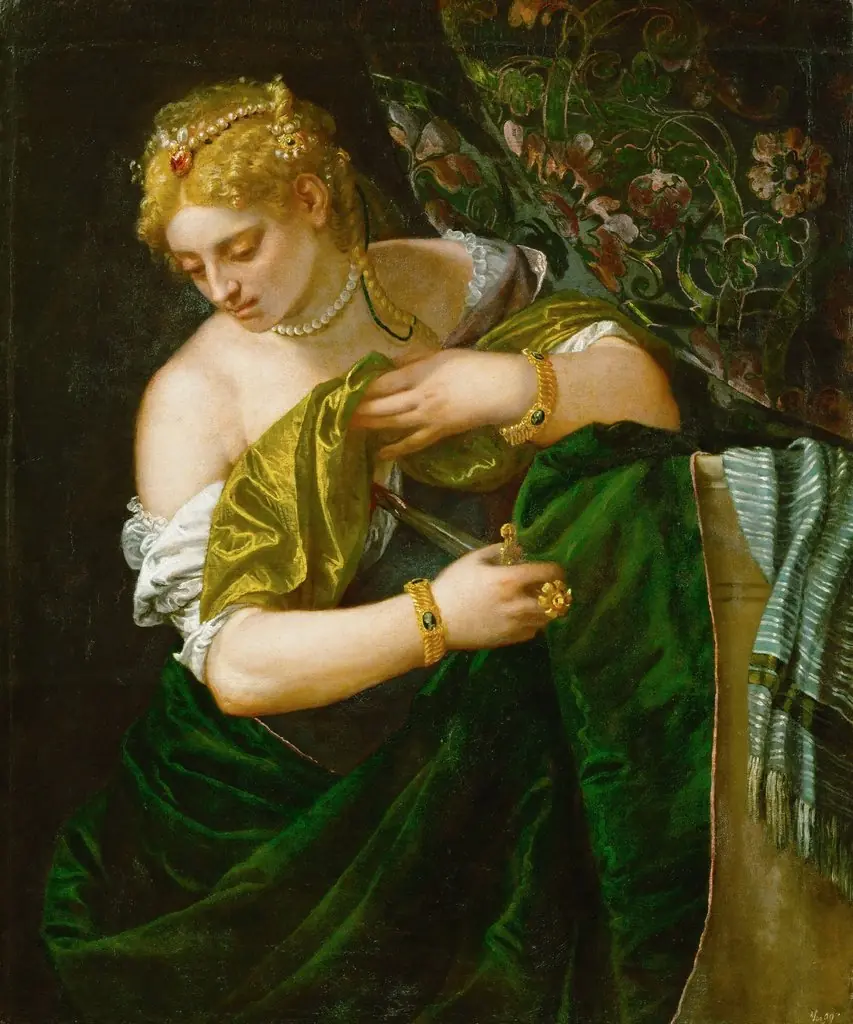 Lucretia
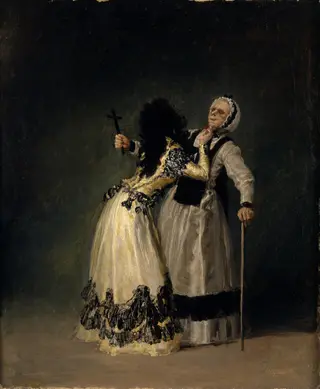 The Duchess of Alba and la Beata
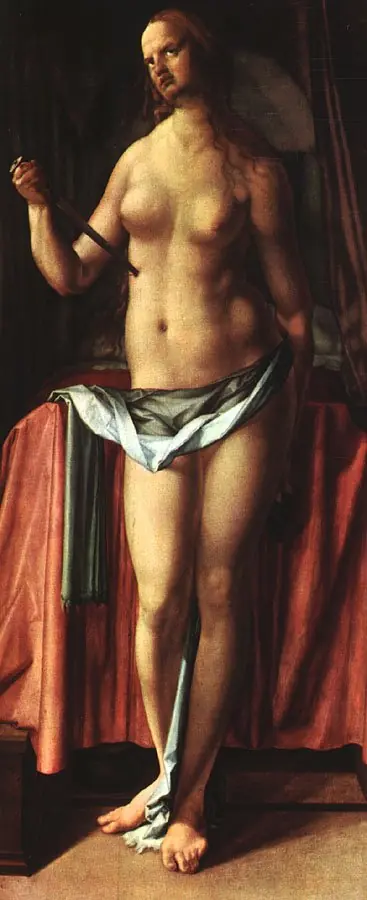 The Suicide of Lucretia
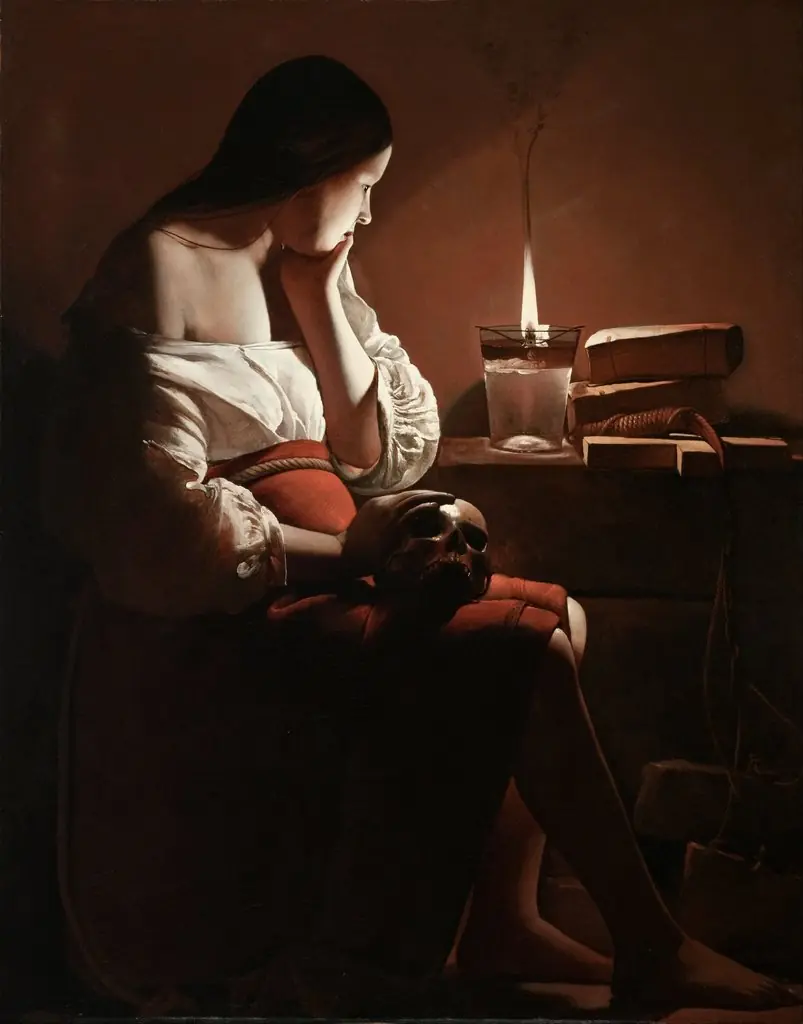 Magdalen with the Smoking Flame
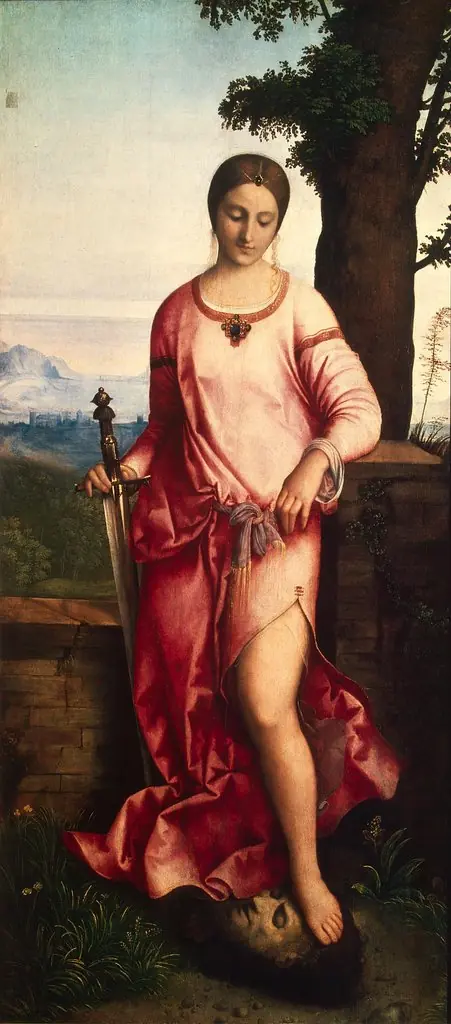 Judith
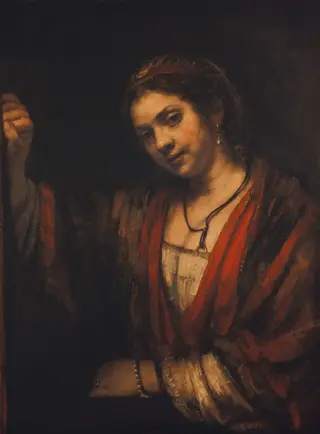 Hendrickje Stoffels by a Door
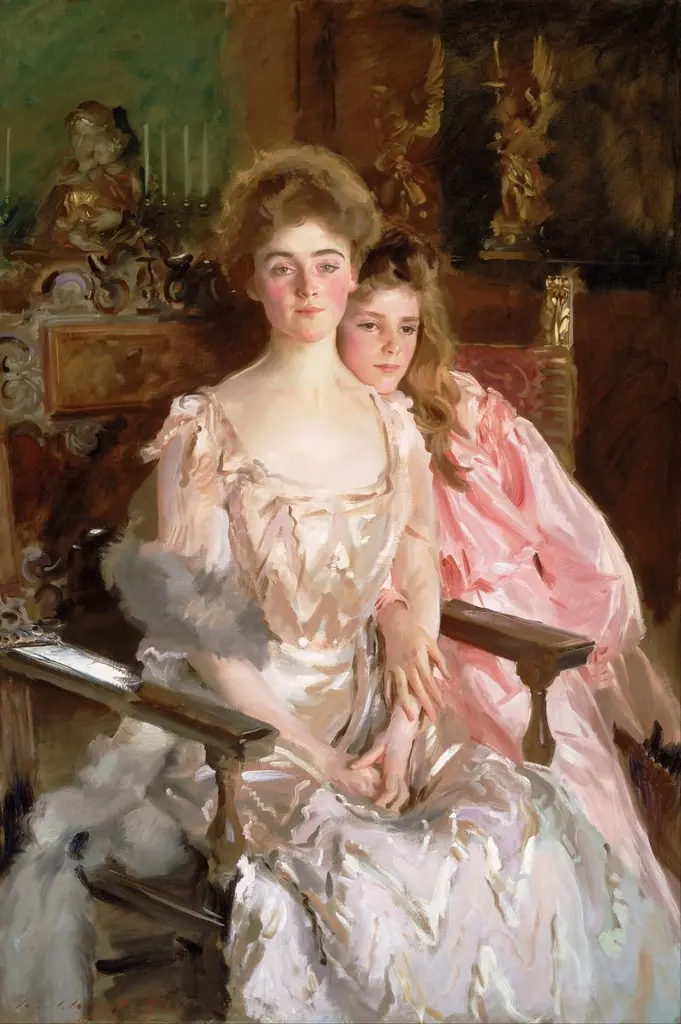 Mrs. Fiske Warren (Gretchen Osgood) and Her Daughter Rachel
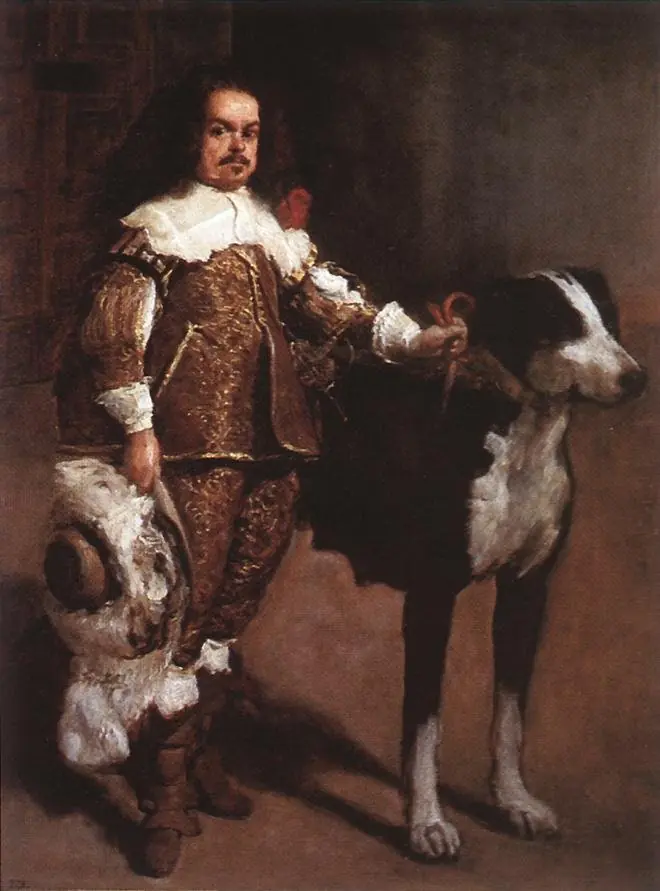 Dwarf with a Dog, formerly denominated Antonio el Inglés
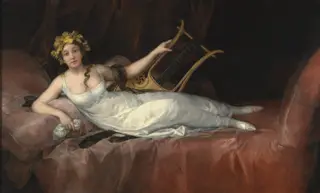 Portrait of the Marchioness of Santa Cruz
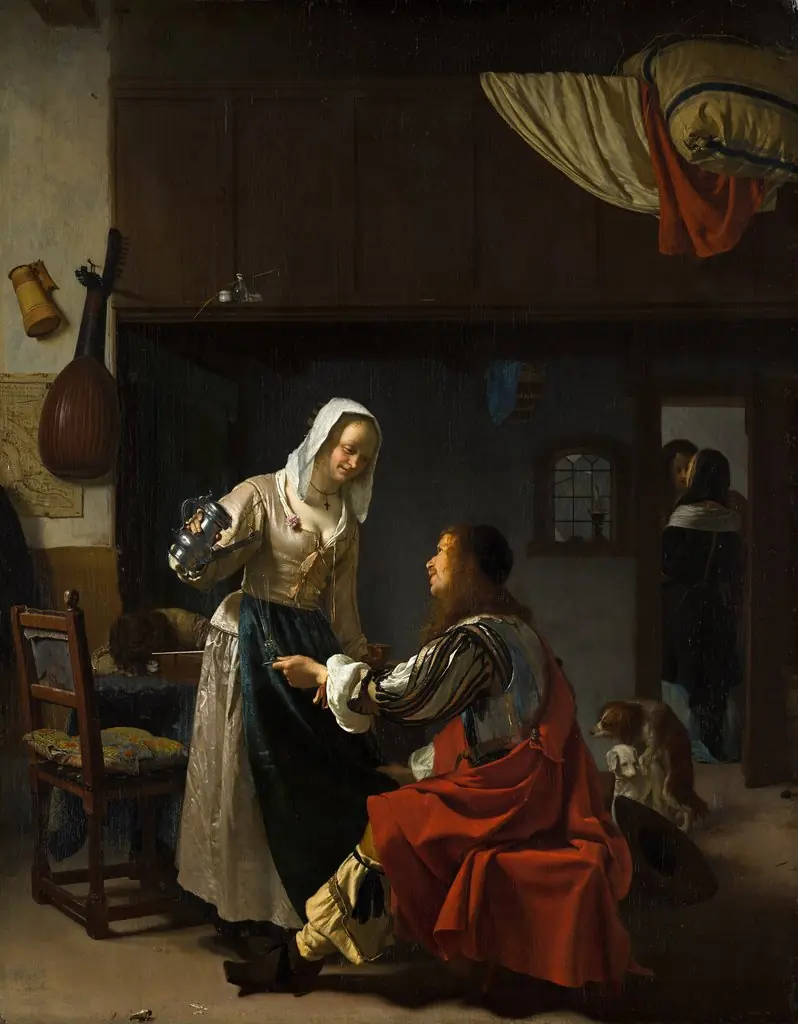 Brothel Scene
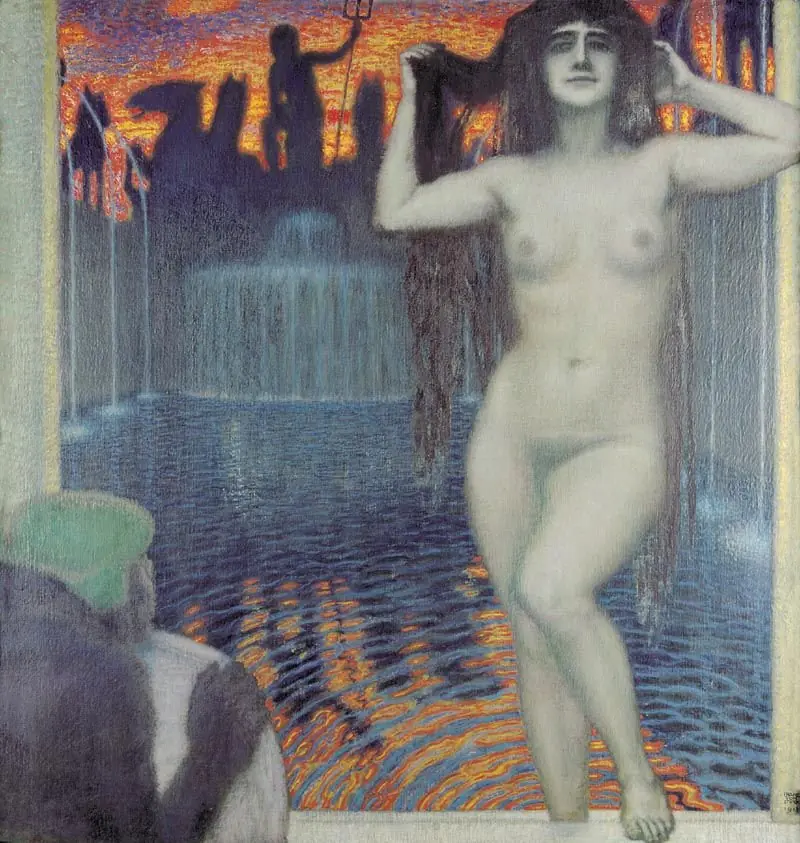 Bathsheba
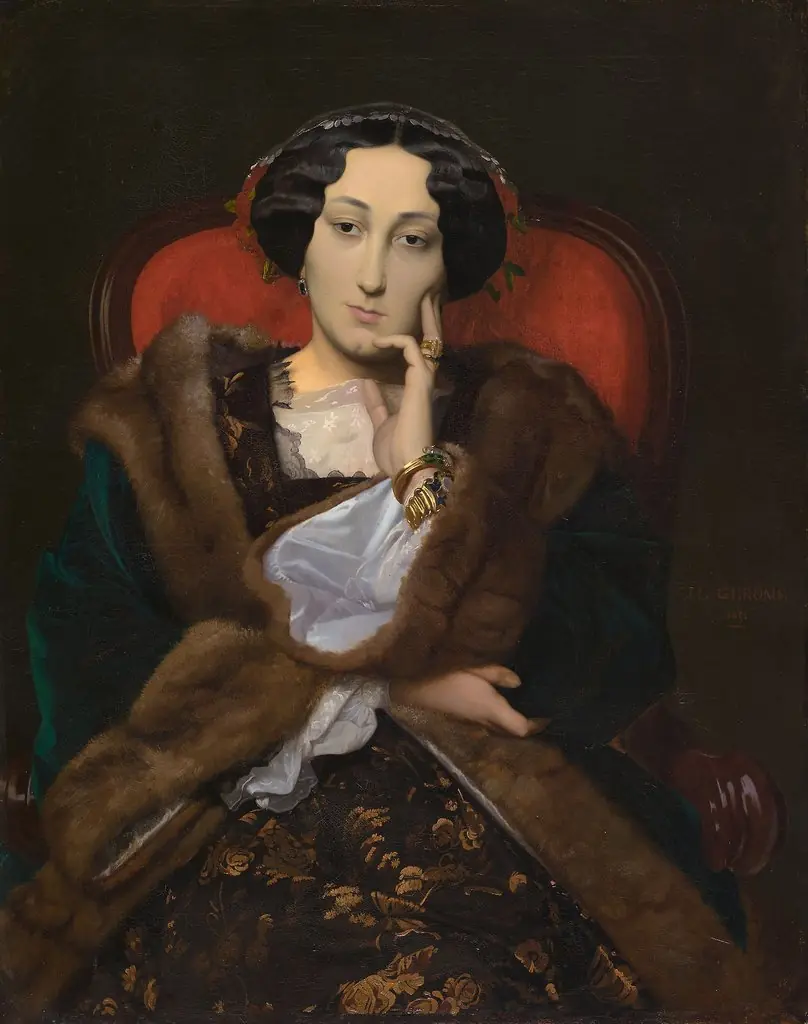 Portrait of a Woman
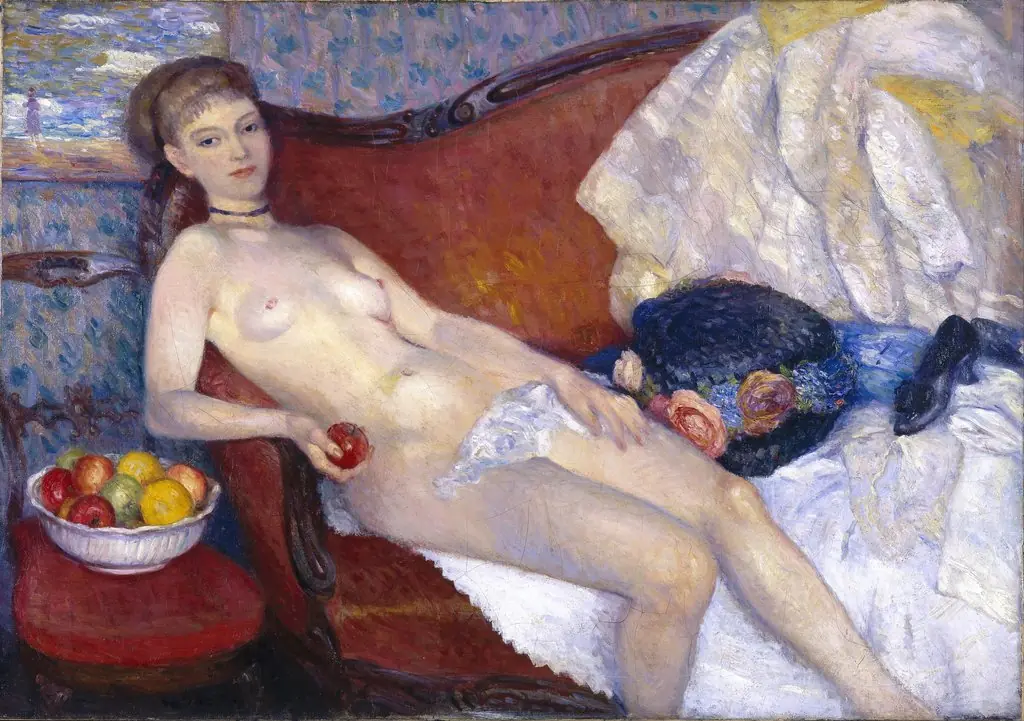 Nude with Apple
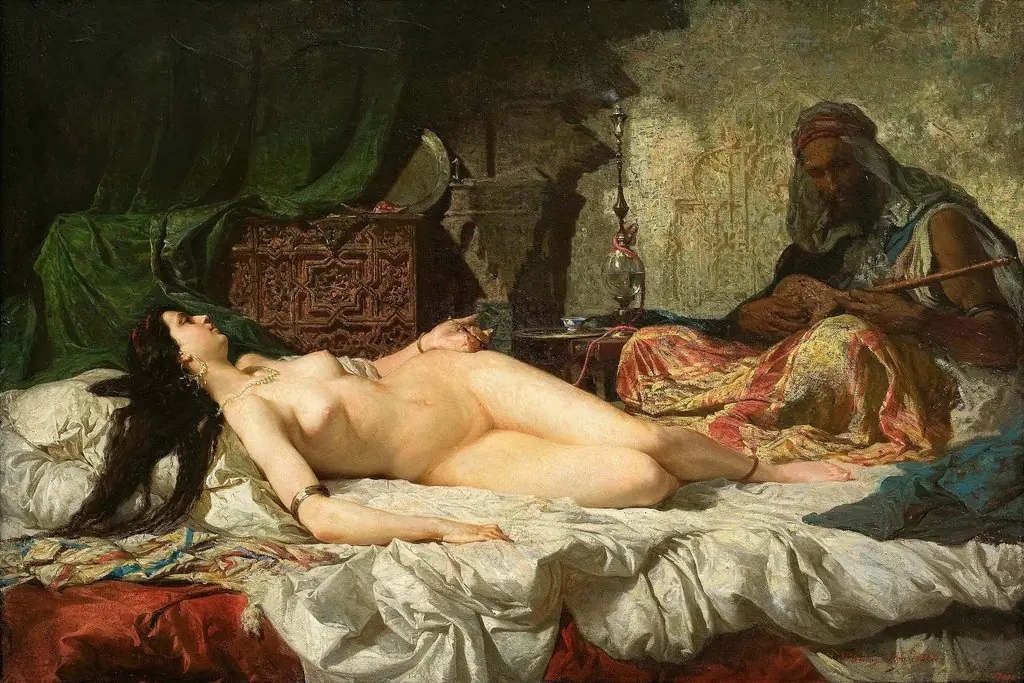 The Odalisque
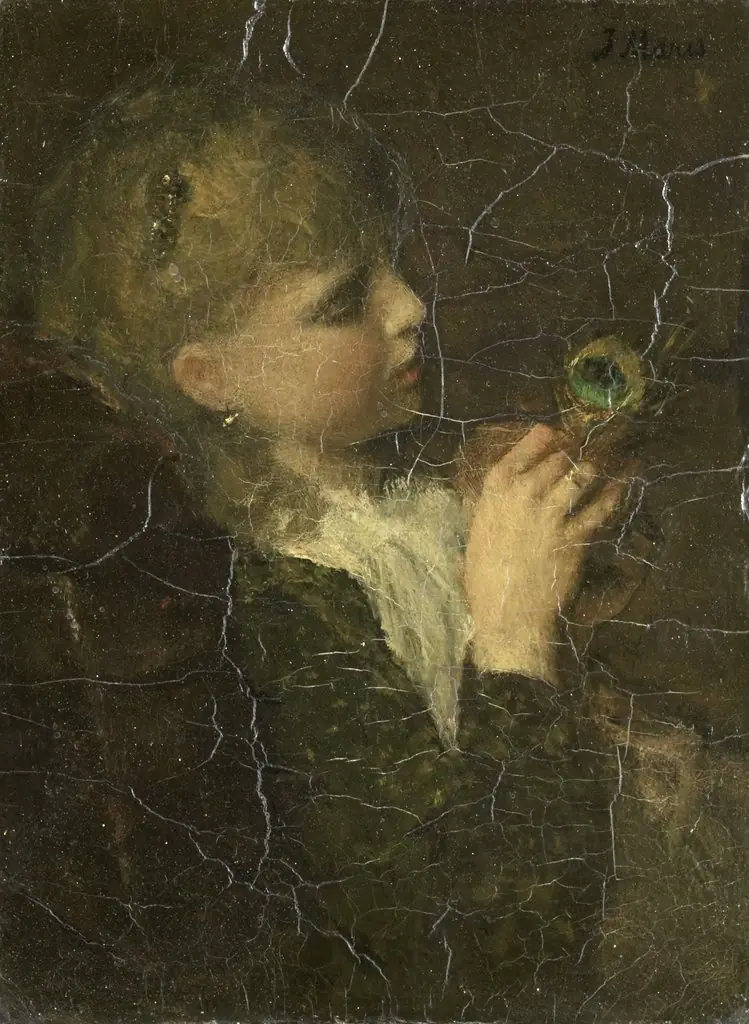 Girl with a Peacock Feather
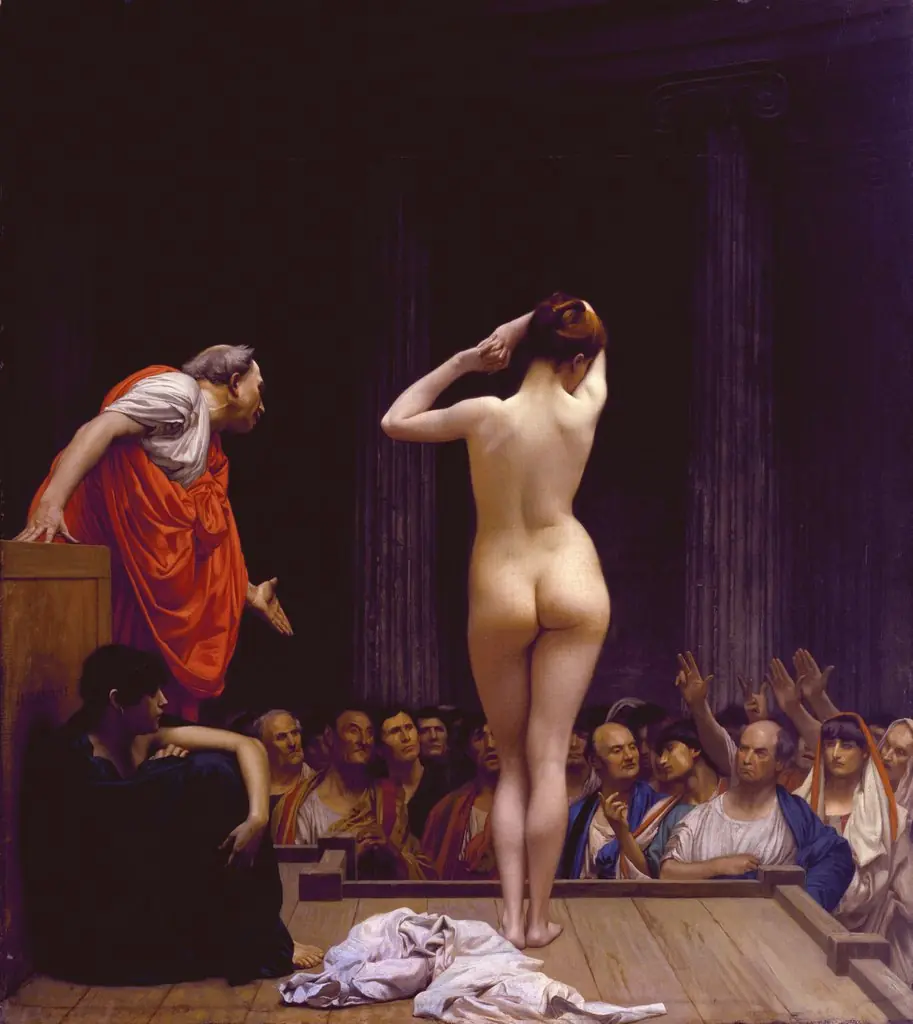 A Roman Slave Market
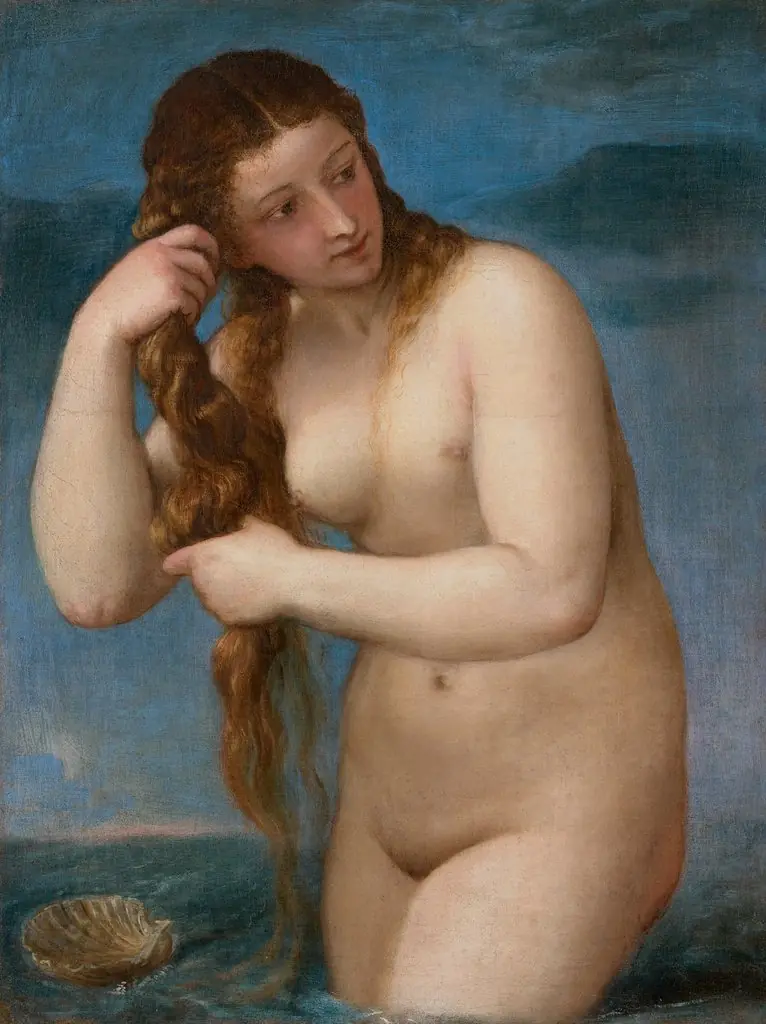 Venus Anadyomene
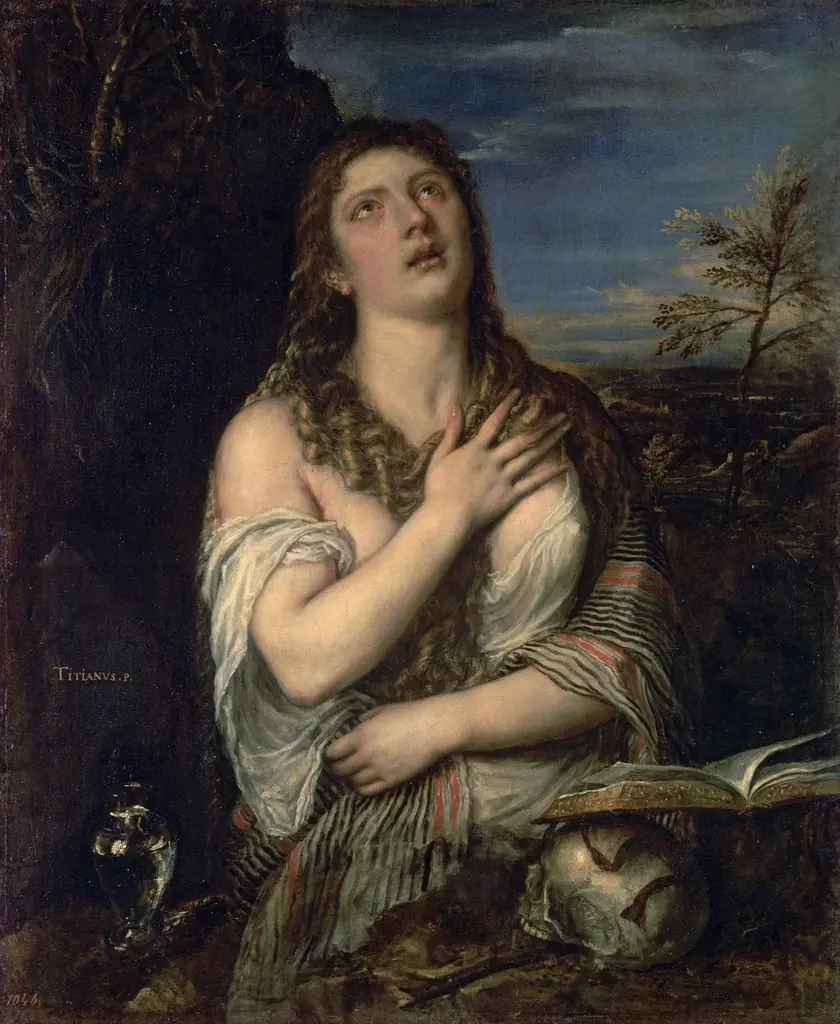 Penitent Magdalene
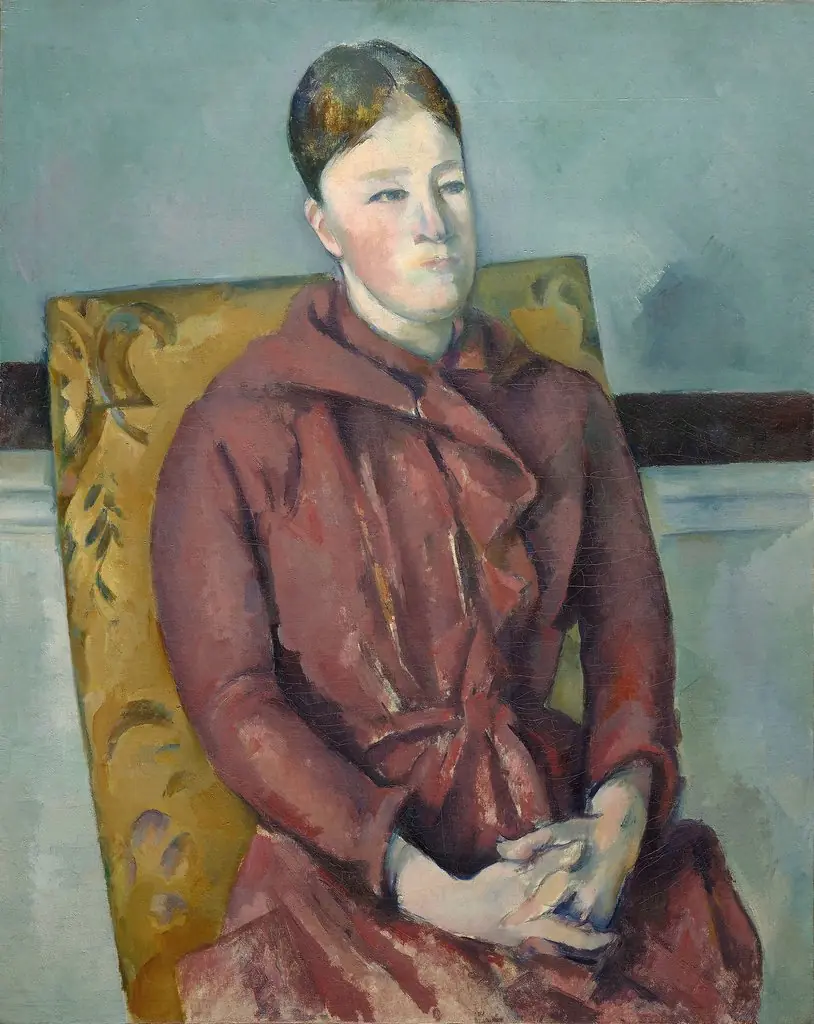 Madame Cézanne in a Yellow Chair
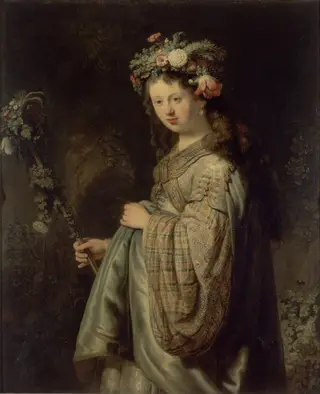 Flora
Flora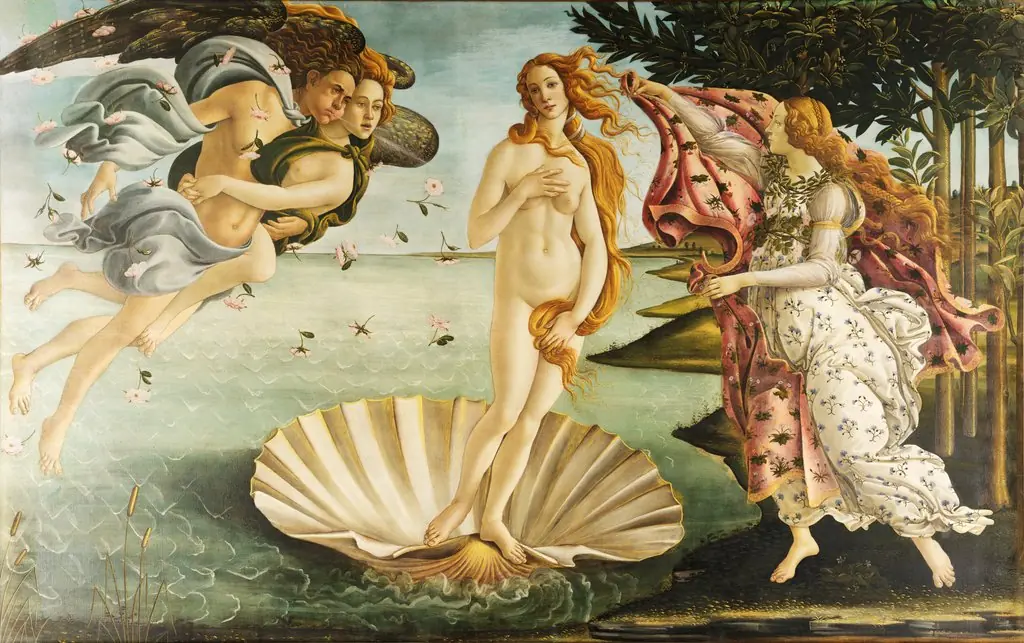 The Birth of Venus
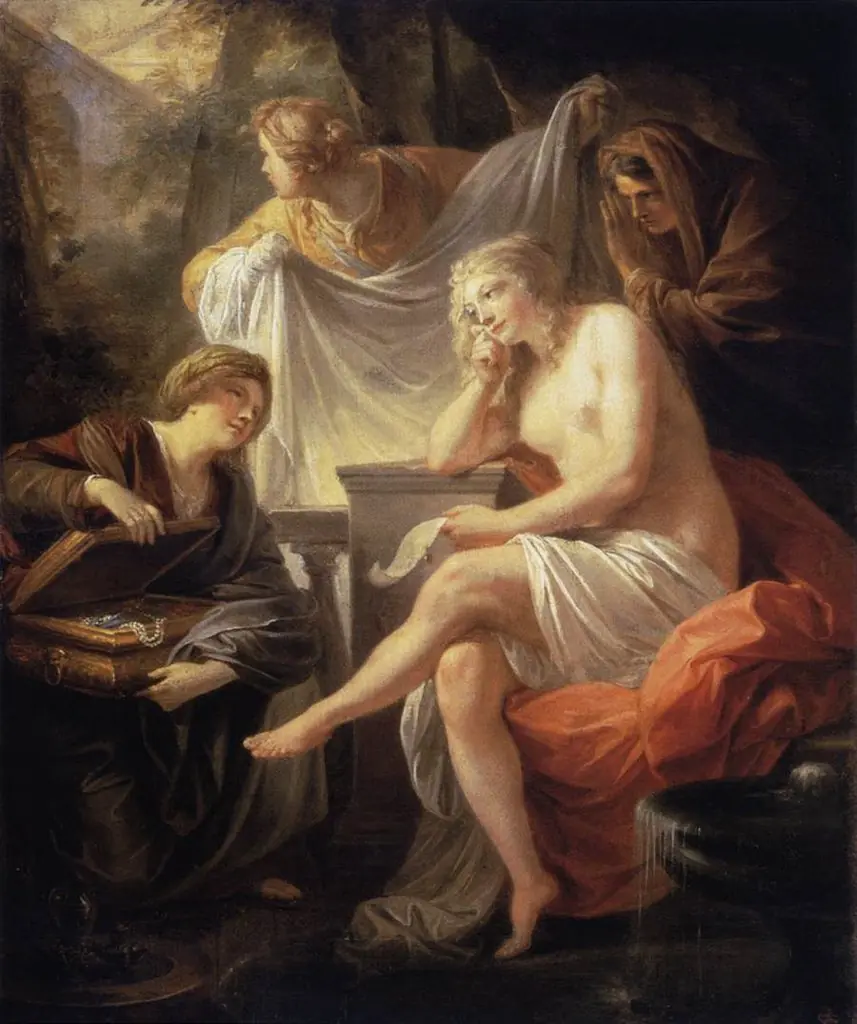 Bathsheba at her bath
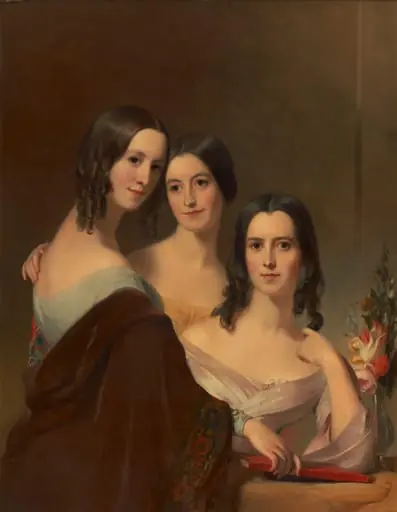 The Coleman Sisters
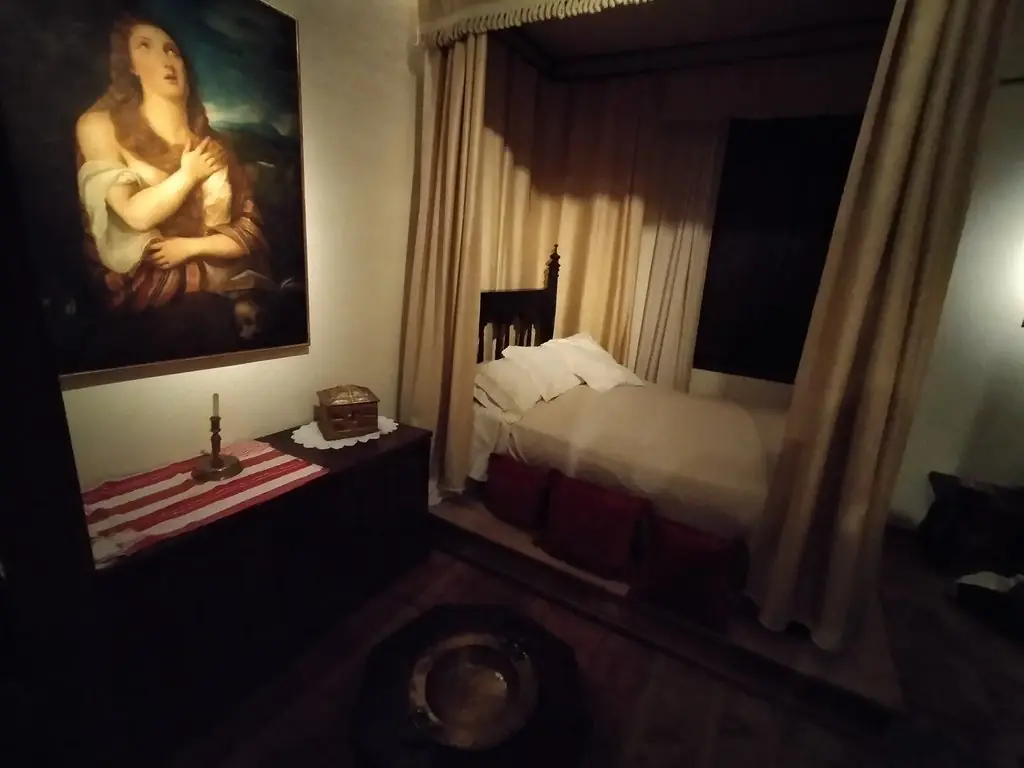 Penitent Magdalene
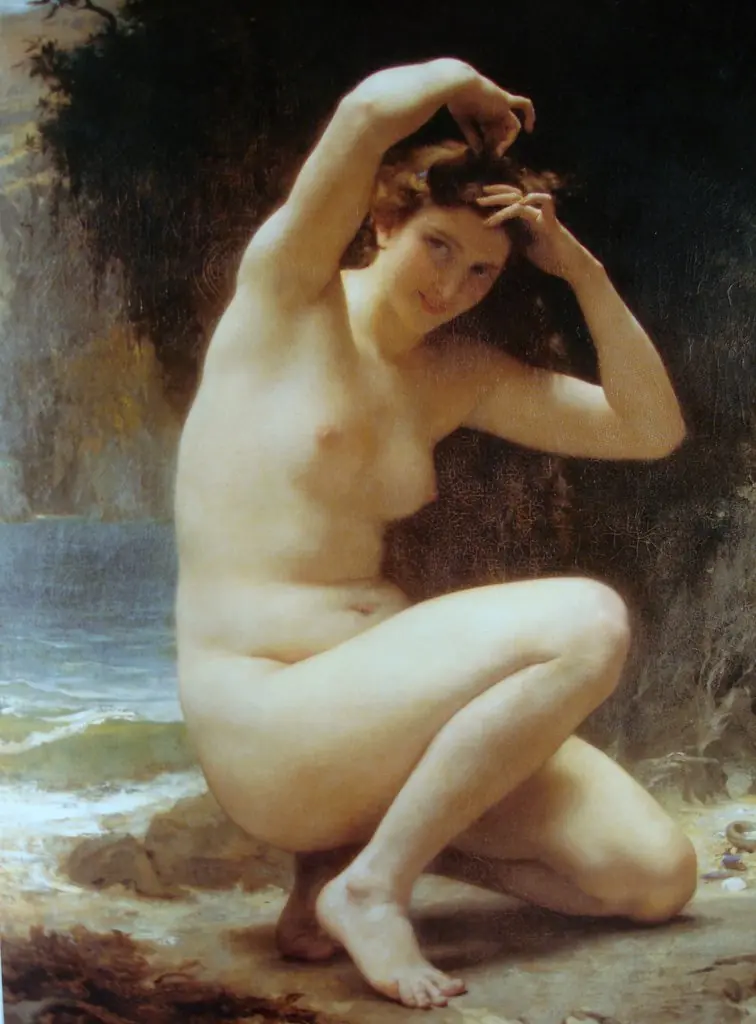 The toilette of Venus
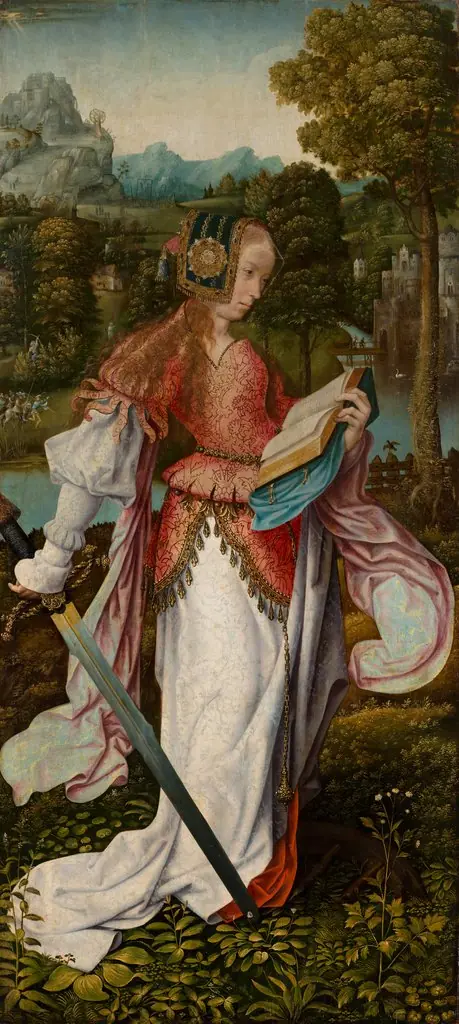 Saint Catherine
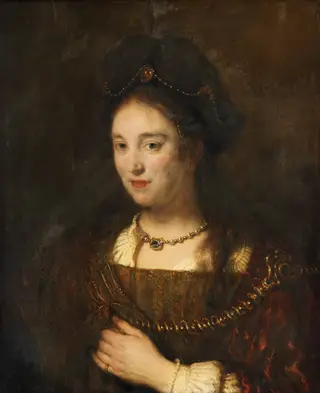 Half-figure of a woman with a beret
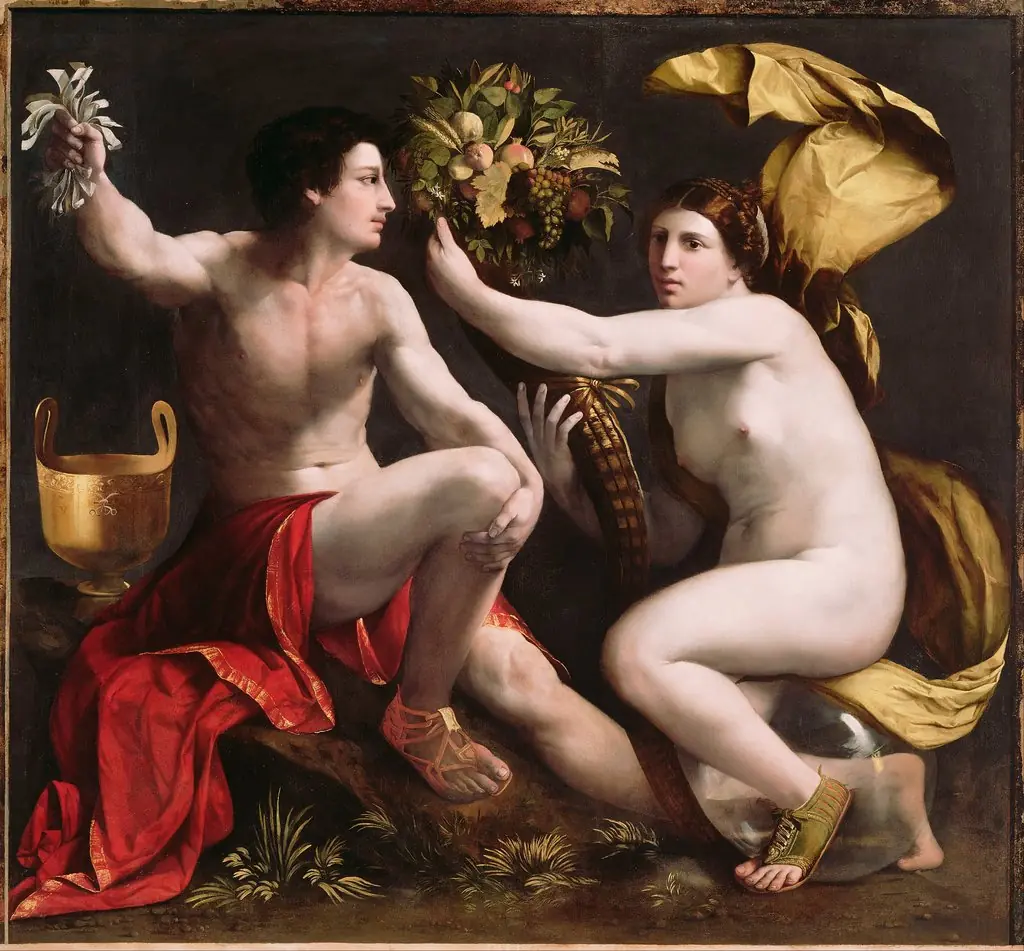 An Allegory of Fortune
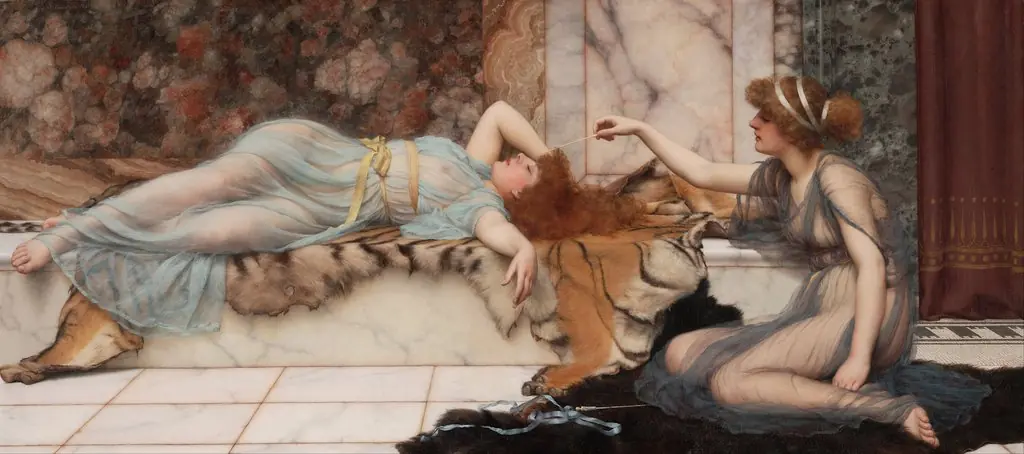 Mischief and Repose
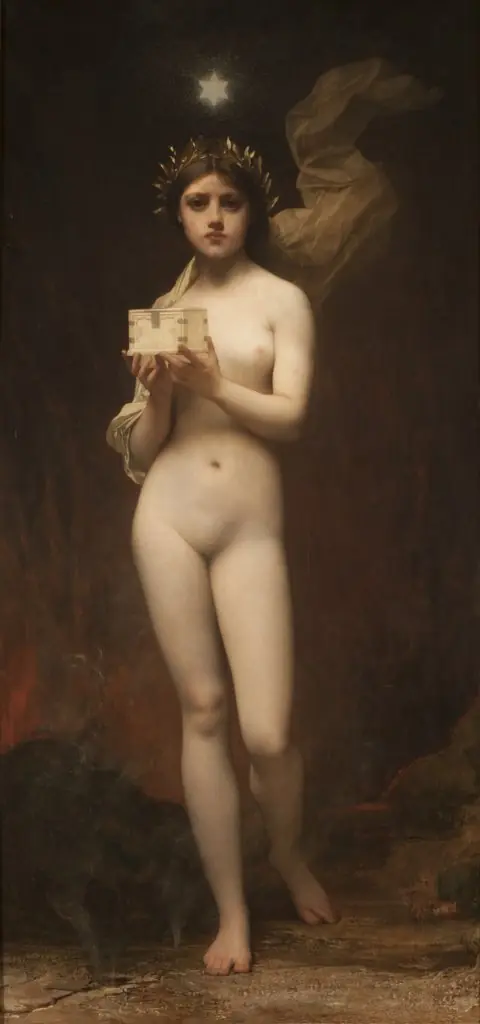 Pandora
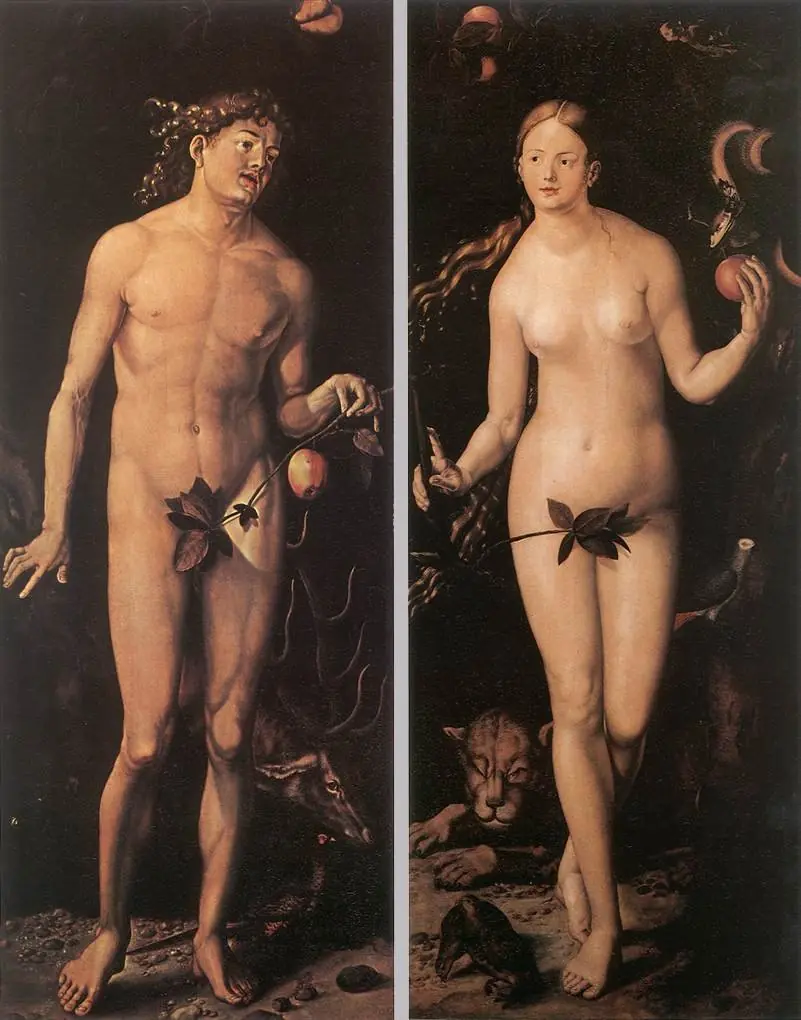 Adam and Eve
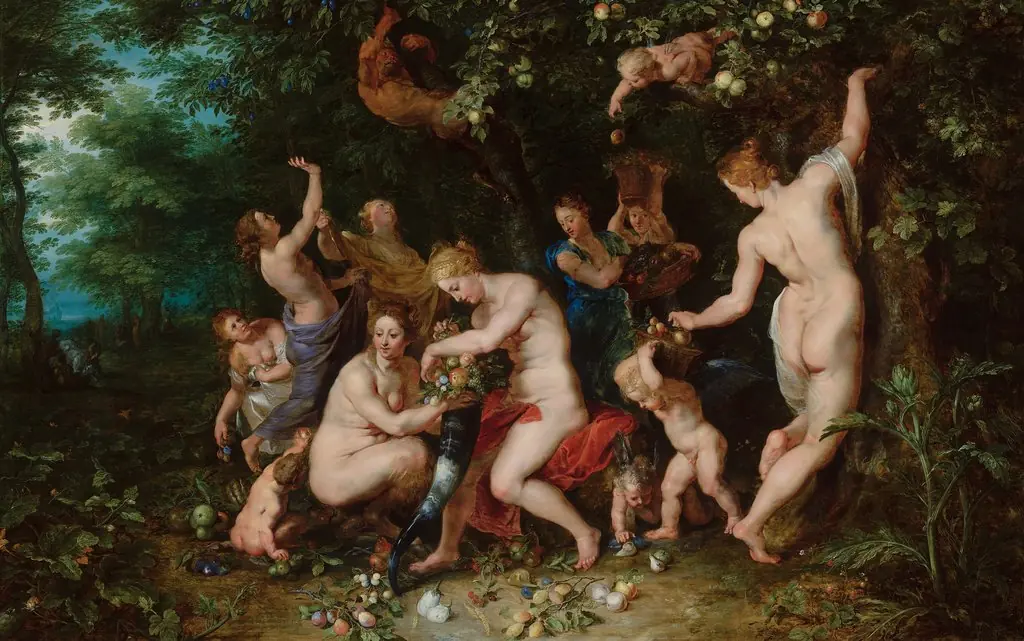 Nymphs filling the horn of plenty
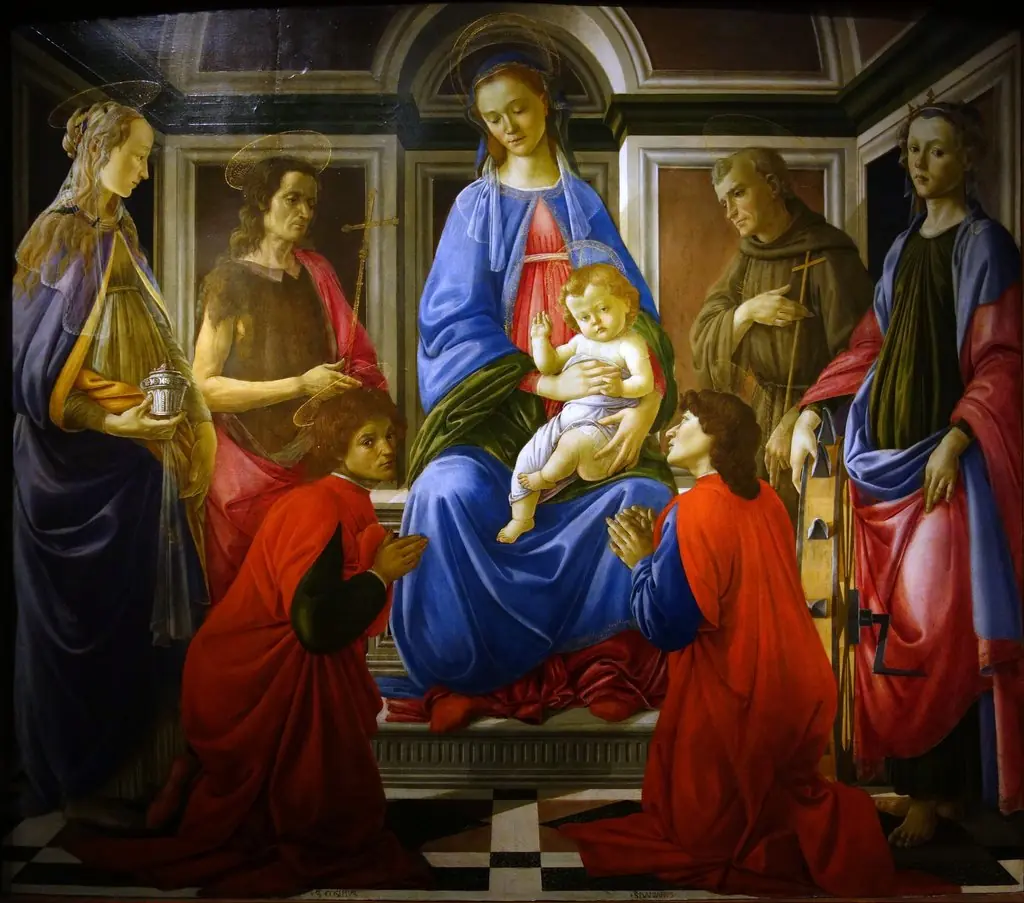 Sant'Ambrogio Altarpiece
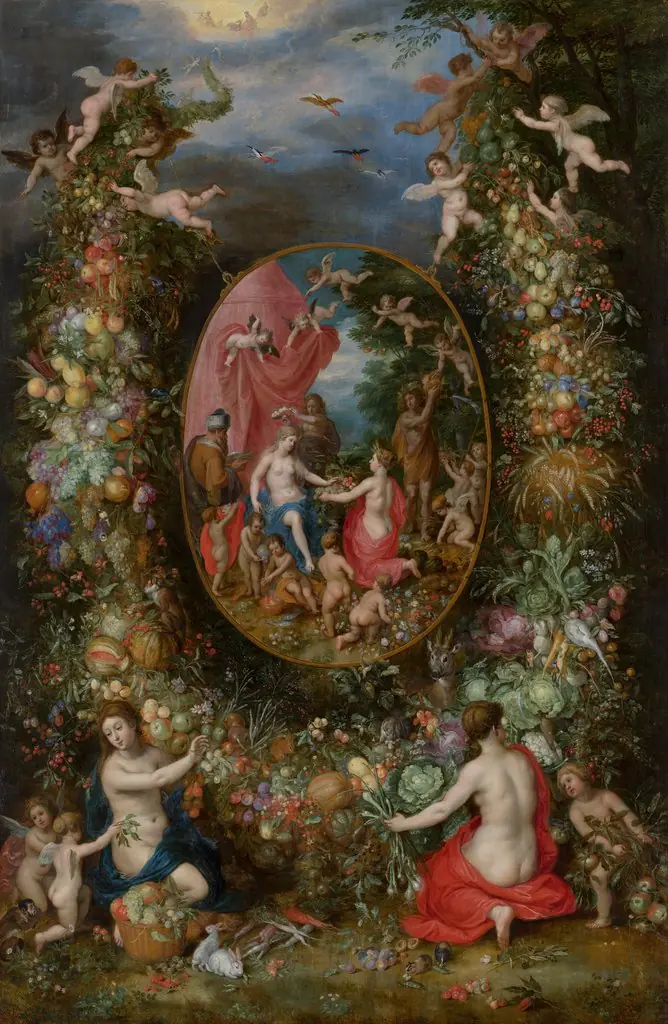 Garland of Flowers around an Allegory of Farming
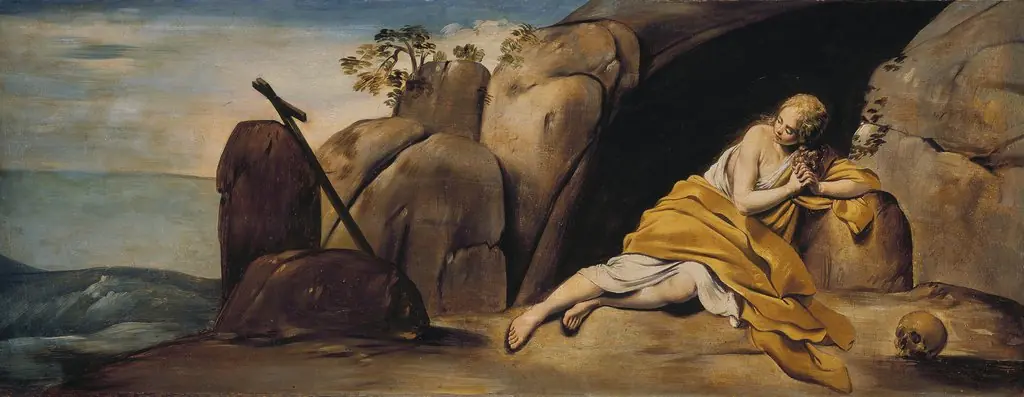 Magdalena penitente en la gruta de Sainte-Baume
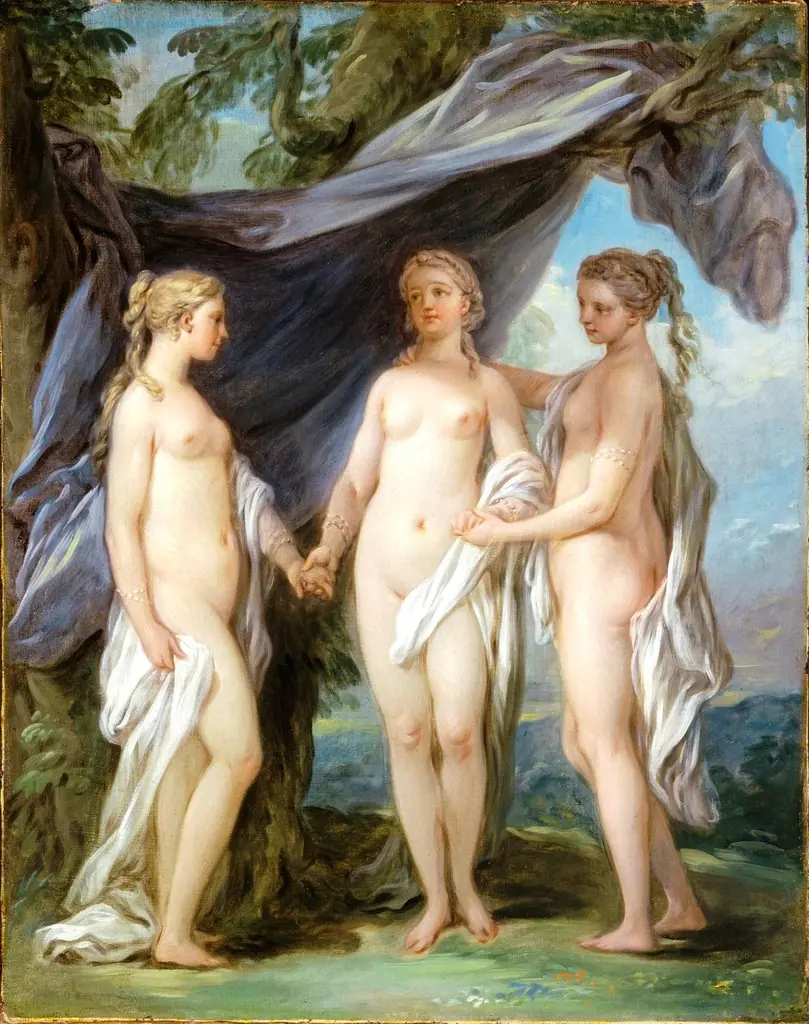 The Three Graces
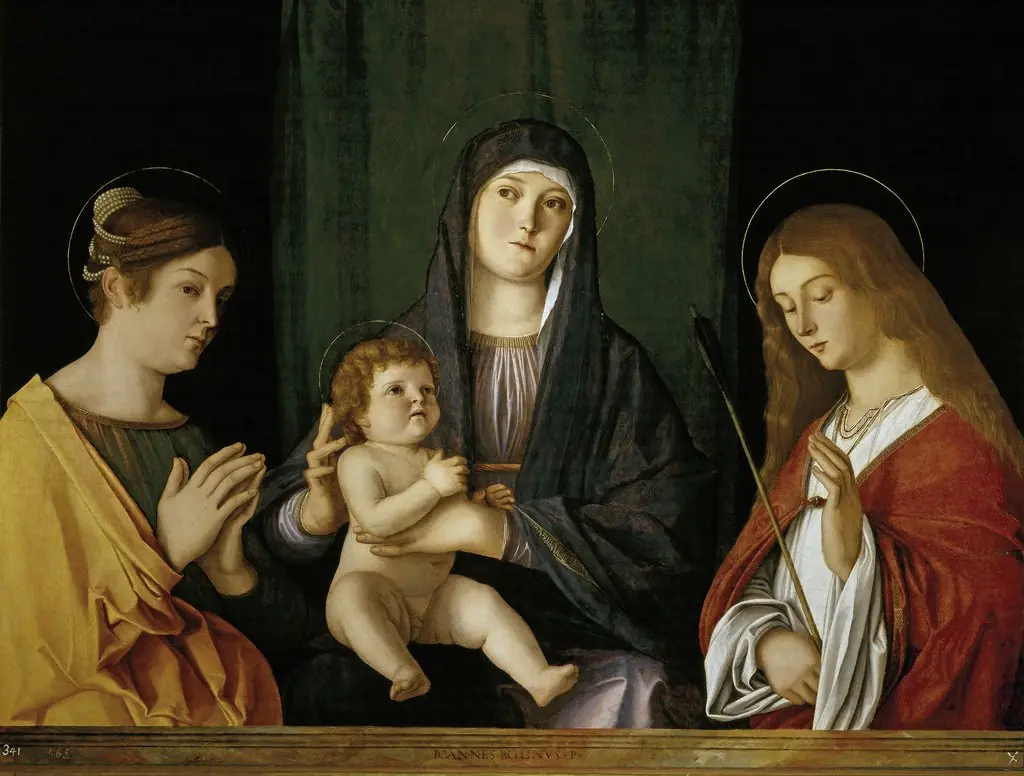 The Virgin and Child between two Saints
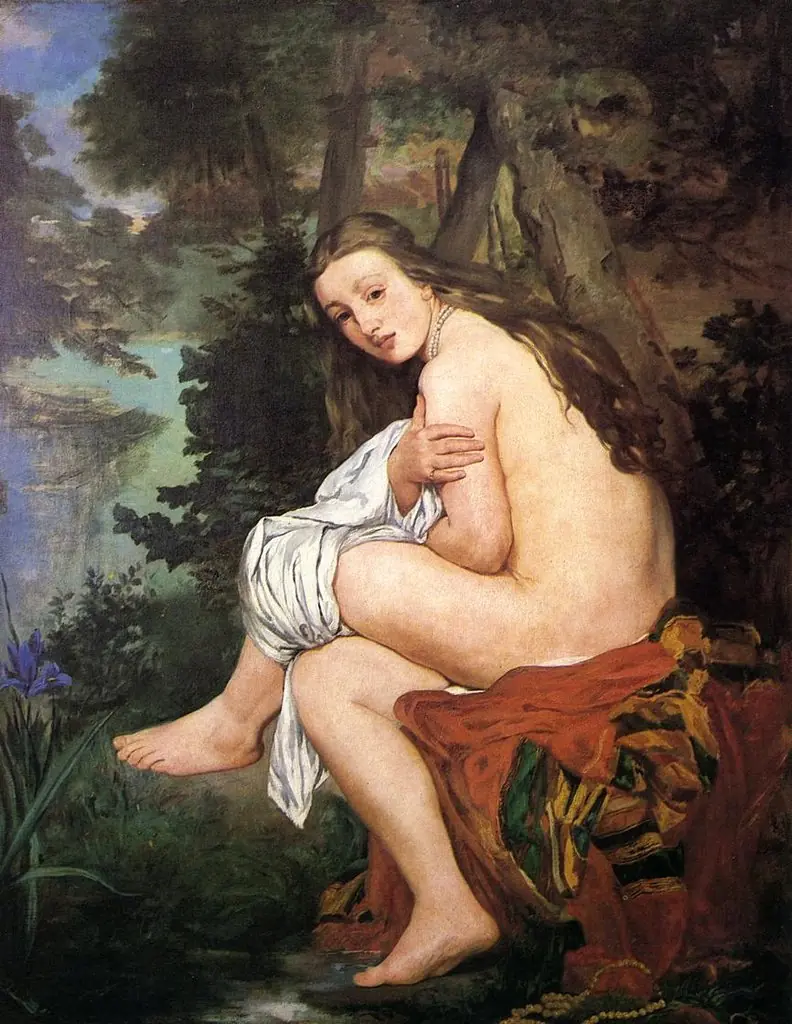 La Nymphe surprise
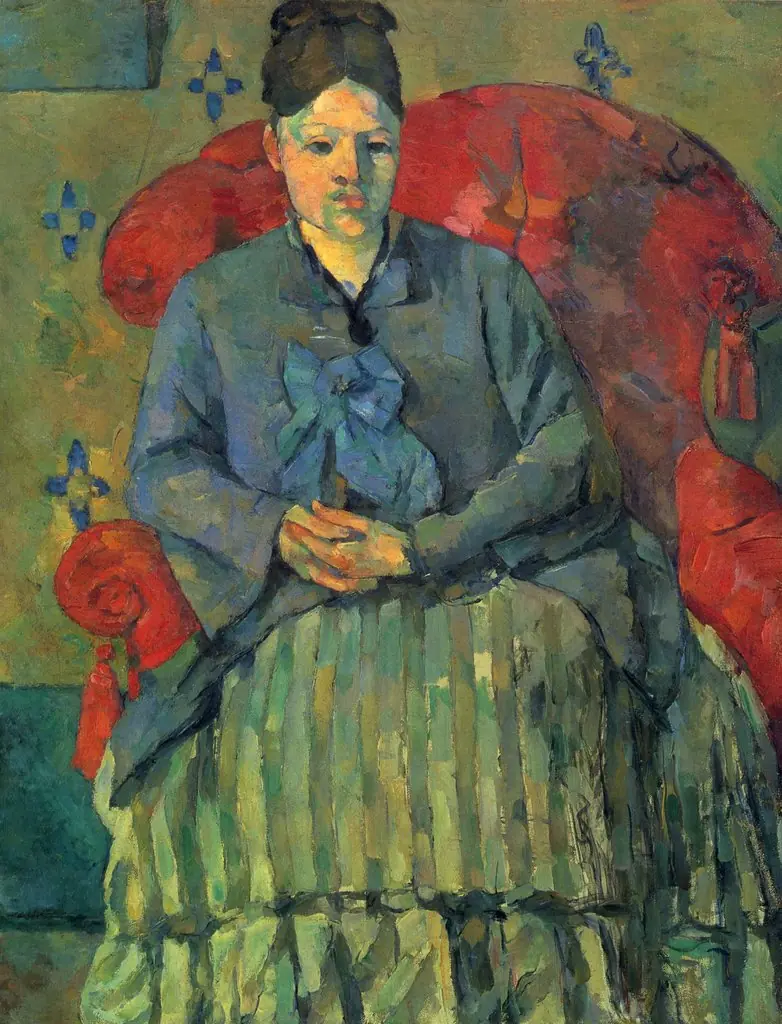 Madame Cézanne à la jupe rayée (Madame Cézanne in a Red Armchair)
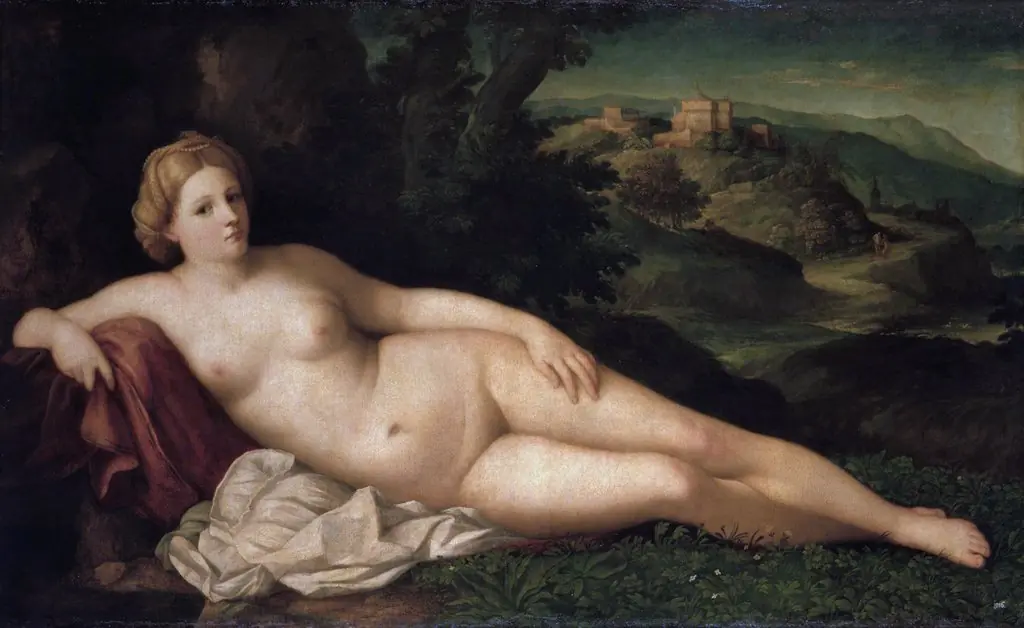 Resting Venus
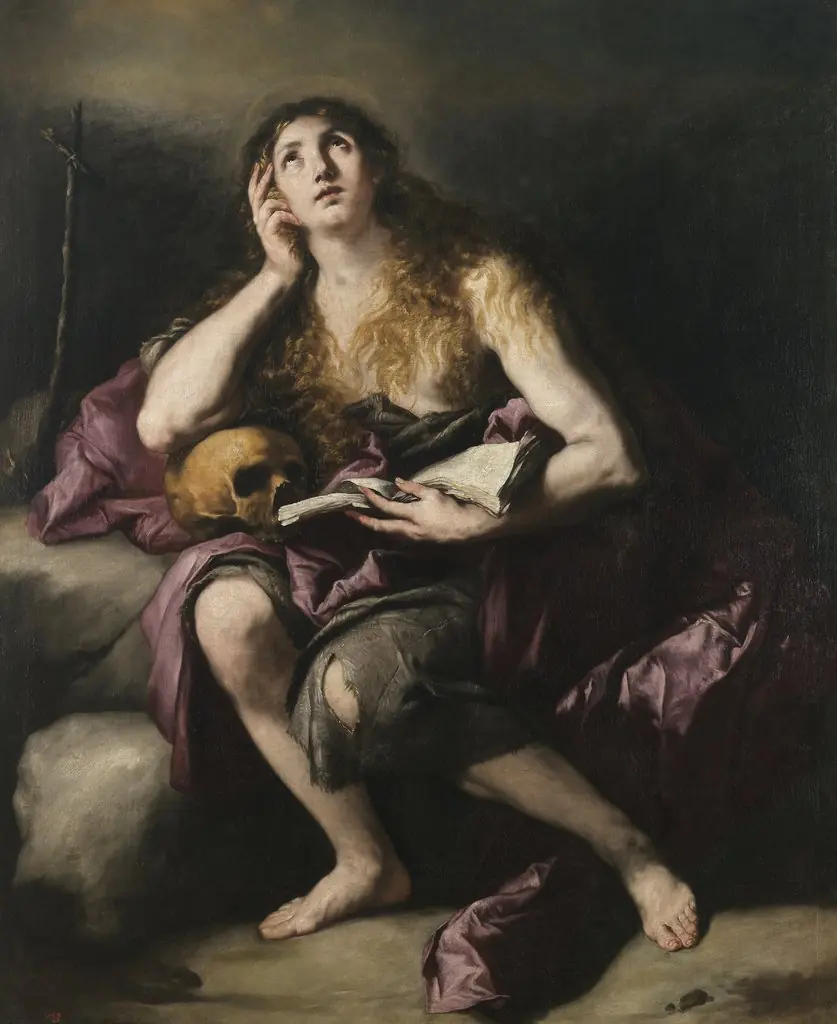 Penitent Mary Magdalene
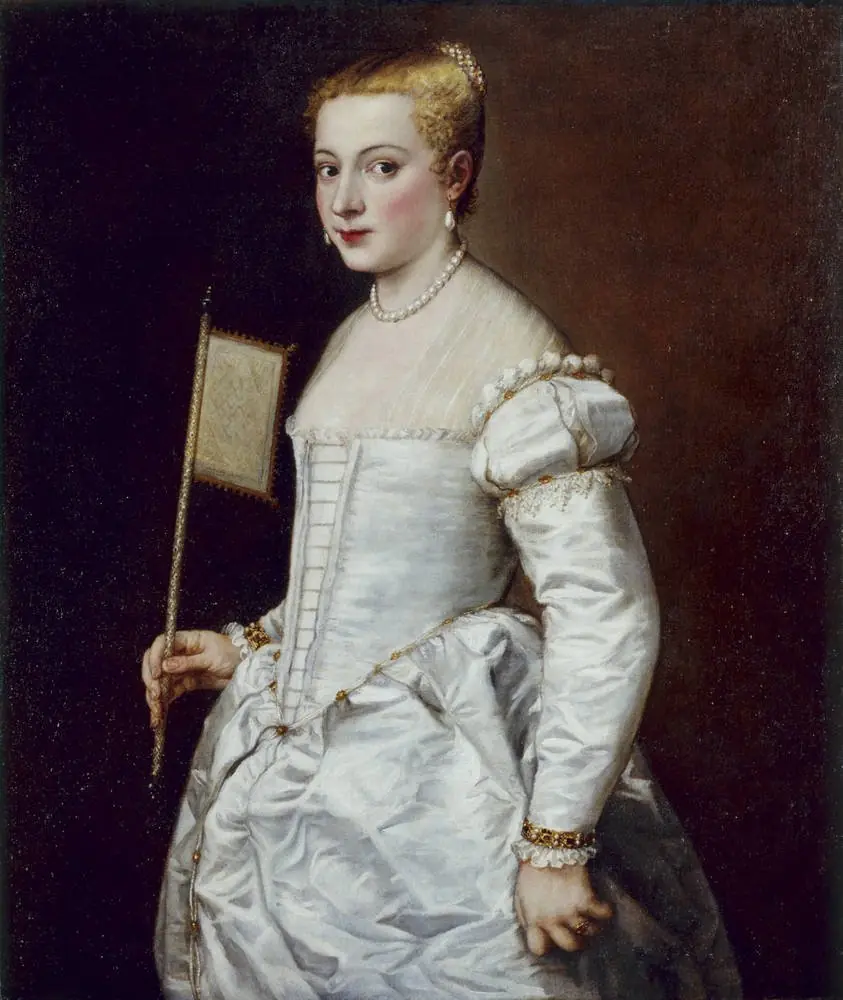 Portrait of a Lady in White
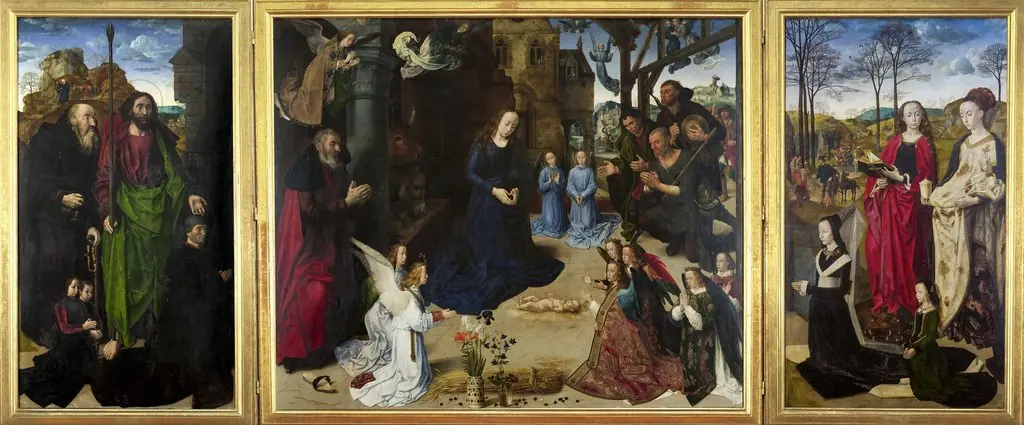 Portinari Triptych
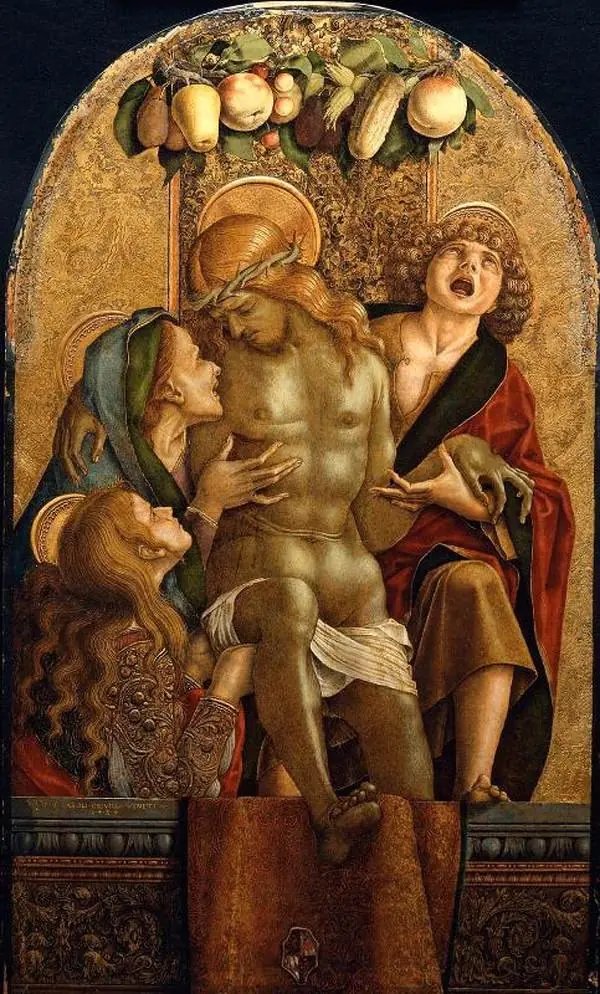 Lamentation over the Dead Christ
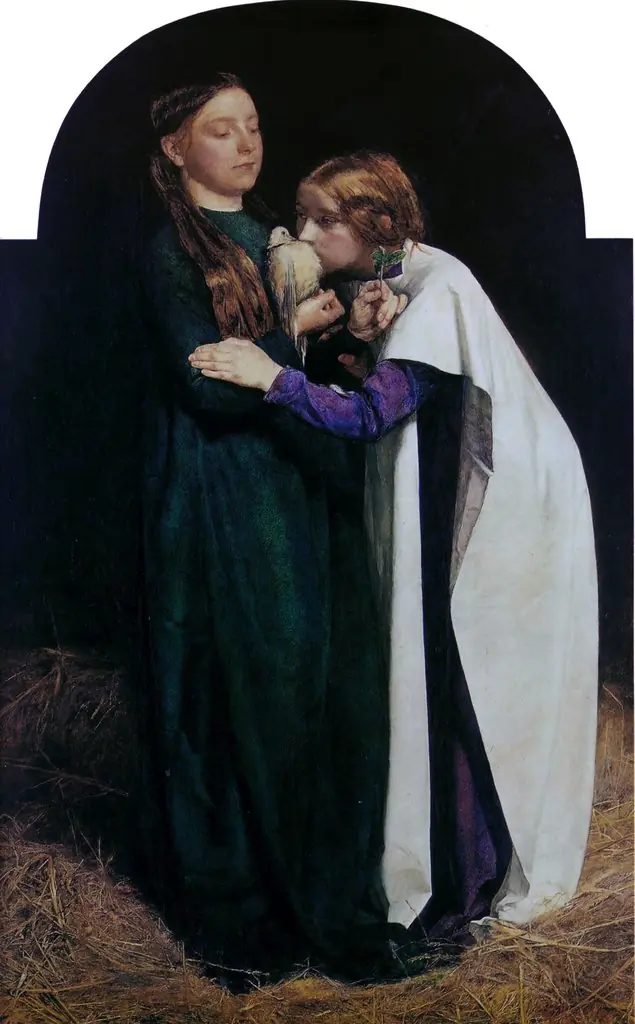 The Return of the Dove to the Ark
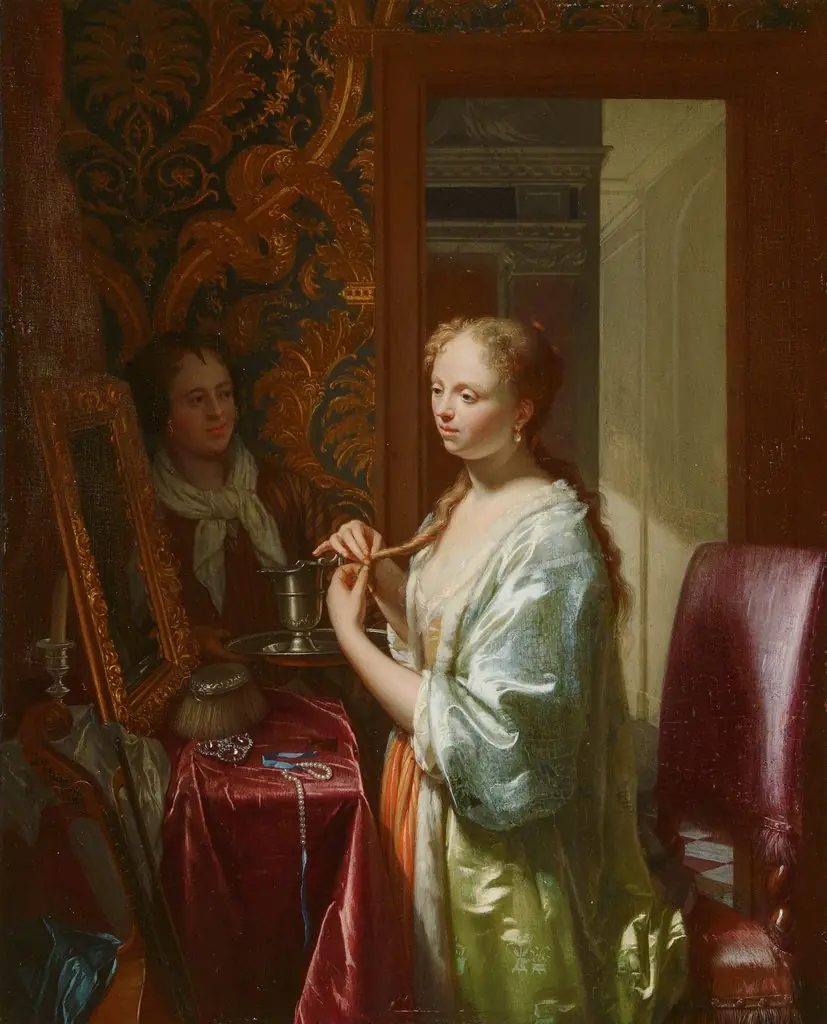 Lady attending to her toilet
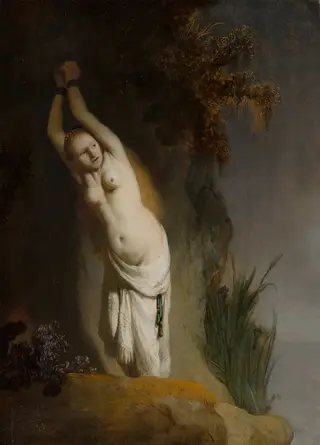 Andromeda Chained to the Rocks
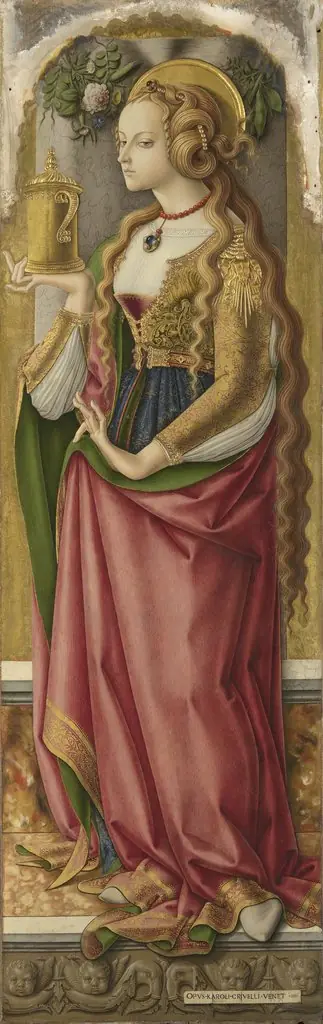 Mary Magdalen
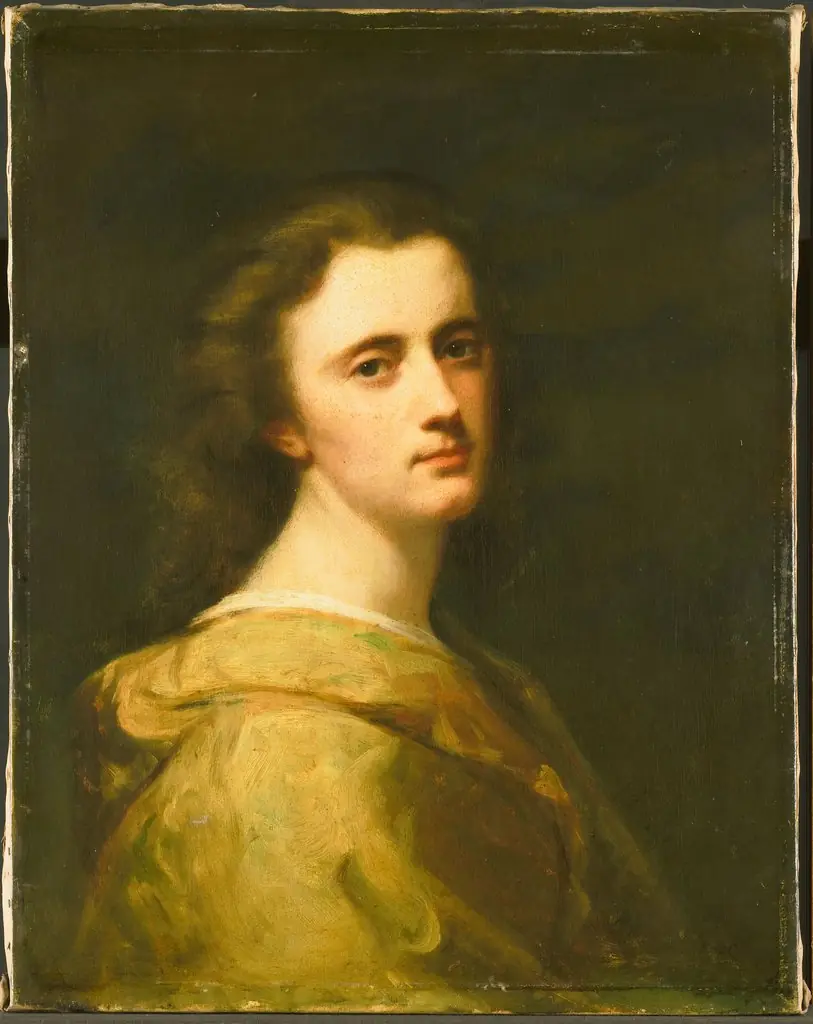 Portrait of Thérèse Schwartze (1851-1918), the artist's daughter at age 16
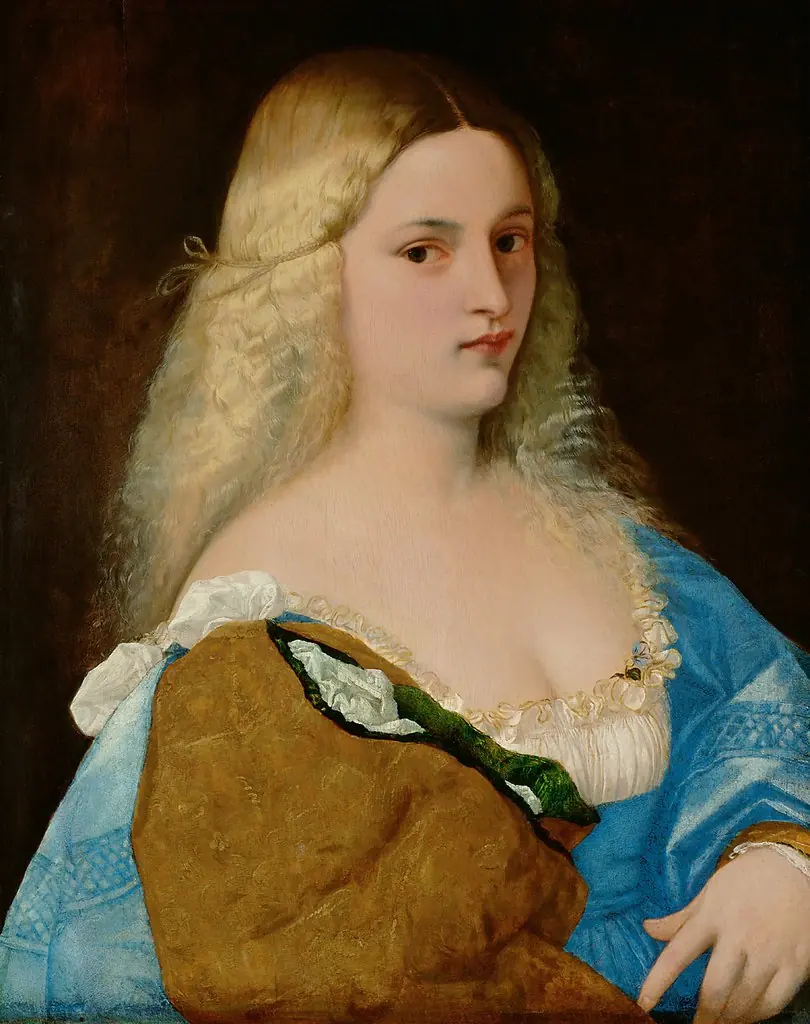 Violante
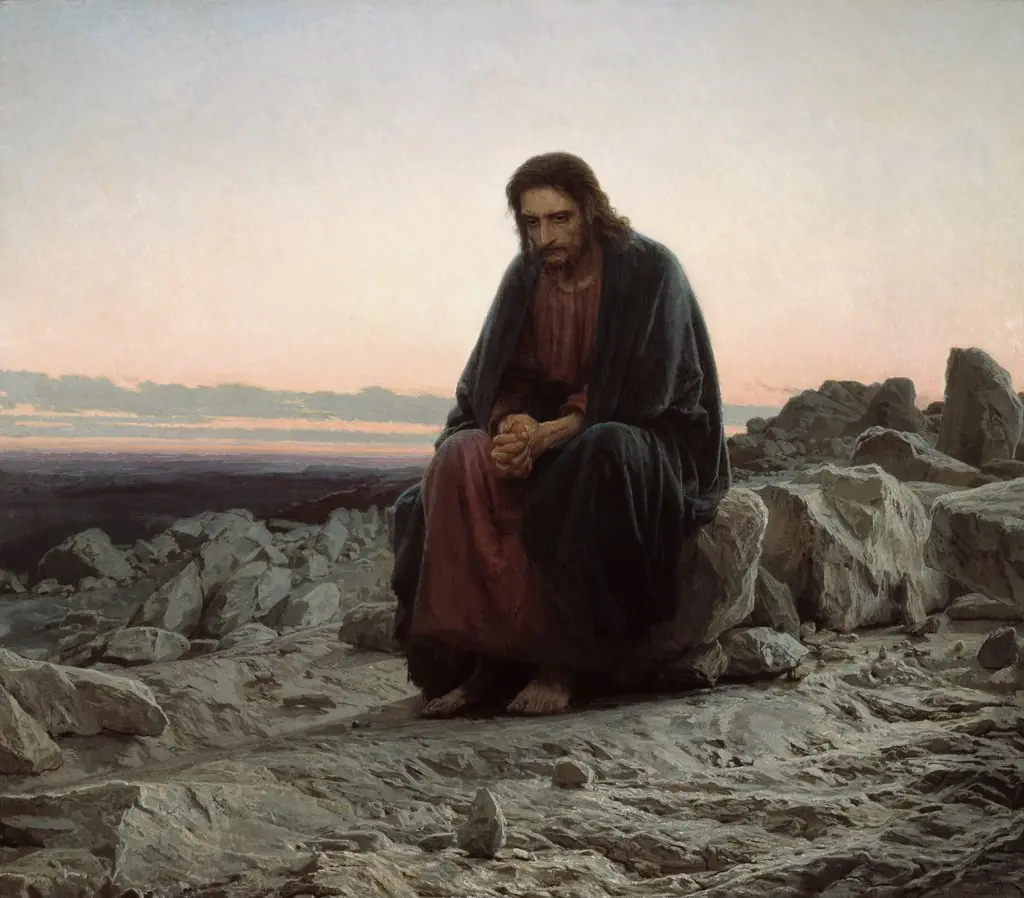 Christ in the Wilderness
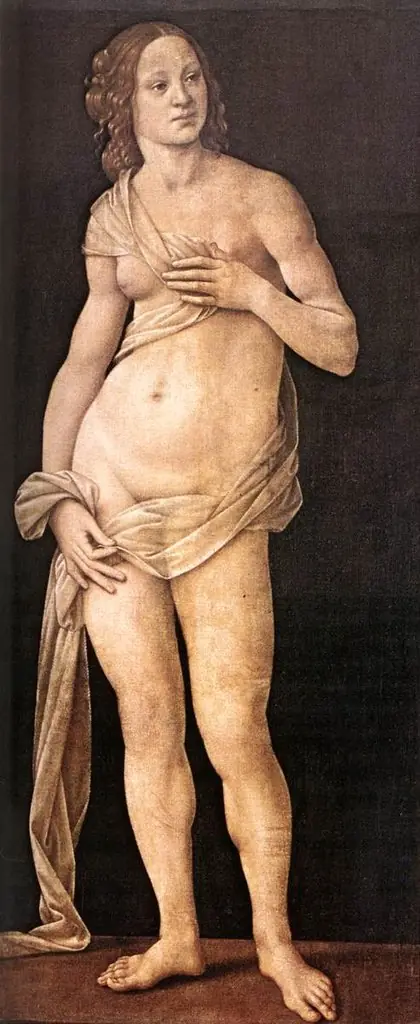 Venus
Venus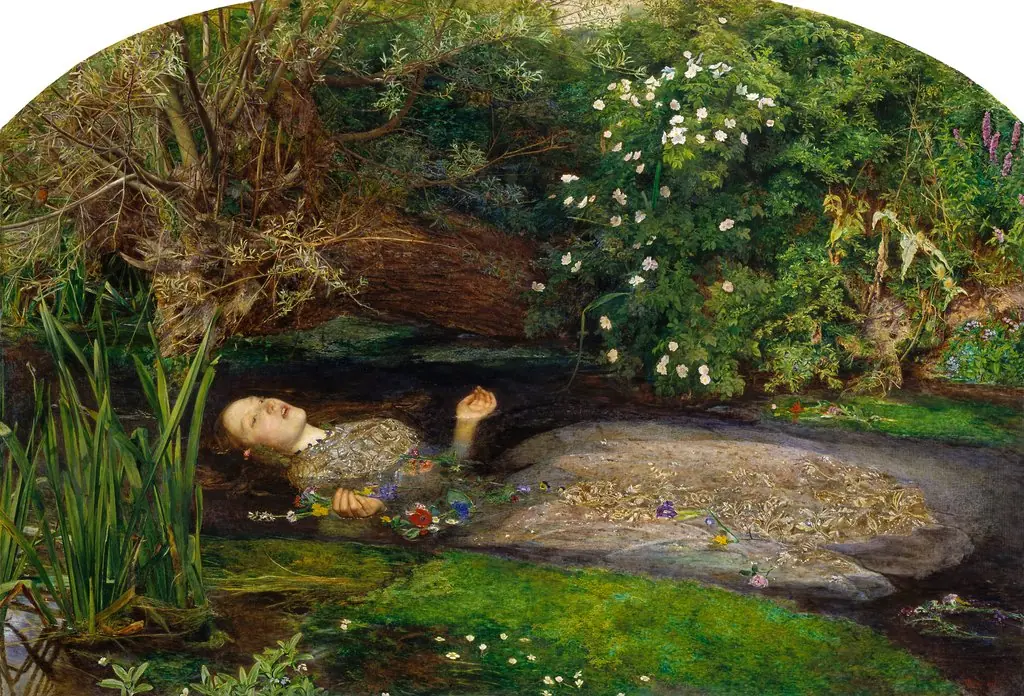 Ophelia
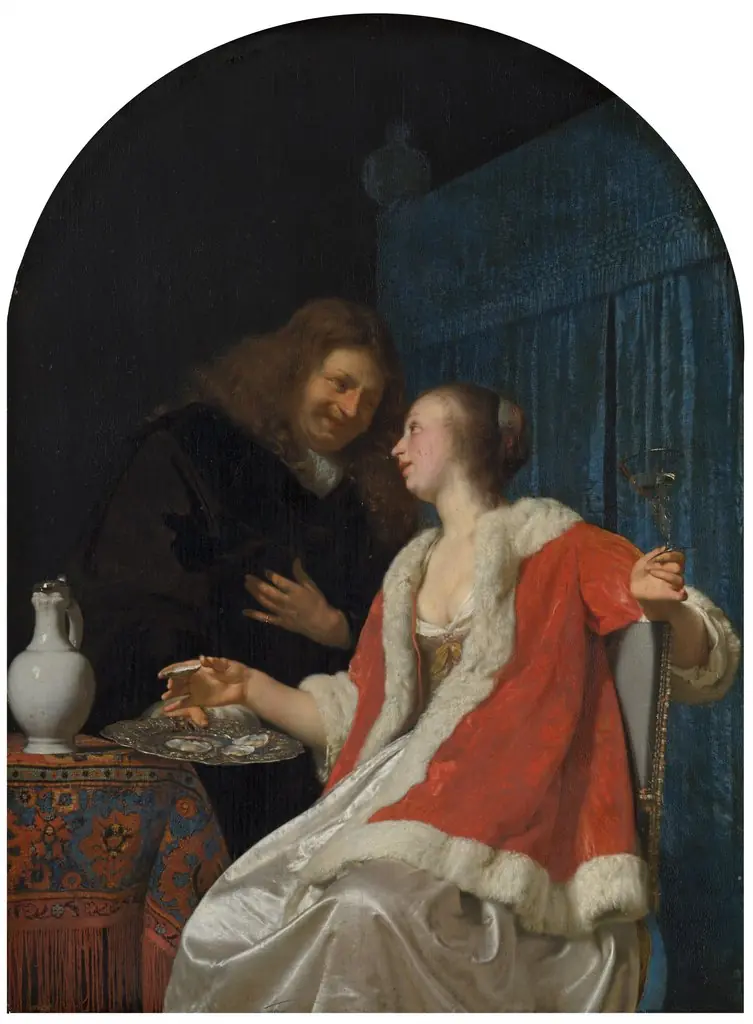 A Meal of Oysters
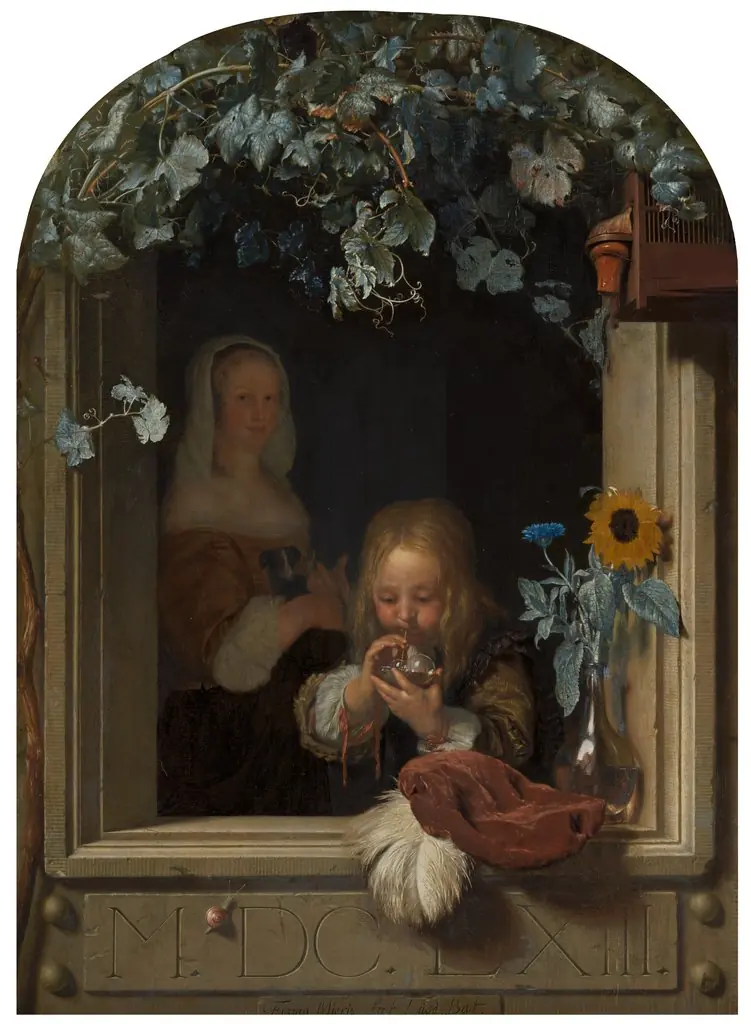 A Boy Blowing Bubbles
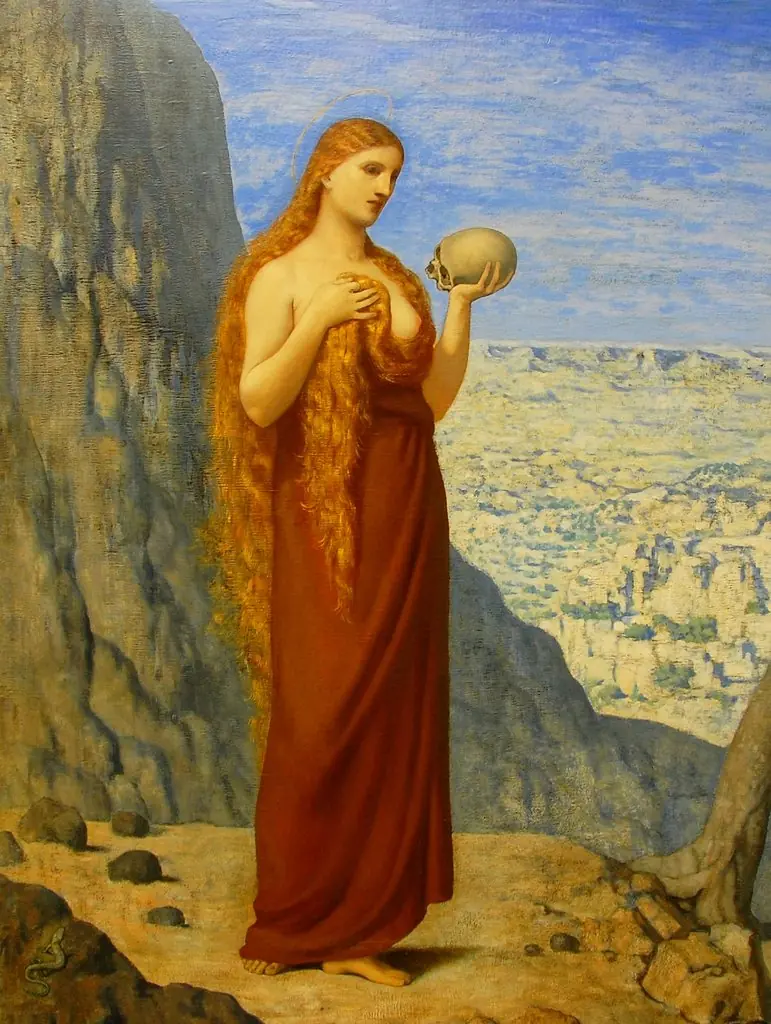 Mary Magdalene in the Desert
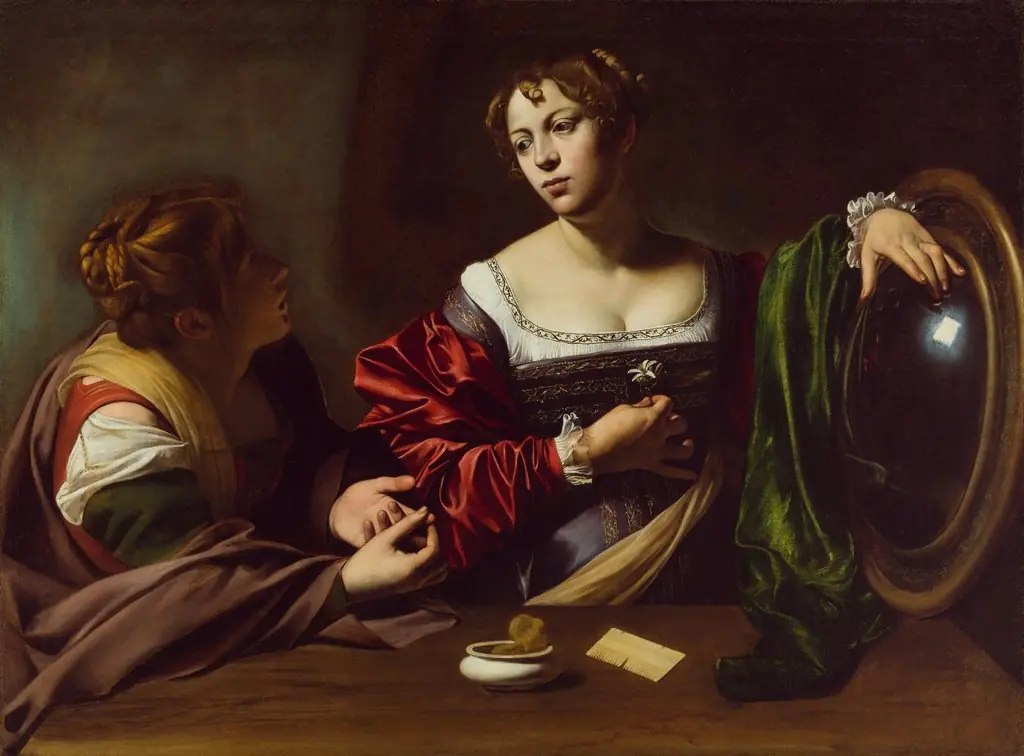 Martha and Mary Magdalene
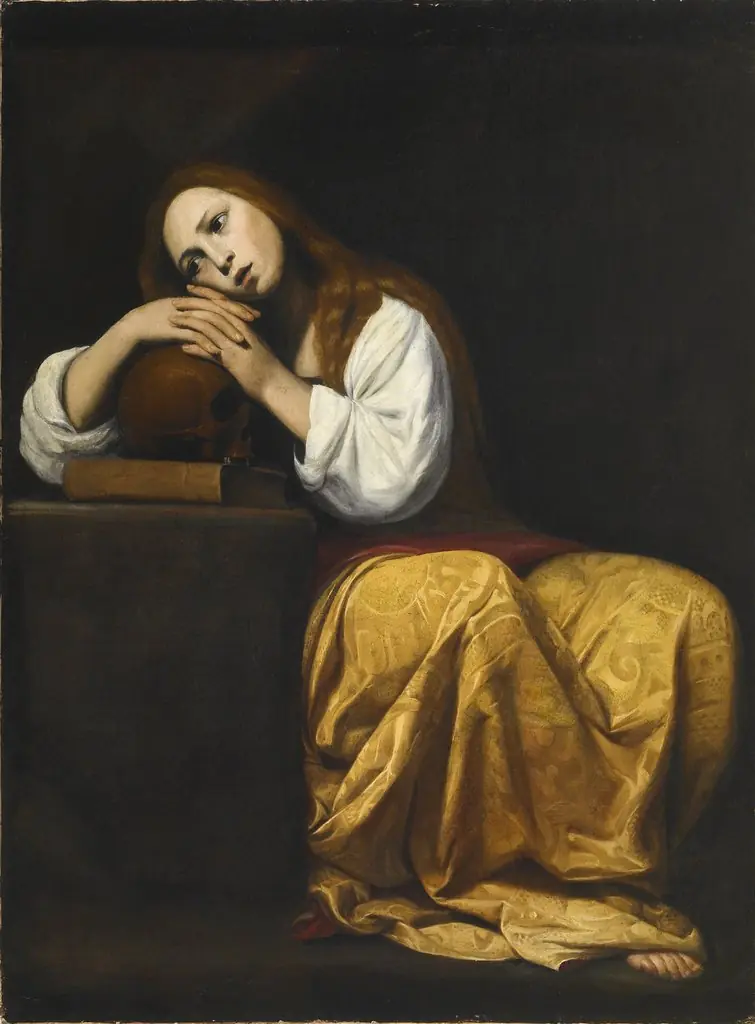 The Penitent Mary Magdalene
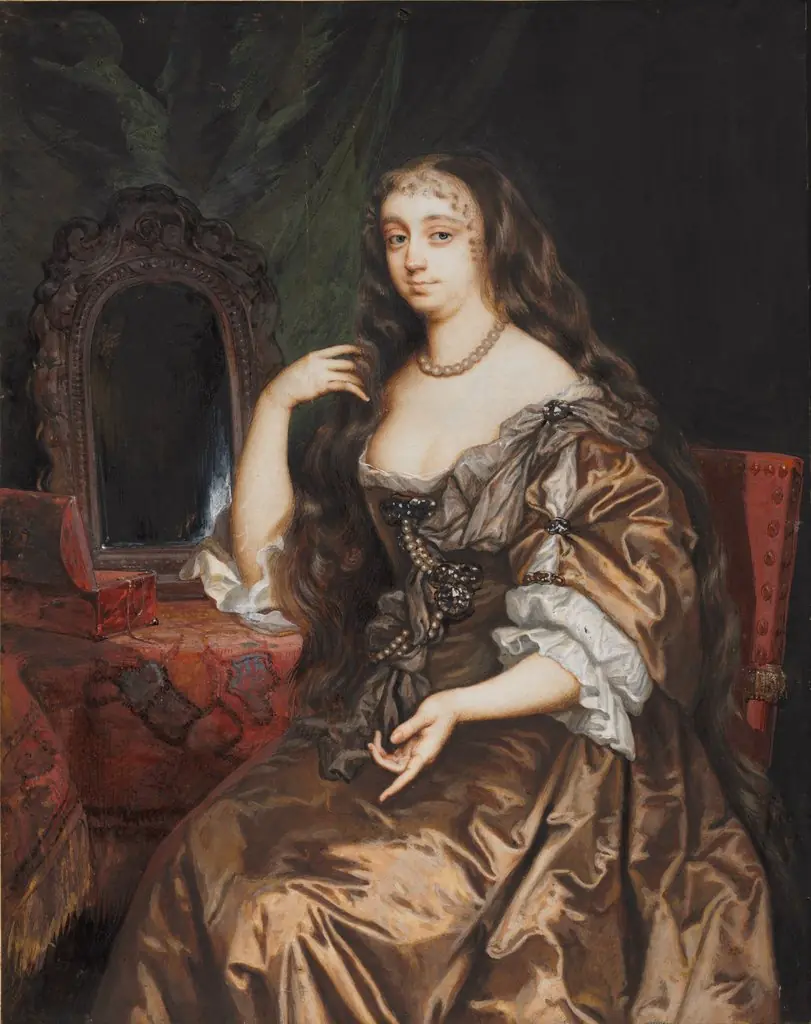 Portrait of Anne Hyde, Duchess of York
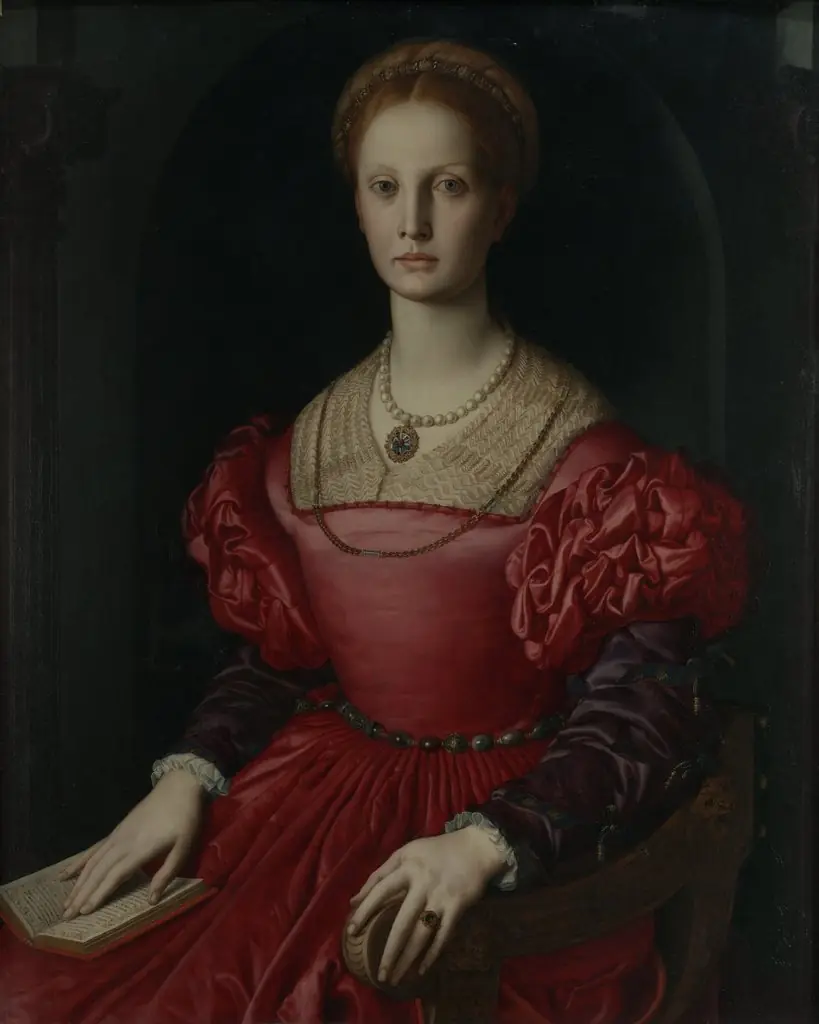 Portrait of Lucrezia Panciatichi
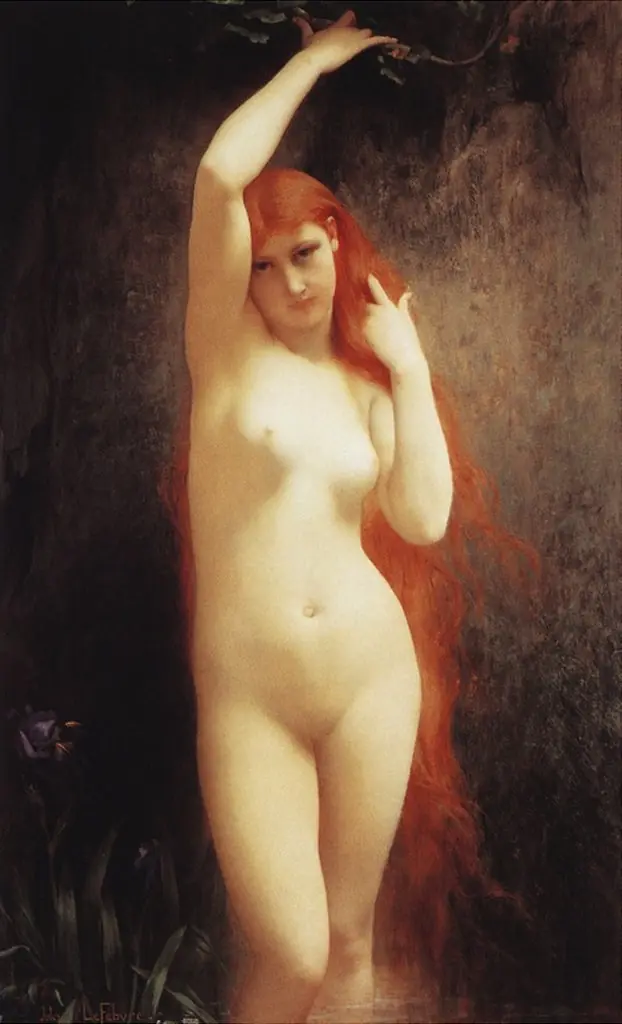 Ondine
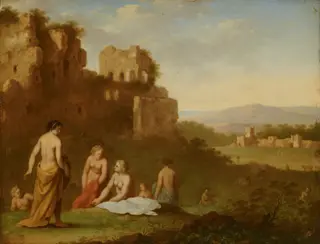 Nymphs Bathing
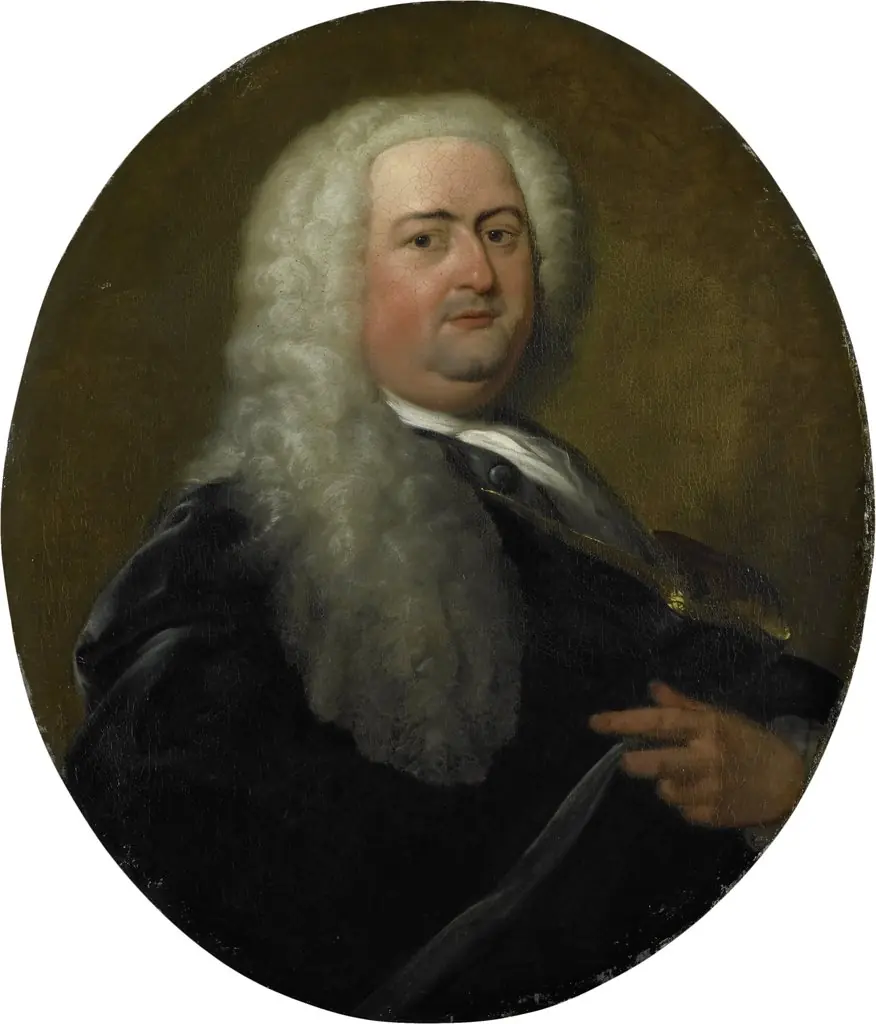 Portrait of Adriaen Paets, Director of the Rotterdam Chamber of the Dutch East India Company, elected 1734
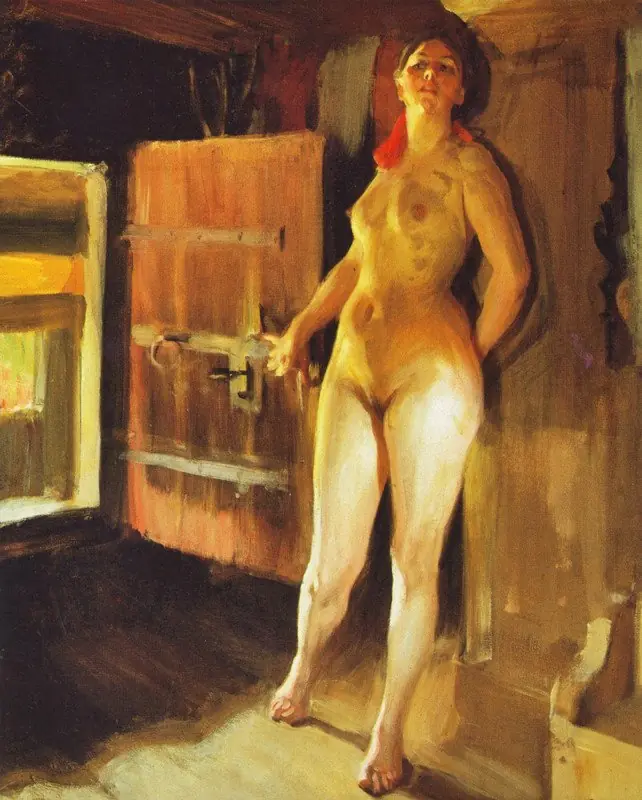 Girl in the Loft
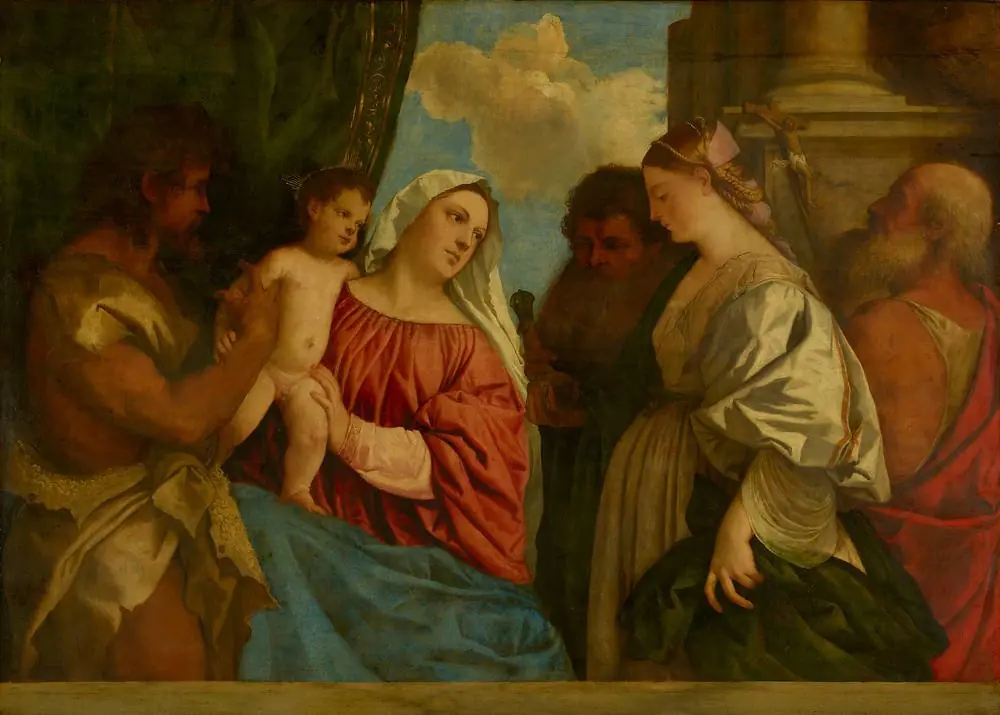 Madonna and Child with Four Saints
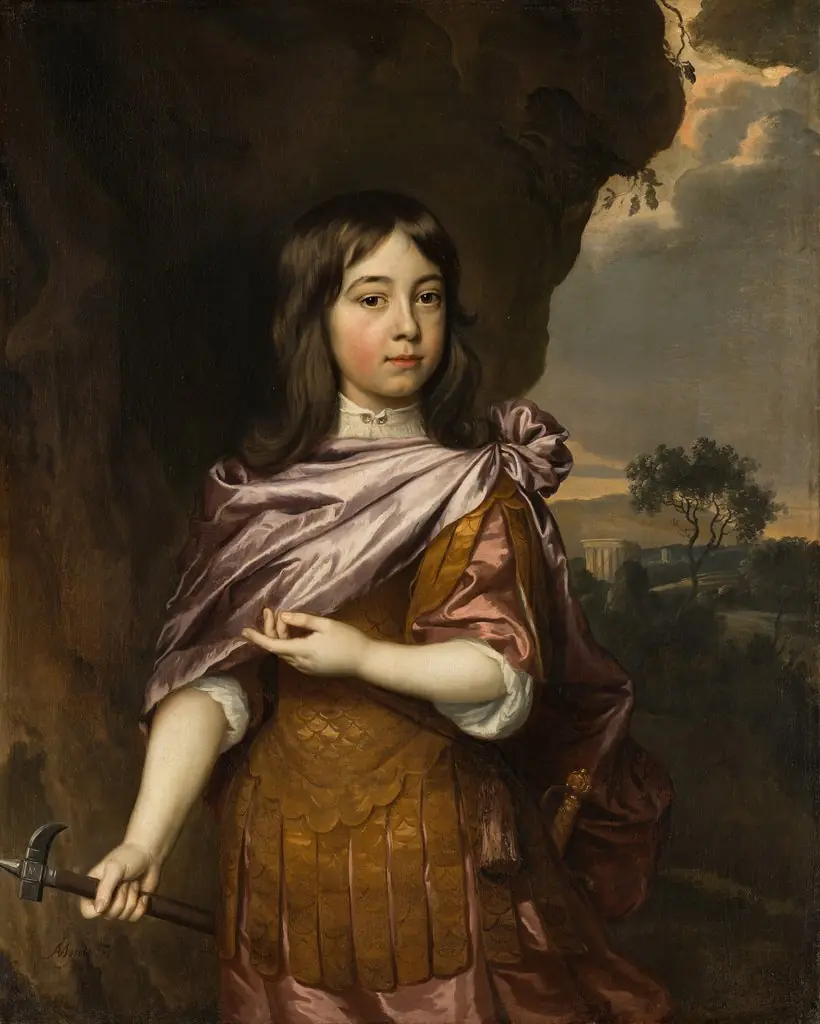 Portrait of Wolfert van Brederode
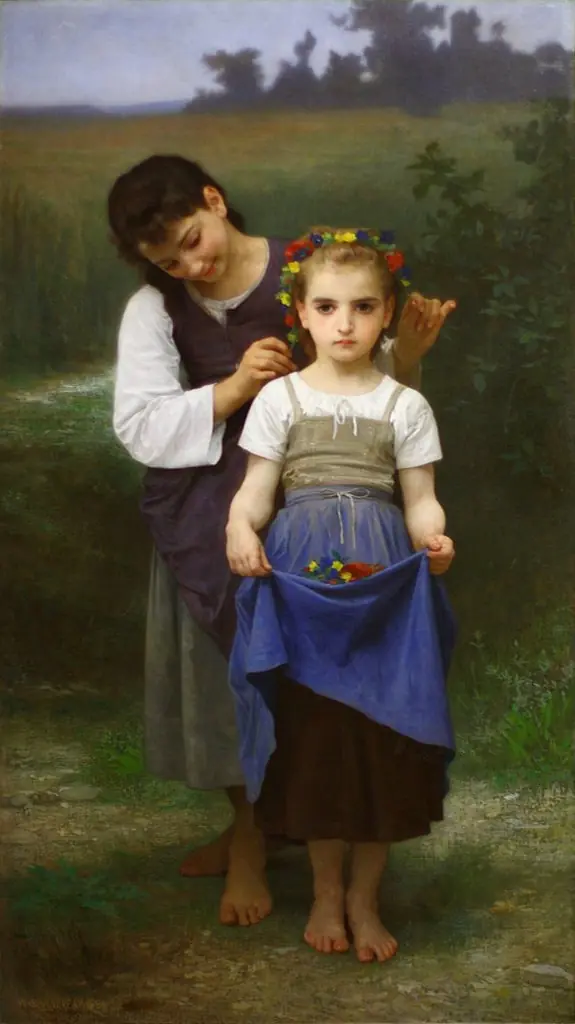 Crown of Flowers
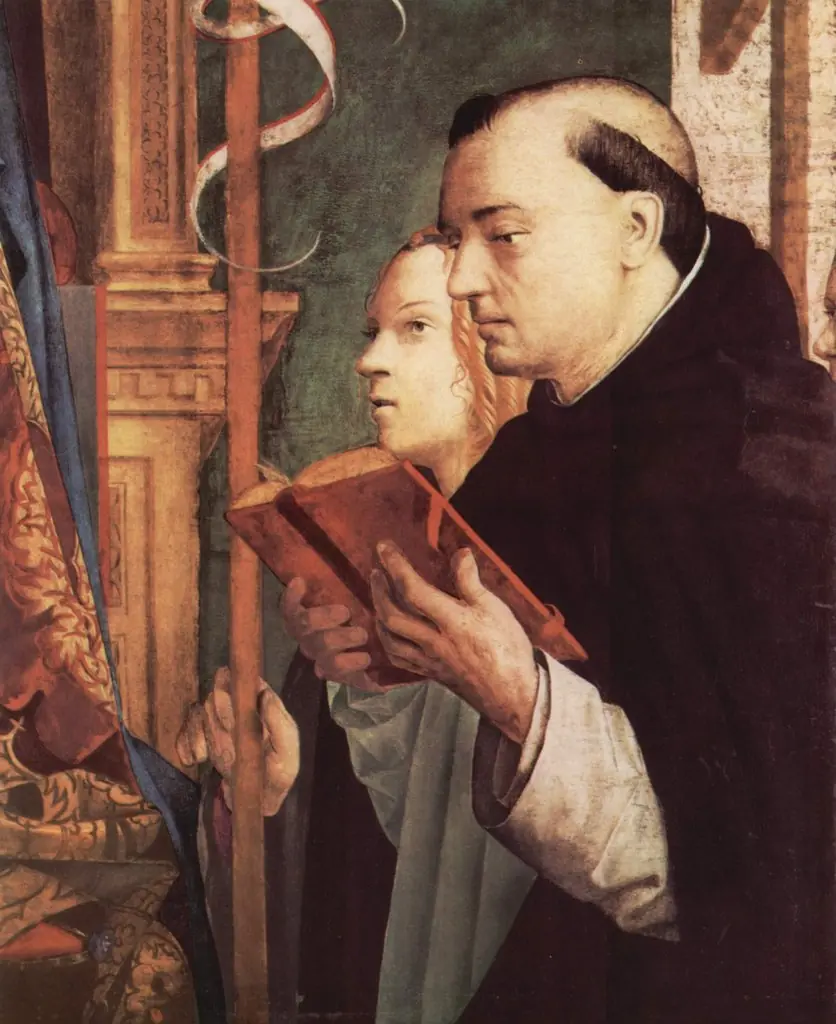 Right panel San Cassiano Altarpiece with St Dominic
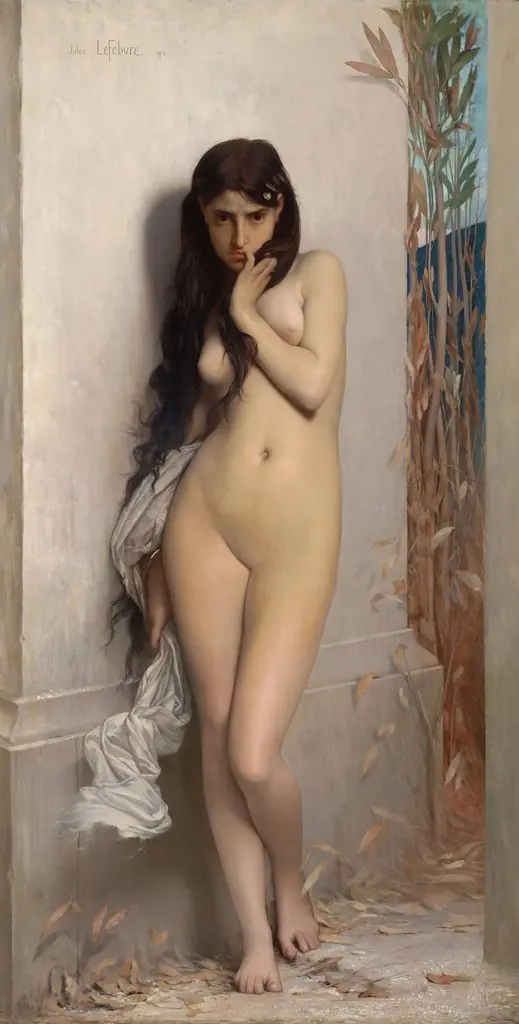 The Cicada
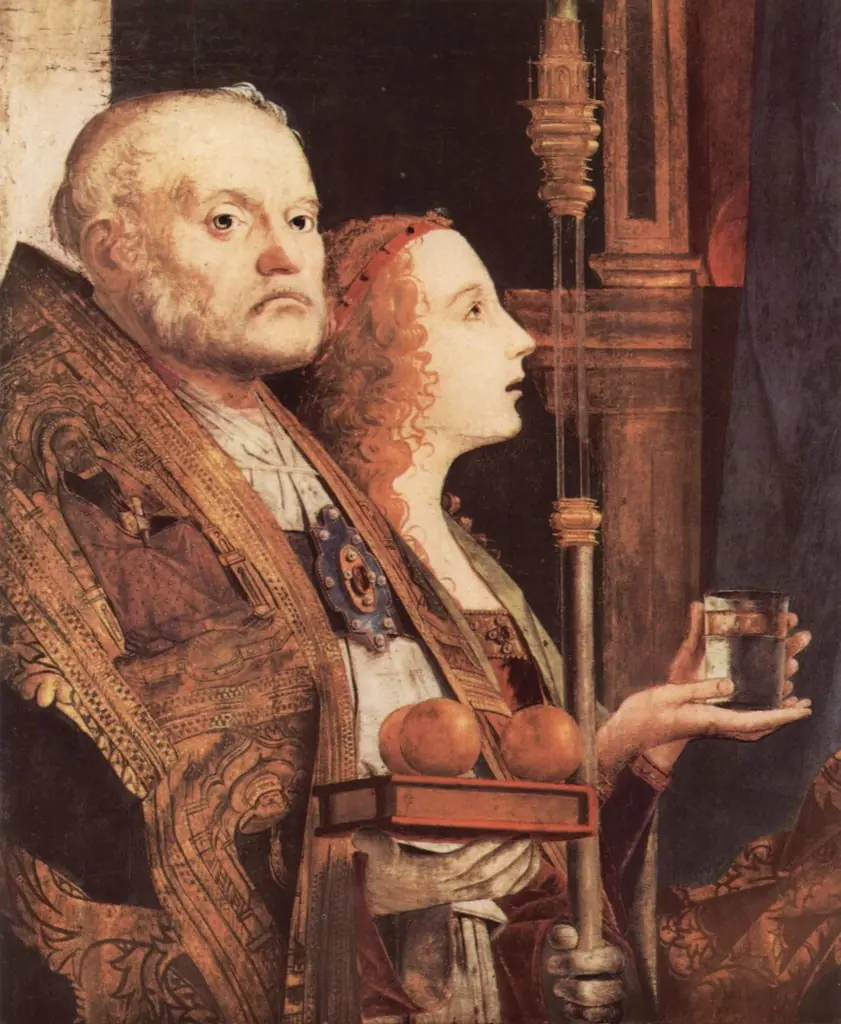 Left panel San Cassiano Altarpiece
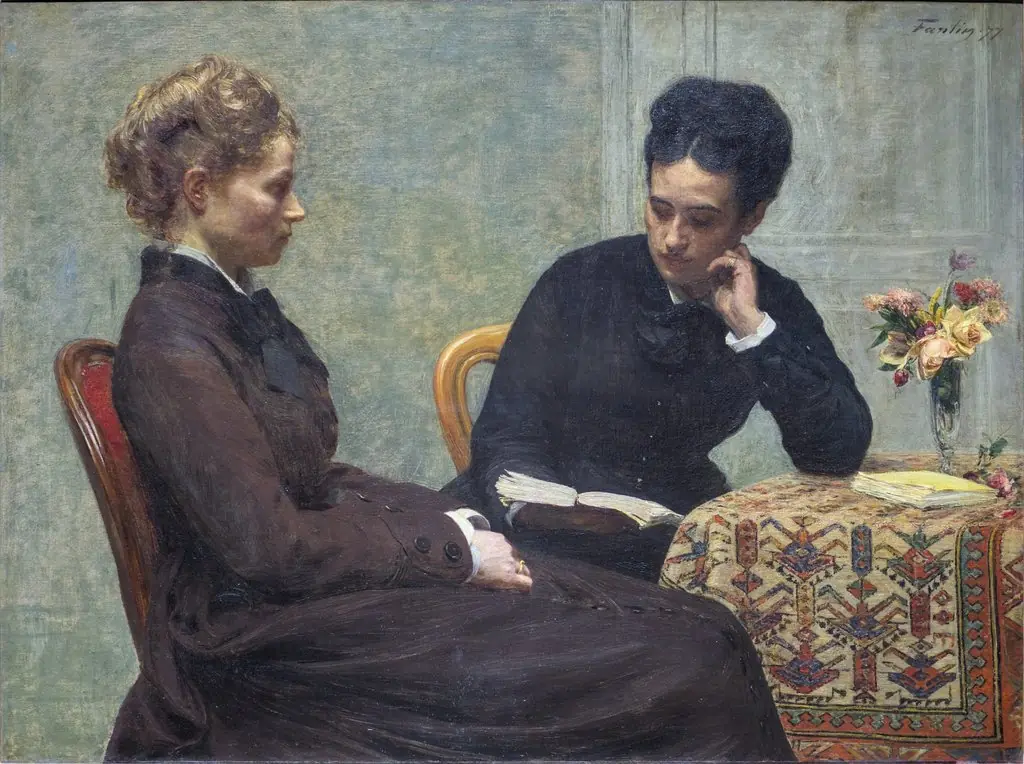 The Reading
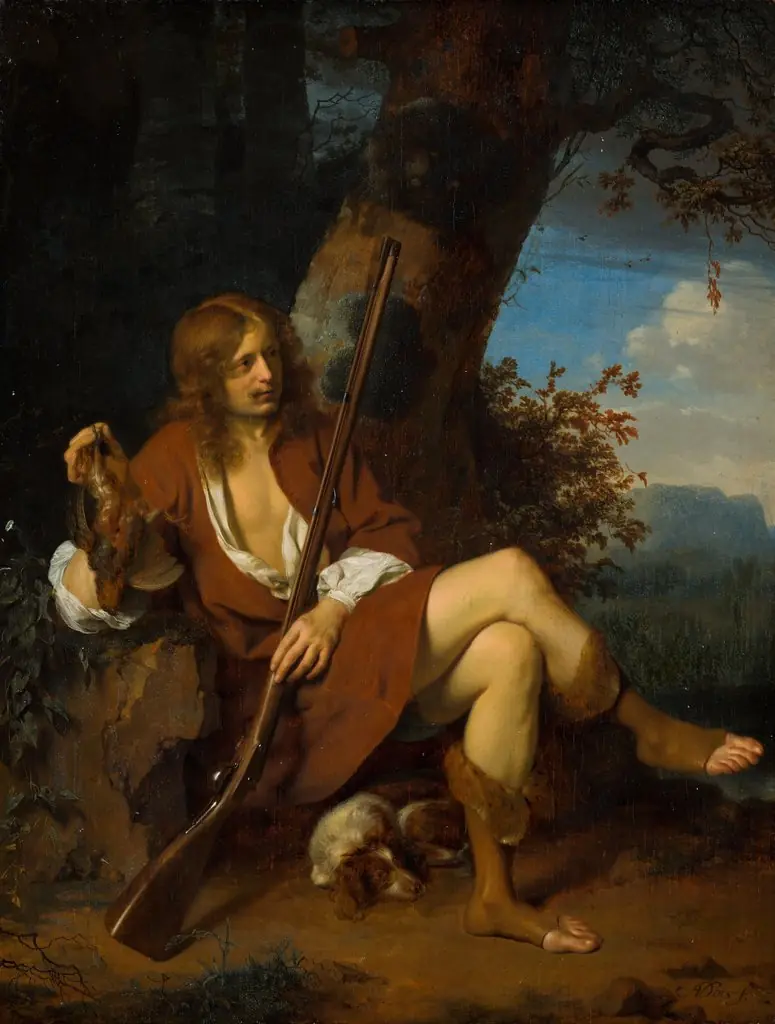 Self-Portrait as a Hunter
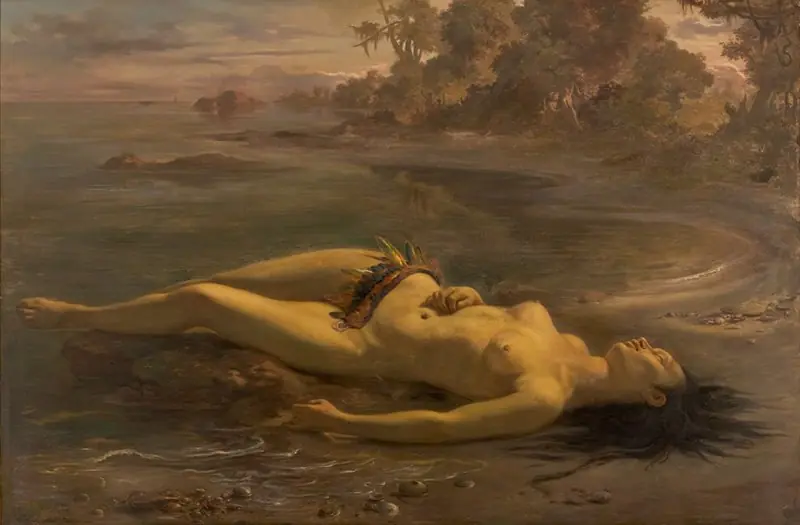 Moema
Moema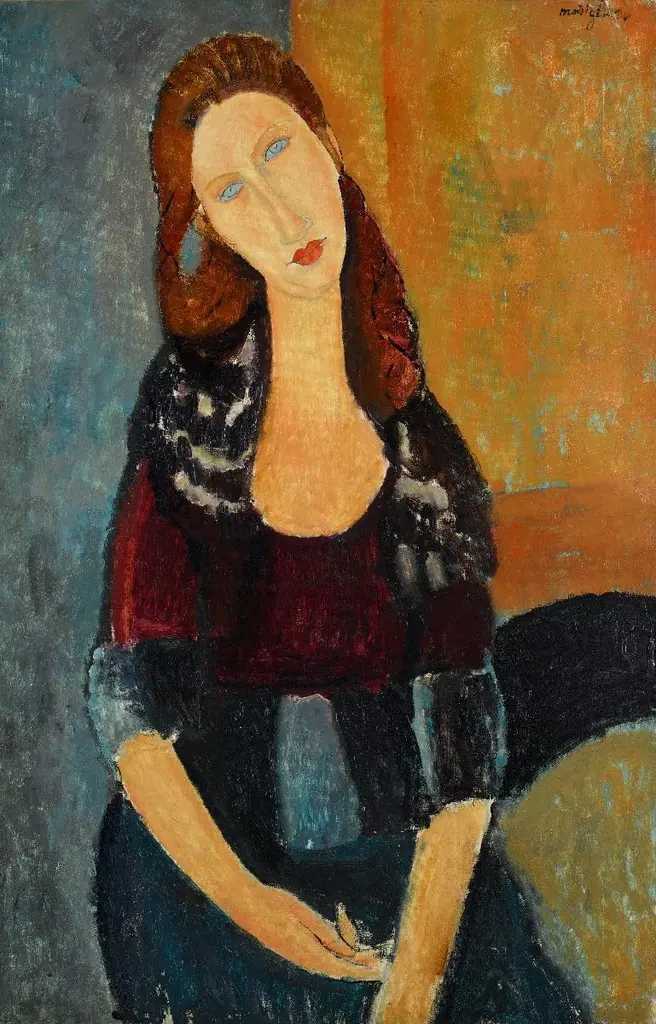 Portrait of Jeanne Hébuterne
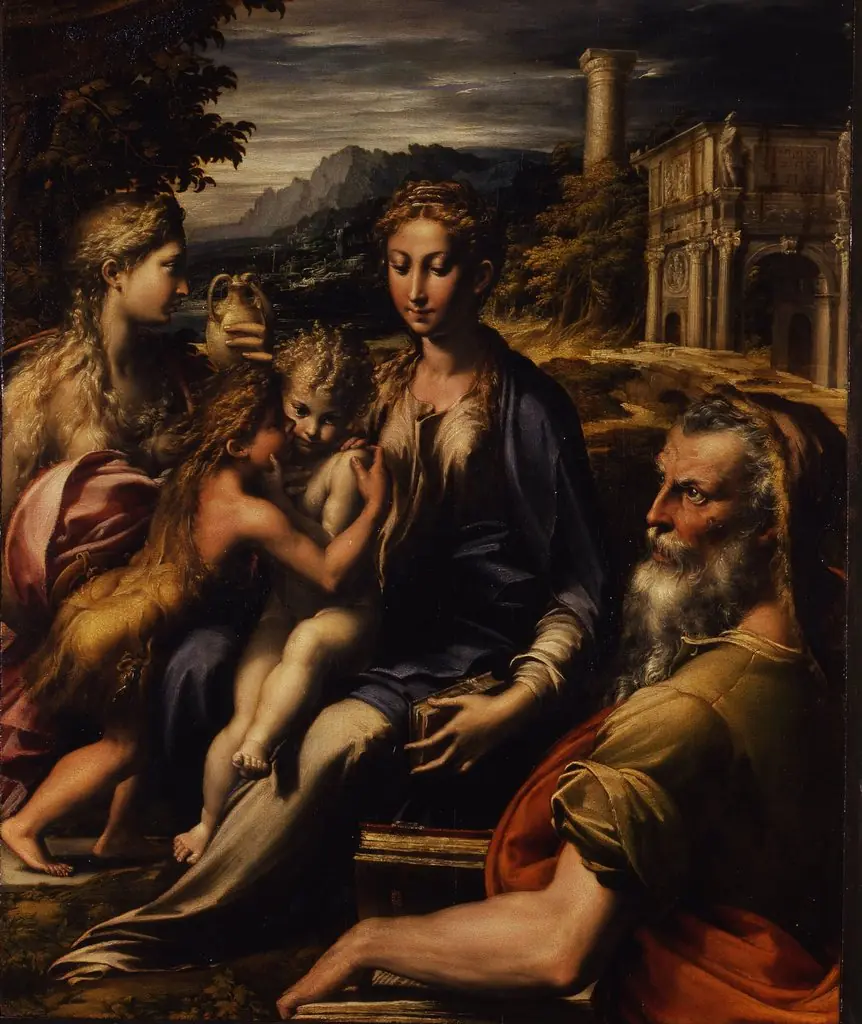 Madonna and Child with Saints
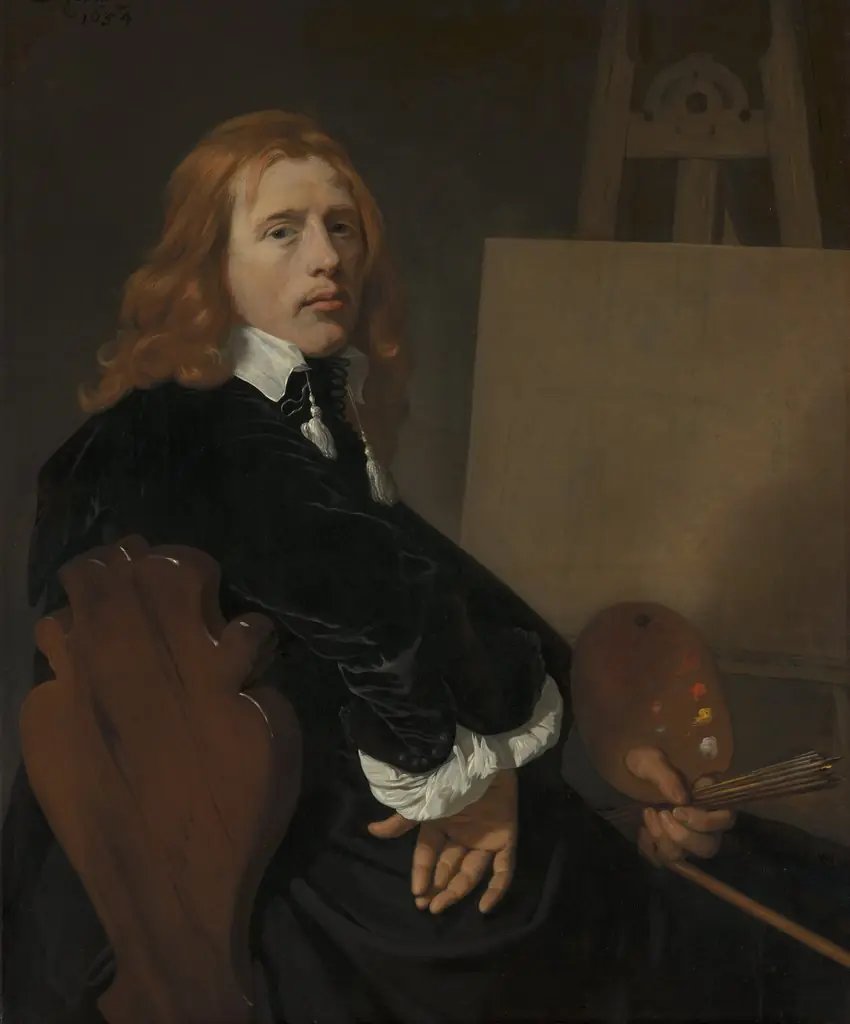 Portrait of Paulus Potter
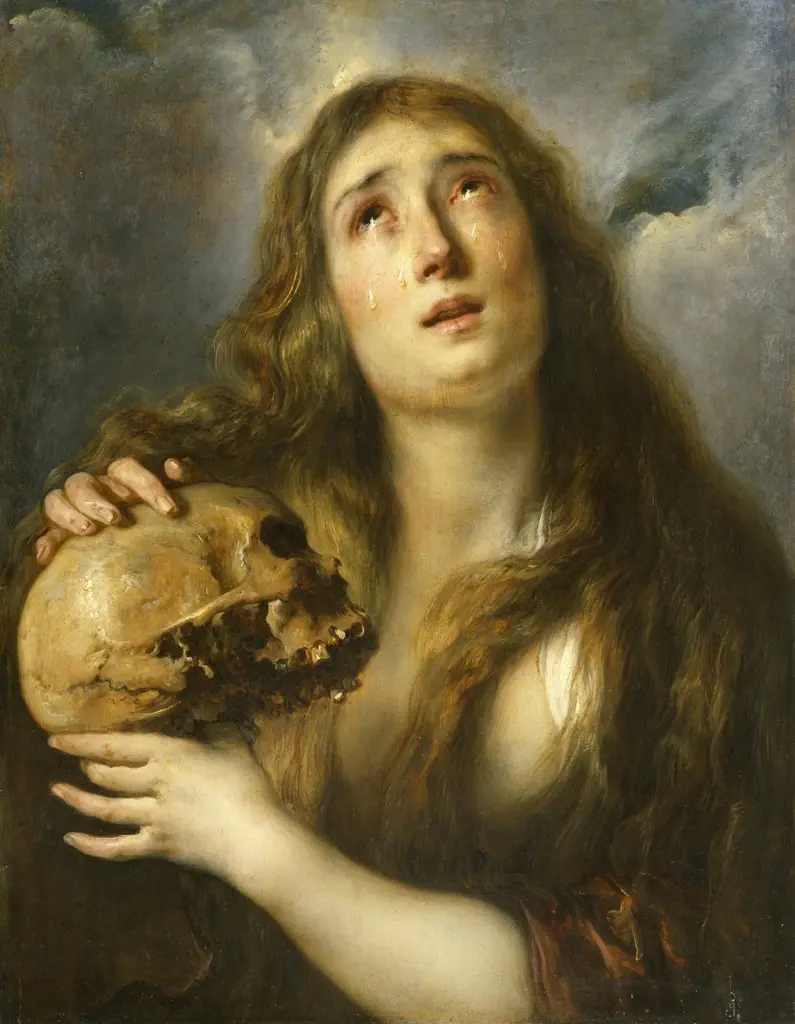 Mary Magdalene
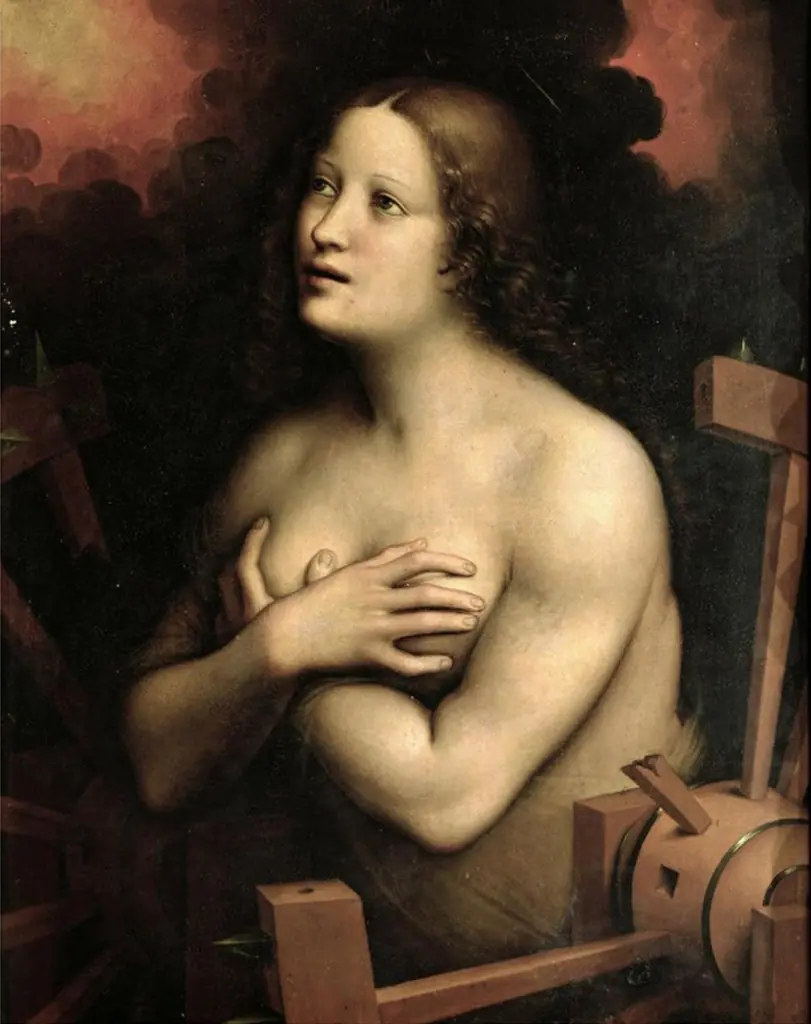 Saint Catherine of Alexandria
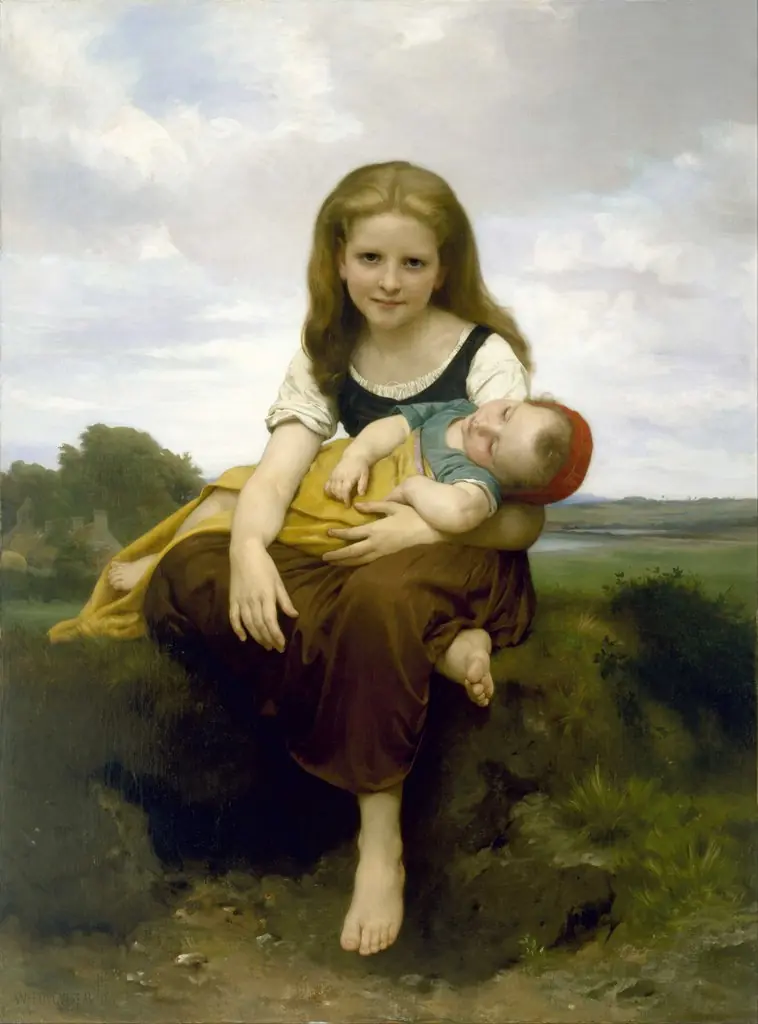 The Elder Sister
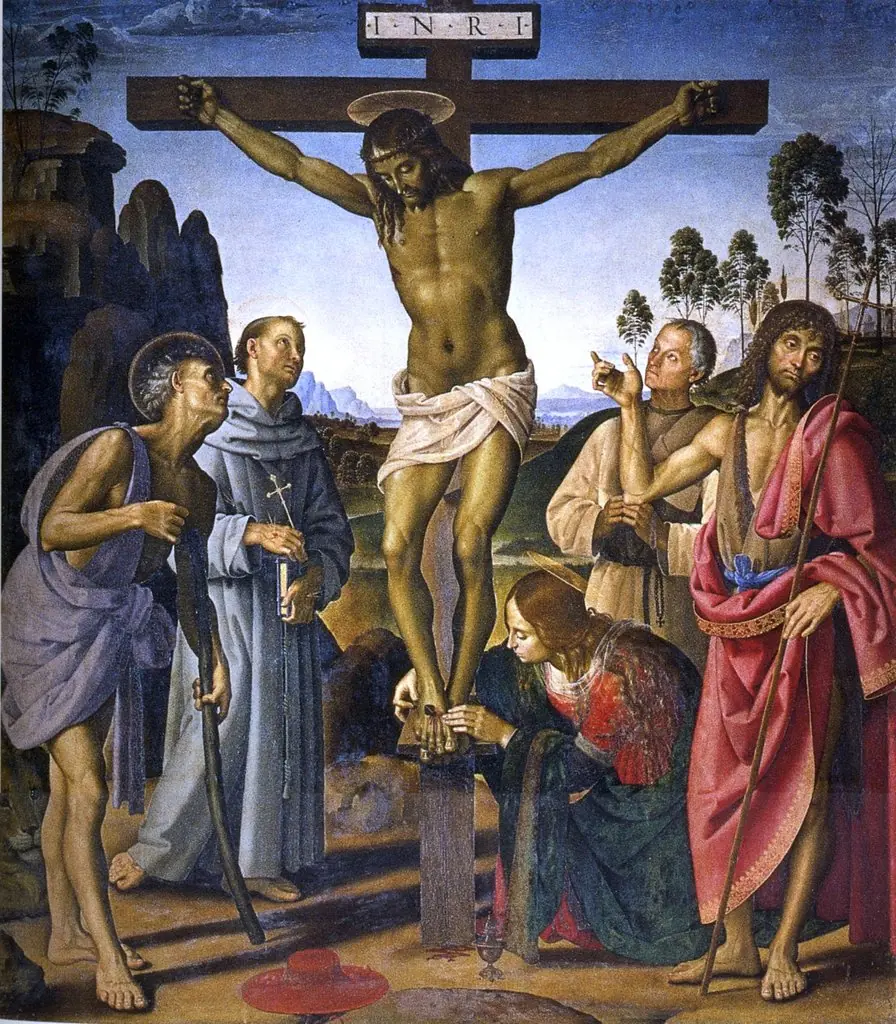 Crucifixion of Christ with saints
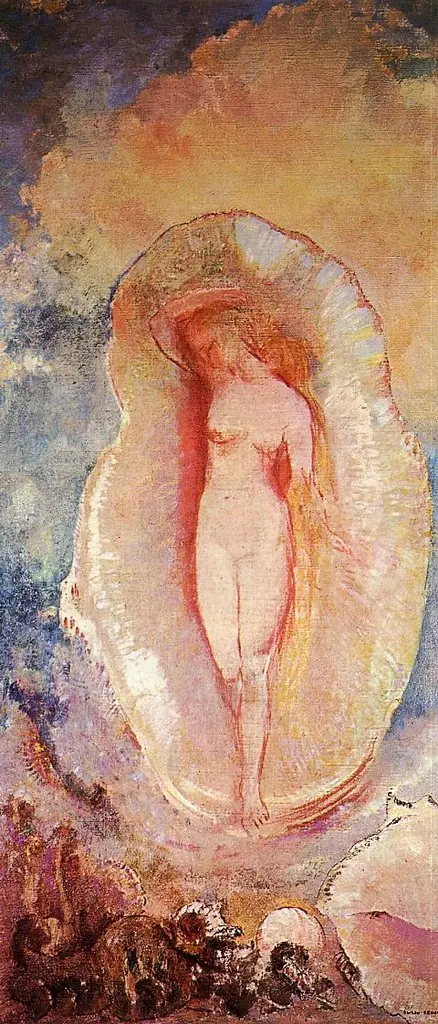 The Birth of Venus
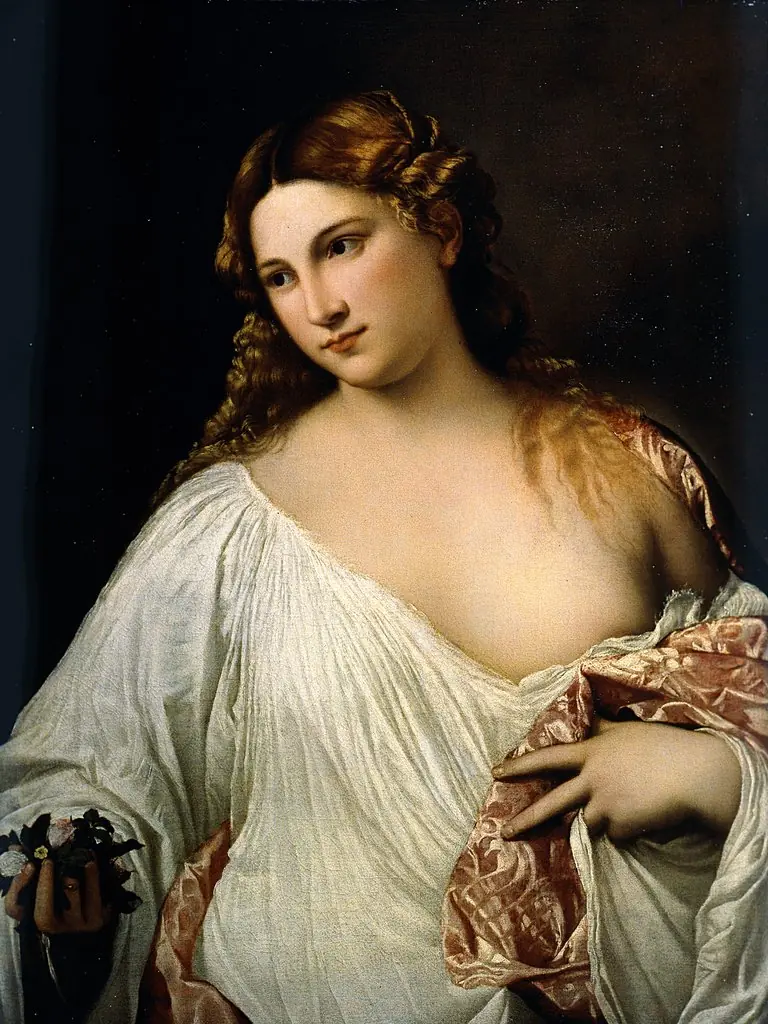 Flora
Flora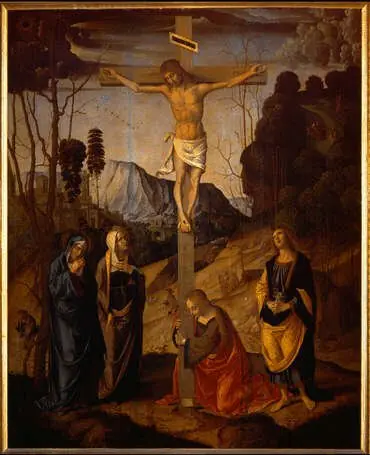 Crucifixion
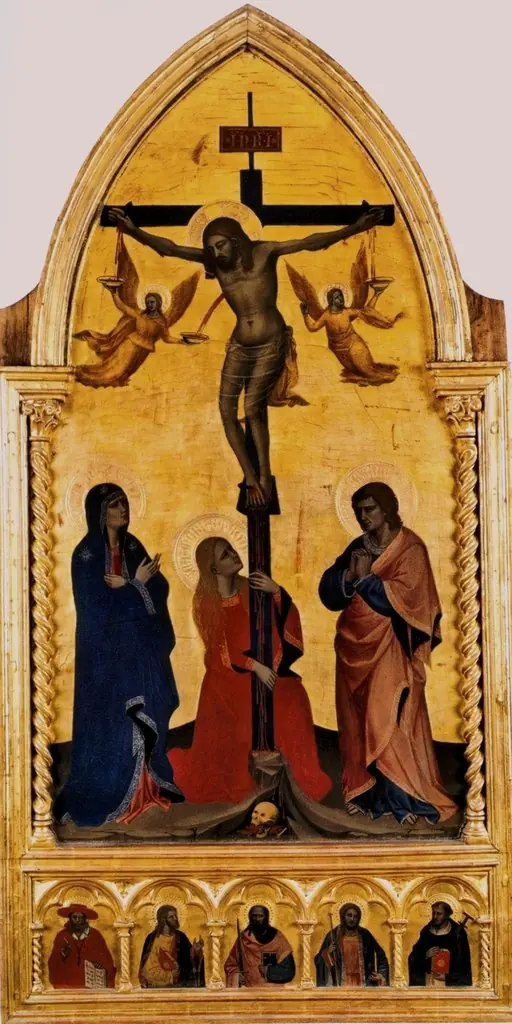 Crucifixion
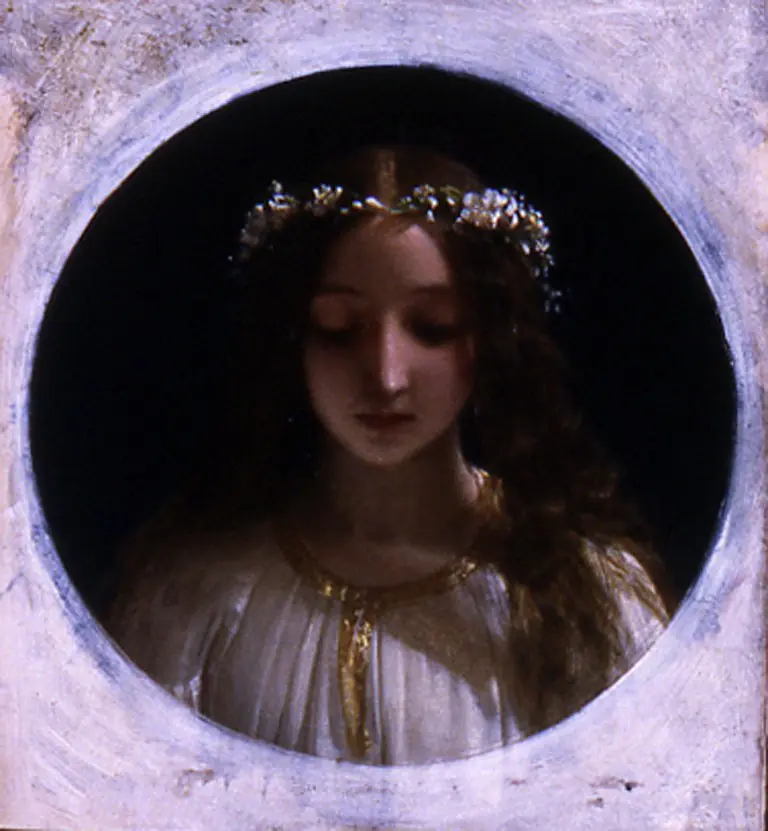 Ophelia
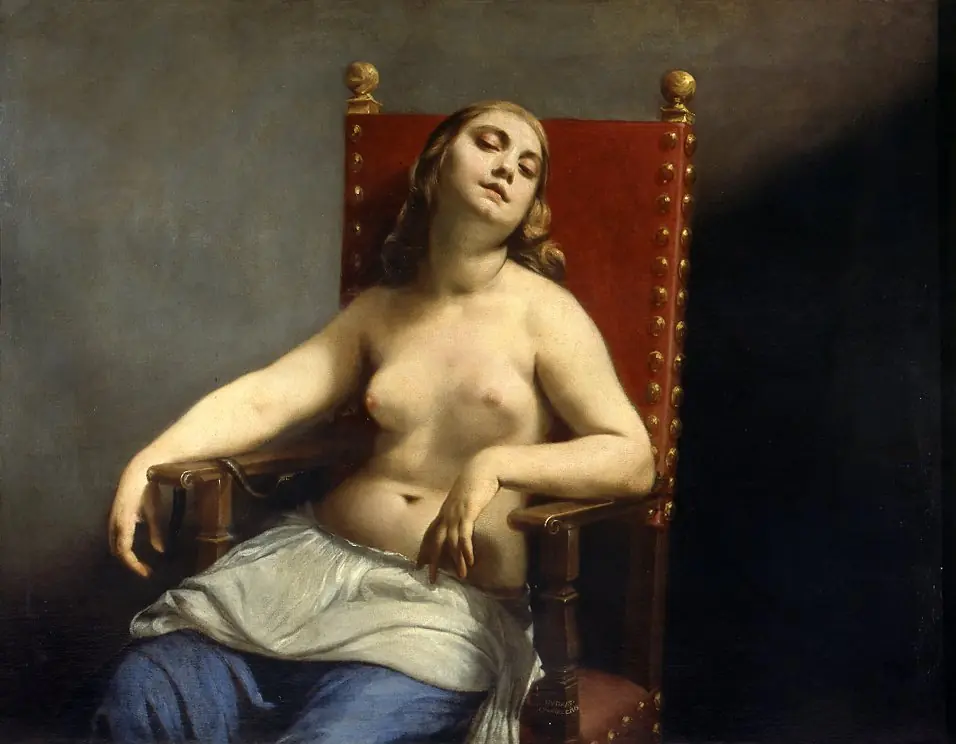 The Death of Cleopatra
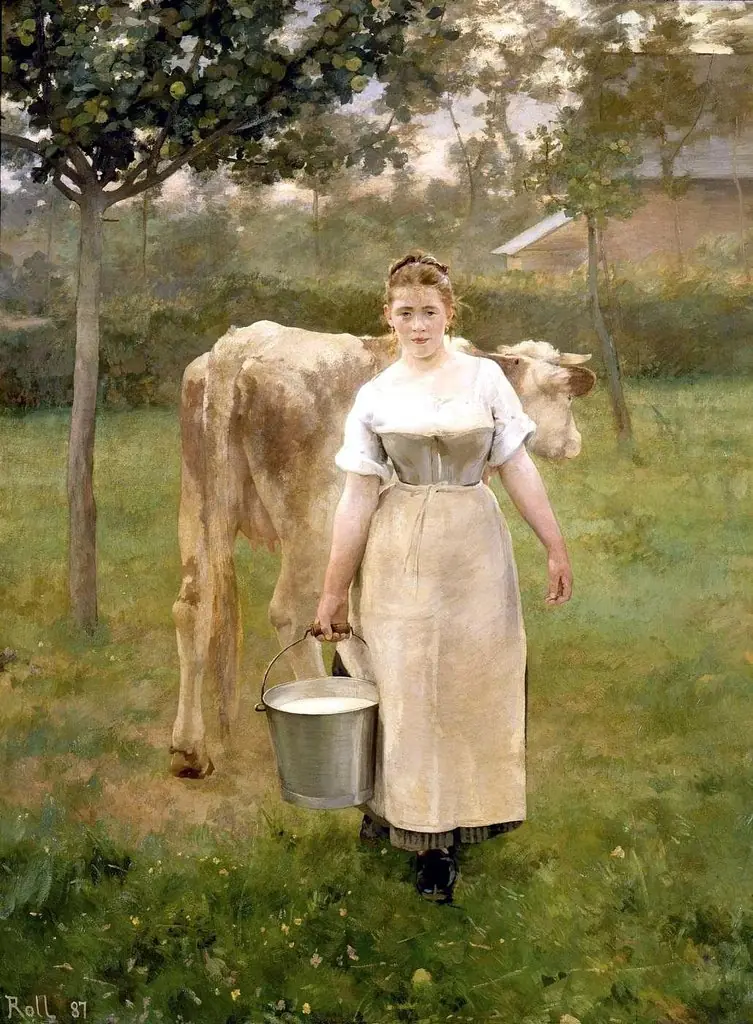 Manda Lamétrie, fermière
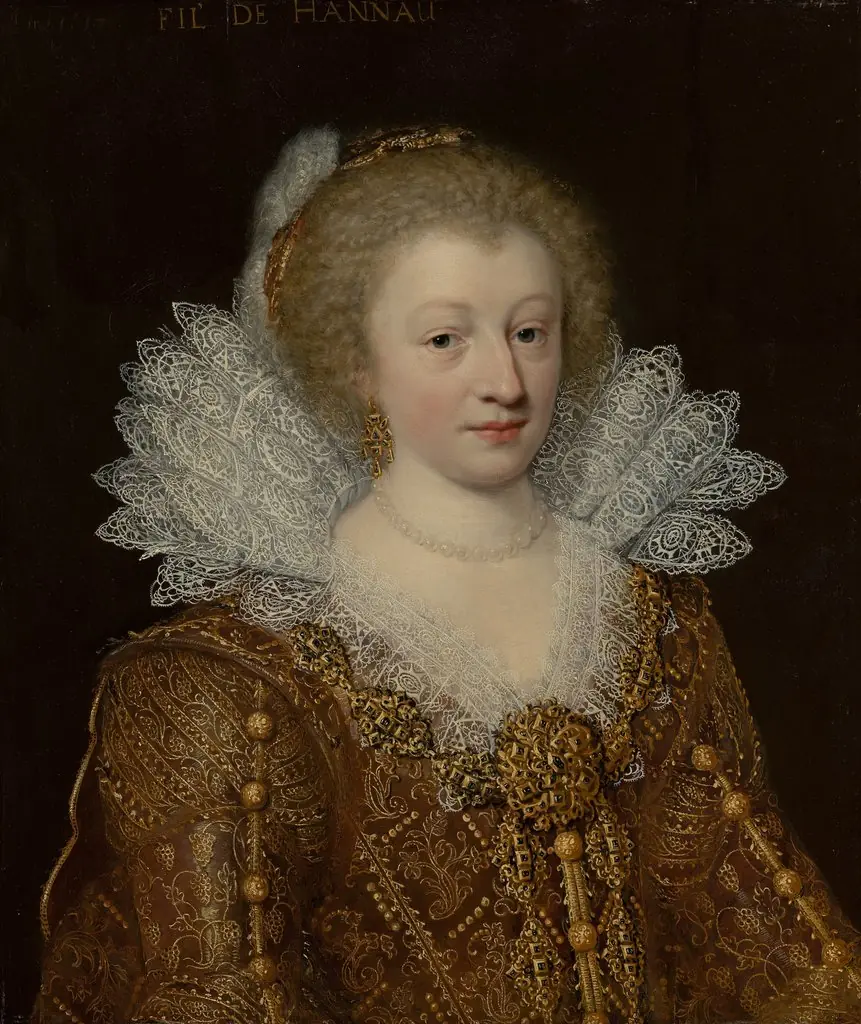 Portrait of Amélie Elisabeth of Hanau-Münzenberg
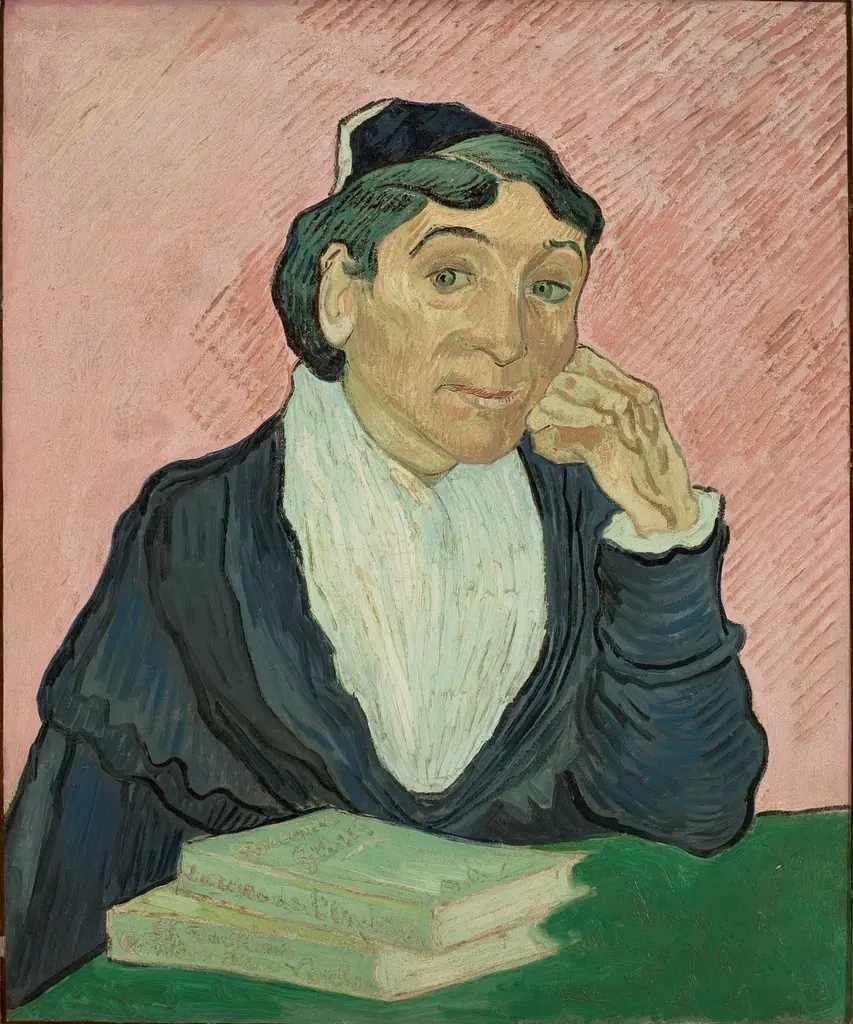 L'Arlésienne
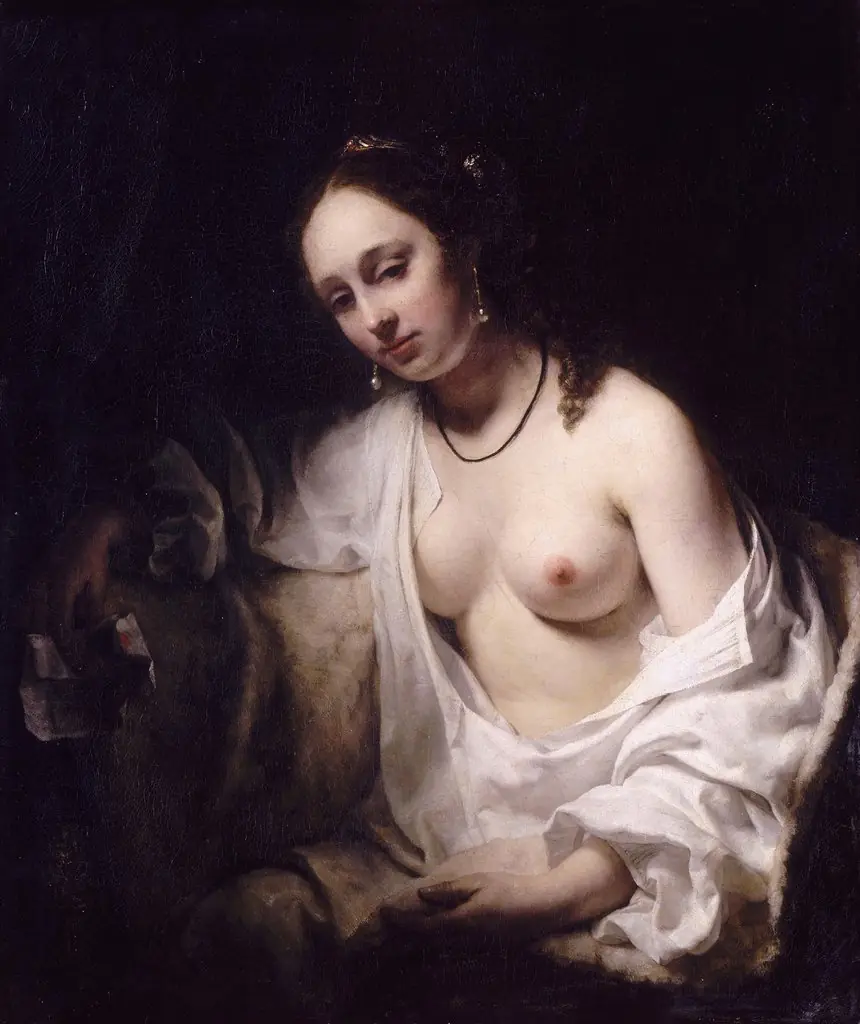 Bathsheba with King David's Letter
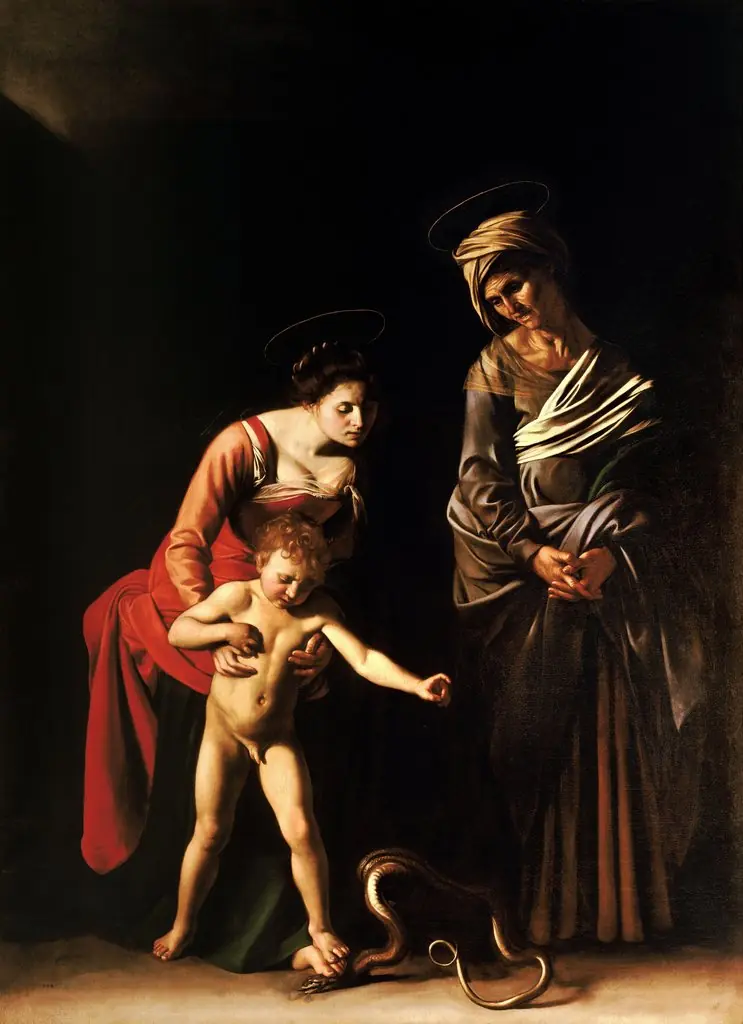 Madonna and Child with Saint Anne
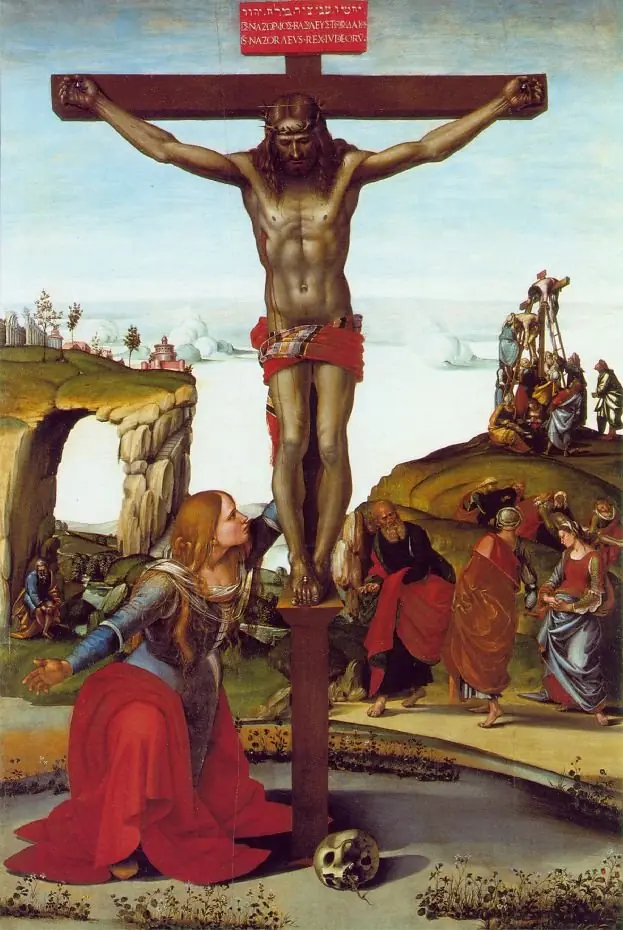 Crucifixion with Saint Mary Magdalene
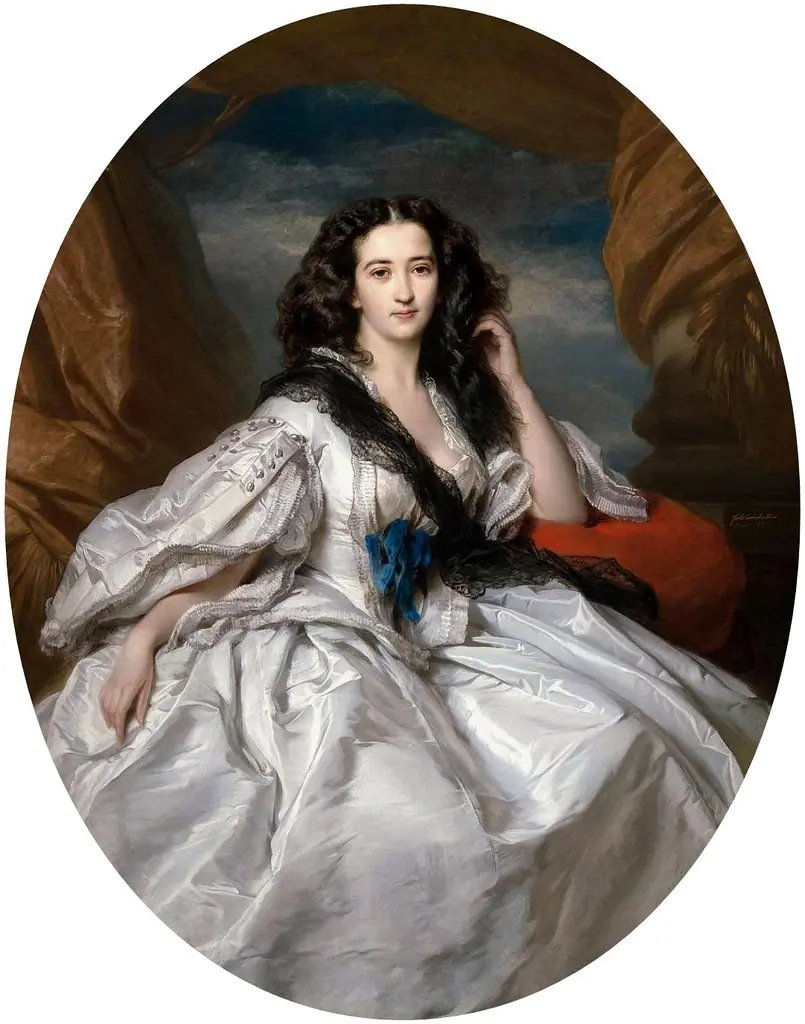 Portrait of Wiencyzyslawa Barczewksa
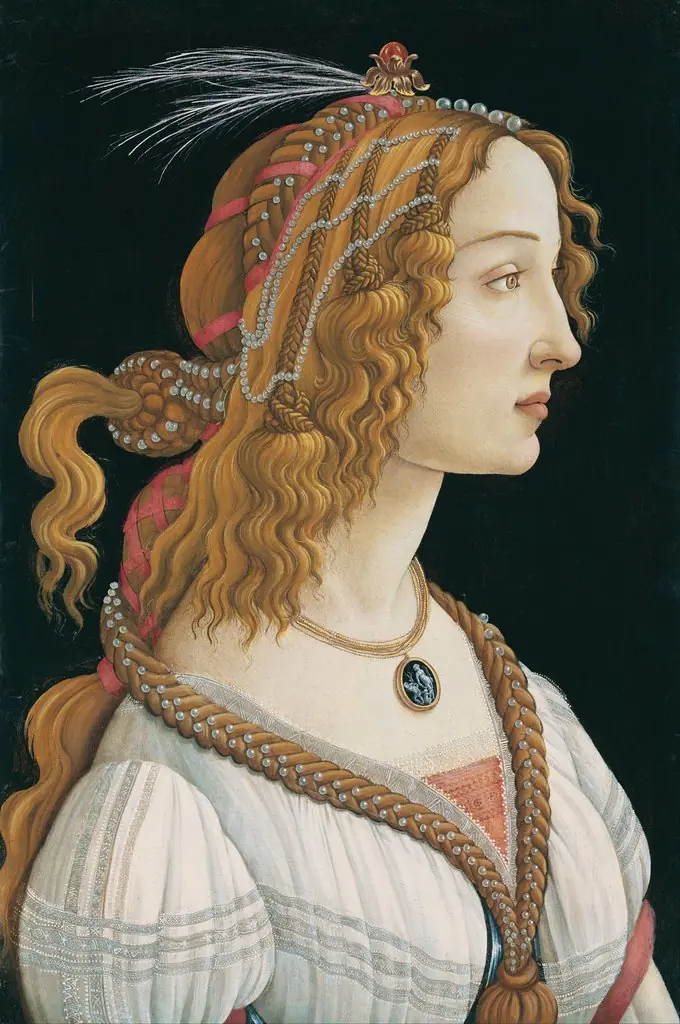 Idealized Portrait of a Lady (Portrait of Simonetta Vespucci as Nymph)
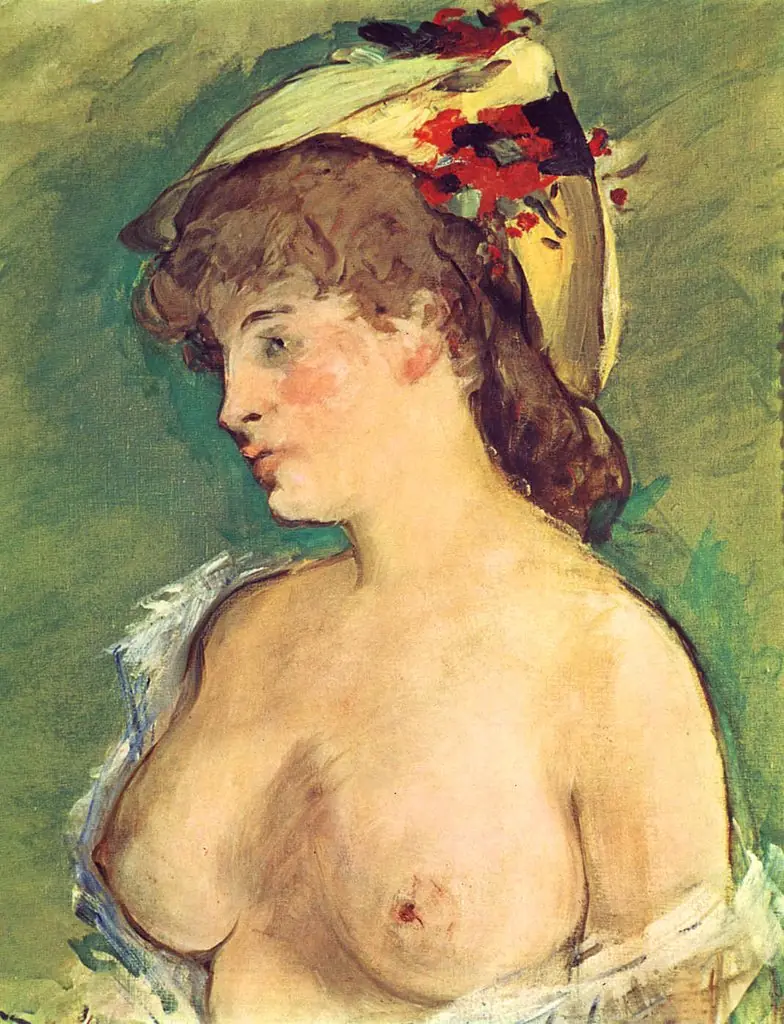 La Blonde aux seins nus
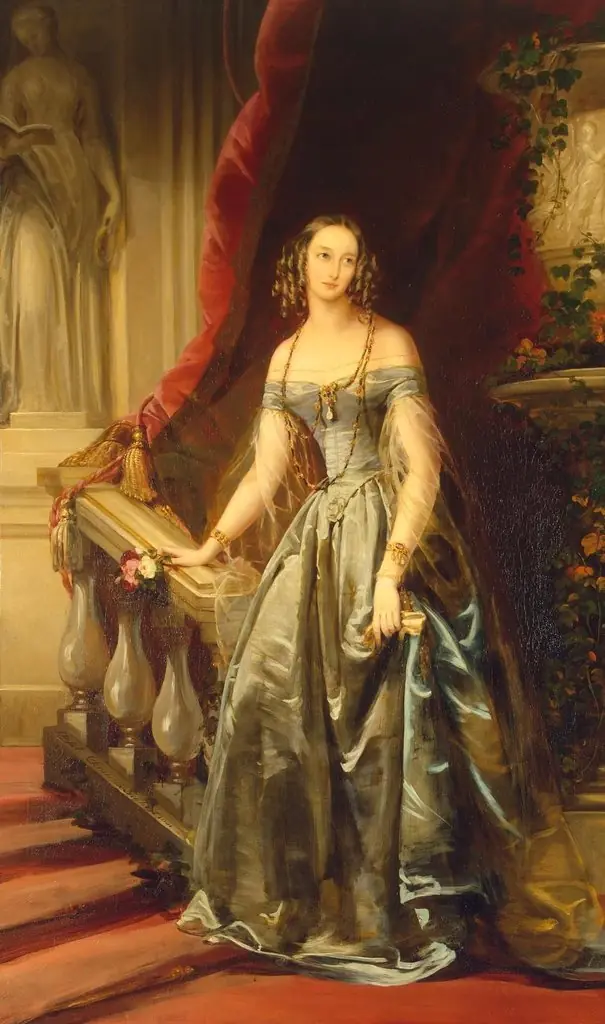 Portrait of Grand Princess Olga Nikolayevna (1822-1892)
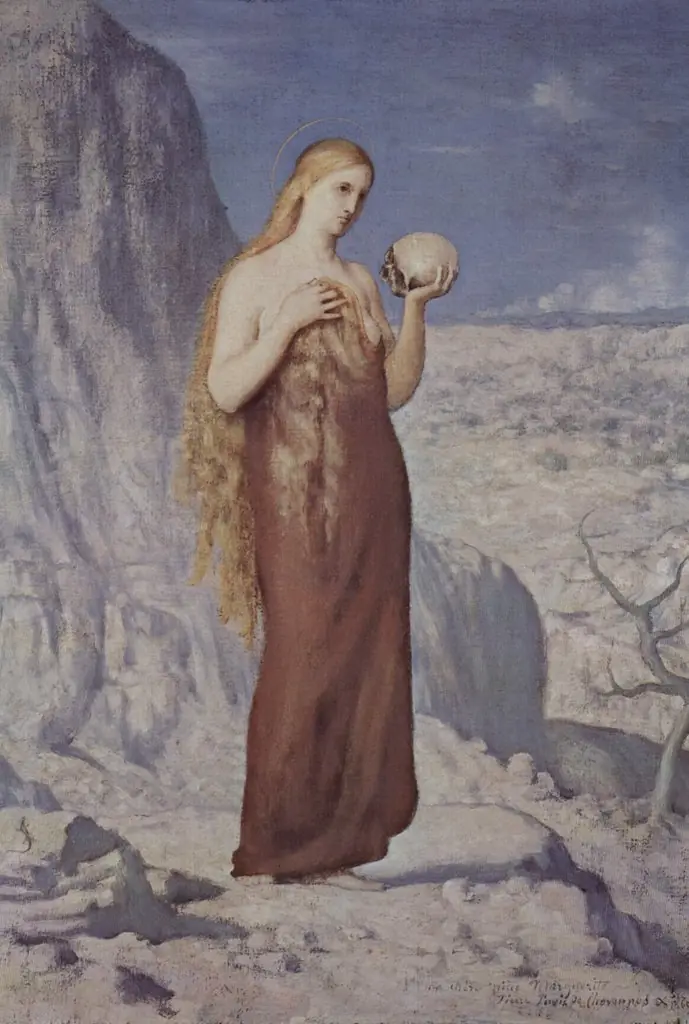 Mary Magdalene in the desert (Meditation)
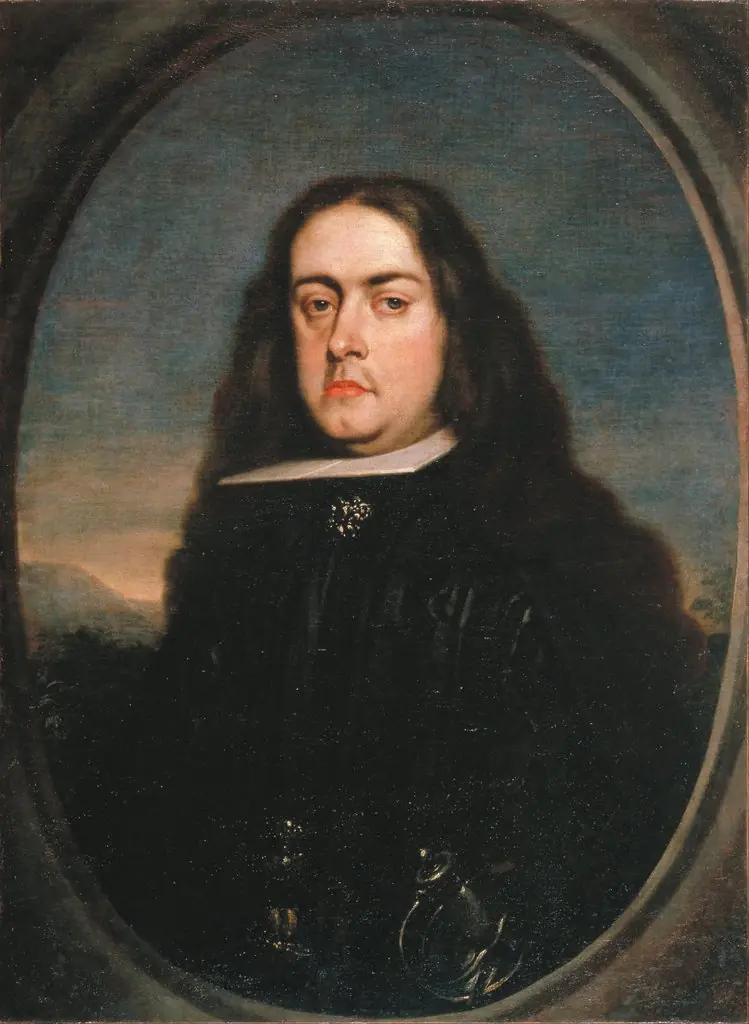 Juan Francisco de la Cerda, VIII Duke of Medinaceli
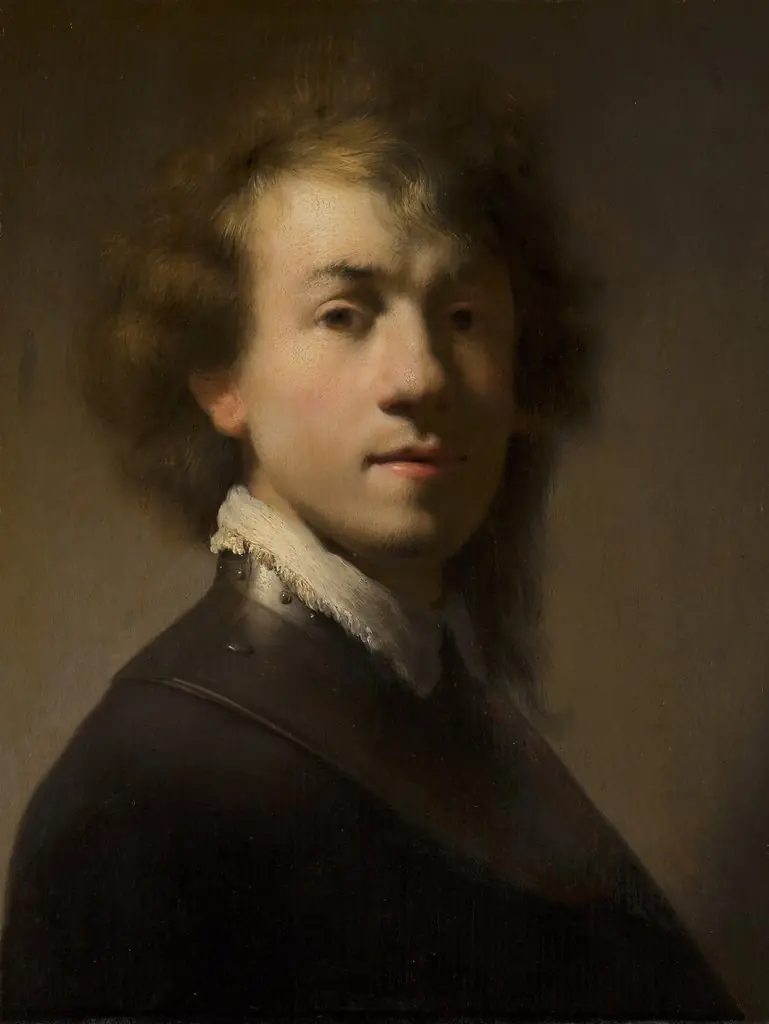 Portrait of Rembrandt with a gorget
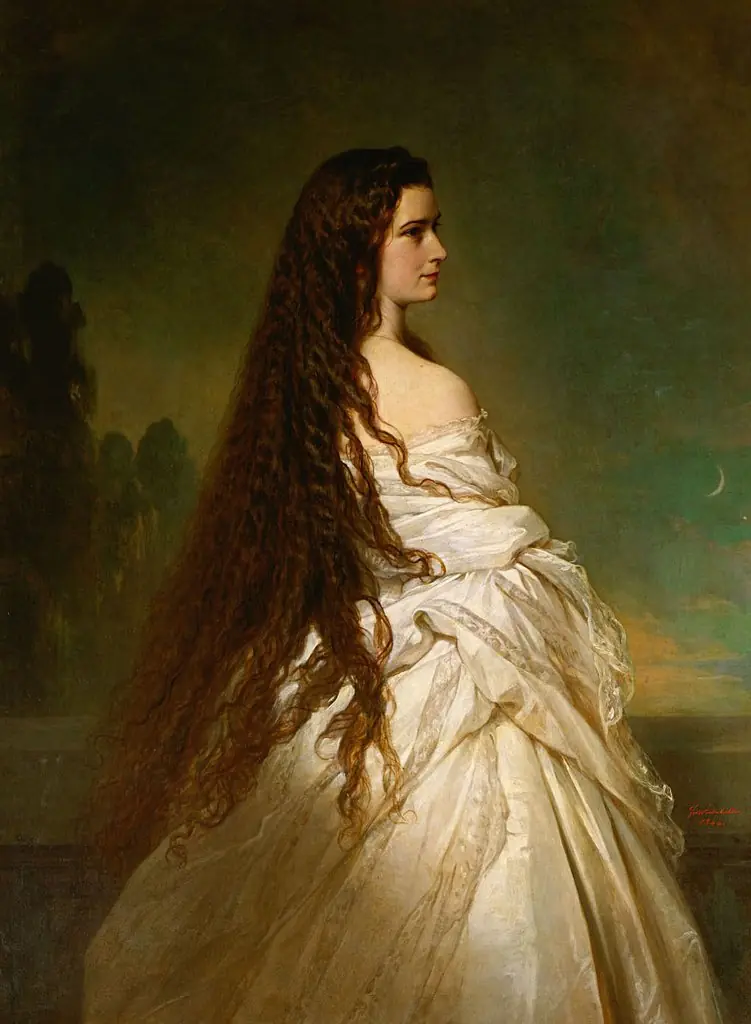 Empress Elisabeth of Austria with loosened hair, knee piece
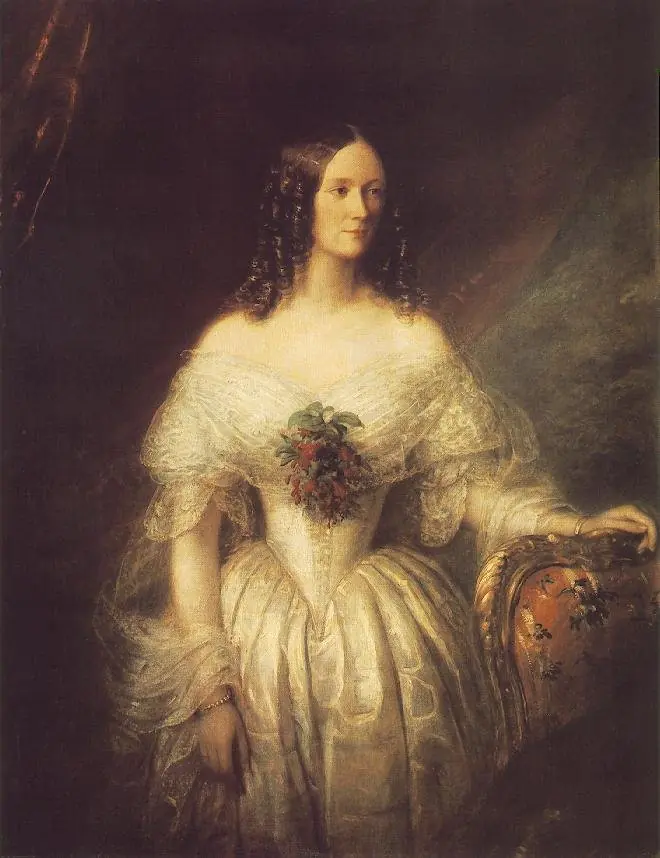 Portrait of a Woman
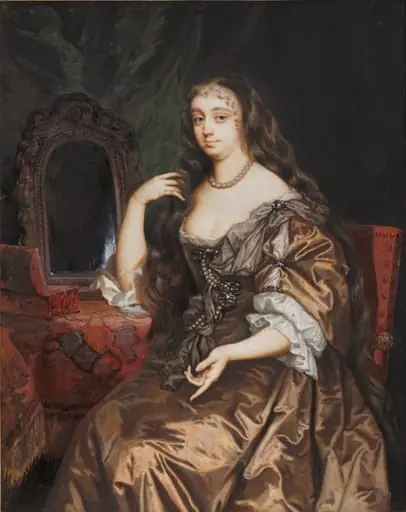 Portrait of Anne Hyde, Duchess of York
Frequently asked questions
What is Waist-Length Hair?
Waist-Length Hair is a subject in art. Long hair is a hairstyle where the head hair is allowed to grow to a considerable length.
How many Waist-Length Hair works does Artifact World Gallery have?
Artifact World Gallery holds 188 public-domain Waist-Length Hair works, all free to view and download.
Who are the key Waist-Length Hair artists?
Key Waist-Length Hair artists in the collection include Titian, Paolo Veronese and Jean Baptiste Camille Corot.
Where can I see Waist-Length Hair works?
Waist-Length Hair works in the collection are held by Rijksmuseum, Museo del Prado and Uffizi Gallery.