
Genre
Nude
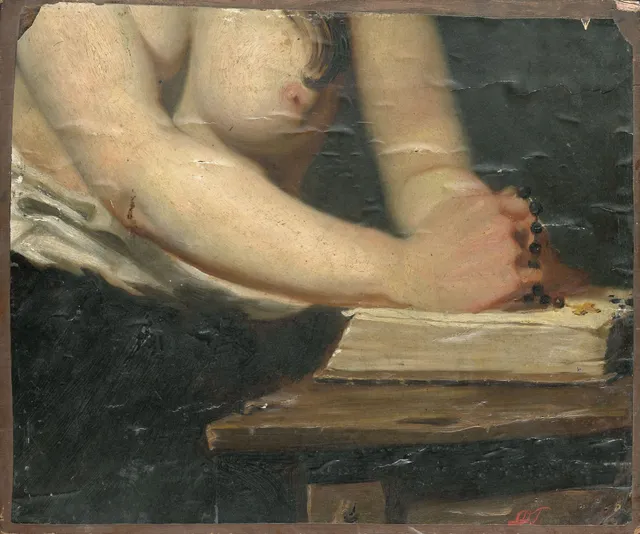
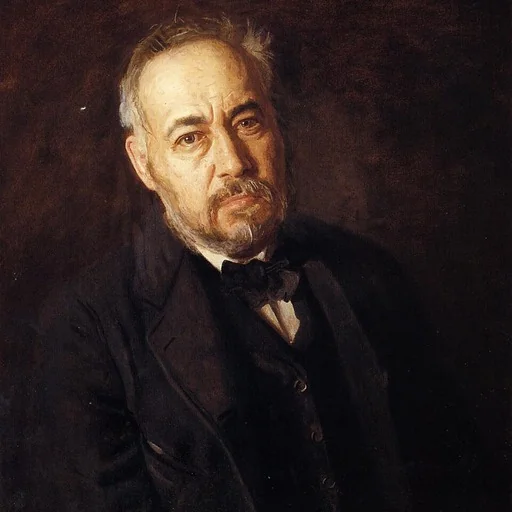
Nude is an art genre. The gallery holds 3,594 works in this genre, including works by Titian, Thomas Eakins and Paolo Veronese.
The nude is the art genre whose primary subject is the unclothed human body, but as the critic Kenneth Clark argued in his classic study *The Nude* (1956), it is less a subject than a form invented by the Greeks in the fifth century BC. Sculptors such as Polykleitos treated the naked male body as a problem of ideal proportion: his bronze Doryphoros ("Spear-Bearer") embodied a written treatise, the *Canon*, that set mathematical rules for the perfect figure. For the Greeks heroic male nudity signalled civilisation itself, distinguishing them from clothed "barbarians." In the fourth century BC Praxiteles' Aphrodite of Knidos introduced the monumental female nude, establishing a goddess-centred tradition that endured for two millennia.
Clark drew a famous distinction between the *naked*—the body merely deprived of clothes, with its attendant embarrassment—and the *nude*, the body re-formed into balanced, confident ideal beauty. The genre's defining techniques follow from this: contrapposto and the gentle S-curve, harmonious proportion, idealisation over literal transcription, and recurring conventions such as the *Venus pudica*, in which the figure modestly shields breast and groin.
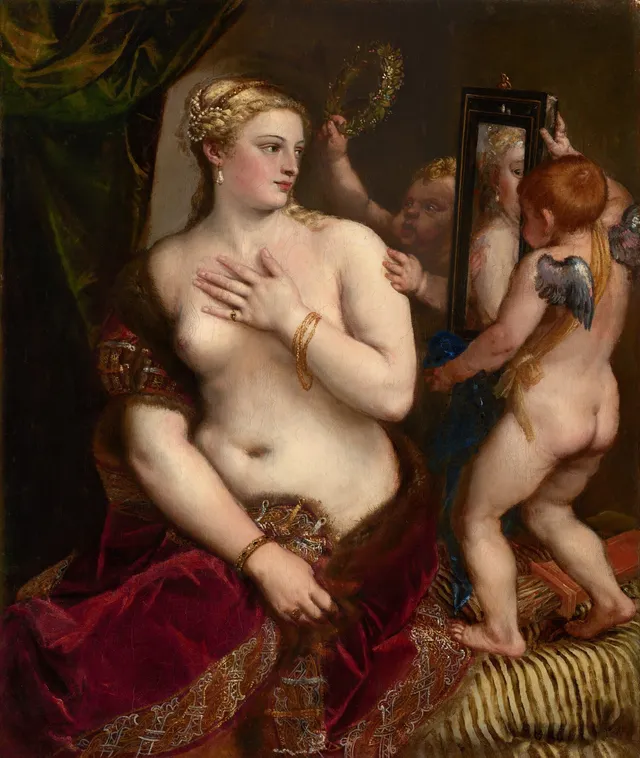
After centuries of medieval reticence, the Renaissance revived the nude on mythological and allegorical pretexts that made it respectable. Giorgione's *Sleeping Venus* (c. 1510) defined the reclining female nude, which his Venetian colleague Titian made overtly sensual and self-aware in the *Venus of Urbino* (1538). Titian returned to the theme repeatedly, as in *Venus with a Mirror* (c. 1555), whose pose echoes antique statues like the Capitoline Venus, while Lorenzo Lotto's *Venus and Cupid* wove the nude into nuptial allegory.
The nineteenth century made the nude the cornerstone of academic painting, sanctioned by classical or biblical subject matter—Jean-Léon Gérôme's *Pygmalion and Galatea* and Corot's bathing figures and *Bacchante by the Sea* exemplify the polished Salon manner. Yet realism pushed against idealisation: Goya's *Nude Maja* (c. 1800) and Courbet's frank *Young Bather* declined to ennoble the body. The rupture came with Manet's *Olympia*, painted in 1863 and shown at the 1865 Salon, which replaced the timeless goddess with a modern Parisian courtesan staring boldly back—an affront that reframed the nude for modern art and opened the way to Impressionism and beyond.
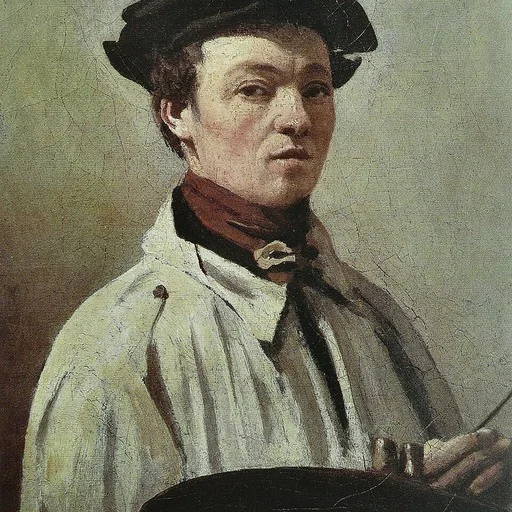
Key artists

Works
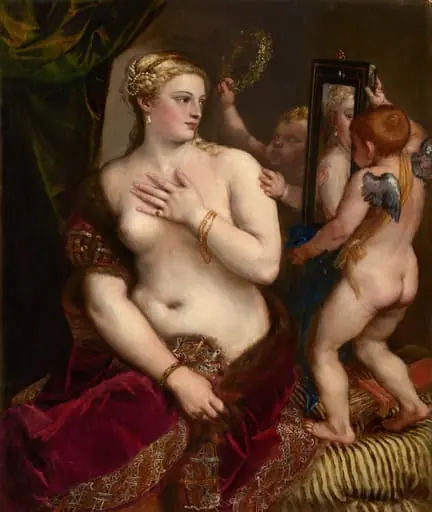 Venus with a Mirror
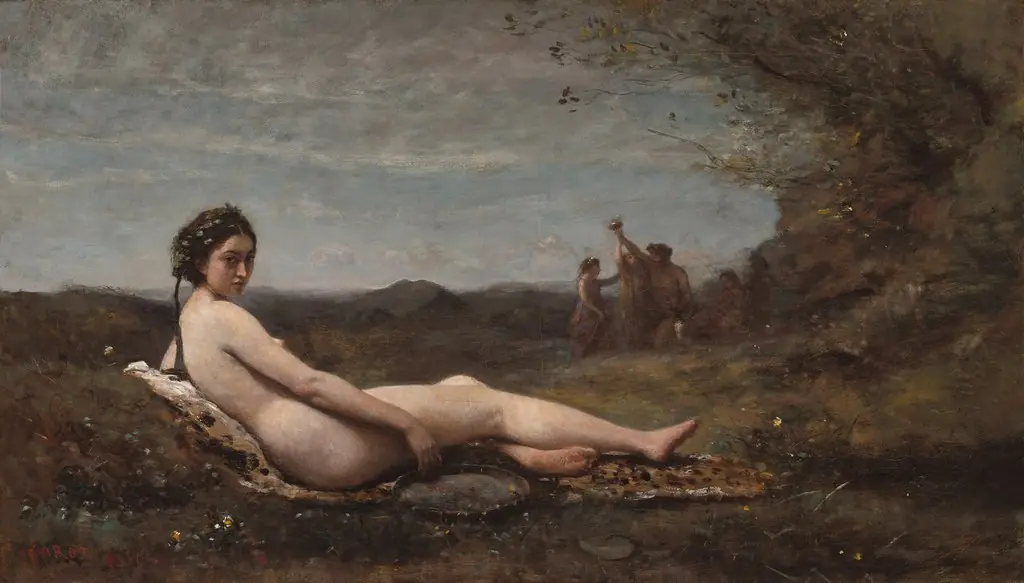 The Repose
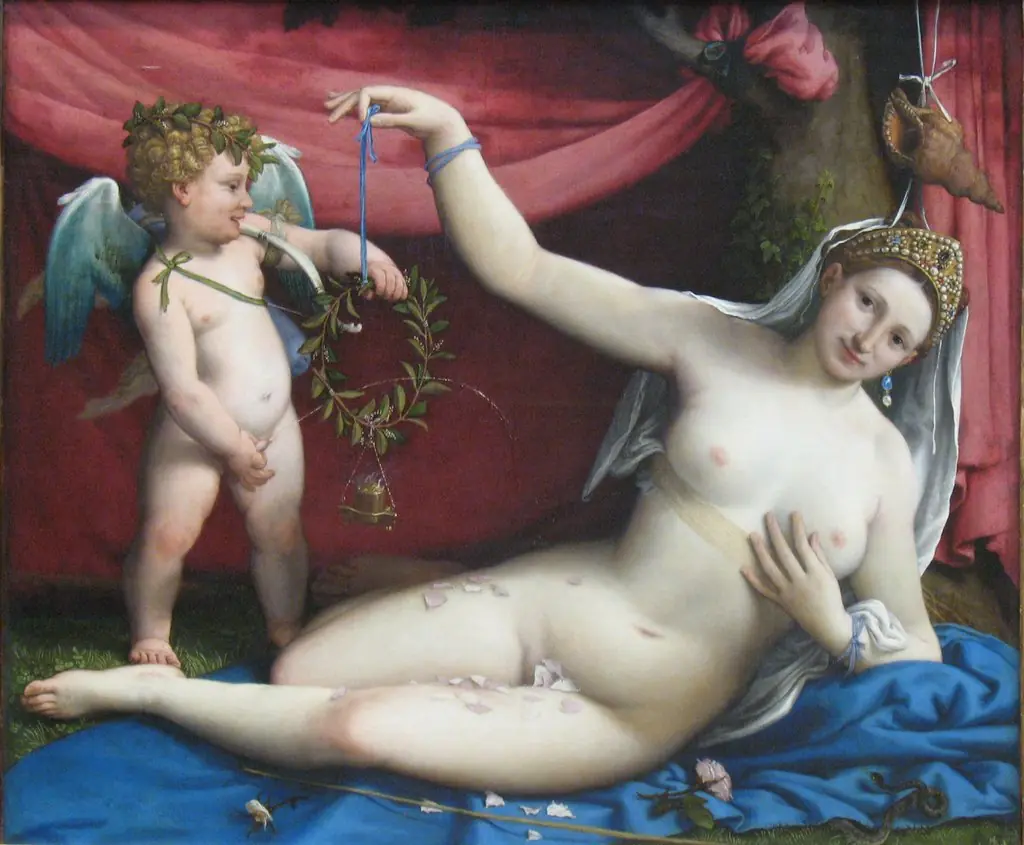 Venus and Cupid
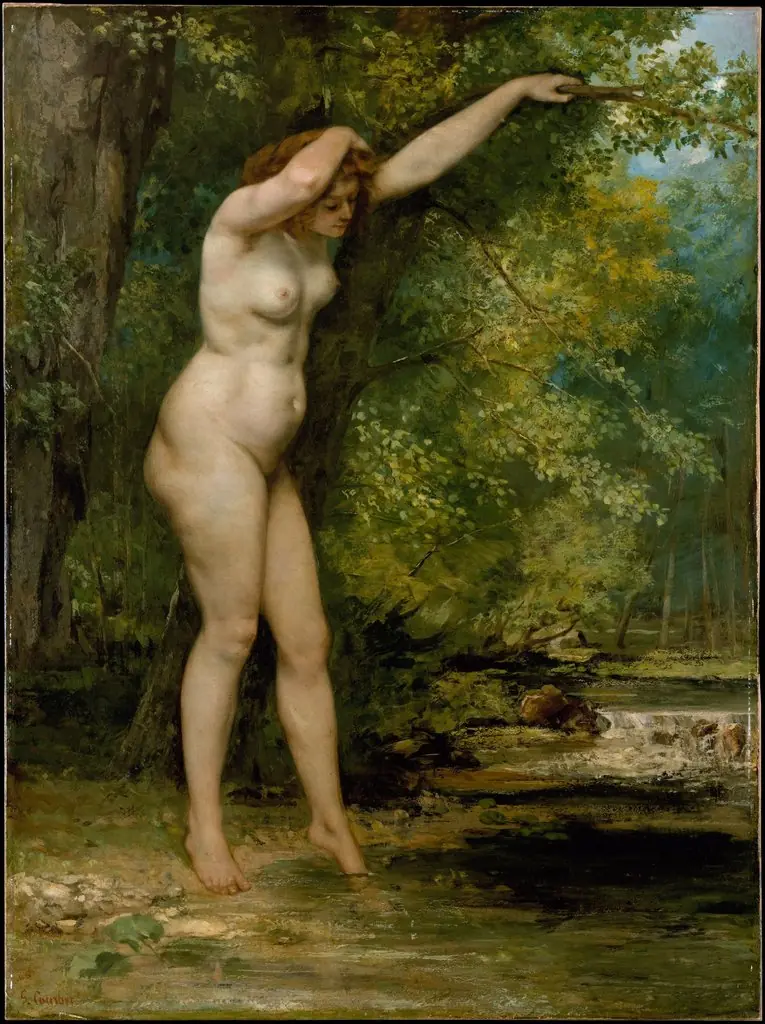 The Young Bather
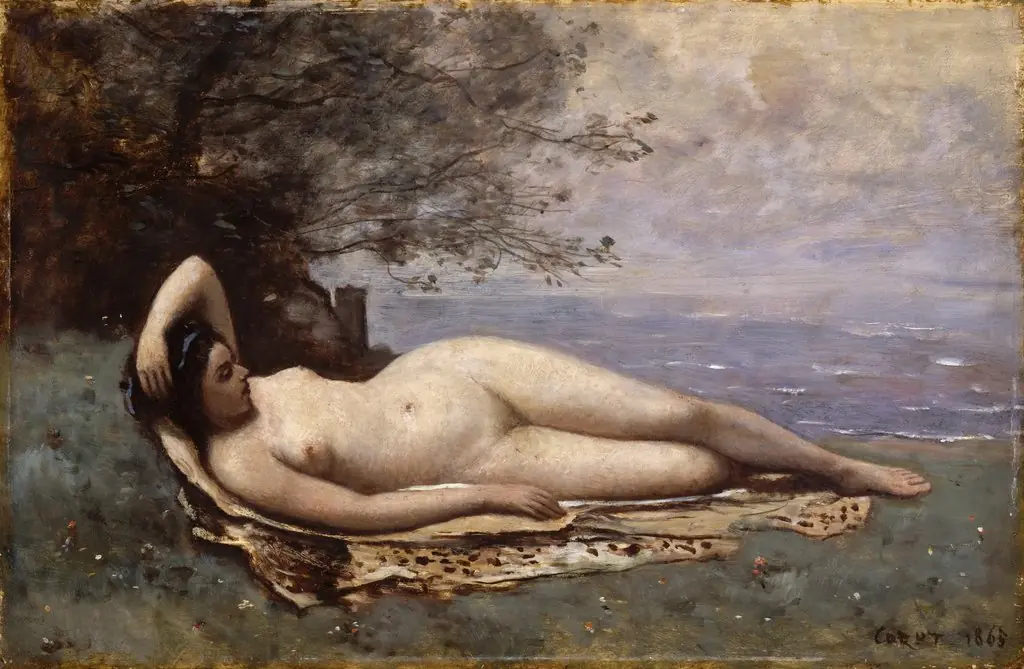 Bacchante by the Sea
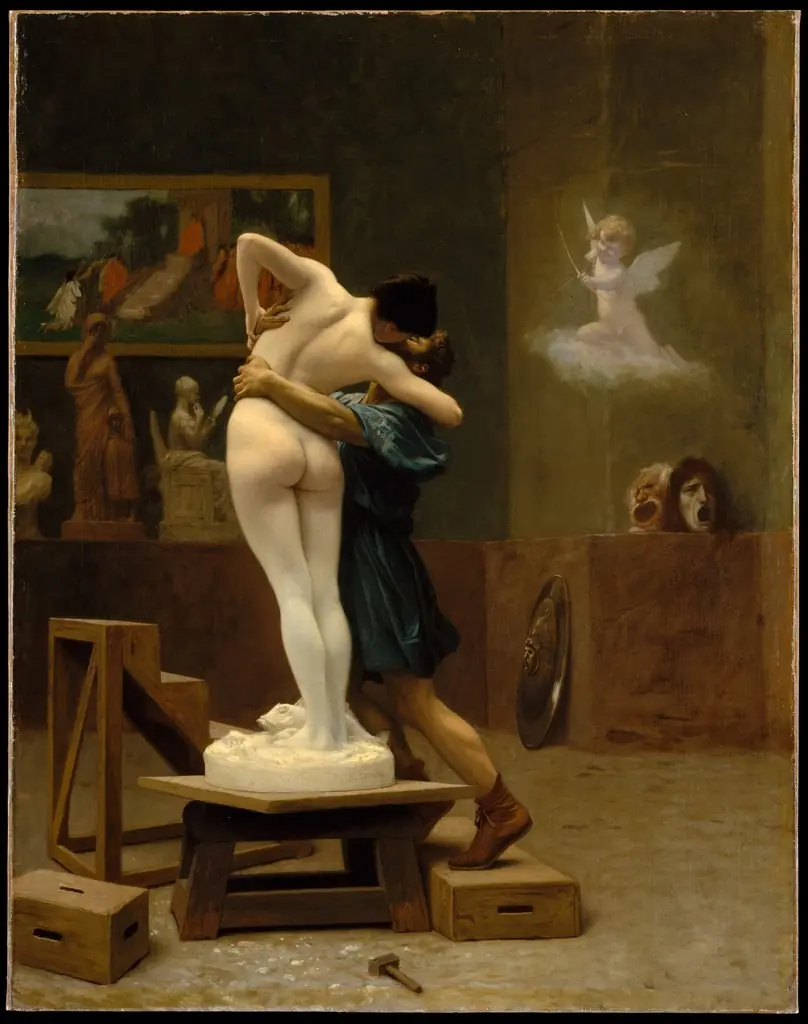 Pygmalion and Galatea
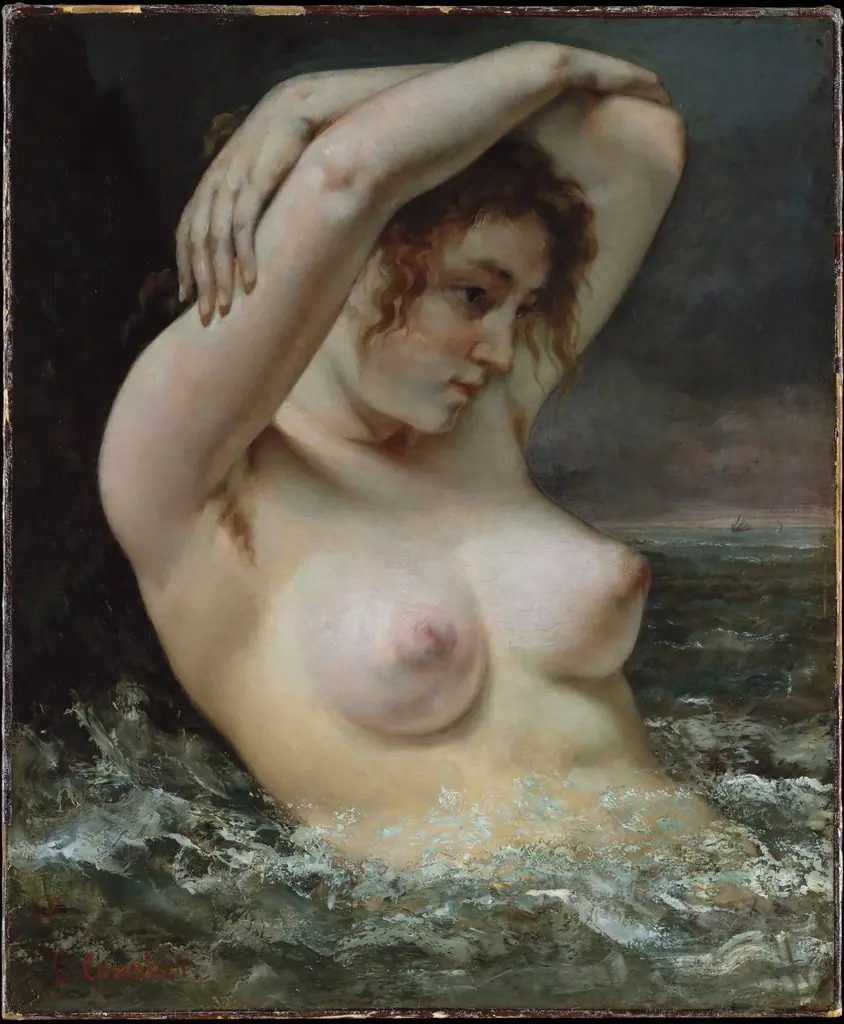 The Woman in the Waves
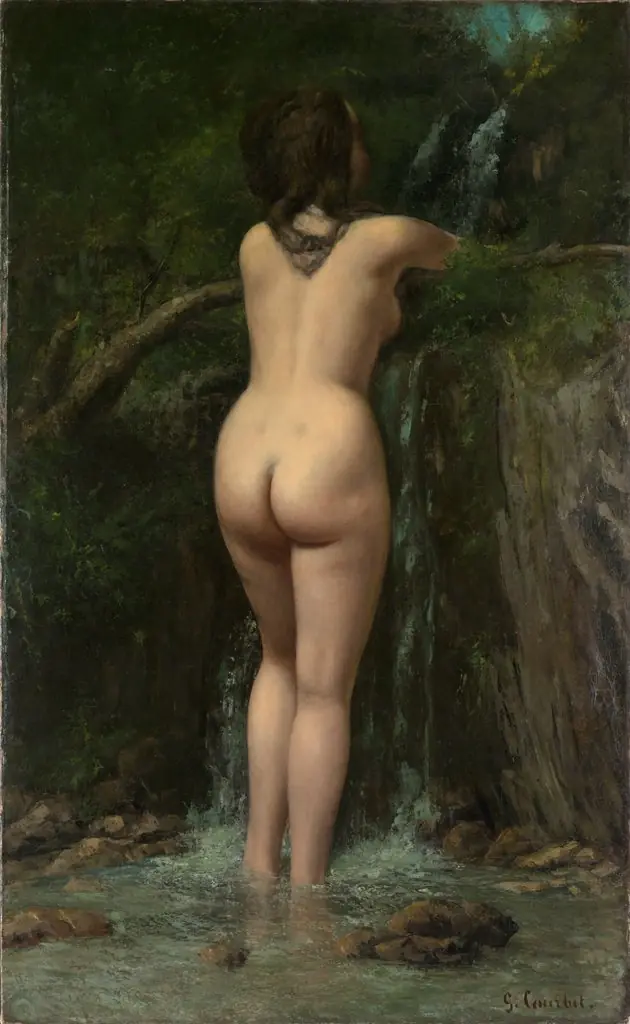 The Source
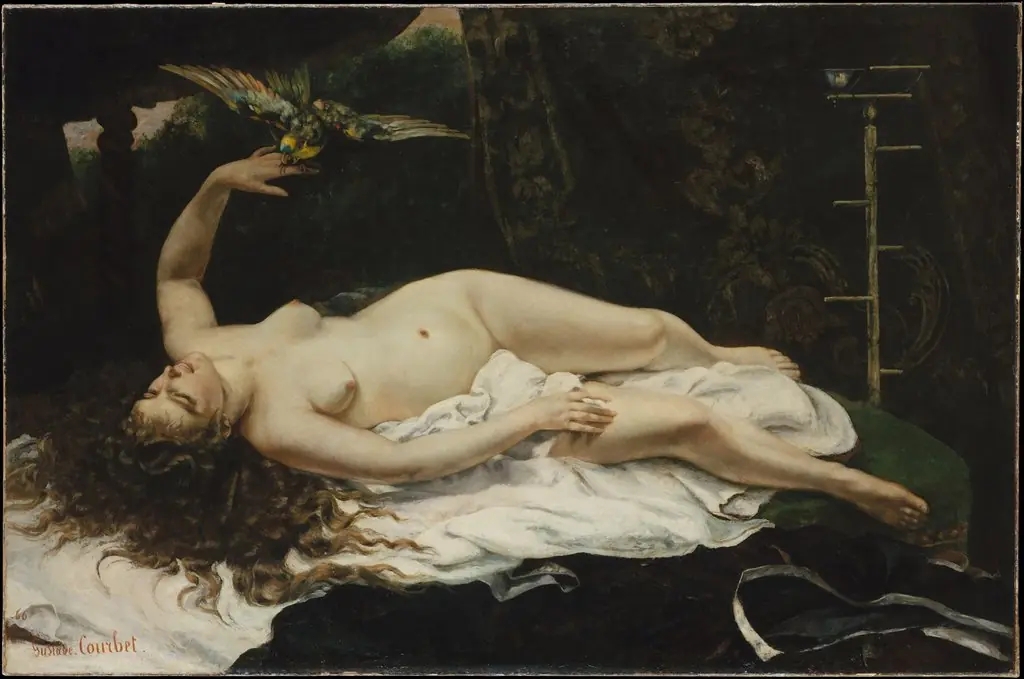 Woman with a Parrot
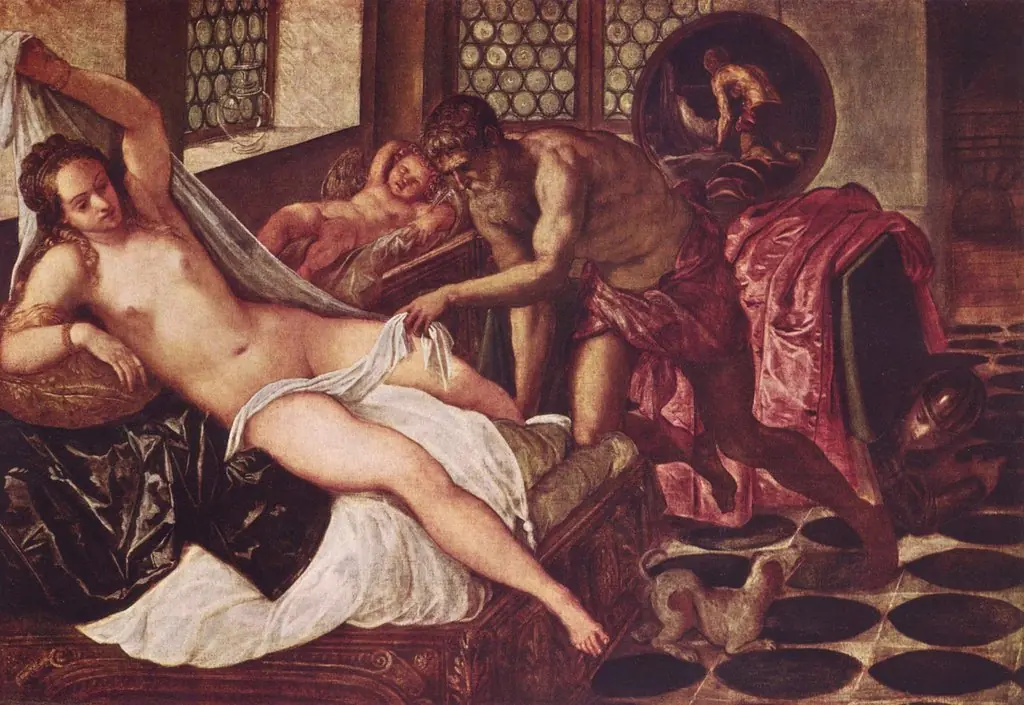 Venus and Mars Surprised by Vulcan
 Vertumnus and Pomona
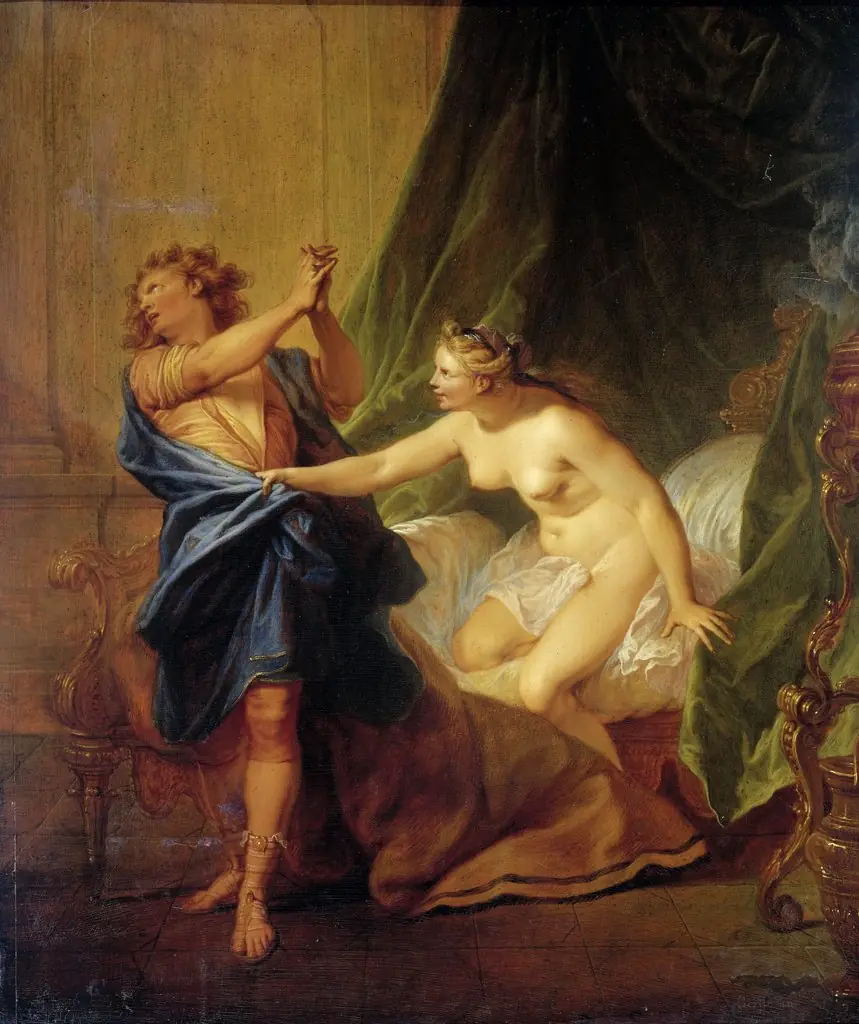 Joseph and Potiphar's Wife
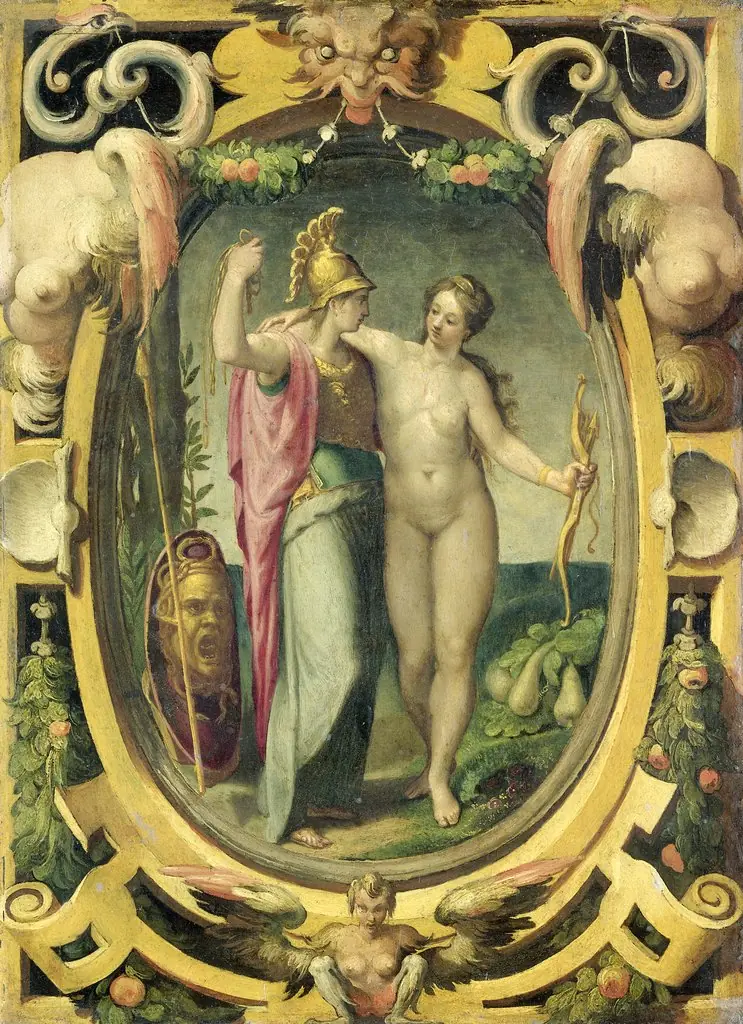 Venus and Minerva
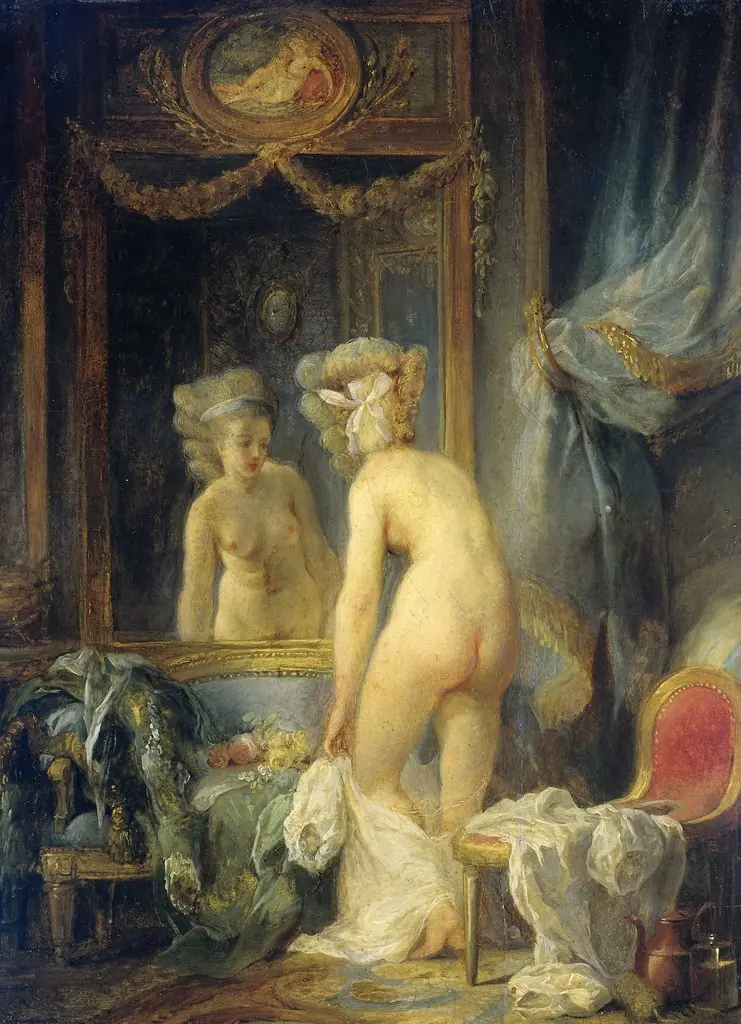 Morning Toilet
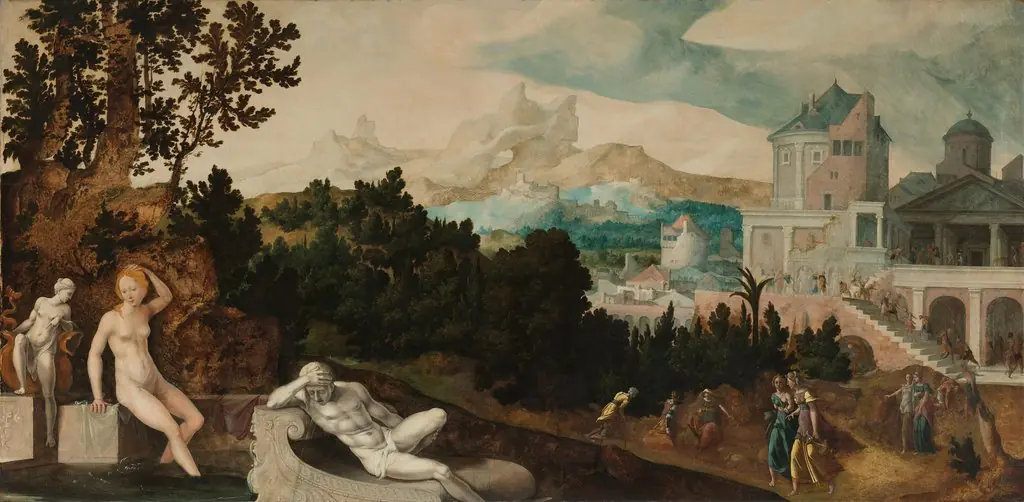 Landscape with Bathsheba
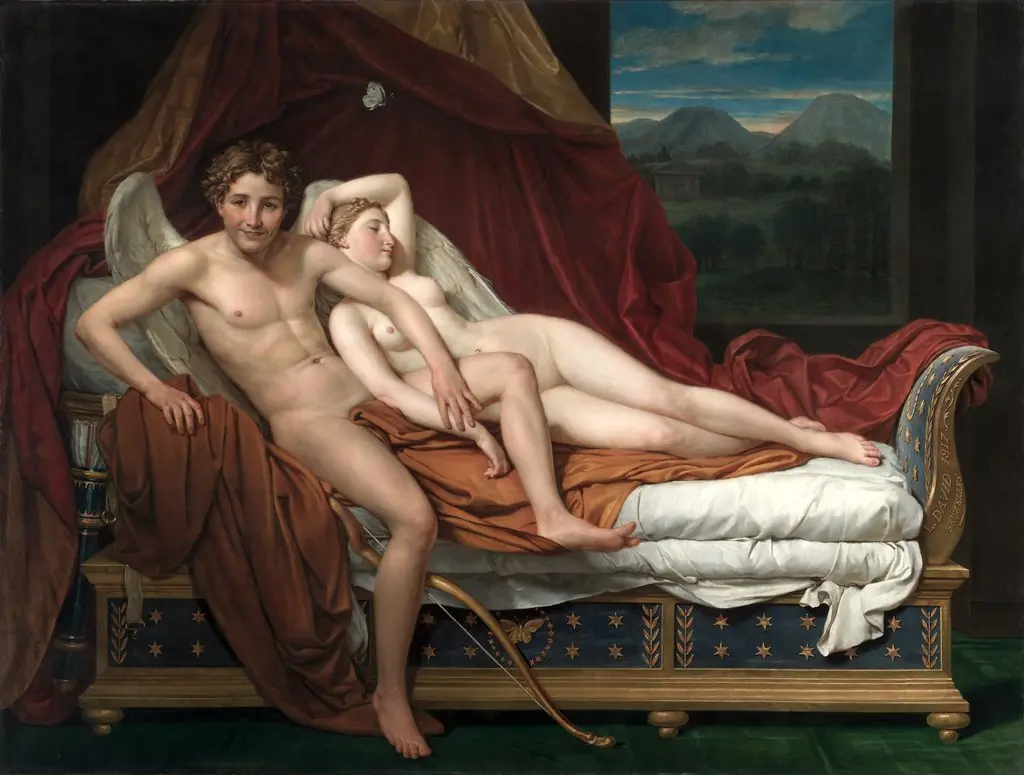 Cupid and Psyche
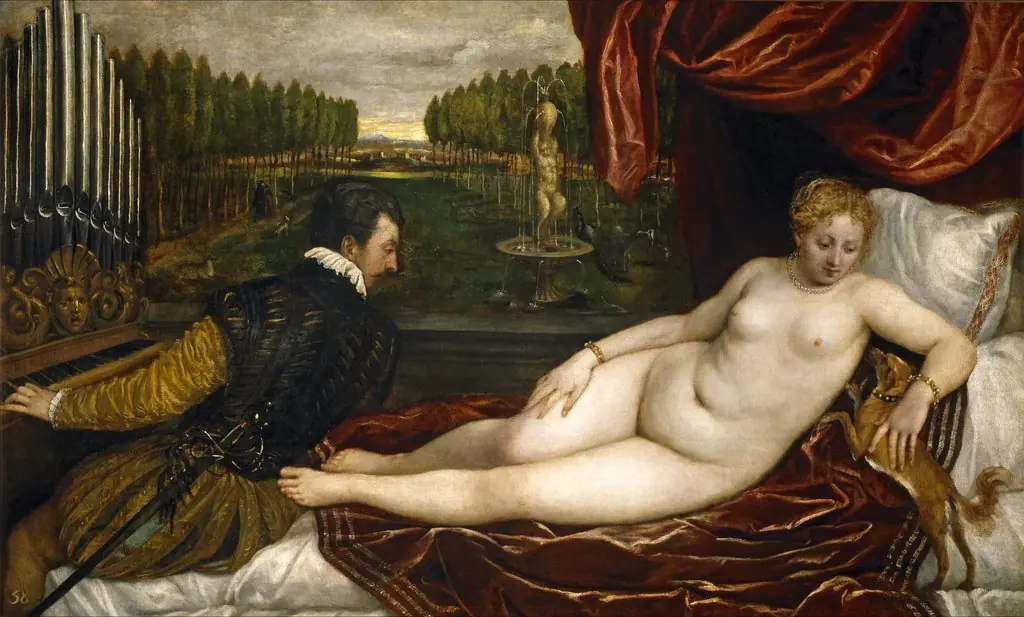 Venus and Music
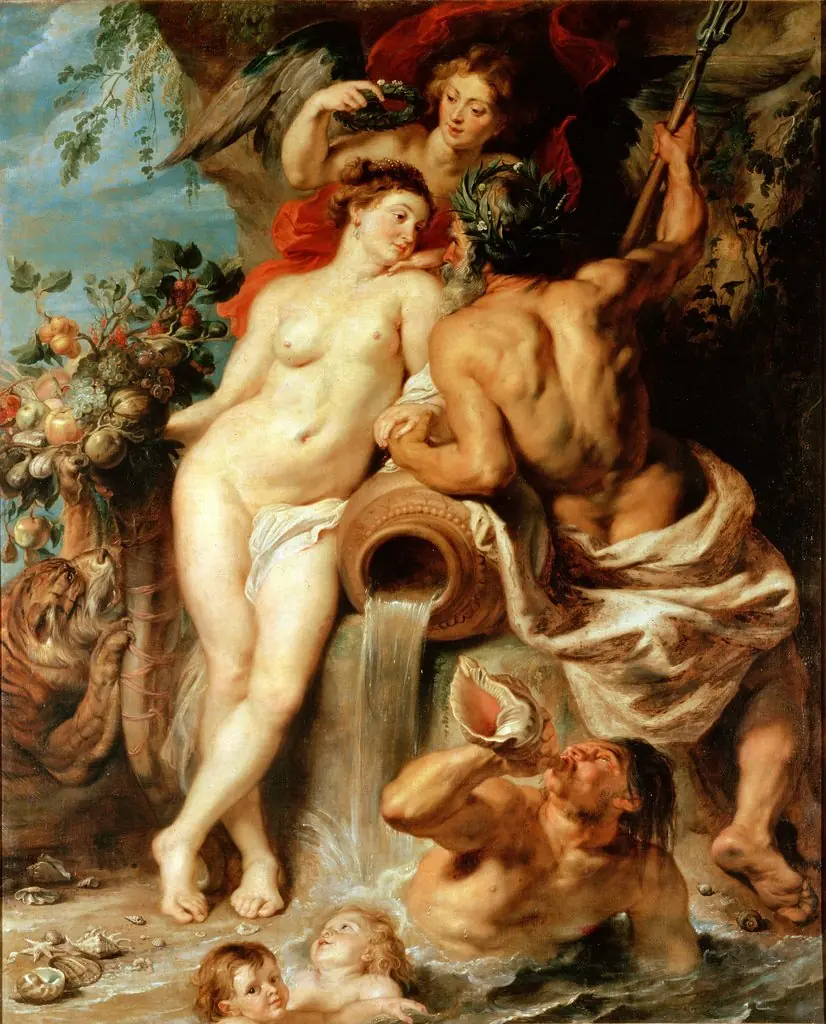 The Union of Earth and Water (Antwerp and the Scheldt)
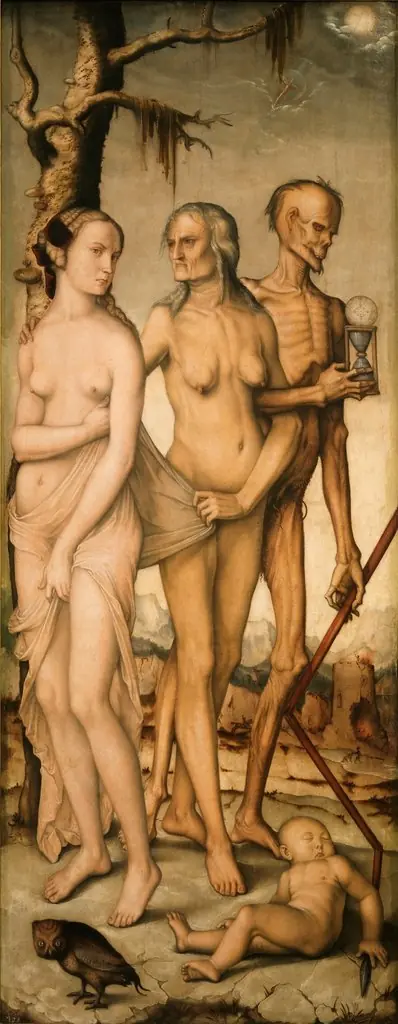 The Ages and Death
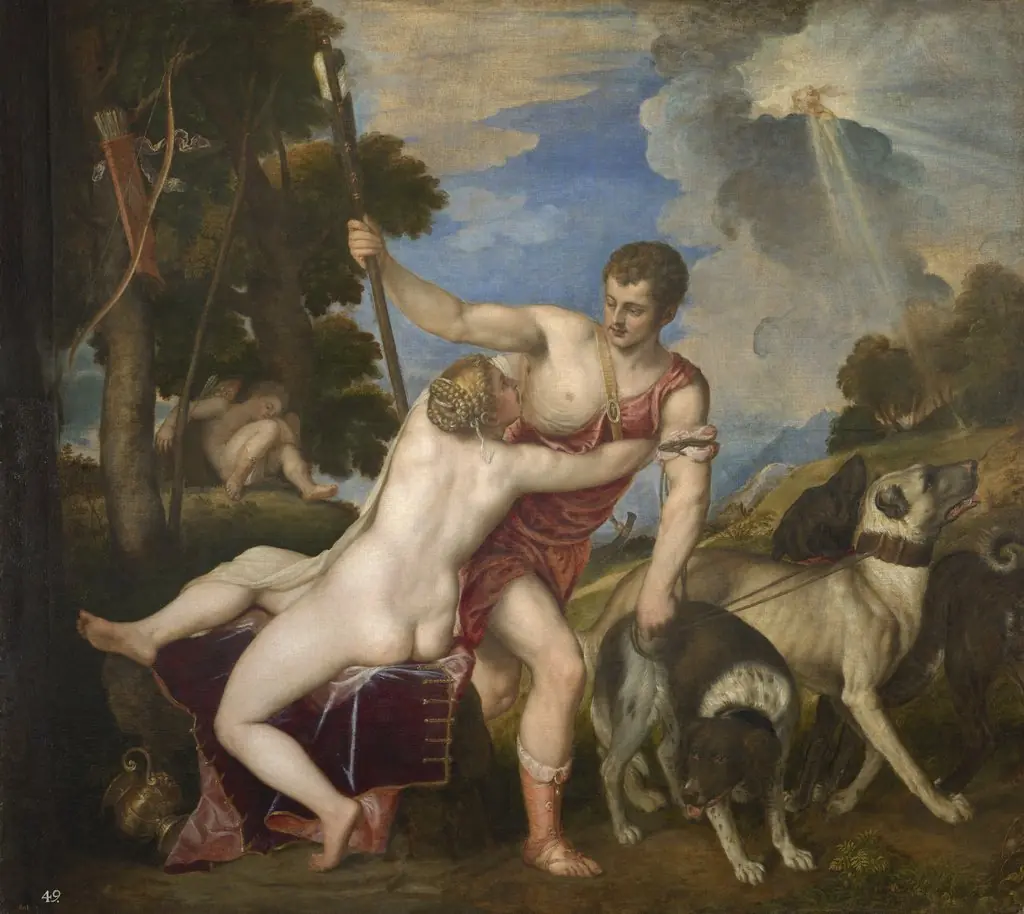 Venus and Adonis
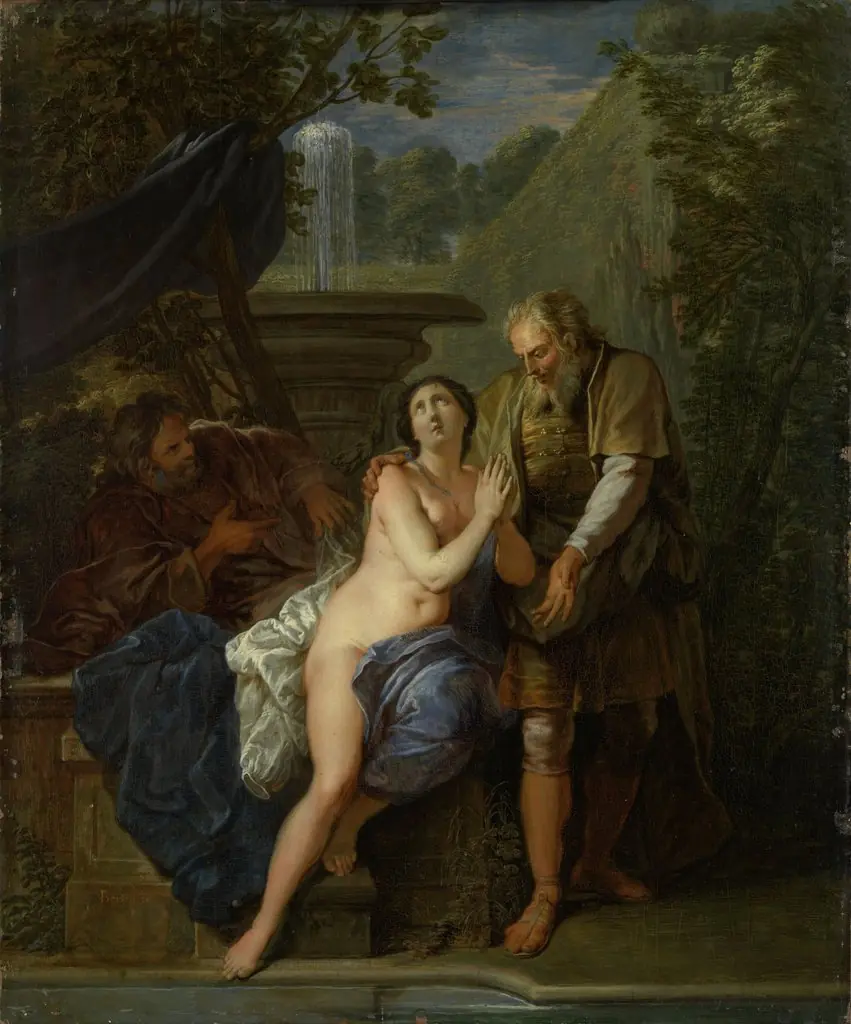 Susanna and the Elders
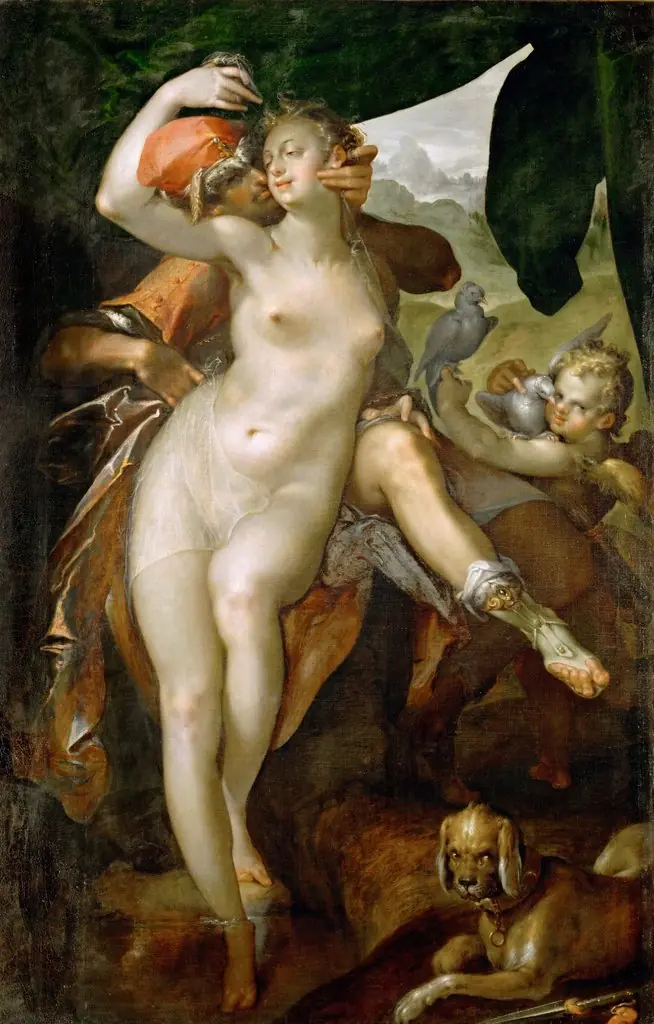 Venus and Adonis
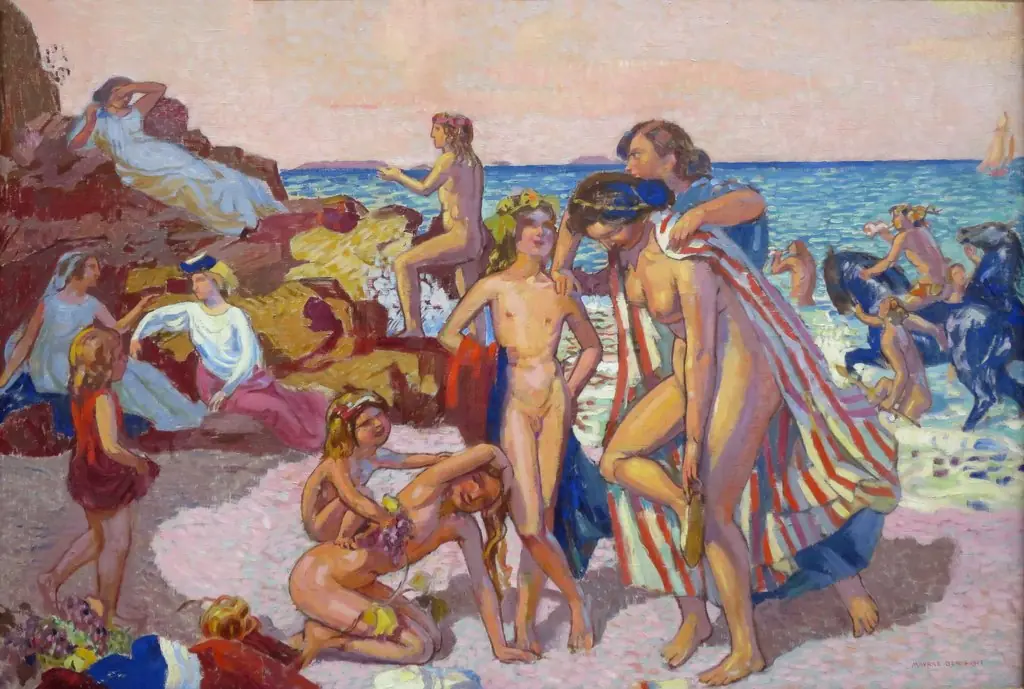 Bacchus and Ariadne
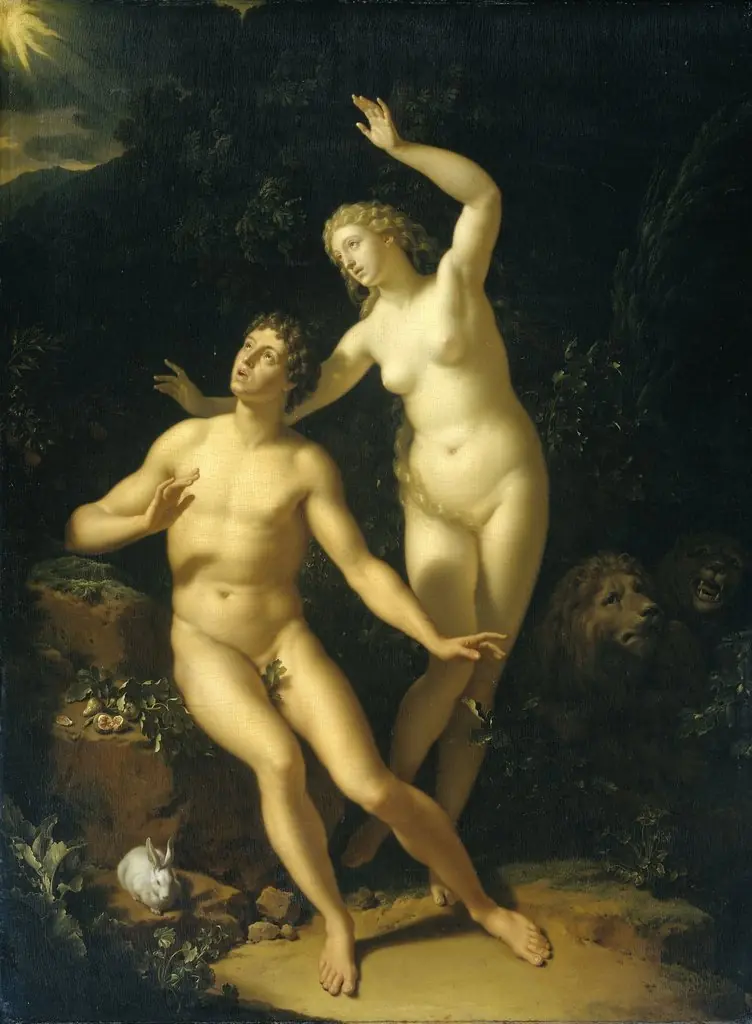 God Holds Adam and Eve Responsible
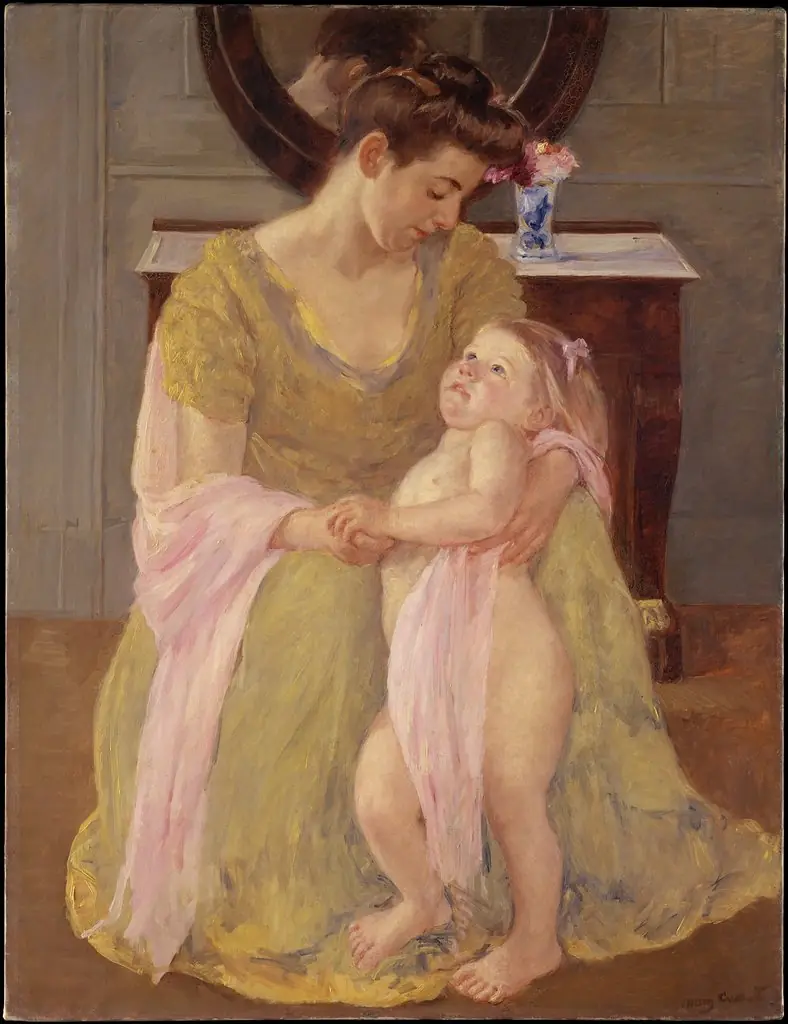 Mother and Child with a Rose Scarf
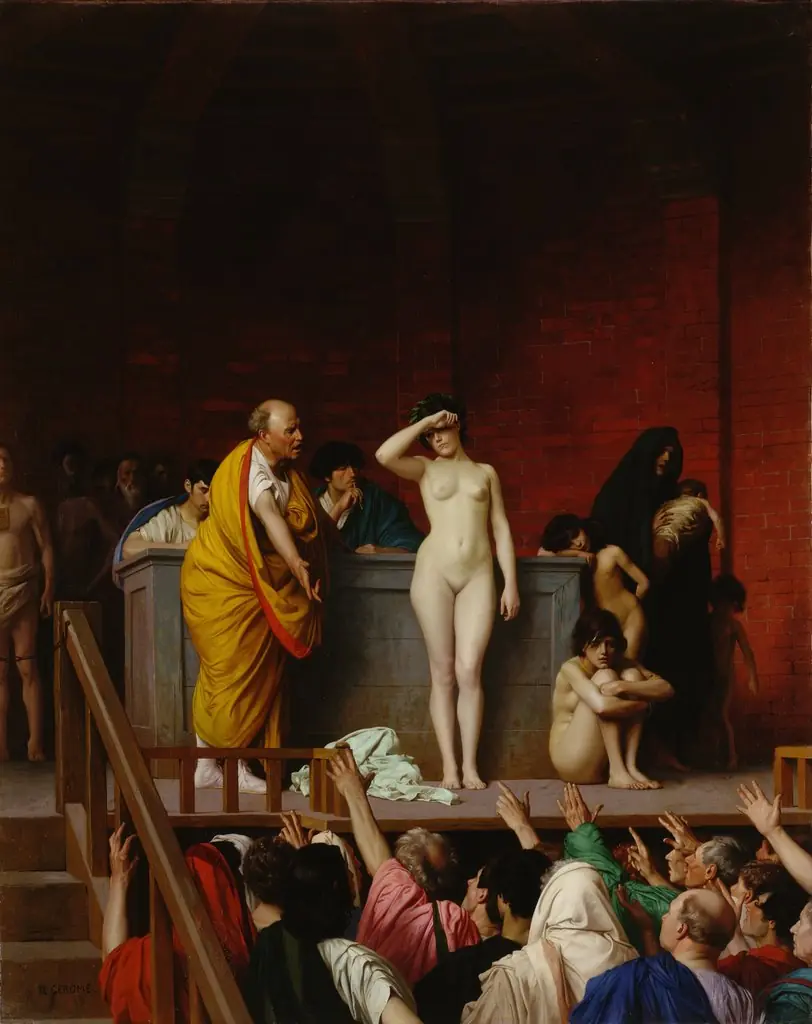 Slave Market in Rome
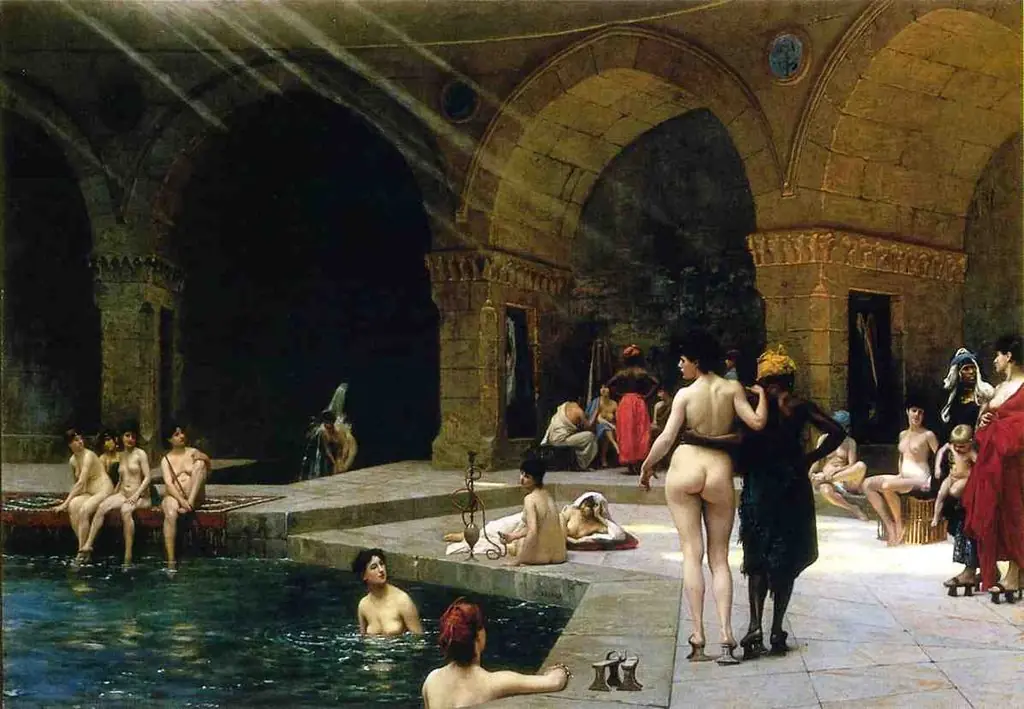 The Great Bath at Bursa
 Reclining Nude
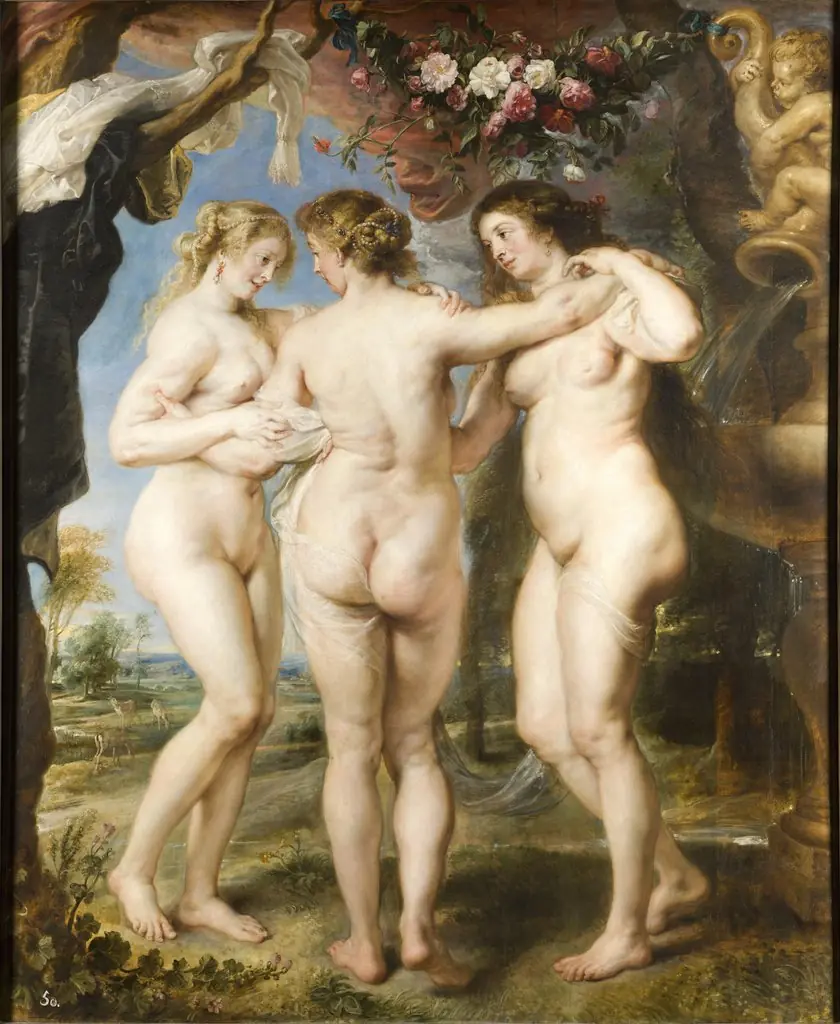 The Three Graces
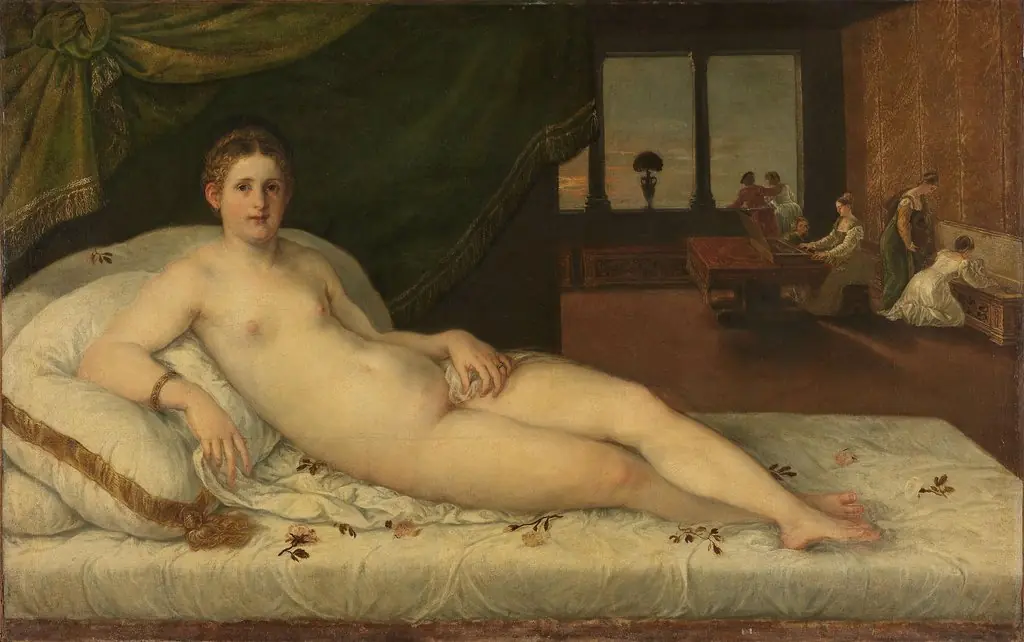 Reclining Venus
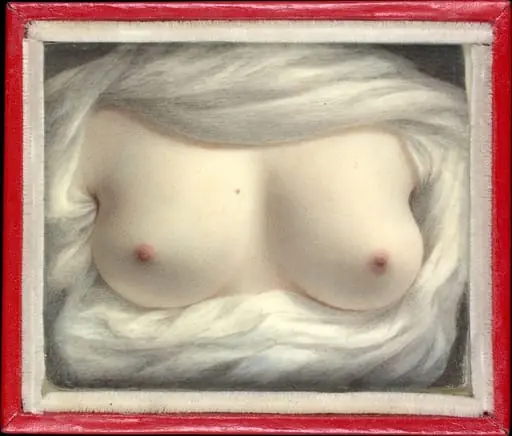 Beauty Revealed
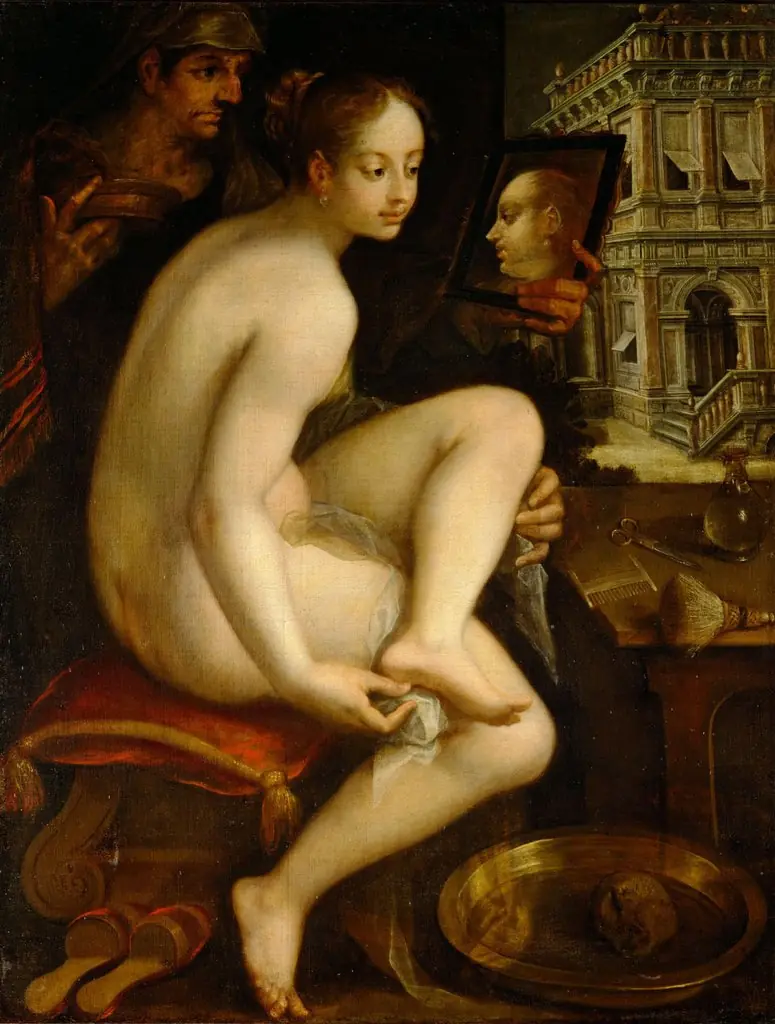 David and Bathsheba
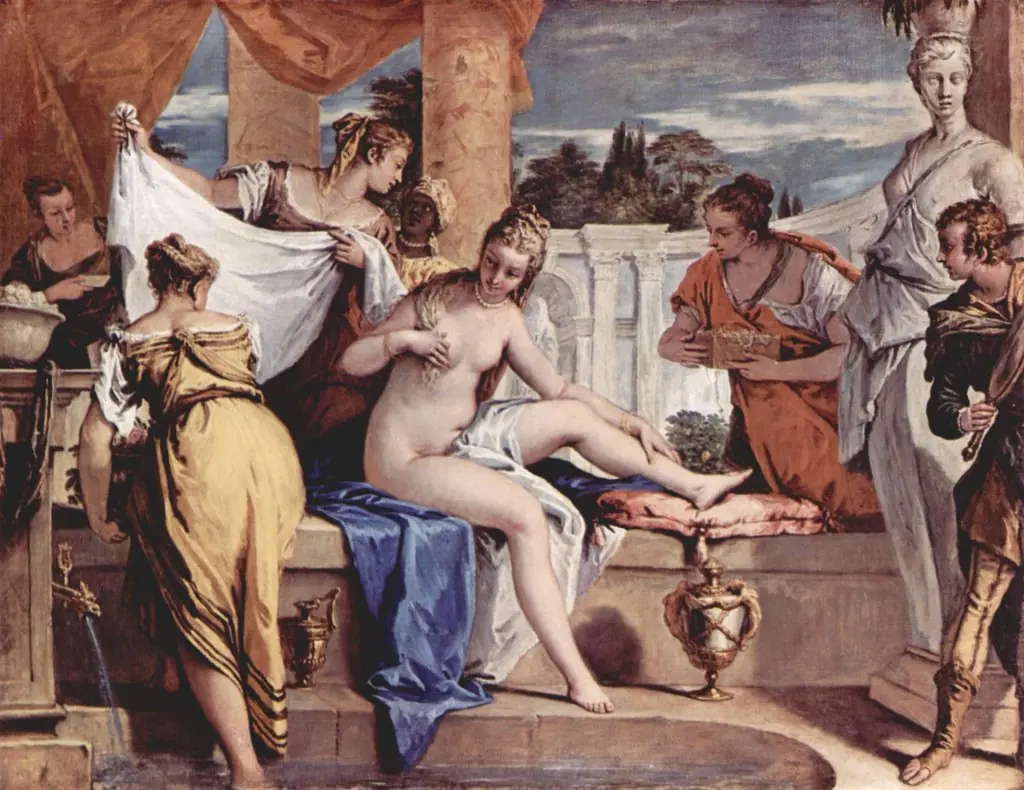 Bathsheba at her bath
 The Pearl and the Wave
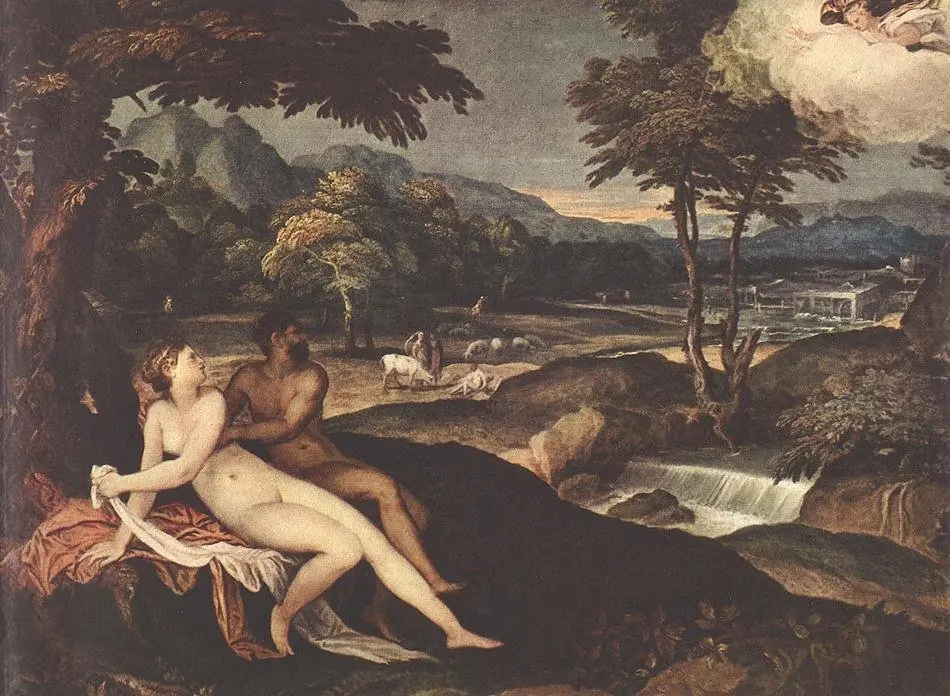 Landscape with Jupiter and Io
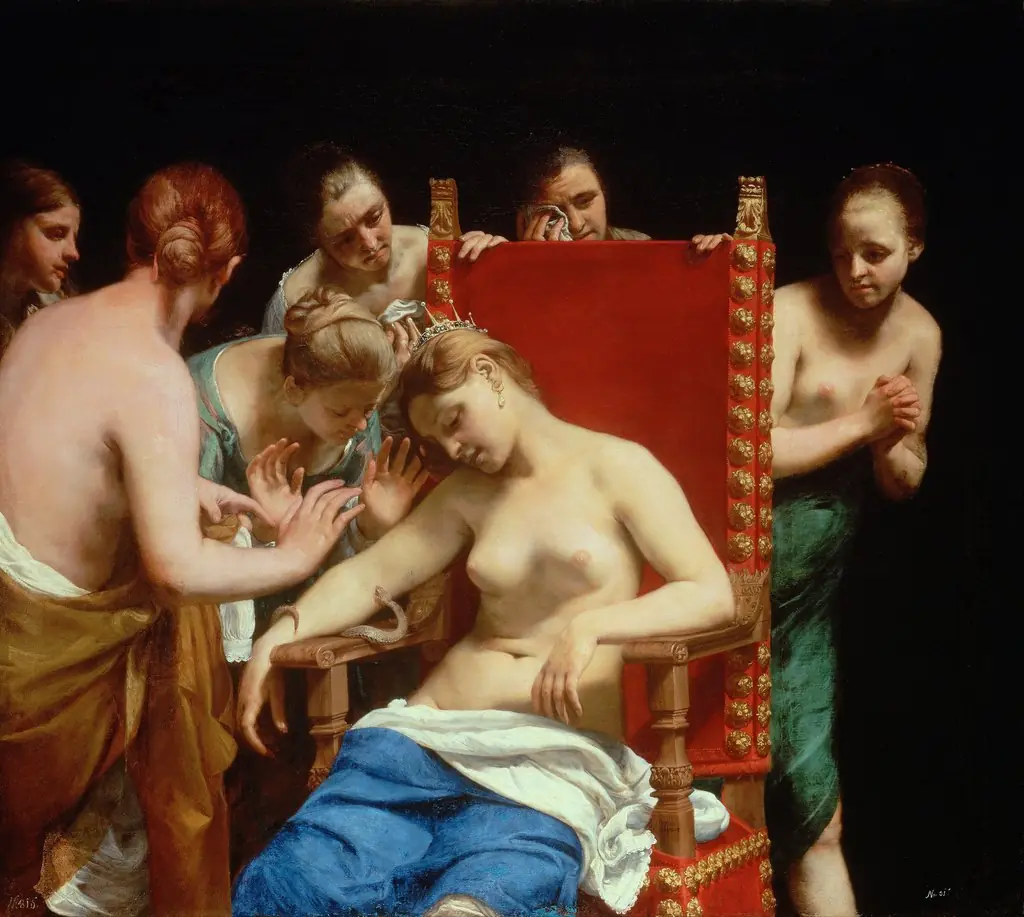 The Death of Cleopatra
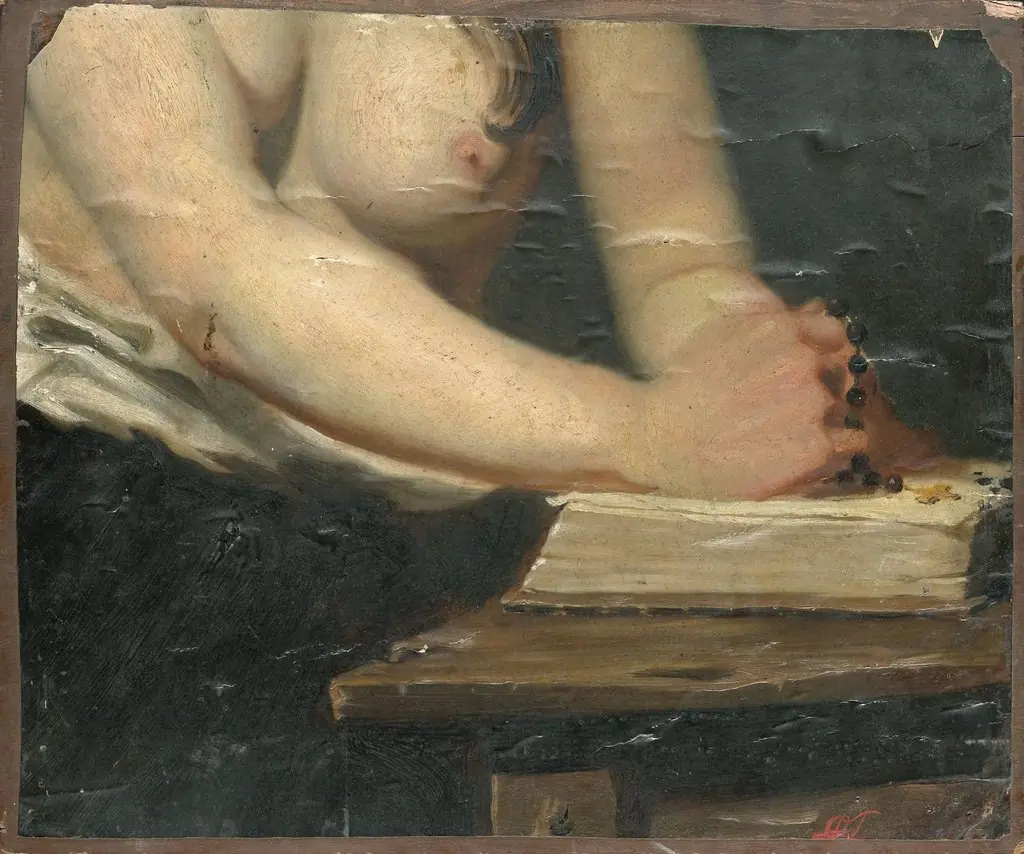 Mary Magdalene
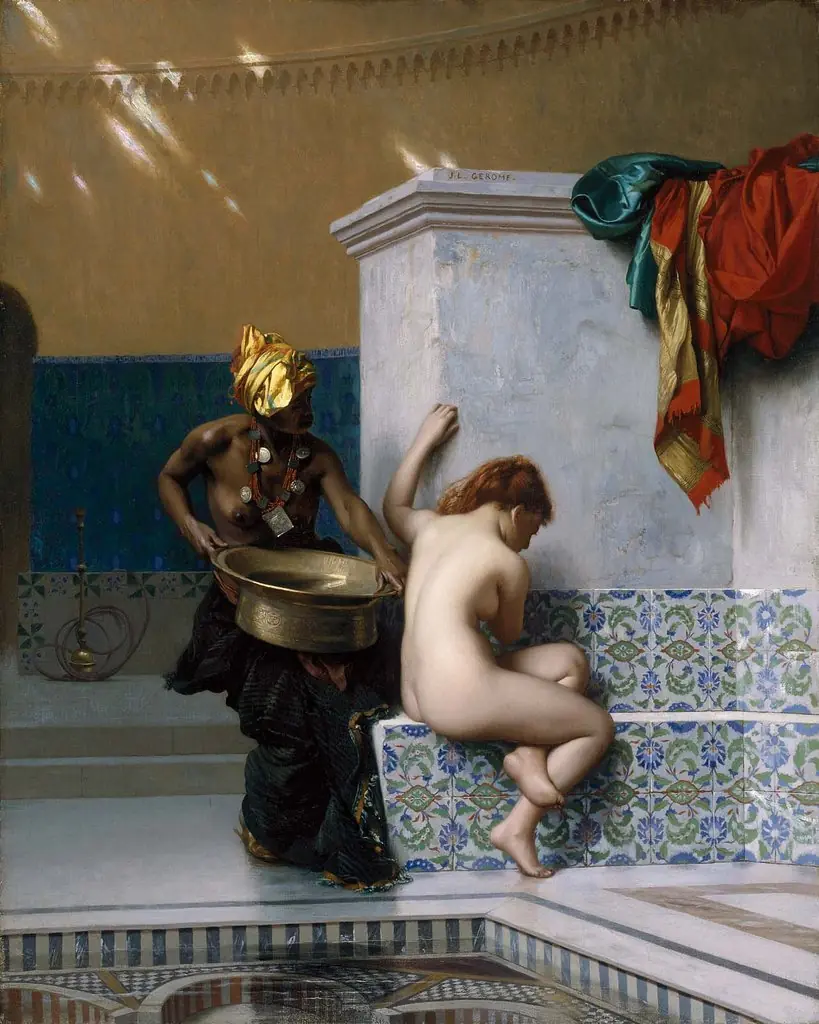 Moorish Bath
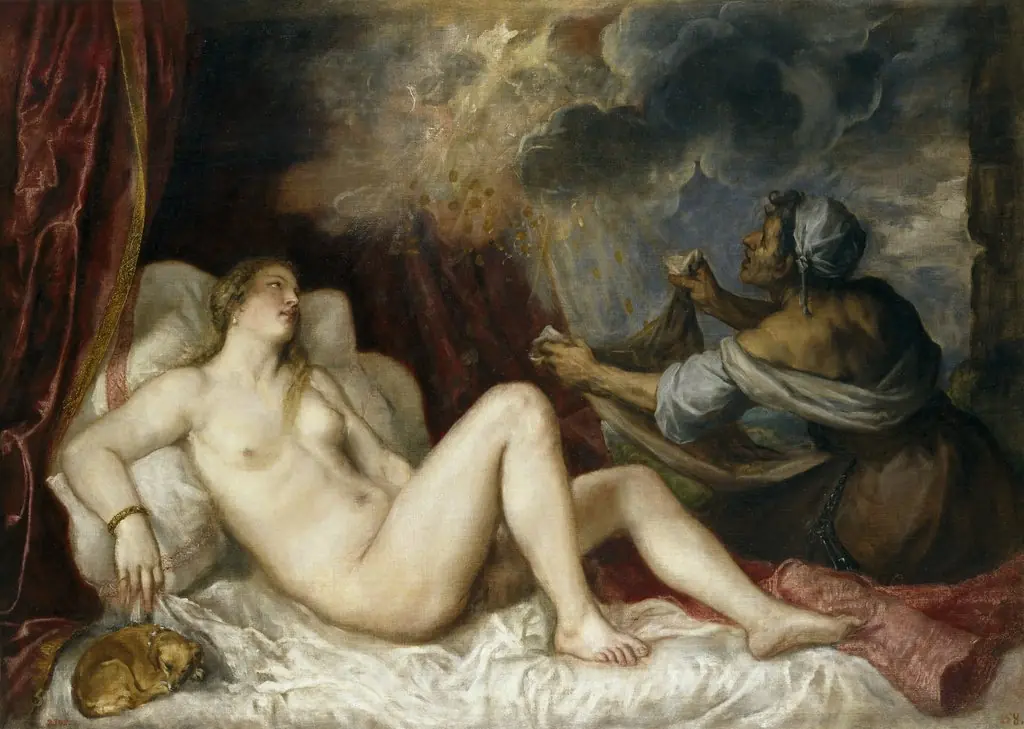 Danaë
Danaë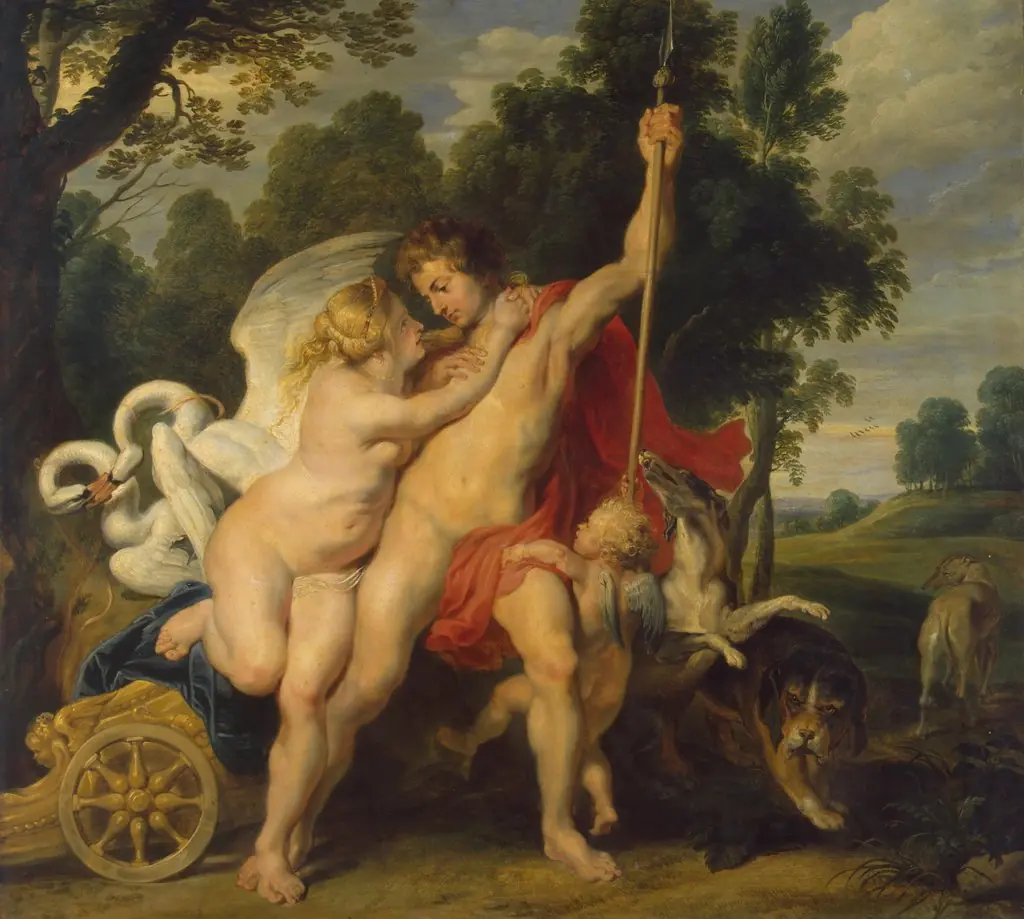 Venus and Adonis (Rubens, 1614)
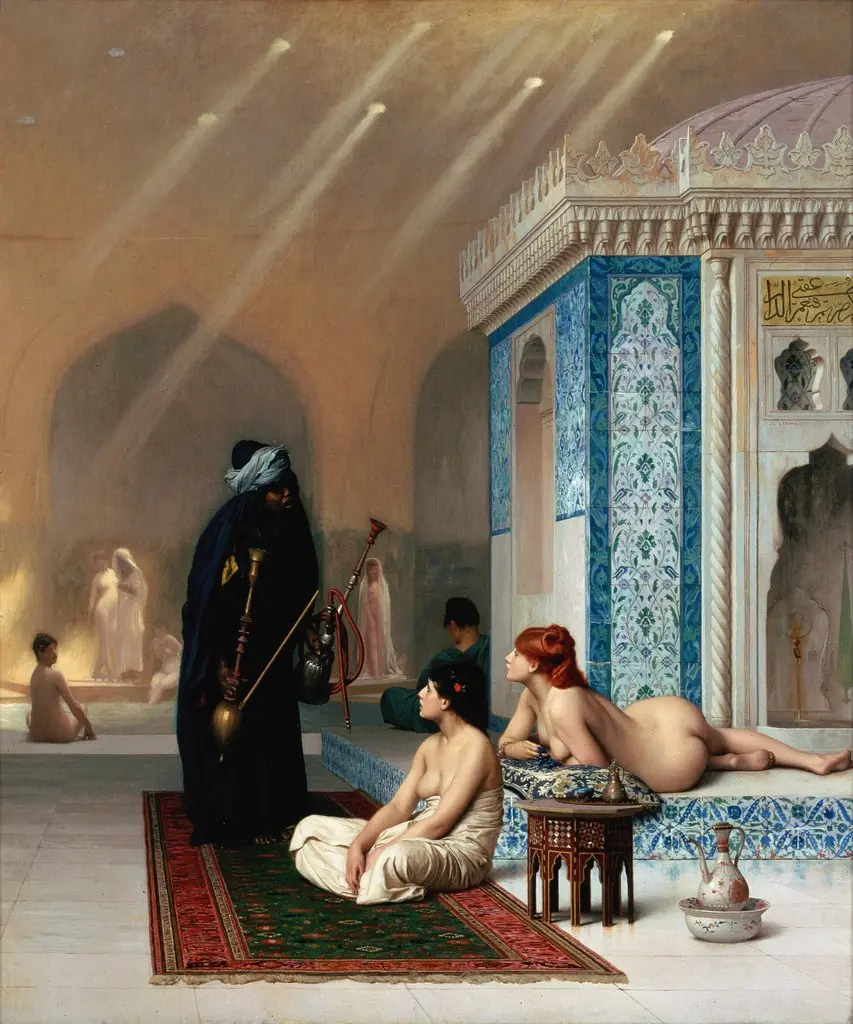 Pool in a Harem
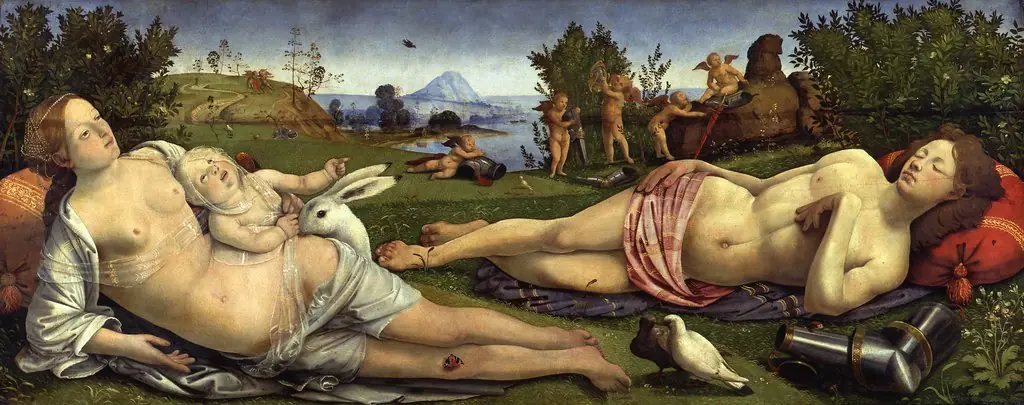 Venus, Mars and Cupid
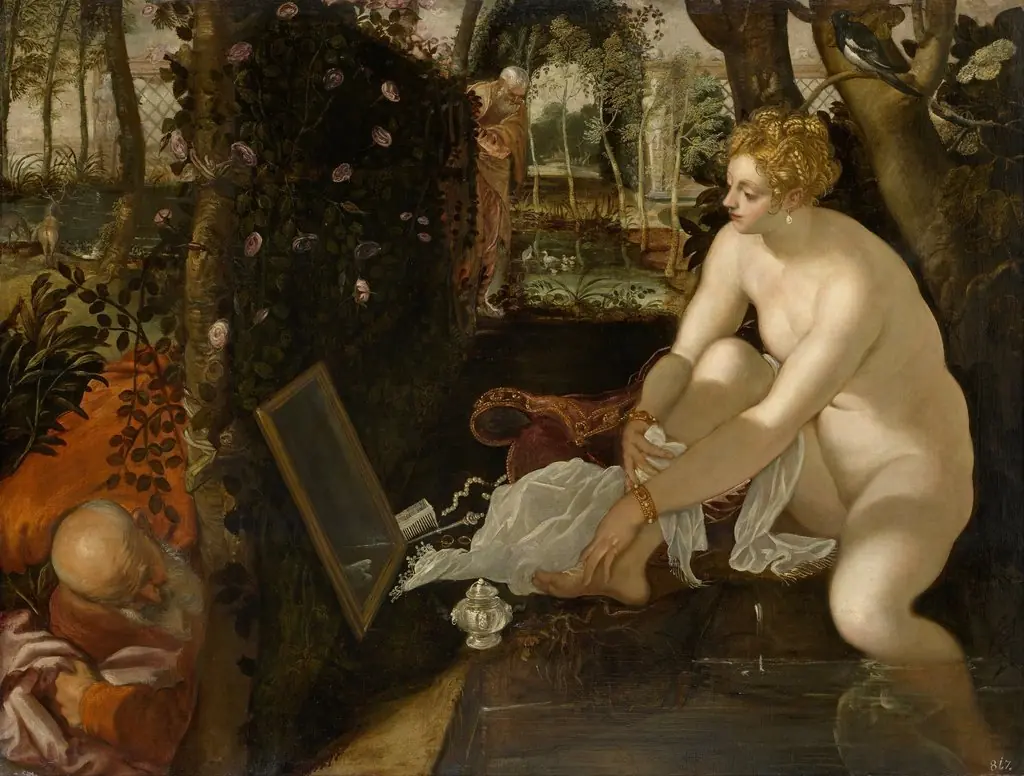 Susanna and the Elders
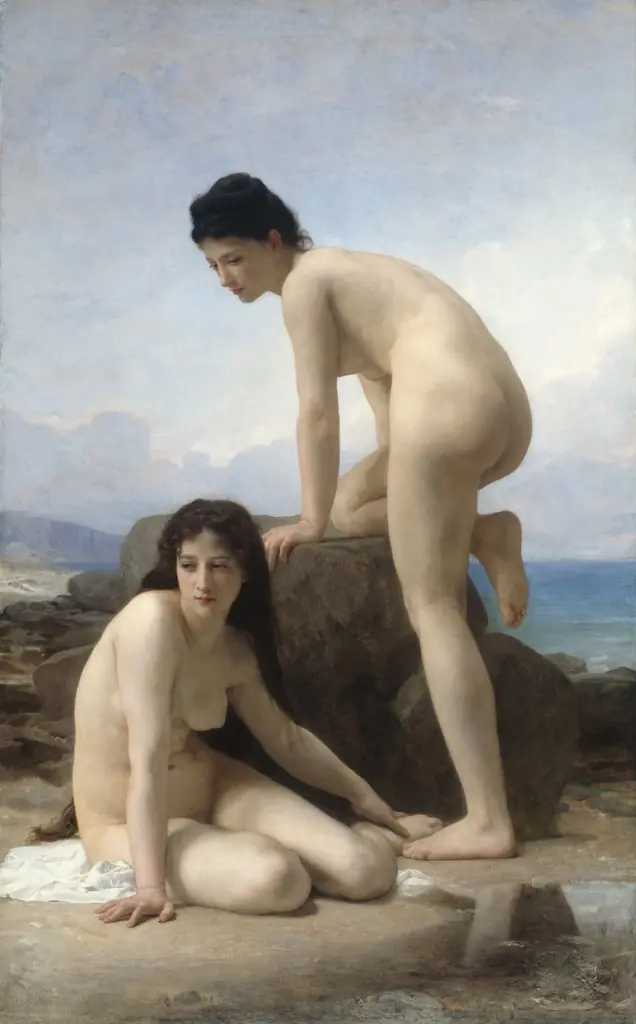 The Two Bathers
 Burning of Old South Church, Bath, Maine
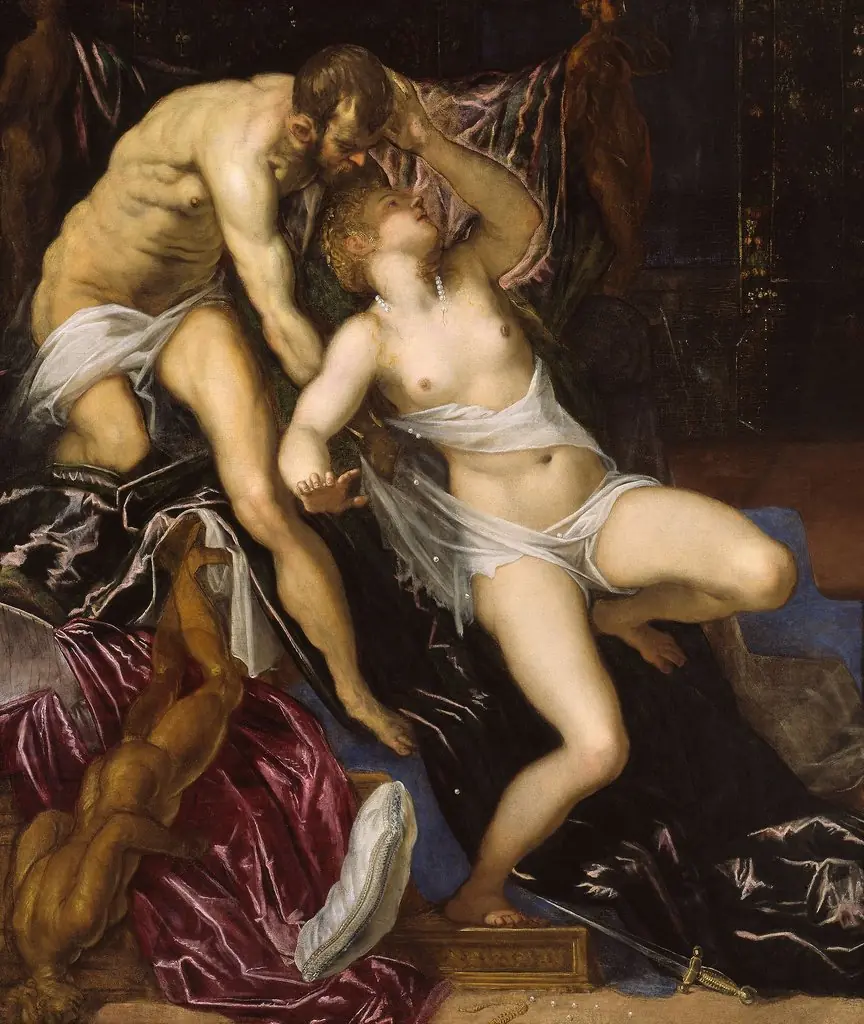 Tarquin and Lucretia
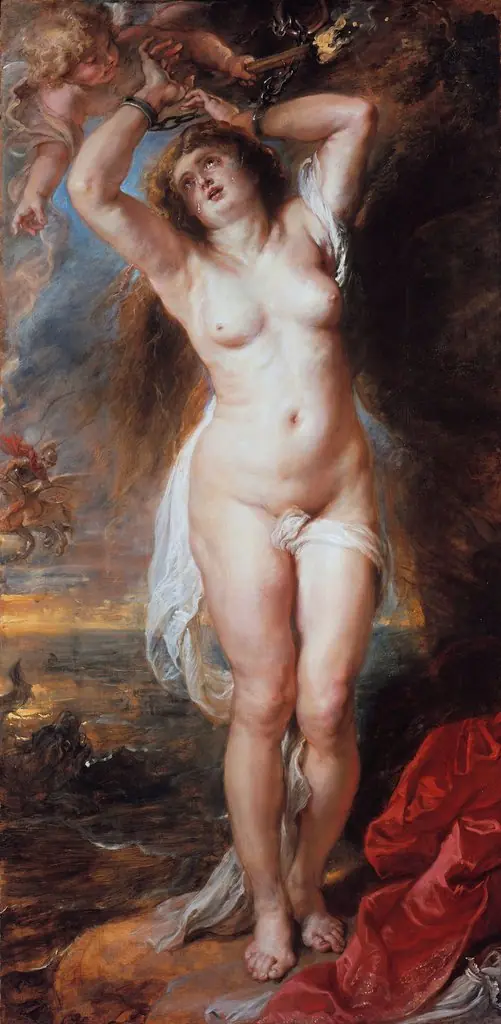 Perseus Freeing Andromeda
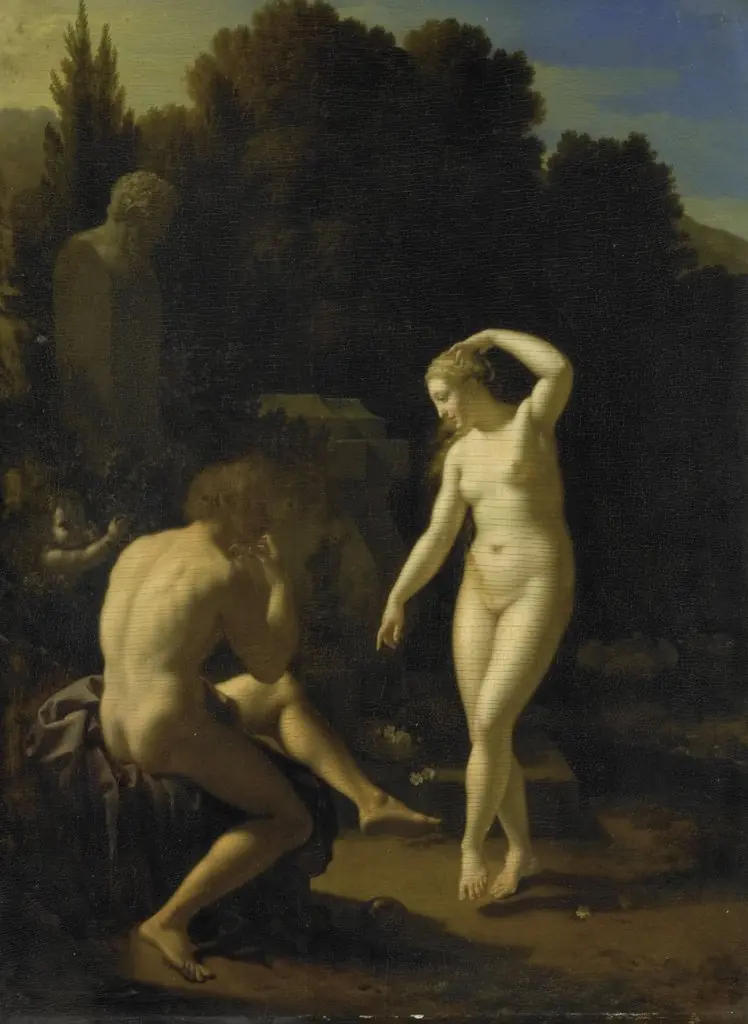 A Nymph Dancing to a Shepherd's Flute-Playing
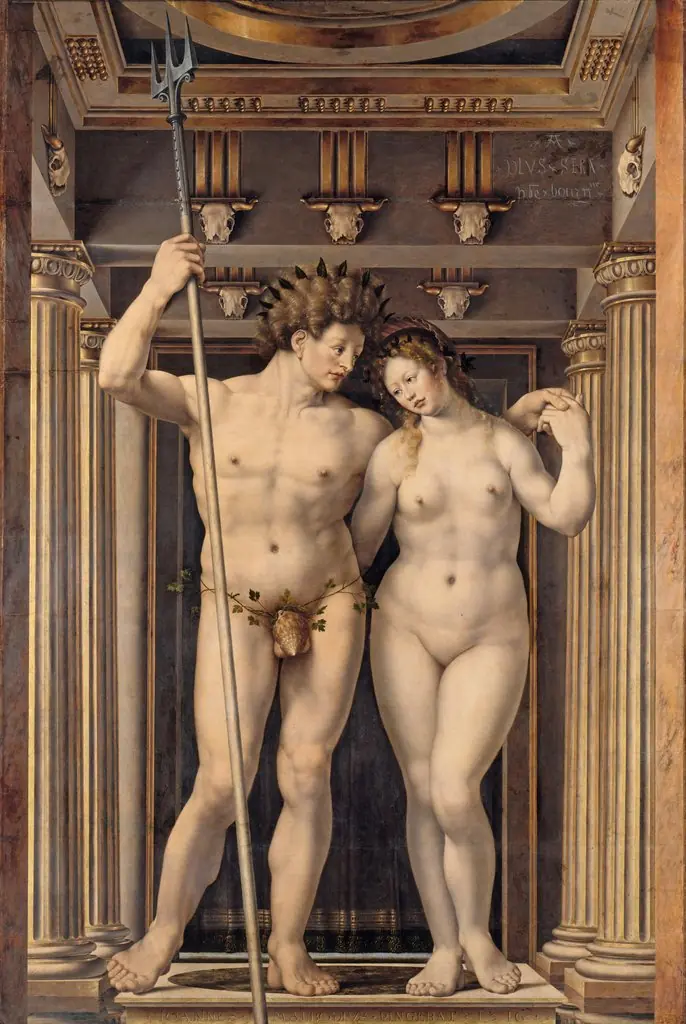 Neptune and Amphitrite
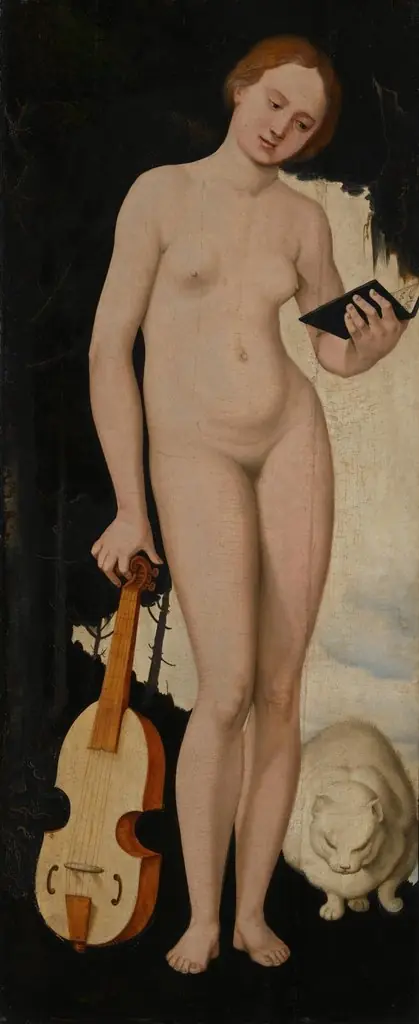 Woman with Cat
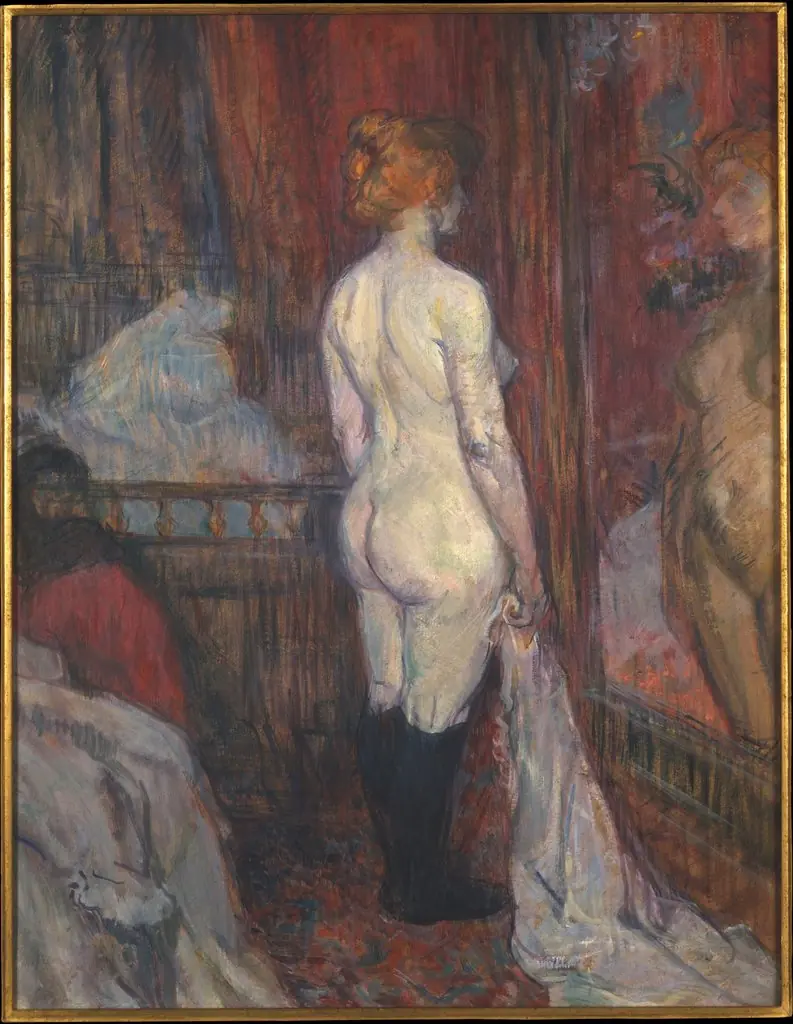 Woman before a Mirror
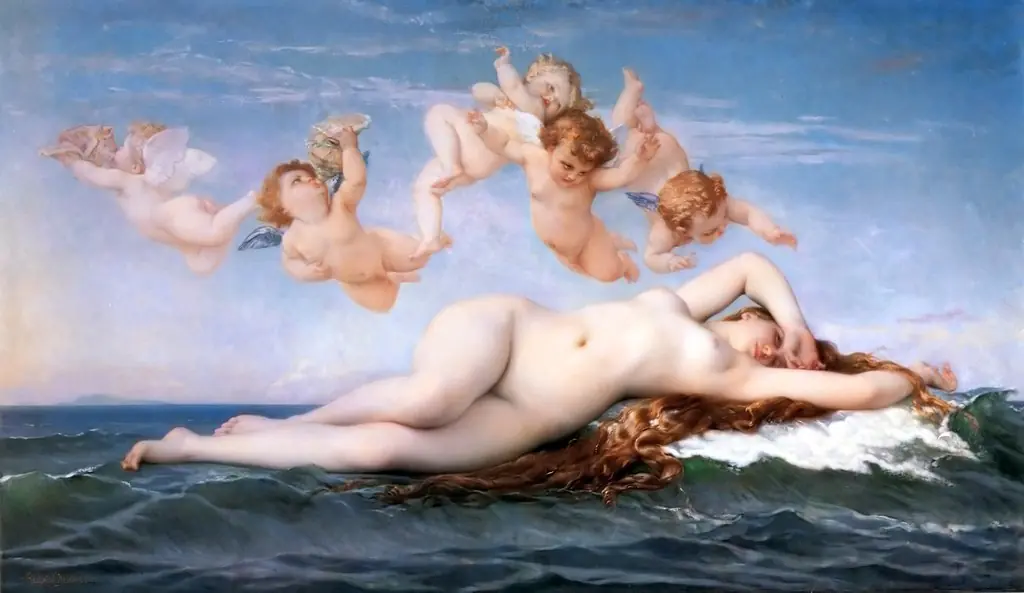 The Birth of Venus
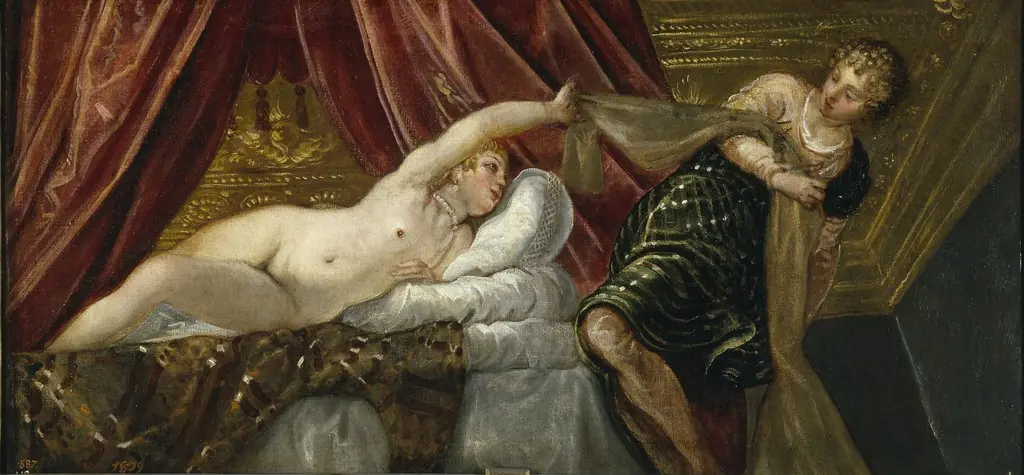 Joseph and Potiphar's Wife
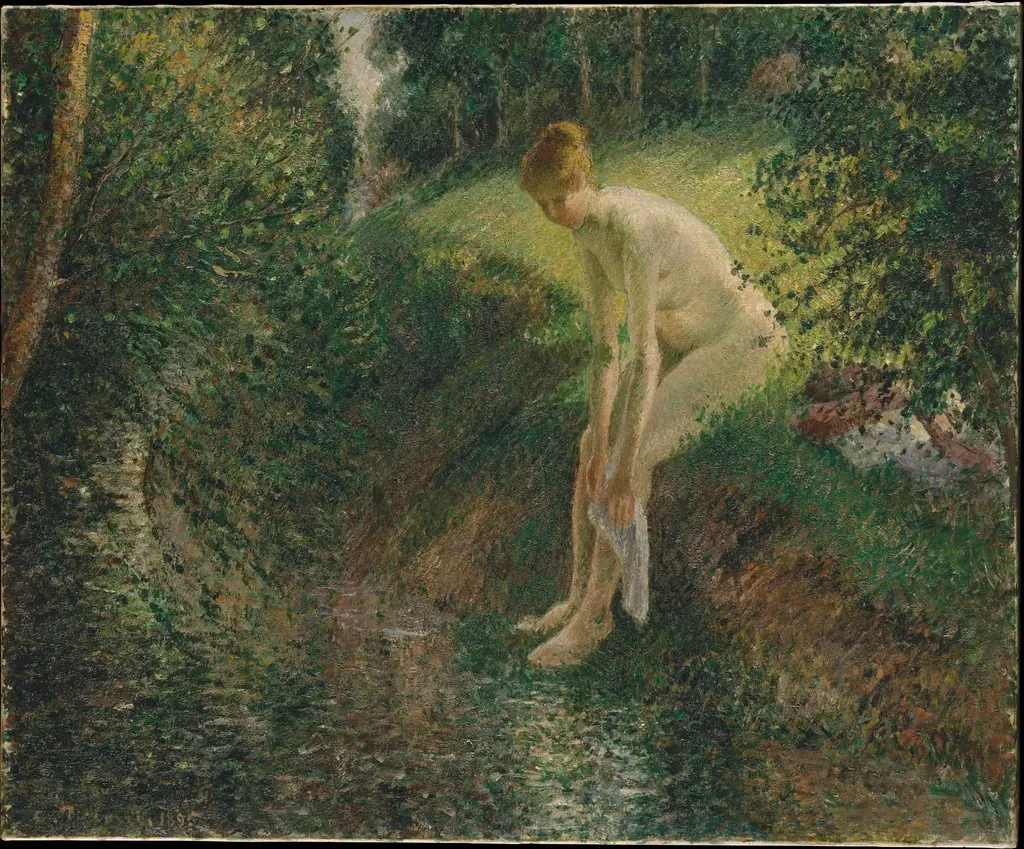 Bather in the Woods
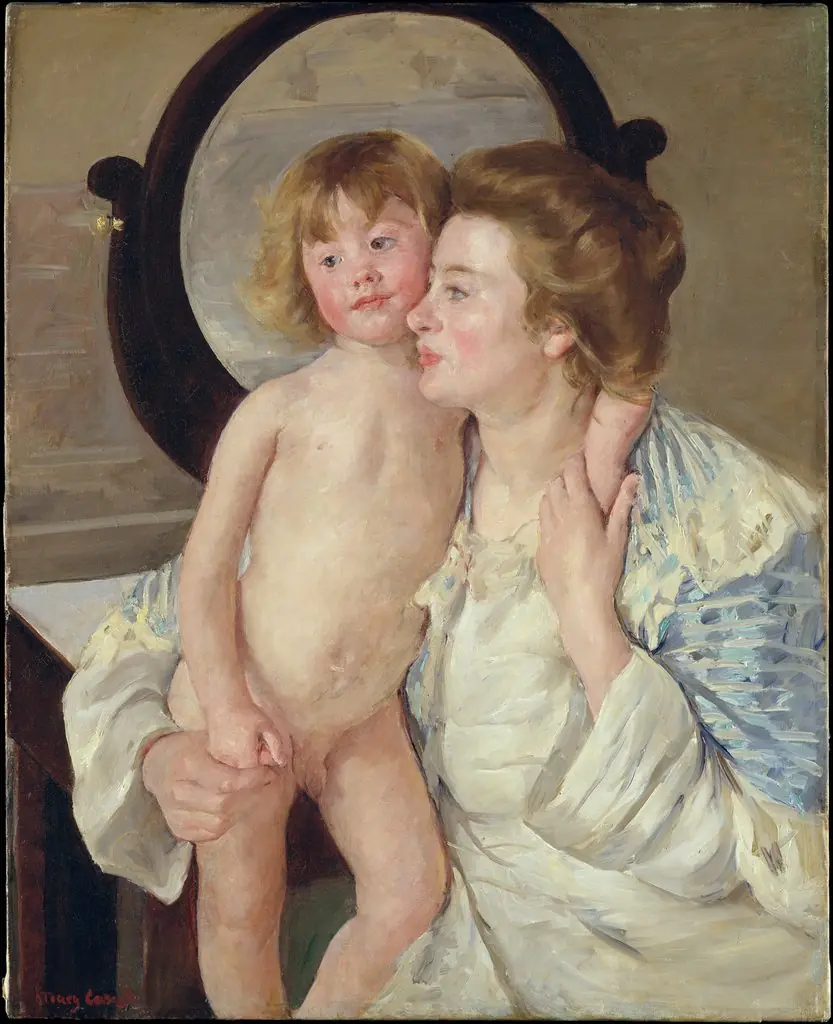 Mother and Child (The Oval Mirror)
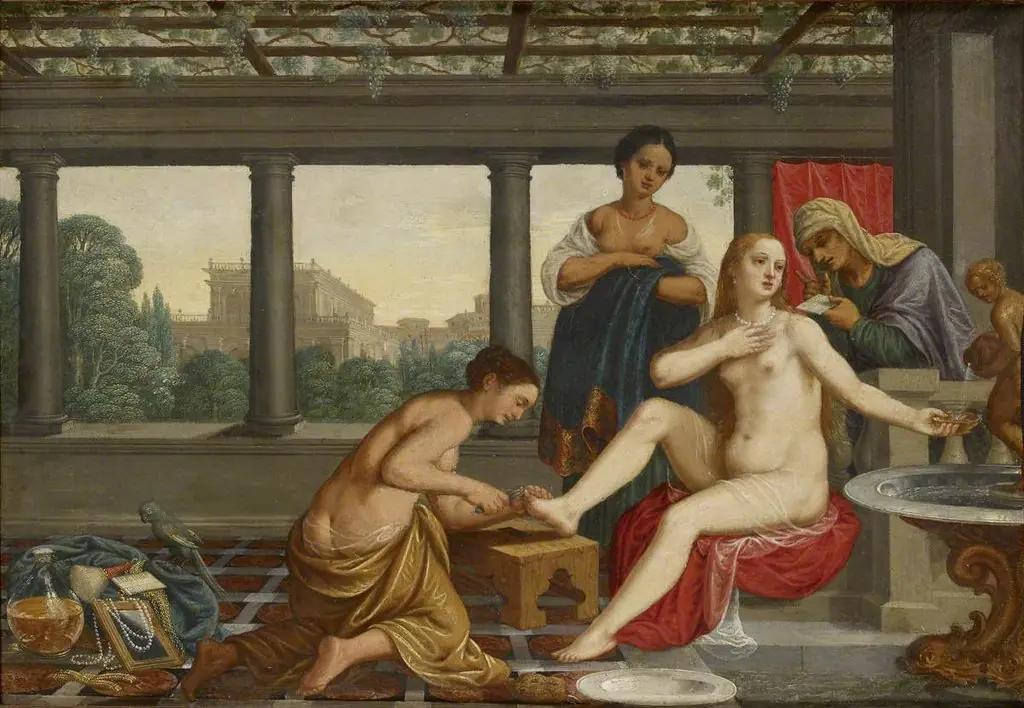 Bathsheba's Bath
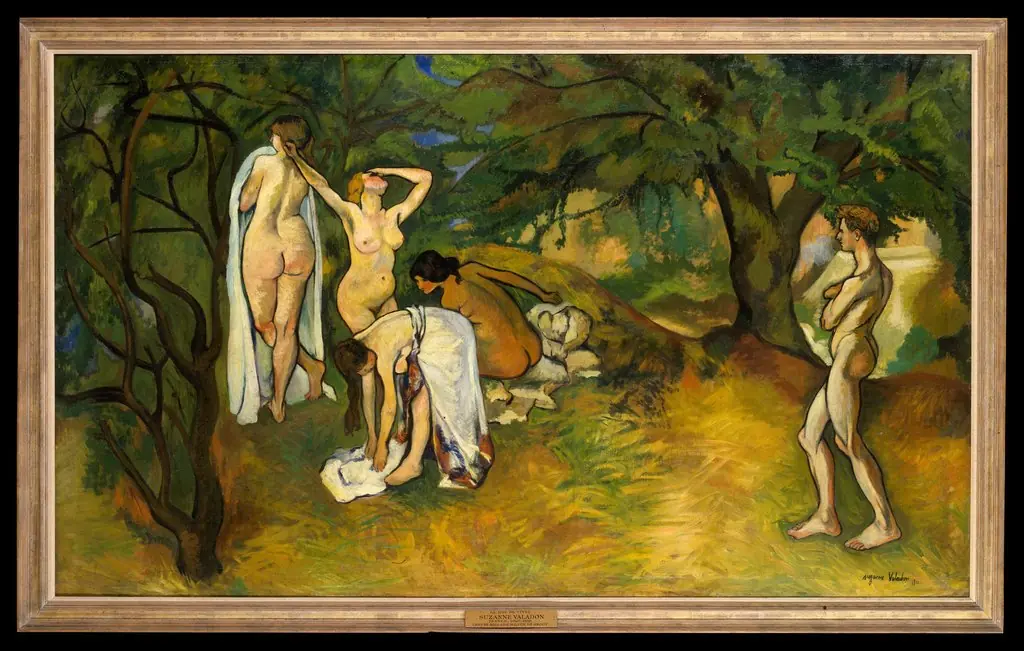 Joy of Life
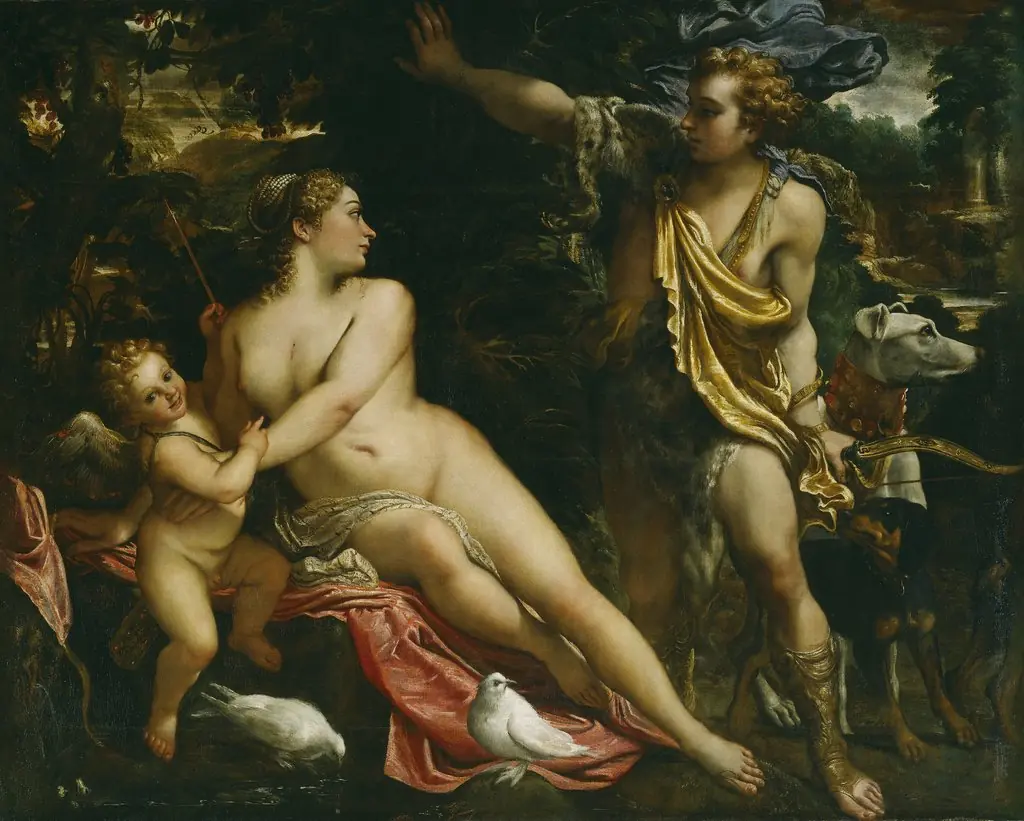 Venus, Adonis and Cupid
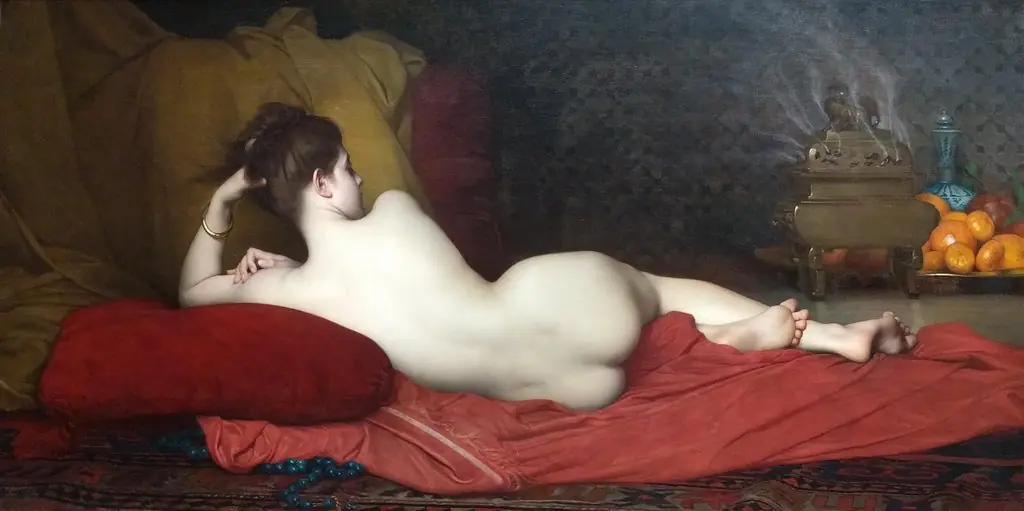 Odalisque
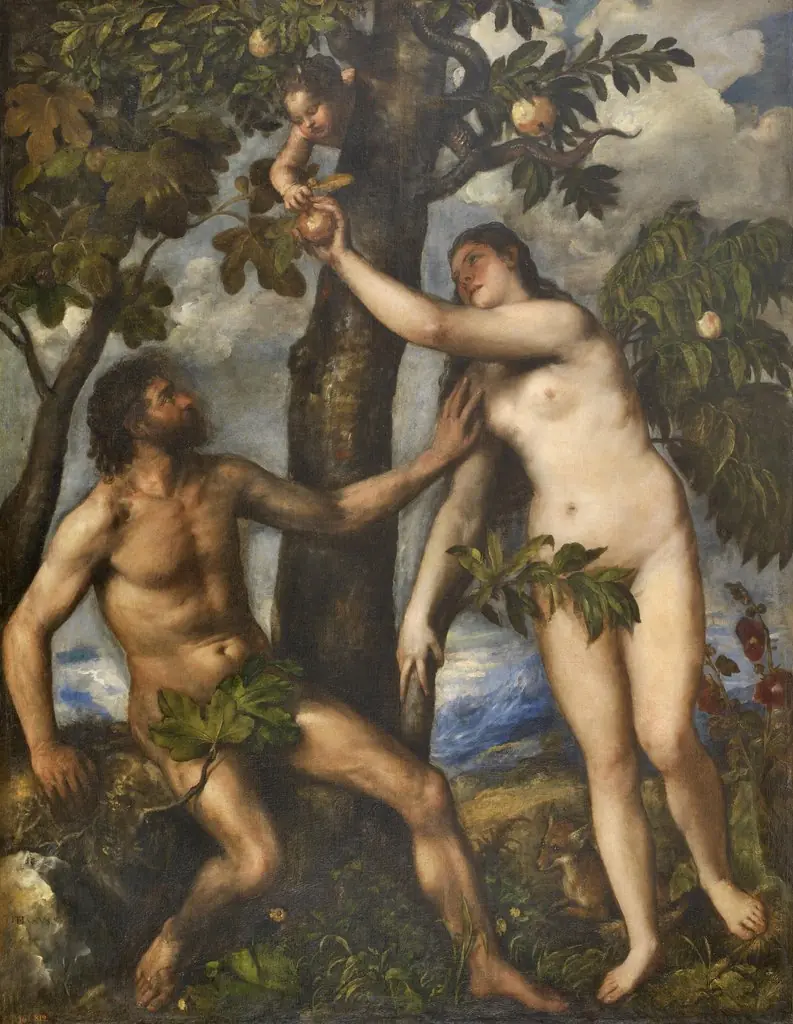 The Fall of Man
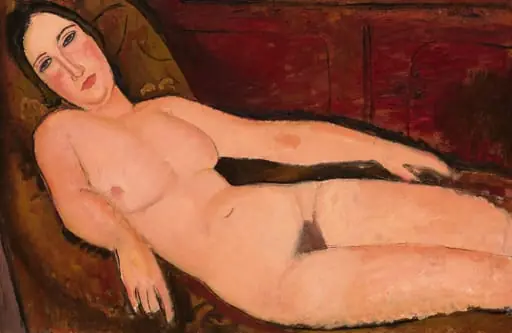 Nude on a Divan
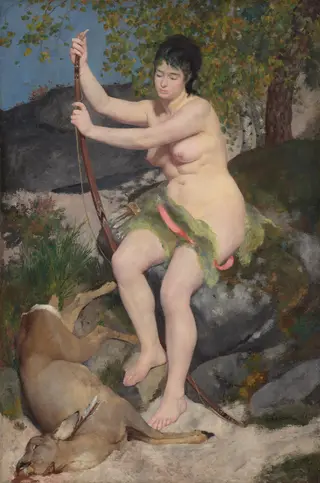 Diana
Diana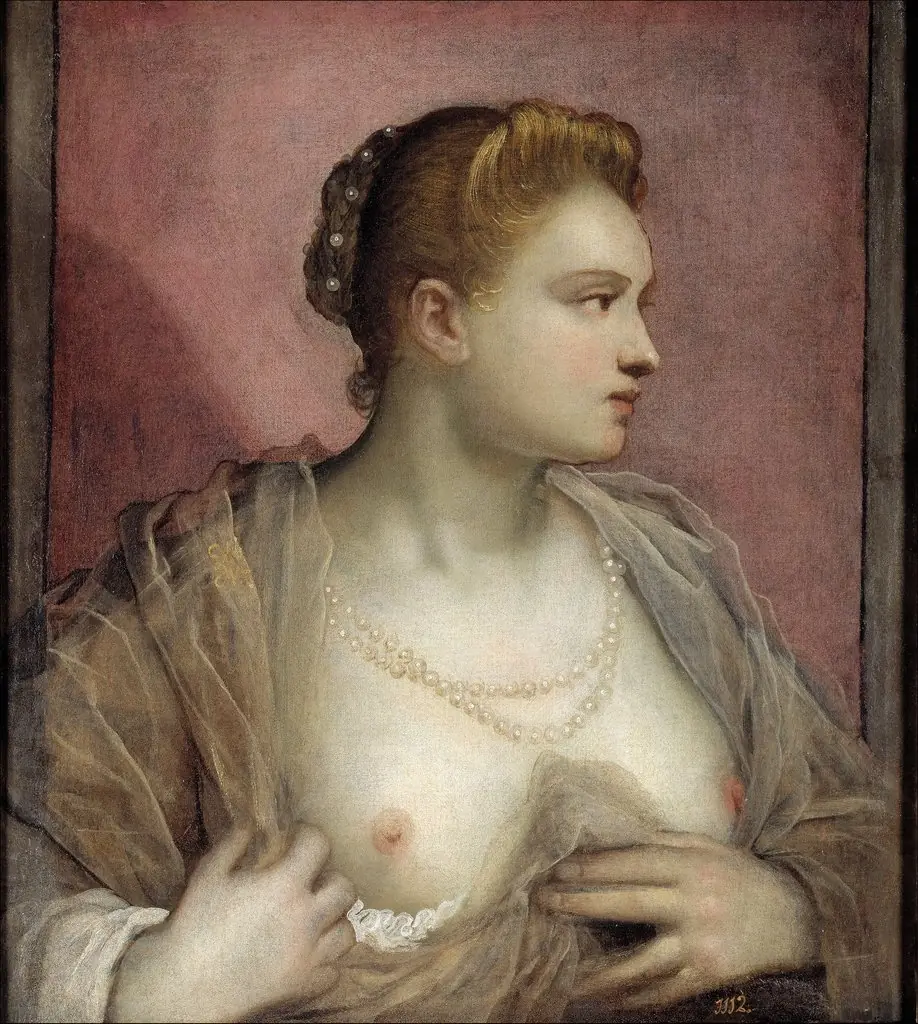 Portrait of a Bare-Breasted Woman
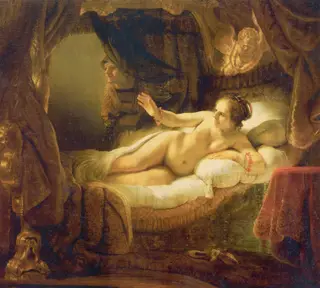 Danaë
Danaë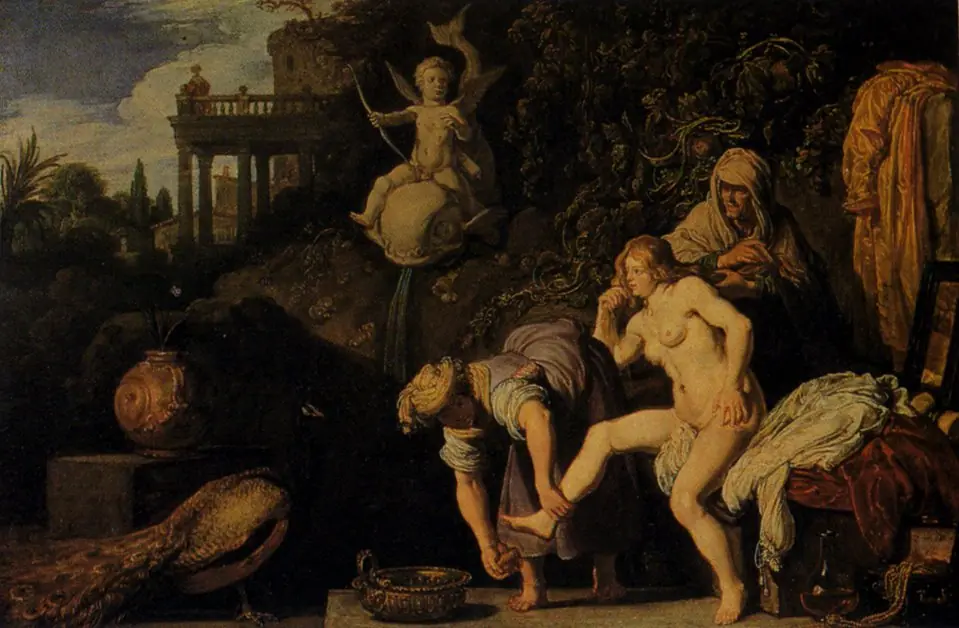 Bathsheba at her Toilette
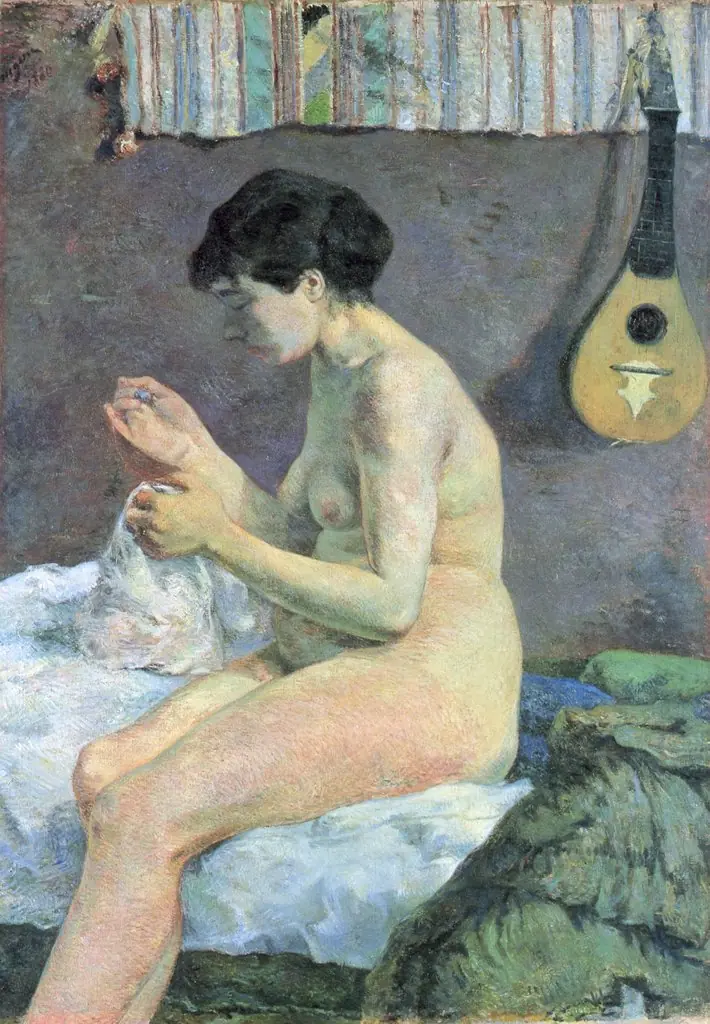 Study of a Nude
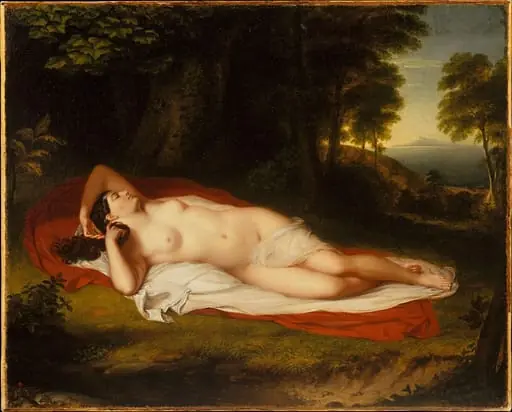 Ariadne
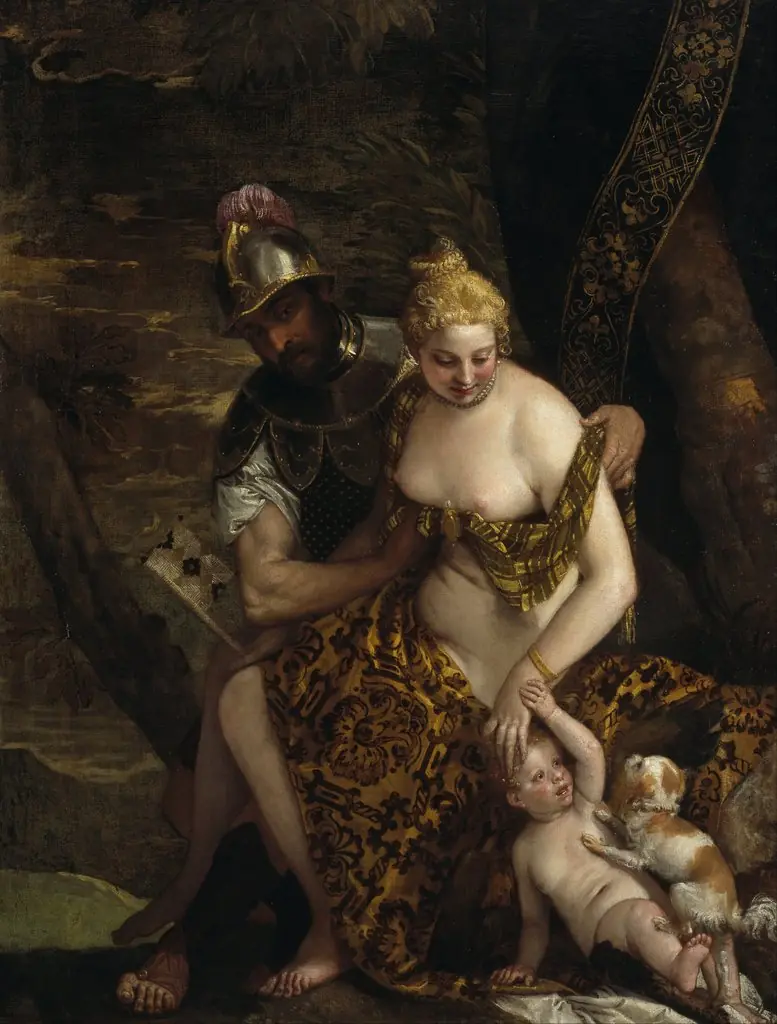 Mars and Venus with Cupid and a Dog
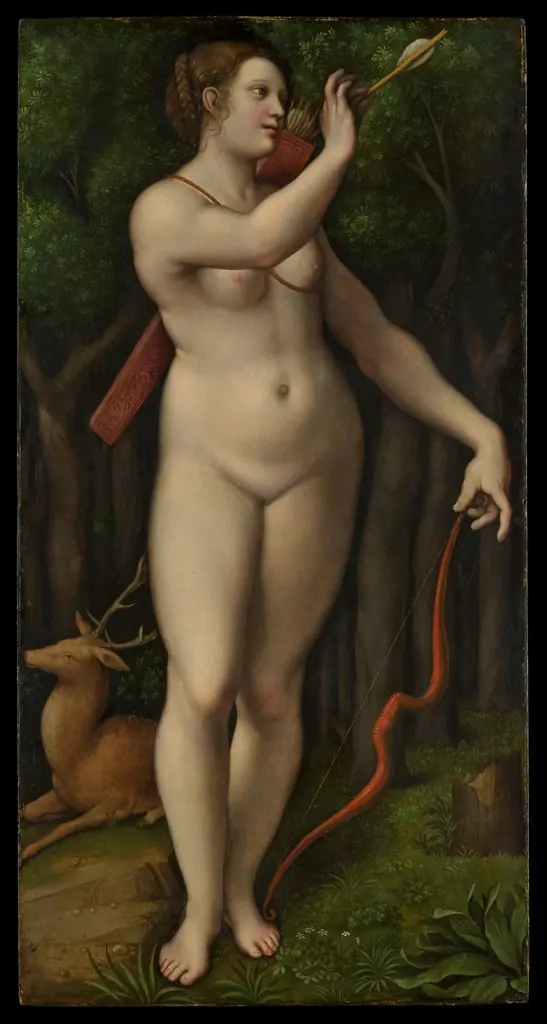 Diana the Huntress
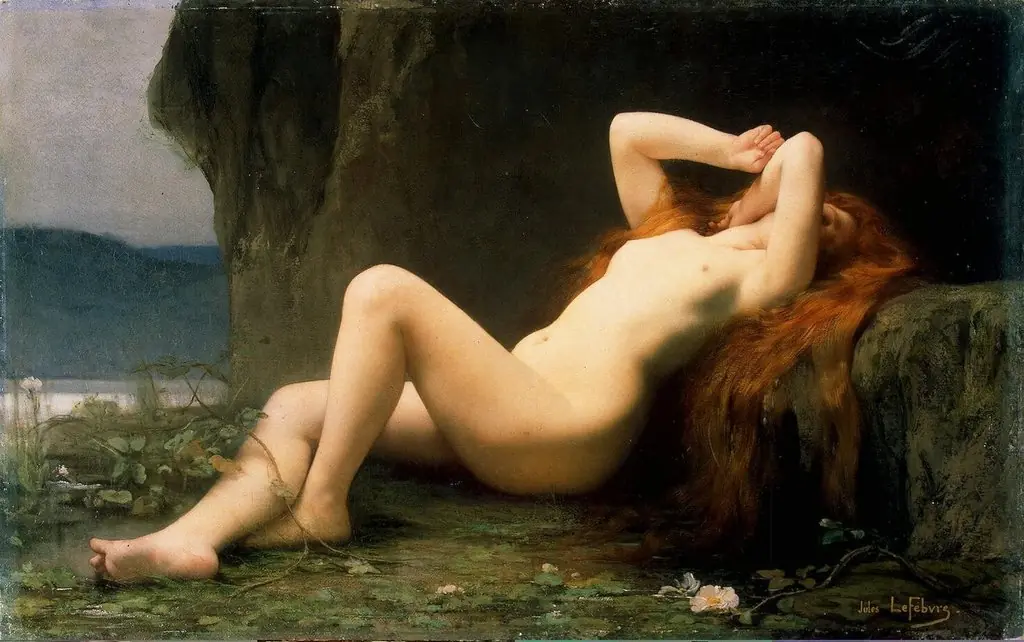 Mary Magdalene in a Grotto
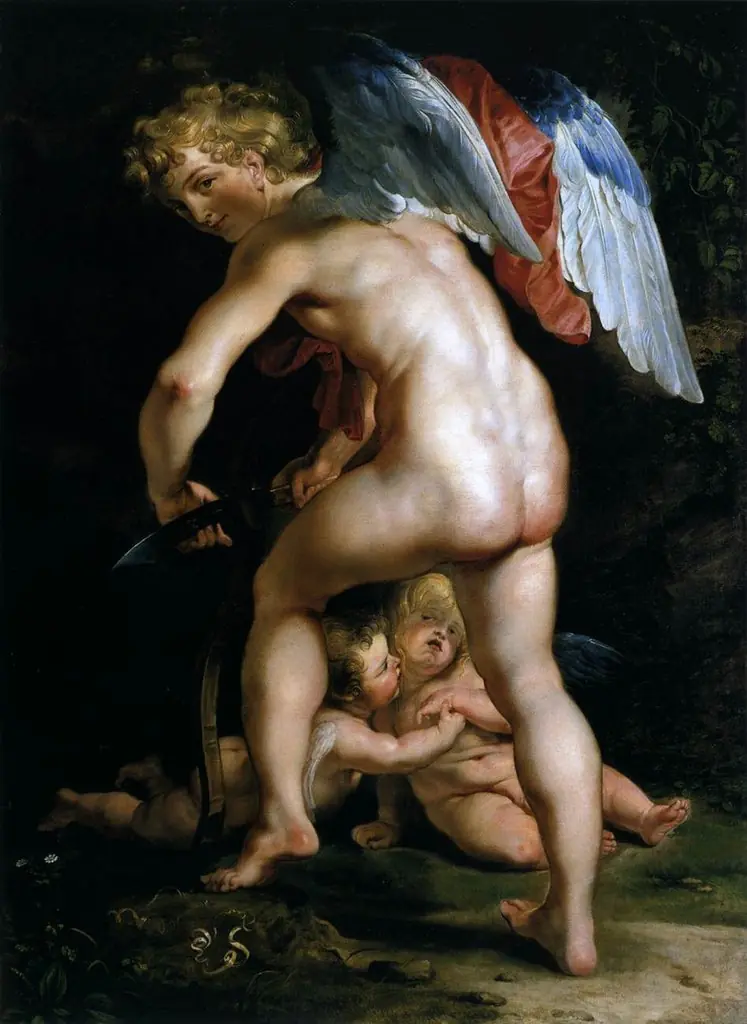 Cupid (Eros) Carves the Bow
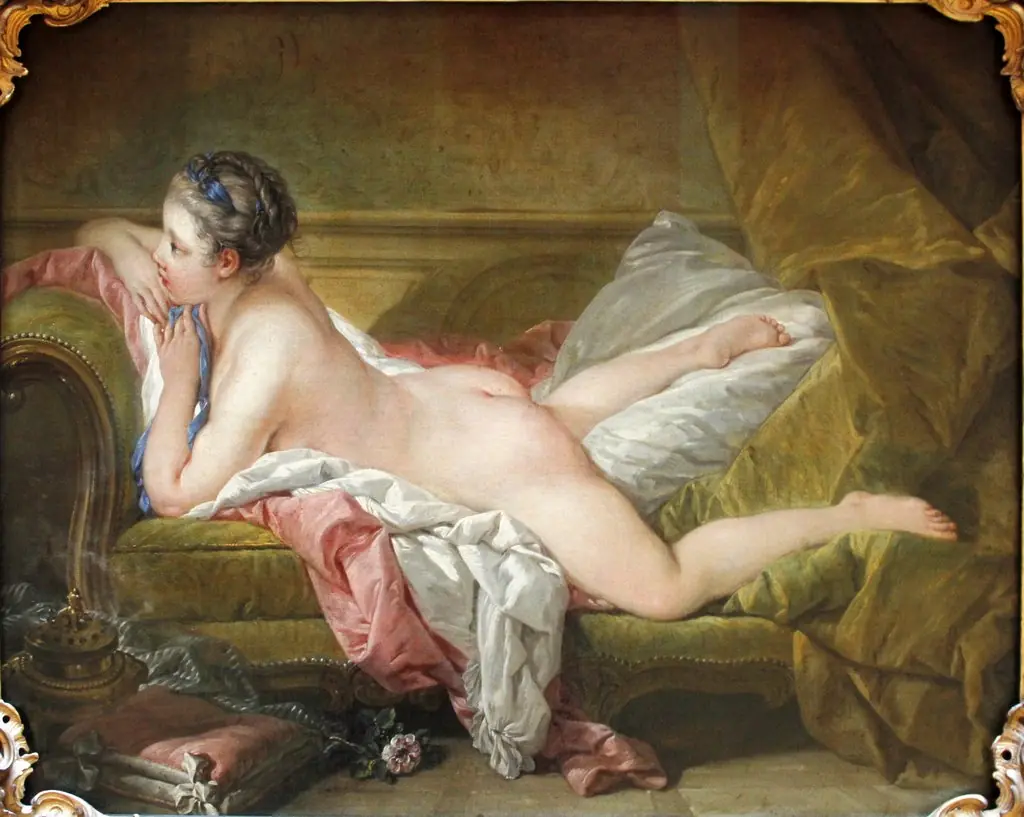 Reclining Girl
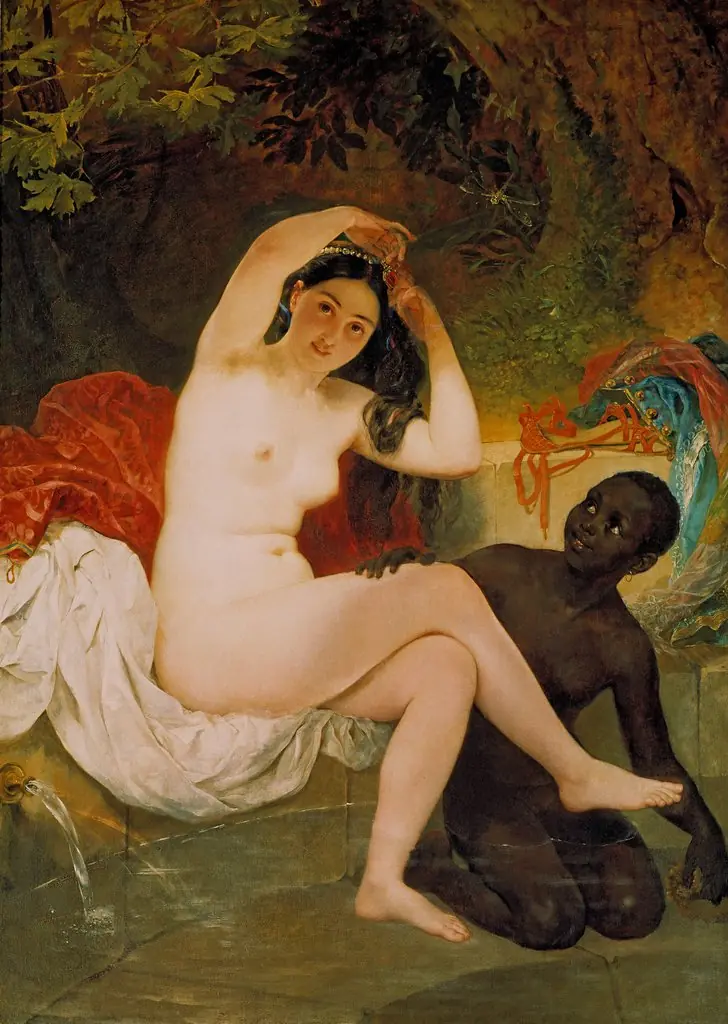 Bathsheba
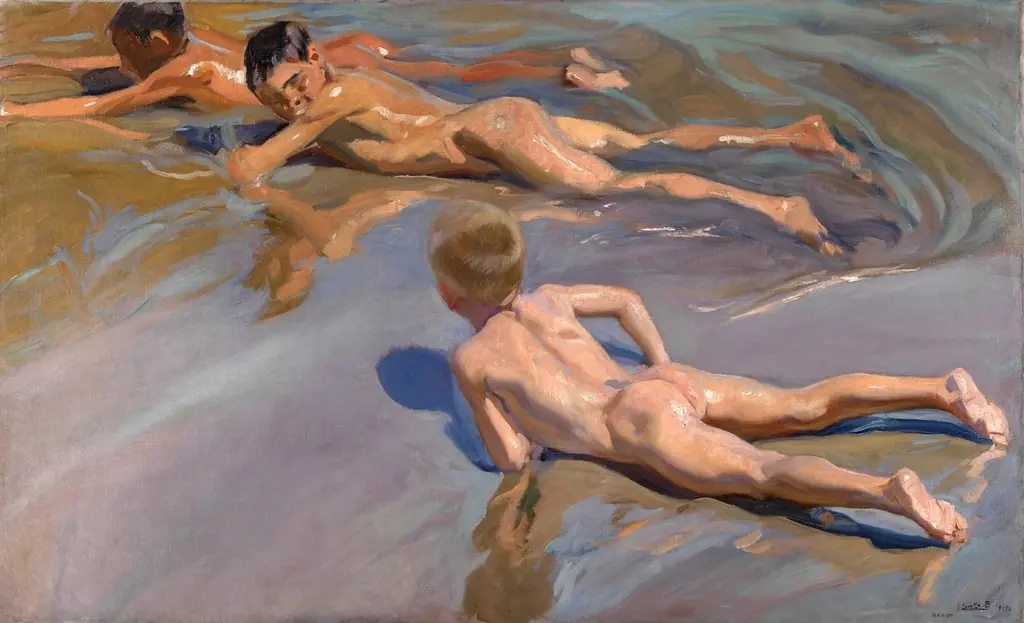 Chicos en la playa
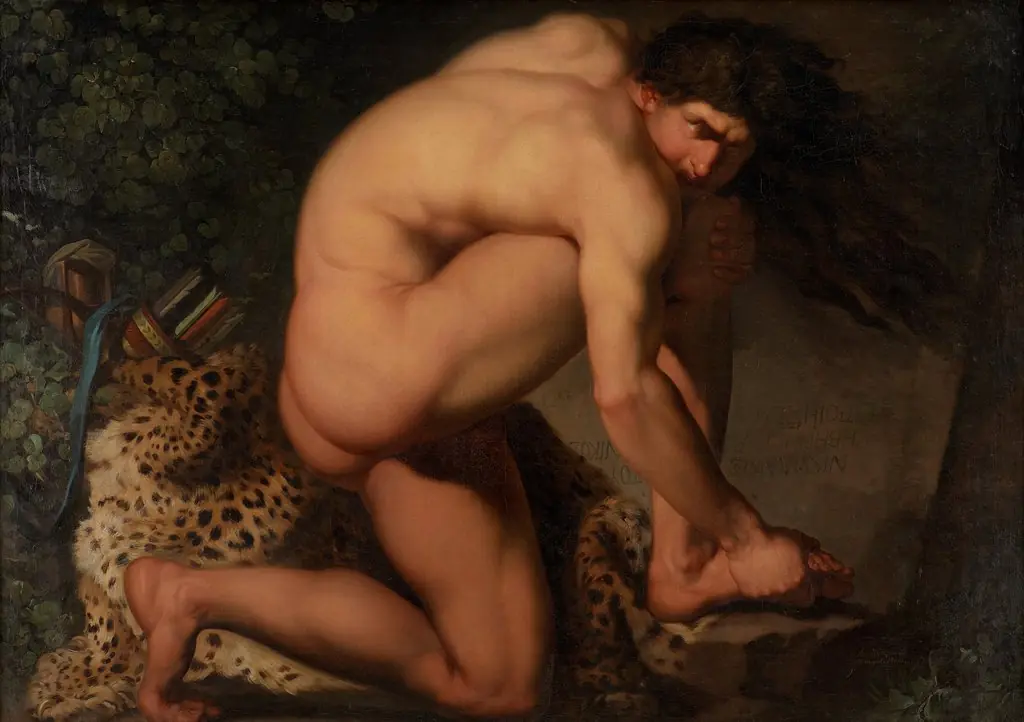 The Wounded Philoctetes
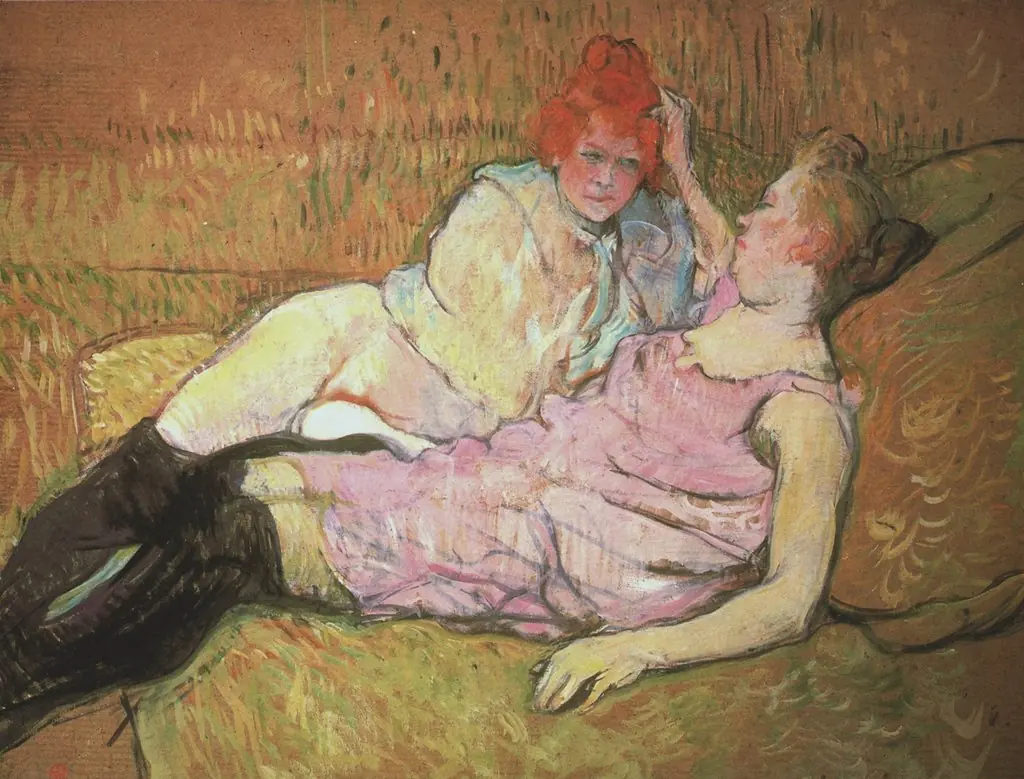 The Sofa
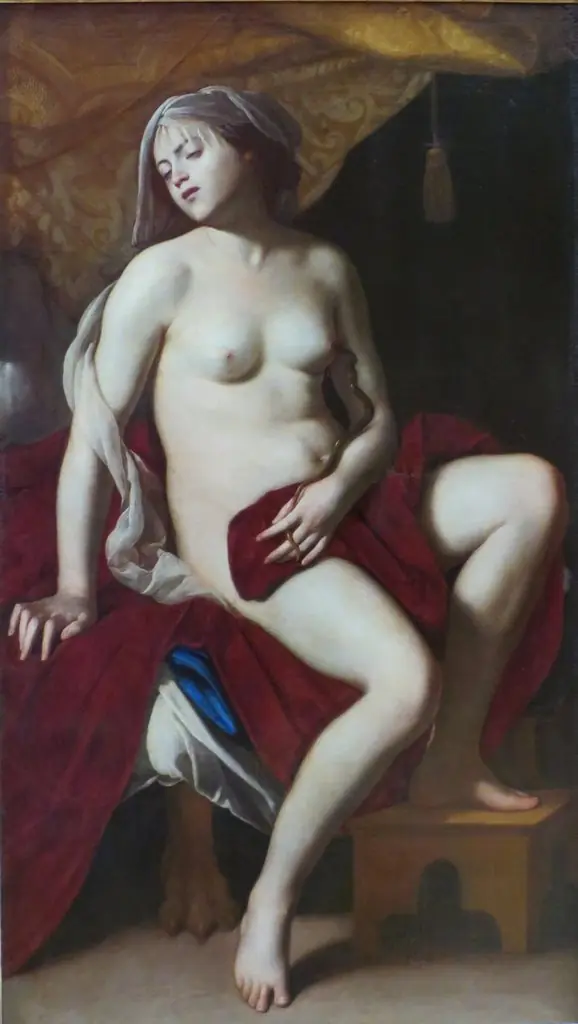 The Death of Cleopatra
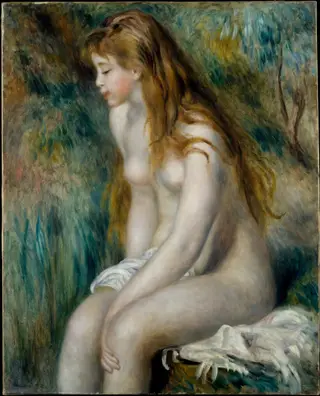 Young Girl Bathing
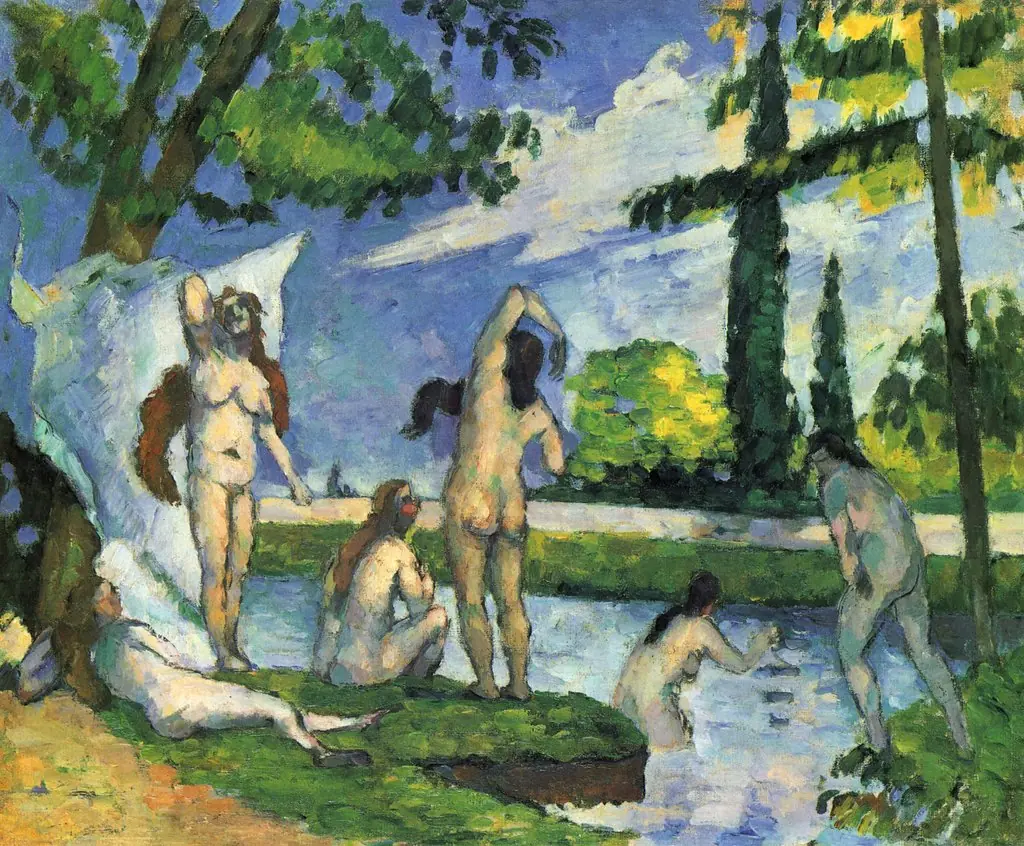 Baigneuses (Bathers)
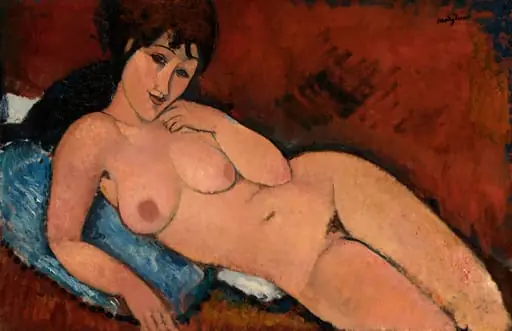 Nude on a Blue Cushion
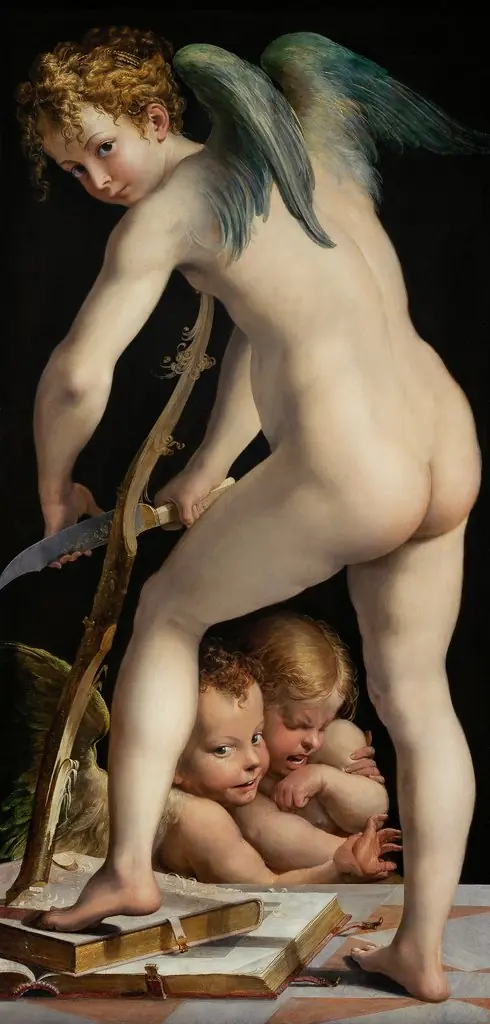 Cupid Making His Arch
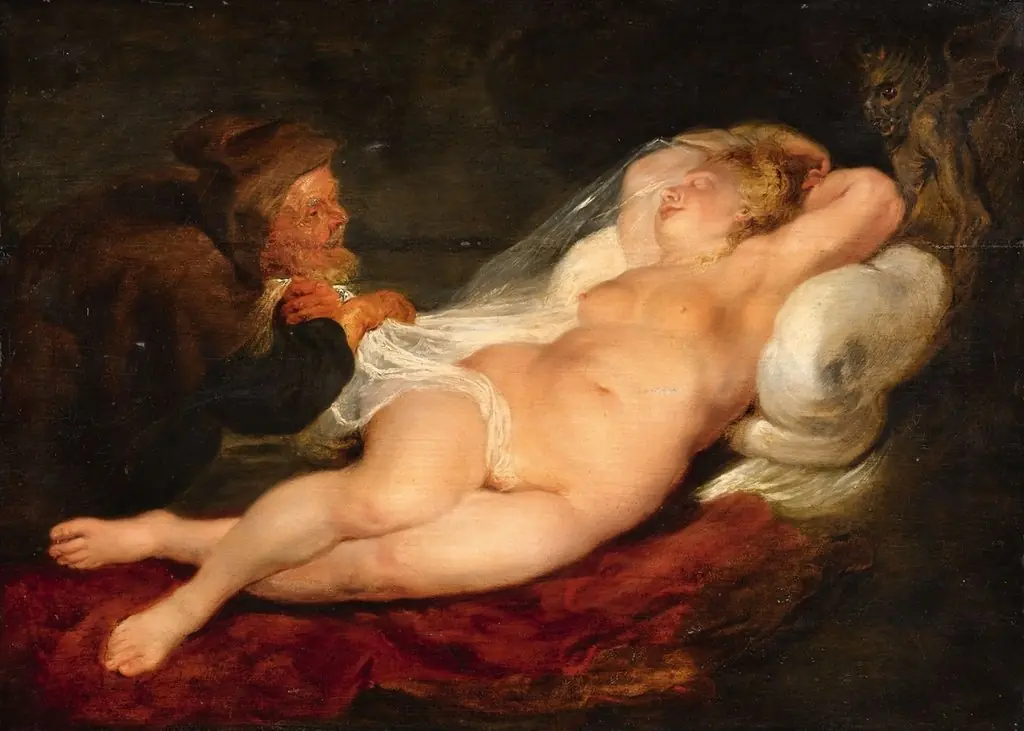 Angelica and the Hermit
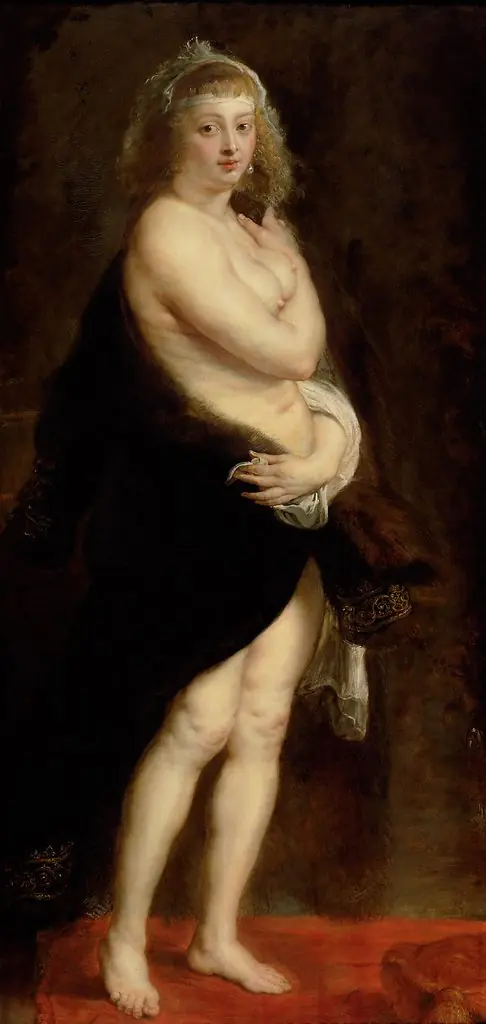 Helena Fourment in a Fur Robe
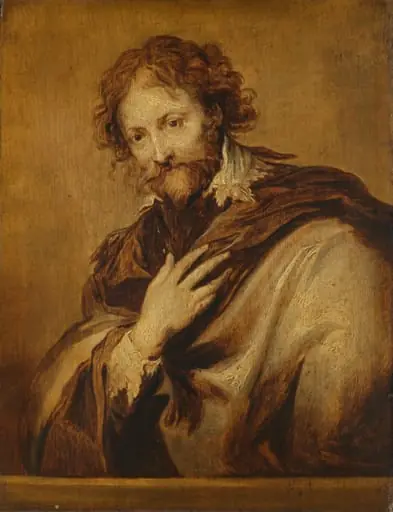 Portrait of Peter Paul Rubens (1577-1640)
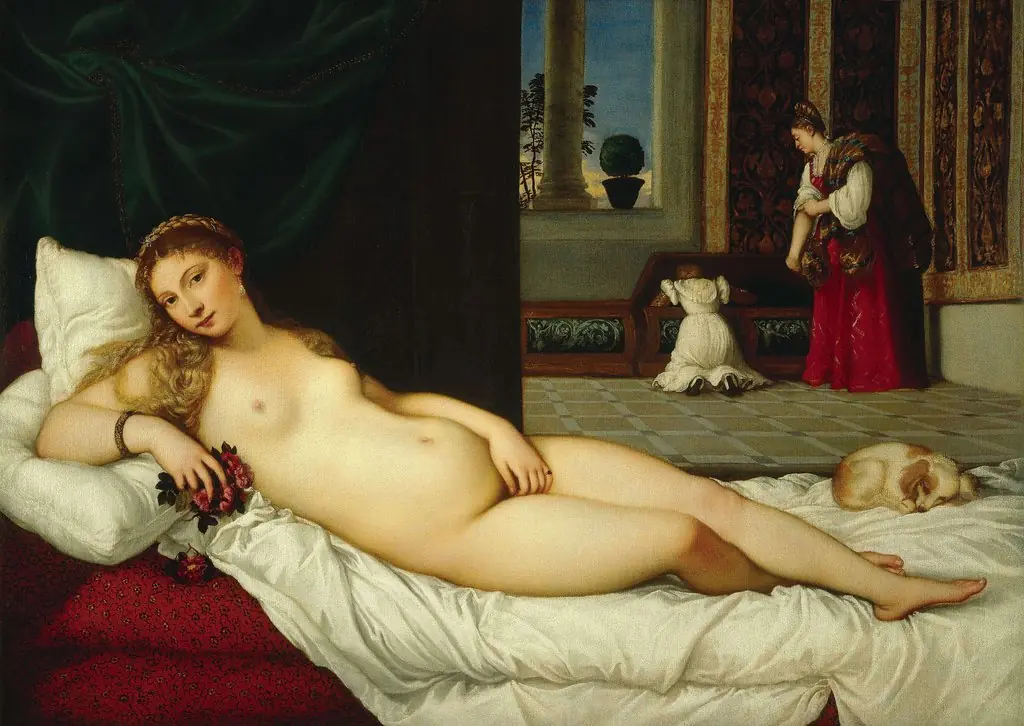 Venus of Urbino
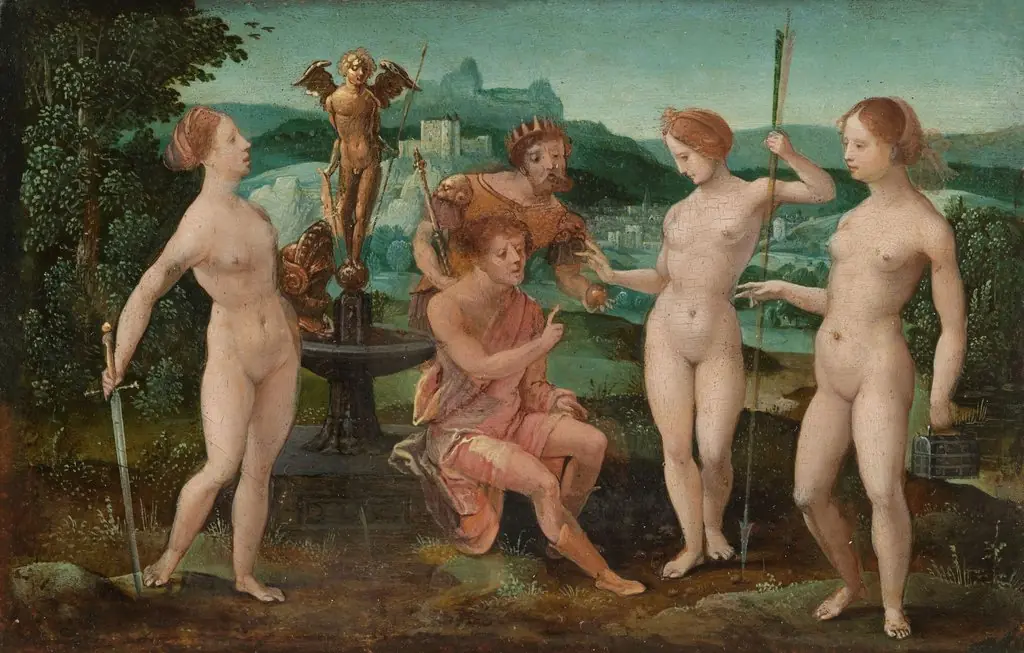 The judgement of Paris
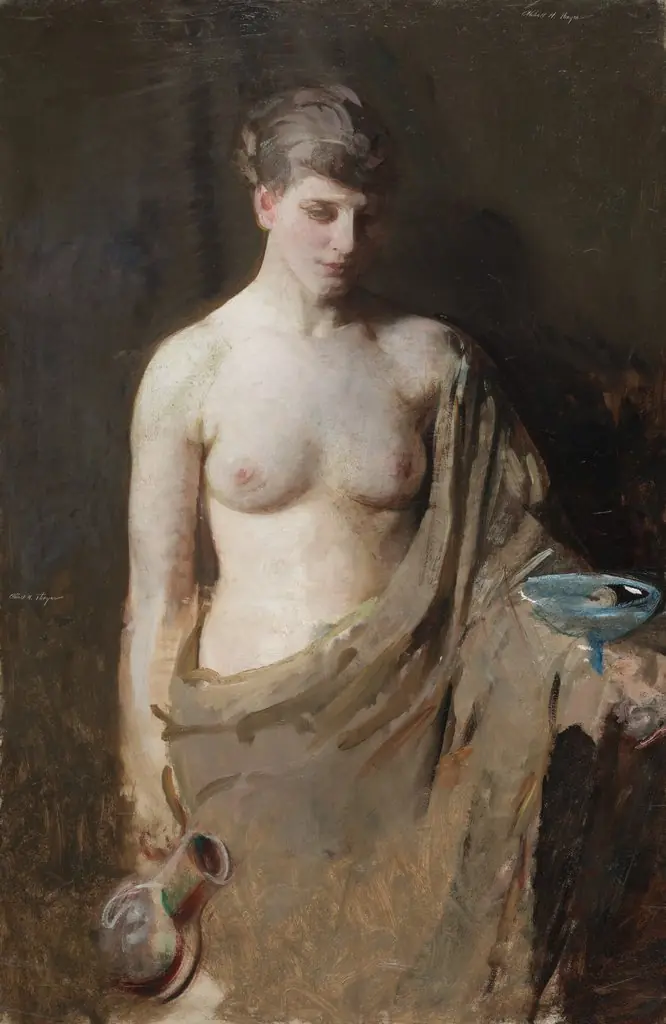 Hebe
Hebe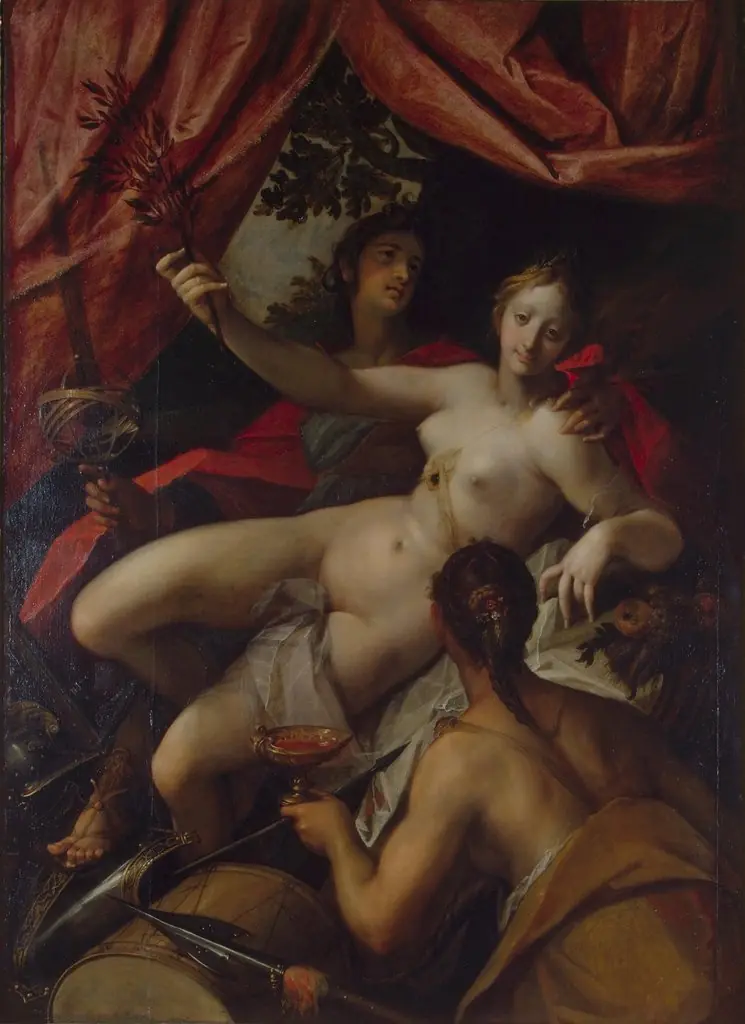 Allegory of Peace and Abundance
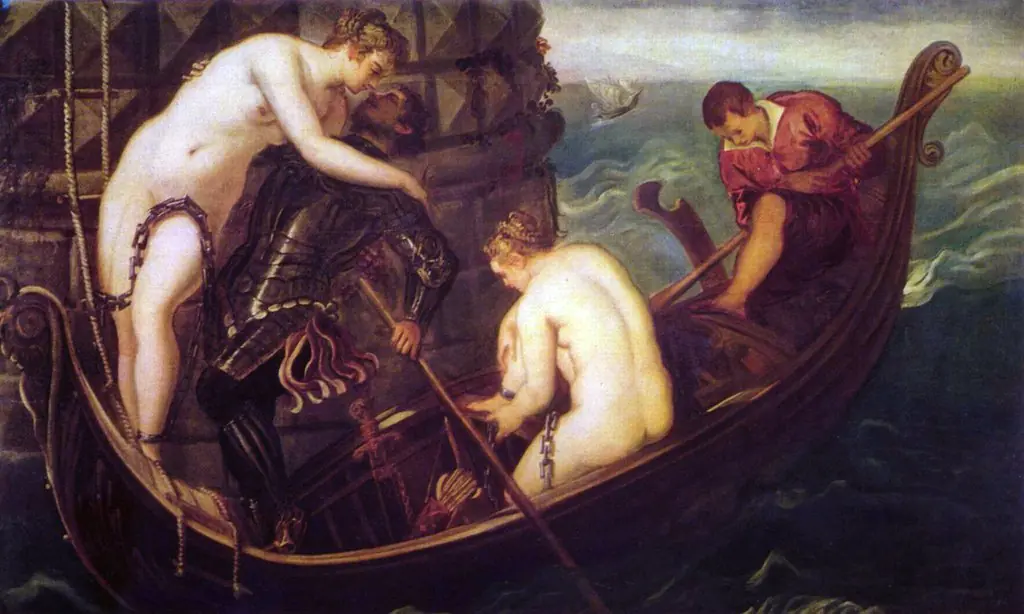 The Deliverance of Arsinoe
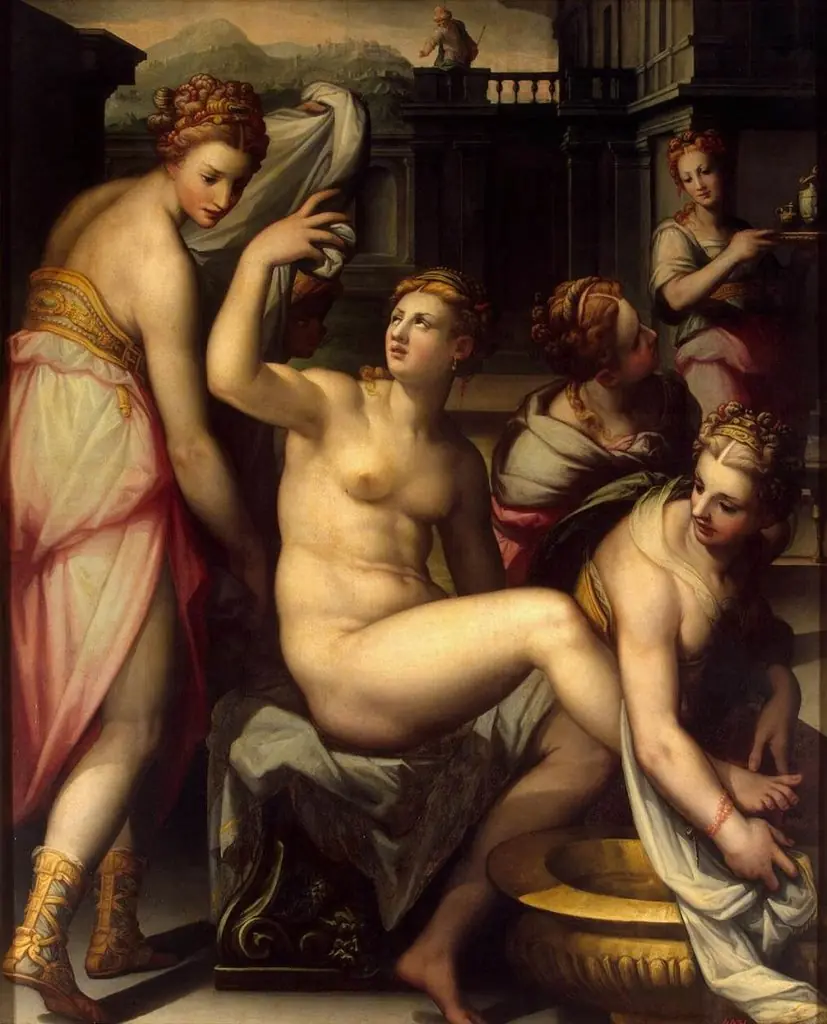 Bathsheba
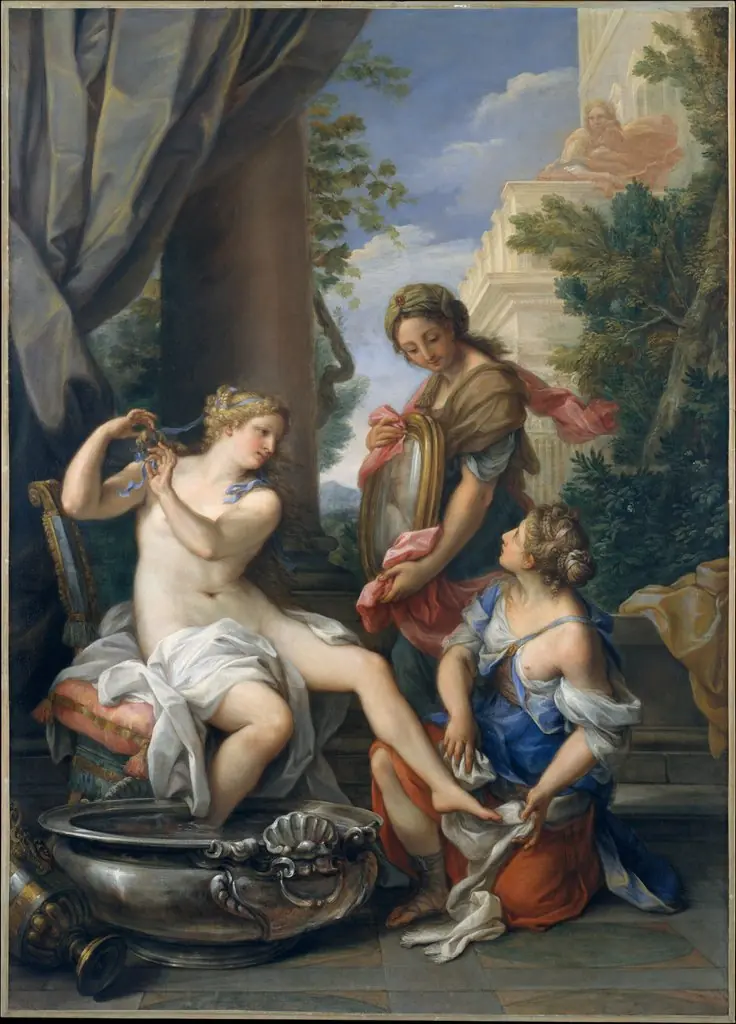 Bathsheba at Her Bath
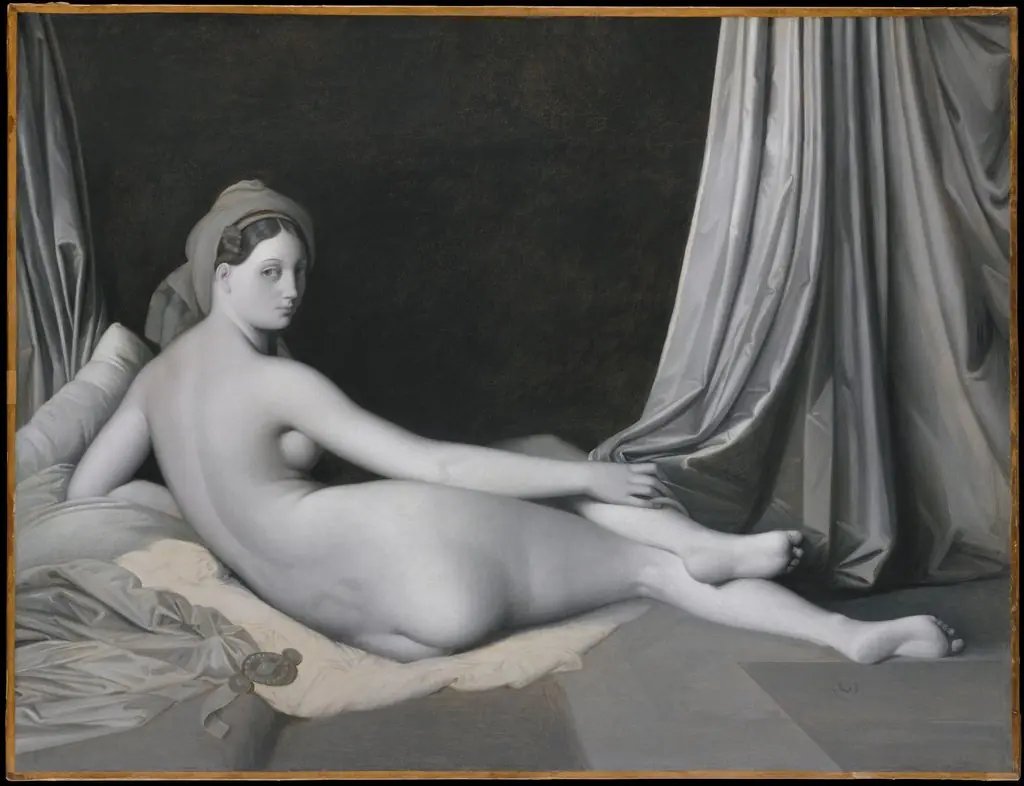 Odalisque in Grisaille
 Seated Nude
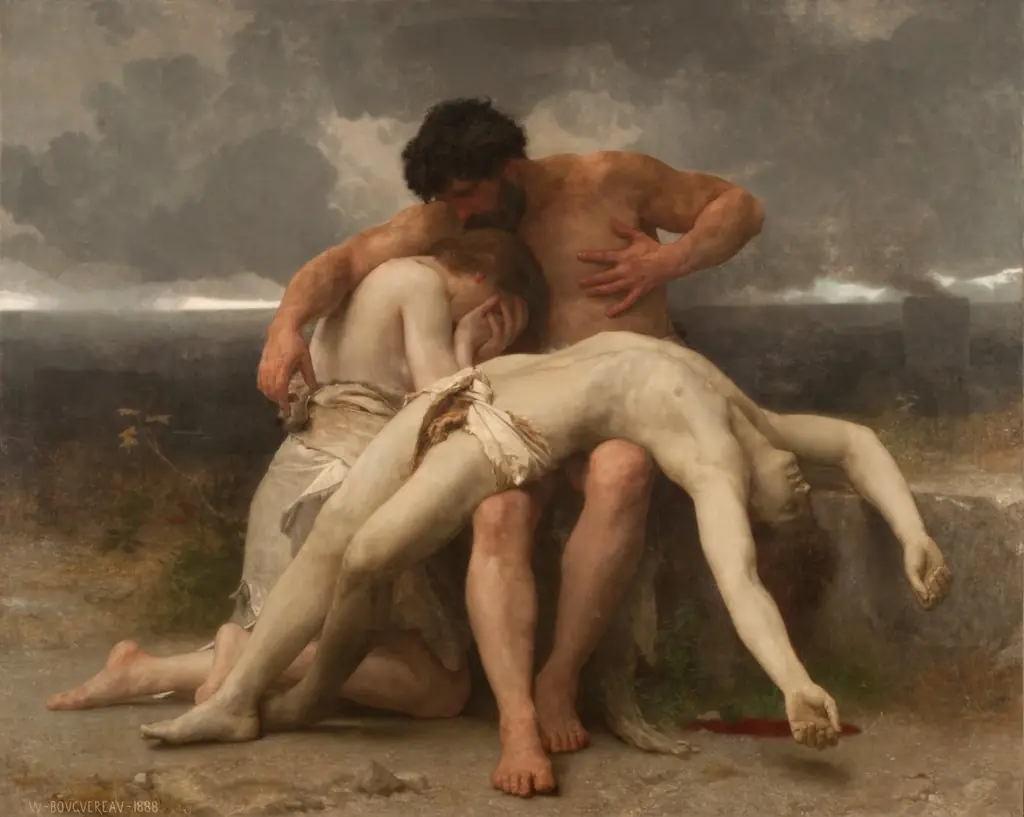 The First Mourning
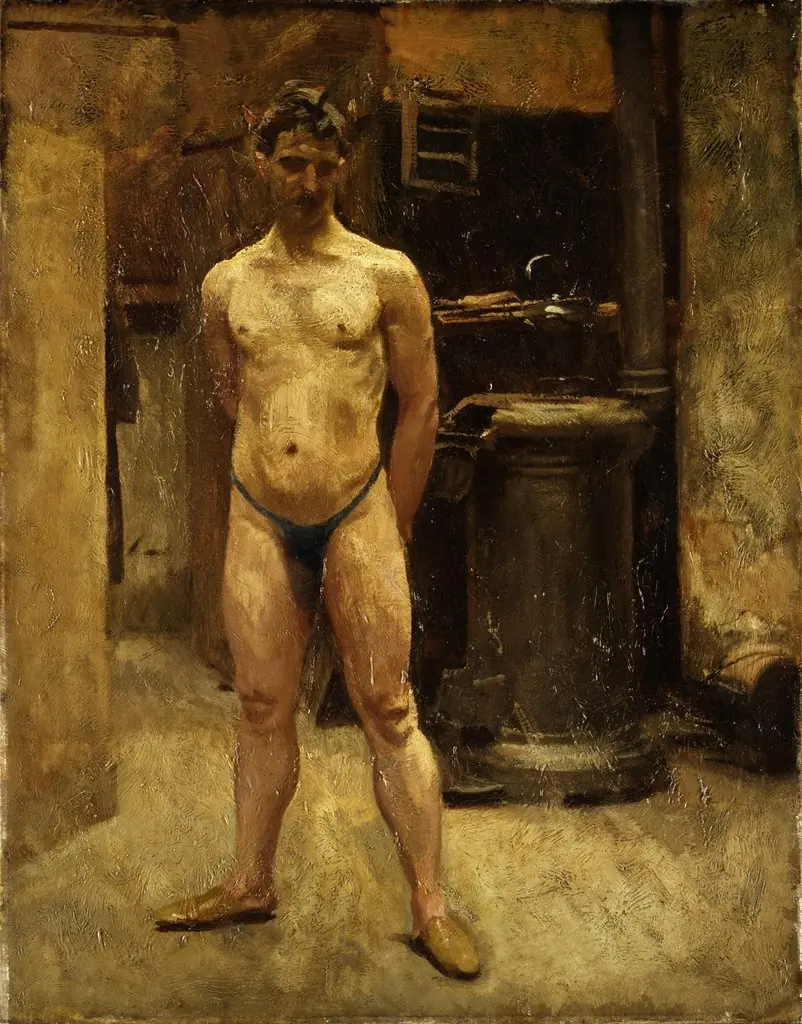 A Male Model Standing before a Stove
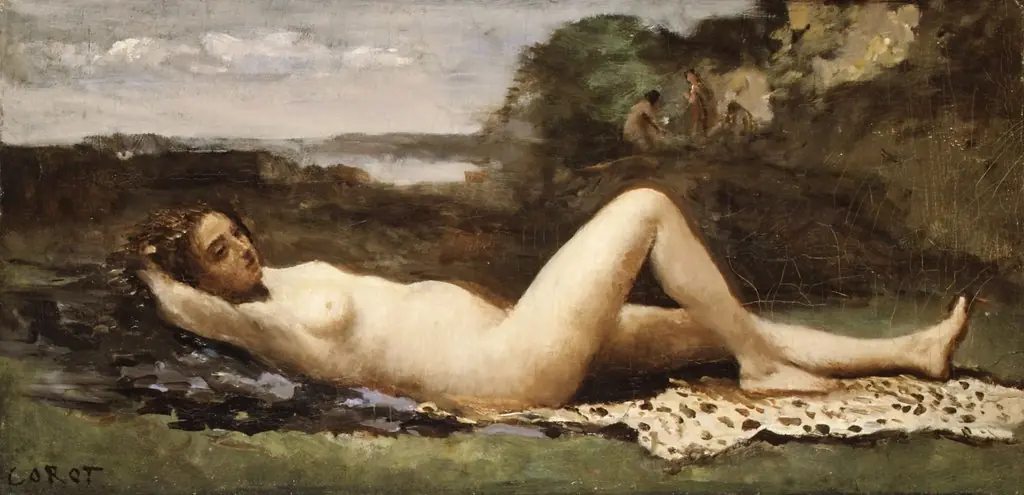 Bacchante in a Landscape
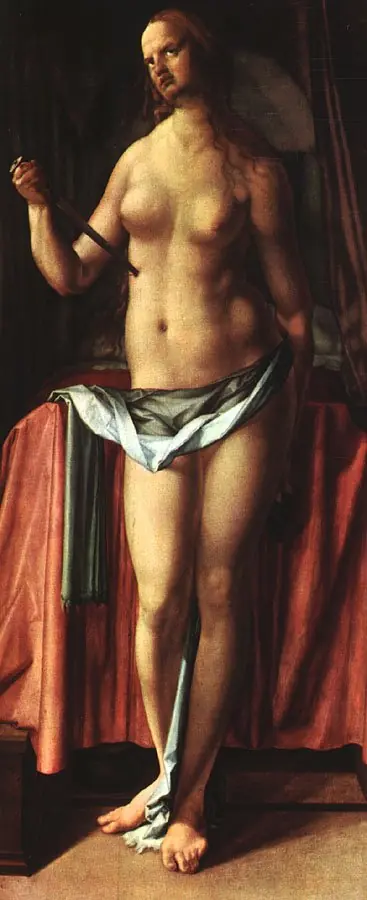 The Suicide of Lucretia
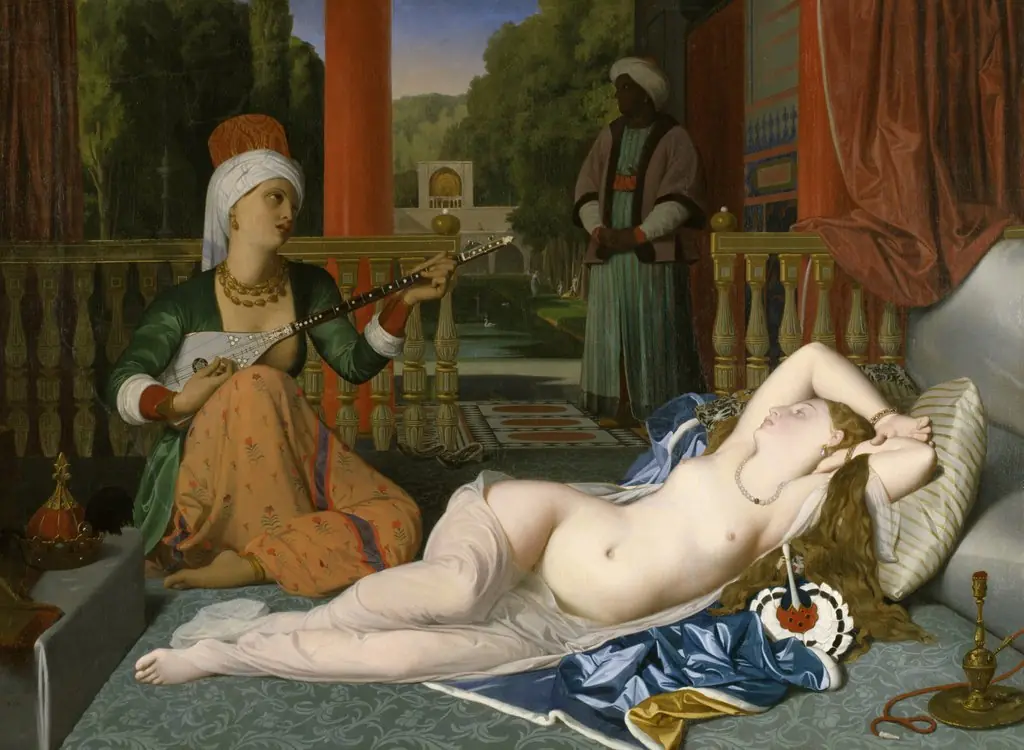 Odalisque with Slave
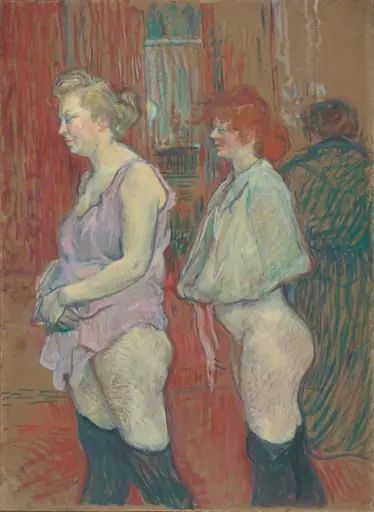 Rue des Moulins, 1894
 Pond in the Woods
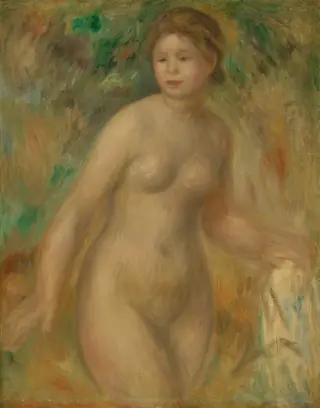 Nude
Nude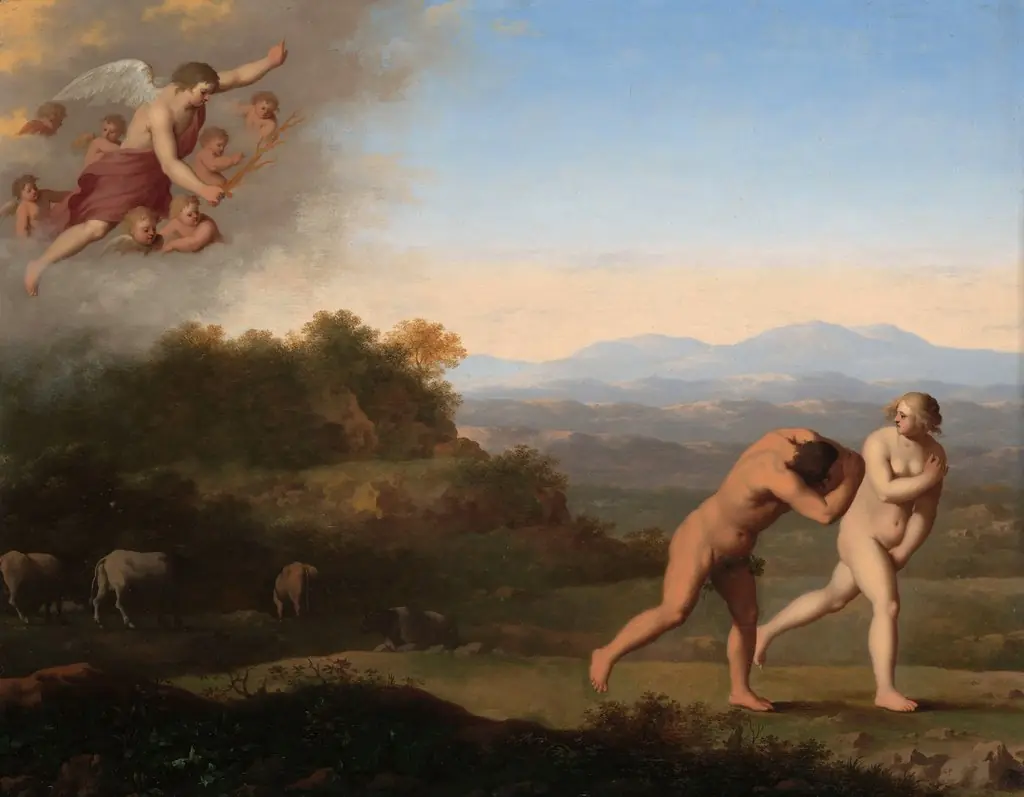 The Expulsion from Paradise
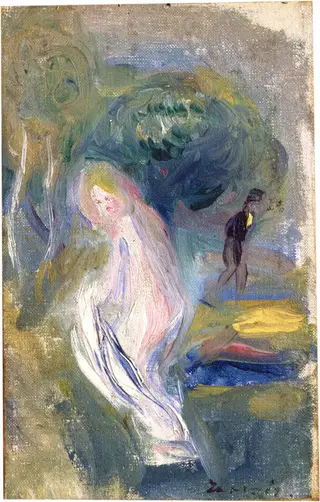 Nude with Figure in Background
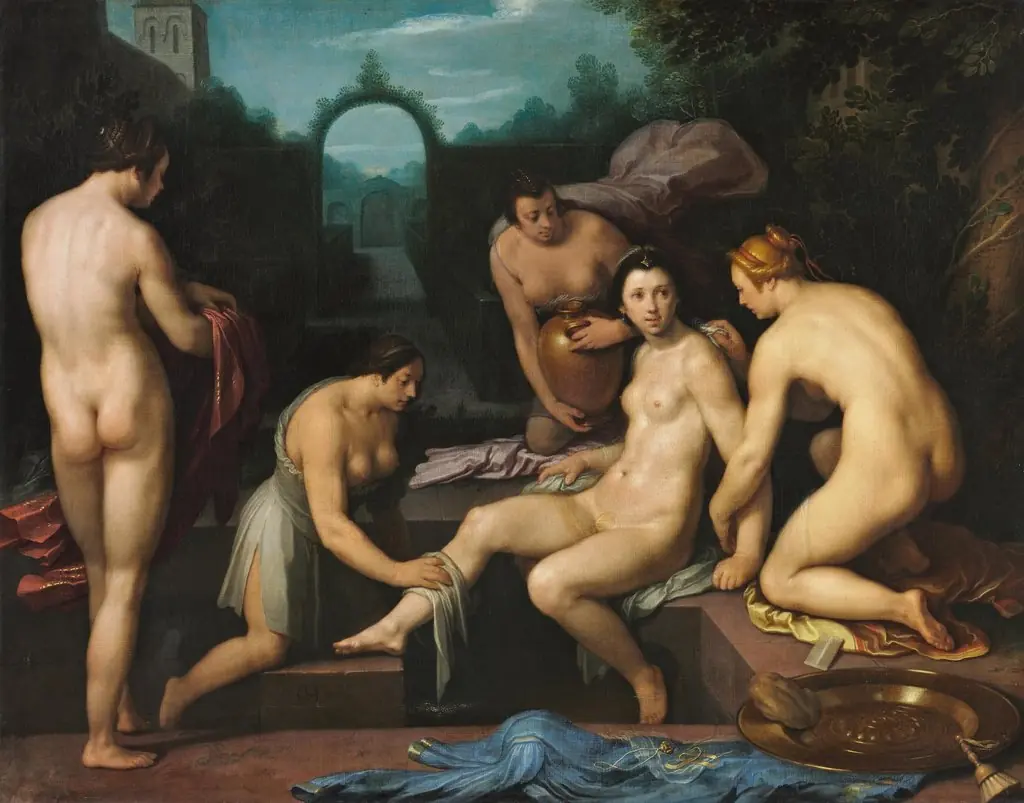 Bathsheba at her toilet
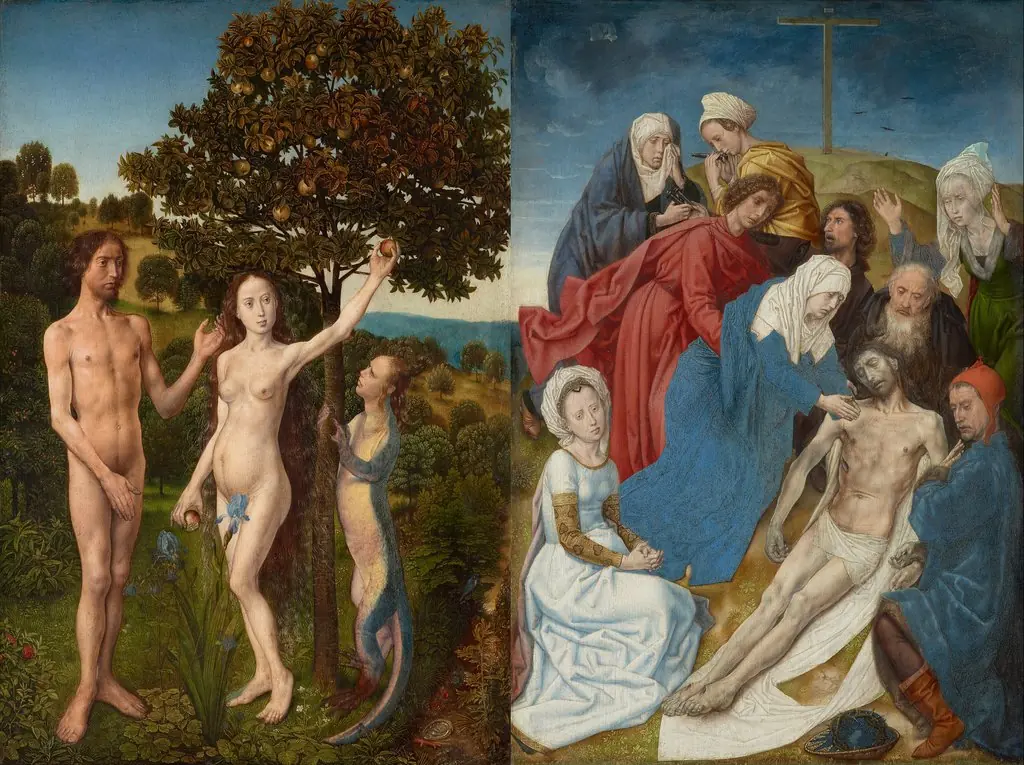 Vienna Diptych
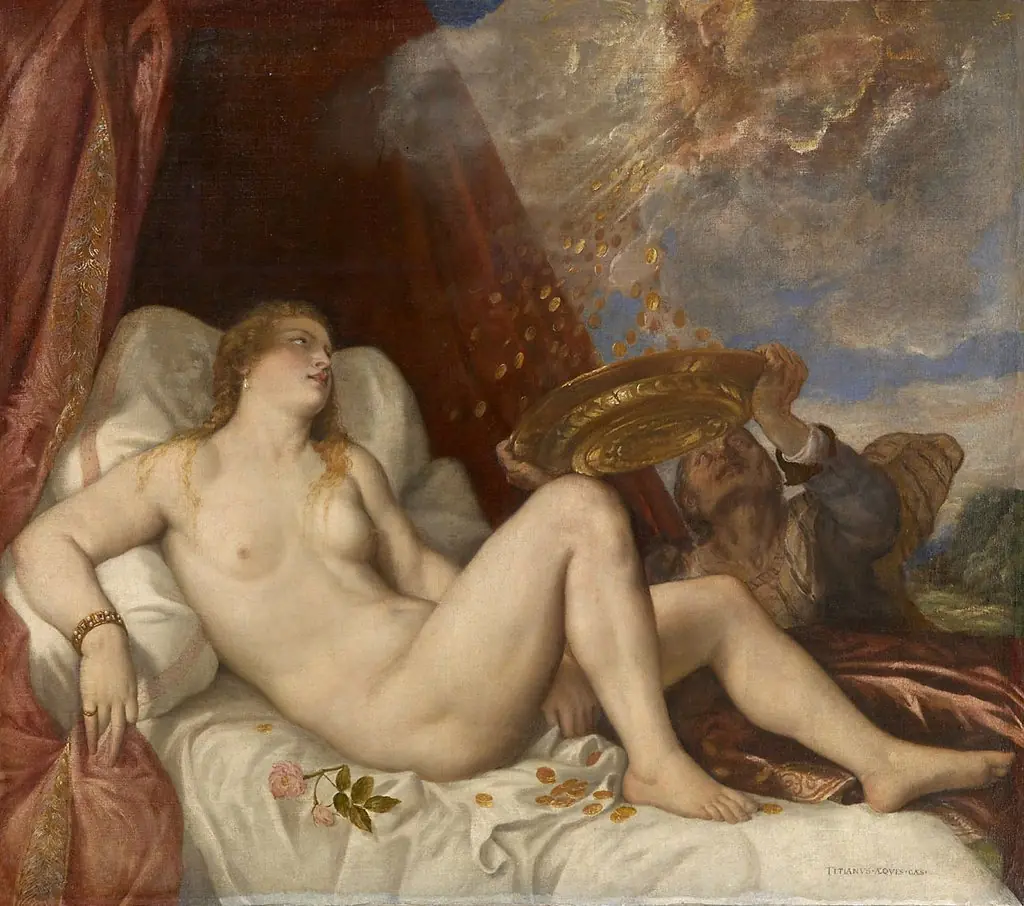 Danaë
Danaë Sleeping Lion by Night
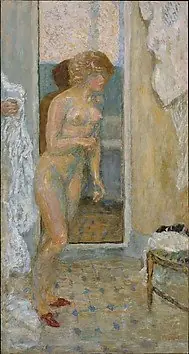 After the Bath
 Untitled
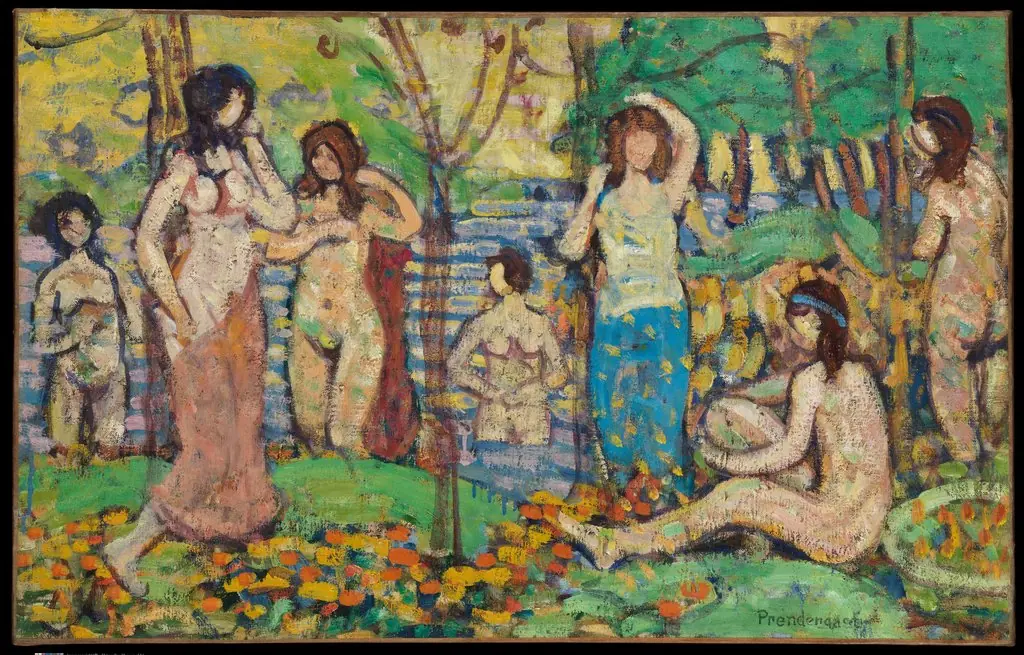 Beach No. 3
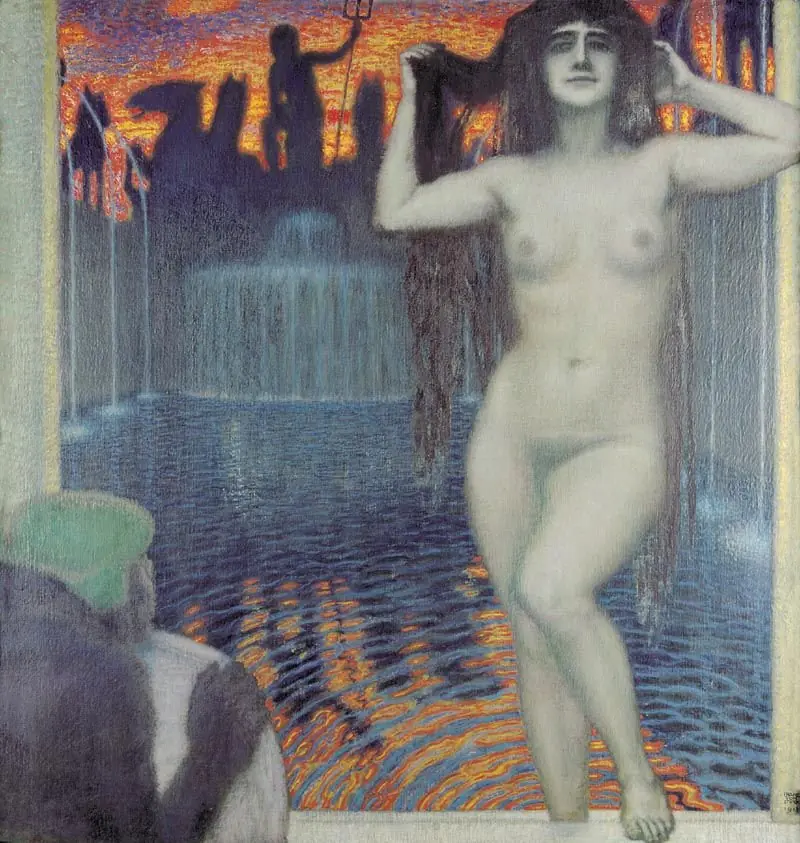 Bathsheba
 Untitled
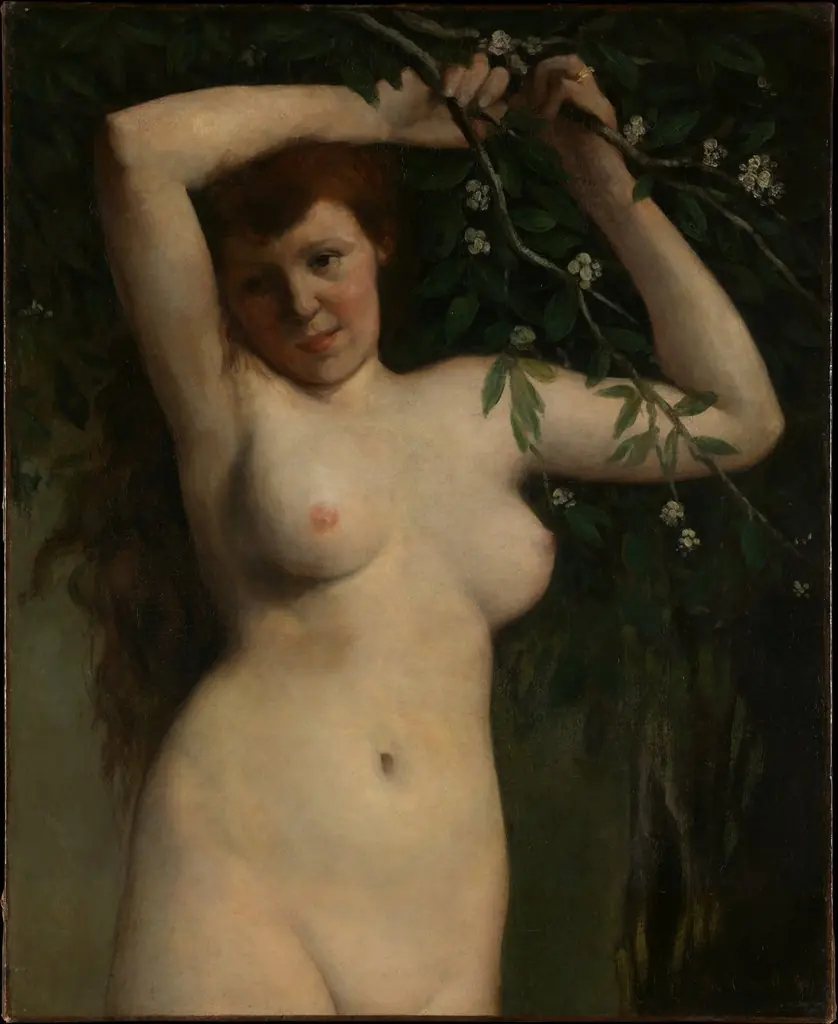 Nude with Flowering Branch
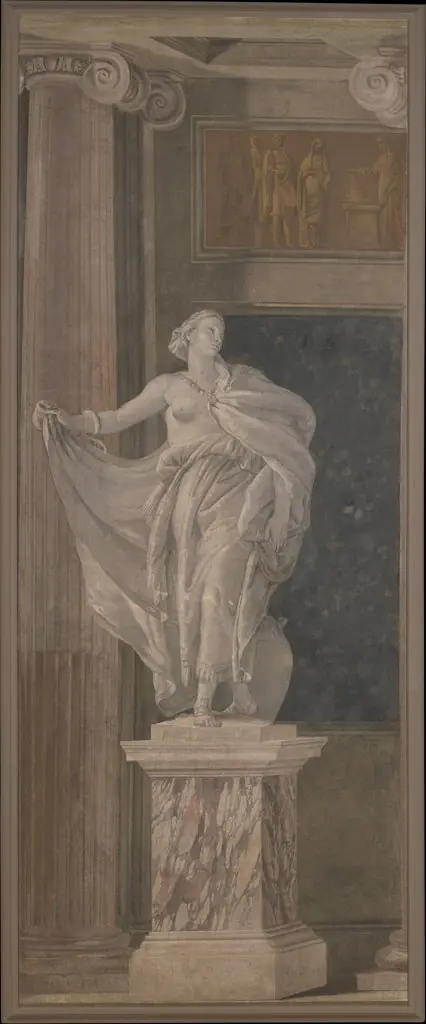 Metaphysics
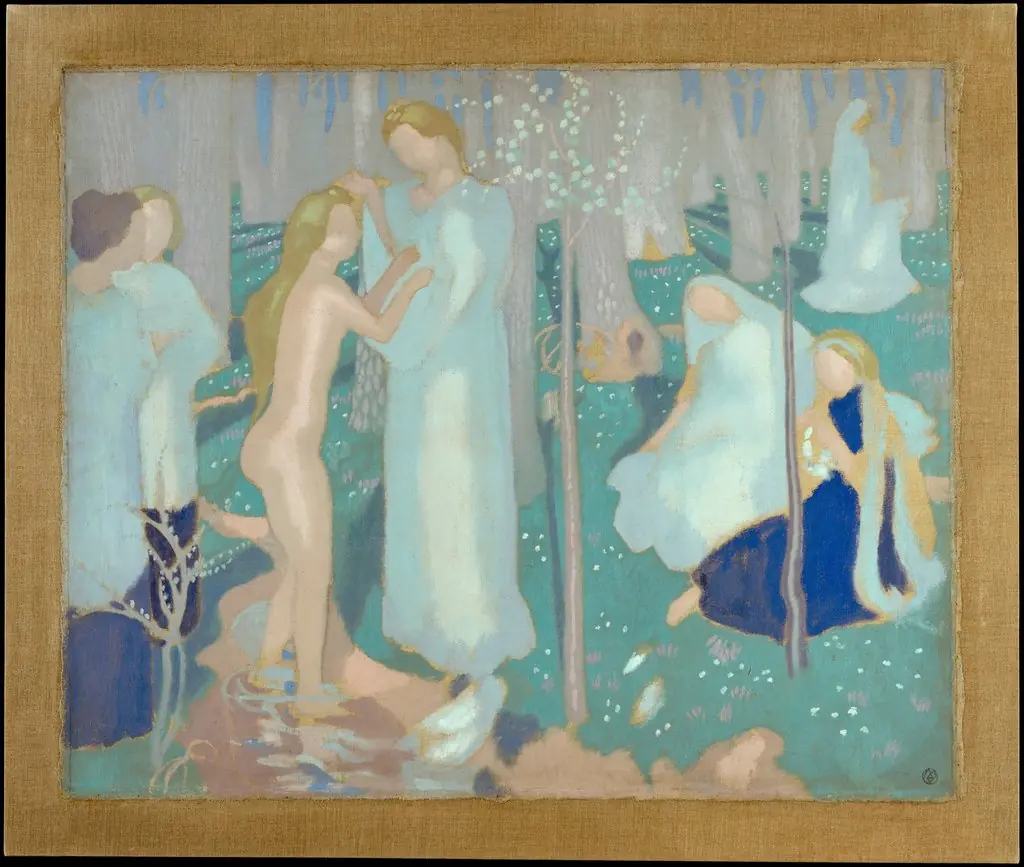 Springtime
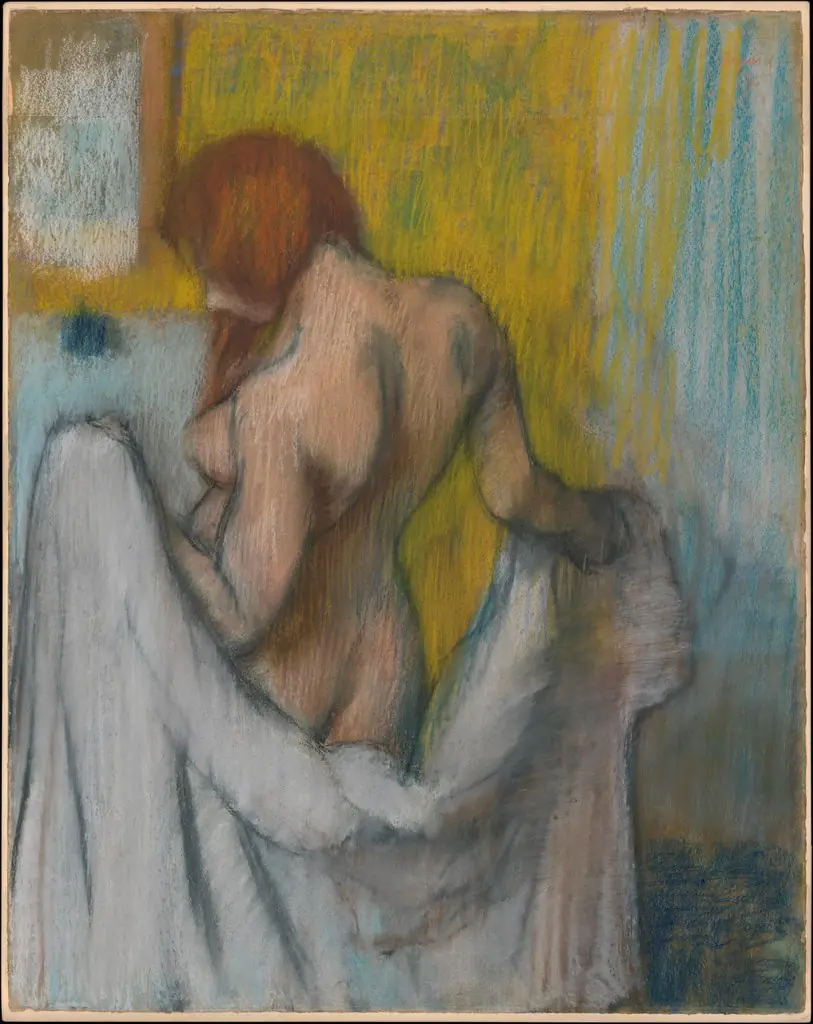 Woman with a Towel
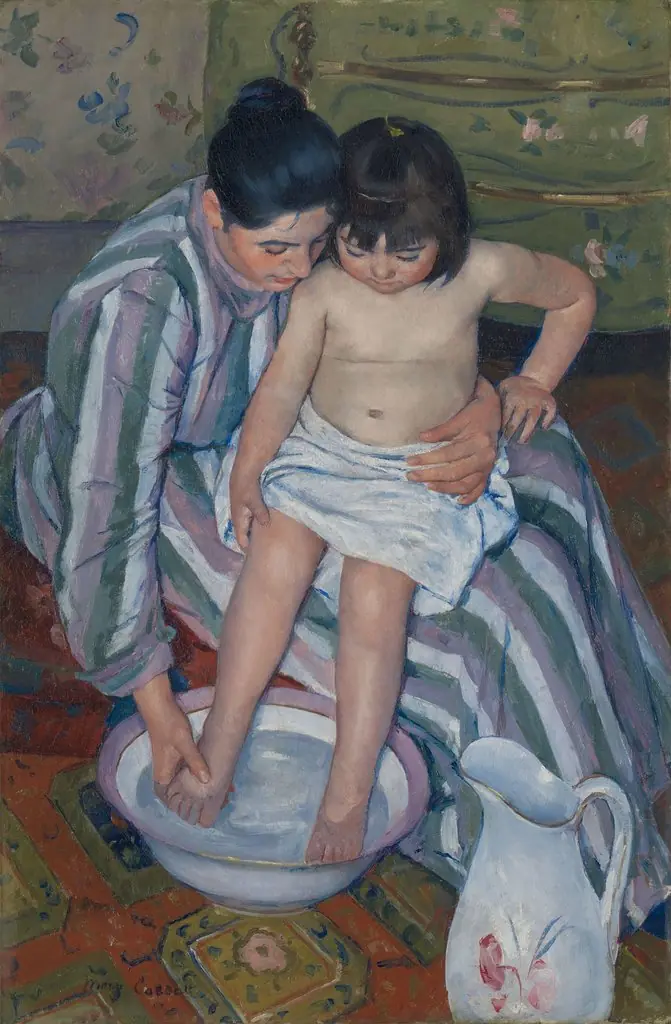 The Child's Bath
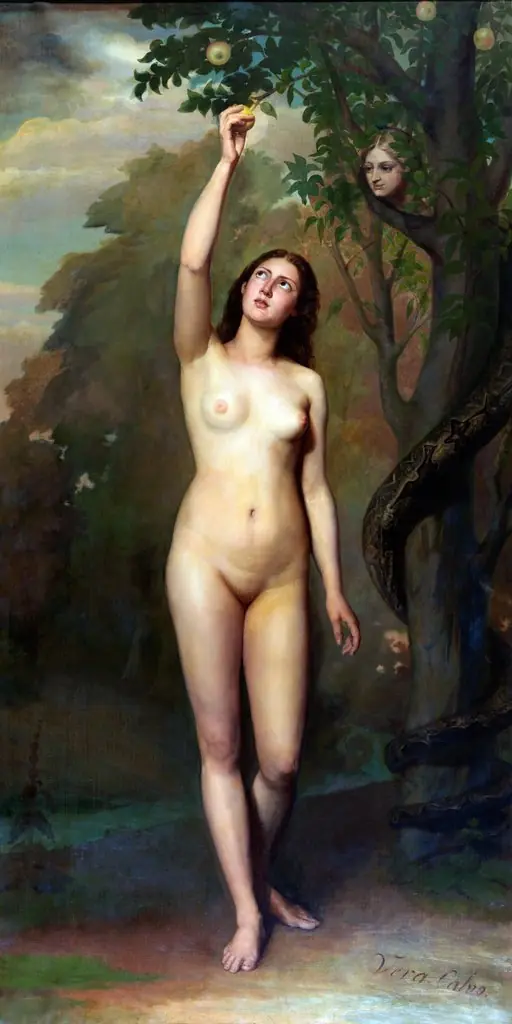 Eva cogiendo la manzana
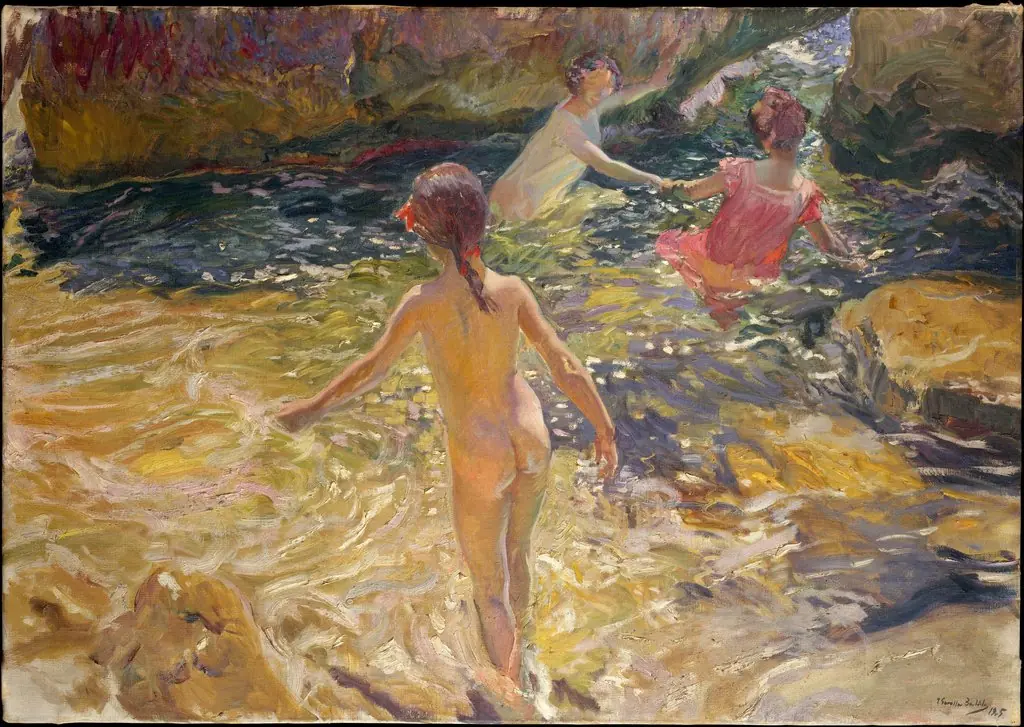 The Bath, Jávea
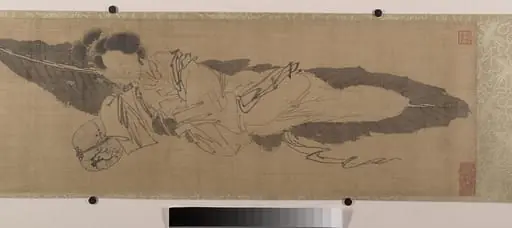 明 佚名 唐寅(僞款) 蕉葉仕女圖 卷|Beauty Sleeping on a Banana Leaf
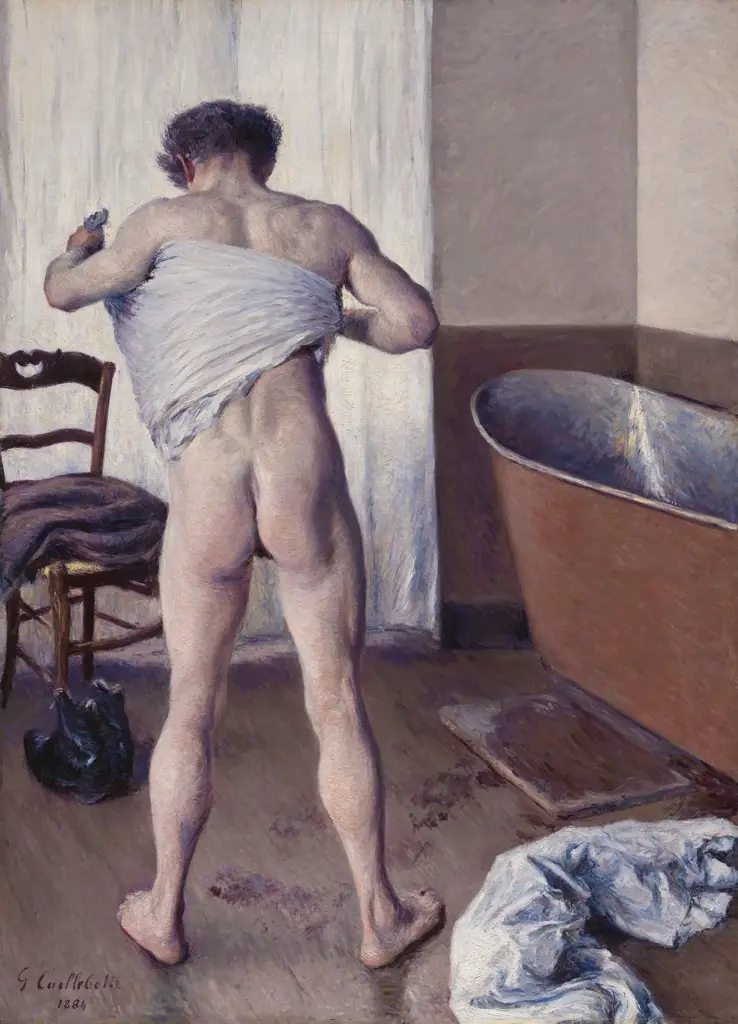 Man at His Bath
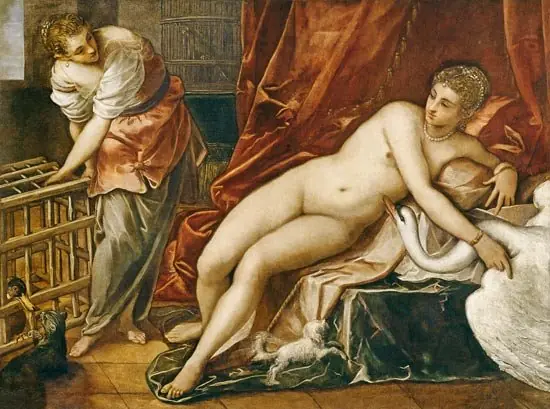 Leda and the Swan
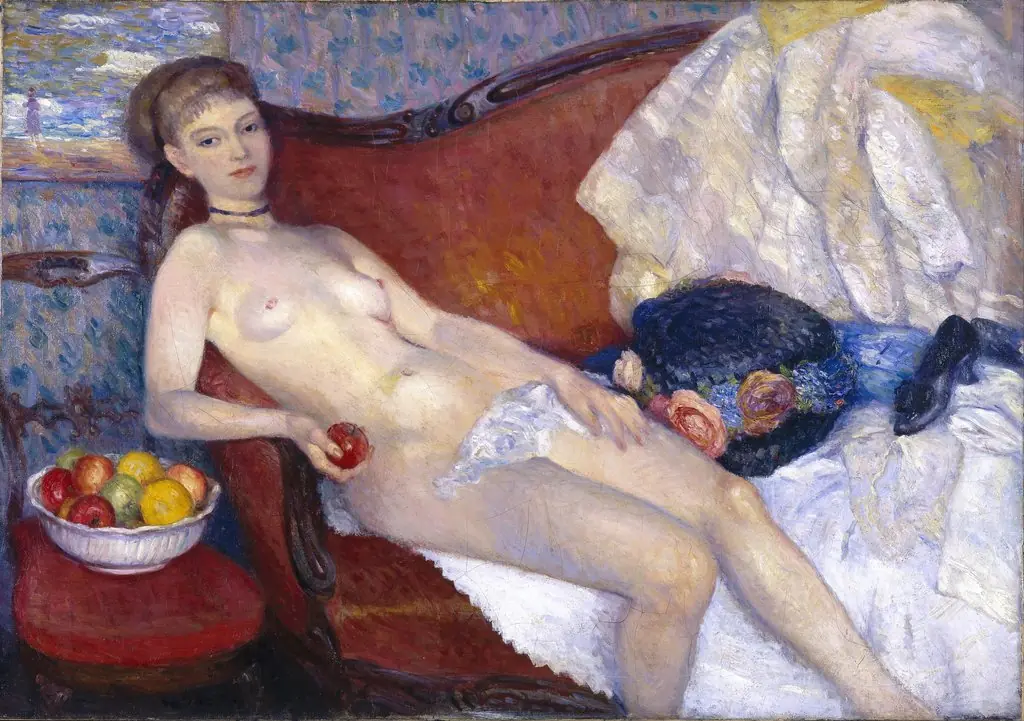 Nude with Apple
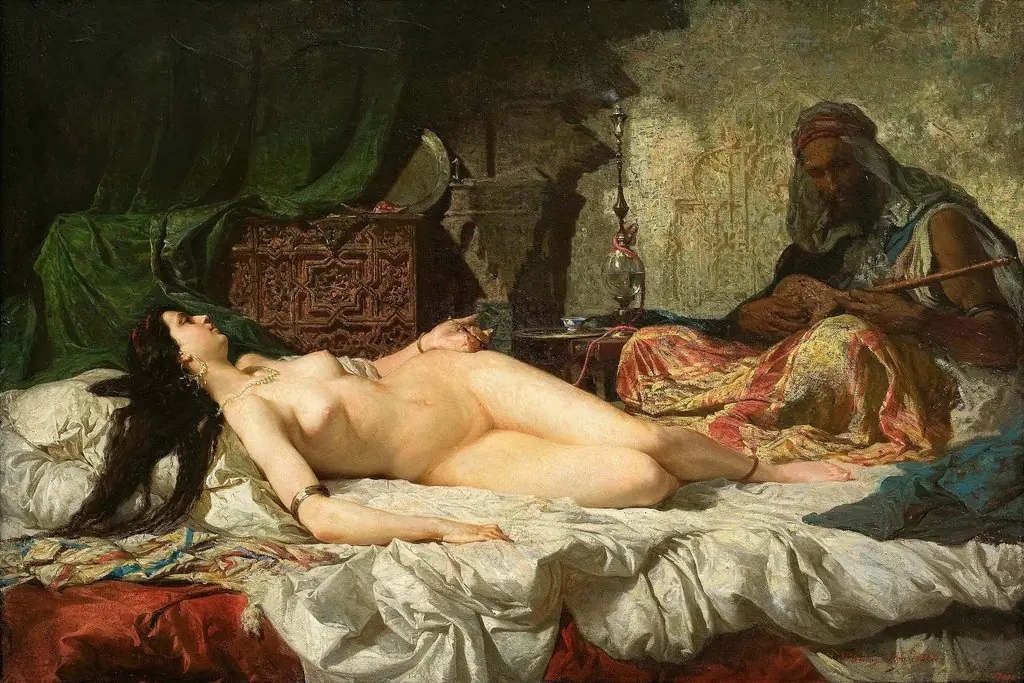 The Odalisque
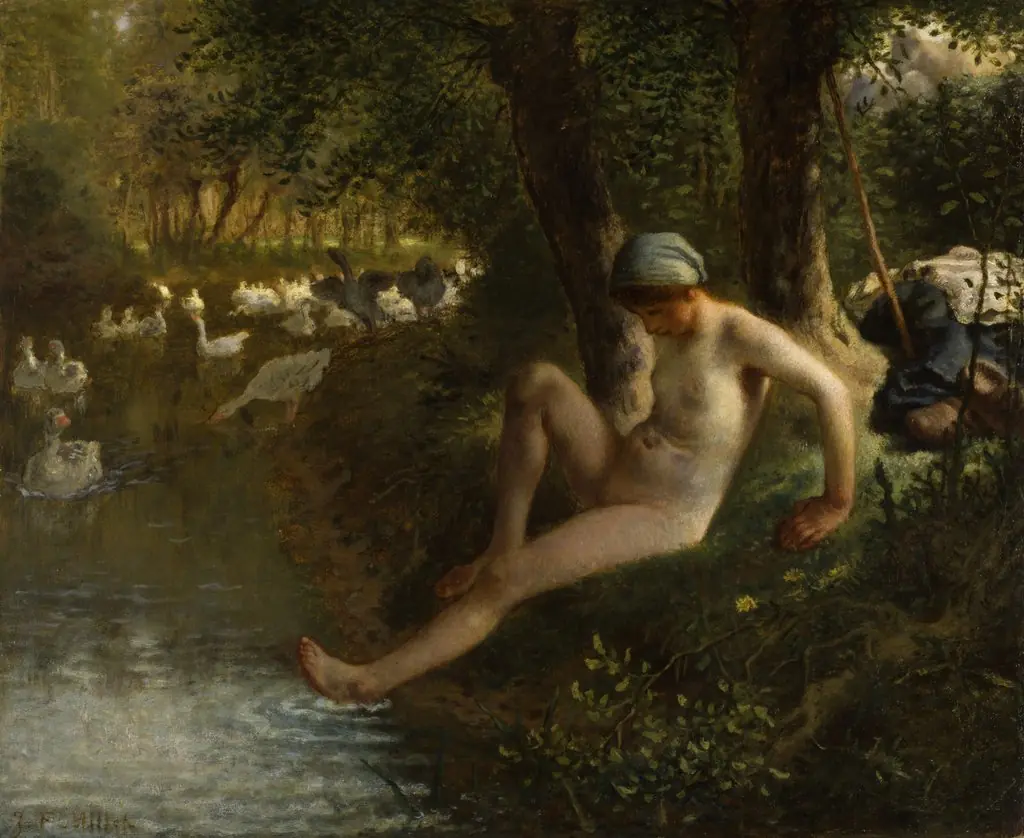 The Goose Girl
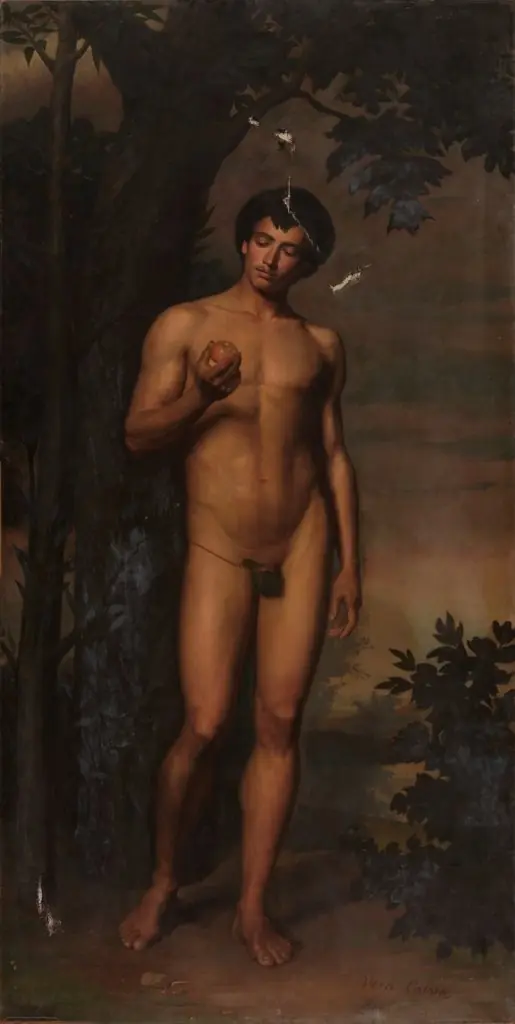 Adán antes de comer el fruto
 ‘Arrangement in Yellow and Gray’: Effie Deans
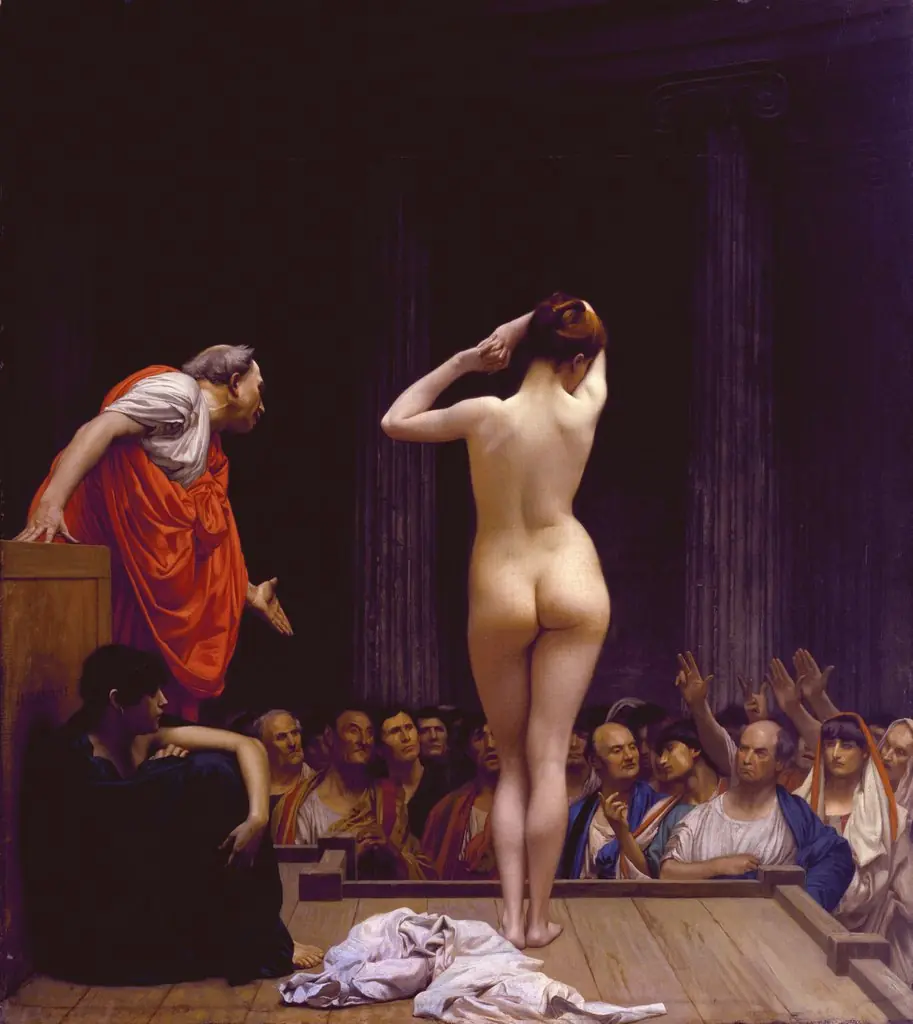 A Roman Slave Market
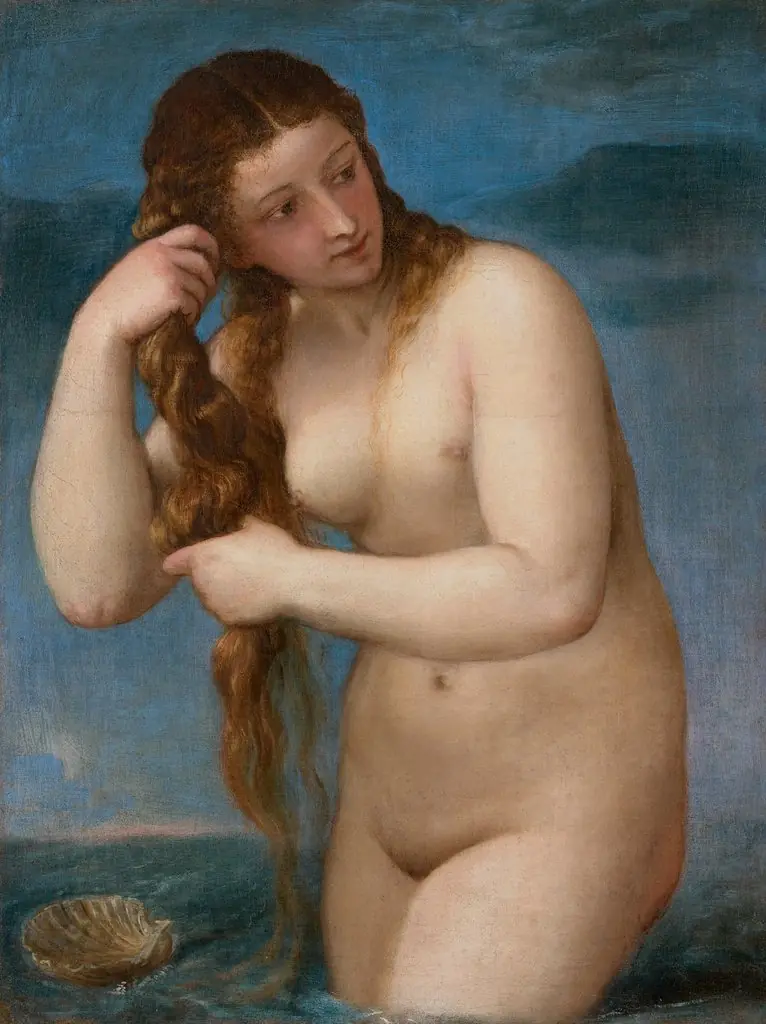 Venus Anadyomene
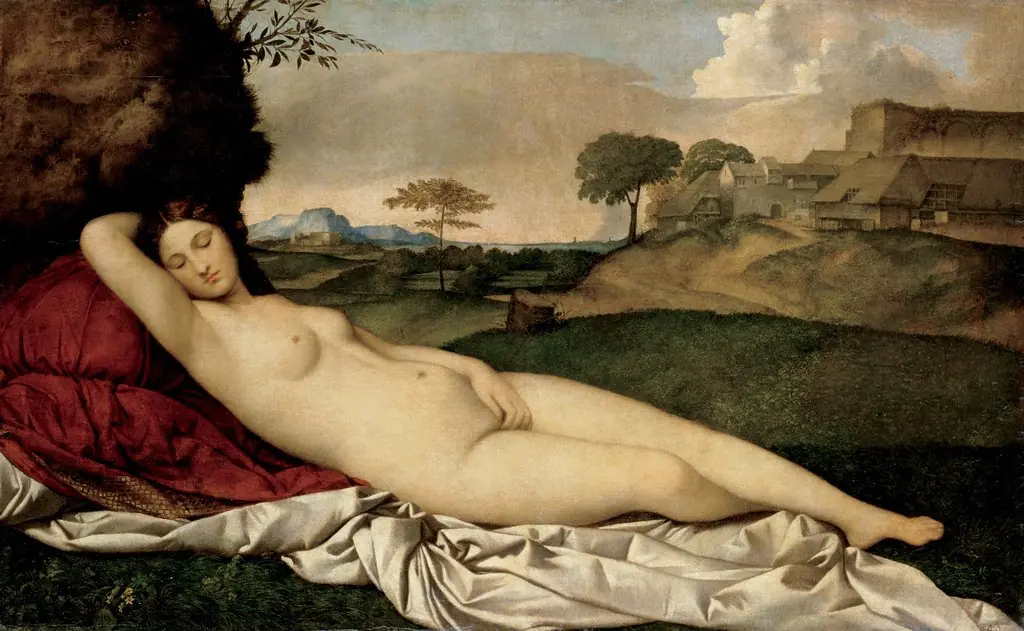 Sleeping Venus
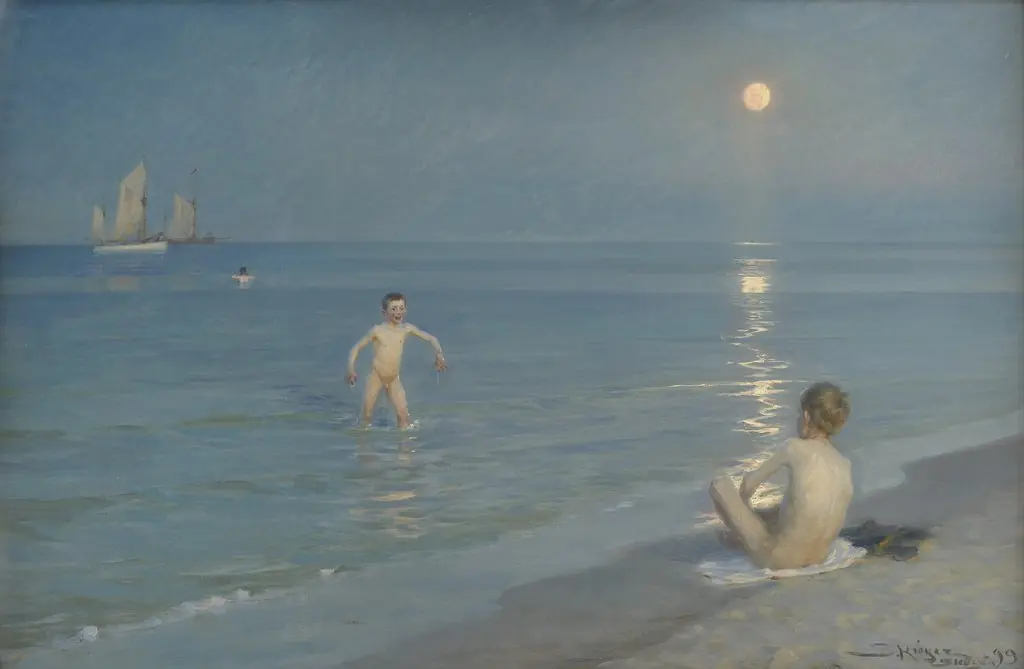 Boys Bathing at Skagen. Summer Evening
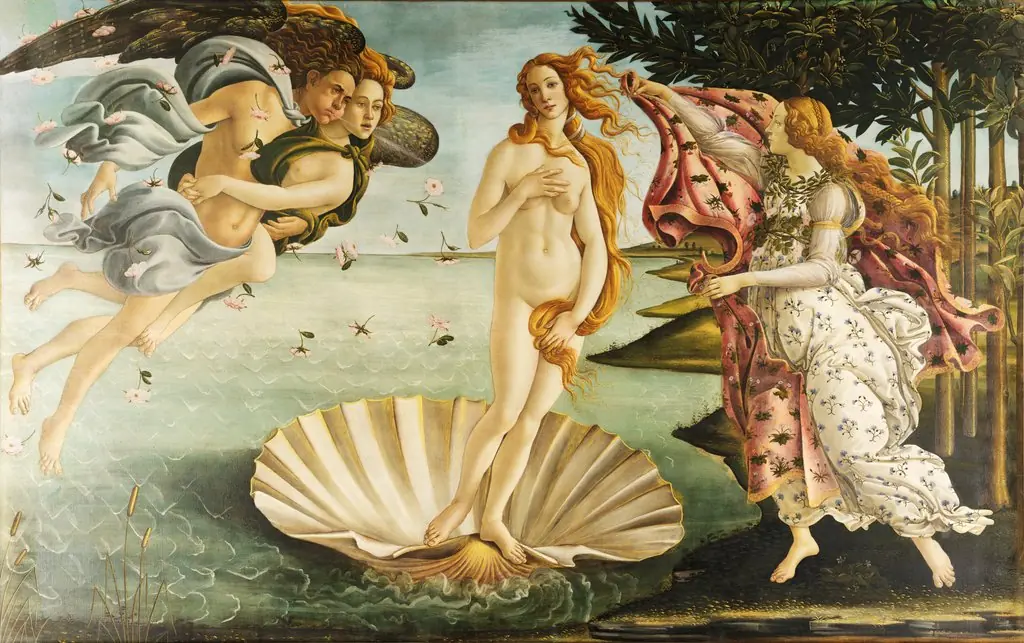 The Birth of Venus
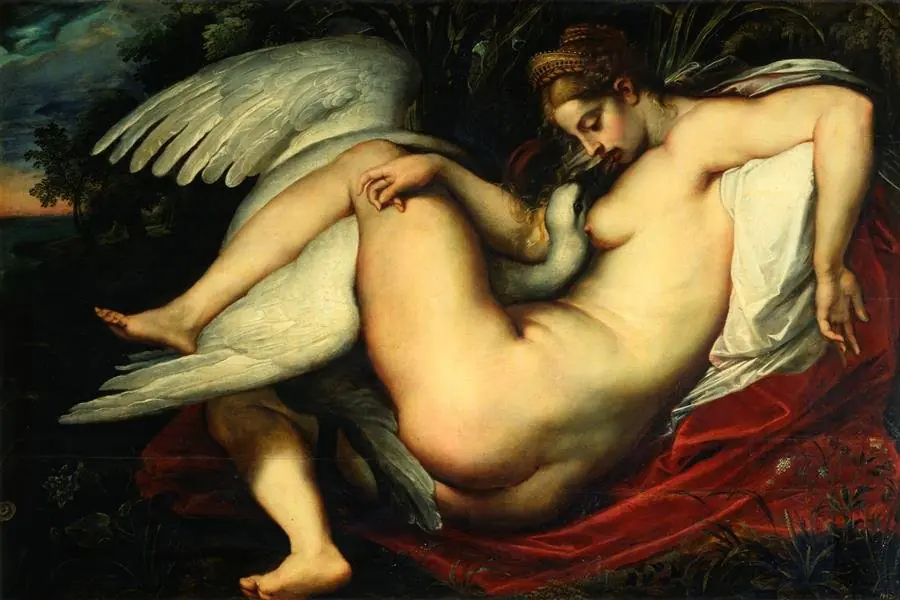 Leda and the swan
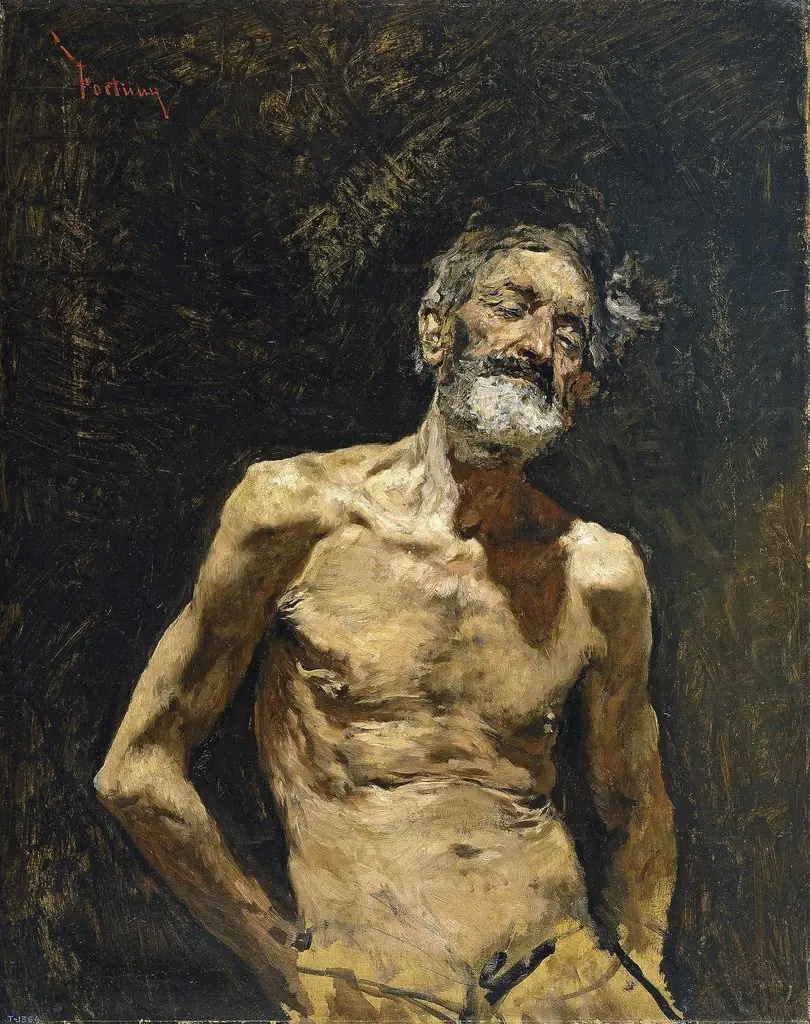 Nude Old Man in the Sun
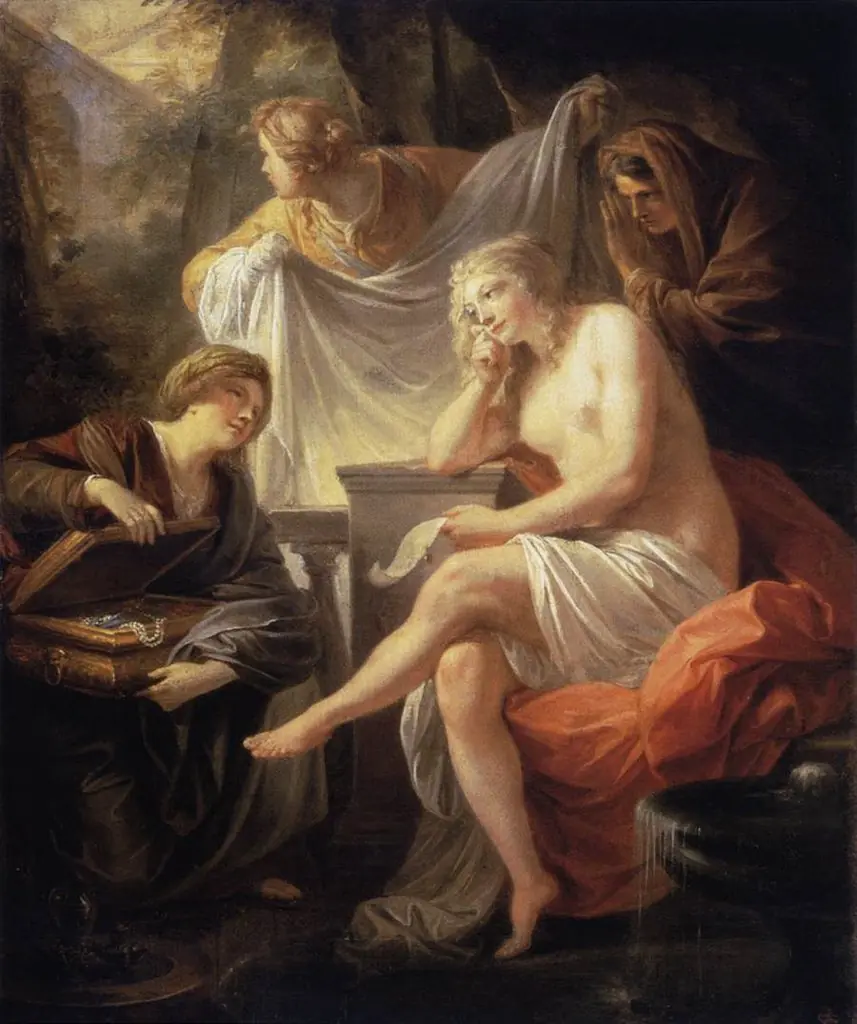 Bathsheba at her bath
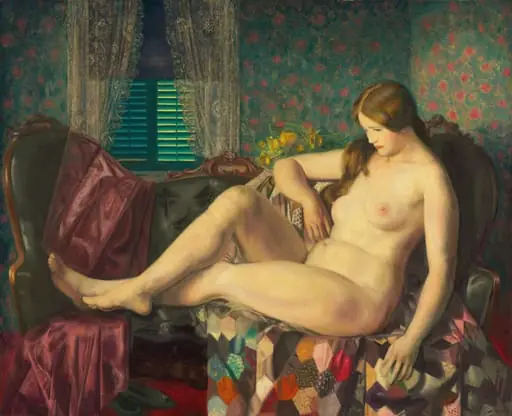 Nude with Hexagonal Quilt
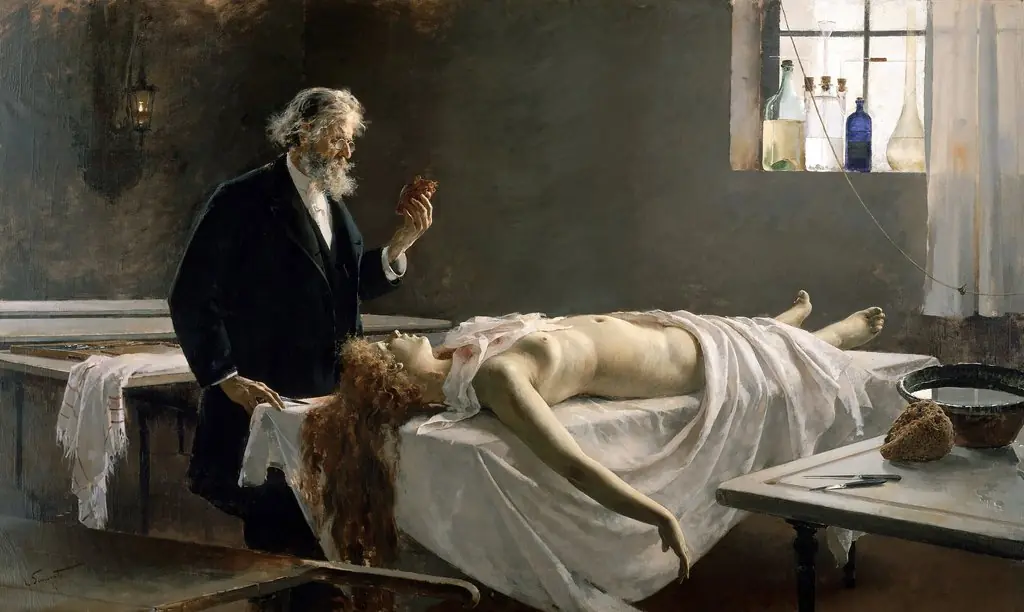 Autopsy
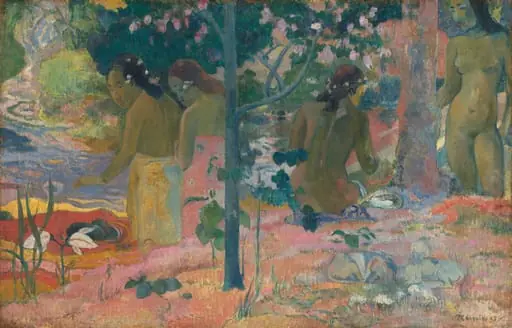 The Bathers
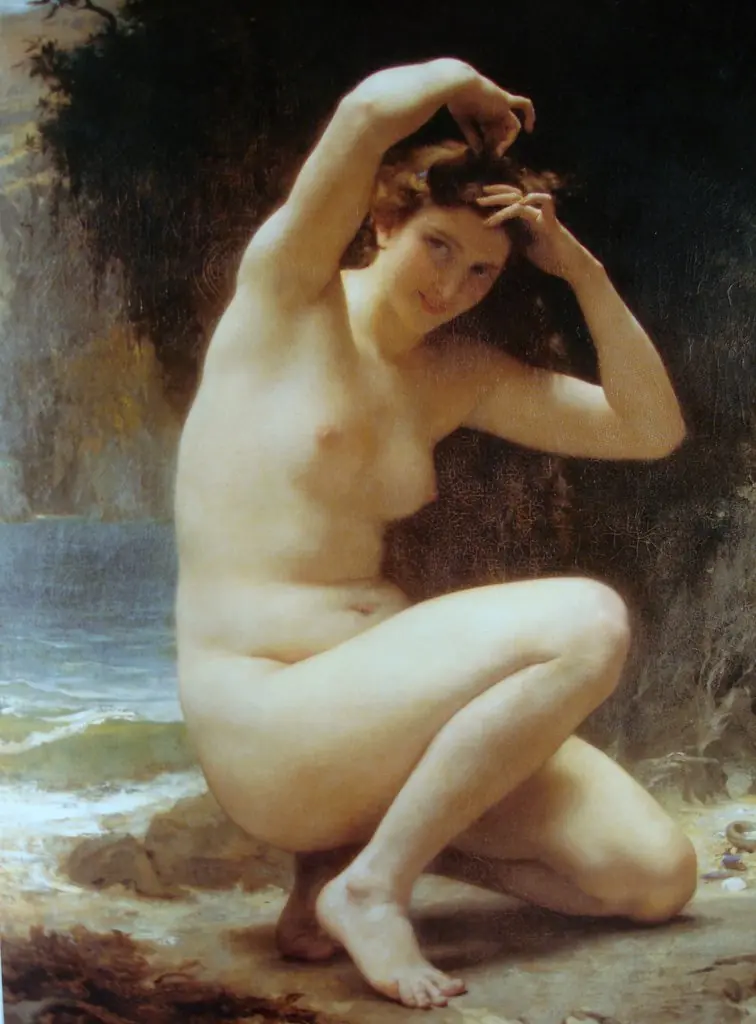 The toilette of Venus
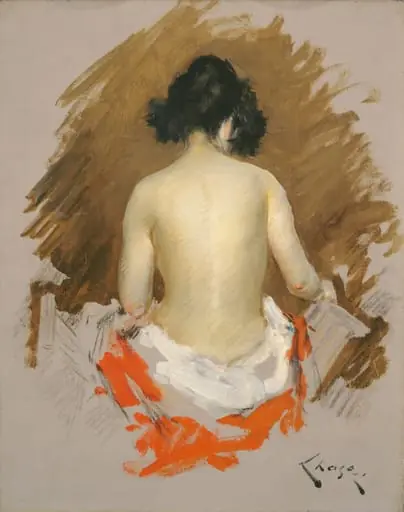 Nude
Nude Small Study for a Nude
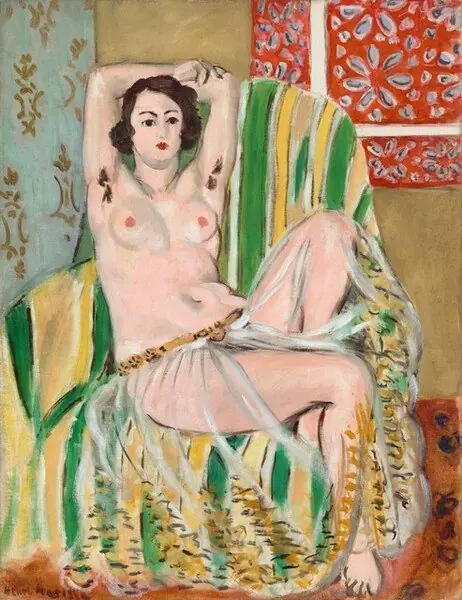 Odalisque with Raised Arms
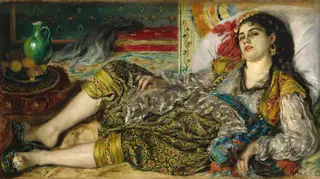 Odalisque
 Winter in Amsterdam
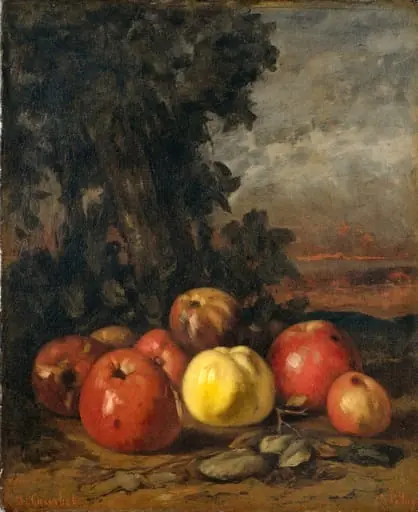 Still Life with Apples
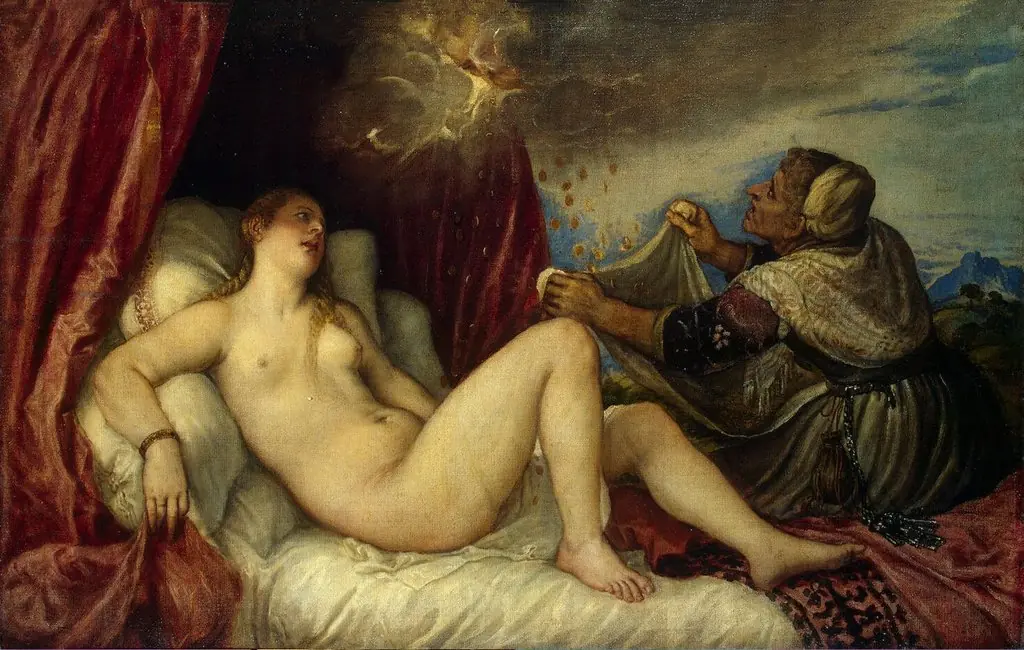 Danaë
Danaë![The Balcony, Spain [and] Two Nude Bathers Standing on a Wharf](https://artifactworldgallery.com/img/john-singer-sargent--the-balcony-spain-and-two-nude-bathers-standing-on-a-wharf--0ed1cd84ffcfb319-w320.webp) The Balcony, Spain [and] Two Nude Bathers Standing on a Wharf
The Balcony, Spain [and] Two Nude Bathers Standing on a Wharf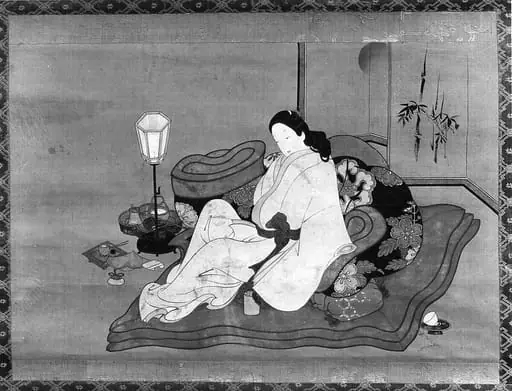 Untitled
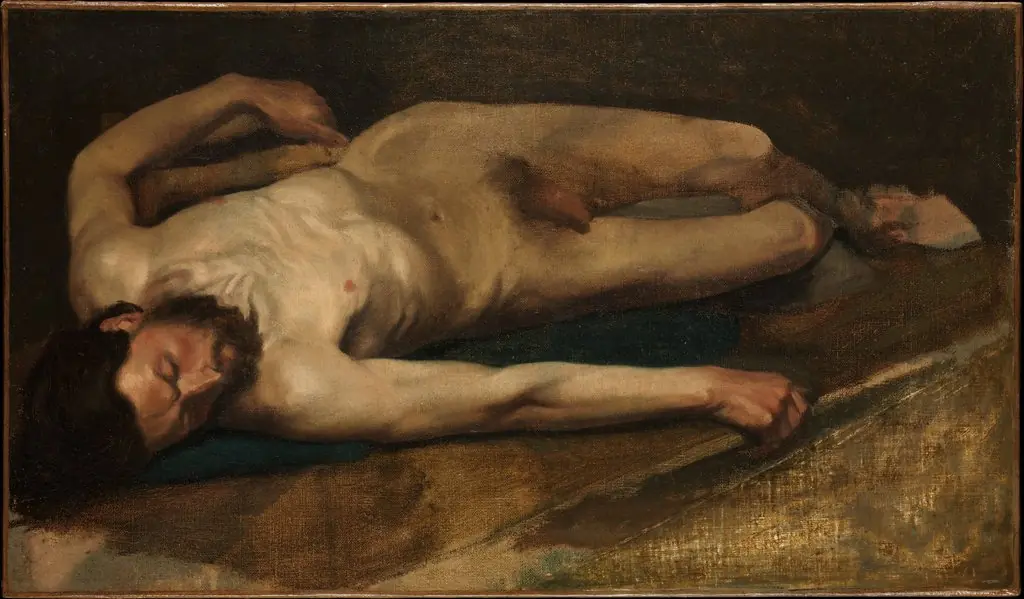 Male Nude
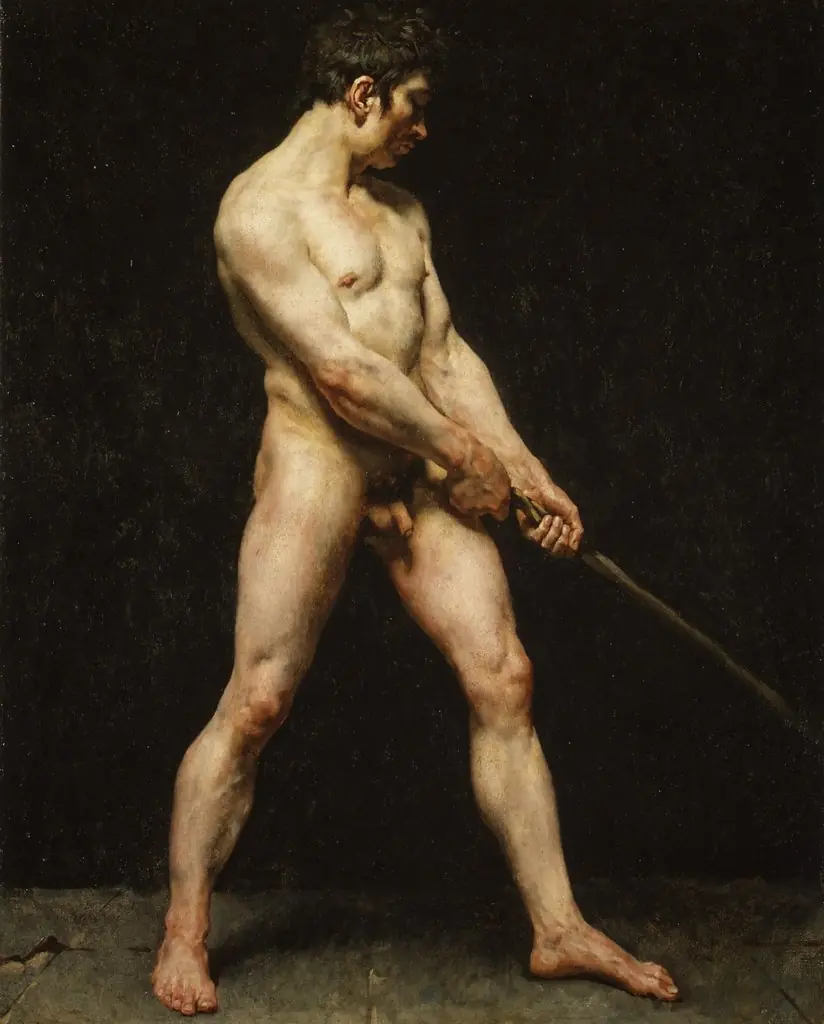 Study of a Nude Man
 Roundel with Nude Woman Supporting a Heraldic Shield
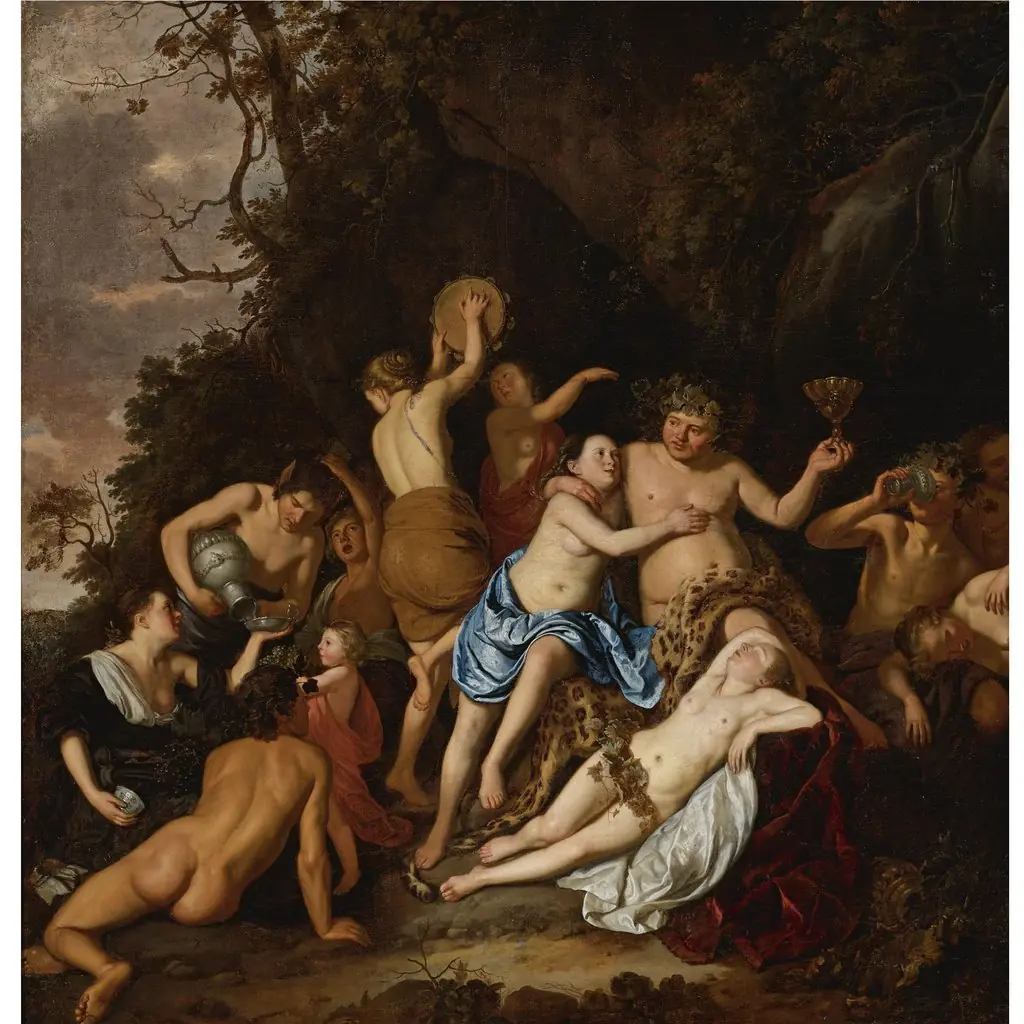 A Bacchanal
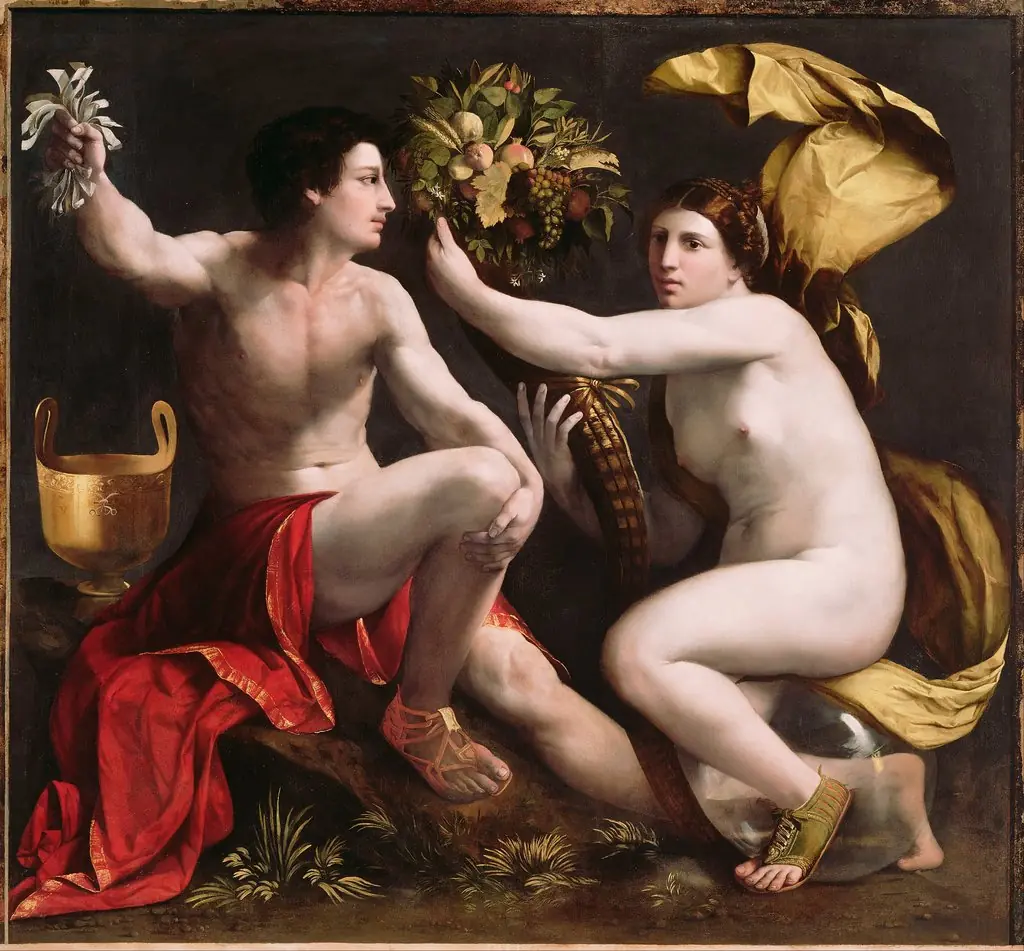 An Allegory of Fortune
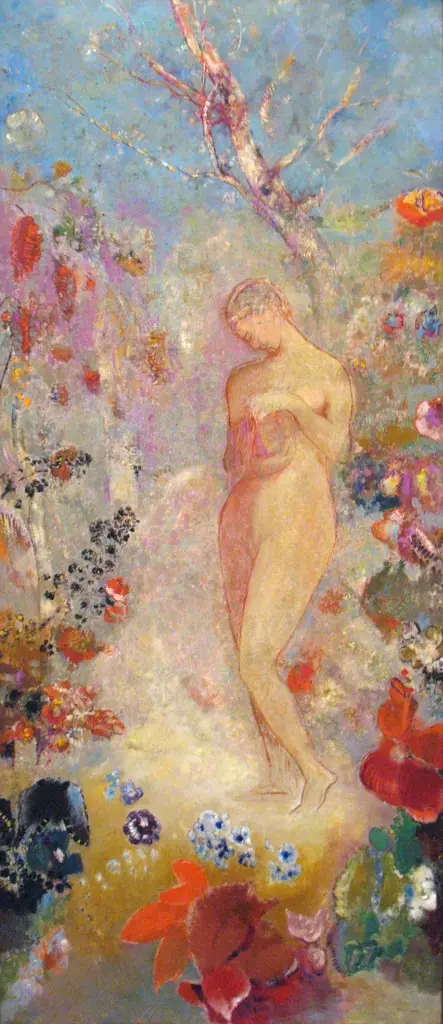 Pandora
 Reclining Nude
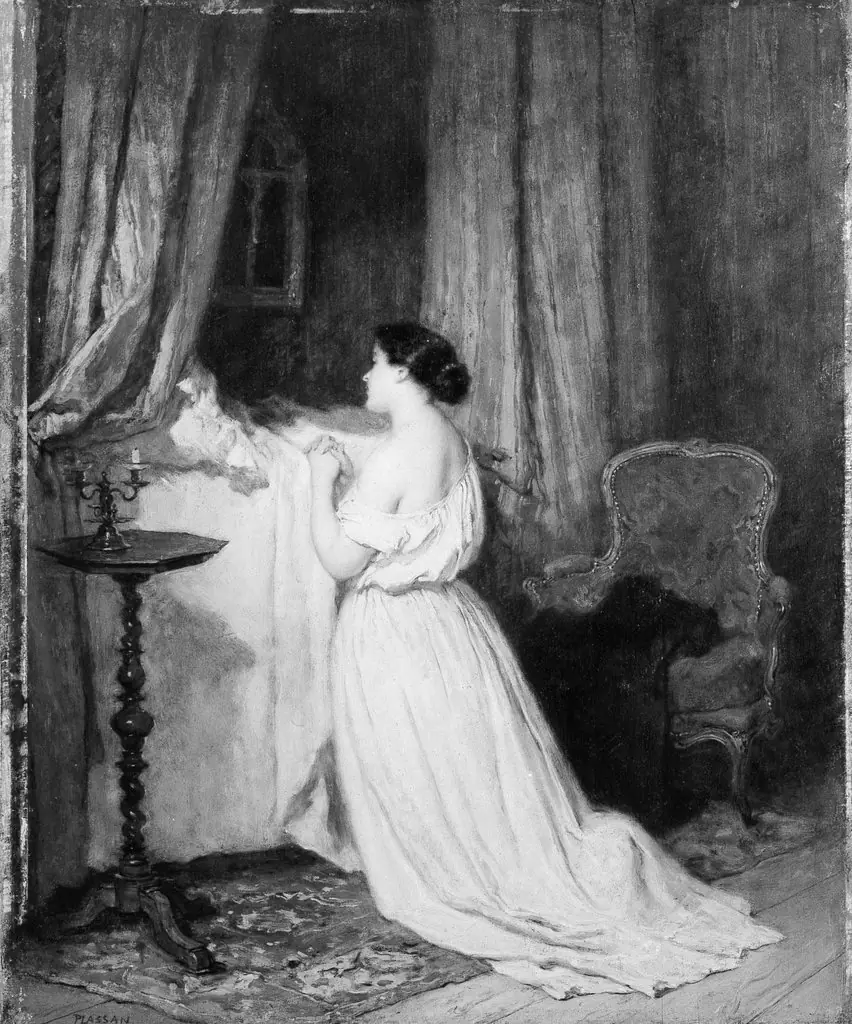 Mother and Child
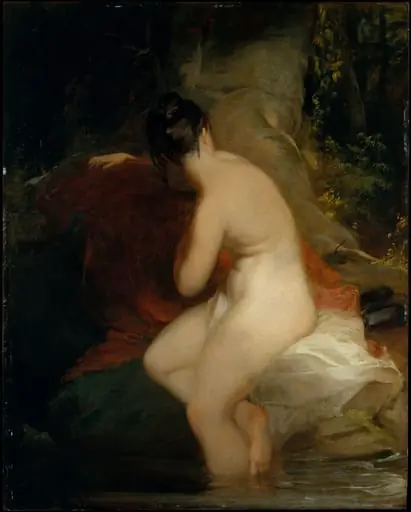 Musidora
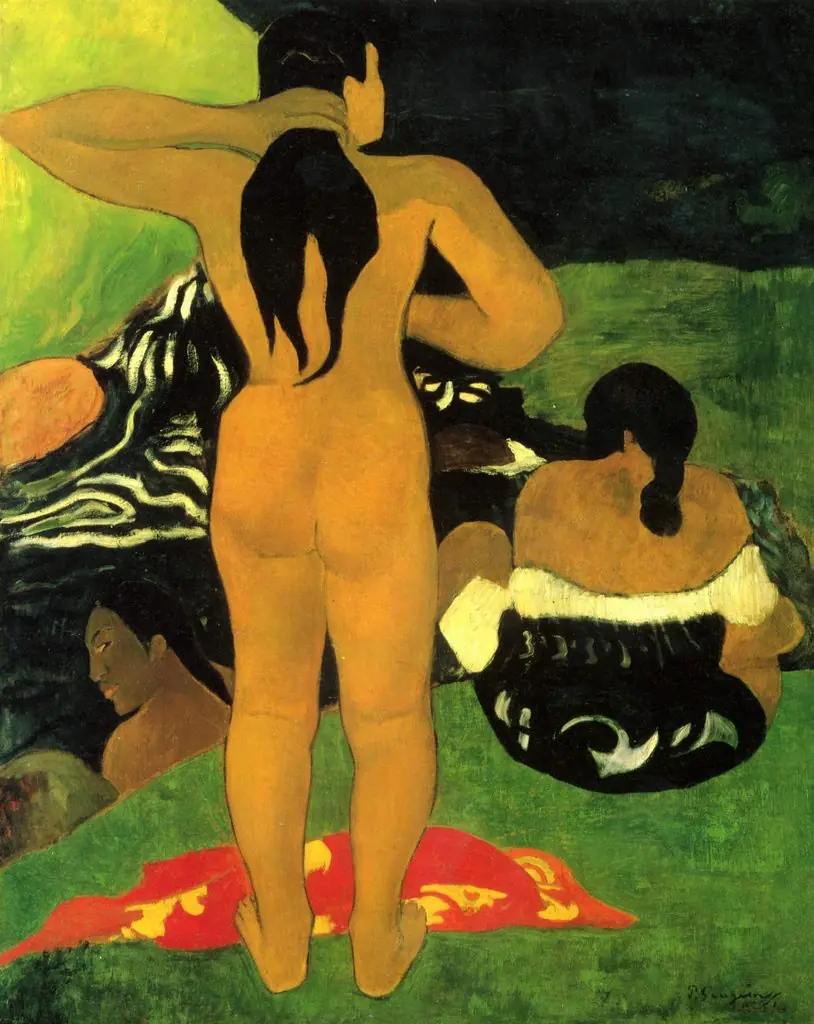 Tahitian Women Bathing
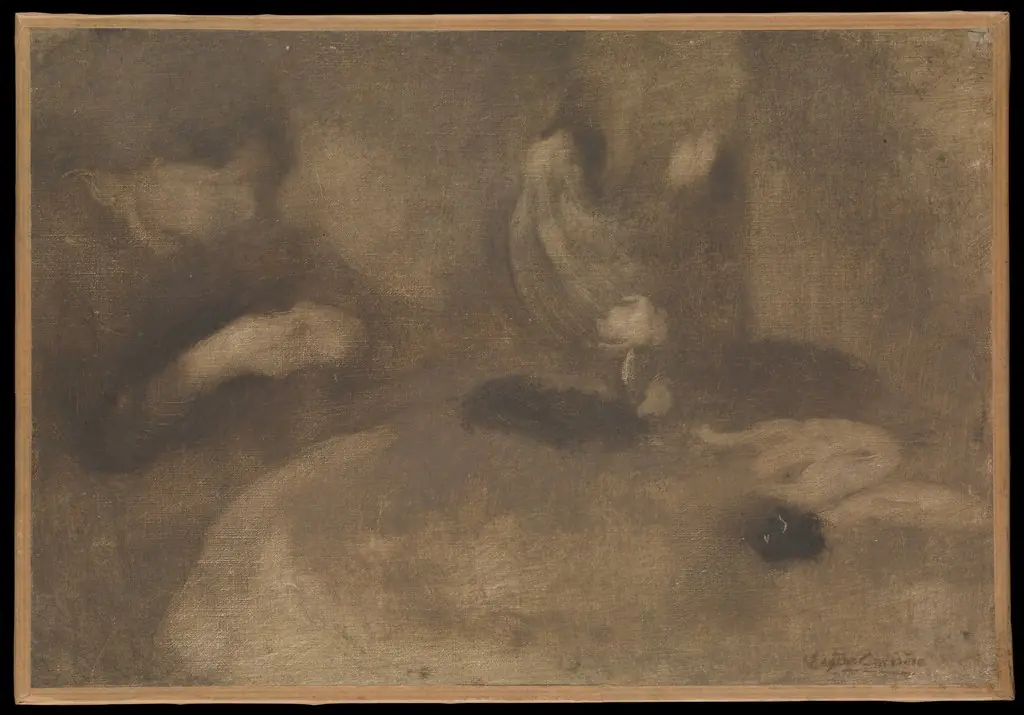 Women Sewing at a Table
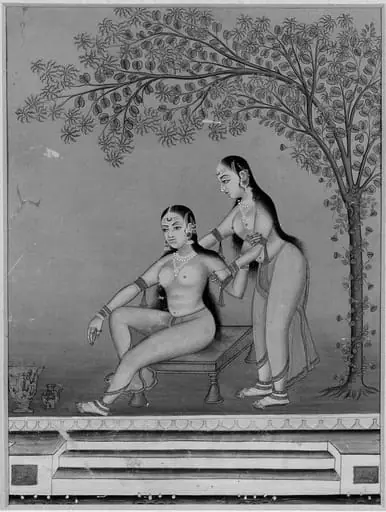 Untitled
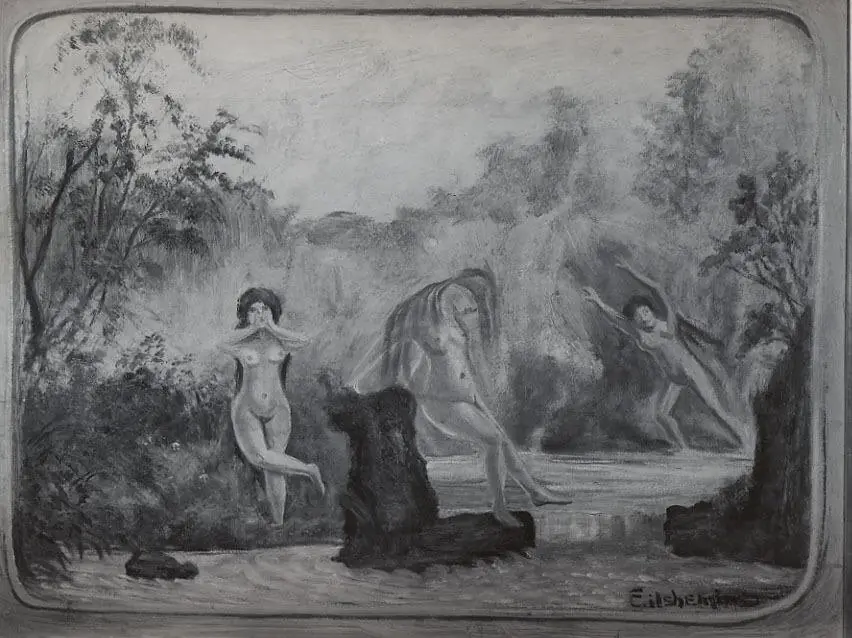 Swimming Party
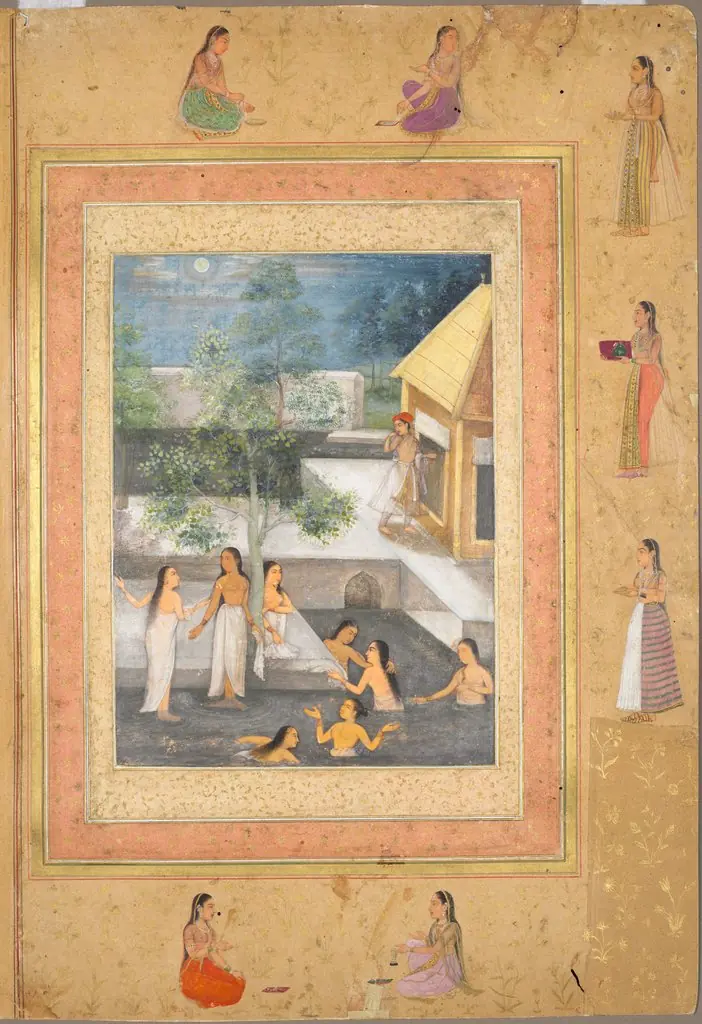 Page from the Late Shah Jahan Album: Harem Night-Bathing Scene (recto)
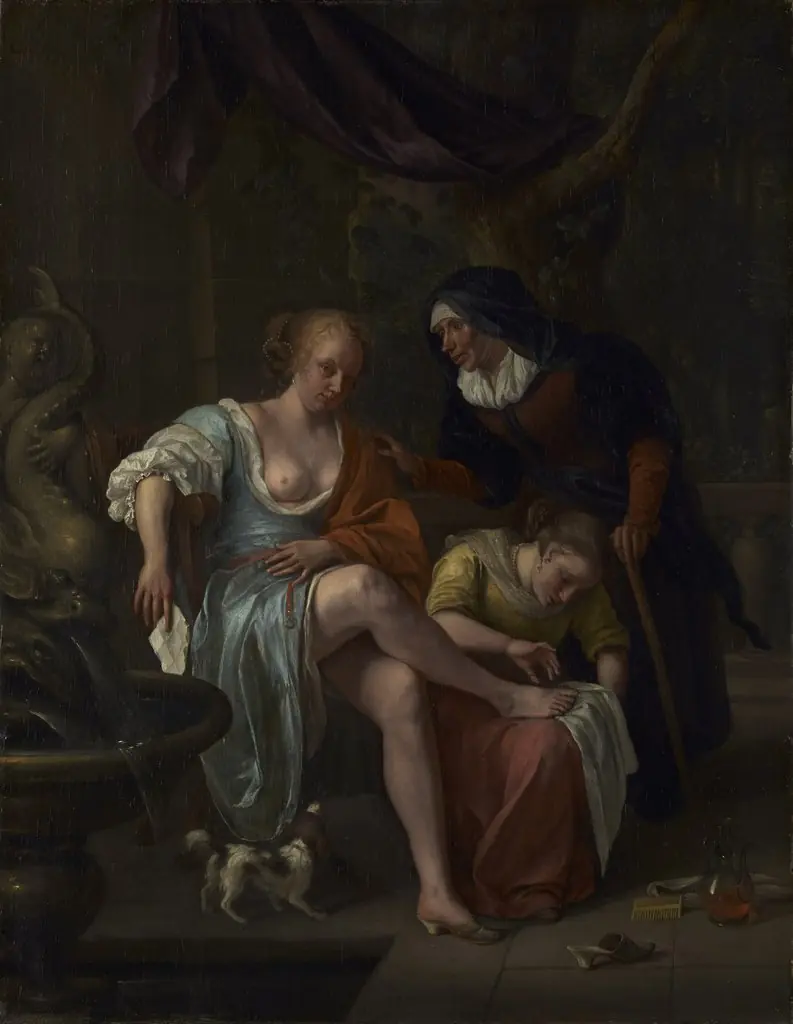 Bathsheba after the Bath
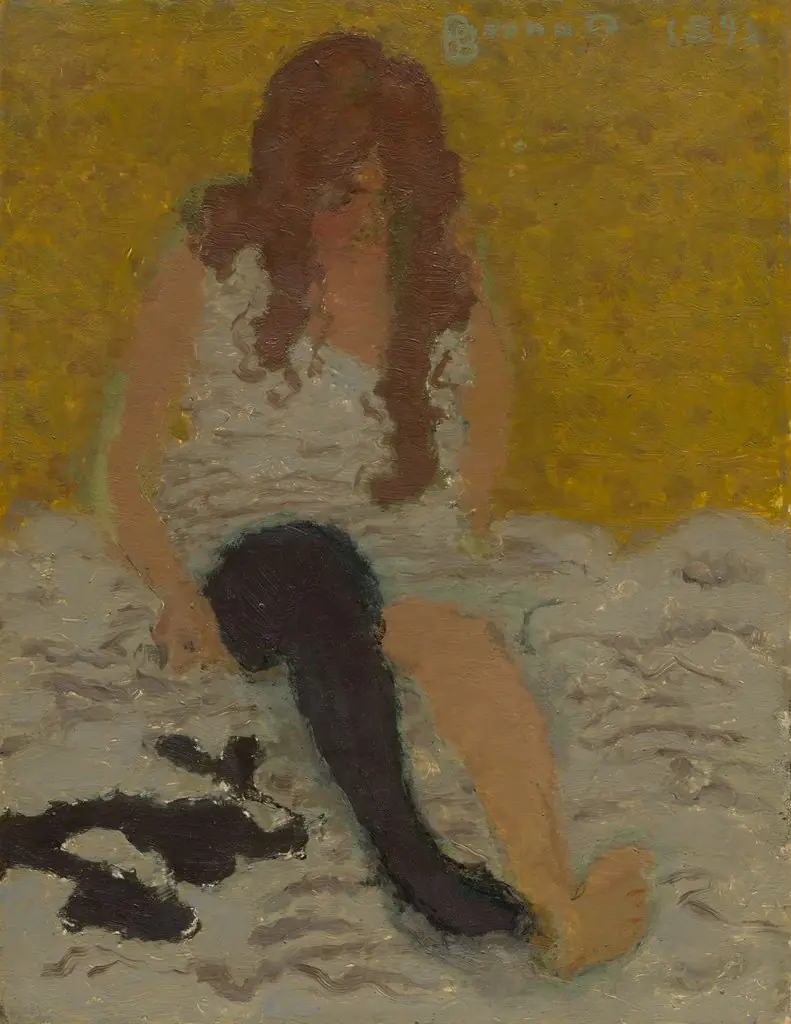 Woman Putting on Her Stockings
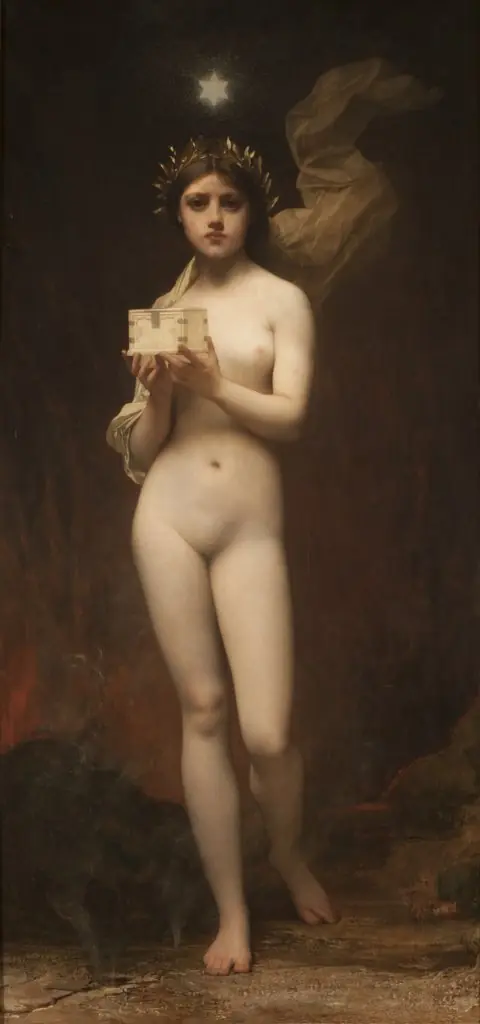 Pandora
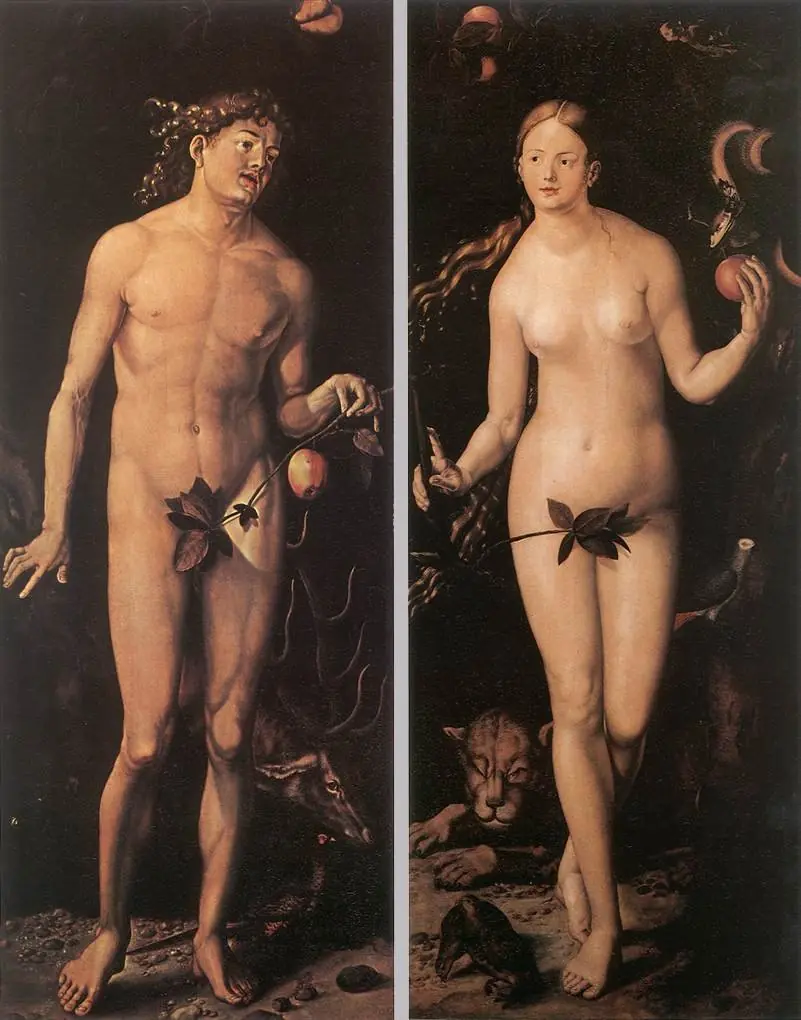 Adam and Eve
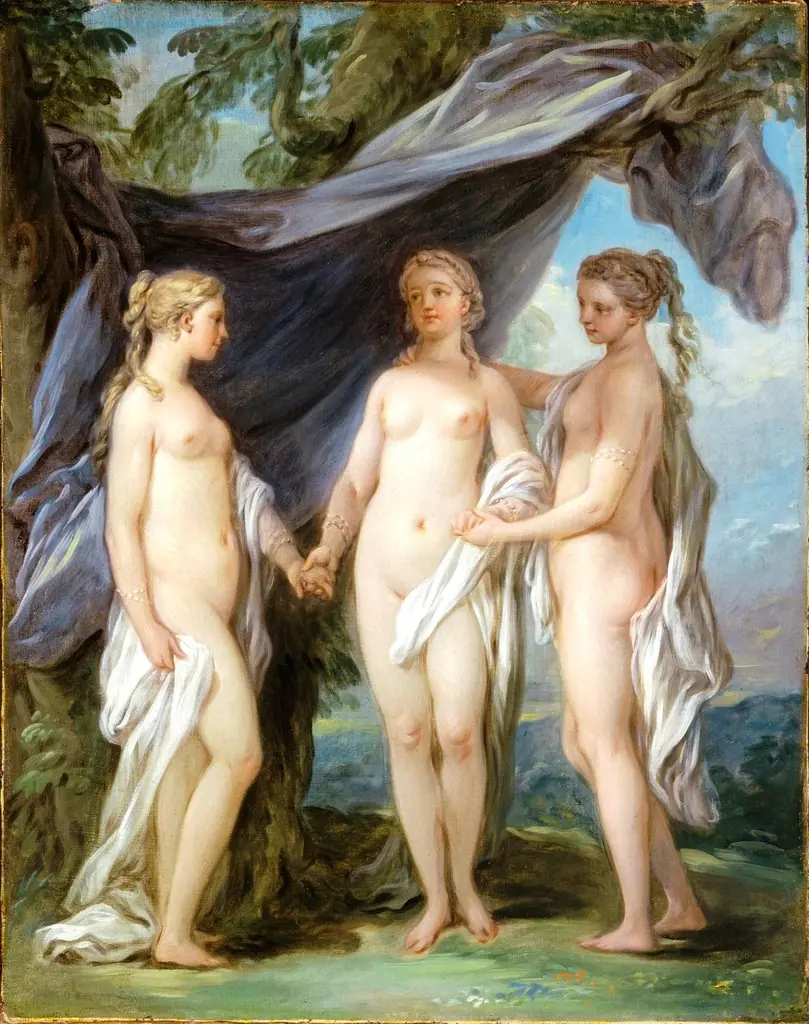 The Three Graces
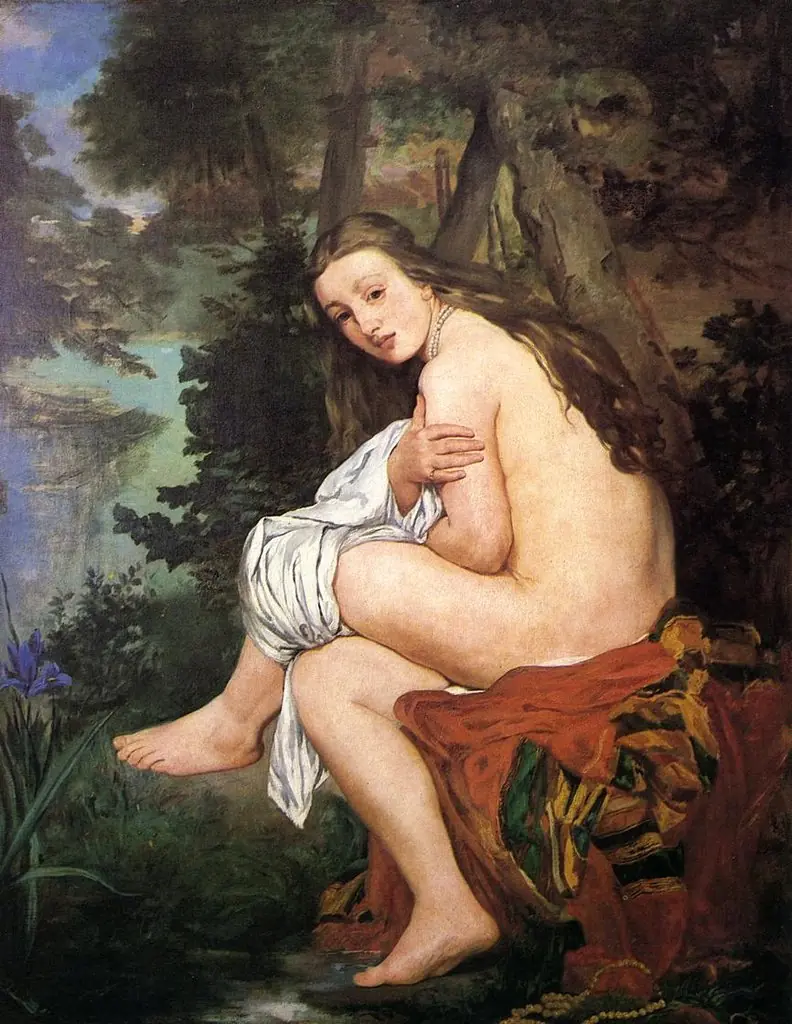 La Nymphe surprise
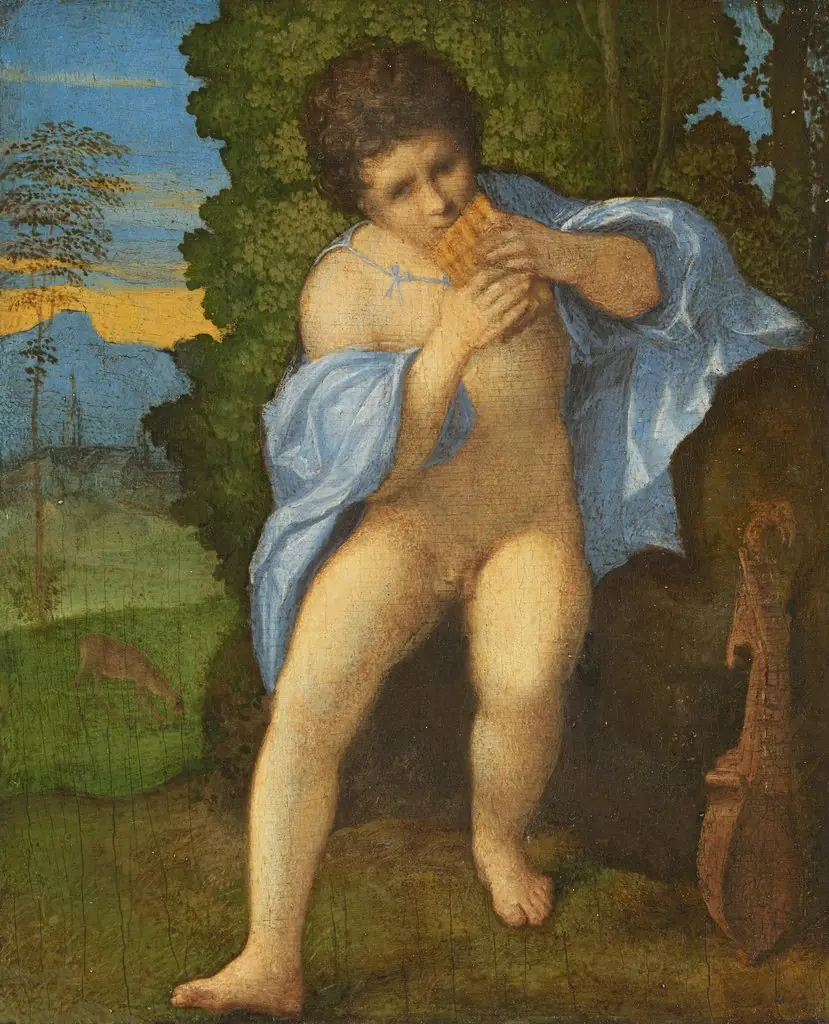 Daphnis
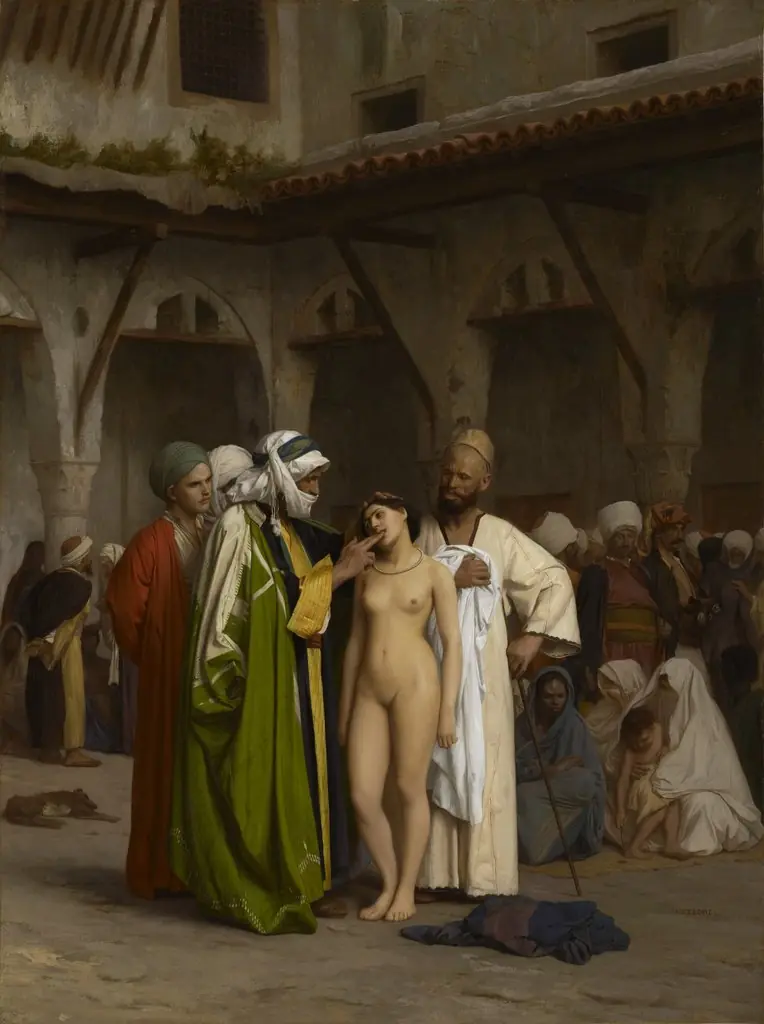 The Slave Market
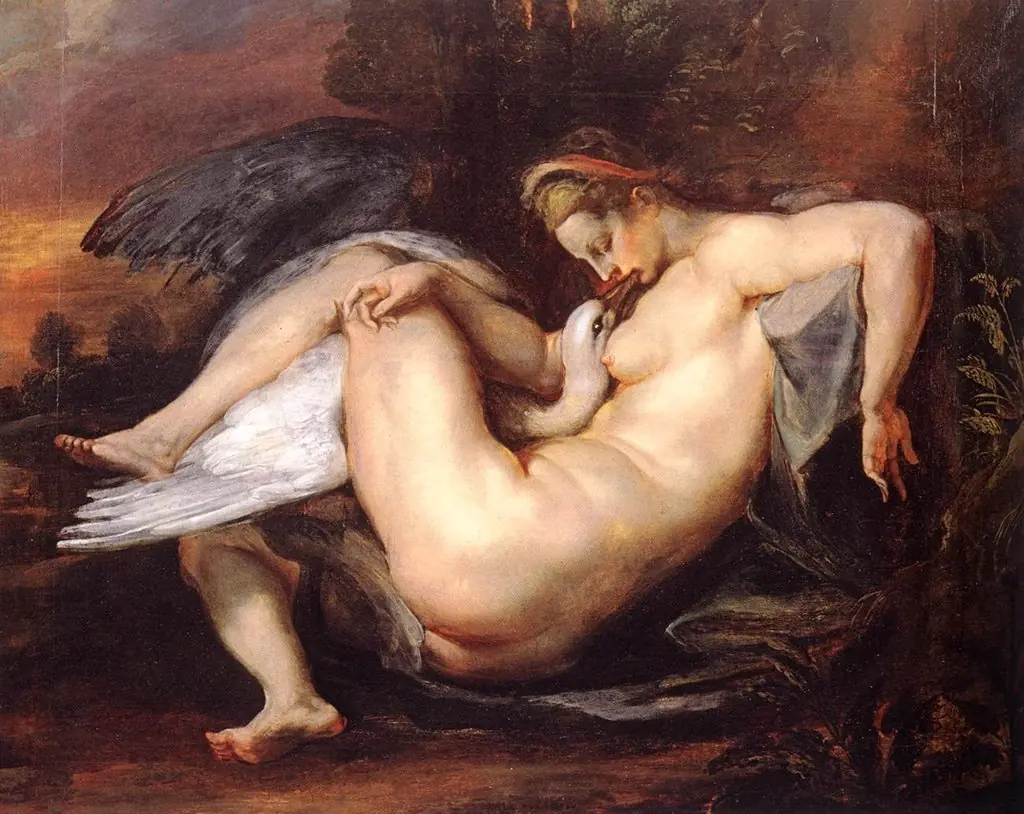 Leda and the Swan
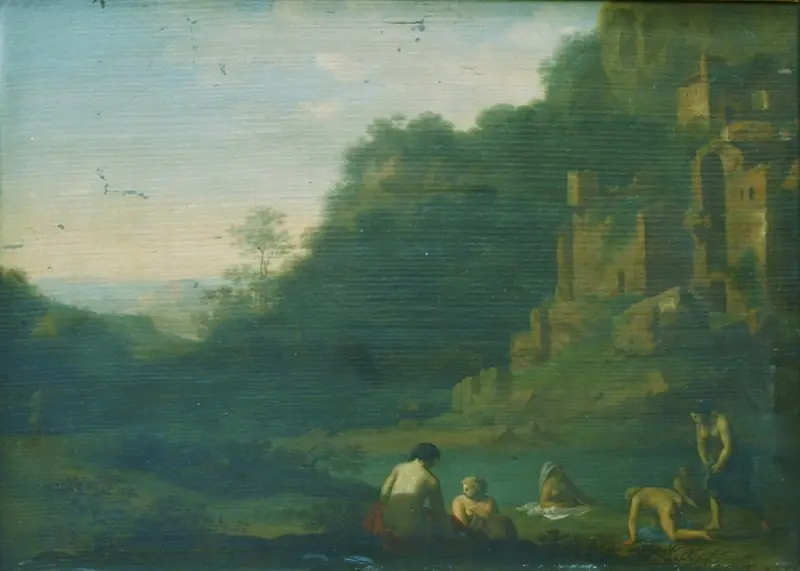 Bathing Nymphs
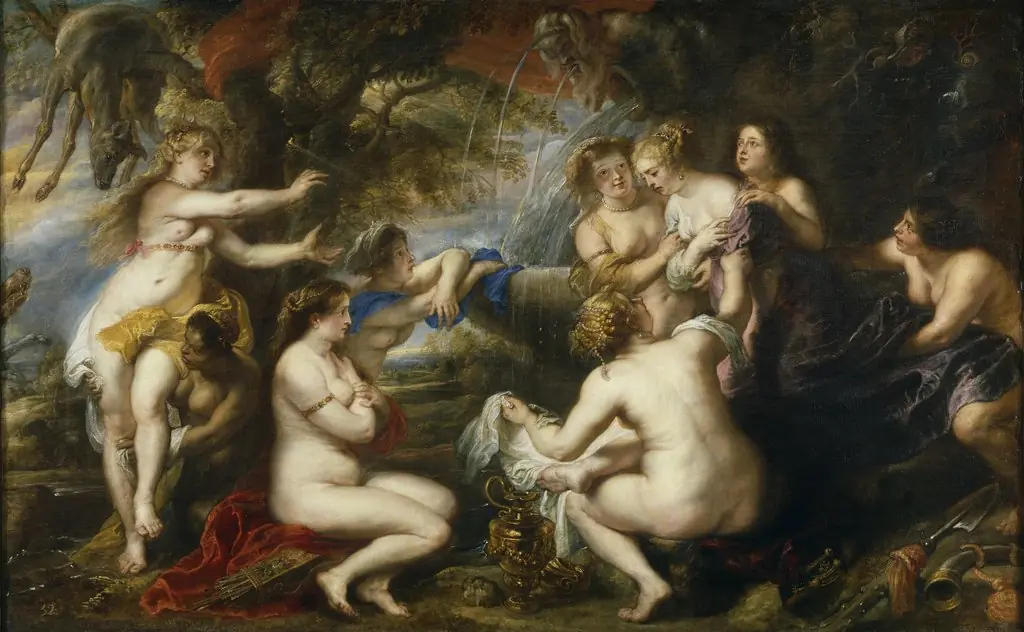 Diana and Callisto
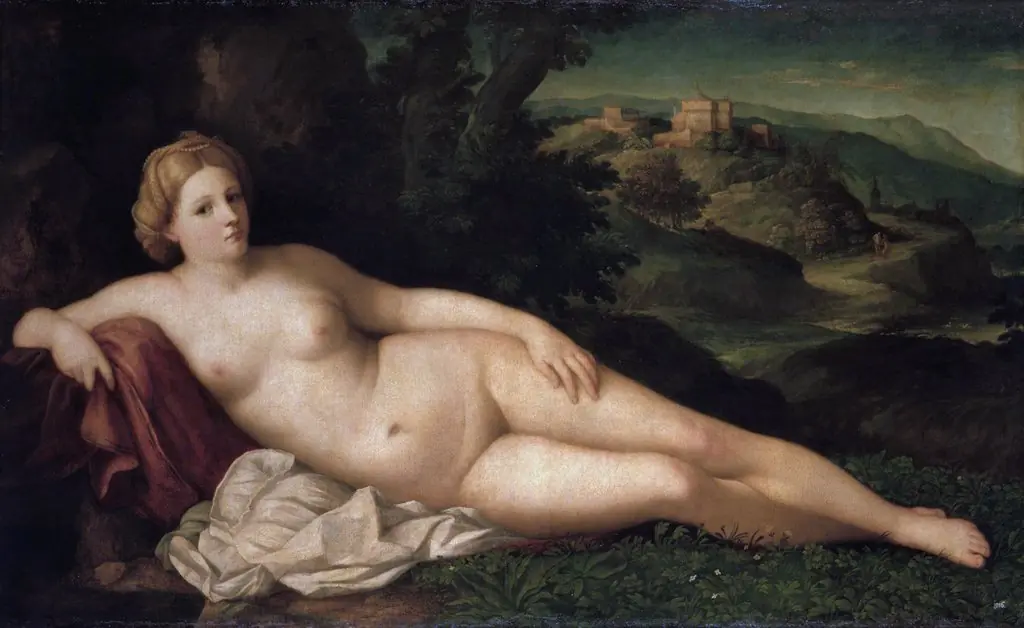 Resting Venus
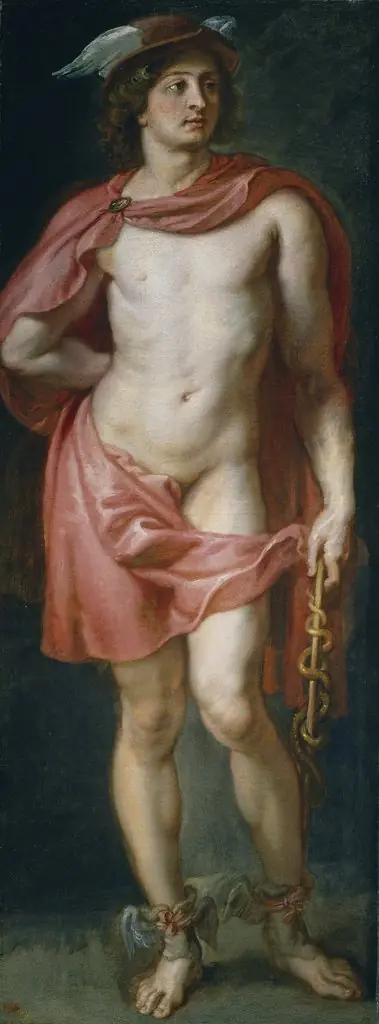 Mercury
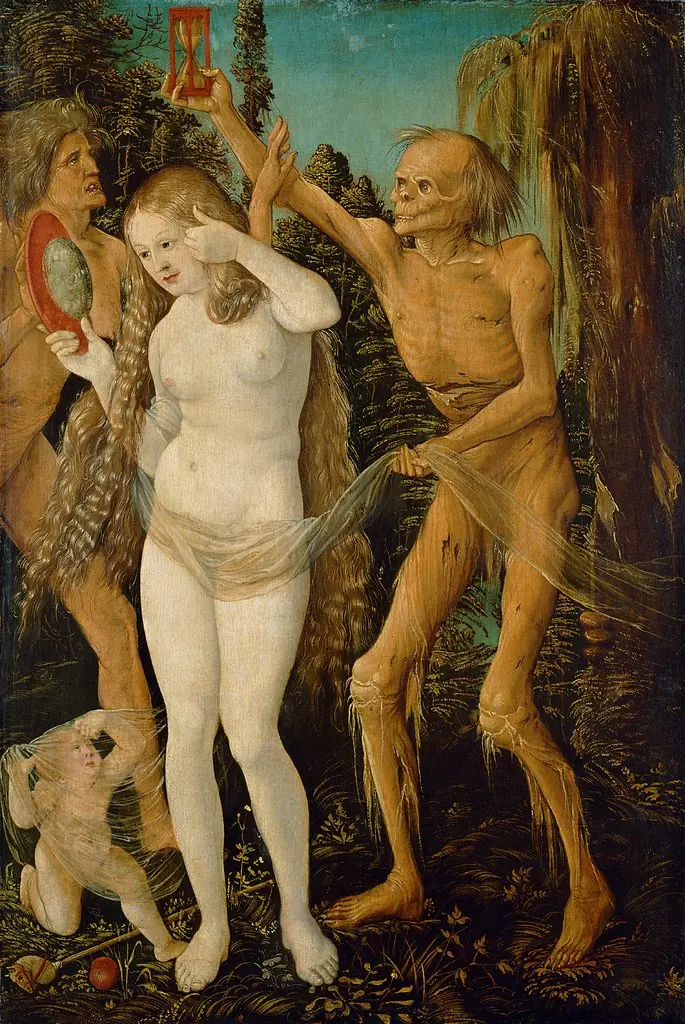 The three ages and death
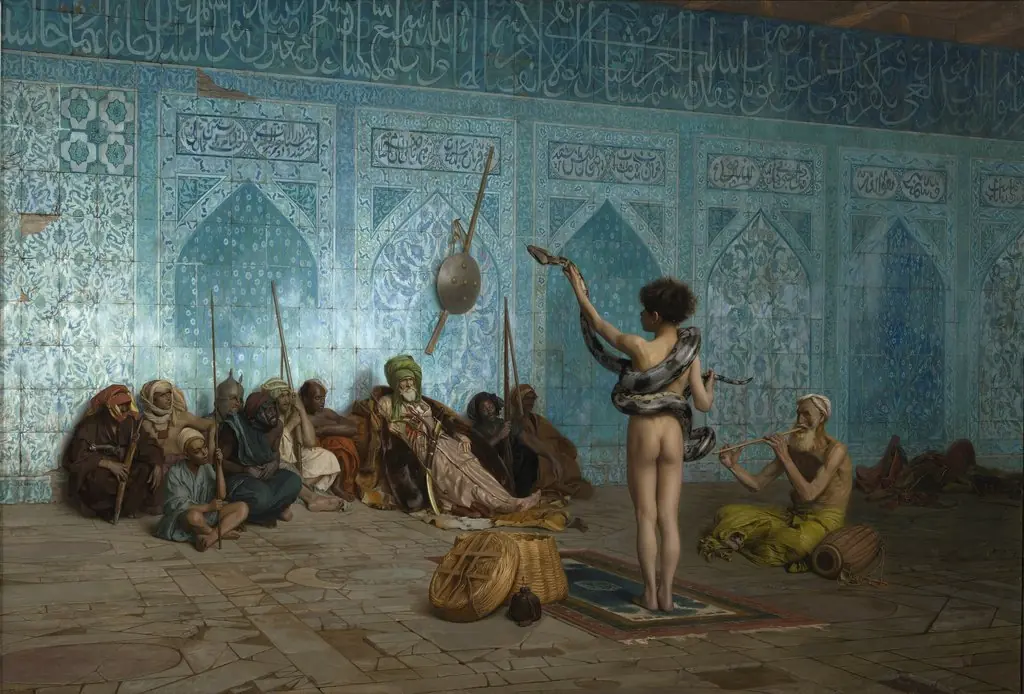 The Snake Charmer
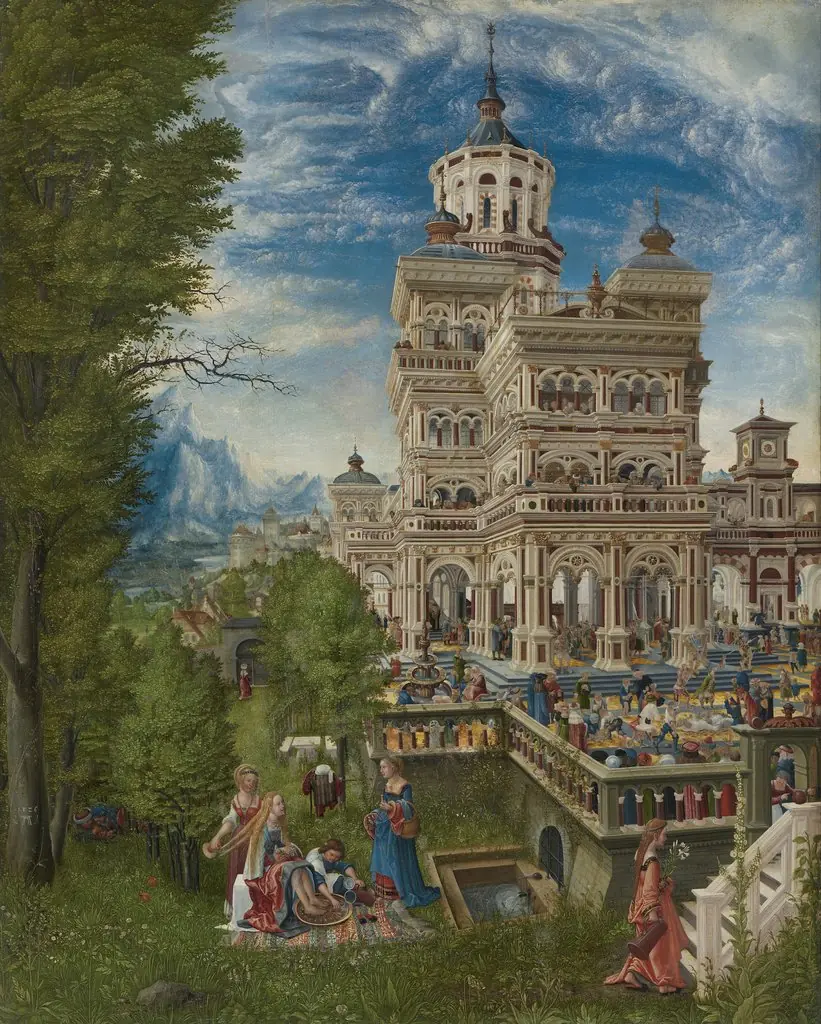 Susanna and the Elders
 Susanna and the Elders
 Nymphs in the Bath
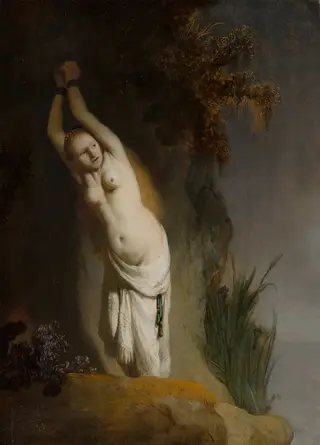 Andromeda Chained to the Rocks
 Seated Nude Model, Facing Left
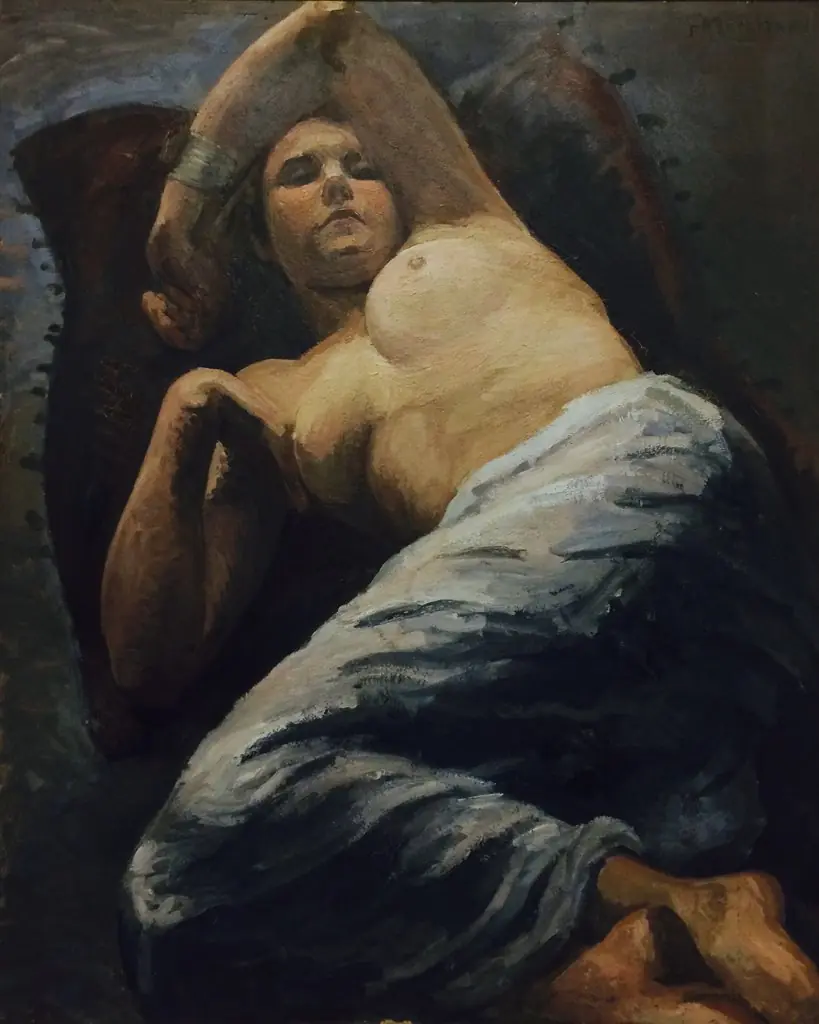 Reclining Figure
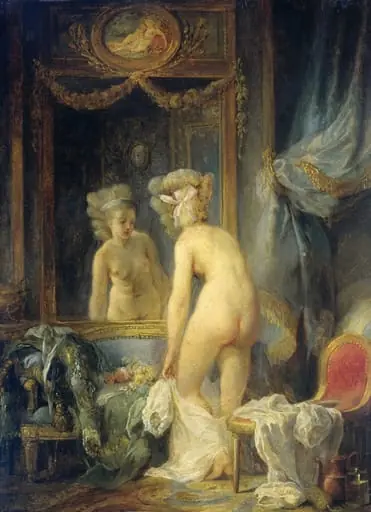 Untitled
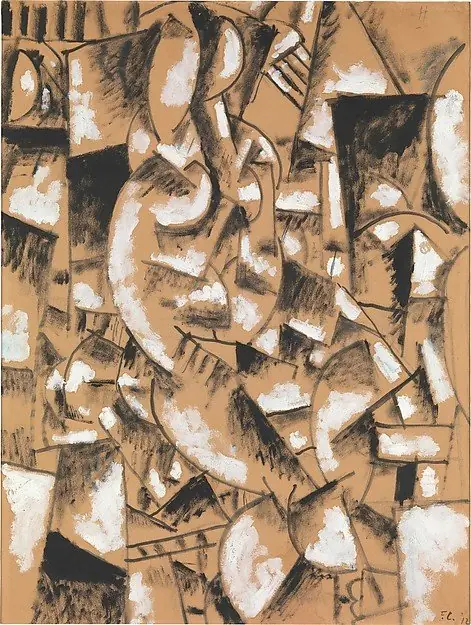 Composition (Study for "Nude Model in the Studio")
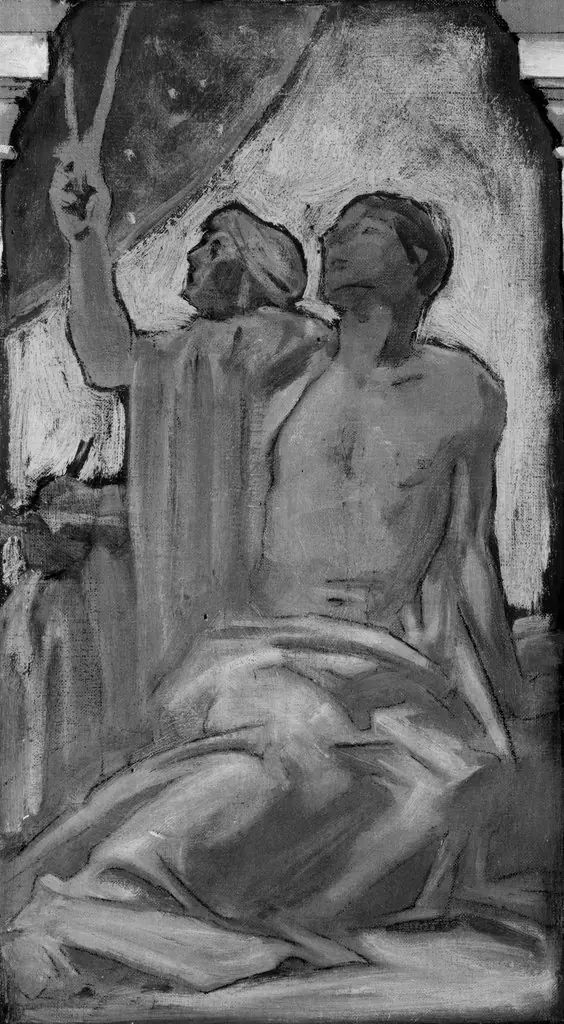 Science: A Preparation for the Mural in the Museum of Fine Arts, Boston
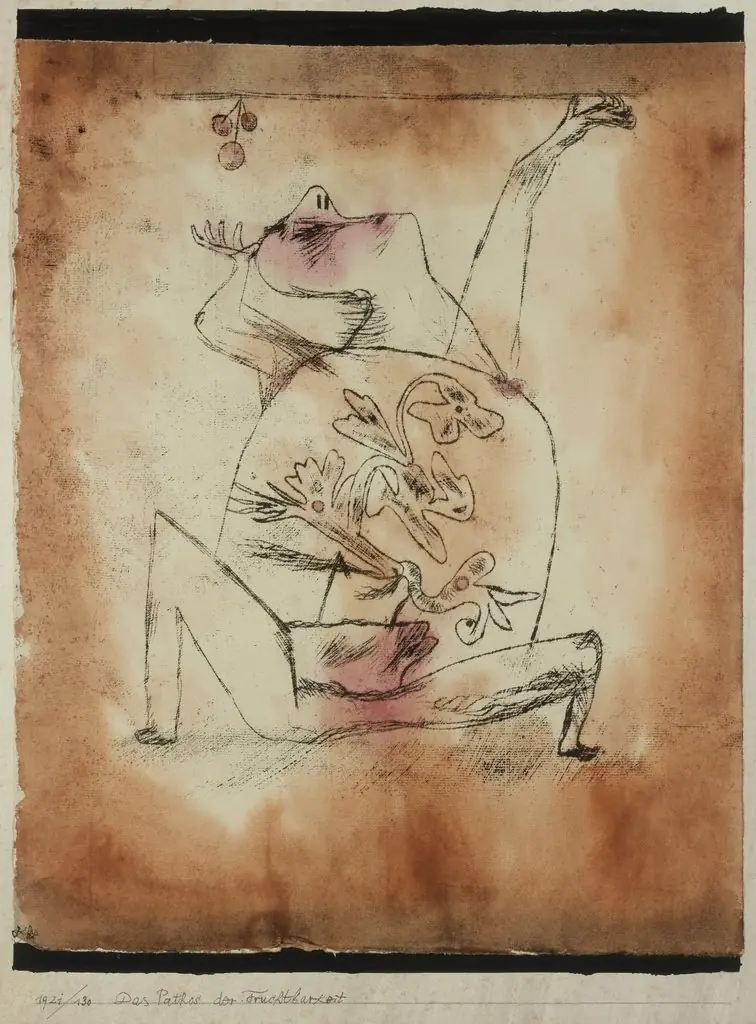 The Pathos of Fertility
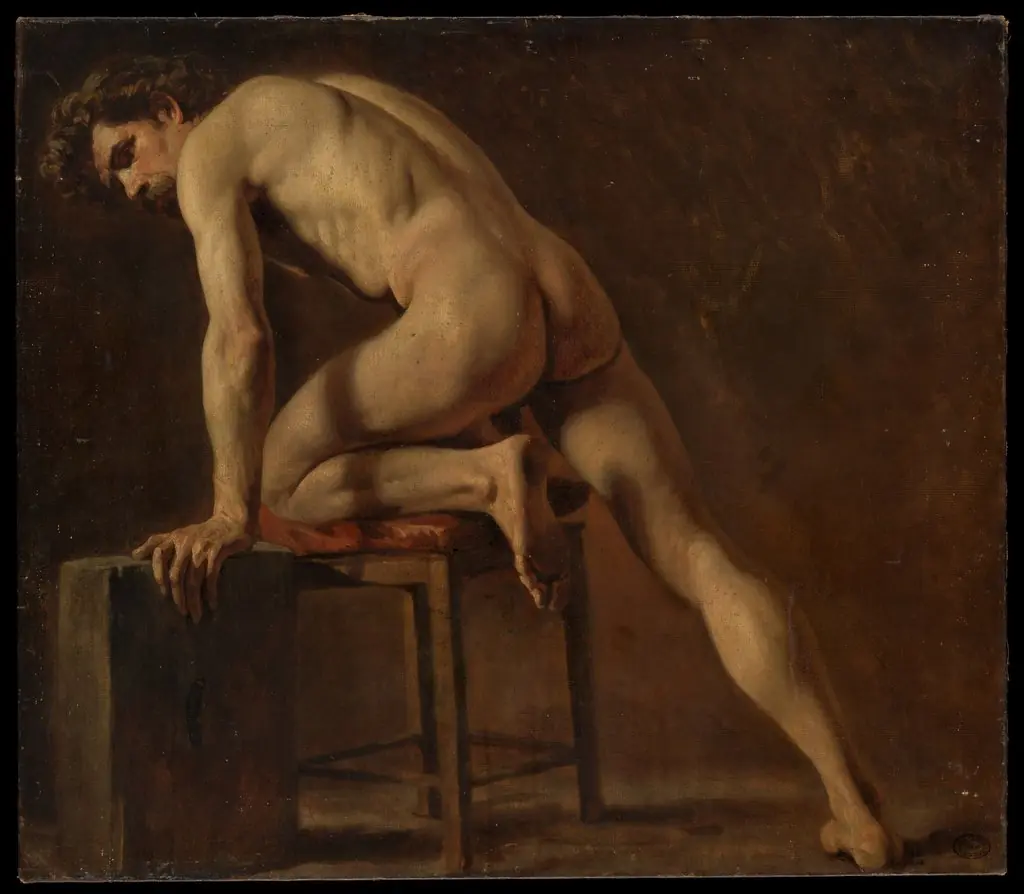 Study of a Nude Man
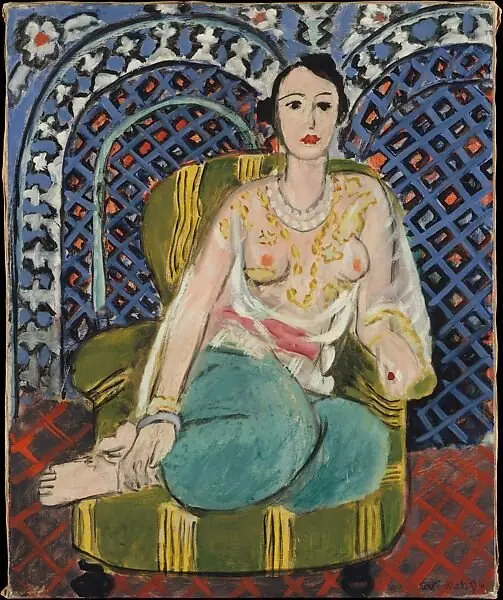 Seated Odalisque
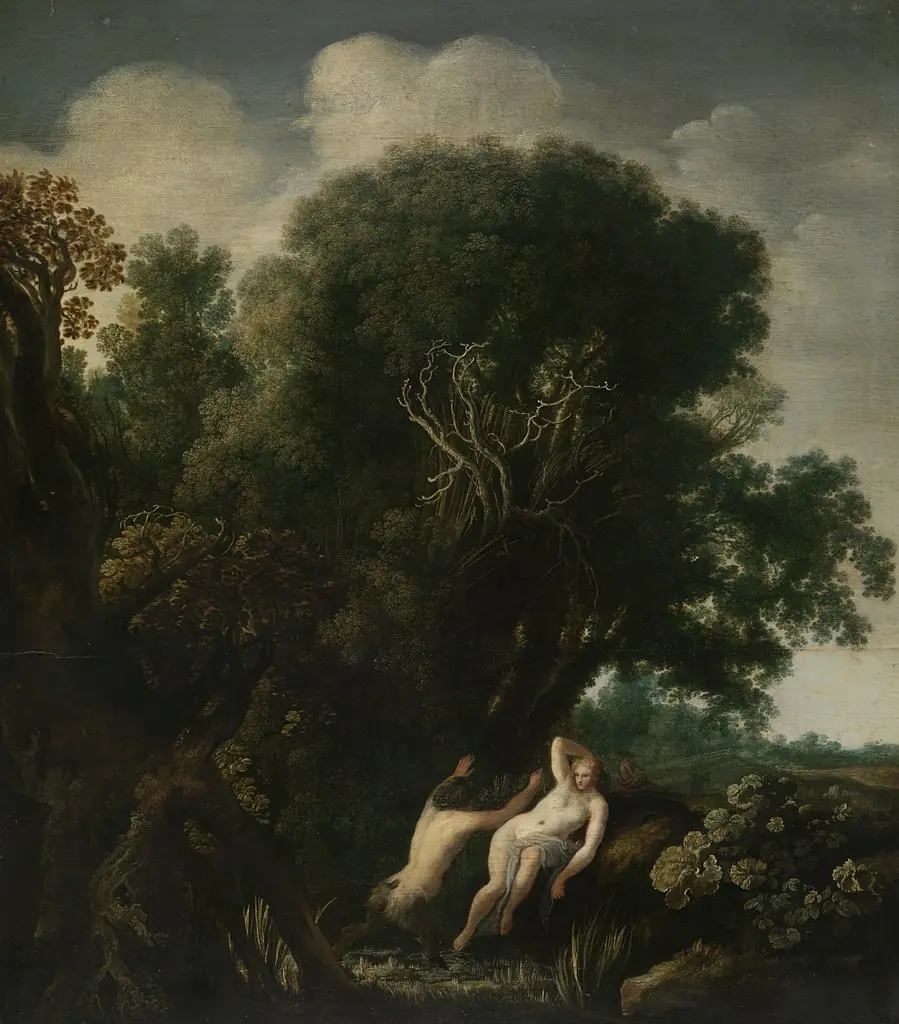 A Bathing Nymph Taken by Surprise by a Satyr
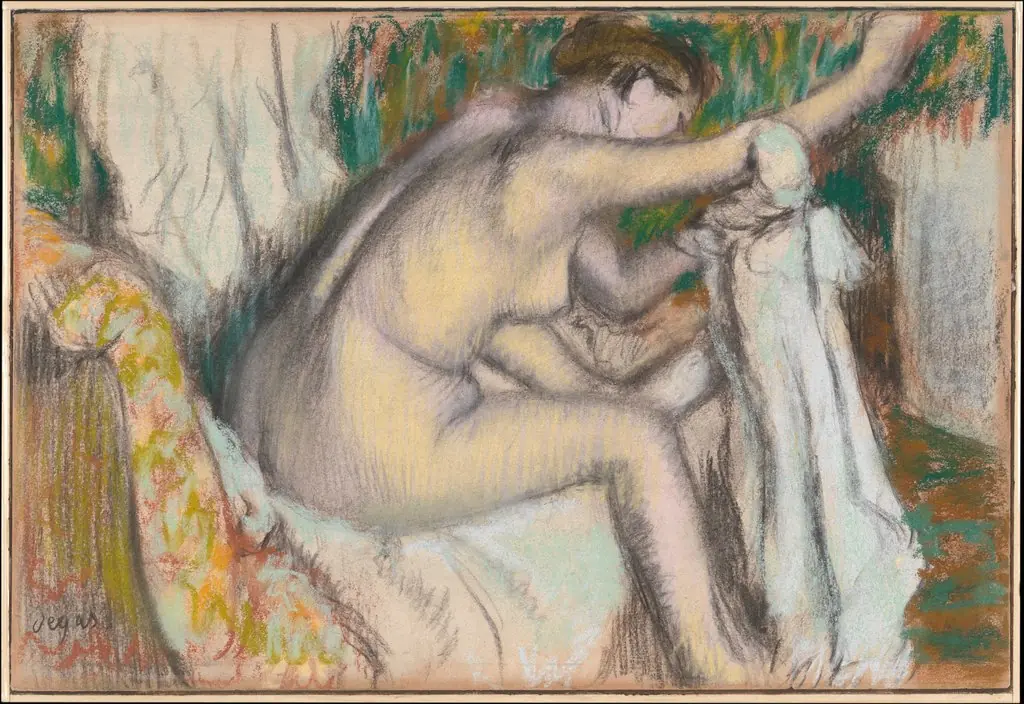 Woman Drying Her Arm
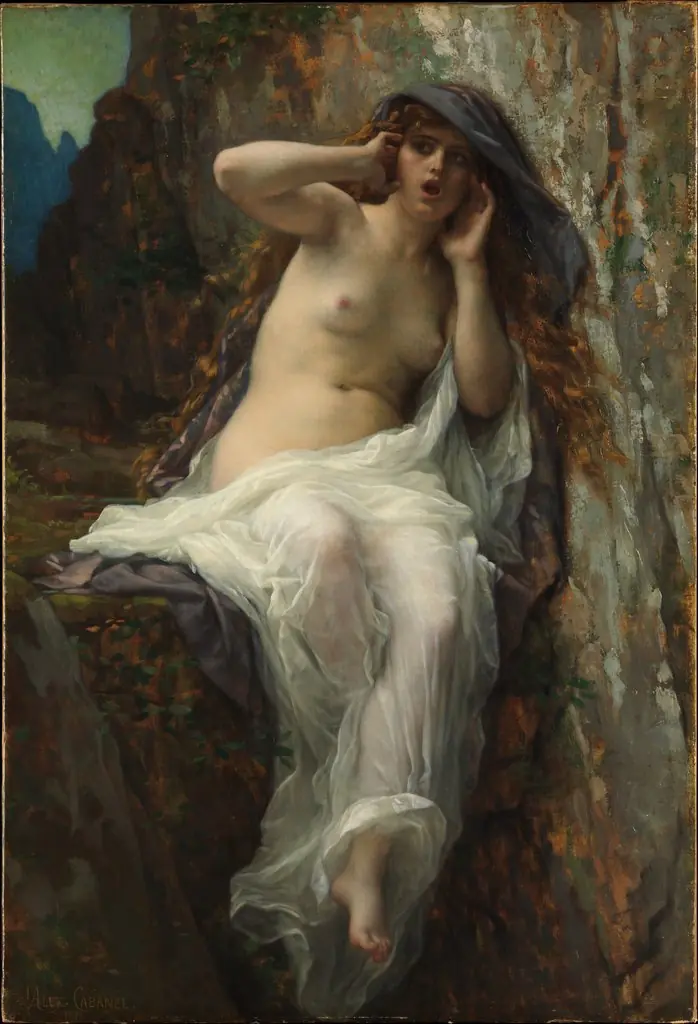 Echo
Echo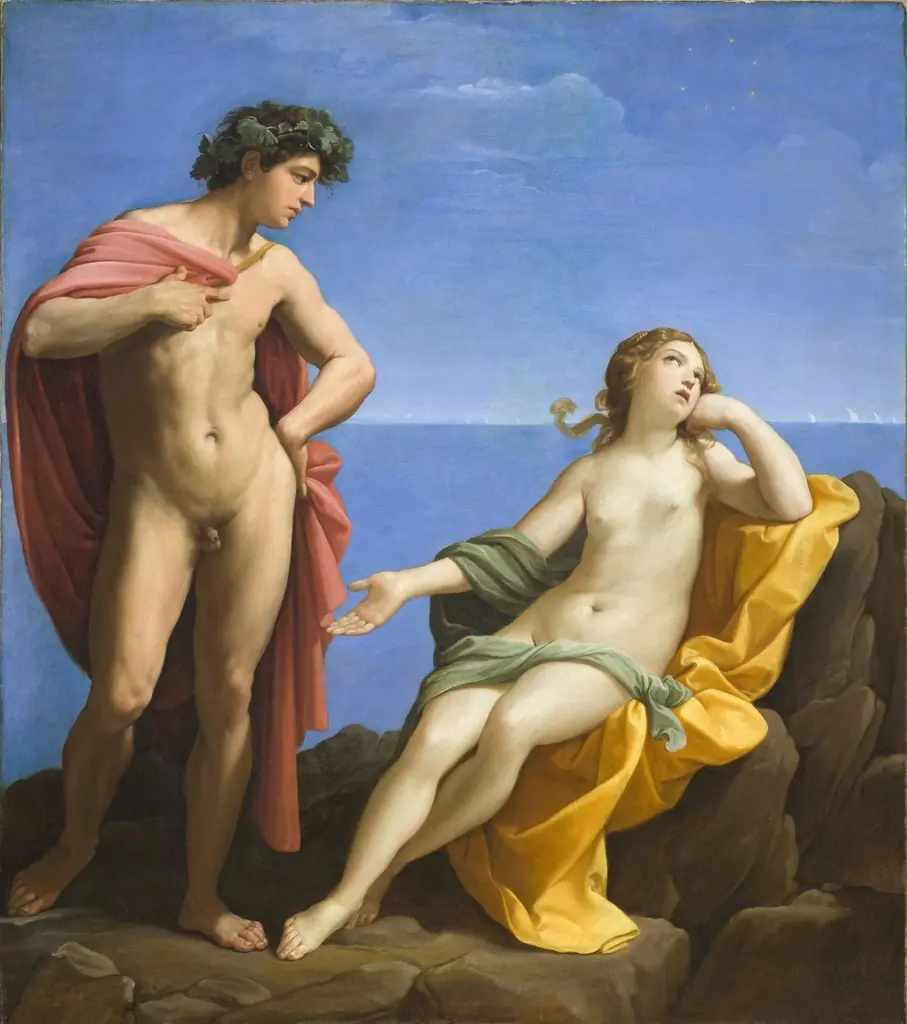 Bacchus and Ariadne
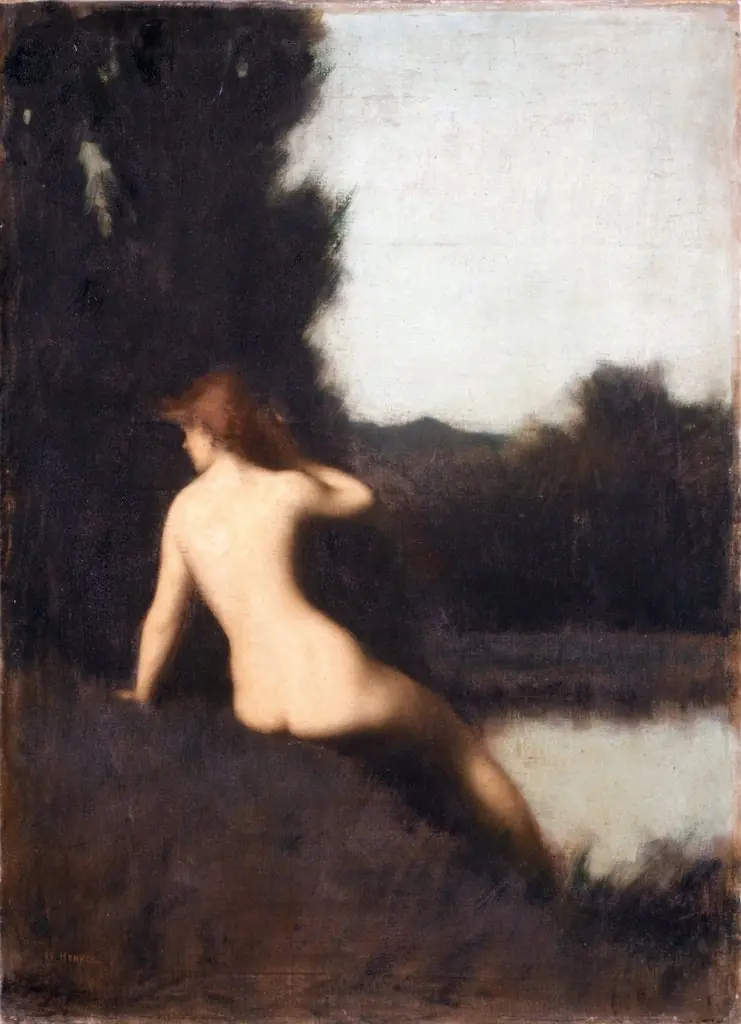 A Bather (Echo)
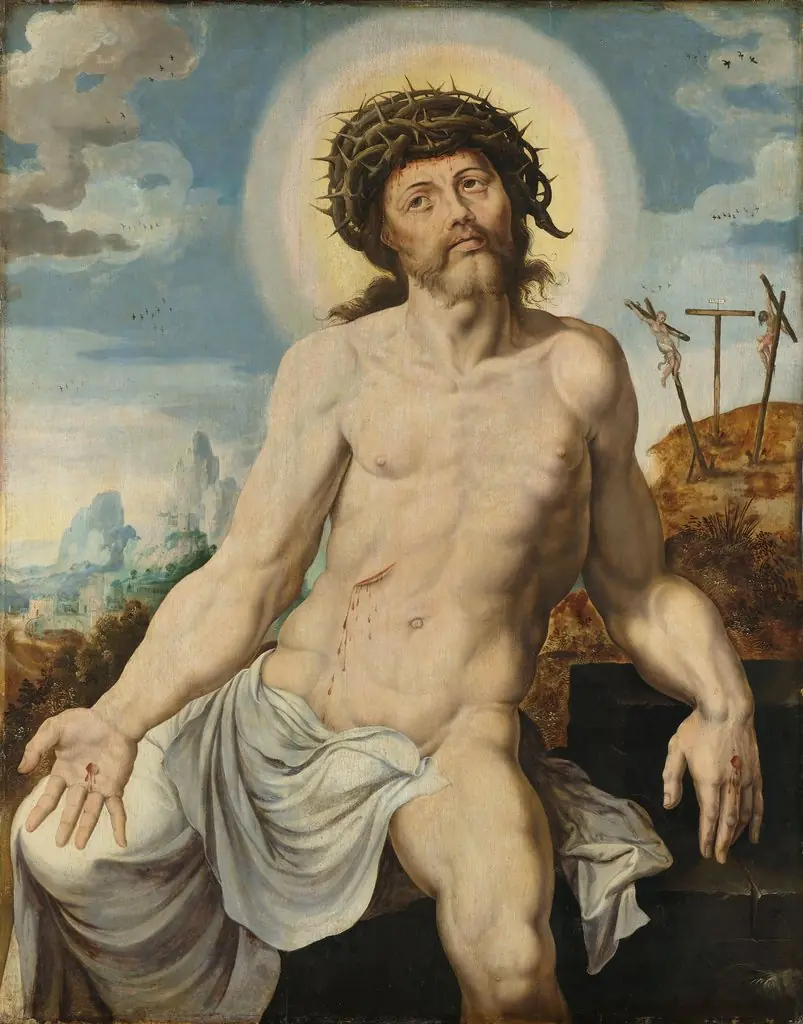 Christ as the Man of Sorrows
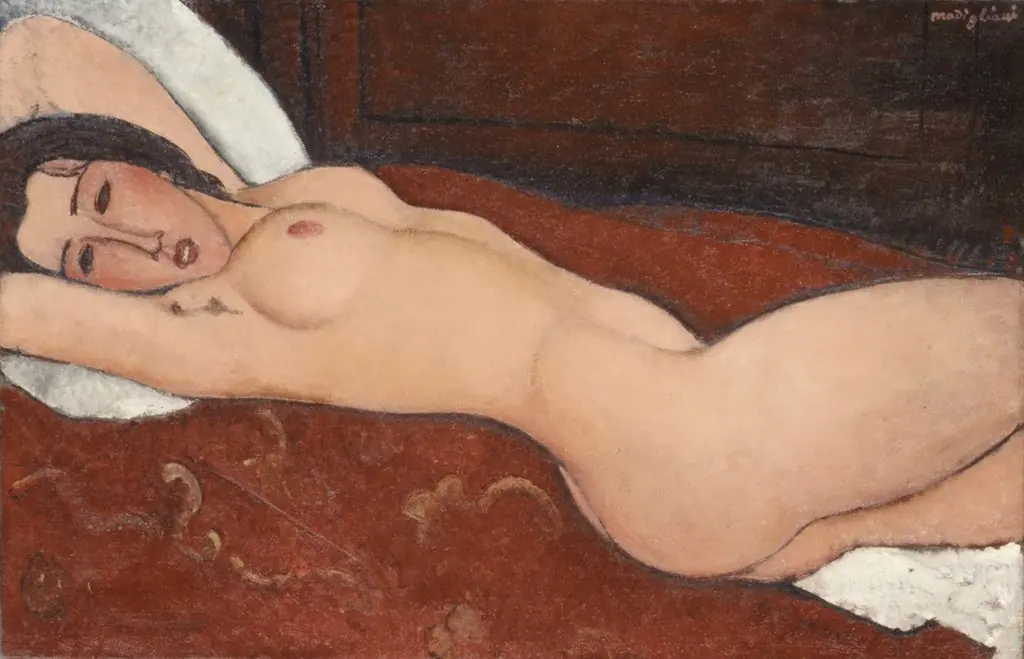 Reclining Nude
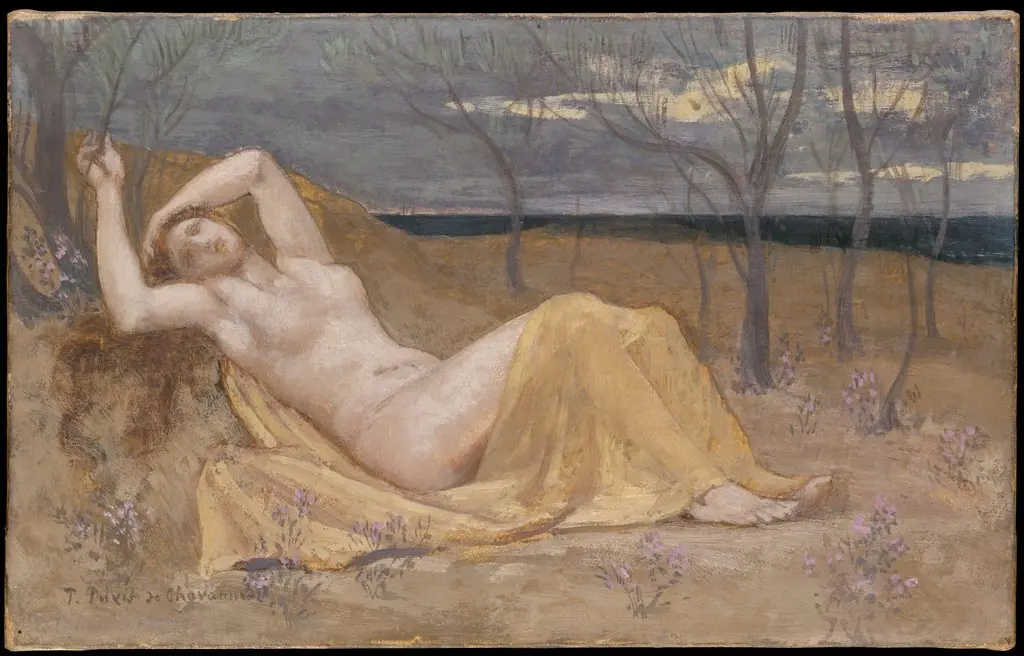 Tamaris
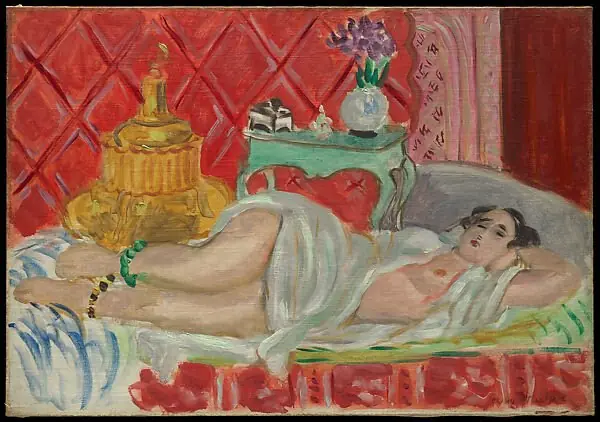 Odalisque, Harmony in Red
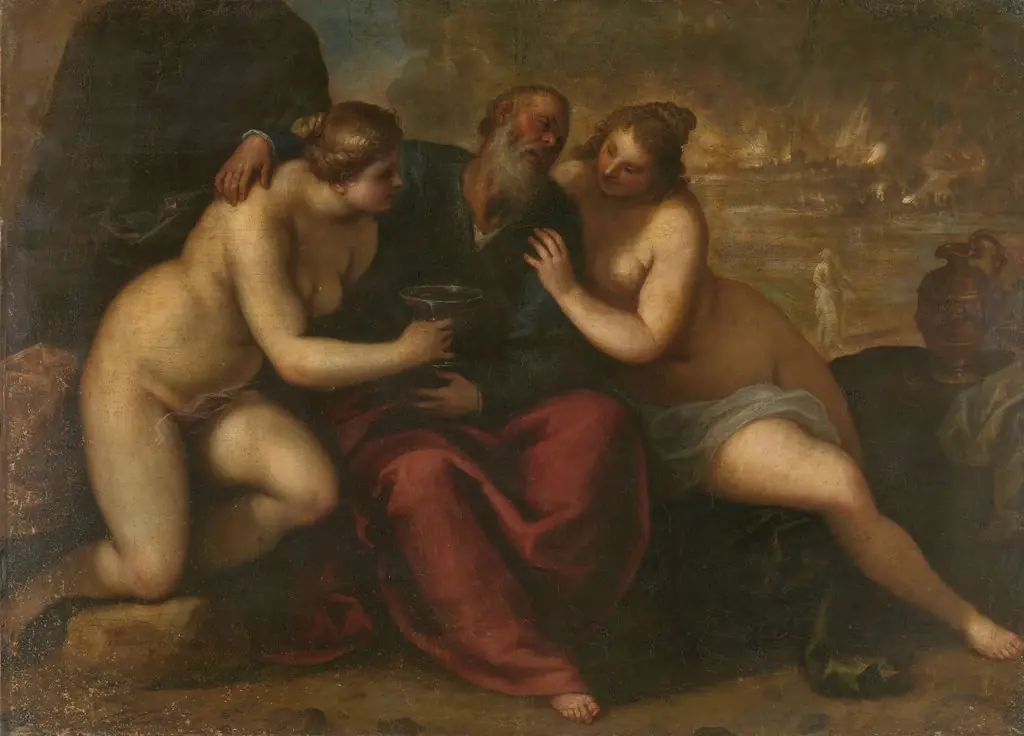 Lot and his Daughters
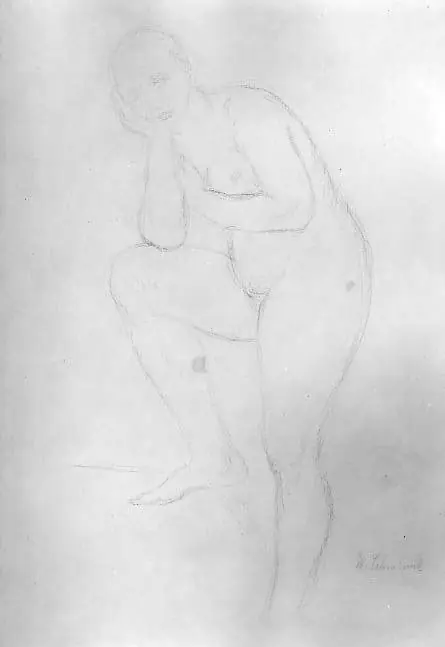 Standing Nude model, Facing Left
Frequently asked questions
What is Nude?
Nude is an art genre. The depiction of the unclothed human body, a central preoccupation of Western art from ancient Greece onward.
How many Nude works does Artifact World Gallery have?
Artifact World Gallery holds 3,594 public-domain Nude works, all free to view and download.
Who are the key Nude artists?
Key Nude artists in the collection include Titian, Thomas Eakins and Paolo Veronese.
Where can I see Nude works?
Nude works in the collection are held by National Gallery of Art, Museum of Modern Art and Cleveland Museum of Art.